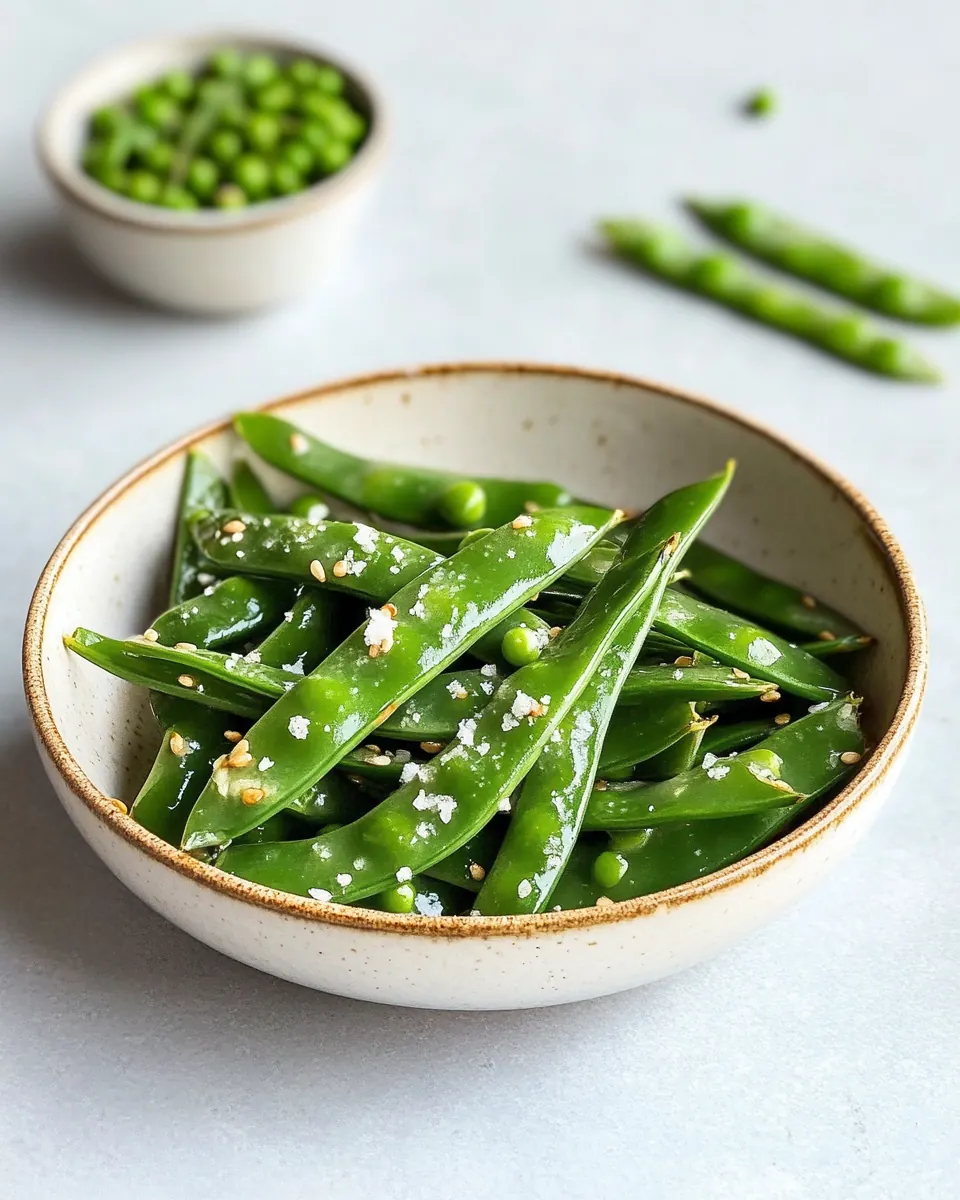
How To Cook Snow Peas
How To Cook Snow Peas is one of those simple recipes I turn to when I want something fresh, bright, and impossibly quick on the table. The first time I cooked How To Cook Snow Peas for friends, I remember the sound of the skillet and the snap of the pods as I tossed them, everyone leaning in and asking what that fragrant aroma was. That evening stuck with me because the dish felt like a tiny celebration of spring, and it taught me how little technique you actually need to make vegetables sing.
I often come back to How To Cook Snow Peas when my schedule is tight but I still want food that tastes like I cared. I love how the crisp texture of the pods contrasts with the warm, fragrant oils and garlic. There is a rhythm to preparing them, from trimming the tips to the two minute sauté that changes them from raw to tender crisp. I’ll confess, my first attempts squeezed too much time out of the process and I ended up with limp peas, so I learned to trust the clock and the sizzle.
Recipe Snapshot
7 mins
5 mins
2 mins
Easy
80 kcal
American
Vegan, Gluten-Free
Side Dishes
Large pan, Knife, Cutting board
Why This How To Cook Snow Peas Hits Different
1. Speed and Simplicity
I adore this recipe because it is fast enough for weeknights yet impressive enough for company. With just a few minutes on the stove, the pods transform; you get bright color and a lively snap, and the whole plate comes together with minimal fuss. I often reach for this recipe when I want to serve something healthy without spending time peeling or chopping dozens of ingredients.
2. Clean Fresh Flavor
We rely on a handful of clean ingredients to highlight the natural sweetness of snow peas. A touch of soy sauce adds savory depth while a whisper of sesame oil gives a toasty note that makes the dish feel finished. I love that each component has a clear purpose, and none compete with the crisp, green flavor of the pods.
3. Great Textural Contrast
When I teach friends to cook vegetables, I always emphasize texture. This dish gives you a crunchy, tender crisp bite if you follow the quick sauté technique. That satisfying snap is a sign you got it right, and the toasted sesame seeds add an extra little crunch that keeps every forkful interesting.
4. Versatile Serving Options
I use this recipe as a side for a light dinner, a bright accent at a potluck, or even as a warm salad tossed with a spoonful of sauce. Because it is so neutral and balanced, it pairs easily with many mains. I’ve served it with rice bowls and with simply grilled proteins, and it never felt out of place.
5. Little Room for Error
One of the reasons I keep returning to How To Cook Snow Peas is that small technique changes yield big wins. A quick wash, trimming strings, and a focused two minute sauté are all you need. You can tweak the heat or garnish for personality, but the foundation is forgiving and rewarding.
Ingredients You’ll Need for How To Cook Snow Peas
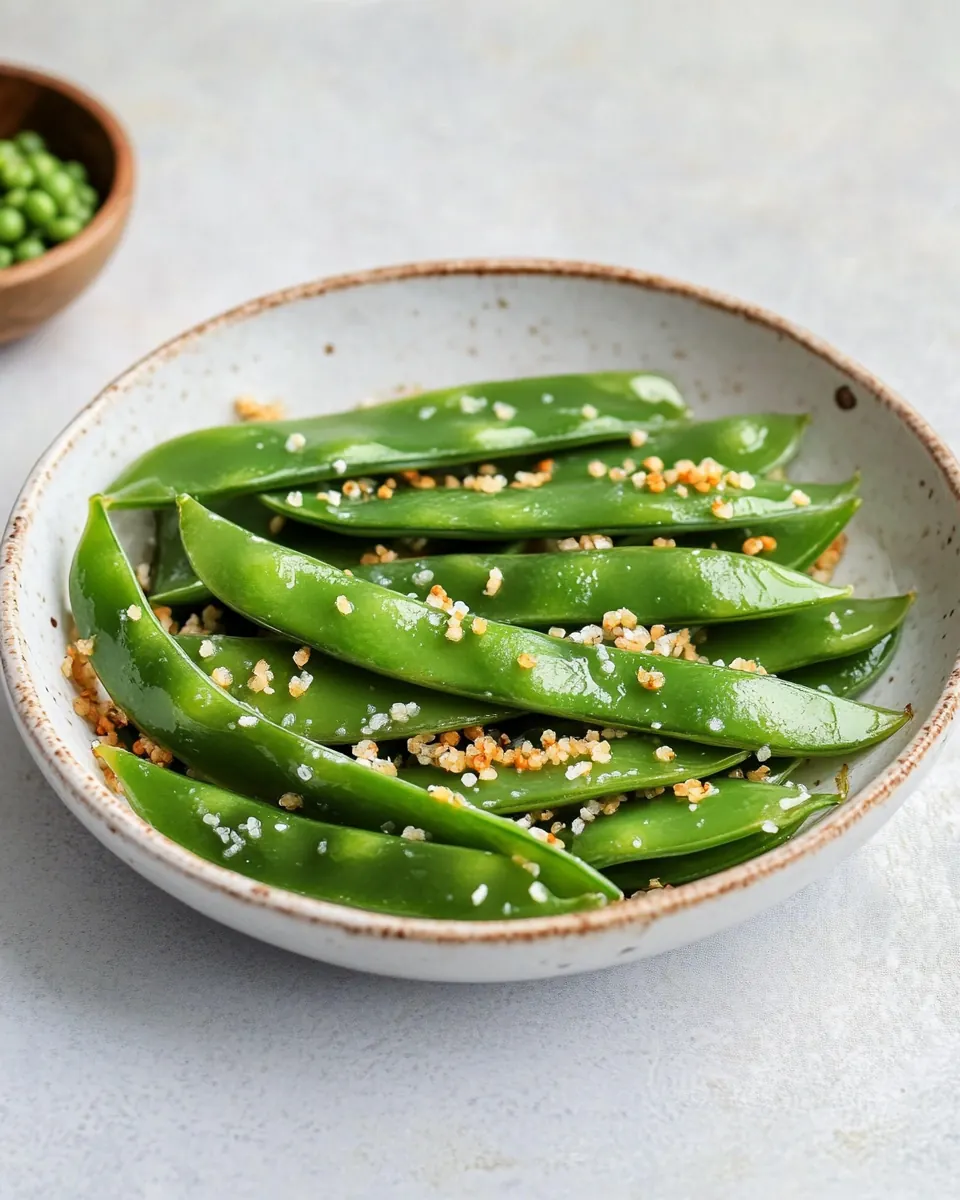
The philosophy here is simple: highlight freshness with minimal seasoning so the natural sweetness and crunch of the pods shine. The key players are the snow peas themselves, a small amount of oil to carry aromatics, and finishing touches that add contrast and umami. Each ingredient has a clear job, and together they create a bright, textured side dish.
- 2 cups fresh snow peas: Provide crisp, tender texture and sweet vegetal flavor to the dish; act as the main component showcasing quick stir-fry technique. Trim ends and remove strings if desired, then cook briefly to retain bright color and snap. Combine with aromatics and sauces to absorb flavors while remaining slightly crunchy for contrast.
- 1 tablespoon vegetable oil: Coat the pan and vegetables to facilitate even heat transfer and light frying; deliver a neutral base that allows other flavors to shine. Heat until shimmering before adding aromatics to prevent sticking and ensure quick searing. Use sparingly to avoid greasiness while achieving a glossy finish on the peas.
- 1 teaspoon sesame oil: Impart a nutty, aromatic note that complements the vegetable and soy elements; add toward the end to preserve its fragrance. Drizzle in small amount to enrich flavor without overpowering the dish. Balance with vegetable oil to maintain a pleasant sesame presence.
- 1/2 teaspoon fresh ginger minced: Provide bright, spicy warmth and aromatic complexity when minced and cooked briefly; help lift the overall flavor profile. Add early in the cooking process with oil to release its essential oils and infuse the dish. Use fresh ginger for zing and to counterbalance the sweetness of the peas.
- 1 clove garlic minced: Contribute pungent, savory depth and aromatic complexity when minced; sauté briefly to mellow sharpness and prevent burning. Combine with ginger to build a flavorful base for the sauce. Adjust amount to taste to avoid overwhelming the light vegetable flavors.
- 1 tablespoon soy sauce: Deliver savory, salty umami that seasons the peas and ties aromatics together; add during cooking to coat vegetables evenly. Use a modest amount to enhance natural flavors without making the dish too salty. Consider low-sodium varieties if reducing salt intake.
- Pinch of red chili flakes for garnish: Add a bright, spicy accent and visual contrast when sprinkled as a garnish; provide optional heat for those who enjoy spice. Use a light pinch to enhance flavor without dominating the dish. Offer alongside other garnishes so diners can control spice level.
- Toasted white sesame seeds for garnish: Provide a toasty, crunchy finish and nutty aroma when sprinkled on top; elevate texture and presentation. Lightly toast if desired to intensify flavor before garnishing. Scatter just before serving to retain crispness and visual appeal.
Step by Step Instructions for How To Cook Snow Peas
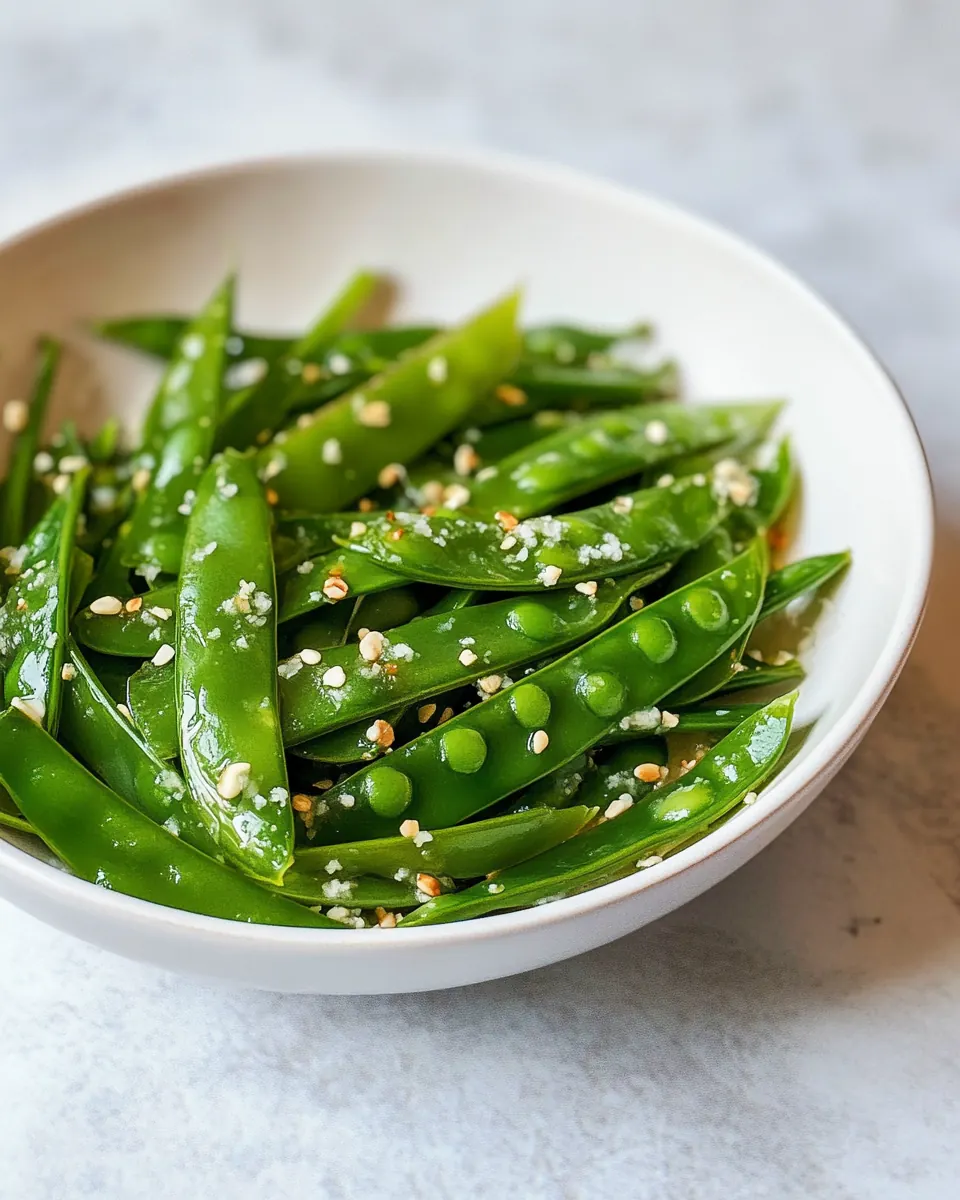
This method is short and focused, and it rewards close attention. Follow the sequence below and watch for the sensory cues I describe so you can time everything precisely. The directions are compact, but each moment on the stove shapes the final texture and flavor.
- Wash the snow peas, then cut off the tips and remove the side strings.: You will notice a clean, green scent as you rinse the pods, and the tactile step of snapping or trimming the tips helps ensure a tidy bite. Removing the side string is important because it can be fibrous and tough, which distracts from the crisp texture we want. A common mistake is skipping this prep, which leads to chewy bits when you eat the finished dish. Work methodically, and if a pod resists, use your thumbnail to pull the string away while you hold the tip steady. Keep a bowl of cold water nearby to drop trimmed peas into so they stay crisp as you finish prepping.
- Heat the vegetable oil and sesame oil in a large pan. Add the snow peas, minced ginger, and garlic, and sauté for 2 minutes until cooked. Season with soy sauce.: As the oils warm, you will see a slight shimmer on the surface and smell the nutty sesame note rise. Warming both oils together gives you a neutral cooking medium with a fragrant finish. Use a pan that conducts heat evenly so the pods cook quickly without burning. A common error here is overheating the oil until it smokes; watch for a gentle shimmer and tilt the pan to check even coverage. If the oil smokes, remove it from heat briefly and let it cool slightly before continuing.
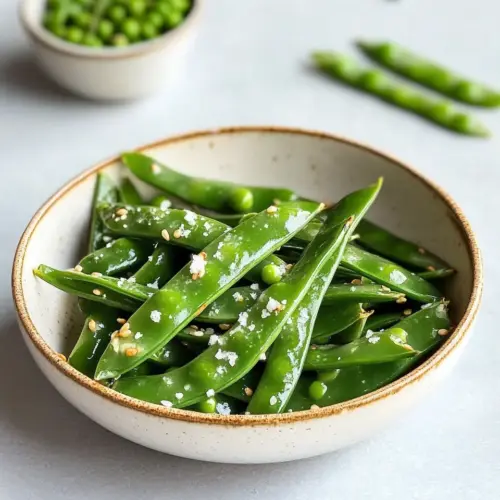
- Transfer the cooked snow peas onto plates and top with red chili flakes and toasted white sesame seeds.: When the pods hit the hot oil, listen for a bright sizzle that tells you the pan is at the right temperature. As you toss them, the aroma of garlic and ginger will bloom, and the pods will shift from a raw matte green to a glossy, vibrant hue. This short cook time preserves that crisp bite while bringing out sweetness. Avoid overcrowding the pan, because steam will form and make them limp. If you find steam building, raise the heat slightly and keep them moving so they sear rather than steam.
- Season with soy sauce.: When you add the soy sauce , it will sizzle briefly and release savory fragrance that merges with the oils. The sauce adds umami and balances the fresh sweetness of the pods. Pour a thin ribbon around the pan edge to deglaze small browned bits for more flavor. A common mistake is over-salting; taste a pea if you are unsure, because some soy sauces are saltier than others. If it seems too salty, a quick squeeze of water or an extra toss in the pan can dilute concentrated seasoning.
- Transfer the cooked snow peas onto plates and top with red chili flakes and toasted white sesame seeds.: Moving the peas off the heat stops carryover cooking so they stay tender crisp, and the aroma will be warm and slightly nutty. Scatter a pinch of red chili flakes for color and a subtle kick, then finish with the toasted white sesame seeds for crunch. The contrast of warm peas and cool garnishes makes the final bite lively. A frequent oversight is letting the dish sit in the pan, which softens the texture; plate immediately to preserve the perfect snap.
Variations to Try
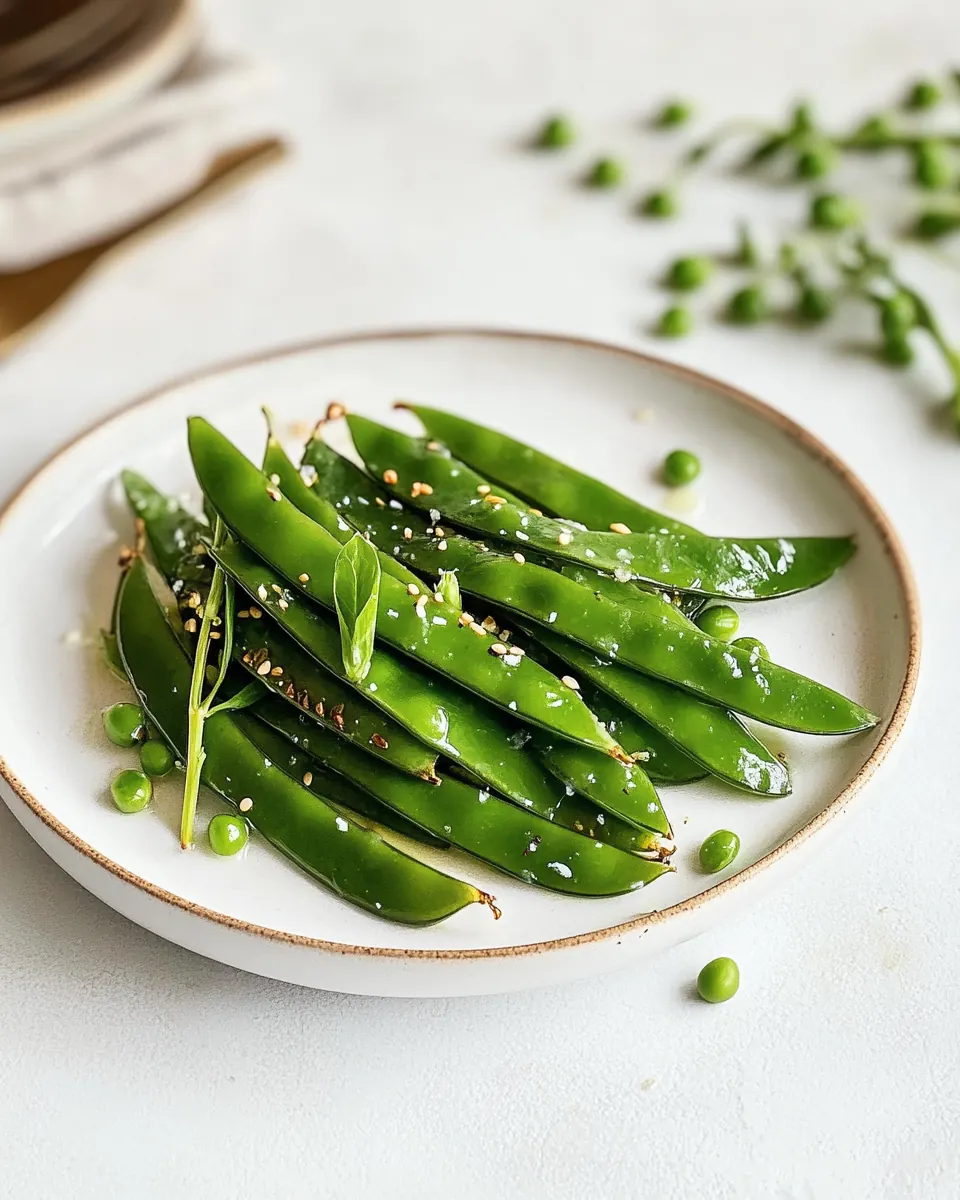
These variations let you adapt the base flavors while keeping the quick, bright character of the dish. Each tip begins with a clear idea to try and then explains how it changes the result, so you can pick one to match your mood or menu.
- Stir in a squeeze of fresh citrus — Try adding a little lemon or lime juice right off the heat to brighten the flavor and enhance the natural sweetness of the snow peas. The acidity lifts the dish and pairs especially well if you serve the peas with grains or steamed fish.
- Add a sprinkle of toasted nuts — Toasted slivered almonds or chopped pistachios bring more crunch and a buttery note that complements the toasted white sesame seeds. Scatter them over just before serving to maintain texture.
- Make it a warm salad — Toss the cooked pods with a spoonful of warm sesame oil and a few drops of soy sauce, then serve over a bed of greens for a warm salad that works as a light main.
- Use different garnishes — Swap the red chili flakes for freshly ground black pepper or a dusting of toasted sesame powder to alter the final flavor profile without changing technique.
- Double the aromatics — If you prefer stronger fragrance, increase the minced ginger slightly and add a second clove of garlic, making the dish more robust while still fast to prepare.
What to Pair With How To Cook Snow Peas
This section explores serving ideas and pairings so you can build a full meal around the bright, crisp presence of How To Cook Snow Peas. Think about textures and complementary flavors when planning a menu.
- Serve with steamed rice — A neutral bed of rice allows the seasoned pods to shine, creating a balanced plate suitable for casual weeknight dinners.
- Pair with grilled fish or tofu — The light, nutty notes of the dish match nicely with simply seasoned proteins for a well rounded meal.
- Include in a springtime lunch — The fresh snap and green color make this perfect for a seasonal lunch spread alongside light sandwiches or grain salads.
- Bring to potlucks — Because it travels well for short periods, this dish makes a crisp, bright contribution to a shared table when kept slightly warm.
- Store briefly in the fridge — Cool completely before refrigerating in an airtight container, and reheat gently in a hot pan to revive the texture. Avoid microwaving, as it can make the pods limp.
- Best in spring — The recipe shines when peas are at peak freshness, so feature it in seasonal menus when local produce tastes its best.
FAQ
Conclusion
What makes this recipe special is how a handful of simple steps transforms fresh snow peas into a vibrant, textural side dish. It balances speed, fragrance, and crunch so that a two minute sauté delivers maximum flavor payoff. I encourage you to give How To Cook Snow Peas a try the next time you want something healthy and satisfying with minimal fuss. It is a reliable go to for spring produce and a great way to add bright green energy to any plate.
How To Cook Snow Peas
Equipment
- Large Pan
- Knife
- Cutting Board
Ingredients
- 2 cups fresh snow peas Provide crisp, tender texture and sweet vegetal flavor to the dish; act as the main component showcasing quick stir-fry technique. Trim ends and remove strings if desired, then cook briefly to retain bright color and snap. Combine with aromatics and sauces to absorb flavors while remaining slightly crunchy for contrast.
- 1 tablespoon vegetable oil Coat the pan and vegetables to facilitate even heat transfer and light frying; deliver a neutral base that allows other flavors to shine. Heat until shimmering before adding aromatics to prevent sticking and ensure quick searing. Use sparingly to avoid greasiness while achieving a glossy finish on the peas.
- 1 teaspoon sesame oil Impart a nutty, aromatic note that complements the vegetable and soy elements; add toward the end to preserve its fragrance. Drizzle in small amount to enrich flavor without overpowering the dish. Balance with vegetable oil to maintain a pleasant sesame presence.
- 1/2 teaspoon fresh ginger minced Provide bright, spicy warmth and aromatic complexity when minced and cooked briefly; help lift the overall flavor profile. Add early in the cooking process with oil to release its essential oils and infuse the dish. Use fresh ginger for zing and to counterbalance the sweetness of the peas.
- 1 clove garlic minced Contribute pungent, savory depth and aromatic complexity when minced; sauté briefly to mellow sharpness and prevent burning. Combine with ginger to build a flavorful base for the sauce. Adjust amount to taste to avoid overwhelming the light vegetable flavors.
- 1 tablespoon soy sauce Deliver savory, salty umami that seasons the peas and ties aromatics together; add during cooking to coat vegetables evenly. Use a modest amount to enhance natural flavors without making the dish too salty. Consider low-sodium varieties if reducing salt intake.
- Pinch of red chili flakes for garnish Add a bright, spicy accent and visual contrast when sprinkled as a garnish; provide optional heat for those who enjoy spice. Use a light pinch to enhance flavor without dominating the dish. Offer alongside other garnishes so diners can control spice level.
- Toasted white sesame seeds for garnish Provide a toasty, crunchy finish and nutty aroma when sprinkled on top; elevate texture and presentation. Lightly toast if desired to intensify flavor before garnishing. Scatter just before serving to retain crispness and visual appeal.
Instructions
- Wash the snow peas, then cut off the tips and remove the side strings.: You will notice a clean, green scent as you rinse the pods, and the tactile step of snapping or trimming the tips helps ensure a tidy bite. Removing the side string is important because it can be fibrous and tough, which distracts from the crisp texture we want. A common mistake is skipping this prep, which leads to chewy bits when you eat the finished dish. Work methodically, and if a pod resists, use your thumbnail to pull the string away while you hold the tip steady. Keep a bowl of cold water nearby to drop trimmed peas into so they stay crisp as you finish prepping.
- Heat the vegetable oil and sesame oil in a large pan. Add the snow peas, minced ginger, and garlic, and sauté for 2 minutes until cooked. Season with soy sauce.: As the oils warm, you will see a slight shimmer on the surface and smell the nutty sesame note rise. Warming both oils together gives you a neutral cooking medium with a fragrant finish. Use a pan that conducts heat evenly so the pods cook quickly without burning. A common error here is overheating the oil until it smokes; watch for a gentle shimmer and tilt the pan to check even coverage. If the oil smokes, remove it from heat briefly and let it cool slightly before continuing.
- Transfer the cooked snow peas onto plates and top with red chili flakes and toasted white sesame seeds.: When the pods hit the hot oil, listen for a bright sizzle that tells you the pan is at the right temperature. As you toss them, the aroma of garlic and ginger will bloom, and the pods will shift from a raw matte green to a glossy, vibrant hue. This short cook time preserves that crisp bite while bringing out sweetness. Avoid overcrowding the pan, because steam will form and make them limp. If you find steam building, raise the heat slightly and keep them moving so they sear rather than steam.
- Season with soy sauce.: When you add the soy sauce , it will sizzle briefly and release savory fragrance that merges with the oils. The sauce adds umami and balances the fresh sweetness of the pods. Pour a thin ribbon around the pan edge to deglaze small browned bits for more flavor. A common mistake is over-salting; taste a pea if you are unsure, because some soy sauces are saltier than others. If it seems too salty, a quick squeeze of water or an extra toss in the pan can dilute concentrated seasoning.
- Transfer the cooked snow peas onto plates and top with red chili flakes and toasted white sesame seeds.: Moving the peas off the heat stops carryover cooking so they stay tender crisp, and the aroma will be warm and slightly nutty. Scatter a pinch of red chili flakes for color and a subtle kick, then finish with the toasted white sesame seeds for crunch. The contrast of warm peas and cool garnishes makes the final bite lively. A frequent oversight is letting the dish sit in the pan, which softens the texture; plate immediately to preserve the perfect snap.
Notes
- Stir in a squeeze of fresh citrus — Try adding a little lemon or lime juice right off the heat to brighten the flavor and enhance the natural sweetness of the snow peas. The acidity lifts the dish and pairs especially well if you serve the peas with grains or steamed fish.
- Add a sprinkle of toasted nuts — Toasted slivered almonds or chopped pistachios bring more crunch and a buttery note that complements the toasted white sesame seeds. Scatter them over just before serving to maintain texture.
- Make it a warm salad — Toss the cooked pods with a spoonful of warm sesame oil and a few drops of soy sauce, then serve over a bed of greens for a warm salad that works as a light main.
- Use different garnishes — Swap the red chili flakes for freshly ground black pepper or a dusting of toasted sesame powder to alter the final flavor profile without changing technique.
- Double the aromatics — If you prefer stronger fragrance, increase the minced ginger slightly and add a second clove of garlic, making the dish more robust while still fast to prepare.
