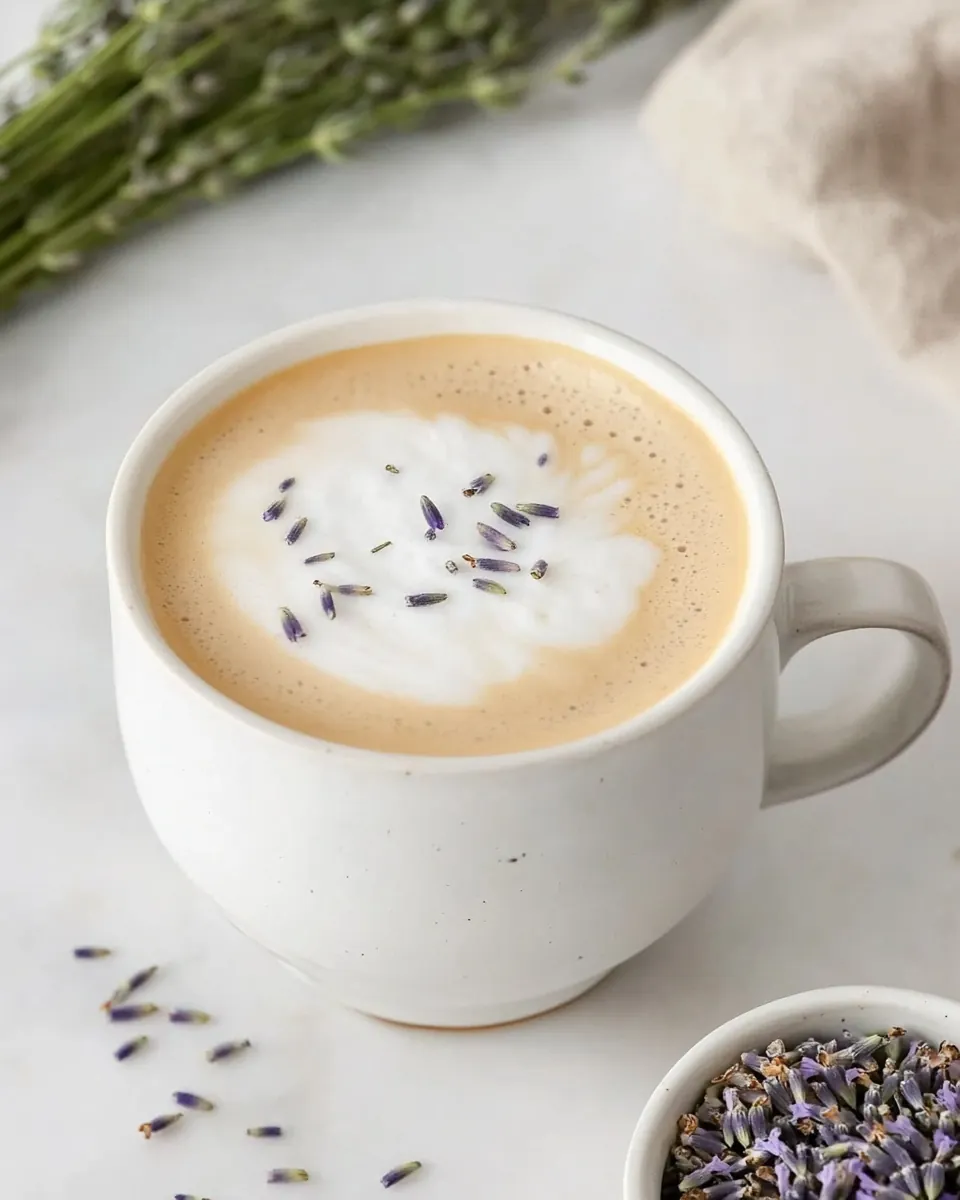
Lavender Latte
Lavender Latte is one of those quiet pleasures I reach for when I want a small, fragrant ritual to punctuate my day. The first time I brewed it at home I was chasing a memory of a cafe that served drinks like tiny, scented bouquets. I remember the steam curling up, carrying a floral note that felt both indulgent and calming, and I told myself I needed to recreate that exact moment on my kitchen counter.
Since then I’ve tweaked the balance between bold coffee and delicate floral syrup so it sings without overwhelming. Some mornings I make it to slow down and savor a single cup, other times I share it with a friend who needs a gentle lift. The texture matters to me, so I keep the milk lush and velvety, the kind that wraps around each sip. Every time I stir the syrup into the espresso, a faint purple-gold sheen appears, and I know the drink will be right.
What I love most is how adaptable this simple beverage is. You can dial the lavender up for a more floral, tea like vibe, or hold it back for an espresso forward experience. I often change my frothing method depending on mood and tools, and those small choices change the way the flavors land. Making a Lavender Latte feels like a little bit of self care, an intentional pause where aroma, warmth, and texture come together in a cup.
Recipe Snapshot
6 mins
5 mins
1 mins
Easy
150 kcal
American
Keto, Gluten-Free
Breakfast
Espresso machine or coffee maker for espresso, Milk frother or French press, Cup
The Beauty of This Lavender Latte
Fragrant comfort in a cup
I love this drink because it balances aromatic floral notes with rich espresso, giving you a comforting cup that still feels sophisticated. When the lavender is subtle, the espresso comes forward with a deep, roasted backbone, while the syrup lifts the palate with a soft floral finish.
Quick and satisfying
This recipe is incredibly actionable, it takes almost no time to assemble yet yields a barista level result. For busy mornings, I appreciate that it offers a sensory escape without demanding a huge time commitment.
Flexible textures
We can choose our favorite milk and frothing method, and that choice changes the whole experience. I often switch between a wand frother and a French press to vary how dense and creamy the foam becomes.
Customizable sweetness
I value that you can adjust the lavender syrup to your taste. When I want something more restorative I add an extra drizzle, and when I need a jolt I keep it restrained so the espresso shines through.
Simple ingredient list
This drink stands out because the ingredients are few, yet each one plays a clear role. The espresso delivers structure, the lavender syrup provides the signature aroma, and the oat milk brings creaminess that rounds everything into a cohesive sip.
Key Ingredients for Lavender Latte
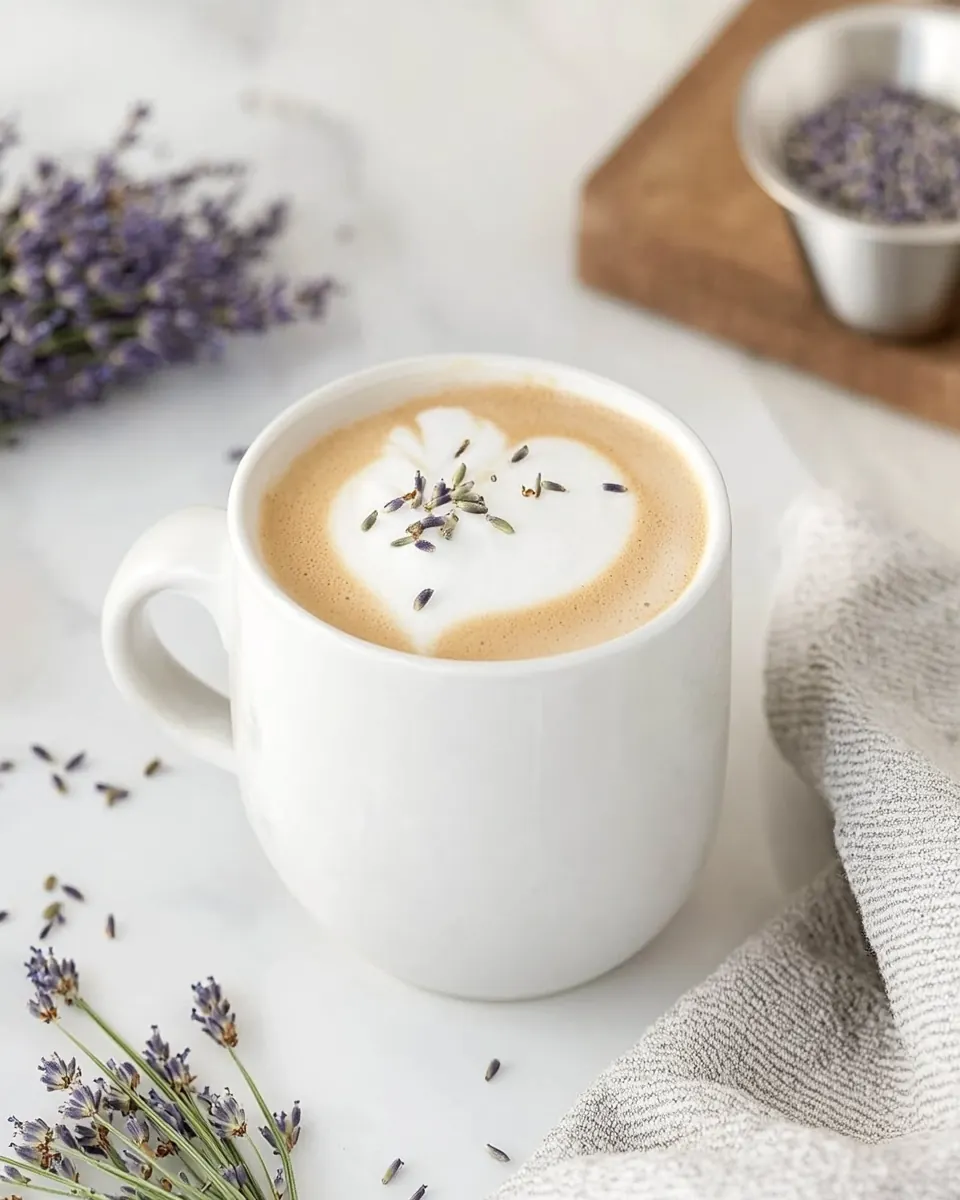
The ingredient philosophy here is restraint and quality. A great Lavender Latte depends on three core players working in harmony. The espresso gives depth and bitterness to anchor the drink. The lavender syrup is the aromatic highlight, so its intensity must be tuned to your palate. The oat milk creates a silky body that carries both flavors, making each sip smooth and satisfying.
- 2 shots espresso (2 ounces espresso): Adds concentrated coffee flavor and boldness to the latte, providing the essential caffeinated base; extracts nuanced bitter and roasted notes that balance the sweetness of the syrup. Pulls aroma and crema that enrich the drink’s mouthfeel and aroma profile, making the beverage feel like a true espresso-based latte.
- 1 tablespoon lavender syrup (or to taste): Provides floral sweetness and aromatic lavender character, infusing the beverage with fragrant, slightly herbal notes; acts as the primary sweetener that harmonizes with the espresso’s bitterness. Can be adjusted to taste to control overall sweetness and floral intensity without changing liquid balance significantly.
- 1/2 cup creamy oat milk (we really like Chobani "Extra Creamy Oatmilk"): Contributes creamy body and smooth texture while delivering plant-based richness that complements espresso and syrup; imparts subtle oat sweetness and a velvety mouthfeel ideal for lattes. Steams and froths well to create a silky microfoam that carries flavor and improves sipability.
The Method for Lavender Latte
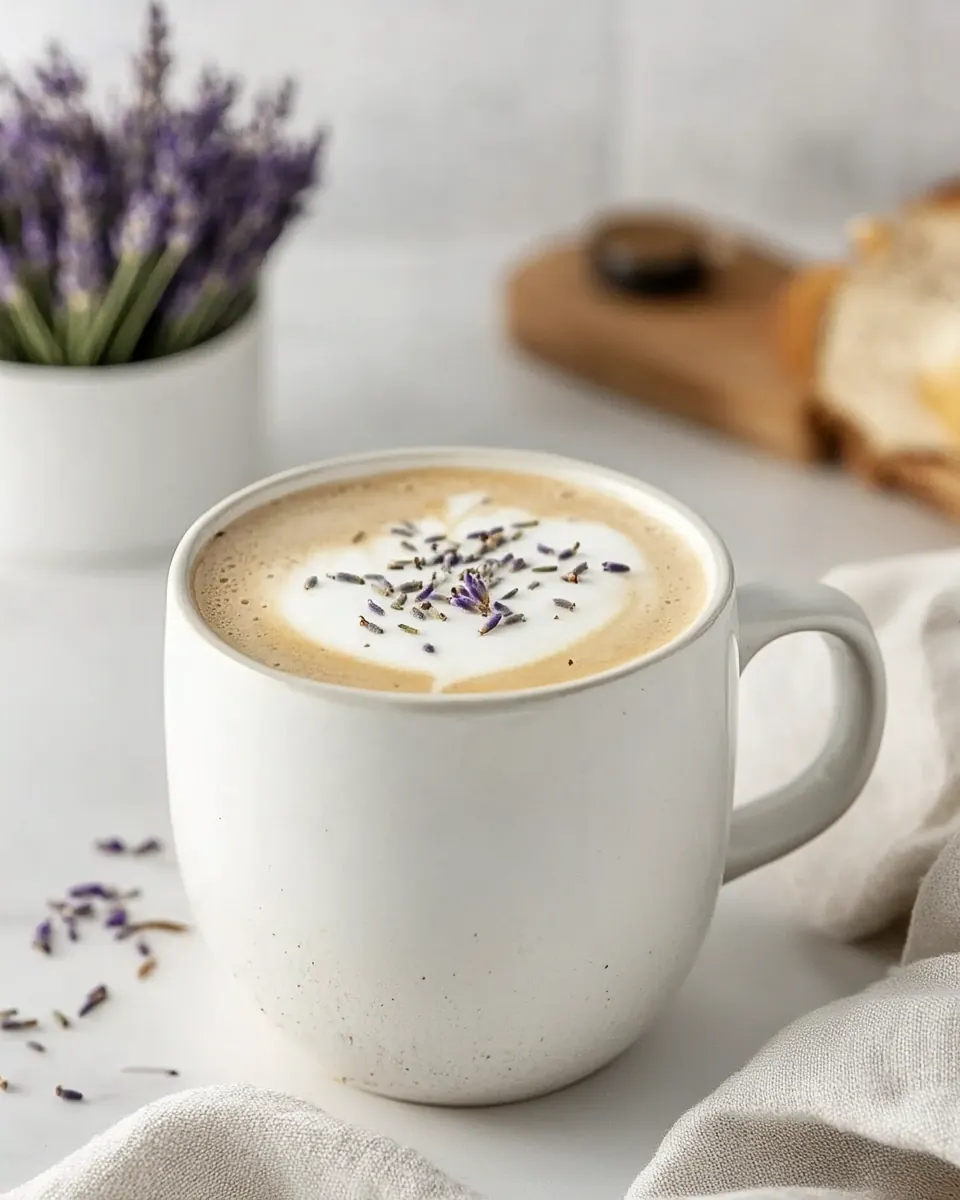
This method keeps things straightforward and intuitive, but I walk you through sensory cues so you can feel confident at every step. I like to work in a rhythm: brew, sweeten, steam, and combine. The focus is on texture and balance, so take your time with the milk if you want a silky finish.
- Pour the espresso and lavender syrup into a cup and stir to combine.: The first scent you notice should be the bold, roasted aroma of the espresso mingling with a gentle floral top note from the lavender syrup . Stirring releases those volatile oils so the fragrance becomes part of the cup, and the surface will appear slightly glossy. If the syrup sinks immediately without integrating, it usually means the espresso is too hot; let it cool for a few seconds before stirring. A common error is over stirring which can cool the espresso too much, so aim for three to five gentle turns, listening for the barely audible swirl.
- Steam and froth the milk using your preferred method (wand frother, French press, or other frother).: As you froth the oat milk , listen for a fine, paper tearing sound which signals a dense, microfoam forming. The milk should expand slightly and feel warm to the touch, around 140 to 150 degrees Fahrenheit, though with oat milk I sometimes pull it back a little to 130 to 140 degrees to avoid a cooked taste. Visually, you want a glossy texture with tiny, even bubbles, not large, billowy foam. If you see big bubbles, tap the pitcher gently on the counter and swirl to refine the foam. A frequent misstep is overheating, which flattens the sweetness and makes the foam unstable, so use short bursts if your steamer is powerful.
- Pour the steamed and frothed milk over the espresso and enjoy.: As you pour, aim for a steady stream that allows the creamy oat milk to fold over the espresso, creating a layered look where the crema and milk meet. You should hear a soft hiss as the milk meets the hot coffee, and the aroma will lift, showing floral, roasted, and sweet notes in succession. If the milk separates or sinks too quickly, it may be too thin or too warm; retexture by swirling in the pitcher and try pouring with a little more height to let the liquids combine gradually. One mistake to avoid is pouring too forcefully, which can break the crema and flatten the presentation.
Substitutions and Tips
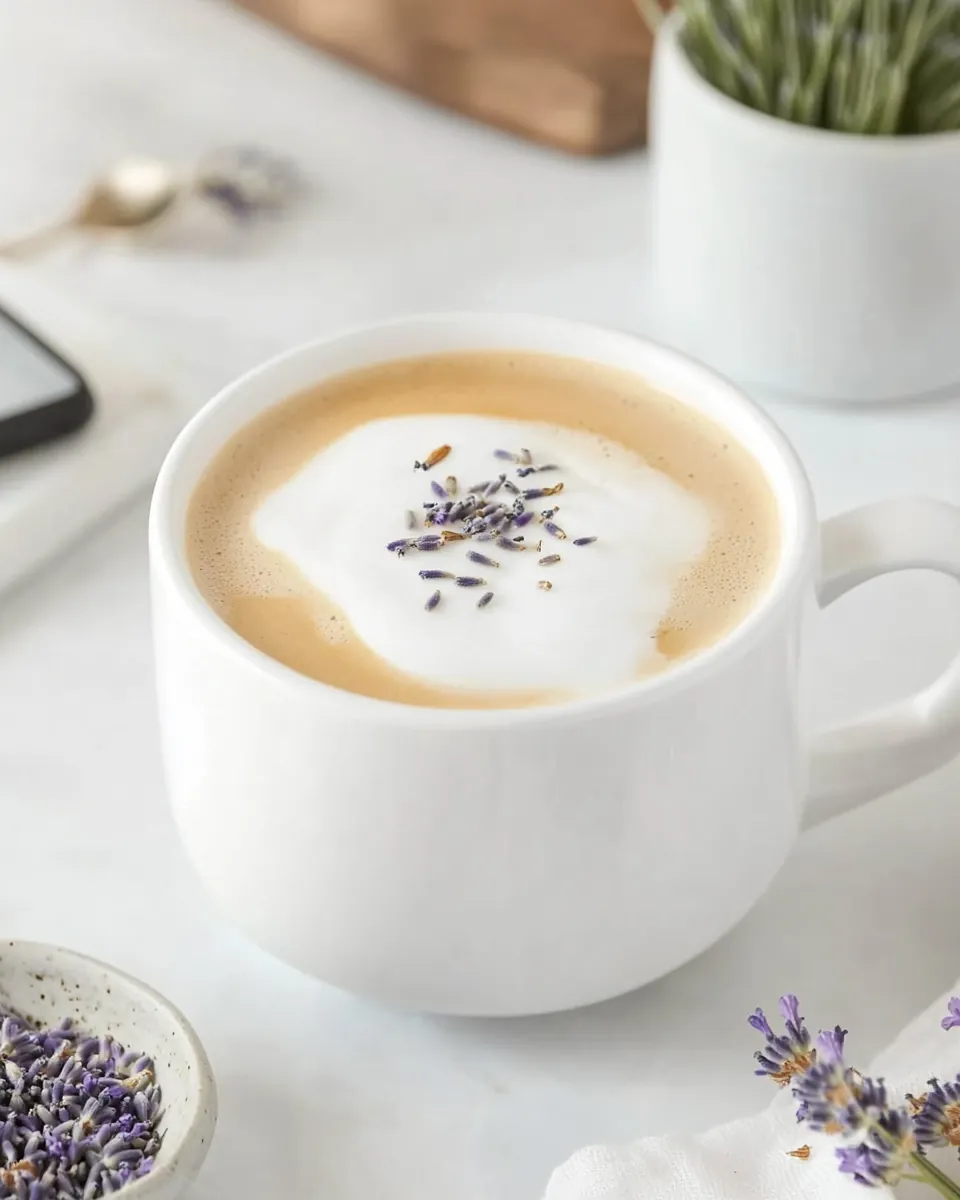
I keep substitutions minimal here because the balance is delicate, but there are small swaps that still work well. Each tip below is written to help you tailor the drink to your equipment and taste while keeping the core profile intact.
- Try a milder syrup amount — If you are unsure about floral flavors, begin with half a tablespoon of lavender syrup and increase after tasting to avoid an overpowering perfume.
- Alternative frothing tools — If you do not have a wand, a French press can create creamy foam by pumping vigorously; warm the oat milk first then plunge until dense bubbles form.
- Adjust espresso strength — If the double shot feels too intense, use a single shot and maintain the same syrup ratio to keep sweetness balanced with the coffee.
- Temperature control — Aim for about 140 degrees Fahrenheit for steamed oat milk to retain natural sweetness; overheating will taste cooked and flat.
- Layer presentation — Pour the milk slowly and from a small height to create a gentle layered effect between the crema and foam, enhancing both aroma and visual appeal.
- Make ahead syrup — Store homemade or purchased lavender syrup in the refrigerator and taste before using since concentration can vary between batches.
What Goes Well With This Lavender Latte
This drink pairs beautifully with simple pastries or light snacks and fits many occasions. Below I describe in detail how to serve it for cozy mornings, casual brunches, or a quiet afternoon pause.
- Light sweet pastries — Serve with a butter cookie or a small scone, the mild sweetness complements the floral notes without competing with the espresso.
- Breakfast occasions — This is lovely for weekend brunch when you want something special yet not heavy; pair with fruit and yogurt for balance.
- Afternoon tea alternative — Offer as an alternative to tea during a midafternoon break, it brings warmth and a floral lift that refreshes the palate.
- Seasonal pairings — Lavender makes this elegant in spring and summer, but because it is light it works well year round as a gentle contrast to richer baked goods.
- Storage tips — Keep leftover lavender syrup refrigerated and use within two to three weeks; premade latte components are best assembled fresh for texture, but brewed espresso can be chilled for quick assembly.
- Serving style — Present in a warmed cup to maintain temperature, and if you want a visual flourish, a tiny sprinkle of dried lavender can be added sparingly on top of the foam.
FAQ
Conclusion
The Lavender Latte stands out because it pairs concentrated coffee with a delicate floral accent and creamy oat milk for a smooth, aromatic cup. Try it to enjoy a small ritual that transforms a simple coffee break into a sensory pause. Whether you make a single serving to savor alone or share a cup with a friend, it is a gentle, customizable beverage that rewards small adjustments and attention to texture. I hope you enjoy experimenting with syrup intensity and frothing technique to find your perfect balance.
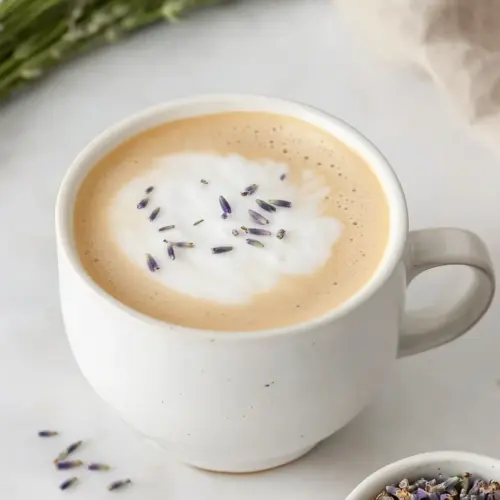
Lavender Latte
Equipment
- Espresso machine or coffee maker for espresso
- Milk frother or French press
- Cup
Ingredients
- 2 shots espresso (2 ounces espresso) Adds concentrated coffee flavor and boldness to the latte, providing the essential caffeinated base; extracts nuanced bitter and roasted notes that balance the sweetness of the syrup. Pulls aroma and crema that enrich the drink’s mouthfeel and aroma profile, making the beverage feel like a true espresso-based latte.
- 1 tablespoon lavender syrup (or to taste) Provides floral sweetness and aromatic lavender character, infusing the beverage with fragrant, slightly herbal notes; acts as the primary sweetener that harmonizes with the espresso’s bitterness. Can be adjusted to taste to control overall sweetness and floral intensity without changing liquid balance significantly.
- 1/2 cup creamy oat milk (we really like Chobani "Extra Creamy Oatmilk") Contributes creamy body and smooth texture while delivering plant-based richness that complements espresso and syrup; imparts subtle oat sweetness and a velvety mouthfeel ideal for lattes. Steams and froths well to create a silky microfoam that carries flavor and improves sipability.
Instructions
- Pour the espresso and lavender syrup into a cup and stir to combine.: The first scent you notice should be the bold, roasted aroma of the espresso mingling with a gentle floral top note from the lavender syrup . Stirring releases those volatile oils so the fragrance becomes part of the cup, and the surface will appear slightly glossy. If the syrup sinks immediately without integrating, it usually means the espresso is too hot; let it cool for a few seconds before stirring. A common error is over stirring which can cool the espresso too much, so aim for three to five gentle turns, listening for the barely audible swirl.
- Steam and froth the milk using your preferred method (wand frother, French press, or other frother).: As you froth the oat milk , listen for a fine, paper tearing sound which signals a dense, microfoam forming. The milk should expand slightly and feel warm to the touch, around 140 to 150 degrees Fahrenheit, though with oat milk I sometimes pull it back a little to 130 to 140 degrees to avoid a cooked taste. Visually, you want a glossy texture with tiny, even bubbles, not large, billowy foam. If you see big bubbles, tap the pitcher gently on the counter and swirl to refine the foam. A frequent misstep is overheating, which flattens the sweetness and makes the foam unstable, so use short bursts if your steamer is powerful.
- Pour the steamed and frothed milk over the espresso and enjoy.: As you pour, aim for a steady stream that allows the creamy oat milk to fold over the espresso, creating a layered look where the crema and milk meet. You should hear a soft hiss as the milk meets the hot coffee, and the aroma will lift, showing floral, roasted, and sweet notes in succession. If the milk separates or sinks too quickly, it may be too thin or too warm; retexture by swirling in the pitcher and try pouring with a little more height to let the liquids combine gradually. One mistake to avoid is pouring too forcefully, which can break the crema and flatten the presentation.
Notes
- Try a milder syrup amount — If you are unsure about floral flavors, begin with half a tablespoon of lavender syrup and increase after tasting to avoid an overpowering perfume.
- Alternative frothing tools — If you do not have a wand, a French press can create creamy foam by pumping vigorously; warm the oat milk first then plunge until dense bubbles form.
- Adjust espresso strength — If the double shot feels too intense, use a single shot and maintain the same syrup ratio to keep sweetness balanced with the coffee.
- Temperature control — Aim for about 140 degrees Fahrenheit for steamed oat milk to retain natural sweetness; overheating will taste cooked and flat.
- Layer presentation — Pour the milk slowly and from a small height to create a gentle layered effect between the crema and foam, enhancing both aroma and visual appeal.
- Make ahead syrup — Store homemade or purchased lavender syrup in the refrigerator and taste before using since concentration can vary between batches.
