
Sugar Grilled Steak
Sugar Grilled Steak is one of those dishes that forever changed the way I think about simple weeknight grilling.
I remember the first time I tried Sugar Grilled Steak at a backyard gathering, watching the sugar caramelize into a thin, glossy crust that smelled like charred caramel and steak. I was skeptical at first, but as soon as I sliced into the meat and saw the rosy medium rare center against a sweet, bronzed exterior, I was sold. I like to tell guests that this method is the secret handshake of casual grill masters, the trick that makes an ordinary steak feel celebratory. Over the years I’ve dialed in the technique so the sugar never burns, and I love how the simple seasoning allows the beef to sing.
There are moments when you want to cook something straightforward, yet memorable. That’s when I reach for this recipe. I enjoy the ritual of rubbing the steaks with olive oil, sprinkling on the sugar and seasoned salt, and feeling the sizzle the moment the meat hits the hot grates. The rest period is crucial, and I always take that five minutes seriously, searing, resting, and savoring the aromas drifting through the yard. Whether I am feeding family after a long day or hosting friends for a casual dinner, Sugar Grilled Steak consistently delivers a little thrill and a lot of satisfaction.
Recipe Snapshot
11 mins
5 mins
6 mins
Easy
400 kcal
American
Gluten-Free, Low FODMAP
Dinner
Grill, Tongs, Platter or cutting board
Why This Sugar Grilled Steak Works
Caramelized Crust with Minimal Effort
I love how Sugar Grilled Steak creates a sweet, caramelized crust without complicated steps. The sugar interacts with the intense heat to form a thin, glossy layer that contrasts beautifully with the tender interior. I find this technique elevates even modest cuts like ribeye or NY strip, turning them into something that feels special.
Bold Flavor from Few Ingredients
This recipe proves you do not need a dozen pantry items to make a memorable steak. With just olive oil, sugar, and Lawry’s Seasoned Salt, the beef‘s natural flavors are highlighted rather than masked. I often tell friends that good technique beats complexity every time.
Fast and Friendly for Weeknights
One big reason I keep this in my rotation is the speed. From prep to plate is short, so it is perfect for quick dinners when you still want to impress. The quick sear locks in juices, and the resting time finishes the work without fuss.
Great for Outdoor Cooking
Grilling at high heat brings a smoky note that pairs wonderfully with the caramelized sugar. I enjoy the sensory payoff, the sizzling sound when the steak meets the grill, and the aroma that fills the air. It makes gatherings feel alive and immediate.
Reliable Results Every Time
I appreciate how forgiving this approach is. As long as you watch the sugar during searing and let the steak rest, you get consistent results. I have taught this method to friends who were nervous about grilling, and they were delighted by how easy it was to hit that perfect medium rare.
What to Gather for Sugar Grilled Steak
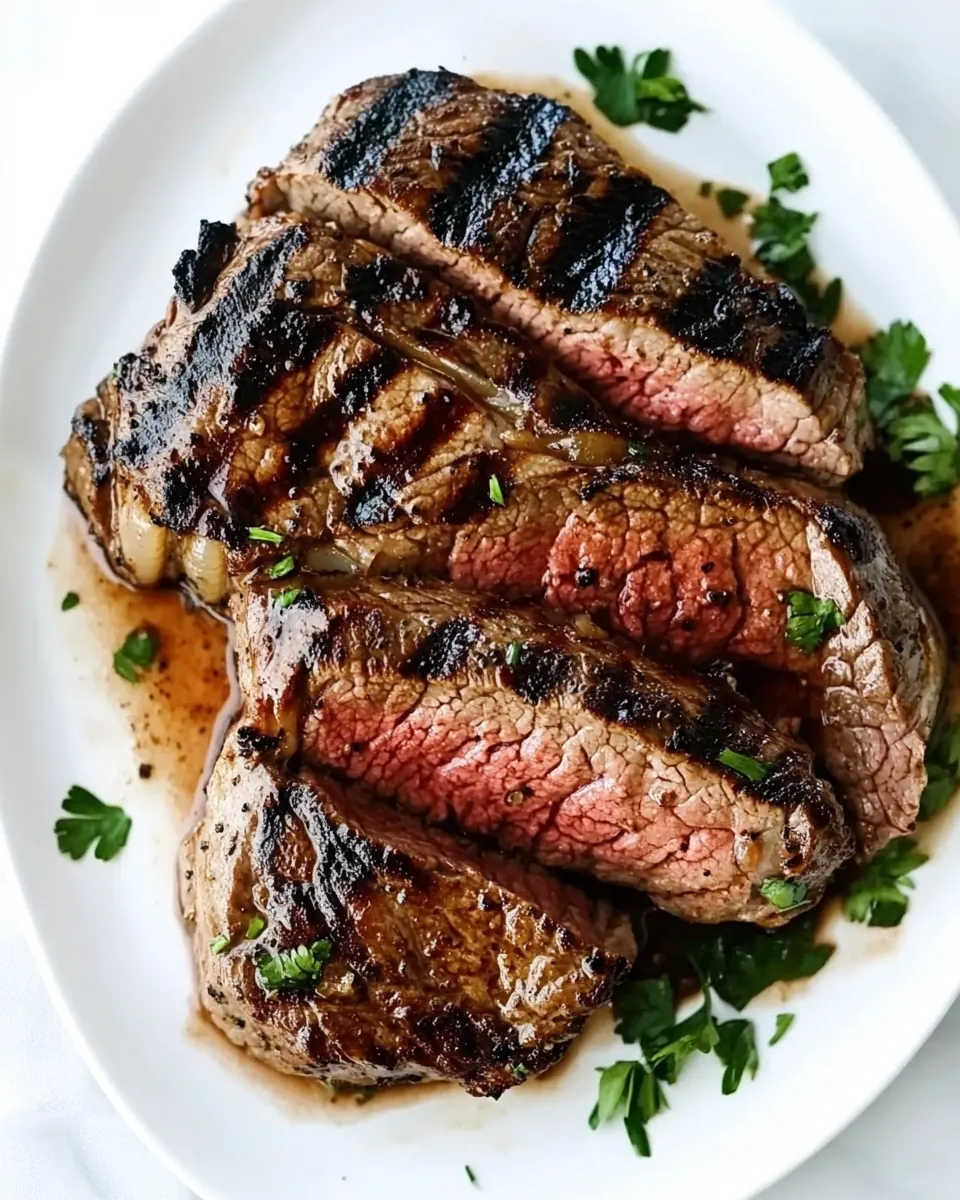
These ingredients are intentionally lean and focused. The philosophy here is to let the meat shine while using small accents to coax out deeper flavors. The beef steaks are the centerpiece, while the olive oil helps the seasonings adhere and promotes browning. The sugar creates a caramelized crust, and Lawry’s Seasoned Salt plus freshly ground black pepper round out the savory balance.
- 2 beef steaks about 1 1/4 pounds each and about 1" thick, trimmed of excess fat – we use ribeye or NY strip: Season and tenderize the steaks by helping to promote a flavorful crust during grilling; its fat-trimmed cuts like ribeye or NY strip provide marbling that melts and bastes the meat, enhancing juiciness. Prepare steaks about 1" thick so they cook evenly and develop a caramelized exterior without overcooking the center.
- 2 teaspoons olive oil: Coat the steaks lightly to help oil act as a medium for heat transfer and to encourage even browning; a small amount prevents sticking to the grill grates and helps seasonings adhere. Use just enough to lightly gloss the surface without pooling, preserving the desired sear.
- 2 teaspoons sugar: Create a touch of caramelization and balance savory flavors by sprinkling sugar, which encourages attractive browning on the steak surface. Use sparingly to avoid overly sweet taste while promoting a flavorful crust when exposed to high heat.
- 1 teaspoon Lawry’s Seasoned Salt: Season evenly to add savory depth and a mild salty-sweet complexity; Lawry’s Seasoned Salt contributes salt, spices, and umami notes that complement beef. Apply uniformly before grilling so flavors penetrate the outer layer and enhance overall taste.
- freshly ground black pepper: Enhance and brighten flavor by grinding black pepper directly onto the steaks to provide sharp, aromatic heat and a peppery finish. Use freshly ground for maximum aroma, adding contrast to the sugar’s caramelization and the seasoned salt.
Cooking Method for Sugar Grilled Steak
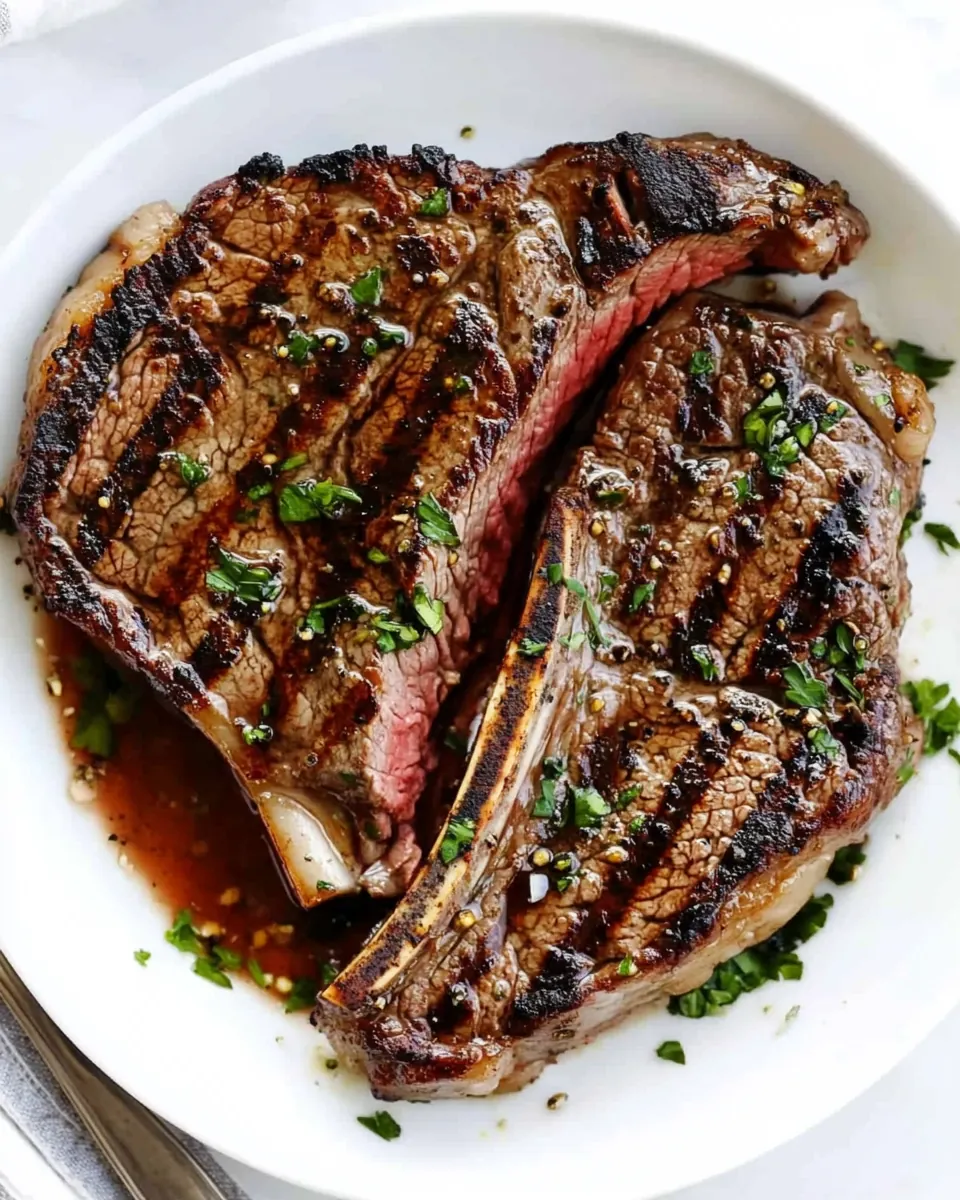
This method is direct and rewarding, so keep your focus on heat and timing. A hot grill, quick sear, and a short rest are all it takes to achieve a steak with a caramelized exterior and a tender, juicy interior.
- Rub both sides of each steak with olive oil, then evenly sprinkle both sides with all of the sugar and Lawry’s, plus some freshly ground black pepper. If using smaller or larger steaks, adjust the sugar and Lawry's amounts accordingly.: Close your eyes for a second and breathe in the faint aroma of oil and spices as you handle the meat, then feel the gentle friction as you rub the olive oil into both sides which helps the seasonings stick and encourages even browning. You will notice the sugar clinging to the surface, and when the steak hits heat those sugar crystals will begin to melt and turn a light amber, creating that prized glossy crust. Why this matters, the oil and sugar combination ensures quick surface caramelization that contrasts with the tender center, adding complexity to each bite. Watch out for heavy hand placement that packs the sugar into one spot which can lead to patchy caramelization, and avoid oversalting by distributing the Lawry’s Seasoned Salt evenly. A common mistake is applying too much seasoning at the edges which can burn, so tap off any excess and keep an even layer. Mind the texture under your fingers; the meat should still feel slightly cool and yielding before it meets the grill.
- Preheat the grill to high heat, at least 500° F. Then clean the grill grates very well and oil the grates. (See Notes below for oiling the grates.): The moment you open the grill lid you should sense the power of the heat, a dry, intense warmth that promises a rapid sear. Achieving at least 500° F creates the ideal environment for instant caramelization, allowing the sugar to brown fast while sealing juices within the meat. Cleaning the grates removes old char and ensures the steak makes full contact for those signature grill marks. Oiling the grates prevents sticking and helps form a smooth crust without tearing the meat fibers. The reason this matters is a clean, well oiled surface conducts heat more evenly and reduces the chance of the sugar burning before the meat sears. A typical pitfall is not preheating long enough, which can result in slow caramelization and a pale crust, so wait until the grill registers the heat. When oiling, be careful to do so safely using tongs with a folded towel to avoid flare ups.
- Sear the steaks for 2-3 minutes per side, for perfect medium-rare steak like you see in my photos. Remove steaks to a platter or cutting board to rest for 5 minutes before slicing. Enjoy hot.: As the steak hits the grates expect an immediate, assertive sizzle and the release of a savory aroma, a sign the Maillard reaction is doing its work. Within seconds the surface should begin to darken and the sugar will start to melt into a thin, bronzed coat. This short sear of about 2 to 3 minutes per side is timed to develop a deeply flavored crust while keeping the interior a rosy medium rare. The visual cue is important: you want a well browned exterior with defined grill marks, not a charred black surface. This technique matters because quick, high heat locks in juices that give the steak its succulent texture. Avoid the mistake of flipping too often which reduces sear development, and resist the urge to press down on the steak which squeezes the juices out. If your steaks are larger or thinner, adjust times slightly to maintain that rosy center rather than overcooking.
- Remove steaks to a platter or cutting board to rest for 5 minutes before slicing: Immediately after searing, carry the steaks off the heat and listen for the faint settling sound as juices redistribute. The surface will still be warm and aromatic, and leaving the steaks to rest for about 5 minutes is essential because it allows internal juices to reabsorb, leading to a juicier slice. The meat's temperature evens out during this short pause and the texture becomes more tender. This matters because slicing too soon causes those flavorful juices to run out onto the board, leaving a drier steak. A common error is resting under a tent of foil that is sealed; instead lightly cover if needed to keep warm without trapping excess steam. When you slice, cut across the grain to maximize tenderness and enjoy the contrast of the caramelized exterior against the tender interior.
Tips for Success
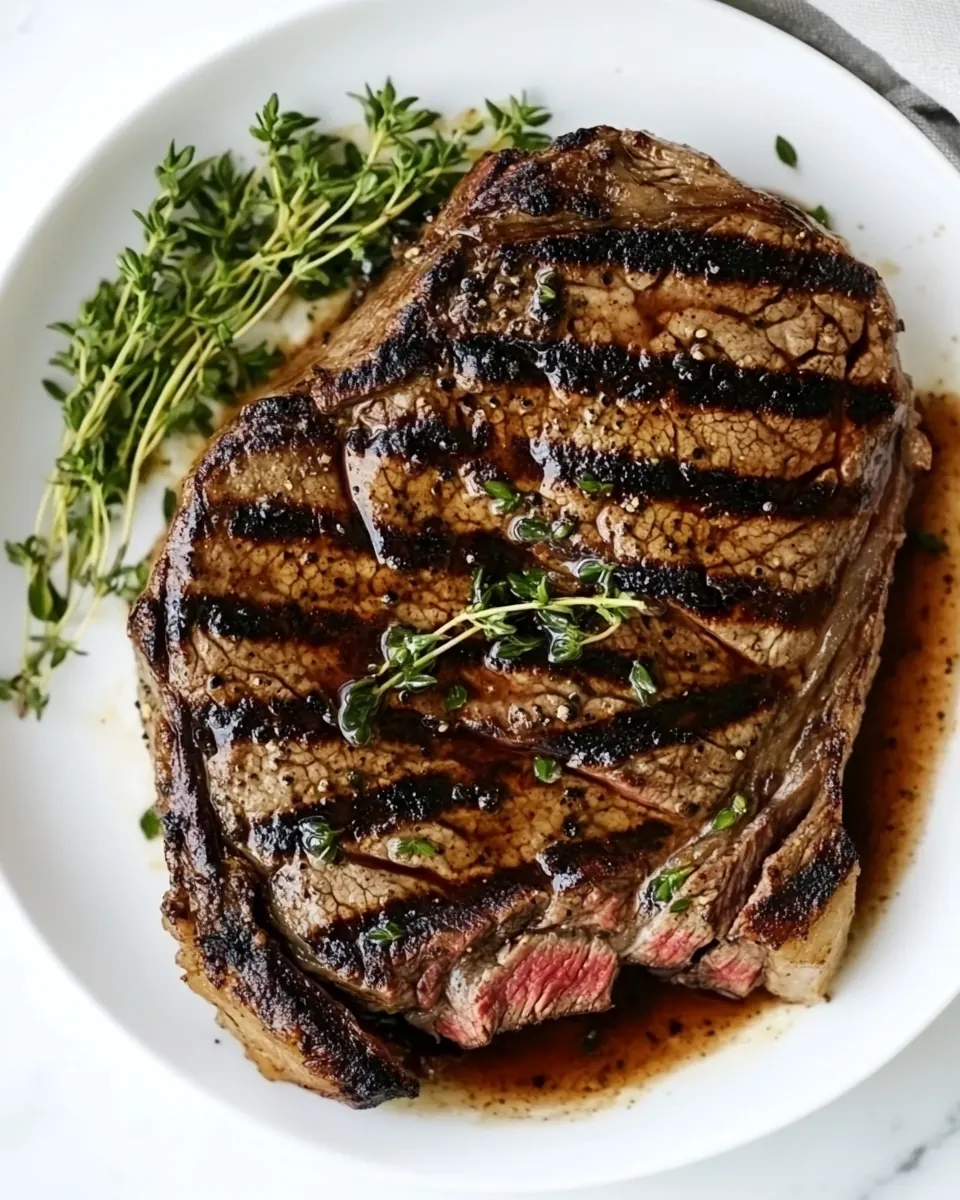
These tips are based on what I have learned from repeated grilling sessions and teaching friends. Focus on control and timing, and you will get consistent results every time.
- Choose the right cut: Pick steaks with good marbling like ribeye or NY strip to balance flavor and tenderness; lean cuts can dry out quickly under high heat.
- Keep sugar fine: Use fine granulated sugar so it melts and caramelizes smoothly, avoiding coarse crystals that can remain grainy.
- Oil lightly: Apply just enough olive oil to help seasonings adhere and to promote even browning without creating flare ups from excess oil.
- High heat is key: Preheat the grill to at least 500° F to achieve a quick sear and proper caramelization of the sugar without overcooking the interior.
- Watch the sear: Sear 2 to 3 minutes per side for medium rare, and avoid flipping frequently so a solid crust can form.
- Rest before slicing: Let the steaks rest for about 5 minutes to allow juices to redistribute and to finish cooking gently via carryover heat.
Perfect Matches for Sugar Grilled Steak
Serving Sugar Grilled Steak is as much about the company and setting as it is about the food. Think simple sides that complement the sweet crust and beefy depth. For casual dinners enjoy family style platters, while for weekend gatherings focus on fresh, contrasting textures.
- Classic grilled vegetables: Charred bell peppers, zucchini, or asparagus offer smoky, crisp textures that balance the steak’s richness.
- Simple green salads: A fresh salad with a bright vinaigrette cuts through the richness and refreshes the palate between bites.
- Starch sides: Roasted potatoes or a bowl of buttery mashed potatoes pair beautifully, absorbing the steak juices and adding comfort to the plate.
- Occasions: This recipe shines for summer backyard dinners, casual weekend cookouts, and small celebratory meals where you want delicious results without fuss.
- Storage tips: Refrigerate leftovers in an airtight container and reheat gently in a low oven or sliced and warmed in a skillet to avoid overcooking the meat.
- Seasonal pairings: In summer serve with light, herb forward sides; in cooler months add roasted root vegetables to bring warmth and depth.
FAQ
Conclusion
This Sugar Grilled Steak stands out because it combines a simple ingredient list with a high impact technique that creates a sweet, caramelized crust and a tender interior. Try it when you want a quick, impressive meal that highlights good beef and straightforward seasoning. I hope you enjoy the joyful sizzle, the smoky aromas, and the satisfying contrast of sweet crust and savory steak. Give it a go at your next grill session, and savor how a small twist like sugar can make a familiar favorite feel new again.
Sugar Grilled Steak
Equipment
- Grill
- Tongs
- Platter or cutting board
Ingredients
- 2 beef steaks about 1 1/4 pounds each and about 1" thick, trimmed of excess fat – we use ribeye or NY strip Season and tenderize the steaks by helping to promote a flavorful crust during grilling; its fat-trimmed cuts like ribeye or NY strip provide marbling that melts and bastes the meat, enhancing juiciness. Prepare steaks about 1" thick so they cook evenly and develop a caramelized exterior without overcooking the center.
- 2 teaspoons olive oil Coat the steaks lightly to help oil act as a medium for heat transfer and to encourage even browning; a small amount prevents sticking to the grill grates and helps seasonings adhere. Use just enough to lightly gloss the surface without pooling, preserving the desired sear.
- 2 teaspoons sugar Create a touch of caramelization and balance savory flavors by sprinkling sugar, which encourages attractive browning on the steak surface. Use sparingly to avoid overly sweet taste while promoting a flavorful crust when exposed to high heat.
- 1 teaspoon Lawry’s Seasoned Salt Season evenly to add savory depth and a mild salty-sweet complexity; Lawry’s Seasoned Salt contributes salt, spices, and umami notes that complement beef. Apply uniformly before grilling so flavors penetrate the outer layer and enhance overall taste.
- freshly ground black pepper Enhance and brighten flavor by grinding black pepper directly onto the steaks to provide sharp, aromatic heat and a peppery finish. Use freshly ground for maximum aroma, adding contrast to the sugar’s caramelization and the seasoned salt.
Instructions
- Rub both sides of each steak with olive oil, then evenly sprinkle both sides with all of the sugar and Lawry’s, plus some freshly ground black pepper. If using smaller or larger steaks, adjust the sugar and Lawry's amounts accordingly.: Close your eyes for a second and breathe in the faint aroma of oil and spices as you handle the meat, then feel the gentle friction as you rub the olive oil into both sides which helps the seasonings stick and encourages even browning. You will notice the sugar clinging to the surface, and when the steak hits heat those sugar crystals will begin to melt and turn a light amber, creating that prized glossy crust. Why this matters, the oil and sugar combination ensures quick surface caramelization that contrasts with the tender center, adding complexity to each bite. Watch out for heavy hand placement that packs the sugar into one spot which can lead to patchy caramelization, and avoid oversalting by distributing the Lawry’s Seasoned Salt evenly. A common mistake is applying too much seasoning at the edges which can burn, so tap off any excess and keep an even layer. Mind the texture under your fingers; the meat should still feel slightly cool and yielding before it meets the grill.
- Preheat the grill to high heat, at least 500° F. Then clean the grill grates very well and oil the grates. (See Notes below for oiling the grates.): The moment you open the grill lid you should sense the power of the heat, a dry, intense warmth that promises a rapid sear. Achieving at least 500° F creates the ideal environment for instant caramelization, allowing the sugar to brown fast while sealing juices within the meat. Cleaning the grates removes old char and ensures the steak makes full contact for those signature grill marks. Oiling the grates prevents sticking and helps form a smooth crust without tearing the meat fibers. The reason this matters is a clean, well oiled surface conducts heat more evenly and reduces the chance of the sugar burning before the meat sears. A typical pitfall is not preheating long enough, which can result in slow caramelization and a pale crust, so wait until the grill registers the heat. When oiling, be careful to do so safely using tongs with a folded towel to avoid flare ups.
- Sear the steaks for 2-3 minutes per side, for perfect medium-rare steak like you see in my photos. Remove steaks to a platter or cutting board to rest for 5 minutes before slicing. Enjoy hot.: As the steak hits the grates expect an immediate, assertive sizzle and the release of a savory aroma, a sign the Maillard reaction is doing its work. Within seconds the surface should begin to darken and the sugar will start to melt into a thin, bronzed coat. This short sear of about 2 to 3 minutes per side is timed to develop a deeply flavored crust while keeping the interior a rosy medium rare. The visual cue is important: you want a well browned exterior with defined grill marks, not a charred black surface. This technique matters because quick, high heat locks in juices that give the steak its succulent texture. Avoid the mistake of flipping too often which reduces sear development, and resist the urge to press down on the steak which squeezes the juices out. If your steaks are larger or thinner, adjust times slightly to maintain that rosy center rather than overcooking.
- Remove steaks to a platter or cutting board to rest for 5 minutes before slicing: Immediately after searing, carry the steaks off the heat and listen for the faint settling sound as juices redistribute. The surface will still be warm and aromatic, and leaving the steaks to rest for about 5 minutes is essential because it allows internal juices to reabsorb, leading to a juicier slice. The meat's temperature evens out during this short pause and the texture becomes more tender. This matters because slicing too soon causes those flavorful juices to run out onto the board, leaving a drier steak. A common error is resting under a tent of foil that is sealed; instead lightly cover if needed to keep warm without trapping excess steam. When you slice, cut across the grain to maximize tenderness and enjoy the contrast of the caramelized exterior against the tender interior.
Notes
- Choose the right cut: Pick steaks with good marbling like ribeye or NY strip to balance flavor and tenderness; lean cuts can dry out quickly under high heat.
- Keep sugar fine: Use fine granulated sugar so it melts and caramelizes smoothly, avoiding coarse crystals that can remain grainy.
- Oil lightly: Apply just enough olive oil to help seasonings adhere and to promote even browning without creating flare ups from excess oil.
- High heat is key: Preheat the grill to at least 500° F to achieve a quick sear and proper caramelization of the sugar without overcooking the interior.
- Watch the sear: Sear 2 to 3 minutes per side for medium rare, and avoid flipping frequently so a solid crust can form.
- Rest before slicing: Let the steaks rest for about 5 minutes to allow juices to redistribute and to finish cooking gently via carryover heat.
