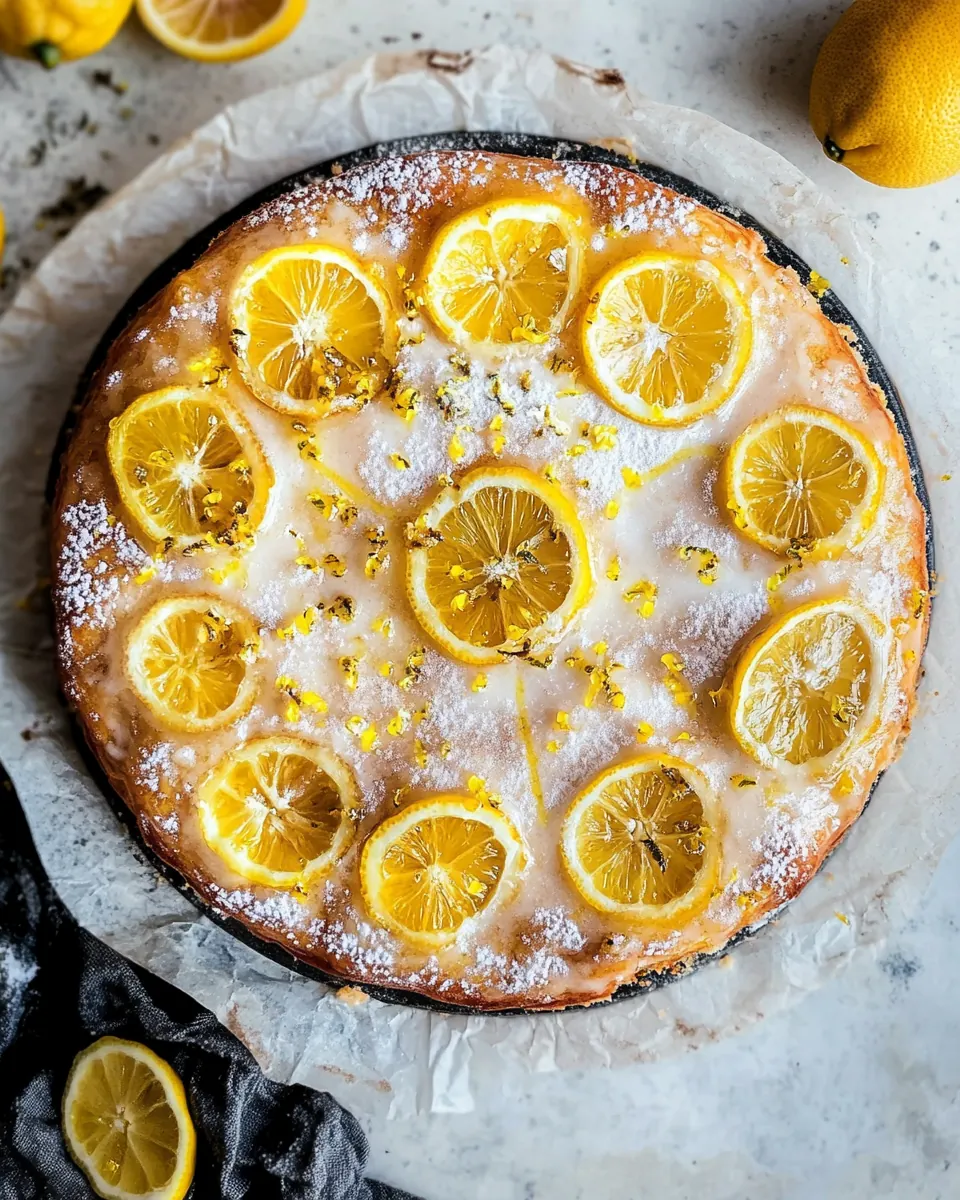
Easy Lemon Fritter Cake
Easy Lemon Fritter Cake has been my go to when I want something bright, nostalgic, and just a little bit showy without fuss. The first time I baked it I was rushed, juggling a phone call and a sleepy child, yet somehow the batter came together and the kitchen filled with a citrus perfume that felt like a secret celebration. I keep returning to that memory because this cake rewards you for being human, messy, and hurried, and it still turns out tender and fragrant.
I love the rhythm of this recipe, the way rubbing lemon zest into granulated sugar releases an aromatic hit that wakes up the whole batter. There is a homemade crunch that I like to press into the middle, and a lavender glaze that softens the edges and feels unexpectedly elegant. When guests arrive, I slice it thick and watch their eyebrows lift at the first bite. It makes simple afternoons feel curated without trying too hard.
Over the years I’ve adapted tiny habits around it. I let the eggs warm to room temperature for silkier structure, and I always give the batter a gentle fold instead of aggressive mixing for a cake that is tender, not elastic. The combination of Greek yogurt and melted butter keeps the crumb moist and tangy, while the lemon components keep it lively. Whether you bake for breakfast, a tea, or a casual dessert, this one sits comfortably in all those roles.
Recipe Snapshot
60 mins
30 mins
30 mins
Medium
280 kcal
American
Gluten-Free, Low FODMAP
Desserts
Mixing bowl, Whisk, 9×9 inch baking dish, Parchment paper, Small pan, Fine-mesh strainer
The Charm of This Easy Lemon Fritter Cake
Bright, balanced flavor
I adore how Easy Lemon Fritter Cake balances acidity and sweetness, the sort of thing I notice right away when I take my first forkful. The lemon juice and lemon zest work together to give both immediate zing and lingering fragrance, so the cake never tastes flat or cloying. I find it perfect when I want something that wakes up the palate after a rich meal.
Texture contrast that sings
One of my favorite reasons to make this cake is the interplay between soft crumb and crunchy topping. The lemon crunch pieces add a delightful textural surprise that makes every bite interesting. I love serving it when I want guests to keep talking, because the cake keeps delivering small moments of contrast in each mouthful.
Approachable, forgiving technique
I appreciate that this recipe is forgiving, it behaves well even if your day is chaotic. The steps are straightforward, and the batter tolerates a little over mixing or gentle temperature swings. I often tell friends this is a cake that will forgive a distracted baker, which is why it has earned a permanent spot in my repertoire.
Small luxuries, big impact
Adding little touches like rubbing zest into granulated sugar or steeping lavender in warmed milk elevates the cake without complicating the process. These techniques are small, but they add aromatic layers that people notice, and you do not need professional tools to pull them off. I use them because they make an ordinary cake feel thoughtful and special.
Perfect for many occasions
This cake transitions easily from a relaxed brunch to a late afternoon tea. It sits well on a dessert table and also feels right sliced thick for a cozy snack. I keep a batch in my mental rotation for spring gatherings because the lemon and optional lavender feel seasonally appropriate and bright.
What to Gather for Easy Lemon Fritter Cake

The ingredient list for Easy Lemon Fritter Cake is straightforward and purposeful. Each element plays a role, whether for structure, moisture, lift, or flavor. The dairy and eggs create tenderness and richness, the flours and leavening give structure, and the lemons bring the signature brightness. I see the key players as the Greek yogurt for moisture, the butter for flavor, and the lemons for personality.
- 1/4 cup granulated sugar: Sweetens the batter and helps balance tart lemon flavors while contributing to moistness and browning during baking; dissolve well with wet ingredients for even texture.
- 1/2 cup brown sugar: Adds deep caramel notes and moisture to the cake, enhancing richness and tenderness while supporting a pleasantly chewy crumb when mixed with the other sugars.
- 1 tablespoon lemon zest: Provides concentrated citrus aroma and bright flavor, lifting the overall profile and enhancing perceived freshness; finely grate zest to avoid bitter pith.
- 1 stick (8 tablespoons) salted butter, melted: Imparts rich buttery flavor and aids in creating a tender, moist crumb; melting the butter helps incorporate easily into the batter and promotes even texture.
- 1 cup plain Greek yogurt: Contributes tangy moisture and structure, lending body and slight acidity that reacts with leaveners to produce a light cake while keeping it tender.
- 3 eggs, at room temperature: Adds structure, richness, and leavening support as eggs trap air when beaten; using room–temperature eggs ensures better emulsification and a smoother batter.
- 2 tablespoons lemon juice: Delivers bright acidity that amplifies lemon notes and reacts with leavening agents for lift; add freshly squeezed juice for best flavor impact.
- 2 teaspoons vanilla extract: Provides warm aromatic sweetness that rounds flavors and complements citrus; incorporate with wet ingredients to distribute flavor evenly throughout the cake.
- 1 1/2 cups whole wheat or all-purpose flour: Forms the base structure of the cake by supplying gluten and bulk; choose whole wheat for nuttier flavor or all-purpose for a lighter crumb.
- 2 teaspoons baking powder: Leavens the batter by producing gas when activated, helping the cake rise to a tender, airy texture; ensure proper measuring for consistent results.
- 1 teaspoon salt: Balances sweetness and enhances flavor clarity while strengthening gluten slightly; dissolve evenly to prevent salty pockets in the baked cake.
- 2 tablespoons granulated sugar () (optional): Offers a sprinkle of extra sweetness optionally for topping or coating, adding a crispy granular contrast if used sparingly on the surface before frying or baking.
- 1 teaspoon dried lavender () (optional): Imparts a subtle floral, herbal aroma optionally that pairs well with lemon for a sophisticated floral-citrus note; use sparingly to avoid overpowering the cake.
- 1/2 cup granulated sugar: Creates a sweet glaze or finishing layer when combined with liquids, providing shine and additional sweetness that complements the cake's citrus notes.
- 1 tablespoon lemon zest: Adds a concentrated citrus aroma to the glaze or topping, enhancing lemon presence and giving a fresh, fragrant finishing touch when finely grated.
- 1 tablespoon all-purpose flour: Helps stabilize and slightly thicken the glaze or topping, absorbing excess moisture and preventing runniness while contributing minimal flavor.
- 2 tablespoons salted butter, melted: Contributes richness and sheen to the glaze or topping while adding buttery flavor; melt and whisk in to create a smooth finishing sauce.
- 1/4 cup whole milk: Adjusts the glaze consistency and contributes dairy richness for a silky finish; warm milk dissolves sugar blend and mellows tartness when mixed.
- 2 teaspoons dried lavender () (optional): Intensifies floral notes in the glaze or garnish optionally, creating a stronger lavender presence for a delicate, perfumed finish when used carefully.
- 1 teaspoon vanilla extract: Adds warm aromatic depth to the glaze or finishing mixture, helping to round and unify flavors when combined with citrus and sugar.
- 2 tablespoons salted butter: Provides a finishing buttery sheen or helps bind crumble or topping components, adding richness and a softer mouthfeel when brushed or mixed in.
- 2 3 cups powdered sugar: Sweetens and thickens glazes or icings to a smooth spreadable consistency, providing a bright white finish that highlights the lemon topping when sifted and mixed.
Cooking Instructions for Easy Lemon Fritter Cake
I like to walk through these steps conversationally because small sensory cues make a big difference. Start with mindful warming and folding, and pay attention to aromas so you know when you are on track. The directions below follow the original sequence but expanded with hands on tips and troubleshooting to make each step reliable and satisfying.
- Preheat oven to 350°F. Line a 9×9 inch baking dish with parchment paper. In a bowl, mix the granulated sugar with the lemon zest, use your fingers to rub the zest into the sugar, releasing the lemon oil. Add the brown sugar, melted butter, yogurt, eggs, lemon juice, and vanilla. Then add the flour, baking powder, and salt. Mix until fully combined. To make the Lemon Crunch, mix the granulated sugar with the lemon zest. Use your fingers to rub the zest into the sugar, releasing the lemon oil. Add the butter and flour. Pour half the batter into the baking dish. Arrange the clumps over the batter. Add the remaining batter. Bake for 30 minutes or until the center is just set. Meanwhile, make the lavender glaze. Warm the milk in a small pan set over medium heat until steaming. Remove from the heat and stir in the lavender. Cover and steep for 5 minutes. Strain the milk through a fine-mesh strainer and discard the lavender. Stir in the vanilla, butter, and powdered sugar, adding more to your taste. Spoon the lavender glaze over the cake. Let the icing set for 30 minutes. Mix 2 tablespoons of sugar with 1 teaspoon of dried lavender. Sprinkle the sugar over the cake. Slice and enjoy! Enjoy!: The room fills with a faint warmth even before the cake goes in, and you should smell nothing but a neutral, slightly dry air as the oven reaches temperature, which stabilizes baking times. A properly preheated oven ensures even rise and a golden exterior, because the initial blast of heat sets the cake structure. A common mistake is putting the pan in too early, which can yield uneven rising and a gummy center, so wait until the oven indicator confirms it has reached 350°F .
- Line a 9×9 inch baking dish with parchment paper: Lining the dish creates a smooth, nonstick surface so you can lift the cake out easily, and the edges will brown consistently, offering a visual cue of doneness. The parchment prevents crumbling when slicing and helps the cake retain moisture around the sides. Avoid scrunching the paper into tight folds that create high ridges, because those can cause uneven spots in the finished cake.
- Mix the granulated sugar with the lemon zest; rub to release lemon oil: Rubbing lemon zest into granulated sugar releases aromatic citrus oils that perfume the batter, and you will notice the sugar become slightly damp and shimmering. This step deepens lemon flavor throughout the cake rather than only in pockets, and it adds a fragrant brightness during baking. A slip is using frozen or previously zested lemons which lack aroma, so always zest fresh fruit and avoid including the bitter pith.
- Add the brown sugar, melted butter, yogurt, eggs, lemon juice, and vanilla: When combining these wet elements, the bowl will give off a warm, buttery scent and a tang from the Greek yogurt . Whisk until the mixture is smooth and glossy, an emulsion that will trap some air for lift. If you overwork the mixture at this stage, you risk incorporating too much air that can create large, uneven tunnels during baking; mix until homogeneous but do not whip vigorously.
- Add the flour, baking powder, and salt: As you fold in the dry flour , the batter will thicken and dull in sheen, a sign that structure is forming. The leavening will distribute throughout creating the lift you want in the oven. Over mixing here develops gluten and leads to a tough crumb, so fold gently until the streaks of flour disappear.
- Mix until fully combined: The batter should look smooth, slightly thick, and glossy, giving off a faint lemon perfume from the earlier sugar rub. A good visual cue is that the batter will ribbon slowly from the spatula back into the bowl. A common error is mixing until the batter is overly loose from heat of melted butter, which can cause a denser bake; stop when homogeneous.
- To make the Lemon Crunch, mix granulated sugar with lemon zest and rub: For the topping, rubbing more lemon zest into granulated sugar concentrates aromatic oils so the crunch echoes the cake. This sugar will smell intensely citrusy when finished, offering a bright contrast to the baked crumb. If the zest is too wet or contains pith, the crunch will be bitter rather than bright.
- Add the butter and flour to the crunch mixture: Mixing in melted butter and a little flour binds the sweet shards so they clump during baking and brown into crisp pockets with a nutty aroma. The result should be loose, irregular clumps that will crisp up into delightful textural counterpoints. If the butter is cold and solid, the crunch will not form cohesive clumps and may bake into dust rather than crisps.
- Pour half the batter into the baking dish: As you pour the batter it will move languidly into the pan and you should see a smooth, glossy surface. This base layer supports the crunch and helps it adhere during baking. Pouring slowly ensures an even thickness; avoid shaking the pan vigorously which can cause air bubbles and uneven set.
- Arrange the clumps over the batter: Gently scatter the prepared crunch clumps so they sit on top of the first batter layer, creating islands of sugar and butter that bake into crackly pockets. The contrast becomes visible as the clumps brown and fragment in the oven, adding that pleasing texture. Avoid pressing the clumps into the batter, you want them to remain as discrete crunchy bits.
- Add the remaining batter: Spoon or pour the rest of the batter over the crunch, smoothing just enough to cover but not bury the clumps entirely, so the topping can peek through and caramelize. The batter will give a slight sheen and you can still see hints of the crunch beneath. Over smoothing can crush the clumps and reduce the intended texture contrast.
- Bake for 30 minutes or until the center is just set: During baking you will notice a bright lemon scent and the top turning a warm golden hue. A toothpick or gentle press should show the center is set but still springy, indicating a moist crumb rather than dry. A classic mistake is leaving it in too long; that yields a dry cake, so check at about 25 minutes and then every five minutes until the center is just set.
- Meanwhile, warm the milk until steaming: While the cake bakes, warm the whole milk gently until it is steaming but not boiling so the heat will more effectively extract lavender aroma without scalding. You will notice a comforting dairy scent that becomes floral after steeping. Boiling will toughen the milk proteins and can give a slightly cooked milk flavor, so keep the heat gentle.
- Remove from heat and stir in the lavender; cover and steep for 5 minutes: Steeping dried lavender in warm milk extracts delicate floral notes; it should smell perfumed and soft. Covering traps the steam and promotes a fuller infusion. Over-steeping will intensify the floral note into a soapy or medicinal character, so adhere to the short steep time.
- Strain the milk through a fine-mesh strainer and discard the lavender: Straining yields a silky, clean liquid free of grit and petals, which results in a smooth glaze. The aroma will be floral but subtle, ready to be tempered with sugar. Skipping the straining leaves tiny flecks and a grainy mouthfeel in the finished glaze, so always strain carefully.
- Stir in the vanilla, butter, and powdered sugar, adding more to taste: As you whisk the powdered sugar into the warm milk and melted butter , the glaze will thicken and shine, offering a glossy, pourable texture. Taste and adjust the thickness with more sugar for a thicker glaze or a splash more milk for a looser pour. Adding sugar too quickly can create lumps, so sift and whisk gradually for a smooth finish.
- Spoon the lavender glaze over the cake: Pouring the glaze lets it run down the sides and settle into the cracks and golden pockets, creating a soft sheen and a gentle sweetness. The glaze will barely crust and keep the cake moist while adding an elegant floral lift. Do not pour piping hot glaze onto a warm cake as it can run off excessively; let the cake cool slightly first.
- Let the icing set for 30 minutes: The glaze firms into a delicate crust while the interior finishes cooling, and you will start to notice a subtle crackle where the glaze meets the crunchy pockets. This pause also concentrates flavors slightly as moisture equilibrates. Cutting too soon will smear the glaze and make slices messy, so be patient for the cleanest presentation.
- Mix 2 tablespoons of sugar with 1 teaspoon of dried lavender: For a final finishing touch, combining granulated sugar with a little crushed dried lavender gives a decorative, aromatic sprinkle that adds both texture and visual charm. The sugar will glint and the lavender will add a miniature floral accent. Use sparingly because too much lavender will overpower the lemon.
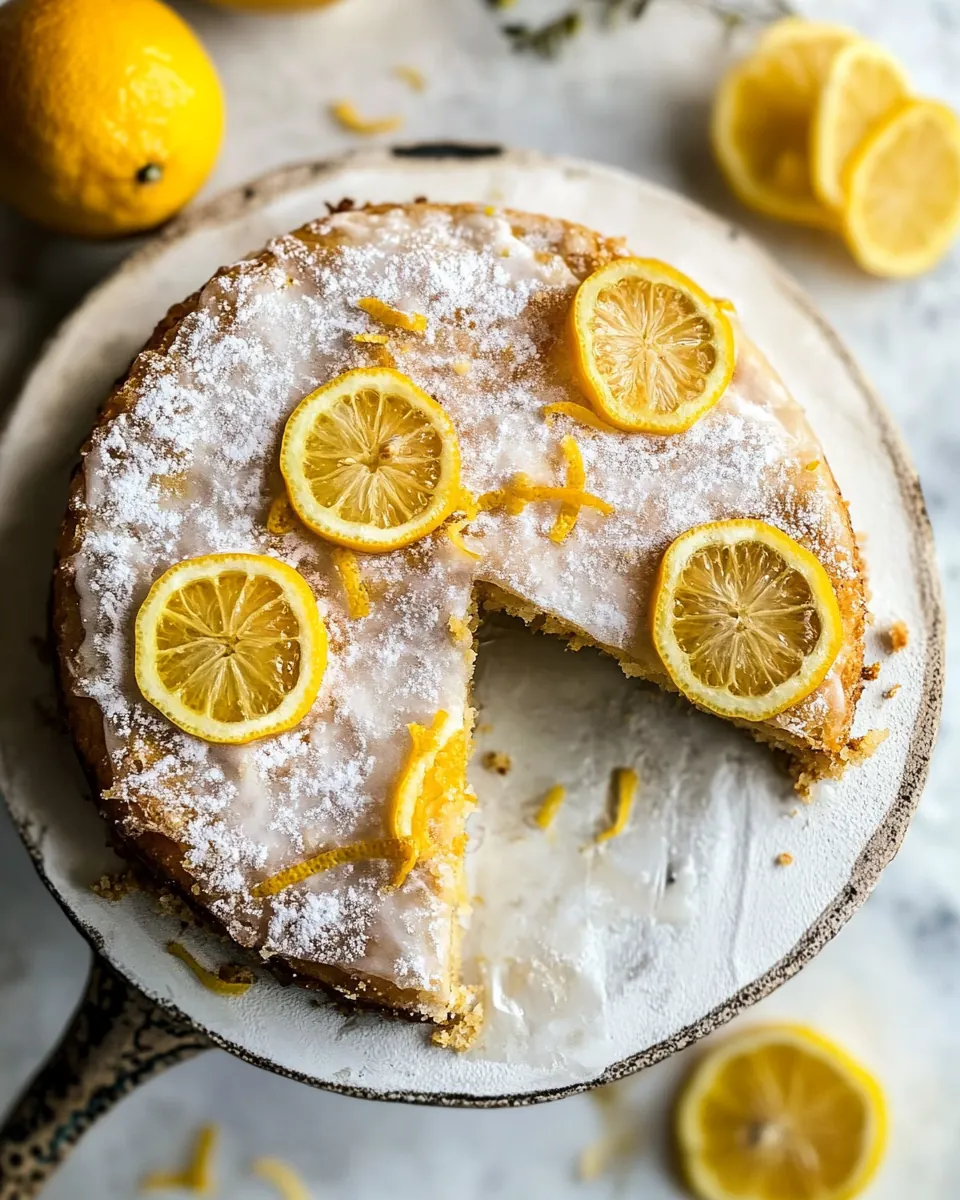
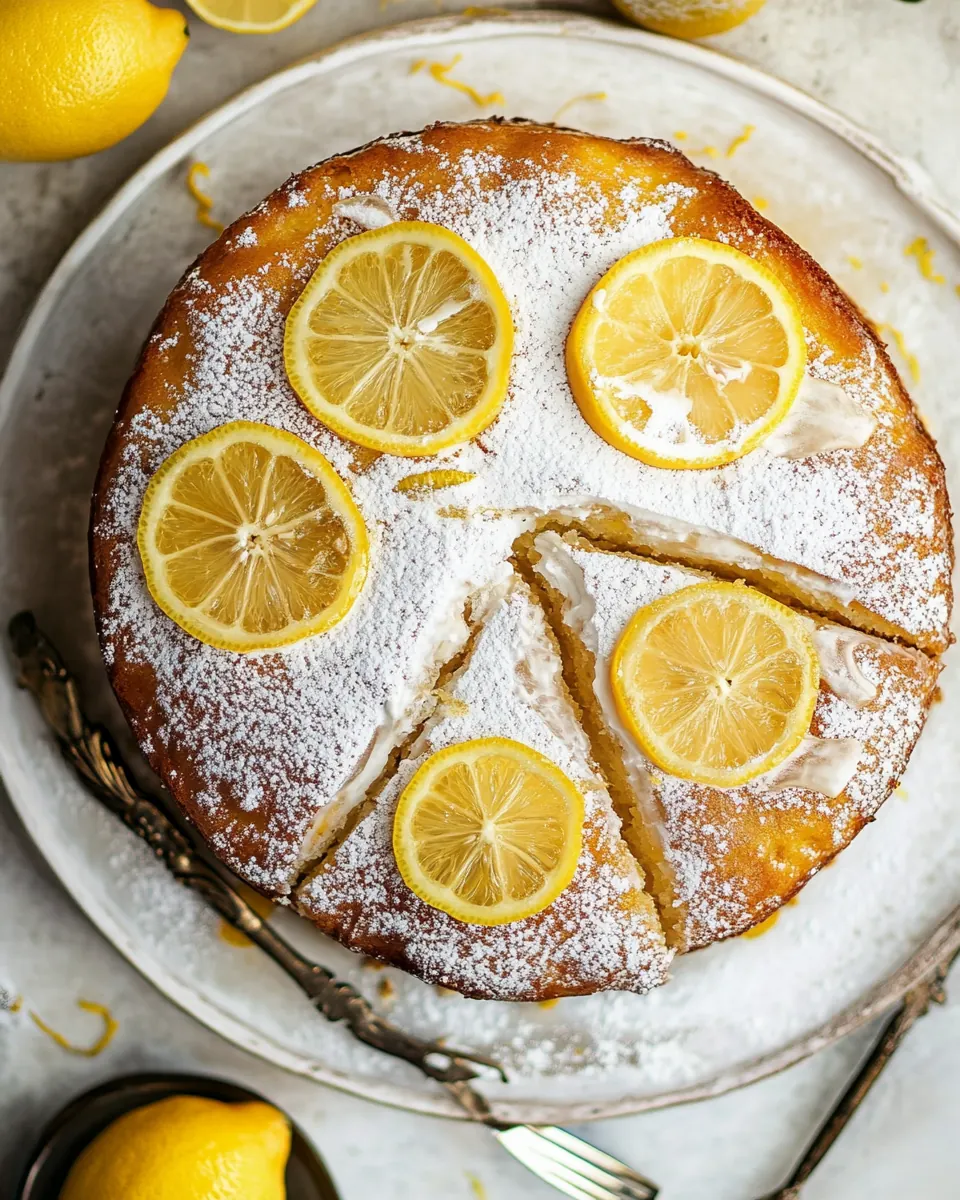
- Sprinkle the sugar over the cake; slice and enjoy: The final sprinkle adds a pretty, crunchy accent while the slices reveal the tender crumb streaked with lemon aroma, and you will likely notice people pause before they take their first bite. Serve with casual confidence, because the cake is designed to be shared and enjoyed. A common serving mistake is using a dull knife that drags; use a sharp blade for clean slices.
Substitutions and Tips
This cake is flexible and forgiving, letting you emphasize brightness, tenderness, or texture based on small swaps. Below are practical tips and substitutions that keep the spirit of Easy Lemon Fritter Cake intact while helping you adapt to what you have on hand.
- Butter and fat: If you need to change the fat profile, melted butter is central to this recipe for flavor. You can use unsalted and add a pinch of salt if desired, but avoid replacing it entirely with oils which will alter mouthfeel and flavor.
- Yogurt options: Greek yogurt brings tang and body; if unavailable, a thick cultured plain yogurt can work, but be mindful of moisture differences and gently adjust batter thickness if needed.
- Flour choices: The recipe allows whole wheat or all-purpose flour; whole wheat adds nuttiness and density, so use a bit lighter scoop and do not overpack to keep the cake tender.
- Lavender usage: Use dried lavender sparingly for a subtle floral note in the glaze; overuse becomes soapy and will dominate the lemon, so treat it as an accent rather than a main ingredient.
- Make ahead: The cake keeps well for a day at room temperature wrapped loosely, and the glaze softens slightly over time, making it an excellent make ahead dessert for gatherings.
- Sugar crunch: For the lemon crunch, the coarse granulated sugar and small flour binder create toasted pockets; do not replace with liquid sweeteners because they will not crisp.
What to Pair With Easy Lemon Fritter Cake
This cake is versatile, and I enjoy it with both simple accompaniments and slightly more composed pairings depending on the occasion. Think light, complementary flavors that highlight the lemon and optional lavender without overpowering them.
- Light tea service: Pair slices with a pot of mild black tea or a green tea to accentuate citrus notes, served mid afternoon for a gentle gathering.
- Brunch spread: Place the cake among fresh fruit, yogurt, and a savory cheese board for contrast, great for a lazy weekend brunch with friends or family.
- Casual dessert: Serve warm with a dollop of plain Greek yogurt or a small scoop of vanilla gelato to play up the creamy tang and balance sweetness.
- Occasion suggestions: This cake suits spring gatherings, baby showers, or tea parties where its bright profile complements seasonal produce and light fare.
- Storage tips: Store wrapped at room temperature for up to two days, or refrigerated for up to five days; bring to room temperature before serving for best texture.
- Seasonal pairings: In spring, serve with berries and citrus segments; in cooler months, pair with spiced compotes to add warmth without masking the lemon.
FAQ
Conclusion
This cake is special because it combines bright citrus, tender crumb, and a crunchy textural surprise into one approachable recipe. It invites both casual baking and small moments of culinary care, so I encourage you to try it the next time you want a lift for brunch or tea. Bake it with fresh lemons, be gentle when folding the batter, and enjoy how small techniques like rubbing zest into sugar can transform a simple cake into something memorable.
Easy Lemon Fritter Cake
Equipment
- Mixing Bowl
- Whisk
- 9×9 inch Baking Dish
- Parchment Paper
- Small Pan
- Fine-mesh strainer
Ingredients
- 1/4 cup granulated sugar Sweetens the batter and helps balance tart lemon flavors while contributing to moistness and browning during baking; dissolve well with wet ingredients for even texture.
- 1/2 cup brown sugar Adds deep caramel notes and moisture to the cake, enhancing richness and tenderness while supporting a pleasantly chewy crumb when mixed with the other sugars.
- 1 tablespoon lemon zest Provides concentrated citrus aroma and bright flavor, lifting the overall profile and enhancing perceived freshness; finely grate zest to avoid bitter pith.
- 1 stick (8 tablespoons) salted butter, melted Imparts rich buttery flavor and aids in creating a tender, moist crumb; melting the butter helps incorporate easily into the batter and promotes even texture.
- 1 cup plain Greek yogurt Contributes tangy moisture and structure, lending body and slight acidity that reacts with leaveners to produce a light cake while keeping it tender.
- 3 eggs, at room temperature Adds structure, richness, and leavening support as eggs trap air when beaten; using room-temperature eggs ensures better emulsification and a smoother batter.
- 2 tablespoons lemon juice Delivers bright acidity that amplifies lemon notes and reacts with leavening agents for lift; add freshly squeezed juice for best flavor impact.
- 2 teaspoons vanilla extract Provides warm aromatic sweetness that rounds flavors and complements citrus; incorporate with wet ingredients to distribute flavor evenly throughout the cake.
- 1 1/2 cups whole wheat or all-purpose flour Forms the base structure of the cake by supplying gluten and bulk; choose whole wheat for nuttier flavor or all-purpose for a lighter crumb.
- 2 teaspoons baking powder Leavens the batter by producing gas when activated, helping the cake rise to a tender, airy texture; ensure proper measuring for consistent results.
- 1 teaspoon salt Balances sweetness and enhances flavor clarity while strengthening gluten slightly; dissolve evenly to prevent salty pockets in the baked cake.
- 2 tablespoons granulated sugar (optional) Offers a sprinkle of extra sweetness optionally for topping or coating, adding a crispy granular contrast if used sparingly on the surface before frying or baking.
- 1 teaspoon dried lavender (optional) Imparts a subtle floral, herbal aroma optionally that pairs well with lemon for a sophisticated floral-citrus note; use sparingly to avoid overpowering the cake.
- 1/2 cup granulated sugar Creates a sweet glaze or finishing layer when combined with liquids, providing shine and additional sweetness that complements the cake's citrus notes.
- 1 tablespoon lemon zest Adds a concentrated citrus aroma to the glaze or topping, enhancing lemon presence and giving a fresh, fragrant finishing touch when finely grated.
- 1 tablespoon all-purpose flour Helps stabilize and slightly thicken the glaze or topping, absorbing excess moisture and preventing runniness while contributing minimal flavor.
- 2 tablespoons salted butter, melted Contributes richness and sheen to the glaze or topping while adding buttery flavor; melt and whisk in to create a smooth finishing sauce.
- 1/4 cup whole milk Adjusts the glaze consistency and contributes dairy richness for a silky finish; warm milk dissolves sugar blend and mellows tartness when mixed.
- 2 teaspoons dried lavender (optional) Intensifies floral notes in the glaze or garnish optionally, creating a stronger lavender presence for a delicate, perfumed finish when used carefully.
- 1 teaspoon vanilla extract Adds warm aromatic depth to the glaze or finishing mixture, helping to round and unify flavors when combined with citrus and sugar.
- 2 tablespoons salted butter Provides a finishing buttery sheen or helps bind crumble or topping components, adding richness and a softer mouthfeel when brushed or mixed in.
- 2 -3 cups powdered sugar Sweetens and thickens glazes or icings to a smooth spreadable consistency, providing a bright white finish that highlights the lemon topping when sifted and mixed.
Instructions
- Preheat oven to 350°F. Line a 9×9 inch baking dish with parchment paper. In a bowl, mix the granulated sugar with the lemon zest, use your fingers to rub the zest into the sugar, releasing the lemon oil. Add the brown sugar, melted butter, yogurt, eggs, lemon juice, and vanilla. Then add the flour, baking powder, and salt. Mix until fully combined. To make the Lemon Crunch, mix the granulated sugar with the lemon zest. Use your fingers to rub the zest into the sugar, releasing the lemon oil. Add the butter and flour. Pour half the batter into the baking dish. Arrange the clumps over the batter. Add the remaining batter. Bake for 30 minutes or until the center is just set. Meanwhile, make the lavender glaze. Warm the milk in a small pan set over medium heat until steaming. Remove from the heat and stir in the lavender. Cover and steep for 5 minutes. Strain the milk through a fine-mesh strainer and discard the lavender. Stir in the vanilla, butter, and powdered sugar, adding more to your taste. Spoon the lavender glaze over the cake. Let the icing set for 30 minutes. Mix 2 tablespoons of sugar with 1 teaspoon of dried lavender. Sprinkle the sugar over the cake. Slice and enjoy! Enjoy!: The room fills with a faint warmth even before the cake goes in, and you should smell nothing but a neutral, slightly dry air as the oven reaches temperature, which stabilizes baking times. A properly preheated oven ensures even rise and a golden exterior, because the initial blast of heat sets the cake structure. A common mistake is putting the pan in too early, which can yield uneven rising and a gummy center, so wait until the oven indicator confirms it has reached 350°F .
- Line a 9×9 inch baking dish with parchment paper: Lining the dish creates a smooth, nonstick surface so you can lift the cake out easily, and the edges will brown consistently, offering a visual cue of doneness. The parchment prevents crumbling when slicing and helps the cake retain moisture around the sides. Avoid scrunching the paper into tight folds that create high ridges, because those can cause uneven spots in the finished cake.
- Mix the granulated sugar with the lemon zest; rub to release lemon oil: Rubbing lemon zest into granulated sugar releases aromatic citrus oils that perfume the batter, and you will notice the sugar become slightly damp and shimmering. This step deepens lemon flavor throughout the cake rather than only in pockets, and it adds a fragrant brightness during baking. A slip is using frozen or previously zested lemons which lack aroma, so always zest fresh fruit and avoid including the bitter pith.
- Add the brown sugar, melted butter, yogurt, eggs, lemon juice, and vanilla: When combining these wet elements, the bowl will give off a warm, buttery scent and a tang from the Greek yogurt . Whisk until the mixture is smooth and glossy, an emulsion that will trap some air for lift. If you overwork the mixture at this stage, you risk incorporating too much air that can create large, uneven tunnels during baking; mix until homogeneous but do not whip vigorously.
- Add the flour, baking powder, and salt: As you fold in the dry flour , the batter will thicken and dull in sheen, a sign that structure is forming. The leavening will distribute throughout creating the lift you want in the oven. Over mixing here develops gluten and leads to a tough crumb, so fold gently until the streaks of flour disappear.
- Mix until fully combined: The batter should look smooth, slightly thick, and glossy, giving off a faint lemon perfume from the earlier sugar rub. A good visual cue is that the batter will ribbon slowly from the spatula back into the bowl. A common error is mixing until the batter is overly loose from heat of melted butter, which can cause a denser bake; stop when homogeneous.
- To make the Lemon Crunch, mix granulated sugar with lemon zest and rub: For the topping, rubbing more lemon zest into granulated sugar concentrates aromatic oils so the crunch echoes the cake. This sugar will smell intensely citrusy when finished, offering a bright contrast to the baked crumb. If the zest is too wet or contains pith, the crunch will be bitter rather than bright.
- Add the butter and flour to the crunch mixture: Mixing in melted butter and a little flour binds the sweet shards so they clump during baking and brown into crisp pockets with a nutty aroma. The result should be loose, irregular clumps that will crisp up into delightful textural counterpoints. If the butter is cold and solid, the crunch will not form cohesive clumps and may bake into dust rather than crisps.
- Pour half the batter into the baking dish: As you pour the batter it will move languidly into the pan and you should see a smooth, glossy surface. This base layer supports the crunch and helps it adhere during baking. Pouring slowly ensures an even thickness; avoid shaking the pan vigorously which can cause air bubbles and uneven set.
- Arrange the clumps over the batter: Gently scatter the prepared crunch clumps so they sit on top of the first batter layer, creating islands of sugar and butter that bake into crackly pockets. The contrast becomes visible as the clumps brown and fragment in the oven, adding that pleasing texture. Avoid pressing the clumps into the batter, you want them to remain as discrete crunchy bits.
- Add the remaining batter: Spoon or pour the rest of the batter over the crunch, smoothing just enough to cover but not bury the clumps entirely, so the topping can peek through and caramelize. The batter will give a slight sheen and you can still see hints of the crunch beneath. Over smoothing can crush the clumps and reduce the intended texture contrast.
- Bake for 30 minutes or until the center is just set: During baking you will notice a bright lemon scent and the top turning a warm golden hue. A toothpick or gentle press should show the center is set but still springy, indicating a moist crumb rather than dry. A classic mistake is leaving it in too long; that yields a dry cake, so check at about 25 minutes and then every five minutes until the center is just set.
- Meanwhile, warm the milk until steaming: While the cake bakes, warm the whole milk gently until it is steaming but not boiling so the heat will more effectively extract lavender aroma without scalding. You will notice a comforting dairy scent that becomes floral after steeping. Boiling will toughen the milk proteins and can give a slightly cooked milk flavor, so keep the heat gentle.
- Remove from heat and stir in the lavender; cover and steep for 5 minutes: Steeping dried lavender in warm milk extracts delicate floral notes; it should smell perfumed and soft. Covering traps the steam and promotes a fuller infusion. Over-steeping will intensify the floral note into a soapy or medicinal character, so adhere to the short steep time.
- Strain the milk through a fine-mesh strainer and discard the lavender: Straining yields a silky, clean liquid free of grit and petals, which results in a smooth glaze. The aroma will be floral but subtle, ready to be tempered with sugar. Skipping the straining leaves tiny flecks and a grainy mouthfeel in the finished glaze, so always strain carefully.
- Stir in the vanilla, butter, and powdered sugar, adding more to taste: As you whisk the powdered sugar into the warm milk and melted butter , the glaze will thicken and shine, offering a glossy, pourable texture. Taste and adjust the thickness with more sugar for a thicker glaze or a splash more milk for a looser pour. Adding sugar too quickly can create lumps, so sift and whisk gradually for a smooth finish.
- Spoon the lavender glaze over the cake: Pouring the glaze lets it run down the sides and settle into the cracks and golden pockets, creating a soft sheen and a gentle sweetness. The glaze will barely crust and keep the cake moist while adding an elegant floral lift. Do not pour piping hot glaze onto a warm cake as it can run off excessively; let the cake cool slightly first.
- Let the icing set for 30 minutes: The glaze firms into a delicate crust while the interior finishes cooling, and you will start to notice a subtle crackle where the glaze meets the crunchy pockets. This pause also concentrates flavors slightly as moisture equilibrates. Cutting too soon will smear the glaze and make slices messy, so be patient for the cleanest presentation.
- Mix 2 tablespoons of sugar with 1 teaspoon of dried lavender: For a final finishing touch, combining granulated sugar with a little crushed dried lavender gives a decorative, aromatic sprinkle that adds both texture and visual charm. The sugar will glint and the lavender will add a miniature floral accent. Use sparingly because too much lavender will overpower the lemon.
- Sprinkle the sugar over the cake; slice and enjoy: The final sprinkle adds a pretty, crunchy accent while the slices reveal the tender crumb streaked with lemon aroma, and you will likely notice people pause before they take their first bite. Serve with casual confidence, because the cake is designed to be shared and enjoyed. A common serving mistake is using a dull knife that drags; use a sharp blade for clean slices.
Notes
- Butter and fat: If you need to change the fat profile, melted butter is central to this recipe for flavor. You can use unsalted and add a pinch of salt if desired, but avoid replacing it entirely with oils which will alter mouthfeel and flavor.
- Yogurt options: Greek yogurt brings tang and body; if unavailable, a thick cultured plain yogurt can work, but be mindful of moisture differences and gently adjust batter thickness if needed.
- Flour choices: The recipe allows whole wheat or all-purpose flour; whole wheat adds nuttiness and density, so use a bit lighter scoop and do not overpack to keep the cake tender.
- Lavender usage: Use dried lavender sparingly for a subtle floral note in the glaze; overuse becomes soapy and will dominate the lemon, so treat it as an accent rather than a main ingredient.
- Make ahead: The cake keeps well for a day at room temperature wrapped loosely, and the glaze softens slightly over time, making it an excellent make ahead dessert for gatherings.
- Sugar crunch: For the lemon crunch, the coarse granulated sugar and small flour binder create toasted pockets; do not replace with liquid sweeteners because they will not crisp.
