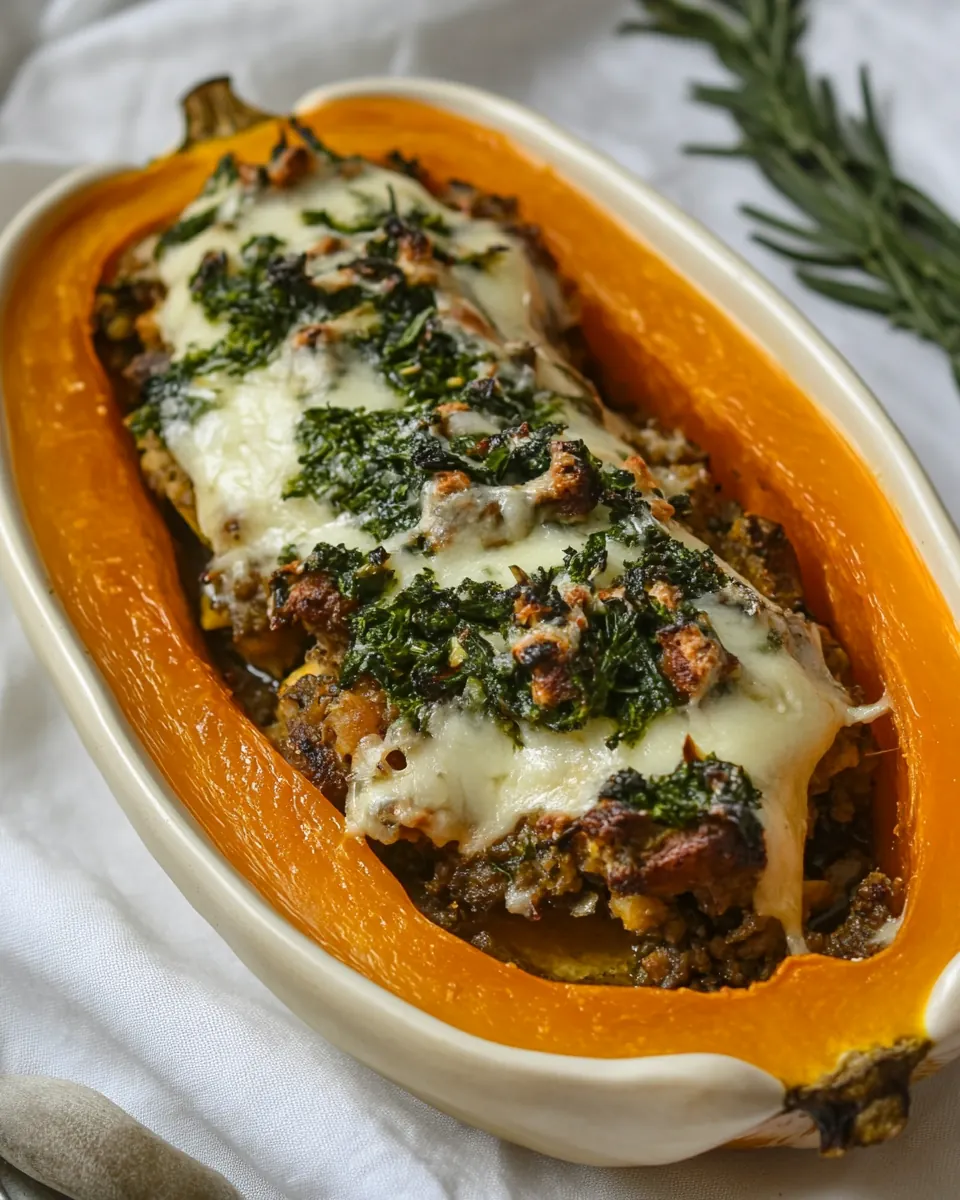
Stuffed Butternut Squash
Stuffed Butternut Squash has become one of those cozy dishes I turn to when evenings cool and I want something satisfying without fuss. I first made it the year I moved into a small apartment with a tiny oven and an optimistic grocery budget. I remember wrestling with that first butternut, feeling oddly proud when it finally yielded a smooth, sweet flesh that paired so beautifully with the earthy lentils and tangy goat cheese. The memory of that first bite still makes me smile, and I love how this recipe feels both rustic and gently elegant.
Over time I tweaked the filling so the texture plays against the squash: soft, caramelized shallots, tender green lentils, bright parsley, and creamy pockets of goat cheese. It’s the kind of meal that looks like you spent hours prepping, when in reality most of the work happens while the butternut squash roasts away, filling the kitchen with a warm, nutty aroma. I’ve served it for quiet weeknight dinners and at small dinner parties, and it always draws compliments because it tastes thoughtful but is straightforward to make.
I also love that the recipe adapts easily. If you want to make it ahead, you can roast the squash earlier in the day, keep the filling at room temperature, and assemble right before a short finish in the oven. The textures hold up well, and leftovers reheat nicely, making this a reliable choice for planning. There’s something homey about scooping the roasted flesh and mixing it into the lentils, then topping with goat cheese so it melts into warm, tangy ribbons during a final bake. That final golden touch always feels like a small victory.
Recipe Snapshot
1 hr 10 mins
10 mins
60 mins
Medium
250 kcal
American
Gluten-Free, Vegan
Dinner
Chef’s knife, Parchment Paper, Cookie Sheet, saucepan, Lodge Skillet, Ovenproof Serving Dish
Why This Stuffed Butternut Squash Is a Winner
Comforting Flavor Harmony
I adore how Stuffed Butternut Squash brings together naturally sweet, savory, and tangy notes in one bite. The roasted butternut squash offers a caramelized sweetness that balances the earthy green lentils. The result is a dish that satisfies without being heavy, which is why I reach for it when I want something cozy but not weighed down.
Textural Contrast
One of the main reasons I keep making this recipe is the texture play. The soft, yielding squash contrasts with the slightly firm lentils and the creamy pockets of goat cheese. Each mouthful has a pleasing tug and melt, and I find that textural variety keeps every bite interesting.
Minimalist Ingredient List
We work with very few ingredients, which means each one matters. The shallots bring a gentle sweetness and aroma, while a modest amount of olive oil helps everything come together. Because it uses simple components, it’s accessible to cooks at every level, and I often find myself making it with pantry staples.
Easy Entertaining
This dish feels composed, yet it is effortless to scale. I like to serve Stuffed Butternut Squash at a relaxed dinner because it looks impressive on the table but requires little hands on time. It’s one of those recipes that lets you socialize while the oven does the heavy lifting.
Seasonal Appeal
Because butternut squash shines in cooler months, this dish fits fall gatherings and holiday menus without dominating them. It pairs well with simple sides, and the colors and aromas add warmth to the table. I often choose it when I want something both nourishing and festive.
Ingredients Overview for Stuffed Butternut Squash

These ingredients are built to support one another, with the roasted butternut squash acting as the sweet, tender vessel for the savory filling. The key players are the hearty green lentils, which bring texture and protein, the gentle aromatics of shallots, the richness of goat cheese, and the brightness of parsley. A splash of olive oil melts flavors together, while salt and pepper sharpen the whole dish. Together they create a balanced, rustic plate.
- 1 small butternut squash: Roasted to tender, sweet flesh and hollowed to create a natural bowl for the stuffing; provides a nutty, caramelized base and visual centerpiece for the dish. Offers a balance of sweetness against savory fillings and softens when baked to meld flavors. Retains a firm skin that holds the filling and adds an attractive presentation when served.
- 1/2 cup green lentils: Simmered until just tender to add a hearty, earthy protein element and a satisfying bite to the stuffing. Absorbs aromatics and broth, helping to bind the filling while contributing fiber and a subtle nutty flavor. Helps make the dish more substantial and nutritious without overpowering other components.
- 2 shallots, peeled and thinly sliced: Sweated gently to release sweet, mild oniony flavors that build the savory foundation of the stuffing. Caramelizes slightly to add depth and a hint of sweetness that complements the roasted squash and lentils. Provides aromatic complexity and texture contrast when mixed into the filling.
- 1 1/2 tablespoons olive oil: Used to sauté shallots and coat the lentils for a silky mouthfeel while adding a fruity, mellow fat that enhances overall flavor. Helps prevent sticking and promotes even browning of aromatics, contributing to the stuffing’s cohesive texture. Supplies healthy monounsaturated fats that carry other flavors through the dish.
- 5 ounces goat cheese: Crumpled or dolloped into the warm filling to introduce tangy creaminess and a luxurious mouthfeel that contrasts the squash’s sweetness. Melts slightly when combined with hot lentils and squash, creating pockets of savory richness and bright dairy acidity. Balances textures and adds a pronounced flavor note that elevates the stuffing.
- 1/4 cup parsley, chopped: Chopped and stirred in to introduce fresh, herbaceous brightness and a clean finish that cuts through richer elements like goat cheese and olive oil. Enhances color and offers a mild, peppery-lemony note that lifts the overall flavor profile. Acts as a finishing herb that refreshes each bite of the stuffed squash.
- salt and pepper, to taste: Seasoned to taste to enhance and balance flavors throughout the dish by dialing up savory, bitter, and aromatic notes as needed. Sprinkled at different stages to adjust intensity and provide contrast to sweet squash and tangy cheese. Ensures the final dish is properly seasoned and harmonious.
Preparation Steps for Stuffed Butternut Squash
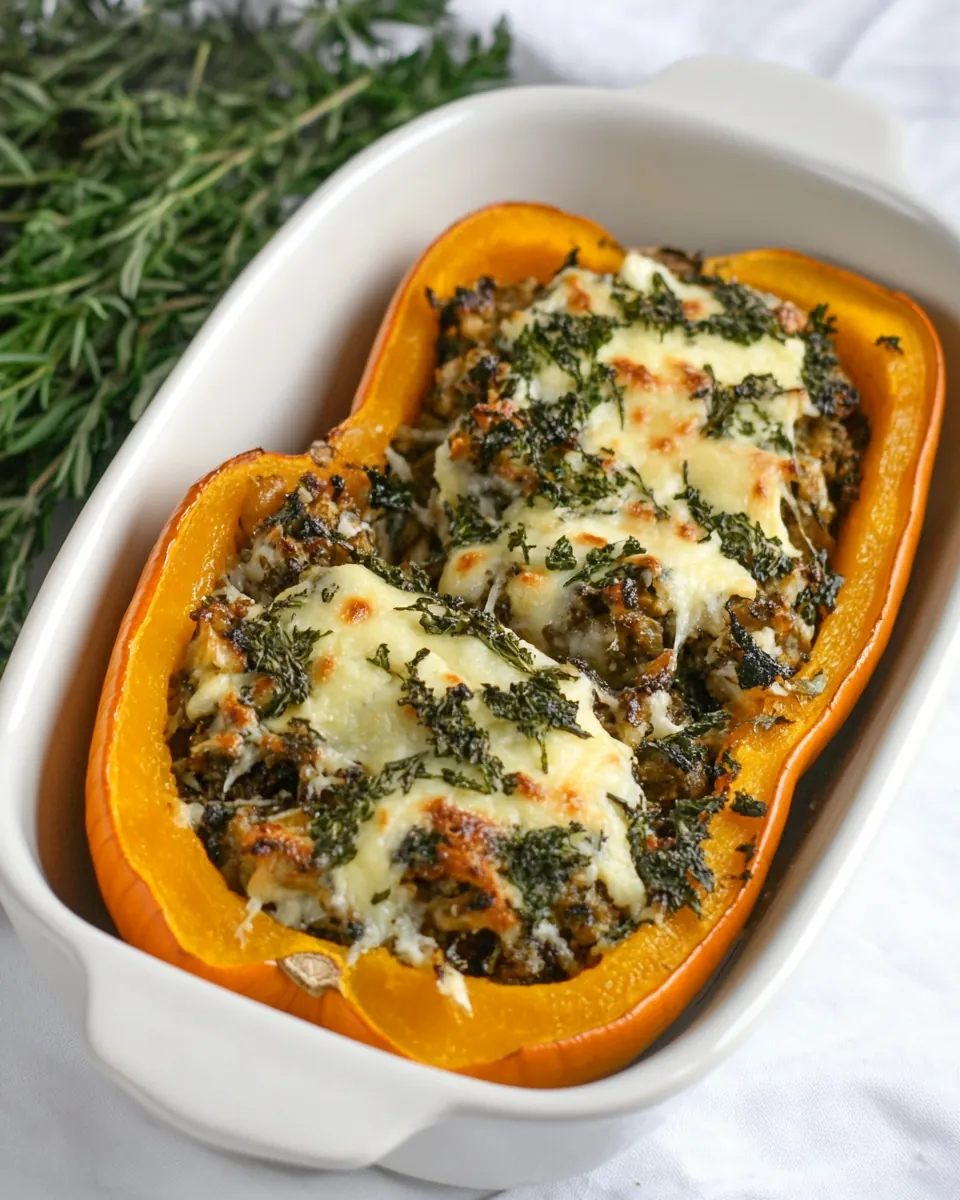
These steps walk you through roasting the squash, cooking the lentils, and assembling a filling that melts into warm, tangy pockets of flavor. The sequence is forgiving, and I like to think of it as a sequence of small rituals that build toward a comforting plate.
- Preheat oven to 375 F.: You will notice warm air filling the kitchen, creating a steady baseline heat that ensures even roasting. This temperature lets the butternut squash caramelize slowly, developing a nutty aroma without burning. A common mistake is preheating too briefly, which can make roasting uneven, so wait until the oven reaches the full temperature before putting the squash in.
- With a very sharp knife, slice the butternut squash in half lengthwise. With a spoon, scoop the seeds out of the squash. Place on a cookie sheet covered with parchment paper, cut side face down on the paper and bake for 45 minutes.: The sound of the knife cutting through the skin is firm and satisfying, and a very sharp blade reduces slipping and keeps the halves neat. You want clean edges so the squash sits stably on the cookie sheet. If your knife is dull you risk uneven halves and potential injury, so take care and steady the squash on a towel while cutting if it moves.
- Place the lentils in a saucepan with cold water and bring to a boil. Boil for about 20 minutes. Drain them and season them with salt.: As you scrape the cavity clean, you can feel the fibrous strands and seeds come away in wet clumps, and removing them creates a perfect hollow for the filling. Leaving seeds in will hold moisture and prevent the flesh from browning properly, so be thorough but gentle to avoid gouging the walls of the squash.
- In a skillet or pan, add olive oil, and over medium heat, cook the shallots until they become translucent. Add the lentils and blend well. Add your parsley and remove from the heat.: You will hear a soft hiss as the oven works and later a gentle crackle as sugars caramelize. Baking cut side down concentrates heat on the skin side, helping the interior steam and become tender. A common slip is baking with the cut side up which can dry the surface; placing it face down preserves moisture and yields a creamier flesh.
- Once your butternut squash is baked, add some of the flesh to the lentil mixture. Season with salt and pepper the open butternut squash.: Starting with cold water helps the green lentils heat evenly and prevents them from becoming mushy. You'll see small bubbles build to a steady rolling boil, and that lively sound indicates the lentils are cooking through. Rushing to a high boil from the start or leaving them boiling too long can make them break down, so watch the pot and lower the heat as needed.
- Stuff your butternut with the lentil filling. Place the goat cheese cut into pieces over it. Season with pepper.: As the lentils simmer you will smell an earthy scent, and the grains will soften but retain bite. The texture should be tender yet not falling apart, which gives body to the filling. Overcooking is a common issue, producing a mushy result, so test a lentil halfway through to ensure the desired firmness.
- Place your butternut halves into an oven-proof serving dish and bake at 375 F for about 15 minutes.: Draining removes excess water so the filling does not become watery, and seasoning at this point allows salt to distribute evenly. Taste to adjust seasoning, because under-salted lentils can make the final dish bland. A typical oversight is adding salt only later, which does not penetrate the lentils as well as seasoning them while warm.
- In a skillet or pan, add olive oil, and over medium heat, cook the shallots until they become translucent: You will hear a gentle sizzle and smell a sweet, savory perfume as the shallots soften. Cooking them slowly brings out their natural sugars and softens their bite, creating a flavorful base. Too-high heat can burn them quickly, introducing bitterness, so keep the flame moderate and stir often.
- Add the lentils and blend well: When the warm lentils join the skillet, they absorb the shallot flavors and soak up any remaining oil, resulting in a cohesive mixture. Stirring until everything looks integrated creates a uniform texture. A mistake to avoid is adding cold lentils straight from the fridge, which can cool the pan and prevent flavors from melding properly.
- Add your parsley and remove from the heat: Adding the parsley off the heat preserves its fresh color and bright flavor, creating contrast in both taste and appearance. The fragrance lifts the filling, making each bite cleaner on the palate. If you cook the herb too long it will wilt and lose vibrancy, so fold it in at the end.
- Once your butternut squash is baked, add some of the flesh to the lentil mixture: As you scoop warm, sweet butternut squash flesh into the lentils you will notice a silky texture that helps bind the filling. This also concentrates the squash flavor throughout the mixture. Be careful not to overfill the mixture with squash, or the filling can become overly loose and difficult to stuff.
- Season with salt and pepper the open butternut squash: Sprinkling seasoning directly into the cavity ensures the exposed squash flesh is flavored, enhancing each bite. The salt lifts the natural sweetness, and freshly ground pepper adds a gentle heat. Avoid over-salting at this stage, because the filling and goat cheese also contain salt; tasting as you go prevents that common pitfall.
- Stuff your butternut with the lentil filling: The texture as you press the filling in should feel substantial and slightly springy, with visible bits of lentil and flecks of parsley . Packing it evenly ensures each half bakes uniformly. A frequent error is overpacking to the point where the filling spills and browns too quickly, so leave a little room for the goat cheese on top.
- Place the goat cheese cut into pieces over it: Nestling pieces of goat cheese across the filling creates pockets of tangy cream that melt into ribbons during the final bake. The cheese will soften and develop a luscious texture that complements both the lentils and squash. Avoid scattering too small fragments, which can disappear into the filling rather than creating satisfying bites of cheese.
- Season with pepper: A final grind of pepper brings aromatic heat that brightens the dish right before the finishing bake. The aroma of freshly cracked pepper is immediate, making the plate inviting. Don’t rely solely on pre-ground pepper if you have whole peppercorns, as freshly ground has more nuanced flavor; however, don’t overdo it or it will overpower the subtle squash sweetness.
- Place your butternut halves into an oven-proof serving dish and bake at 375 F for about 15 minutes: During this short bake you will hear a gentle bubbling as the goat cheese softens and the filling heats through, and the edges may brown slightly, adding complexity. This final step melds flavors and warms everything to the right temperature. A common mistake is leaving them in too long, which can dry the squash and make the cheese lumpy instead of silky, so watch for softened cheese and warmed filling as your cue.
Pro Tips and Tweaks

I like to think of these tips as small adjustments that elevate the finished plate. They are practical, approachable, and based on things I have learned by cooking this dish many times.
- Preheat fully before you roast the butternut squash, this ensures even browning and consistent tenderness throughout the flesh.
- Test lentils early to achieve the perfect texture, cook until tender yet slightly firm, and avoid a mushy filling by tasting at 15 minutes and adjusting time as needed.
- Use quality goat cheese because its tang and creaminess are central to the flavor profile, and fresher cheese will melt into silkier ribbons during the final bake.
- Keep the filling warm when assembling so the goat cheese softens quickly in the oven, creating those lovely melted pockets without long reheating.
- Finish under gentle heat for about 15 minutes at 375 F to meld flavors and soften the cheese, watching carefully to prevent overbrowning or drying the squash.
What Goes Well With This Stuffed Butternut Squash
This dish pairs nicely with simple, fresh sides and suits intimate dinners or seasonal gatherings. Below are ideas for accompaniments, serving styles, and storage notes to help you plan the whole meal.
- Light salad such as a crisp green salad dressed simply with olive oil and lemon, which adds a refreshing contrast to the warm squash.
- Grain side like a small serving of quinoa or farro for extra texture and to make the meal heartier for dinner guests.
- Warm bread such as crusty slices to scoop up any remaining filling and melted goat cheese, good for informal gatherings.
- Occasion suggestions for this recipe include weeknight dinners, fall gatherings, or a modest holiday menu where you want something seasonal and comforting.
- Storage tip store leftovers in an airtight container in the refrigerator for up to three days, reheat gently to preserve texture and prevent the cheese from breaking down.
- Seasonal pairing serve this in autumn and early winter when butternut squash is at its peak, and consider adding roasted root vegetables alongside for a full seasonal plate.
FAQ
Conclusion
Stuffed Butternut Squash stands out for its balance of sweet roasted squash, earthy lentils, and tangy goat cheese. It feels both comforting and composed, making it a reliable choice for weeknights and small gatherings alike. Give this recipe a try when you want a dish that looks thoughtful yet comes together with minimal fuss, and enjoy the warm, layered flavors that make it feel like a small celebration of the season.

Stuffed Butternut Squash
Equipment
- Chef's Knife
- Parchment Paper
- Cookie Sheet
- Saucepan
- Lodge Skillet
- Ovenproof Serving Dish
Ingredients
- 1 small butternut squash Roasted to tender, sweet flesh and hollowed to create a natural bowl for the stuffing; provides a nutty, caramelized base and visual centerpiece for the dish. Offers a balance of sweetness against savory fillings and softens when baked to meld flavors. Retains a firm skin that holds the filling and adds an attractive presentation when served.
- 1/2 cup green lentils Simmered until just tender to add a hearty, earthy protein element and a satisfying bite to the stuffing. Absorbs aromatics and broth, helping to bind the filling while contributing fiber and a subtle nutty flavor. Helps make the dish more substantial and nutritious without overpowering other components.
- 2 shallots, peeled and thinly sliced Sweated gently to release sweet, mild oniony flavors that build the savory foundation of the stuffing. Caramelizes slightly to add depth and a hint of sweetness that complements the roasted squash and lentils. Provides aromatic complexity and texture contrast when mixed into the filling.
- 1 1/2 tablespoons olive oil Used to sauté shallots and coat the lentils for a silky mouthfeel while adding a fruity, mellow fat that enhances overall flavor. Helps prevent sticking and promotes even browning of aromatics, contributing to the stuffing’s cohesive texture. Supplies healthy monounsaturated fats that carry other flavors through the dish.
- 5 ounces goat cheese Crumpled or dolloped into the warm filling to introduce tangy creaminess and a luxurious mouthfeel that contrasts the squash’s sweetness. Melts slightly when combined with hot lentils and squash, creating pockets of savory richness and bright dairy acidity. Balances textures and adds a pronounced flavor note that elevates the stuffing.
- 1/4 cup parsley, chopped Chopped and stirred in to introduce fresh, herbaceous brightness and a clean finish that cuts through richer elements like goat cheese and olive oil. Enhances color and offers a mild, peppery-lemony note that lifts the overall flavor profile. Acts as a finishing herb that refreshes each bite of the stuffed squash.
- salt and pepper, to taste Seasoned to taste to enhance and balance flavors throughout the dish by dialing up savory, bitter, and aromatic notes as needed. Sprinkled at different stages to adjust intensity and provide contrast to sweet squash and tangy cheese. Ensures the final dish is properly seasoned and harmonious.
Instructions
- Preheat oven to 375 F.: You will notice warm air filling the kitchen, creating a steady baseline heat that ensures even roasting. This temperature lets the butternut squash caramelize slowly, developing a nutty aroma without burning. A common mistake is preheating too briefly, which can make roasting uneven, so wait until the oven reaches the full temperature before putting the squash in.
- With a very sharp knife, slice the butternut squash in half lengthwise. With a spoon, scoop the seeds out of the squash. Place on a cookie sheet covered with parchment paper, cut side face down on the paper and bake for 45 minutes.: The sound of the knife cutting through the skin is firm and satisfying, and a very sharp blade reduces slipping and keeps the halves neat. You want clean edges so the squash sits stably on the cookie sheet. If your knife is dull you risk uneven halves and potential injury, so take care and steady the squash on a towel while cutting if it moves.
- Place the lentils in a saucepan with cold water and bring to a boil. Boil for about 20 minutes. Drain them and season them with salt.: As you scrape the cavity clean, you can feel the fibrous strands and seeds come away in wet clumps, and removing them creates a perfect hollow for the filling. Leaving seeds in will hold moisture and prevent the flesh from browning properly, so be thorough but gentle to avoid gouging the walls of the squash.
- In a skillet or pan, add olive oil, and over medium heat, cook the shallots until they become translucent. Add the lentils and blend well. Add your parsley and remove from the heat.: You will hear a soft hiss as the oven works and later a gentle crackle as sugars caramelize. Baking cut side down concentrates heat on the skin side, helping the interior steam and become tender. A common slip is baking with the cut side up which can dry the surface; placing it face down preserves moisture and yields a creamier flesh.
- Once your butternut squash is baked, add some of the flesh to the lentil mixture. Season with salt and pepper the open butternut squash.: Starting with cold water helps the green lentils heat evenly and prevents them from becoming mushy. You'll see small bubbles build to a steady rolling boil, and that lively sound indicates the lentils are cooking through. Rushing to a high boil from the start or leaving them boiling too long can make them break down, so watch the pot and lower the heat as needed.
- Stuff your butternut with the lentil filling. Place the goat cheese cut into pieces over it. Season with pepper.: As the lentils simmer you will smell an earthy scent, and the grains will soften but retain bite. The texture should be tender yet not falling apart, which gives body to the filling. Overcooking is a common issue, producing a mushy result, so test a lentil halfway through to ensure the desired firmness.
- Place your butternut halves into an oven-proof serving dish and bake at 375 F for about 15 minutes.: Draining removes excess water so the filling does not become watery, and seasoning at this point allows salt to distribute evenly. Taste to adjust seasoning, because under-salted lentils can make the final dish bland. A typical oversight is adding salt only later, which does not penetrate the lentils as well as seasoning them while warm.
- In a skillet or pan, add olive oil, and over medium heat, cook the shallots until they become translucent: You will hear a gentle sizzle and smell a sweet, savory perfume as the shallots soften. Cooking them slowly brings out their natural sugars and softens their bite, creating a flavorful base. Too-high heat can burn them quickly, introducing bitterness, so keep the flame moderate and stir often.
- Add the lentils and blend well: When the warm lentils join the skillet, they absorb the shallot flavors and soak up any remaining oil, resulting in a cohesive mixture. Stirring until everything looks integrated creates a uniform texture. A mistake to avoid is adding cold lentils straight from the fridge, which can cool the pan and prevent flavors from melding properly.
- Add your parsley and remove from the heat: Adding the parsley off the heat preserves its fresh color and bright flavor, creating contrast in both taste and appearance. The fragrance lifts the filling, making each bite cleaner on the palate. If you cook the herb too long it will wilt and lose vibrancy, so fold it in at the end.
- Once your butternut squash is baked, add some of the flesh to the lentil mixture: As you scoop warm, sweet butternut squash flesh into the lentils you will notice a silky texture that helps bind the filling. This also concentrates the squash flavor throughout the mixture. Be careful not to overfill the mixture with squash, or the filling can become overly loose and difficult to stuff.
- Season with salt and pepper the open butternut squash: Sprinkling seasoning directly into the cavity ensures the exposed squash flesh is flavored, enhancing each bite. The salt lifts the natural sweetness, and freshly ground pepper adds a gentle heat. Avoid over-salting at this stage, because the filling and goat cheese also contain salt; tasting as you go prevents that common pitfall.
- Stuff your butternut with the lentil filling: The texture as you press the filling in should feel substantial and slightly springy, with visible bits of lentil and flecks of parsley . Packing it evenly ensures each half bakes uniformly. A frequent error is overpacking to the point where the filling spills and browns too quickly, so leave a little room for the goat cheese on top.
- Place the goat cheese cut into pieces over it: Nestling pieces of goat cheese across the filling creates pockets of tangy cream that melt into ribbons during the final bake. The cheese will soften and develop a luscious texture that complements both the lentils and squash. Avoid scattering too small fragments, which can disappear into the filling rather than creating satisfying bites of cheese.
- Season with pepper: A final grind of pepper brings aromatic heat that brightens the dish right before the finishing bake. The aroma of freshly cracked pepper is immediate, making the plate inviting. Don’t rely solely on pre-ground pepper if you have whole peppercorns, as freshly ground has more nuanced flavor; however, don’t overdo it or it will overpower the subtle squash sweetness.
- Place your butternut halves into an oven-proof serving dish and bake at 375 F for about 15 minutes: During this short bake you will hear a gentle bubbling as the goat cheese softens and the filling heats through, and the edges may brown slightly, adding complexity. This final step melds flavors and warms everything to the right temperature. A common mistake is leaving them in too long, which can dry the squash and make the cheese lumpy instead of silky, so watch for softened cheese and warmed filling as your cue.
Notes
- Preheat fully before you roast the butternut squash, this ensures even browning and consistent tenderness throughout the flesh.
- Test lentils early to achieve the perfect texture, cook until tender yet slightly firm, and avoid a mushy filling by tasting at 15 minutes and adjusting time as needed.
- Use quality goat cheese because its tang and creaminess are central to the flavor profile, and fresher cheese will melt into silkier ribbons during the final bake.
- Keep the filling warm when assembling so the goat cheese softens quickly in the oven, creating those lovely melted pockets without long reheating.
- Finish under gentle heat for about 15 minutes at 375 F to meld flavors and soften the cheese, watching carefully to prevent overbrowning or drying the squash.