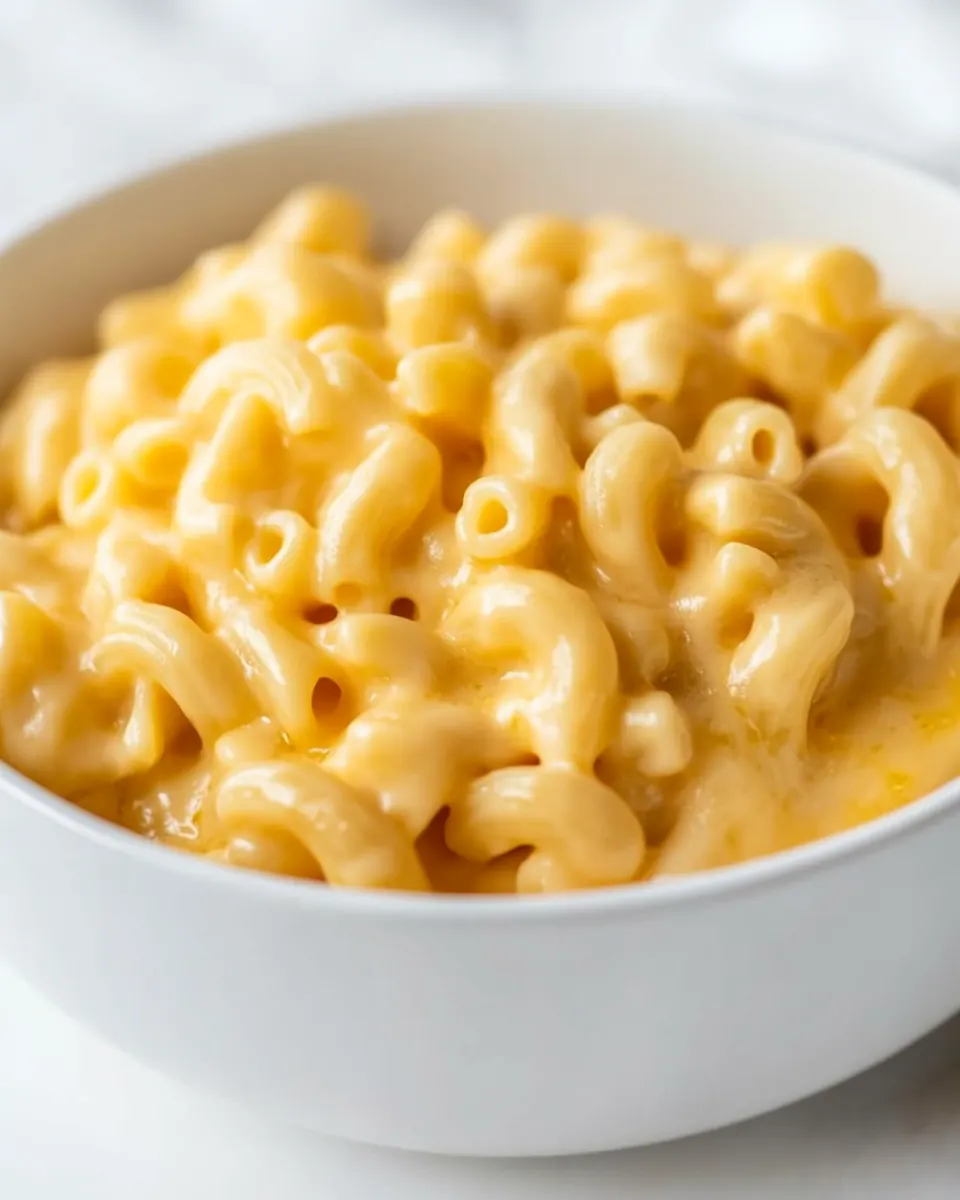
Stovetop Mac and Cheese
Stovetop Mac and Cheese is the kind of cozy, honest comfort food I reach for when the day has been long and I want something warm on the table without a lot of fuss. Growing up, my family had a ritual of turning rainy evenings into macaroni nights, and the bright, cheesy pot that bubbled on the stove became my signal that everything would be okay. I still remember lifting the lid and breathing in that rich, tangy aroma that somehow felt like home itself.
Tonight I make Stovetop Mac and Cheese when I need a quick, satisfying meal that feeds a crowd or simply comforts one person. There is an art to getting the sauce silky and the pasta perfectly tender yet firm to the bite. Over the years I learned to trust small techniques, like coating the cheese in cornstarch so it melts smoothly, and stirring in evaporated milk for body and depth. Those little moves make a big difference.
Recipe Snapshot
15 mins
5 mins
10 mins
Easy
400 kcal
American
Gluten-Free, Low FODMAP
Dinner
Saucepan, Large pot, Colander, Whisk
The Beauty of This Stovetop Mac and Cheese
1. Speed without compromise
I love that Stovetop Mac and Cheese comes together fast, yet still tastes like something you labored over. From boiling the elbow macaroni to folding in the glossy sauce, you get big payoff for little time. That matters on weeknights when we need an easy weeknight dinner that still feels indulgent.
2. Creamy texture that clings
The combination of evaporated milk, a touch of regular milk, and cornstarch creates a sauce that hugs each strand of macaroni. I find the cornstarch is a quiet hero, preventing separation so the result remains smooth and velvety, even as it cools a bit on the plate.
3. Bold, straightforward flavor
Using sharp cheddar cheese gives this dish a confident tang that balances the creamy base. I never water it down with too many additions, because the simplicity lets the cheese shine. Salt and freshly ground black pepper make small tweaks that bring everything into focus.
4. Adaptable and forgiving
This recipe is a brilliant template. I appreciate that you can tweak the milk ratio to control thickness, or serve it with something spicy on the side. The method is forgiving, so even if your timing slips a little, you can rescue the sauce with an extra splash of milk.
5. Crowd friendly and nostalgic
Whether I am feeding family or making a solo bowl, Stovetop Mac and Cheese hits those comfort notes everyone recognizes. It stores and reheats well, so you can make a batch and enjoy leftovers that still taste like the real deal, as long as you revive the creaminess with a little milk when reheating.
What Goes Into Stovetop Mac and Cheese
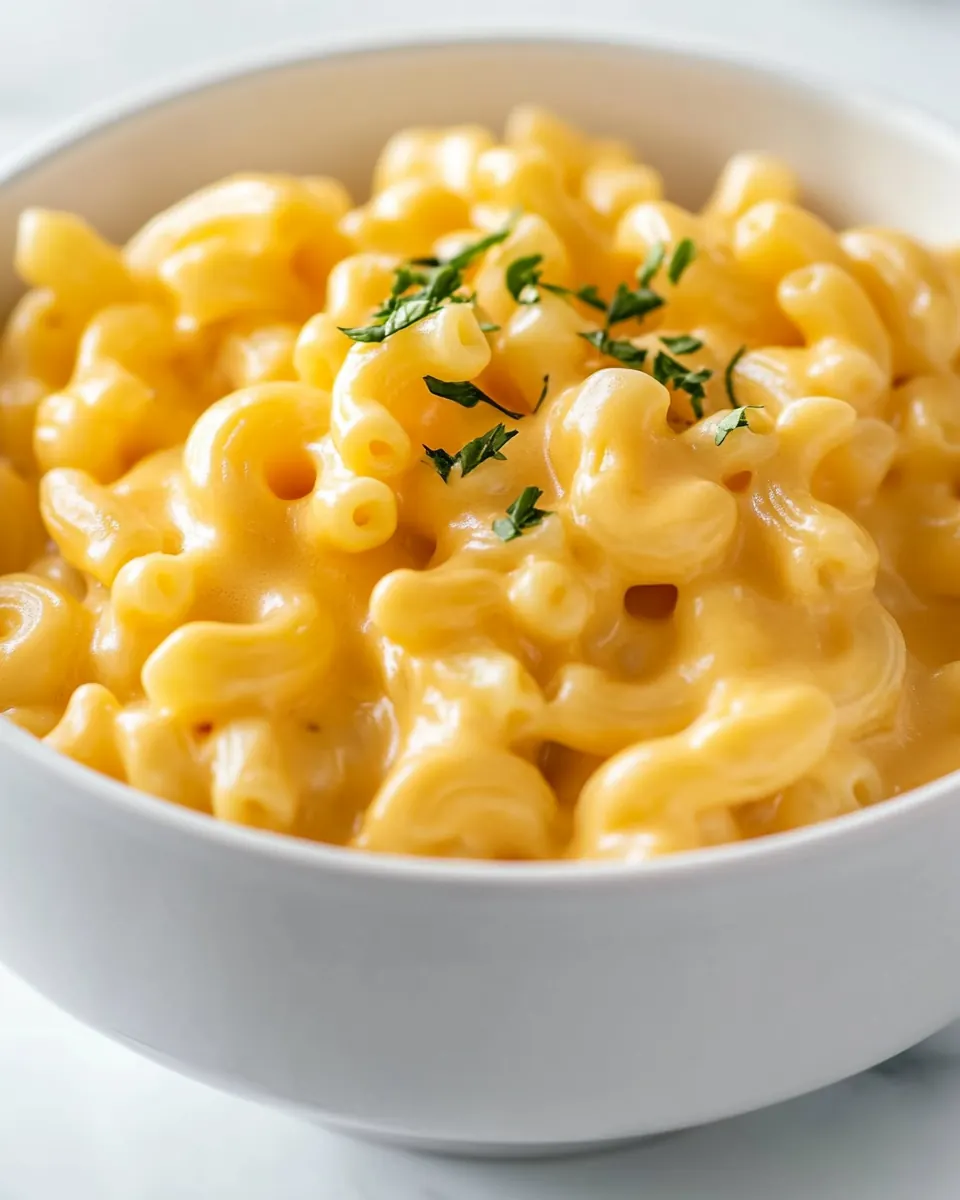
The philosophy behind these ingredients is straightforward: keep the list short and every item purposeful. The elbow macaroni acts as the vehicle, while the cheddar cheese delivers the main flavor. Evaporated milk builds body without thinning, and a pinch of salt and freshly ground black pepper brings everything into balance. Cornstarch ensures the sauce is smooth and stable so the texture stays luxurious.
- Salt and freshly ground black pepper: Season generously and adjust to taste to enhance overall flavor; balances and brightens the dish while rounding out richness. Use freshly ground black pepper for a sharp, aromatic bite that contrasts the creamy cheese sauce.
- 1 pound elbow macaroni or other small pasta: Boil until al dente as the primary starch component providing body and texture; carries the cheese sauce and soaks up flavors. Choose elbow macaroni or a similar small pasta to ensure even coating and pleasant mouthfeel in every bite.
- 2 cups shredded sharp cheddar cheese: Shred finely and melt into the sauce to provide the dish's primary cheesy flavor and creamy texture; sharp cheddar contributes tang and depth. Add gradually off heat to avoid stringiness and ensure smooth, velvety consistency throughout the pasta.
- 1 tablespoon cornstarch: Dissolve and whisk into liquids to thicken the cheese sauce and stabilize texture; prevents separation and yields a silky mouthfeel. Mix with a little cold milk or water before adding to hot liquids to avoid lumps and ensure even thickening.
- 1 (12-ounce) can evaporated milk: Pour in and simmer with other dairy to create a rich, slightly caramelized creaminess; evaporated milk gives concentrated milk solids and body without excess water. Heat gently to meld flavors and help achieve a smooth, luscious sauce that clings to the pasta.
- 1/4 cup milk or to taste (see note 1): Add sparingly to adjust sauce consistency and mouthfeel to preference; provides additional liquid for desired creaminess. Use whole or reduced-fat milk as needed, tasting as you go to avoid thinning the sauce too much.
How to Cook Stovetop Mac and Cheese

These directions are straightforward but the magic is in the timing and attention. I walk you through the boil, the sauce building, and the final fold, so you can achieve a smooth, flavorful result every time. Keep your tools nearby and taste as you go.
- Bring 4 quarts of water and 1 tablespoon salt to a rolling boil. Add macaroni and cook until al dente, about 7 minutes. Drain well. Do not overcook and do not rinse macaroni.: The kitchen fills with the sharp, mineral scent of salted water as it reaches a visible, rolling boil, a strong sign that the pot is ready for elbow macaroni . Boiling vigorously helps the pasta cook evenly and prevents sticking. If the water is not at a full boil before you add the pasta, you may end up with gummy or unevenly cooked noodles, so be patient and wait for those large, bubbling motions before adding the pasta.
- Meanwhile, in a medium saucepan, combine cheddar cheese and cornstarch. Toss until cheese is evenly coated.: As the elbow macaroni hits the water it will soften and the scent will become starchy and slightly sweet. Stir occasionally to keep the pieces separate, and taste a piece at the low end of the timing window for that tender but slightly resistant bite that defines al dente. Overcooking will make the pasta mushy when tossed with the sauce, a common slip that ruins texture, so start checking early.
- Stir in evaporated milk, regular milk, and salt and pepper to taste (I like 1 teaspoon salt, and 1/4 teaspoon pepper). Heat over medium-high heat, whisking occasionally, until cheese is melted and smooth, about 3 to 5 minutes.: When you drain, you should see glossy, slightly starchy water clinging to the pasta, which helps the sauce adhere later. Shake the colander to remove excess water but do not rinse, because rinsing strips away the starch that helps the sauce cling. A common mistake is rinsing out of habit, which leaves the final dish slick and less cohesive.
- Fold in macaroni until uniformly combined and season to taste with salt. Do not skip this step or your mac and cheese may be bland. Serve with hot sauce if desired.: The pasta should hold its shape and a bit of bite, so it can stand up to the hot sauce without becoming soft. The surface starch acts like glue for the sauce, so if you rinse, the sauce will slide off and the texture will be one dimensional. If you see waterlogged, soft pieces, stop cooking immediately and cool briefly on a tray to halt the process.
- Meanwhile, in a medium saucepan, combine cheddar cheese and cornstarch: The air in your kitchen will pick up a savory, cheesy note as you toss the shredded cheddar cheese with the cornstarch . This dusting is essential because it prevents the cheese from clumping when heated, allowing it to melt into a silky emulsion. If the cornstarch is not evenly distributed, you can end up with uneven texture and little chewy pockets of unmelted cheese.
- Toss until cheese is evenly coated: When the cheddar cheese is uniformly coated, each shred will be slightly matte instead of shiny, which is your cue that the cornstarch is working. This step helps the melting process proceed smoothly in the next stage. Skipping even distribution can produce lumps when you add liquid, so take a moment to mix thoroughly.
- Stir in evaporated milk, regular milk, and salt and pepper to taste: As you add the evaporated milk and milk , steam rises with a sweet, creamy scent, and the mixture will go from thick crumbs to a cohesive slurry. Season now with a baseline of salt and freshly ground black pepper , because cheese alone may not be enough. If you underseason here, the finished dish will taste flat, so season conservatively and adjust at the end.
- Heat over medium-high heat, whisking occasionally, until cheese is melted and smooth, about 3 to 5 minutes: You will hear a gentle whisper of bubbling as the mixture warms and the aroma deepens into full cheesy richness. Whisking encourages uniform melting and prevents the sauce from sticking to the saucepan, while the moderate heat lets the cornstarch activate and thicken the sauce without scorching. If you crank the heat too high, the sauce can separate, so maintain a steady medium-high and watch closely.
- Fold in macaroni until uniformly combined: When you add the drained elbow macaroni to the glossy sauce, you should see each piece shimmer with coating. Use a gentle folding motion so the pasta remains intact and every bite gets covered. This step builds the finished texture, and rushing it can leave clumps of dry pasta or uneven sauce distribution.
- Season to taste with salt: Once combined, the scent will be complete and you can fine tune the seasoning. I often use an extra pinch of salt and a touch more freshly ground black pepper , tasting a small spoonful before finalizing. Underseasoning is the most frequent issue here, so taste and correct carefully.
- Do not skip this step or your mac and cheese may be bland: Final seasoning is nonnegotiable, because the balance between cheddar cheese tang and creamy body depends on it. A common mistake is assuming the cheese provides all the flavor; instead, finishing salts and pepper elevates every element. If the sauce tastes muted, a tiny pinch of salt will brighten it quickly.
- Serve with hot sauce if desired: The finished bowl will steam and smell mouthwatering, with a velvety sheen on the pasta. Adding a drop or two of hot sauce introduces an acidic, spicy lift that cuts through the richness, a trick I often use to keep the flavors lively. Be mindful of overdoing it so the heat does not overpower the cheddar cheese .
Recipe Tips about Stovetop Mac and Cheese
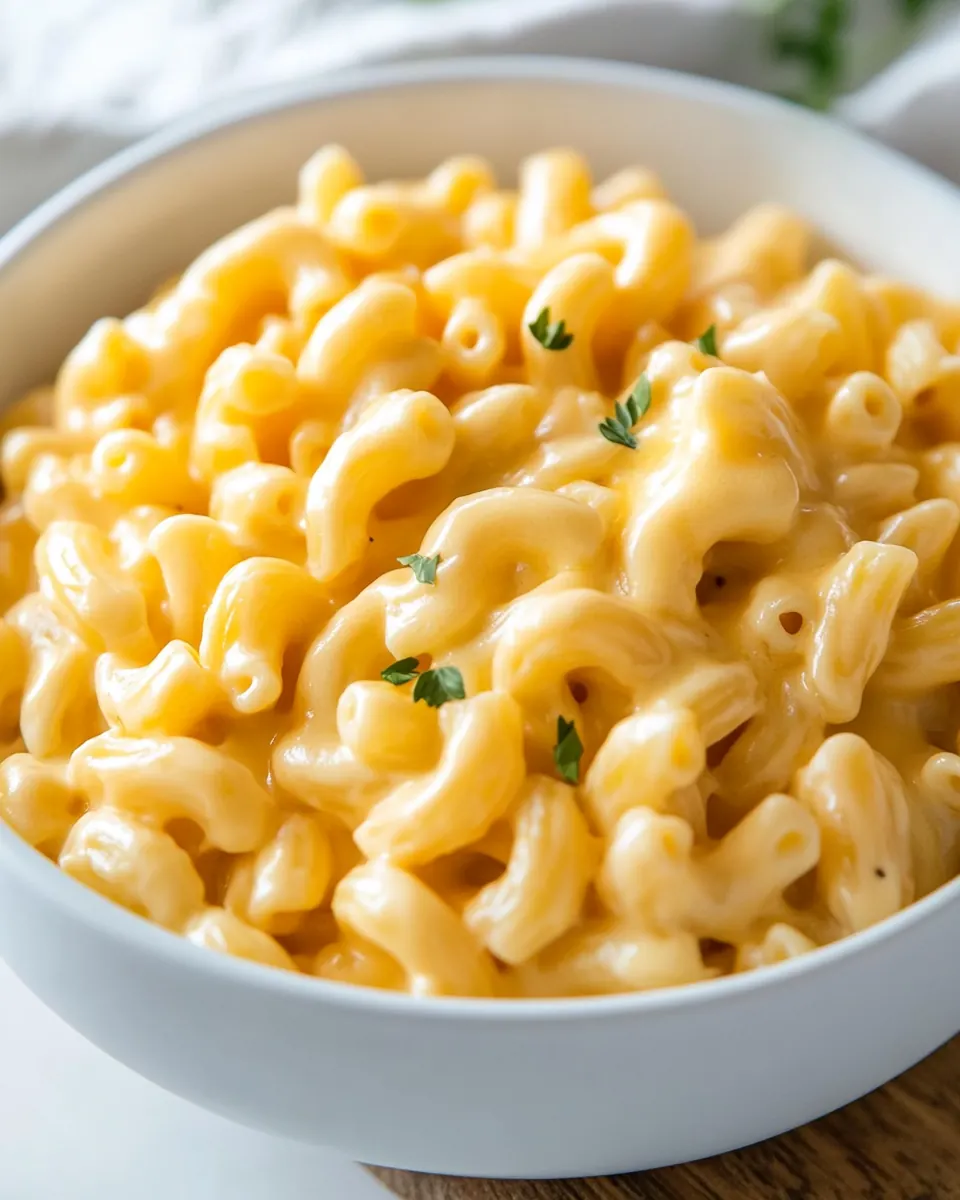
I like to share practical tips that transform a good mac and cheese into a dependable one. These focus on timing, texture control, and how to keep the sauce silky when you reheat leftovers. Read through them and pick the few that match how you cook.
- Measure your salt carefully, because the cheddar cheese already contains sodium. Start with the recommended amount when boiling the pasta, then adjust at the end after tasting so you do not oversalt the dish.
- Coat the cheese with cornstarch to stabilize the sauce. This helps the melted cheddar cheese stay emulsified rather than separating into oily pockets, and it keeps the texture silky as the dish cools.
- Keep an eye on heat while melting the sauce. Medium to medium-high is best, as too much direct heat can make the sauce grainy, and too low can lengthen the process and lead to uneven melting.
- Adjust consistency with milk when folding in the noodles. If the sauce tightens as it cools, add a splash of milk and stir until it loosens to your preferred creaminess.
- Serve promptly for best texture. The sauce is at its peak right after mixing, and while leftovers are still good, the fresh pot will always feel the creamiest and most luscious.
Accompaniments for Stovetop Mac and Cheese
A well picked accompaniment can make this simple classic feel like a full meal. Think about textures and flavors that contrast the creamy base, and choose sides that either complement the nostalgic profile or lift it with brightness. Here are ideas to serve across occasions and seasons.
- Crisp green salad for balance, a simple mix of lettuce and a tangy vinaigrette provides a bright counterpoint to the richness of the cheddar cheese sauce.
- Steamed vegetables like broccoli add color and a textural contrast, the slight bite keeps the meal from feeling too heavy.
- Pickles or quick slaw deliver acidity and crunch, particularly welcome if you add a few drops of hot sauce to your plate.
- Family dinners and cold nights, serve this dish as the main for a casual dinner, paired with warm bread if you like more comfort elements.
- Meal prep and leftovers, store covered in the refrigerator up to four days, and when reheating add a splash of milk to revive creaminess and stir well.
- Seasonal pairings, in winter I prefer heartier sides and roasted root vegetables, while in spring a crisp green salad makes the plate feel lighter.
FAQ
Conclusion
Stovetop Mac and Cheese stands out for its combination of speed, creamy texture, and straightforward flavor. It is a dependable go to for busy nights and comfort seeking evenings, delivering a silky sauce that clings to every piece of pasta. Give it a try when you want something warming, nostalgic, and satisfying with minimal fuss. Serve it hot, taste and adjust the seasoning, and enjoy the cozy familiarity of a dish that brings people together.

Stovetop Mac and Cheese
Equipment
- Saucepan
- Large Pot
- Colander
- Whisk
Ingredients
- Salt and freshly ground black pepper Season generously and adjust to taste to enhance overall flavor; balances and brightens the dish while rounding out richness. Use freshly ground black pepper for a sharp, aromatic bite that contrasts the creamy cheese sauce.
- 1 pound elbow macaroni or other small pasta Boil until al dente as the primary starch component providing body and texture; carries the cheese sauce and soaks up flavors. Choose elbow macaroni or a similar small pasta to ensure even coating and pleasant mouthfeel in every bite.
- 2 cups shredded sharp cheddar cheese Shred finely and melt into the sauce to provide the dish's primary cheesy flavor and creamy texture; sharp cheddar contributes tang and depth. Add gradually off heat to avoid stringiness and ensure smooth, velvety consistency throughout the pasta.
- 1 tablespoon cornstarch Dissolve and whisk into liquids to thicken the cheese sauce and stabilize texture; prevents separation and yields a silky mouthfeel. Mix with a little cold milk or water before adding to hot liquids to avoid lumps and ensure even thickening.
- 1 (12-ounce) can evaporated milk Pour in and simmer with other dairy to create a rich, slightly caramelized creaminess; evaporated milk gives concentrated milk solids and body without excess water. Heat gently to meld flavors and help achieve a smooth, luscious sauce that clings to the pasta.
- 1/4 cup milk or to taste (see note 1) Add sparingly to adjust sauce consistency and mouthfeel to preference; provides additional liquid for desired creaminess. Use whole or reduced-fat milk as needed, tasting as you go to avoid thinning the sauce too much.
Instructions
- Bring 4 quarts of water and 1 tablespoon salt to a rolling boil. Add macaroni and cook until al dente, about 7 minutes. Drain well. Do not overcook and do not rinse macaroni.: The kitchen fills with the sharp, mineral scent of salted water as it reaches a visible, rolling boil, a strong sign that the pot is ready for elbow macaroni . Boiling vigorously helps the pasta cook evenly and prevents sticking. If the water is not at a full boil before you add the pasta, you may end up with gummy or unevenly cooked noodles, so be patient and wait for those large, bubbling motions before adding the pasta.
- Meanwhile, in a medium saucepan, combine cheddar cheese and cornstarch. Toss until cheese is evenly coated.: As the elbow macaroni hits the water it will soften and the scent will become starchy and slightly sweet. Stir occasionally to keep the pieces separate, and taste a piece at the low end of the timing window for that tender but slightly resistant bite that defines al dente. Overcooking will make the pasta mushy when tossed with the sauce, a common slip that ruins texture, so start checking early.
- Stir in evaporated milk, regular milk, and salt and pepper to taste (I like 1 teaspoon salt, and 1/4 teaspoon pepper). Heat over medium-high heat, whisking occasionally, until cheese is melted and smooth, about 3 to 5 minutes.: When you drain, you should see glossy, slightly starchy water clinging to the pasta, which helps the sauce adhere later. Shake the colander to remove excess water but do not rinse, because rinsing strips away the starch that helps the sauce cling. A common mistake is rinsing out of habit, which leaves the final dish slick and less cohesive.
- Fold in macaroni until uniformly combined and season to taste with salt. Do not skip this step or your mac and cheese may be bland. Serve with hot sauce if desired.: The pasta should hold its shape and a bit of bite, so it can stand up to the hot sauce without becoming soft. The surface starch acts like glue for the sauce, so if you rinse, the sauce will slide off and the texture will be one dimensional. If you see waterlogged, soft pieces, stop cooking immediately and cool briefly on a tray to halt the process.
- Meanwhile, in a medium saucepan, combine cheddar cheese and cornstarch: The air in your kitchen will pick up a savory, cheesy note as you toss the shredded cheddar cheese with the cornstarch . This dusting is essential because it prevents the cheese from clumping when heated, allowing it to melt into a silky emulsion. If the cornstarch is not evenly distributed, you can end up with uneven texture and little chewy pockets of unmelted cheese.
- Toss until cheese is evenly coated: When the cheddar cheese is uniformly coated, each shred will be slightly matte instead of shiny, which is your cue that the cornstarch is working. This step helps the melting process proceed smoothly in the next stage. Skipping even distribution can produce lumps when you add liquid, so take a moment to mix thoroughly.
- Stir in evaporated milk, regular milk, and salt and pepper to taste: As you add the evaporated milk and milk , steam rises with a sweet, creamy scent, and the mixture will go from thick crumbs to a cohesive slurry. Season now with a baseline of salt and freshly ground black pepper , because cheese alone may not be enough. If you underseason here, the finished dish will taste flat, so season conservatively and adjust at the end.
- Heat over medium-high heat, whisking occasionally, until cheese is melted and smooth, about 3 to 5 minutes: You will hear a gentle whisper of bubbling as the mixture warms and the aroma deepens into full cheesy richness. Whisking encourages uniform melting and prevents the sauce from sticking to the saucepan, while the moderate heat lets the cornstarch activate and thicken the sauce without scorching. If you crank the heat too high, the sauce can separate, so maintain a steady medium-high and watch closely.
- Fold in macaroni until uniformly combined: When you add the drained elbow macaroni to the glossy sauce, you should see each piece shimmer with coating. Use a gentle folding motion so the pasta remains intact and every bite gets covered. This step builds the finished texture, and rushing it can leave clumps of dry pasta or uneven sauce distribution.
- Season to taste with salt: Once combined, the scent will be complete and you can fine tune the seasoning. I often use an extra pinch of salt and a touch more freshly ground black pepper , tasting a small spoonful before finalizing. Underseasoning is the most frequent issue here, so taste and correct carefully.
- Do not skip this step or your mac and cheese may be bland: Final seasoning is nonnegotiable, because the balance between cheddar cheese tang and creamy body depends on it. A common mistake is assuming the cheese provides all the flavor; instead, finishing salts and pepper elevates every element. If the sauce tastes muted, a tiny pinch of salt will brighten it quickly.
- Serve with hot sauce if desired: The finished bowl will steam and smell mouthwatering, with a velvety sheen on the pasta. Adding a drop or two of hot sauce introduces an acidic, spicy lift that cuts through the richness, a trick I often use to keep the flavors lively. Be mindful of overdoing it so the heat does not overpower the cheddar cheese .
Notes
- Measure your salt carefully, because the cheddar cheese already contains sodium. Start with the recommended amount when boiling the pasta, then adjust at the end after tasting so you do not oversalt the dish.
- Coat the cheese with cornstarch to stabilize the sauce. This helps the melted cheddar cheese stay emulsified rather than separating into oily pockets, and it keeps the texture silky as the dish cools.
- Keep an eye on heat while melting the sauce. Medium to medium-high is best, as too much direct heat can make the sauce grainy, and too low can lengthen the process and lead to uneven melting.
- Adjust consistency with milk when folding in the noodles. If the sauce tightens as it cools, add a splash of milk and stir until it loosens to your preferred creaminess.
- Serve promptly for best texture. The sauce is at its peak right after mixing, and while leftovers are still good, the fresh pot will always feel the creamiest and most luscious.
