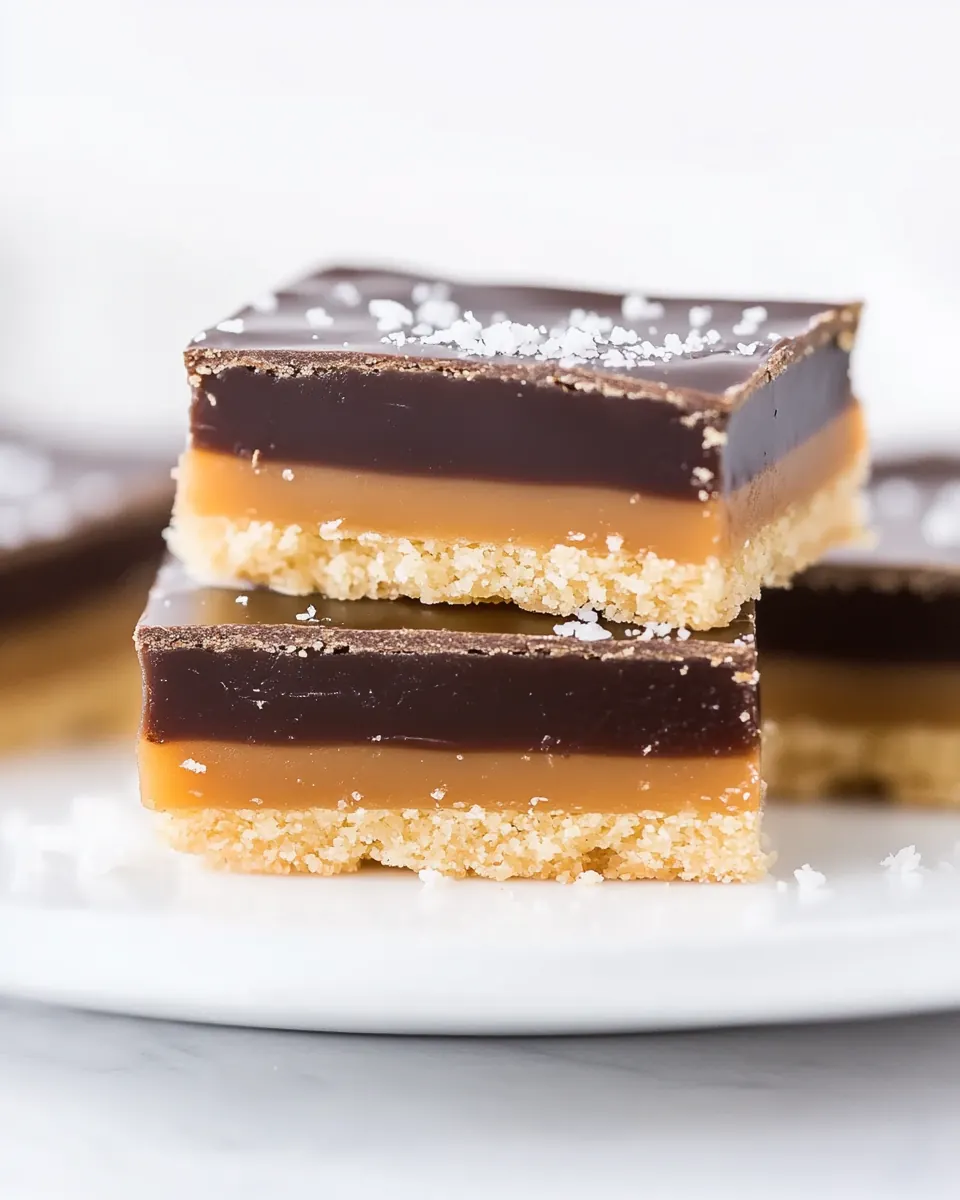
Millionaire Shortbread
Millionaire Shortbread has always been the treat I bring when I want to make an ordinary afternoon feel a little luxurious. The first time I baked it, I remember the curious hush in the kitchen as the house filled with a sweet, caramel warmth. I watched the layers come together, each one promising a different texture, and felt a small thrill handing the first glossy square to a skeptical friend who immediately closed their eyes and nodded in approval.
Over the years, I have tweaked the approach so the crust stays crisp, the caramel sets just right, and the chocolate snaps instead of sagging. I like making a pan when I have guests coming over because it slices into tidy bars and looks impressive without a lot of fuss. When I unwrap a piece, the scent of toasted nuts and brown sugar still takes me back to that first batch, and I always tell the story that a simple tray of bars can change the tone of any gathering.
Recipe Snapshot
1 hr 32 mins
40 mins
52 mins
Medium
250 kcal
American
Gluten-Free, Low FODMAP
Desserts
9 x 13-inch baking pan, Parchment paper, Electric mixer, Medium saucepan, Candy thermometer, Offset spatula, Microwave safe bowl
The Best Thing About This Millionaire Shortbread
Layered textures that sing together
I love how Millionaire Shortbread balances a crisp, buttery base with a luxuriously soft caramel and a shiny chocolate top. The contrast between the tender shortbread and the chewy caramel is what keeps me coming back, and it makes every bite interesting. When I cut a bar, I listen for that satisfying give in the caramel and the delicate snap of chocolate, because that tells me the textures are in harmony.
Scalable and approachable
One thing I appreciate is that this recipe scales beautifully. I often double the batch for parties, and the method stays the same. The ingredients are straightforward, and even bakers who are nervous about candy making can succeed if they follow the thermometer cues. I enjoy how accessible this feels, even though the results seem elevated.
Comfort with a little drama
There is a warmth in the caramel step that feels like home, yet the finished squares look elegant enough for a special occasion. I like bringing these to holiday gatherings because they feel indulgent without being fussy. The sprinkle of flaky sea salt on top provides that final flourish, pulling the whole dessert into a more complex flavor profile.
Reliable technique, impressive result
I keep returning to this recipe because the techniques are repeatable and forgiving. Watching a pot of caramel transform teaches you patience and rewards you with a glossy layer that holds up when sliced. For me, teaching someone to cook sugar to the right temperature is always gratifying, and this recipe is a perfect classroom.
Great for gifting and storing
I often portion these into small boxes for neighbors, and they travel well when chilled. The bars hold their shape in refrigeration, so you can prepare them a day ahead, which makes entertaining easier. The fact that they slice into tidy, sharable pieces makes presentation simple and effective.
Ingredients to Make Millionaire Shortbread
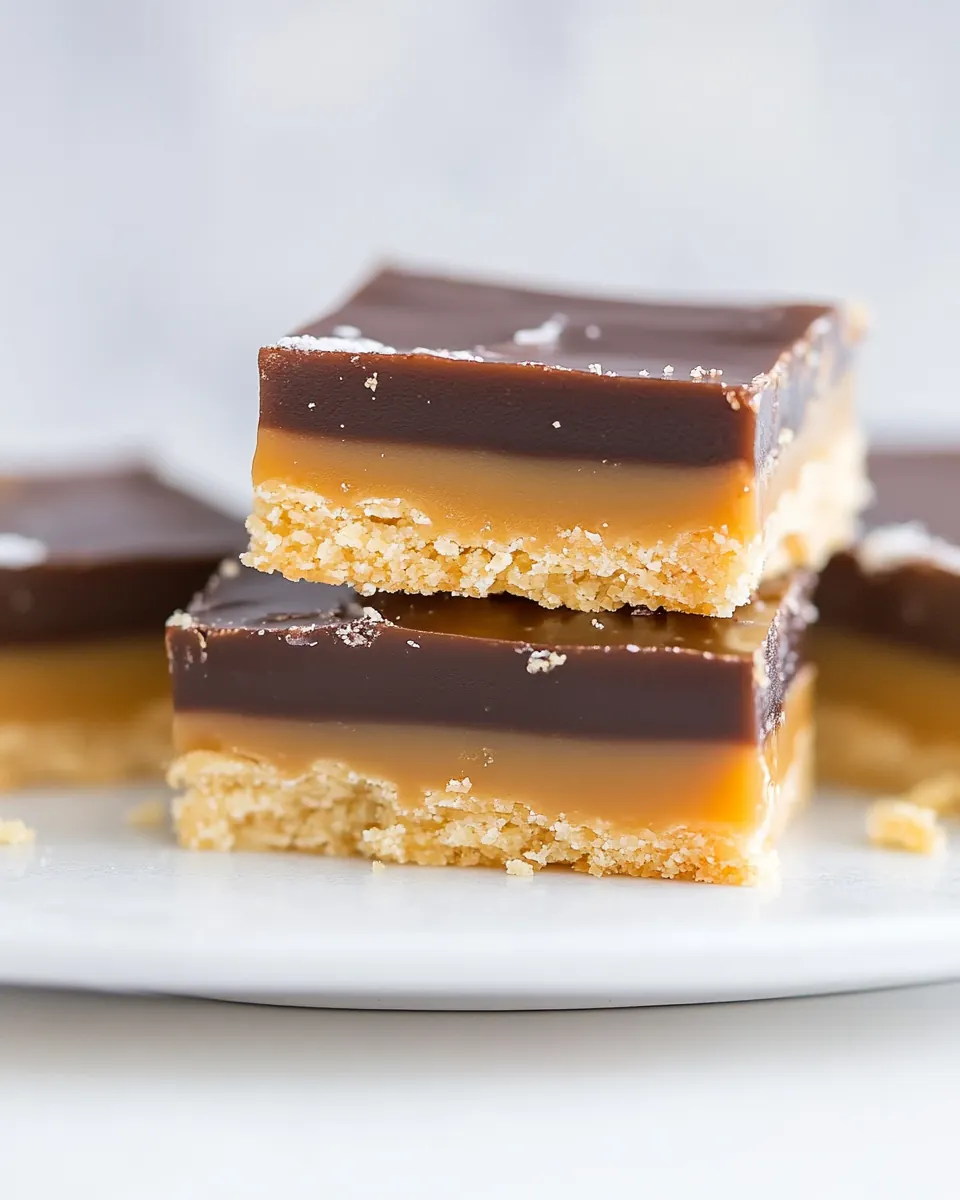
I believe great desserts start with clear roles for each ingredient. For Millionaire Shortbread, the shortbread base provides structure and buttered richness, the caramel acts as the sweet, chewy centerpiece, and the chocolate top gives a glossy finish and a slight bitter balance. Simple pantry items combine to create something far greater than the sum of their parts.
- 1/2 cup powdered sugar: Sifted finely to add a delicate sweetness and light texture to the shortbread base; balances the richness of butter and almonds and helps tenderize the dough. Ideal for dusting on finished bars or incorporated into the crust for a smooth, melt-in-your-mouth crumb.
- 3/4 cup (1 1/2 sticks) unsalted butter, at room temperature: Softened to room temperature to cream smoothly with sugar and form the rich, buttery shortbread foundation; contributes moisture and structure to the crust. Provides flavor depth and helps bind the toasted almond pieces into a cohesive dough.
- 1/2 cups toasted almonds, finely chopped: Toasted and finely chopped to contribute a warm, nutty flavor and pleasant crunch within the shortbread layer; enhances aroma and complements the caramel and chocolate layers. Adds textural contrast and helps distribute nut flavor evenly throughout the base.
- 2 cups all purpose flour: Measured precisely to create the dough structure and provide necessary gluten for a firm but tender shortbread crust; combines with butter and sugar to form a consistent crumb. Helps absorb fats and liquids and ensures the bars hold together after slicing.
- 1/2 teaspoon kosher salt: Dissolved into the shortbread dough in a small amount to enhance flavor and balance sweetness; brings out the nuttiness of the almonds and rounds the overall taste profile. Also helps strengthen the dough slightly and heighten the buttery notes.
- One 14-ounce can sweetened condensed milk: Simmered gently as the caramel base when cooked together with sugar and butter or used directly to create a smooth, rich caramel layer; lends concentrated milk sugars and a creamy texture. Forms a stable, sweet middle layer that contrasts the crisp shortbread and bittersweet chocolate.
- 1 cup packed dark brown sugar: Packed firmly to create a deep molasses-rich sweetness in the caramel layer; dissolved and cooked until bubbly to develop a complex toffee-like flavor. Contributes chewiness and a robust brown–sugar character that defines the millionaire aspect.
- 1/2 cup honey: Measured and heated with sugars and cream to help build a glossy, pourable caramel; adds floral notes and increases the caramel’s viscosity for a chewy center. Helps balance intense brown–sugar flavors and provides natural sweetness and moisture.
- 1/2 cup heavy cream: Warmed and combined with sugar and butter to create a silky caramel that sets firm yet still yields when bitten; increases richness and produces a smooth mouthfeel. Also used to slightly loosen ganache when needed and to ensure a glossy finish.
- 1/2 cup (1 stick) unsalted butter, at room temperature: Softened to room temperature to incorporate smoothly into the caramel or shortbread layers; contributes additional butterfat for creaminess and helps achieve the desired chew and spread. Enhances flavor and creates a luxuriously rich texture in the filling or base.
- 1/2 teaspoon kosher salt: Sprinkled into dough or caramel in small amounts to heighten flavor contrast and emphasize sweetness; helps balance the rich dairy and sugar components with subtle savory notes. Provides a clean finish that accentuates other ingredients without overwhelming them.
- 2 teaspoons vanilla extract: Added for aromatic complexity and to amplify the caramel’s flavor profile; provides a floral and sweet backbone that complements brown sugar and chocolate. Used sparingly to ensure the caramel and ganache layers have a nuanced, well-rounded taste.
- 8 ounces bittersweet chocolate, chopped: Chopped and melted into a smooth ganache to form the glossy chocolate topping; supplies bittersweet intensity that offsets the sweet caramel and buttery crust. Contributes structure to the top layer and produces a satisfying snap when set.
- 1/4 cup heavy cream: Heated slightly and combined with chopped chocolate to thin and emulsify the ganache for a shiny, pourable finish; ensures smooth texture and proper set once cooled. Helps create a cohesive chocolate sheet that adheres to the caramel layer.
- flaky sea salt, for sprinkling: Sprinkled lightly over the finished chocolate to provide intermittent bursts of briny crunch and to elevate overall flavor; contrasts the sweetness and enriches the tasting experience. Used decoratively to highlight the chocolate’s shine and to add an artisan touch.
Instructions for Millionaire Shortbread
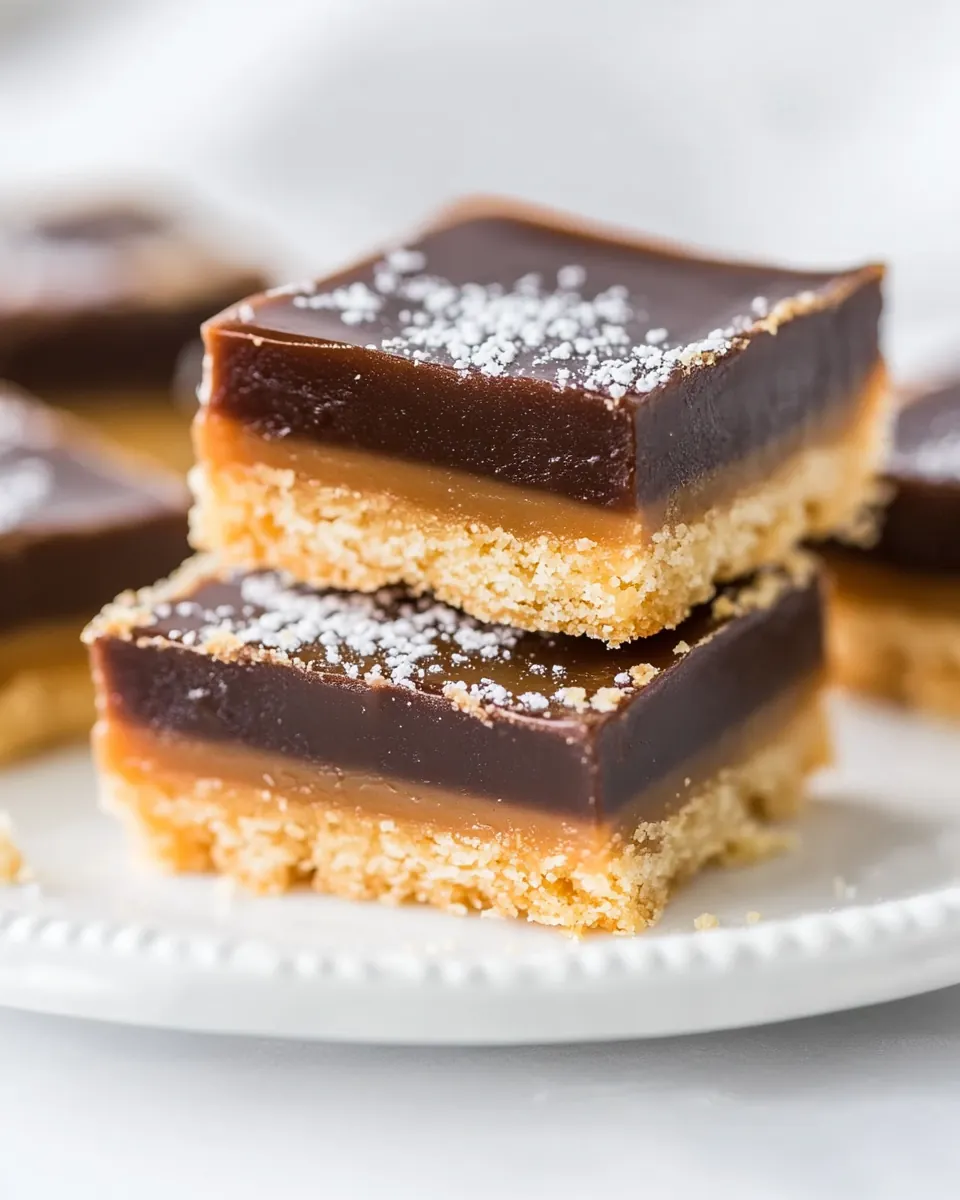
I like to approach these steps with calm and attention. The process moves from a crisp base to a soft caramel and finishes with a glossy chocolate top, and each stage has sensory cues that tell you when you are on track.
- Preheat the oven to 350 degrees F. Lightly coat a 9 x 13-inch baking pan with nonstick spray. Line the pan with parchment paper, leaving a 2-inch overhang on the two long sides. Spray the paper too.: As the oven heats, notice how the kitchen warms and air begins to smell faintly of the appliance warming up. This ambient heat helps set up expectations that the dough will brown evenly, and lining the pan with parchment creates clean release points, which matters for neat slicing later. A common error here is skipping the parchment or not leaving enough overhang, which makes lifting the bars out messy and can cause edges to tear when you remove the shortbread. Check that the pan is truly 9 x 13 inches so baking times remain accurate, and use an oven thermometer if your oven tends to run hot or cold.
- In a large bowl, use an electric mixer to combine the powdered sugar and butter on medium speed until light and fluffy. Reduce the speed to low and beat in the almonds, flour and salt just until combined. Press the dough evenly into the bottom of the prepared pan. Bake until golden brown – 25 to 28 minutes. Let cool completely in the pan.: When the butter and powdered sugar come together, you should see a pale, airy mixture with tiny air pockets; that lightness translates into a tender shortbread. Folding in the almonds, flour, and salt on low avoids overworking the dough, which would develop gluten and make the base tough. Pressing the dough uniformly into the pan ensures even baking and an even final texture; I use the bottom of a measuring cup to create a flat surface. Watch for a golden edge and a slightly firm center to signal doneness. A common mistake is baking until too dark, which yields a dry base, so remove it when it is pale golden and cool fully so the caramel layer does not soften the crust.
- In a medium saucepan, combine the condensed milk, brown sugar, honey, cream, butter and salt. Cook on medium, stirring constantly, until a candy thermometer reaches 236 degrees F (24 to 26 minutes). Remove from heat; stir in the vanilla. Immediately pour the caramel over the shortbread. Let sit at room temperature until set, 1 to 1 1/2 hours.: As the mixture heats, you will notice the aroma deepen into rich toffee notes and the texture thicken visibly; frequent stirring prevents burning and ensures even cooking. Reaching 236 degrees F gives you a firm, chewy caramel that will hold up when sliced, and the color should be a warm golden brown. Stirring in the vanilla off heat preserves its fragrant lift. Pour the caramel in a slow, steady stream so it spreads without disturbing the shortbread base. One pitfall is rushing the temperature step, which yields a too-soft caramel, so rely on the thermometer rather than time alone. If you see scorching on the saucepan sides, scrape and lower the heat to avoid a bitter flavor.
- In a bowl, microwave the chocolate and cream for 30 seconds; stir. Continue to microwave in 10-second intervals, stirring after each until melted and smooth. Pour the melted chocolate over the caramel and spread with an offset spatula. Sprinkle with sea salt. Freeze until set – about 20 minutes.: The chocolate and cream should melt into a glossy, velvety emulsion that spreads easily; stirring frequently helps distribute heat and creates a smooth texture. Pouring the glaze across the caramel and using an offset spatula gives you an even, thin chocolate layer that will snap when chilled. The final sprinkle of flaky sea salt adds bright contrast and a textural pop. Avoid overheating the chocolate, because it can seize into gritty clumps; gentle bursts of heat and patient stirring prevent that. If the chocolate seems too stiff to spread, a few more seconds in the microwave and another stir should soften it without burning.
- When ready to serve, use overhangs to transfer to a cutting board and cut into squares. Store, refrigerated, in an airtight container for up to a week.: The edges should be clean and the layers distinct when you lift the slab out by the parchment overhangs. A warm, sharp knife gives the best cuts; I wipe the blade between slices so each bar keeps a neat edge. Refrigeration firms the chocolate and caramel, making slicing easier and keeping the texture consistent. A typical oversight is trying to cut while the caramel is still warm, which causes dragging and messy slices, so chilling briefly is key. Keep the bars refrigerated in an airtight container to preserve texture and prevent the chocolate from sweating.
How to Switch It Up
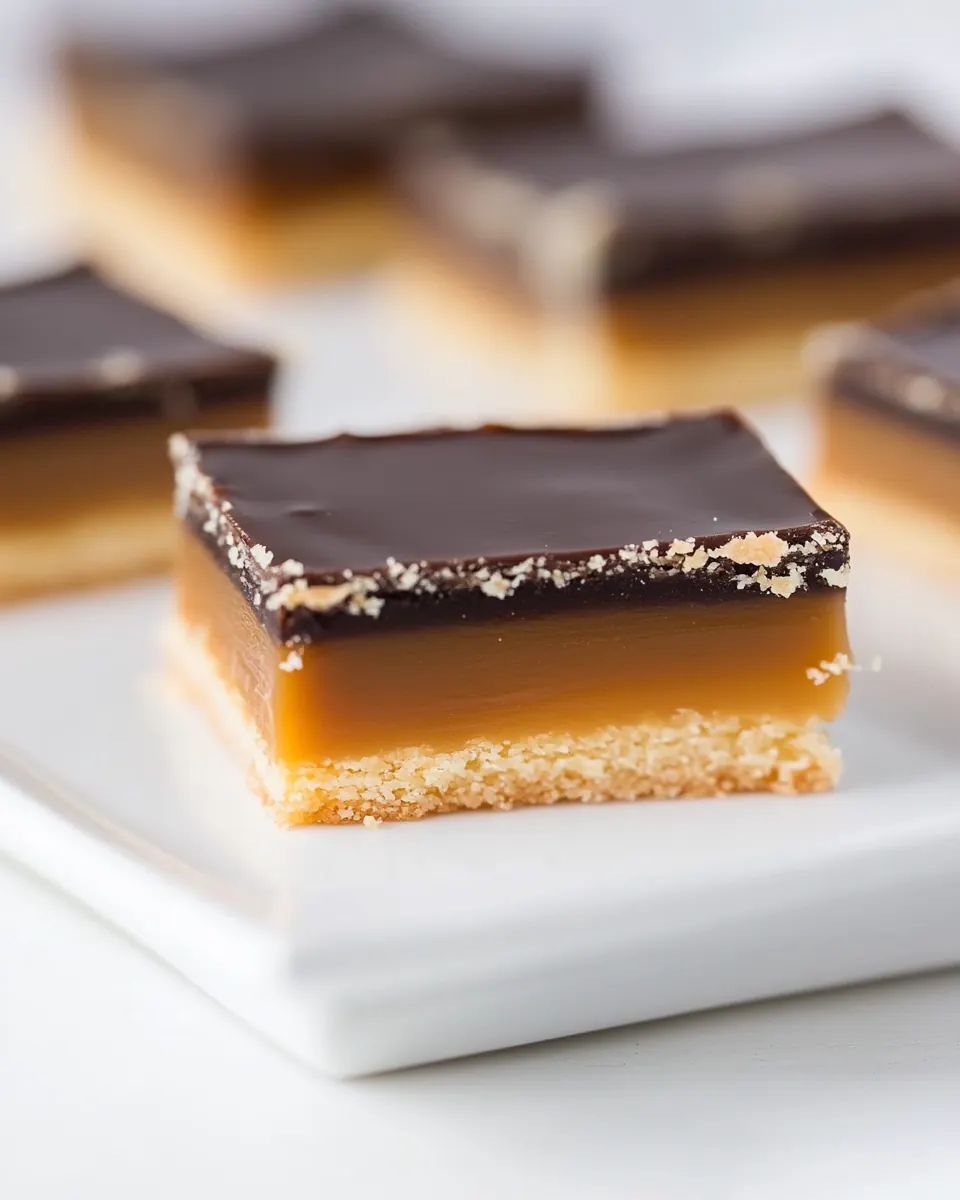
There are simple ways to vary Millionaire Shortbread while keeping the core technique intact. I like to tweak toppings or nut choices to reflect the season or my mood, and these adjustments keep the recipe fresh without overcomplicating the process.
- Swap the nuts: Try pecans instead of almonds for a warmer, butterier note; toast them first for the best flavor.
- Play with chocolate: Use milk chocolate for a sweeter top or a dark 70 percent for an even more dramatic contrast against the caramel.
- Flavored caramel: Stir in a touch of citrus zest when you add the vanilla to brighten the caramel subtly.
- Textural finish: Press chopped toasted nuts into the chocolate before it sets to add an extra crunch layer.
- Mini versions: Bake in a square pan and cut into smaller pieces to create bite sized treats for parties or gifting.
- Presentation tweak: Dust the cut edges lightly with powdered sugar for a refined look when serving to guests.
Serving Suggestions
I often serve Millionaire Shortbread with a bitter coffee or an herbal tea to offset the sweetness. These bars work well as an after dinner treat, a festive bake for gatherings, or as a homemade gift. They store well, so you can prepare ahead for holidays or special events.
- Casual gatherings: Arrange bars on a simple platter and let guests help themselves.
- Holiday desserts: Offer these as part of a dessert table with other small bites for a seasonal spread.
- Gifting: Wrap a few squares in parchment and tie with twine for neighborly presents.
- Storage: Keep in an airtight container in the refrigerator for up to a week to maintain the texture of the chocolate and caramel.
- Serving temperature: Serve chilled or at cool room temperature so the chocolate maintains a snap and the caramel keeps its chew.
- Occasions: These bars are great for afternoon tea, potlucks, bake sales, and celebratory gatherings when you want something impressive yet familiar.
- Seasonal pairing: In fall, pair with spiced tea; in spring, lighten the plate with fresh fruit on the side.
- Portioning: Cut into small squares for bite sized servings, or larger bars when offering as a primary dessert.
- Transport tips: Chill before packing so the chocolate does not smear during transit.
- Presentation tip: Sprinkle flaky sea salt just before serving to preserve its texture and contrast.
FAQ
Conclusion
Millionaire Shortbread stands out because it layers simple ingredients into a dessert that feels both nostalgic and special. The crisp shortbread, chewy caramel, and glossy chocolate combine to create a bar that is at once comforting and refined. I encourage you to give this recipe a try, because the technique is straightforward and the results are reliably impressive. Whether you are baking for neighbors, a holiday table, or a casual get together, these bars are a gratifying way to show care through baking.
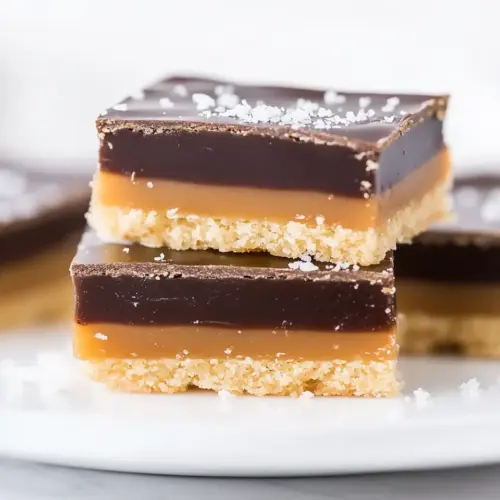
Millionaire Shortbread
Equipment
- 9 x 13-inch baking pan
- Parchment Paper
- Electric Mixer
- Medium Saucepan
- Candy thermometer
- Offset Spatula
- Microwave-safe Bowl
Ingredients
- 1/2 cup powdered sugar Sifted finely to add a delicate sweetness and light texture to the shortbread base; balances the richness of butter and almonds and helps tenderize the dough. Ideal for dusting on finished bars or incorporated into the crust for a smooth, melt-in-your-mouth crumb.
- 3/4 cup (1 1/2 sticks) unsalted butter, at room temperature Softened to room temperature to cream smoothly with sugar and form the rich, buttery shortbread foundation; contributes moisture and structure to the crust. Provides flavor depth and helps bind the toasted almond pieces into a cohesive dough.
- 1/2 cups toasted almonds, finely chopped Toasted and finely chopped to contribute a warm, nutty flavor and pleasant crunch within the shortbread layer; enhances aroma and complements the caramel and chocolate layers. Adds textural contrast and helps distribute nut flavor evenly throughout the base.
- 2 cups all purpose flour Measured precisely to create the dough structure and provide necessary gluten for a firm but tender shortbread crust; combines with butter and sugar to form a consistent crumb. Helps absorb fats and liquids and ensures the bars hold together after slicing.
- 1/2 teaspoon kosher salt Dissolved into the shortbread dough in a small amount to enhance flavor and balance sweetness; brings out the nuttiness of the almonds and rounds the overall taste profile. Also helps strengthen the dough slightly and heighten the buttery notes.
- One 14-ounce can sweetened condensed milk Simmered gently as the caramel base when cooked together with sugar and butter or used directly to create a smooth, rich caramel layer; lends concentrated milk sugars and a creamy texture. Forms a stable, sweet middle layer that contrasts the crisp shortbread and bittersweet chocolate.
- 1 cup packed dark brown sugar Packed firmly to create a deep molasses-rich sweetness in the caramel layer; dissolved and cooked until bubbly to develop a complex toffee-like flavor. Contributes chewiness and a robust brown-sugar character that defines the millionaire aspect.
- 1/2 cup honey Measured and heated with sugars and cream to help build a glossy, pourable caramel; adds floral notes and increases the caramel’s viscosity for a chewy center. Helps balance intense brown-sugar flavors and provides natural sweetness and moisture.
- 1/2 cup heavy cream Warmed and combined with sugar and butter to create a silky caramel that sets firm yet still yields when bitten; increases richness and produces a smooth mouthfeel. Also used to slightly loosen ganache when needed and to ensure a glossy finish.
- 1/2 cup (1 stick) unsalted butter, at room temperature Softened to room temperature to incorporate smoothly into the caramel or shortbread layers; contributes additional butterfat for creaminess and helps achieve the desired chew and spread. Enhances flavor and creates a luxuriously rich texture in the filling or base.
- 1/2 teaspoon kosher salt Sprinkled into dough or caramel in small amounts to heighten flavor contrast and emphasize sweetness; helps balance the rich dairy and sugar components with subtle savory notes. Provides a clean finish that accentuates other ingredients without overwhelming them.
- 2 teaspoons vanilla extract Added for aromatic complexity and to amplify the caramel’s flavor profile; provides a floral and sweet backbone that complements brown sugar and chocolate. Used sparingly to ensure the caramel and ganache layers have a nuanced, well-rounded taste.
- 8 ounces bittersweet chocolate, chopped Chopped and melted into a smooth ganache to form the glossy chocolate topping; supplies bittersweet intensity that offsets the sweet caramel and buttery crust. Contributes structure to the top layer and produces a satisfying snap when set.
- 1/4 cup heavy cream Heated slightly and combined with chopped chocolate to thin and emulsify the ganache for a shiny, pourable finish; ensures smooth texture and proper set once cooled. Helps create a cohesive chocolate sheet that adheres to the caramel layer.
- flaky sea salt, for sprinkling Sprinkled lightly over the finished chocolate to provide intermittent bursts of briny crunch and to elevate overall flavor; contrasts the sweetness and enriches the tasting experience. Used decoratively to highlight the chocolate’s shine and to add an artisan touch.
Instructions
- Preheat the oven to 350 degrees F. Lightly coat a 9 x 13-inch baking pan with nonstick spray. Line the pan with parchment paper, leaving a 2-inch overhang on the two long sides. Spray the paper too.: As the oven heats, notice how the kitchen warms and air begins to smell faintly of the appliance warming up. This ambient heat helps set up expectations that the dough will brown evenly, and lining the pan with parchment creates clean release points, which matters for neat slicing later. A common error here is skipping the parchment or not leaving enough overhang, which makes lifting the bars out messy and can cause edges to tear when you remove the shortbread. Check that the pan is truly 9 x 13 inches so baking times remain accurate, and use an oven thermometer if your oven tends to run hot or cold.
- In a large bowl, use an electric mixer to combine the powdered sugar and butter on medium speed until light and fluffy. Reduce the speed to low and beat in the almonds, flour and salt just until combined. Press the dough evenly into the bottom of the prepared pan. Bake until golden brown - 25 to 28 minutes. Let cool completely in the pan.: When the butter and powdered sugar come together, you should see a pale, airy mixture with tiny air pockets; that lightness translates into a tender shortbread. Folding in the almonds, flour, and salt on low avoids overworking the dough, which would develop gluten and make the base tough. Pressing the dough uniformly into the pan ensures even baking and an even final texture; I use the bottom of a measuring cup to create a flat surface. Watch for a golden edge and a slightly firm center to signal doneness. A common mistake is baking until too dark, which yields a dry base, so remove it when it is pale golden and cool fully so the caramel layer does not soften the crust.
- In a medium saucepan, combine the condensed milk, brown sugar, honey, cream, butter and salt. Cook on medium, stirring constantly, until a candy thermometer reaches 236 degrees F (24 to 26 minutes). Remove from heat; stir in the vanilla. Immediately pour the caramel over the shortbread. Let sit at room temperature until set, 1 to 1 1/2 hours.: As the mixture heats, you will notice the aroma deepen into rich toffee notes and the texture thicken visibly; frequent stirring prevents burning and ensures even cooking. Reaching 236 degrees F gives you a firm, chewy caramel that will hold up when sliced, and the color should be a warm golden brown. Stirring in the vanilla off heat preserves its fragrant lift. Pour the caramel in a slow, steady stream so it spreads without disturbing the shortbread base. One pitfall is rushing the temperature step, which yields a too-soft caramel, so rely on the thermometer rather than time alone. If you see scorching on the saucepan sides, scrape and lower the heat to avoid a bitter flavor.
- In a bowl, microwave the chocolate and cream for 30 seconds; stir. Continue to microwave in 10-second intervals, stirring after each until melted and smooth. Pour the melted chocolate over the caramel and spread with an offset spatula. Sprinkle with sea salt. Freeze until set - about 20 minutes.: The chocolate and cream should melt into a glossy, velvety emulsion that spreads easily; stirring frequently helps distribute heat and creates a smooth texture. Pouring the glaze across the caramel and using an offset spatula gives you an even, thin chocolate layer that will snap when chilled. The final sprinkle of flaky sea salt adds bright contrast and a textural pop. Avoid overheating the chocolate, because it can seize into gritty clumps; gentle bursts of heat and patient stirring prevent that. If the chocolate seems too stiff to spread, a few more seconds in the microwave and another stir should soften it without burning.
- When ready to serve, use overhangs to transfer to a cutting board and cut into squares. Store, refrigerated, in an airtight container for up to a week.: The edges should be clean and the layers distinct when you lift the slab out by the parchment overhangs. A warm, sharp knife gives the best cuts; I wipe the blade between slices so each bar keeps a neat edge. Refrigeration firms the chocolate and caramel, making slicing easier and keeping the texture consistent. A typical oversight is trying to cut while the caramel is still warm, which causes dragging and messy slices, so chilling briefly is key. Keep the bars refrigerated in an airtight container to preserve texture and prevent the chocolate from sweating.
Notes
- Swap the nuts: Try pecans instead of almonds for a warmer, butterier note; toast them first for the best flavor.
- Play with chocolate: Use milk chocolate for a sweeter top or a dark 70 percent for an even more dramatic contrast against the caramel.
- Flavored caramel: Stir in a touch of citrus zest when you add the vanilla to brighten the caramel subtly.
- Textural finish: Press chopped toasted nuts into the chocolate before it sets to add an extra crunch layer.
- Mini versions: Bake in a square pan and cut into smaller pieces to create bite sized treats for parties or gifting.
- Presentation tweak: Dust the cut edges lightly with powdered sugar for a refined look when serving to guests.
