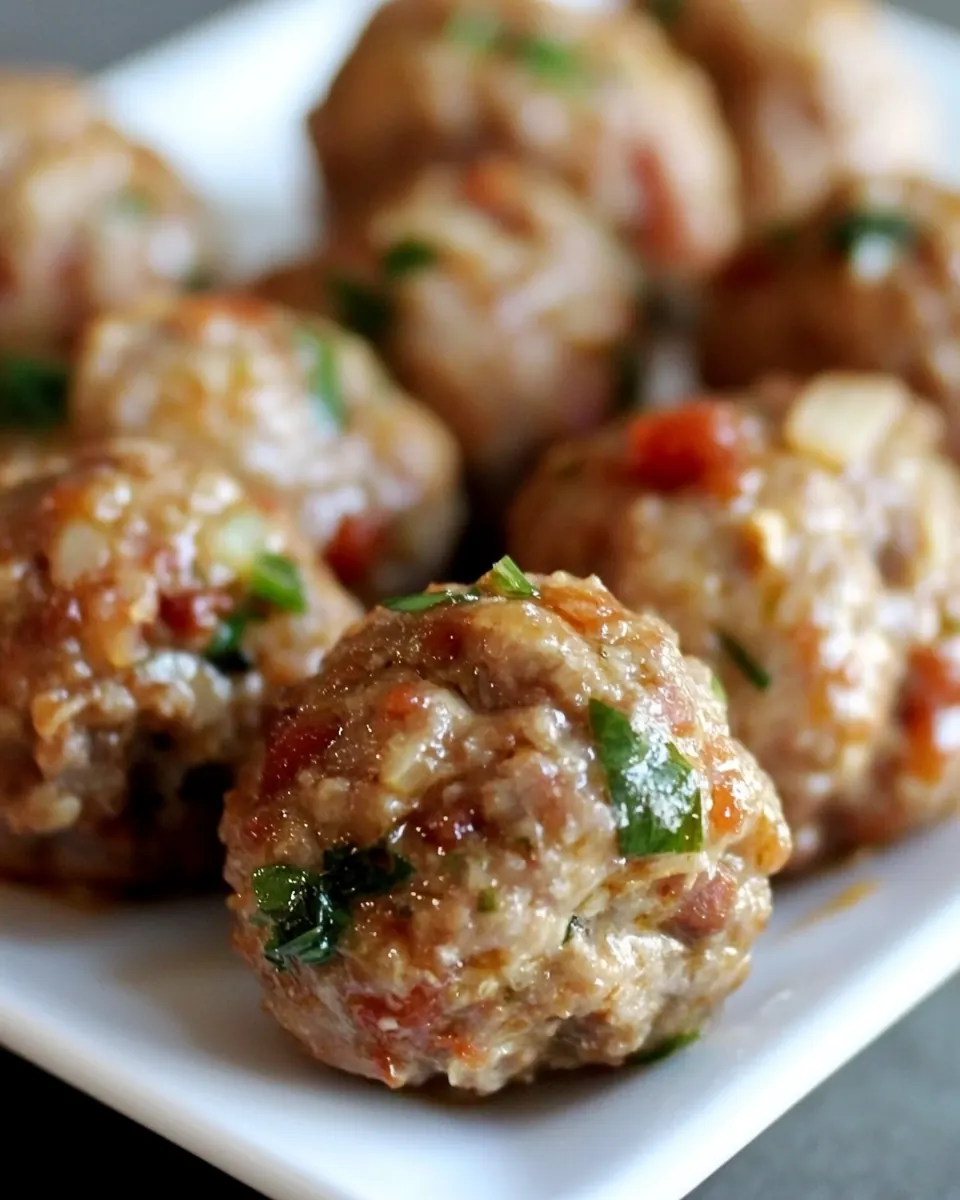
Spicy Tailgate Meatballs
Spicy Tailgate Meatballs came into my life on a windy September afternoon when I agreed to bring a warm, crowd pleasing plate to a friend s backyard game day. I remember juggling a tray of rolling meatballs as kids chased a frisbee, the aroma of turkey and parmesan cheese cutting through the crisp air. That first batch disappeared fast, everyone reaching for seconds as the spice held its own against cold drinks and laughter.
Over the years I ve refined the balance so the heat teases but never overwhelms, and the texture stays tender yet firm enough to pick up with a toothpick. These Spicy Tailgate Meatballs became my go to when I need something that travels well, stays juicy, and still tastes freshly made when it s time to serve. I learned little tricks about soaking bread, handling the meat gently, and how to read the bake so you get that perfect golden exterior without drying out the interior.
Recipe Snapshot
35 mins
10 mins
25 mins
Easy
250 kcal
American
Gluten-Free, Keto
Dinner
Baking sheet, Large bowl, Oven
Why This Spicy Tailgate Meatballs Shines
They feed a crowd without drama
I always pick recipes that let me enjoy the party instead of babysitting the stove. These Spicy Tailgate Meatballs scale easily, and one batch will feed a large group without extra fuss. I love that you can mix everything in one bowl, keep your hands busy for a few minutes, then bake while you mingle.
Perfect texture every time
The combination of soaked whole wheat bread and beaten eggs gives the meatballs a tender, springy bite. I ve found that the breadcrumbs act like a gentle binder, keeping the meatballs from becoming dense. When you bite into one, you should get a slightly firm exterior and a moist, cohesive inside.
Balanced heat and flavor
I include both paprika and cayenne pepper so the heat builds gradually, not all at once. The parmesan cheese and fresh parsley bring savory brightness that plays beautifully against the spice. In my kitchen this layering always wins over a single blast of heat.
Simple, real ingredients
I appreciate recipes that rely on straightforward pantry staples. Using lean ground turkey or optional lean ground chicken keeps things lighter but still hearty. The few ingredients here work together so each one is noticeable, and nothing is trying to do too much.
Great for make ahead and transport
I often make the meatballs the day before the event, refrigerate them on a sheet pan, and bake just before serving. They re forgiving in transport, and reheating them in a warm oven keeps that fresh baked scent alive when guests arrive. That reliability is why these meatballs keep showing up at my gatherings.
Everything You Need for Spicy Tailgate Meatballs
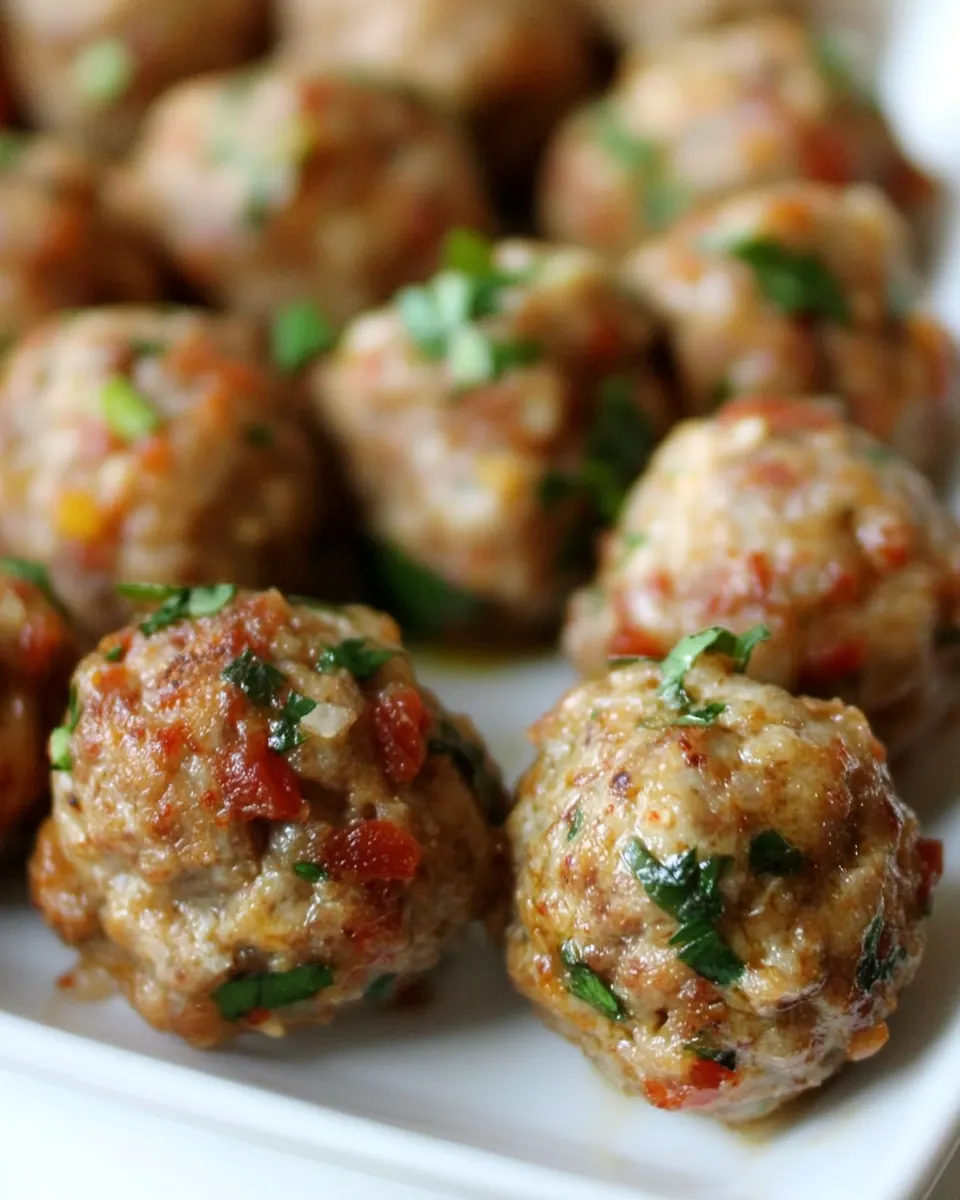
These ingredients are chosen to create meatballs that are flavorful, moist, and sturdy enough for a party setting. The whole wheat bread acts as a gentle binder, while the turkey provides a lean base. Aromatics like onion and garlic add depth, and the cheese and herbs lift the profile so each bite tastes layered and satisfying. Together they form a simple orchestra where texture and seasoning play the lead roles.
- 1 cup whole wheat bread cubed: Provide a hearty binder and texture by absorbing moisture from the mixture; use cubed whole wheat bread for added fiber and a firmer meatball structure when combined with liquids.
- 3 pounds lean ground turkey lean ground chicken (optional): Form the primary protein base that keeps meatballs lean and moist; choose lean ground turkey for lower fat or substitute lean ground chicken for a similarly light texture and flavor.
- 3 eggs beaten: Add moisture and help bind ingredients together while creating a tender crumb; beaten eggs also contribute richness and aid in holding the meatballs’ shape during cooking.
- 2 teaspoons salt: Season the mixture to enhance overall flavor and balance other spices; use measured salt to bring out natural tastes without overpowering the dish.
- 1 teaspoon paprika: Impart a warm, mildly smoky note that complements savory spices; paprika also adds color and depth to the meatball mix.
- 1/2 teaspoon cayenne pepper: Deliver heat and a sharp, spicy kick that intensifies the tailgate-style flavor; use measured cayenne to control the spiciness throughout the batch.
- 4 tablespoons age fresh, chopped: Contribute bright, herbaceous flavor and freshness when chopped; age fresh (likely meant as 'sage' or similar) adds aromatic complexity to the meatballs.
- 3/4 cup onion chopped: Provide a savory sweetness and soft bite when cooked; chopped onion adds moisture and a mellow allium depth to the overall profile.
- 2 garlic cloves minced: Introduce pungent, aromatic intensity and savory depth when minced; garlic cloves enhance umami and complement other seasonings.
- 3/4 cup parsley fresh, chopped: Add vibrant, fresh herb character and a slightly peppery note when chopped; parsley also refreshes the palate and lightens the richness of the meatballs.
- 2/3 cup parmesan cheese: Bring nutty, salty umami and a granular texture that enriches the mixture; grated parmesan cheese enhances savory complexity and helps bind ingredients.
The Method for Spicy Tailgate Meatballs
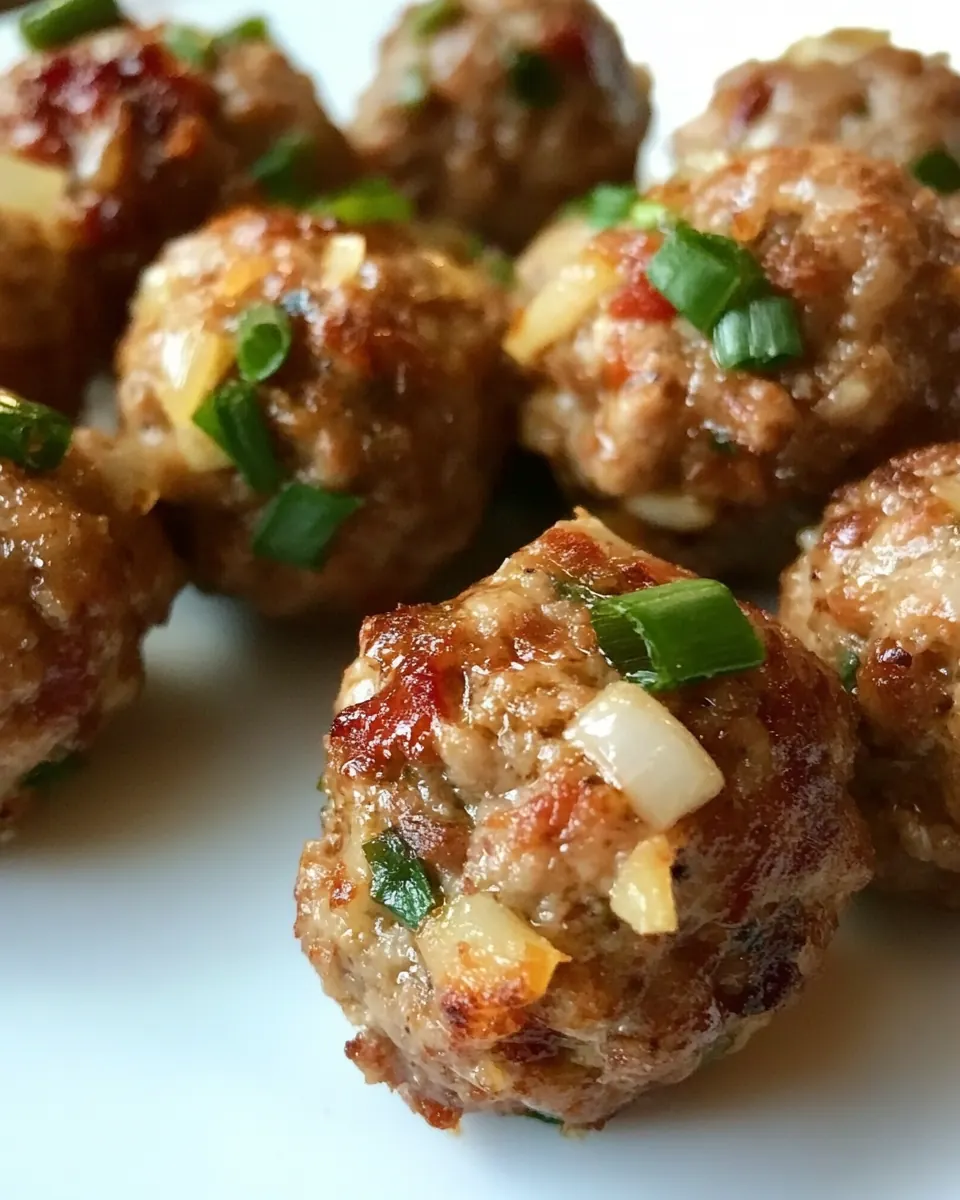
I find that a calm, deliberate approach in the mixing and shaping stages yields the best meatballs. Below I translate the original directions into a step by step narrative that focuses on what you should see, smell, and feel. Take a breath and enjoy the process, knowing you re building layers of flavor.
- In a large bowl, combine the turkey, onions, bread cubes, spices, and cheese. Using your hands, blend the ingredients together. Finally, add the egg and mix until well combined.: The moment you toss these ingredients together you ll notice the aroma of onion and parmesan cheese rising, a savory signal that the foundation is set. The visual mix should show evenly distributed bread cubes and flecks of spice against the pale meat, which tells you the seasoning is balanced. Why this matters, the even distribution prevents pockets of unseasoned meat and ensures each meatball tastes consistent. Troubleshooting tip, if the bread seems dry instead of plumped as you combine, sprinkle a tablespoon of water at a time until the texture looks cohesive, but avoid making the mixture soggy. Listen for a slight tackiness when you press a bit between your fingers, that s the right hydration level. A common mistake is overmixing, which makes meatballs dense, so stop once everything is just combined.
- Using your hands, form mixture into approximately 40 meatballs (approximately 1 1/2 inch in diameter).: As you work the mixture with your hands, you ll feel the texture change from crumbly to a unified mass, slightly cool from the meat and with the soft give of the soaked bread. This tactile feedback is your best cue that the binders are activating. Why this technique matters, gentle hand mixing keeps the final meatballs tender by avoiding excessive protein tightening. Troubleshooting, if you find the mixture overly sticky, chill it for ten minutes to firm up, which makes shaping easier. Don t squeeze aggressively, because that compacts the meat and yields a tougher result. Smell cues include the warmth of the spices and the savory edge of the parmesan cheese , which intensifies as you blend.
- Place the meatballs on a cookie sheet and bake at 350 degrees for 20-25 minutes (or until cooked through).: When you pour the beaten eggs in, you should see the mixture become glossy and slightly moister, the egg helping everything bind and shine. The visual change from matte to slightly glossy indicates emulsification, which will keep the meatballs from falling apart while baking. Why this step matters, eggs provide structure and richness so the interior stays cohesive and moist. Troubleshooting tip, add the eggs slowly and fold them in so the mix stays light; adding all at once can make the mixture too wet. Avoid overworking here too; once the egg is incorporated, stop. If the mixture feels too loose, a short chill will help it firm up for shaping.
- Using your hands, form mixture into approximately 40 meatballs approximately 1 1 2 inch in diameter: As you roll each meatball, notice the temperature of the mixture becomes slightly warmer from your hands, and the surface smooths into a compact sphere with tiny flecks of herbs and cheese visible. The appearance of uniform size and smooth surface helps them cook evenly and look attractive on a platter. Why uniformity matters, consistent size ensures they finish at the same time so none are over or undercooked. Troubleshooting advice, if meatballs crack while rolling they may be too dry, so mist your hands lightly with water or oil to help achieve a flawless finish. One common error is making them irregular sizes, which leads to uneven doneness; use a small scooper or a scale for precision if desired.
- Place the meatballs on a cookie sheet and bake at 350 degrees for 20 to 25 minutes or until cooked through: When you slide the tray into the oven you ll notice an immediate warm, savory perfume emerge as the parmesan cheese and onion begin to roast. Visual cues to watch for include lightly golden edges and a slight firmness when you press gently, which indicate doneness without overbaking. Why this bake matters, the oven offers even, dry heat that sets the exterior and locks juices inside, producing meatballs that are browned yet tender. Troubleshooting, use a thermometer to check the center for safety several meatballs should register 165 degrees F for turkey . Avoid opening the oven repeatedly, as temperature drops can lengthen cook time and dry them out. A common mistake is baking at too high a temperature, which can brown the exterior before the center is cooked, so keep it steady at 350 degrees.
Helpful Hints
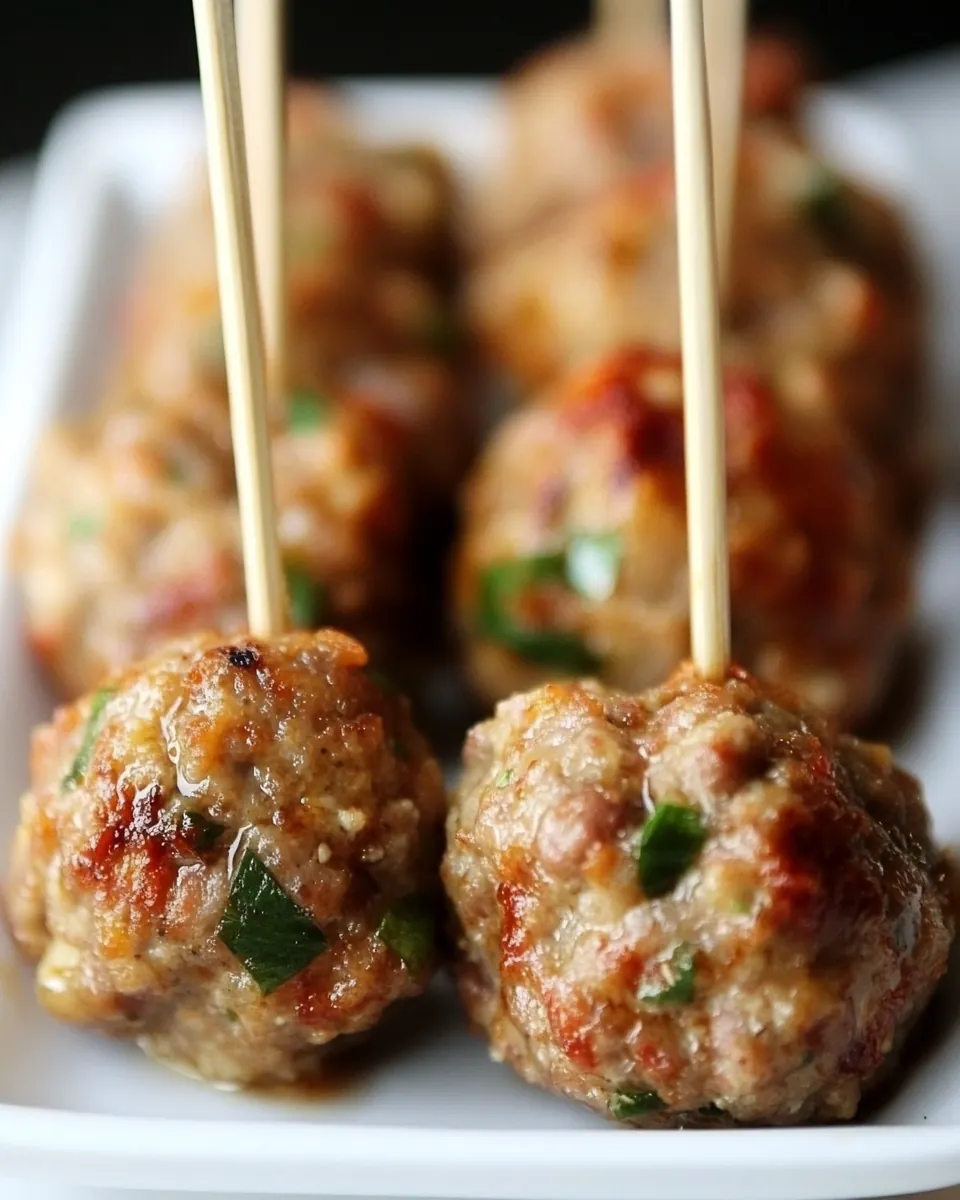
These tips are drawn from many game day tests and kitchen experiments. They focus on texture, seasoning balance, and practical prep so your Spicy Tailgate Meatballs come out reliably excellent whether you re serving a crowd or a family dinner. Read through and pick the hints that match how you like to cook.
- Measure the bread properly by tearing into even cubes so it rehydrates uniformly and avoids dry pockets in the meatballs.
- Keep the meat cold until it goes into the oven, chilling the bowl if necessary, to prevent the fat from smearing and the texture from becoming mushy.
- Mix by hand gently to feel the right texture and avoid overworking which leads to dense meatballs.
- Use a small scoop for consistent sizing which ensures even cooking and a professional looking platter.
- Check internal temperature at the largest meatball to ensure it reaches 165 degrees F for safe consumption when using poultry.
Side Dish Ideas for Spicy Tailgate Meatballs
These meatballs pair well with a variety of sides depending on the occasion. Below are ideas for casual game nights, backyard potlucks, and more formal gatherings, plus storage tips and seasonal pairings to help you plan. Choose a few contrasting textures to make the plate exciting.
- Serve with soft rolls for handheld sliders that guests can assemble, offering a comforting, portable option for parties.
- Pair with a crisp salad featuring sturdy greens and a bright vinaigrette to cut through the savory richness of the meatballs.
- Offer toothpicks and dipping sauces like a cooling yogurt based dip or a tangy tomato sauce to give guests choices in flavor and heat level.
- Bring a grain side such as seasoned rice or couscous to create a more filling plate suitable for lunch or dinner.
- Great for Labor Day gatherings as finger food, these are easy to transport and reheat, making them ideal for holiday barbecues and tailgate events.
- Storage tip cool completely, then refrigerate in an airtight container for up to three days, or freeze on a sheet tray then transfer to a bag for up to three months.
- Seasonal pairing in fall, serve with roasted root vegetables or a warm grain salad to echo the cozy flavors of the season.
FAQ
Conclusion
These Spicy Tailgate Meatballs stand out because they combine approachable ingredients with bold, balanced flavor and a texture that holds up to travel and reheating. They re forgiving to scale and timing, so whether you re feeding a crowd at a game or making an easy family dinner, they deliver consistent results. Give them a try at your next gathering, and you ll likely find they become one of your go to finger foods for parties and potlucks. I enjoy how they spark conversation and come back to the table empty, which is always the best compliment.
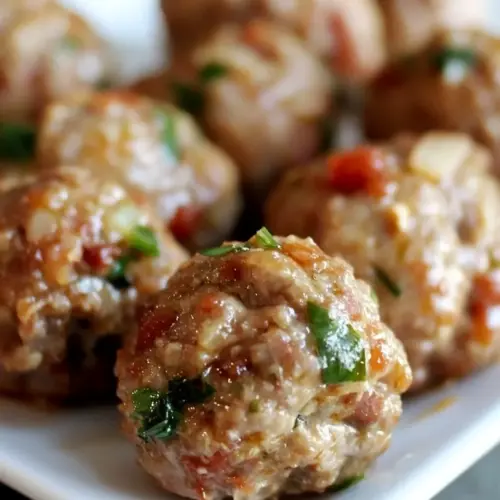
Spicy Tailgate Meatballs
Equipment
- Baking Sheet
- Large Bowl
- Oven
Ingredients
- 1 cup whole wheat bread cubed Provide a hearty binder and texture by absorbing moisture from the mixture; use cubed whole wheat bread for added fiber and a firmer meatball structure when combined with liquids.
- 3 pounds lean ground turkey optional lean ground chicken Form the primary protein base that keeps meatballs lean and moist; choose lean ground turkey for lower fat or substitute lean ground chicken for a similarly light texture and flavor.
- 3 eggs beaten Add moisture and help bind ingredients together while creating a tender crumb; beaten eggs also contribute richness and aid in holding the meatballs’ shape during cooking.
- 2 teaspoons salt Season the mixture to enhance overall flavor and balance other spices; use measured salt to bring out natural tastes without overpowering the dish.
- 1 teaspoon paprika Impart a warm, mildly smoky note that complements savory spices; paprika also adds color and depth to the meatball mix.
- 1/2 teaspoon cayenne pepper Deliver heat and a sharp, spicy kick that intensifies the tailgate-style flavor; use measured cayenne to control the spiciness throughout the batch.
- 4 tablespoons age fresh, chopped Contribute bright, herbaceous flavor and freshness when chopped; age fresh (likely meant as 'sage' or similar) adds aromatic complexity to the meatballs.
- 3/4 cup onion chopped Provide a savory sweetness and soft bite when cooked; chopped onion adds moisture and a mellow allium depth to the overall profile.
- 2 garlic cloves minced Introduce pungent, aromatic intensity and savory depth when minced; garlic cloves enhance umami and complement other seasonings.
- 3/4 cup parsley fresh, chopped Add vibrant, fresh herb character and a slightly peppery note when chopped; parsley also refreshes the palate and lightens the richness of the meatballs.
- 2/3 cup parmesan cheese Bring nutty, salty umami and a granular texture that enriches the mixture; grated parmesan cheese enhances savory complexity and helps bind ingredients.
Instructions
- In a large bowl, combine the turkey, onions, bread cubes, spices, and cheese. Using your hands, blend the ingredients together. Finally, add the egg and mix until well combined.: The moment you toss these ingredients together you ll notice the aroma of onion and parmesan cheese rising, a savory signal that the foundation is set. The visual mix should show evenly distributed bread cubes and flecks of spice against the pale meat, which tells you the seasoning is balanced. Why this matters, the even distribution prevents pockets of unseasoned meat and ensures each meatball tastes consistent. Troubleshooting tip, if the bread seems dry instead of plumped as you combine, sprinkle a tablespoon of water at a time until the texture looks cohesive, but avoid making the mixture soggy. Listen for a slight tackiness when you press a bit between your fingers, that s the right hydration level. A common mistake is overmixing, which makes meatballs dense, so stop once everything is just combined.
- Using your hands, form mixture into approximately 40 meatballs (approximately 1 1/2 inch in diameter).: As you work the mixture with your hands, you ll feel the texture change from crumbly to a unified mass, slightly cool from the meat and with the soft give of the soaked bread. This tactile feedback is your best cue that the binders are activating. Why this technique matters, gentle hand mixing keeps the final meatballs tender by avoiding excessive protein tightening. Troubleshooting, if you find the mixture overly sticky, chill it for ten minutes to firm up, which makes shaping easier. Don t squeeze aggressively, because that compacts the meat and yields a tougher result. Smell cues include the warmth of the spices and the savory edge of the parmesan cheese , which intensifies as you blend.
- Place the meatballs on a cookie sheet and bake at 350 degrees for 20-25 minutes (or until cooked through).: When you pour the beaten eggs in, you should see the mixture become glossy and slightly moister, the egg helping everything bind and shine. The visual change from matte to slightly glossy indicates emulsification, which will keep the meatballs from falling apart while baking. Why this step matters, eggs provide structure and richness so the interior stays cohesive and moist. Troubleshooting tip, add the eggs slowly and fold them in so the mix stays light; adding all at once can make the mixture too wet. Avoid overworking here too; once the egg is incorporated, stop. If the mixture feels too loose, a short chill will help it firm up for shaping.
- Using your hands, form mixture into approximately 40 meatballs approximately 1 1 2 inch in diameter: As you roll each meatball, notice the temperature of the mixture becomes slightly warmer from your hands, and the surface smooths into a compact sphere with tiny flecks of herbs and cheese visible. The appearance of uniform size and smooth surface helps them cook evenly and look attractive on a platter. Why uniformity matters, consistent size ensures they finish at the same time so none are over or undercooked. Troubleshooting advice, if meatballs crack while rolling they may be too dry, so mist your hands lightly with water or oil to help achieve a flawless finish. One common error is making them irregular sizes, which leads to uneven doneness; use a small scooper or a scale for precision if desired.
- Place the meatballs on a cookie sheet and bake at 350 degrees for 20 to 25 minutes or until cooked through: When you slide the tray into the oven you ll notice an immediate warm, savory perfume emerge as the parmesan cheese and onion begin to roast. Visual cues to watch for include lightly golden edges and a slight firmness when you press gently, which indicate doneness without overbaking. Why this bake matters, the oven offers even, dry heat that sets the exterior and locks juices inside, producing meatballs that are browned yet tender. Troubleshooting, use a thermometer to check the center for safety several meatballs should register 165 degrees F for turkey . Avoid opening the oven repeatedly, as temperature drops can lengthen cook time and dry them out. A common mistake is baking at too high a temperature, which can brown the exterior before the center is cooked, so keep it steady at 350 degrees.
Notes
- Measure the bread properly by tearing into even cubes so it rehydrates uniformly and avoids dry pockets in the meatballs.
- Keep the meat cold until it goes into the oven, chilling the bowl if necessary, to prevent the fat from smearing and the texture from becoming mushy.
- Mix by hand gently to feel the right texture and avoid overworking which leads to dense meatballs.
- Use a small scoop for consistent sizing which ensures even cooking and a professional looking platter.
- Check internal temperature at the largest meatball to ensure it reaches 165 degrees F for safe consumption when using poultry.
