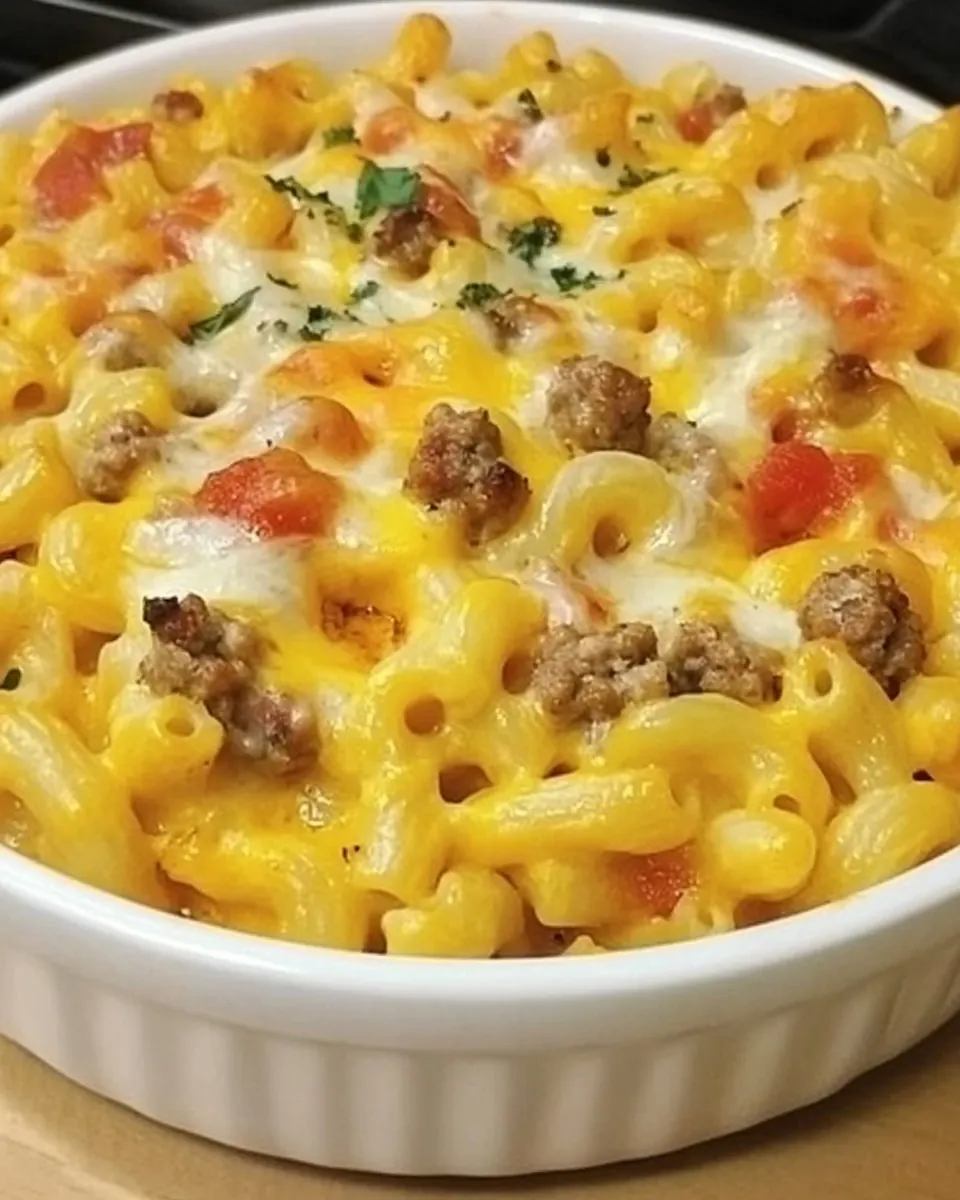
Stovetop Sausage Mac and Cheese
Stovetop Sausage Mac and Cheese is one of those dinners I turn to when the week has been long and I need comfort fast. The first time I made it I was juggling groceries, a phone call, and a hungry teenager, and this skillet recipe came together so quickly that everyone circled the table before I could finish a proper plate. From that night on it became my go to for chaotic evenings when flavor and speed both matter.
There is something honest about the marriage of savory sausage and creamy cheddar cheese, warmed through a pot of tender macaroni. I remember the sizzle when the sausage hit the pan and how the house smelled of caramelized onion and toasted meat. That aroma alone felt like an invitation to relax, and the texture of the pasta soaked up the saucy, tomato flecked broth in such a pleasing way.
Over time I learned how little fuss this dish needs to shine. With a few pantry staples and basic technique you get a one pot meal that feeds a family, yet still feels indulgent. I like that it’s flexible, but honest, delivering a punch of comfort without hours at the stove. Whenever I crave something warm and cozy that won’t derail the evening, I reach for this recipe.
Recipe Snapshot
30 mins
5 mins
25 mins
Easy
600 kcal
American
Gluten-Free, Low FODMAP
Dinner
Large nonstick pan, Wooden spoon
The Magic of This Stovetop Sausage Mac and Cheese
Comfort in a Skillet
I love that Stovetop Sausage Mac and Cheese is pure comfort without being complicated. The creamy cheddar cheese melds with the starchy macaroni to create a sauce that coats every bite. Because it all cooks together, the dish develops a cohesive texture that you simply do not get when components are made separately.
Speed and Simplicity
We can have dinner on the table quickly. The recipe uses straightforward steps and a single pan to minimize cleanup. If you value efficiency, this is a weeknight win, because you get maximum flavor from minimal effort and time.
Robust, Savory Flavor
The use of mild sausage adds depth, while sautéed onion and fire roasted tomatoes bring brightness and balance. I find the savory notes from the sausage marry beautifully with the creamy richness of the dairy, creating a layered mouthfeel that keeps every forkful interesting.
Family Friendly and Filling
This recipe feeds a crowd and satisfies picky eaters. The creamy texture comforts kids, while the savory elements keep adults happy. It’s great for leftovers too, reheating well without losing its character, which is one reason I keep it in regular rotation.
One Pot, Many Possibilities
You can treat this as a template. I like it because it’s forgiving, allowing you to tweak seasoning, swap pasta shape if needed, or adjust the cheese to suit your preference. Despite those small changes, the core appeal of Stovetop Sausage Mac and Cheese remains intact: fast, flavorful, and reliably satisfying.
Recipe Ingredients for Stovetop Sausage Mac and Cheese
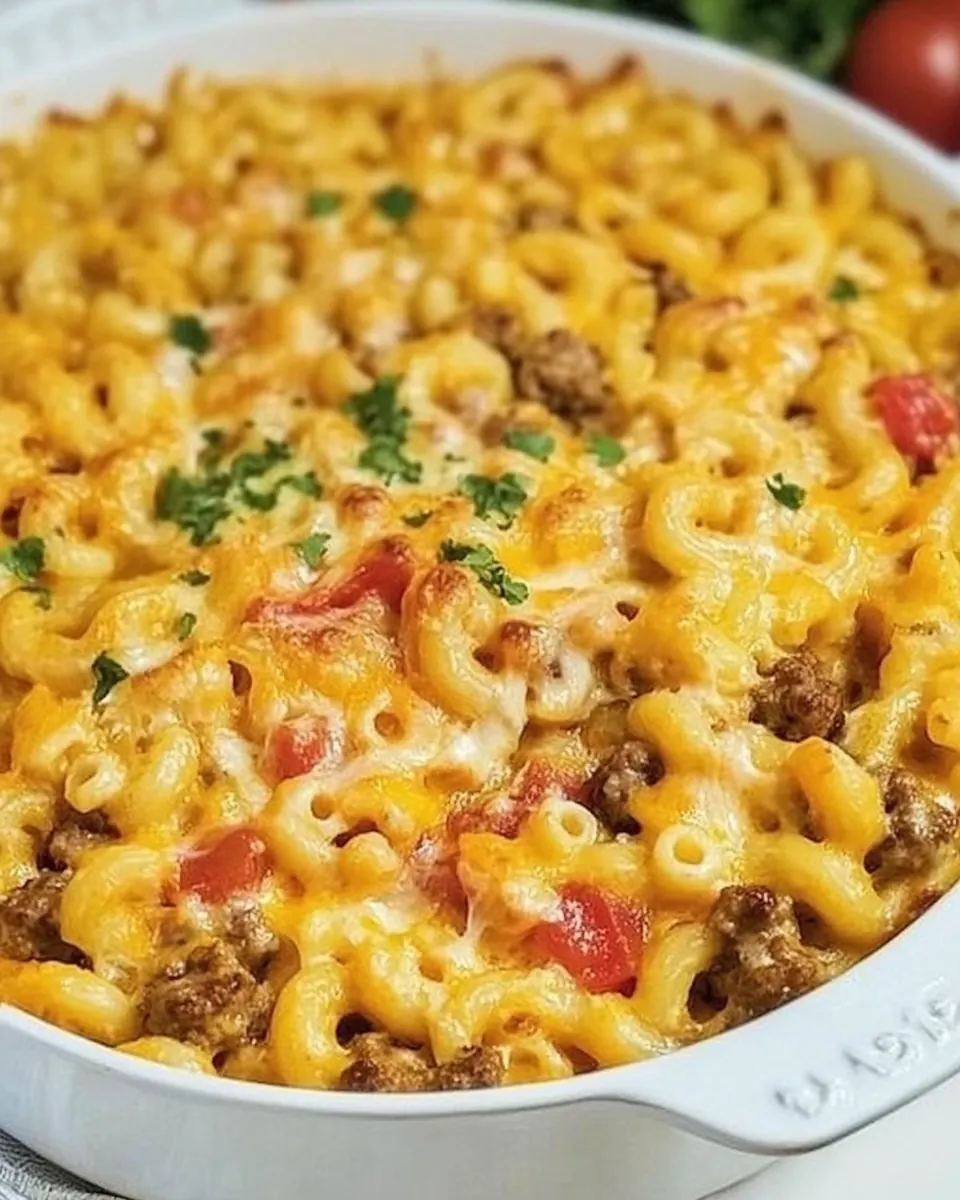
These ingredients are chosen to create a balanced, one pot meal where each component plays a clear role. The sausage brings savory fat and flavor, the onion gives aromatic depth, and the fire roasted diced tomatoes lend acidity and a smoky note. The macaroni soaks up the cooking liquid, becoming the vehicle for the creamy sauce made from half and half and cheddar cheese. A pinch of salt and pepper ties everything together.
- 1 pound Johnsonville Italian Mild Ground Sausage: Brown and crumble to add savory, spiced meat flavor and a hearty texture to the dish; cook until no longer pink to release fat for flavor-building and to ensure food safety. Combine with onion and tomatoes to form the robust sausage base that complements the creamy pasta.
- 1/2 onion, chopped: Sauté chopped to provide a sweet, aromatic backbone and tender texture; cook until translucent to mellow sharpness and draw out natural sugars. Pair with sausage early in cooking to create depth and a balanced savory profile for the sauce.
- 1 (14.5-ounce) can fire-roasted diced tomatoes: Add drained (or use with juices for extra flavor) to contribute bright, slightly smoky acidity and tomatoey body; stir in while simmering to meld flavors with the sausage and onion. Use fire–roasted variety to impart a subtle charred note that complements the richness of the cheese.
- 2 cups water: Simmer to hydrate and cook the pasta while also forming the liquid base for the sauce; pour in as needed to achieve the desired pasta doneness and consistency. Adjust quantity to control how thick or saucy the final mac and cheese becomes.
- 1/2 cup half-and-half: Enrich and lend a creamy, slightly sweet dairy richness that smooths the sauce and enhances mouthfeel; add toward the end of cooking to prevent curdling. Half-and-half helps create a luxuriously creamy sauce without being as heavy as heavy cream.
- 1 (8-ounce) package macaroni pasta: Boil to provide the tender, starchy foundation of the dish and to absorb the sauce flavors; cook in the liquid until al dente for proper texture. Macaroni shapes trap cheese and meat in their hollows, making each bite saucy and satisfying.
- salt and pepper: Season sparingly to enhance overall flavor balance and bring out natural tastes of sausage, tomato, and cheese; add salt and pepper to taste, remembering sausage may already be seasoned. Use incremental additions and taste as you go to avoid over-seasoning.
- 2 cups shredded cheddar cheese: Melt and fold in to create the rich, gooey, cheesy character central to mac and cheese; stir until fully incorporated for a smooth, cohesive sauce. Cheddar provides sharpness and color, cutting through the richness of the sausage and half-and-half.
How to Make Stovetop Sausage Mac and Cheese
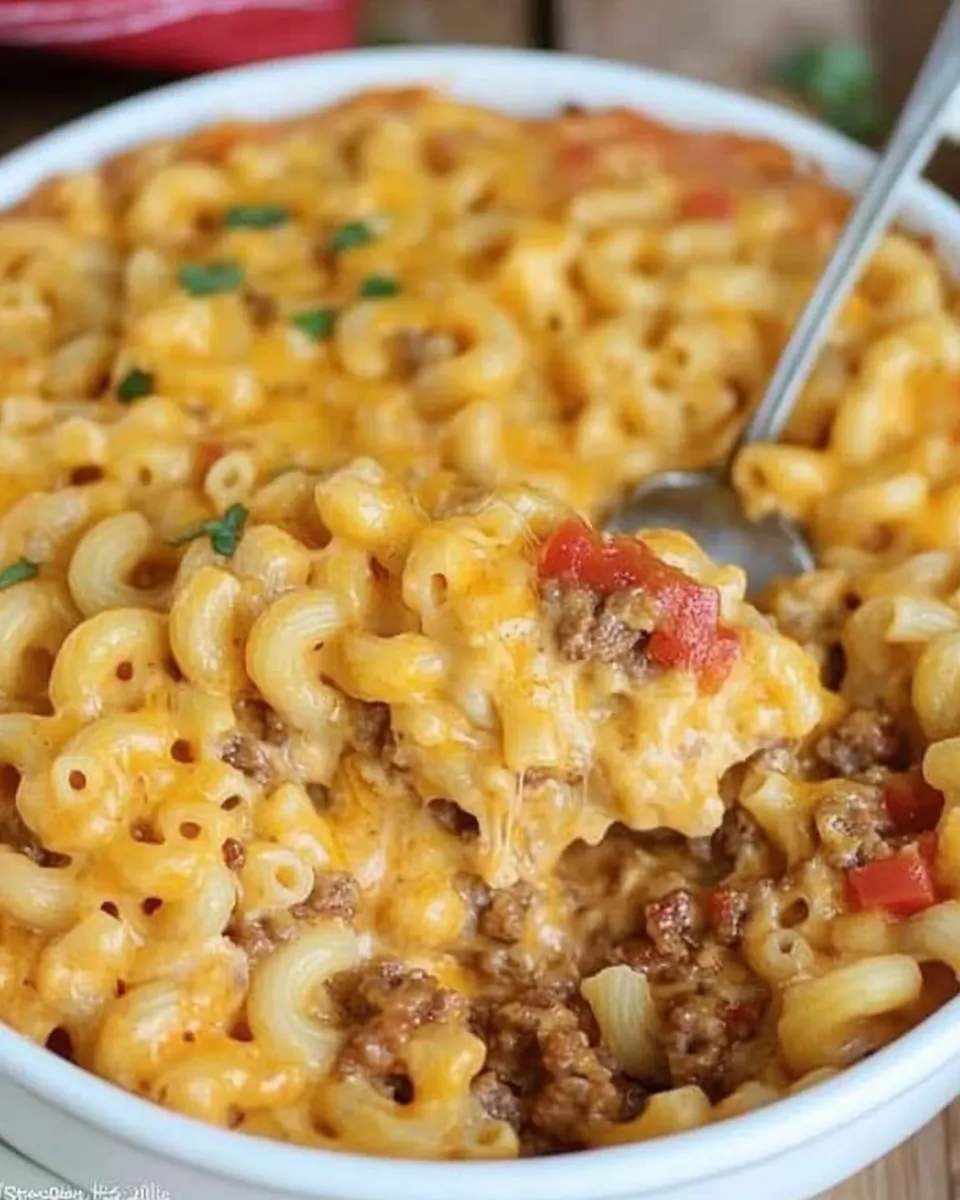
This recipe is straightforward and forgiving, but attention to sensory cues makes a big difference. As you cook, listen for sizzles, watch for browning, and feel the pasta as it softens to the correct bite. I like to stay hands on, stirring often so nothing sticks and the sauce comes together smoothly.
- Place sausage and onion in a large nonstick pan over medium-high heat. Cook, breaking sausage apart with a wooden spoon, until sausage is no longer pink.: Listen for an immediate, lively sizzle as the sausage hits the hot surface, which signals that the pan is rightly heated and will coax flavorful browning. As the sausage renders, you will see little beads of fat forming, and the chopped onion will begin to soften and turn translucent, releasing a sweet aroma that complements the meat. Browning creates Maillard flavors that deepen the dish overall, so take your time to let brown edges develop. I use a wooden spoon to gently break the meat apart, scraping up the fond on the pan bottom because those browned bits dissolve into the sauce later, adding umami. A common mistake here is rushing the heat too high which can char the exterior while leaving the interior undercooked, or cooking at too low a heat that results in steaming instead of browning. Keep the pan at a steady medium high so that you hear periodic sizzling and see golden flecks on both meat and onion.
- Add diced tomatoes, water, half-and-half, and macaroni. Cook, stirring frequently for 12 to 14 minutes.: You will notice a change in texture as the raw pink gives way to a firmer, brown meat studded with tiny browned bits. At this point the pan smells savory and lightly sweet from the cooked onion . Use the wooden spoon to separate pieces so each bit gets browned contact, which increases surface area for flavor. The visual cue to stop is when there is no remaining pink and the meat is uniformly tan to golden. Avoid undercooking which leaves a raw center, or overcooking which dries the meat out; aim for a moist, well browned result. If your pan is crowded the sausage may steam and stay pale, so brown in batches or use a larger pan if needed.
- Season to taste with salt and pepper, keeping in mind that the cheddar cheese will add some saltiness.: When you add the canned fire roasted diced tomatoes , you will notice a bright, slightly smoky aroma that lifts the savory base. Pour in the water and half and half to create a shallow cooking liquid, then scatter the macaroni so each piece is in contact with the liquid. The liquid should barely cover the pasta, allowing it to absorb flavor while softening. This is where the pasta begins to hydrate, releasing some starch that will thicken the cooking liquid into a sauce. Stir gently to distribute ingredients and prevent clumping, and keep the heat at a steady simmer. A trap to avoid is adding the pasta dry at too cool a temperature which results in chewy centers, or boiling too hard which can break pasta into mush. Moderate simmering ensures even cooking and a creamy final texture.
- Sprinkle cheese on top and stir until melted and mixed in. Remove from heat.: As the macaroni cooks, listen for a gentle bubbling, and notice the liquid reducing and becoming opaque from released starch. Frequently stirring prevents the pasta from sticking to the bottom and encourages even absorption of the flavored liquid. Test the pasta at the lower end of the time range, tasting for a tender yet slightly firm bite, known as al dente, which will be perfect once the cheese is added. You should also see the sauce start to cling to the pasta as it thickens. If the pan looks too dry before the pasta is done, add a splash of water; if it is too soupy, keep simmering until it concentrates. One common error is walking away and letting the liquid evaporate completely which leads to scorched pasta and a burnt flavor.
- Season to taste with salt and pepper, keeping in mind that the cheddar cheese will add some saltiness: At this stage the flavors are melding, and you should taste the sauce to determine seasoning. The cheddar cheese will contribute salt, so season conservatively, adding small pinches of salt and pepper and tasting after each addition. The right balance lets the smoky tomato and savory sausage shine while the dairy softens edges. A helpful sensory cue is that a properly seasoned dish will have lifted flavors without tasting overtly salty. A frequent mistake is heavy salting before tasting, which becomes hard to correct after cheese has been folded in.
- Sprinkle cheese on top and stir until melted and mixed in: Remove the pan from direct heat briefly to prevent the cheddar cheese from seizing or becoming grainy, then sprinkle it over the warm pasta so it melts evenly into the sauce. You will notice the sauce become glossy and thicker as the cheese melts, transforming into a rich, velvety coating that clings to each piece of macaroni . Stir gently until you see even ribbons of melted cheese and no dry shreds remaining. If you return the pan to high heat, the cheese can separate, so low residual warmth or off heat stirring is best. An easy mistake is adding pre shredded cheese and overheating it which can lead to a slightly gritty texture; freshly shredded melts most smoothly. Once combined, serve promptly while the texture is creamy and the steam carries those inviting aromas to the table.
Change It Up
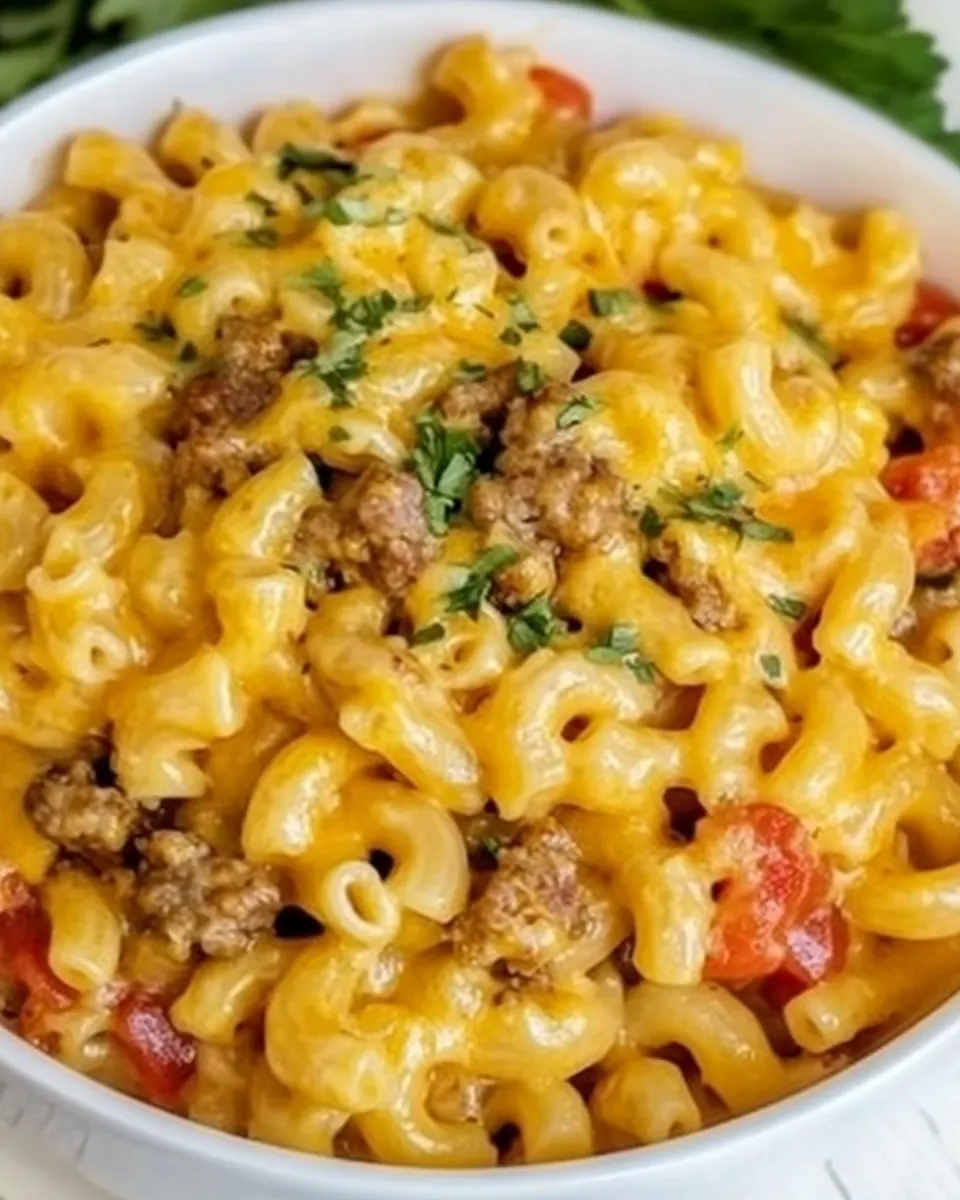
This section offers practical variations and ideas to adapt Stovetop Sausage Mac and Cheese for different moods, occasions, and pantry situations. Each tip starts with a bolded phrase to highlight the main suggestion.
- Turn up the smokiness by choosing fire roasted tomatoes or a smoked cheddar to deepen the savory profile and give the dish a richer aroma.
- Make it creamier by using full fat half and half or a splash more dairy at the end, stirring gently off heat until the sauce becomes luscious.
- Keep it kid friendly by using mild Italian sausage and shredding the cheddar cheese finely so it disperses smoothly and avoids large clumps.
- Avoid dryness by reserving a little cooking liquid before adding the cheese, then whisking a tablespoon at a time into the pan if the sauce tightens too much.
- Improve leftovers by storing in an airtight container, adding a splash of water or milk when reheating, and heating gently to revive the creamy texture.
- Balance salt by waiting to add most seasoning until after the cheese is stirred in, which prevents over salting and preserves the cheese flavor.
What to Serve With Stovetop Sausage Mac and Cheese
Stovetop Sausage Mac and Cheese is hearty and rich, so pairings that add freshness, crunch, or acidity work best. Below are ideas for side dishes, occasions, and serving tips presented as a list for easy scanning.
- Light green salad with a simple vinaigrette offers a bright counterpoint to the creamy pasta and helps cut richness for a balanced plate.
- Steamed vegetables such as broccoli or green beans bring color, fiber, and a crisp texture that contrasts with the soft pasta.
- Pickled accents like quick pickled red onion add zesty acidity that refreshes the palate between bites of cheesy pasta.
- Family dinner this dish is ideal for weeknight dinners when you need something filling and fast to feed multiple people without fuss.
- Casual gatherings it works well for potlucks or game night because it travels and reheats reliably, making it a practical crowd pleaser.
- Leftover strategy cool quickly, refrigerate within two hours, and consume within three days; reheat gently with a splash of water or milk to restore creaminess.
- Seasonal pairing in winter, lean on simple roasted vegetables or a crisp salad to brighten the meal; in warmer months, serve with chilled sides to refresh the table.
- Serving size this recipe yields about six generous servings, so it is great for small families or a group when paired with two modest sides.
- Presentation tip transfer to a warm serving bowl and top with an extra sprinkle of shredded cheddar cheese just before serving for a melty finish.
- Occasion flexibility it is casual enough for weekday meals and hearty enough for weekend comfort dinners, making it a versatile recipe to keep in rotation.
FAQ
Conclusion
Stovetop Sausage Mac and Cheese stands out because it delivers bold comfort flavors with minimal fuss, all in one pan. Give it a try on a busy weeknight when you need a crowd pleasing meal that feels indulgent but comes together fast. I hope this recipe becomes one of your reliable go to dinners, bringing warmth and ease to your table.

Stovetop Sausage Mac and Cheese
Equipment
- Large nonstick pan
- Wooden Spoon
Ingredients
- 1 pound Johnsonville Italian Mild Ground Sausage Brown and crumble to add savory, spiced meat flavor and a hearty texture to the dish; cook until no longer pink to release fat for flavor-building and to ensure food safety. Combine with onion and tomatoes to form the robust sausage base that complements the creamy pasta.
- 1/2 onion, chopped Sauté chopped to provide a sweet, aromatic backbone and tender texture; cook until translucent to mellow sharpness and draw out natural sugars. Pair with sausage early in cooking to create depth and a balanced savory profile for the sauce.
- 1 (14.5-ounce) can fire-roasted diced tomatoes Add drained (or use with juices for extra flavor) to contribute bright, slightly smoky acidity and tomatoey body; stir in while simmering to meld flavors with the sausage and onion. Use fire-roasted variety to impart a subtle charred note that complements the richness of the cheese.
- 2 cups water Simmer to hydrate and cook the pasta while also forming the liquid base for the sauce; pour in as needed to achieve the desired pasta doneness and consistency. Adjust quantity to control how thick or saucy the final mac and cheese becomes.
- 1/2 cup half-and-half Enrich and lend a creamy, slightly sweet dairy richness that smooths the sauce and enhances mouthfeel; add toward the end of cooking to prevent curdling. Half-and-half helps create a luxuriously creamy sauce without being as heavy as heavy cream.
- 1 (8-ounce) package macaroni pasta Boil to provide the tender, starchy foundation of the dish and to absorb the sauce flavors; cook in the liquid until al dente for proper texture. Macaroni shapes trap cheese and meat in their hollows, making each bite saucy and satisfying.
- salt and pepper Season sparingly to enhance overall flavor balance and bring out natural tastes of sausage, tomato, and cheese; add salt and pepper to taste, remembering sausage may already be seasoned. Use incremental additions and taste as you go to avoid over-seasoning.
- 2 cups shredded cheddar cheese Melt and fold in to create the rich, gooey, cheesy character central to mac and cheese; stir until fully incorporated for a smooth, cohesive sauce. Cheddar provides sharpness and color, cutting through the richness of the sausage and half-and-half.
Instructions
- Place sausage and onion in a large nonstick pan over medium-high heat. Cook, breaking sausage apart with a wooden spoon, until sausage is no longer pink.: Listen for an immediate, lively sizzle as the sausage hits the hot surface, which signals that the pan is rightly heated and will coax flavorful browning. As the sausage renders, you will see little beads of fat forming, and the chopped onion will begin to soften and turn translucent, releasing a sweet aroma that complements the meat. Browning creates Maillard flavors that deepen the dish overall, so take your time to let brown edges develop. I use a wooden spoon to gently break the meat apart, scraping up the fond on the pan bottom because those browned bits dissolve into the sauce later, adding umami. A common mistake here is rushing the heat too high which can char the exterior while leaving the interior undercooked, or cooking at too low a heat that results in steaming instead of browning. Keep the pan at a steady medium high so that you hear periodic sizzling and see golden flecks on both meat and onion.
- Add diced tomatoes, water, half-and-half, and macaroni. Cook, stirring frequently for 12 to 14 minutes.: You will notice a change in texture as the raw pink gives way to a firmer, brown meat studded with tiny browned bits. At this point the pan smells savory and lightly sweet from the cooked onion . Use the wooden spoon to separate pieces so each bit gets browned contact, which increases surface area for flavor. The visual cue to stop is when there is no remaining pink and the meat is uniformly tan to golden. Avoid undercooking which leaves a raw center, or overcooking which dries the meat out; aim for a moist, well browned result. If your pan is crowded the sausage may steam and stay pale, so brown in batches or use a larger pan if needed.
- Season to taste with salt and pepper, keeping in mind that the cheddar cheese will add some saltiness.: When you add the canned fire roasted diced tomatoes , you will notice a bright, slightly smoky aroma that lifts the savory base. Pour in the water and half and half to create a shallow cooking liquid, then scatter the macaroni so each piece is in contact with the liquid. The liquid should barely cover the pasta, allowing it to absorb flavor while softening. This is where the pasta begins to hydrate, releasing some starch that will thicken the cooking liquid into a sauce. Stir gently to distribute ingredients and prevent clumping, and keep the heat at a steady simmer. A trap to avoid is adding the pasta dry at too cool a temperature which results in chewy centers, or boiling too hard which can break pasta into mush. Moderate simmering ensures even cooking and a creamy final texture.
- Sprinkle cheese on top and stir until melted and mixed in. Remove from heat.: As the macaroni cooks, listen for a gentle bubbling, and notice the liquid reducing and becoming opaque from released starch. Frequently stirring prevents the pasta from sticking to the bottom and encourages even absorption of the flavored liquid. Test the pasta at the lower end of the time range, tasting for a tender yet slightly firm bite, known as al dente, which will be perfect once the cheese is added. You should also see the sauce start to cling to the pasta as it thickens. If the pan looks too dry before the pasta is done, add a splash of water; if it is too soupy, keep simmering until it concentrates. One common error is walking away and letting the liquid evaporate completely which leads to scorched pasta and a burnt flavor.
- Season to taste with salt and pepper, keeping in mind that the cheddar cheese will add some saltiness: At this stage the flavors are melding, and you should taste the sauce to determine seasoning. The cheddar cheese will contribute salt, so season conservatively, adding small pinches of salt and pepper and tasting after each addition. The right balance lets the smoky tomato and savory sausage shine while the dairy softens edges. A helpful sensory cue is that a properly seasoned dish will have lifted flavors without tasting overtly salty. A frequent mistake is heavy salting before tasting, which becomes hard to correct after cheese has been folded in.
- Sprinkle cheese on top and stir until melted and mixed in: Remove the pan from direct heat briefly to prevent the cheddar cheese from seizing or becoming grainy, then sprinkle it over the warm pasta so it melts evenly into the sauce. You will notice the sauce become glossy and thicker as the cheese melts, transforming into a rich, velvety coating that clings to each piece of macaroni . Stir gently until you see even ribbons of melted cheese and no dry shreds remaining. If you return the pan to high heat, the cheese can separate, so low residual warmth or off heat stirring is best. An easy mistake is adding pre shredded cheese and overheating it which can lead to a slightly gritty texture; freshly shredded melts most smoothly. Once combined, serve promptly while the texture is creamy and the steam carries those inviting aromas to the table.
Notes
- Turn up the smokiness by choosing fire roasted tomatoes or a smoked cheddar to deepen the savory profile and give the dish a richer aroma.
- Make it creamier by using full fat half and half or a splash more dairy at the end, stirring gently off heat until the sauce becomes luscious.
- Keep it kid friendly by using mild Italian sausage and shredding the cheddar cheese finely so it disperses smoothly and avoids large clumps.
- Avoid dryness by reserving a little cooking liquid before adding the cheese, then whisking a tablespoon at a time into the pan if the sauce tightens too much.
- Improve leftovers by storing in an airtight container, adding a splash of water or milk when reheating, and heating gently to revive the creamy texture.
- Balance salt by waiting to add most seasoning until after the cheese is stirred in, which prevents over salting and preserves the cheese flavor.
