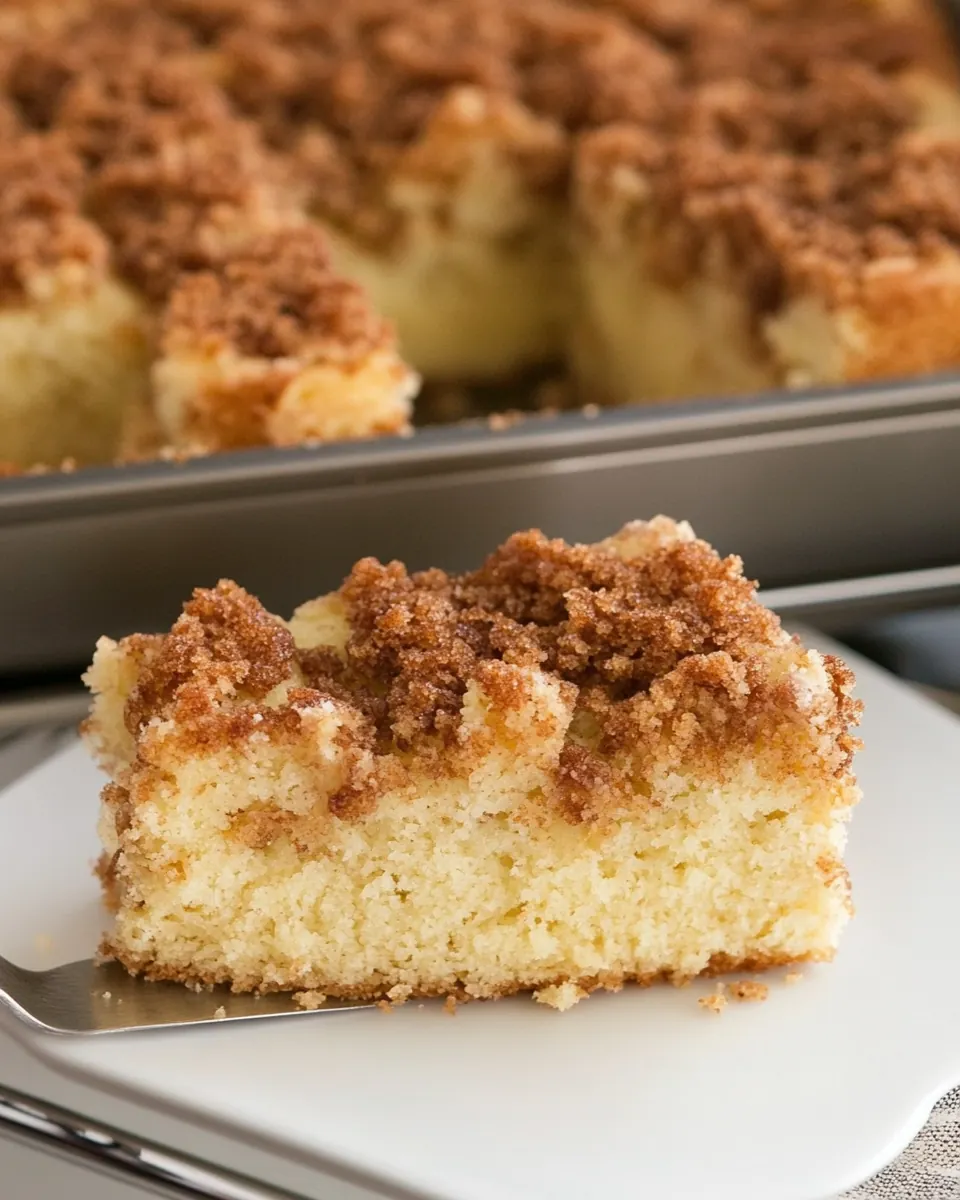
Cake Mix Coffee Cake
Cake Mix Coffee Cake has been my go to for last minute brunches and cozy weekend baking sessions when I want something comforting without a lot of fuss.
One rainy Saturday years ago I pulled a box from the pantry, and with a few simple additions I turned a store bought mix into something that smelled like a bakery and disappeared within hours. The memory of that warm, cinnamon spiced crumb stuck with me, and ever since I reach for this version when friends drop by unannounced. It is the kind of recipe that lets you look like you planned ahead, while still being delightfully casual.
I love how the crunchy nutty filling contrasts with the tender cake, and how the tang of the sour cream keeps each bite from feeling too sweet. I often brew a pot of strong coffee while it bakes, because the aroma pairs so well with the cinnamon and brown sugar. Over time I learned a few little habits that make the texture reliably tender and the topping perfectly crumbly, and I am excited to share those with you so this Cake Mix Coffee Cake comes out great on your first try.
Recipe Snapshot
1 hr 15 mins
15 mins
60 mins
Medium
300 kcal
American
Gluten-Free, Low FODMAP
Desserts
9 inch square baking pan, Mixing bowls, Spoon or spatula, Oven
What We Adore About This Cake Mix Coffee Cake
Reliable and Quick
I always reach for this Cake Mix Coffee Cake when time is tight, because a boxed cake mix plus a handful of pantry staples transforms into a bakery worthy cake in under an hour. The convenience means I can entertain without stress, and I still get that homemade warmth that guests rave about.
Balanced Textures and Flavors
The combination of a tender cake mix base and a crunchy, buttery pecan filling gives you contrast in every bite. The brown sugar and cinnamon filling caramelizes slightly as it bakes, producing pockets of sticky sweetness against the soft, tangy crumb from the sour cream.
Flexible and Forgiving
I love that this recipe tolerates small mistakes. If the batter is a touch thicker or thinner, the final texture still works, and the filling hides minor imperfections. That forgiving nature makes it perfect for cooks who want excellent results without obsessing over every gram.
Approachable for Bakers of Any Level
Whether you bake every weekend or rarely touch the oven, this Cake Mix Coffee Cake reads like a friendly project. The steps are clear and the ingredients are ones most people already have. I like to walk novices through the sensory cues so they gain confidence, and that payoff is huge when the cake comes out golden and fragrant.
Perfect for Gatherings
This cake scales mentally well for a crowd. I can double the recipe for a brunch or keep it as written for a family dessert. It stores at room temperature for short stretches, so you can make it ahead and still serve something that feels freshly baked.
Ingredients to Make Cake Mix Coffee Cake
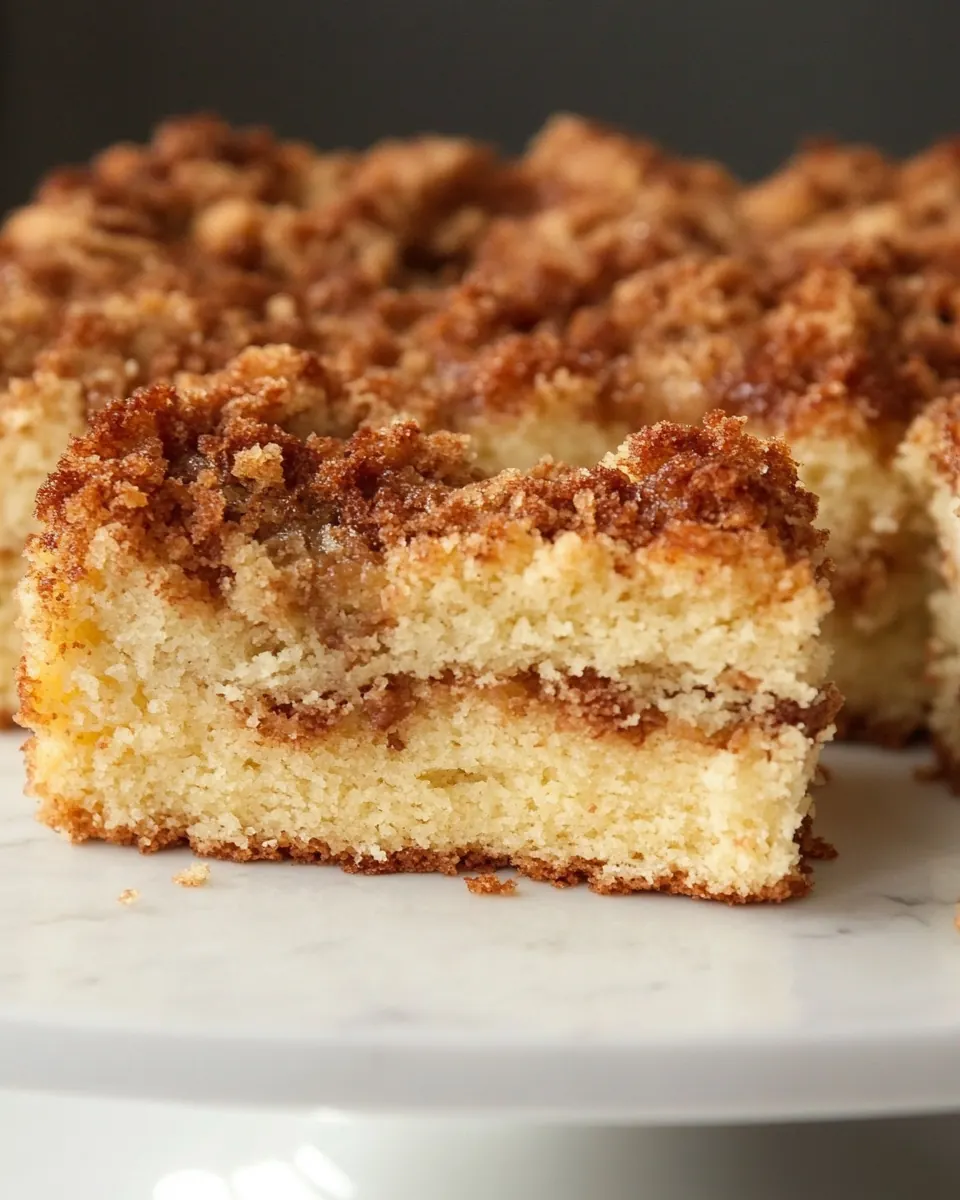
These ingredients lean on a store bought cake mix as the foundation, with a few active players that build flavor and texture. The key is balance: the butter and brown sugar create a rich, caramelized filling, the pecans add crunch, and the sour cream keeps the crumb tender and moist.
- 1 box yellow cake mix: Adds moistness and structure to the cake batter while contributing a neutral sweet foundation that blends with other flavors. Provides the primary flour and leavening agents needed for rise when combined with eggs and sour cream. Helps create a tender crumb and consistent texture throughout the coffee cake.
- 1/4 cup (57 g) unsalted butter, melted: Provides rich buttery flavor and helps moisten the batter while improving mouthfeel. Adds fat that tenderizes the crumb and contributes to golden browning during baking. Enhances overall richness without overwhelming the cake's other flavors.
- 1 cup (198 g) light or dark brown sugar: Contributes deep caramel-like sweetness and moisture to the streusel and cake layers. Supplies a hint of molasses complexity that balances the cinnamon and nuts. Helps create a slightly chewy texture in the topping and adds flavor to the batter when folded in.
- 1 tablespoon ground cinnamon: Imparts warm, aromatic spice that defines the coffee cake’s characteristic flavor profile. Adds depth and a sweet-spicy note that pairs perfectly with brown sugar and pecans. Distributes evenly through the streusel or batter to create a comforting, familiar taste.
- 1 cup (114 g) finely chopped pecans: Provides crunchy texture and nutty richness that contrasts the tender cake crumb. Adds toasty, buttery flavors and a pleasant chewiness when sprinkled in the streusel or folded into batter. Contributes visual appeal and a satisfying contrast in every bite.
- 3 eggs: Contributes structure, richness, and lift by setting as it bakes and helping to incorporate air into the batter. Adds protein and emulsification that stabilize the cake and improve crumb. Enhances moisture retention and helps bind the dry ingredients together.
- 1 1/2 cup (340 g) sour cream: Adds pronounced creaminess, tang, and moisture that enrich the batter and produce a tender, dense crumb. Balances sweetness with a slight acidity that reacts with the cake mix for better texture. Promotes a moist interior and keeps the cake from tasting heavy.
Making This Cake Mix Coffee Cake
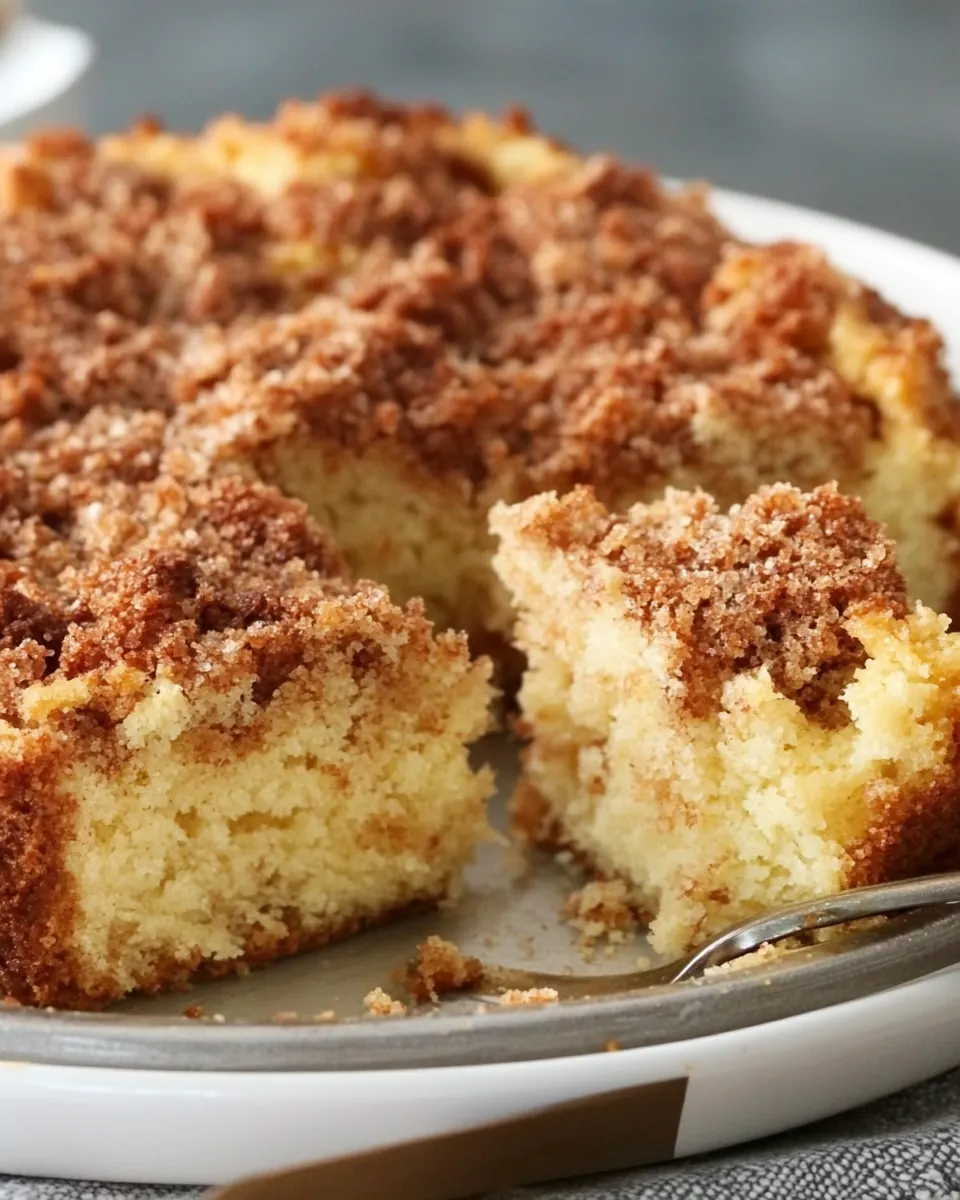
These directions are straightforward but I always remind readers to pay attention to the sensory cues. The way the filling smells as the butter and brown sugar combine, and the way the top browns in the oven, tell you a lot about doneness. Read each step before you start so you can move confidently.
- Preheat oven to 350 degrees F. Grease a 9-inch square baking pan; set aside.: The kitchen fills quickly with warmth, and you may notice the faint scent of metal warming from the pan, signaling readiness. Greasing the pan well prevents sticking and encourages an even edge texture, which matters when you slice into those neat squares. A common mistake is not greasing corners thoroughly, leading to bits that cling to the pan, so run a thin layer of butter into each corner and along the sides. If your oven runs hot, watch early for browning around 30 minutes so the cake does not over brown.
- Make the Filling: Remove 2/3 cup of the cake mix and place in a medium bowl. Add the melted butter, brown sugar, cinnamon, and chopped pecans, mixing with a spoon or spatula to thoroughly combine.: As you stir you will smell the warm notes of brown sugar and cinnamon mingling, and the sticky filling will glisten slightly from the melted butter . Mixing by hand gives you control so the pecans remain defined rather than pulverized. This filling creates pockets of caramel like sweetness inside the cake, which is why we remove that 2 3rd cup of dry mix rather than adding other flour. One pitfall is adding too much butter , which makes the filling runny and can cause it to sink; aim for a moist crumbly texture that holds shape when scooped.
- In a large bowl, combine the remaining cake mix, eggs, and sour cream until completely combined.: When you mix the batter it should feel smooth and thick, with the sour cream adding silkiness that cuts through the sweetness. Using room temperature eggs helps them integrate cleanly and prevents cold spots that could break the emulsion. Take a moment to scrape the bowl sides so no pockets of dry cake mix remain, which would create dense streaks in the finished cake. Avoid over mixing, which can develop gluten and lead to a tougher crumb.
- Pour half of the wet batter into the prepared pan, then sprinkle evenly with half of the filling.: As you dollop the batter you will see a pale, creamy layer settle into the pan; when you evenly scatter the filling it will create ribbons of darker, sticky goodness. Press gently with the back of a spoon to level without compacting the batter. The contrast between batter and filling is visually satisfying and guarantees pockets of texture in every bite. If you pile filling in one spot it may sink excessively during baking, so spread it deliberately.
- Pour the remaining batter over top and smooth it into an even layer. Sprinkle the remaining filling mixture over the top of the batter.: Smoothing the top gives the cake an even rise and helps the topping bake into a crumbly crust rather than a collapsed mound. When the filling is sprinkled on top it will crisp and caramelize, releasing a toasty scent; watch for any overly large clumps and break them up so the distribution is uniform. A common error here is pressing the topping into the batter, which buries the crunchy bits; keep the filling as a loose layer on top.
- Bake for 45 minutes to 1 hour, or until a toothpick or thin skewer inserted into the center comes out clean. Allow to cool for at least 15 minutes before serving to serve warm; it can also be served at room temperature.: The oven will yield a golden top and a fragrant, cinnamon filled aroma. When you insert a toothpick you want it largely clean with maybe a few moist crumbs, indicating a tender interior, rather than wet batter which means it needs more time. Cooling slightly lets the crumb set so slices hold together, and the first warm slice will steam gently, releasing more aroma. A typical misstep is underbaking to chase softness; if the center jiggles gently continue to bake in 5 minute increments until set.
Helpful Notes about Cake Mix Coffee Cake
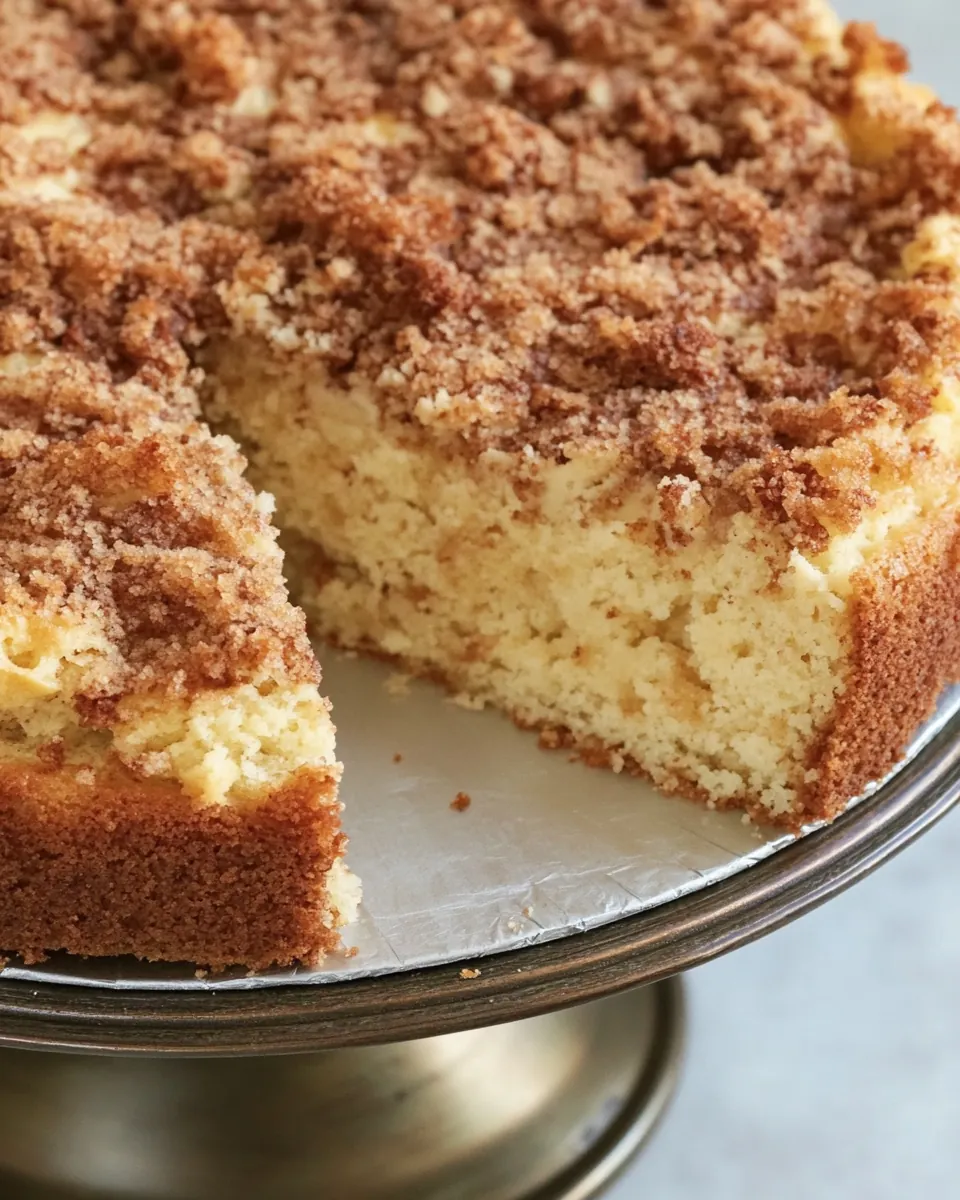
I like to collect tips that help the cake behave reliably in different ovens and situations. Below are practical pointers I use every time I bake this so the results are consistent and crowd pleasing.
- Choose the right cake mix Use a plain yellow cake mix for the best crumb and neutral base that lets the filling shine, and avoid mixes labeled as pudding if you want a lighter texture.
- Control butter temperature Melt the butter until just liquefied and let it cool slightly before combining with the dry filling ingredients, that prevents any premature cooking of eggs elsewhere.
- Measure brown sugar correctly Pack the brown sugar into the measuring cup so the filling has consistent sweetness and moisture, which affects how the topping caramelizes.
- Distribute filling evenly Sprinkle the filling in an even layer so each slice has pockets of crunch and caramel, preventing one side from becoming overly dense.
- Watch bake times Start checking at 45 minutes, and remember ovens vary; use the toothpick test for best results rather than relying solely on time.
- Storage and serving Cover the cooled cake loosely and keep at room temperature for up to two days, reheating slices briefly to recapture that fresh baked warmth.
Serving Options for Cake Mix Coffee Cake
This cake works in many contexts, from casual coffee breaks to special brunches. The texture and flavor feel at home with both everyday and celebratory settings, and the simplicity means you can focus on presentation and pairing.
- Serve warm with coffee A warm slice pairs beautifully with a cup of brewed coffee, making it ideal for morning gatherings or a relaxed weekend treat.
- Brunch centerpiece Offer the cake on a platter alongside fresh fruit and savory bites for a balanced brunch spread that lets guests graze.
- Simple dessert Present slices after dinner with a light dusting of powdered sugar for an understated finish that feels homely and satisfying.
- Occasion friendly This cake suits family get togethers and casual celebrations, because it is easy to scale and pleases a wide range of tastes.
- Storage advice Store at room temperature covered with plastic wrap for up to two days, or freeze portions wrapped tightly for longer keeping.
- Seasonal pairing The warm spices and nutty topping make this especially welcome during cooler months, though it is enjoyable all year round.
FAQ
Conclusion
This Cake Mix Coffee Cake stands out because it turns a simple boxed mix into something that tastes homemade and comforting. Give it a try when you want a quick but impressive bake, and you may find it becomes a reliable favorite for gatherings and quiet mornings alike. I hope you enjoy the warm cinnamon notes and the tender, slightly tangy crumb as much as I do, and that it brings a little bakery warmth to your kitchen with very little fuss.
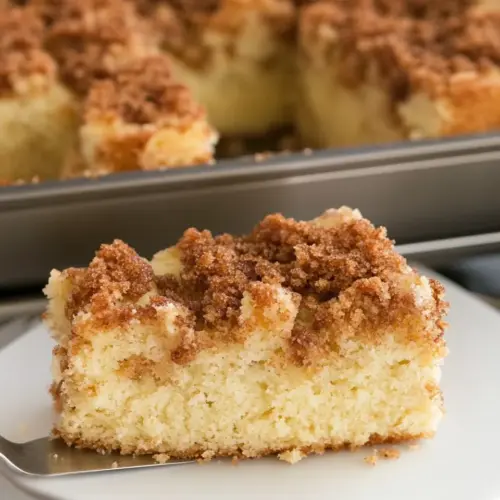
Cake Mix Coffee Cake
Equipment
- 9-inch square baking pan
- Mixing Bowls
- Spoon or spatula
- Oven
Ingredients
- 1 box yellow cake mix Adds moistness and structure to the cake batter while contributing a neutral sweet foundation that blends with other flavors. Provides the primary flour and leavening agents needed for rise when combined with eggs and sour cream. Helps create a tender crumb and consistent texture throughout the coffee cake.
- 1/4 cup (57 g) unsalted butter, melted Provides rich buttery flavor and helps moisten the batter while improving mouthfeel. Adds fat that tenderizes the crumb and contributes to golden browning during baking. Enhances overall richness without overwhelming the cake's other flavors.
- 1 cup (198 g) light or dark brown sugar Contributes deep caramel-like sweetness and moisture to the streusel and cake layers. Supplies a hint of molasses complexity that balances the cinnamon and nuts. Helps create a slightly chewy texture in the topping and adds flavor to the batter when folded in.
- 1 tablespoon ground cinnamon Imparts warm, aromatic spice that defines the coffee cake’s characteristic flavor profile. Adds depth and a sweet-spicy note that pairs perfectly with brown sugar and pecans. Distributes evenly through the streusel or batter to create a comforting, familiar taste.
- 1 cup (114 g) finely chopped pecans Provides crunchy texture and nutty richness that contrasts the tender cake crumb. Adds toasty, buttery flavors and a pleasant chewiness when sprinkled in the streusel or folded into batter. Contributes visual appeal and a satisfying contrast in every bite.
- 3 eggs Contributes structure, richness, and lift by setting as it bakes and helping to incorporate air into the batter. Adds protein and emulsification that stabilize the cake and improve crumb. Enhances moisture retention and helps bind the dry ingredients together.
- 1 1/2 cup (340 g) sour cream Adds pronounced creaminess, tang, and moisture that enrich the batter and produce a tender, dense crumb. Balances sweetness with a slight acidity that reacts with the cake mix for better texture. Promotes a moist interior and keeps the cake from tasting heavy.
Instructions
- Preheat oven to 350 degrees F. Grease a 9-inch square baking pan; set aside.: The kitchen fills quickly with warmth, and you may notice the faint scent of metal warming from the pan, signaling readiness. Greasing the pan well prevents sticking and encourages an even edge texture, which matters when you slice into those neat squares. A common mistake is not greasing corners thoroughly, leading to bits that cling to the pan, so run a thin layer of butter into each corner and along the sides. If your oven runs hot, watch early for browning around 30 minutes so the cake does not over brown.
- Make the Filling: Remove 2/3 cup of the cake mix and place in a medium bowl. Add the melted butter, brown sugar, cinnamon, and chopped pecans, mixing with a spoon or spatula to thoroughly combine.: As you stir you will smell the warm notes of brown sugar and cinnamon mingling, and the sticky filling will glisten slightly from the melted butter . Mixing by hand gives you control so the pecans remain defined rather than pulverized. This filling creates pockets of caramel like sweetness inside the cake, which is why we remove that 2 3rd cup of dry mix rather than adding other flour. One pitfall is adding too much butter , which makes the filling runny and can cause it to sink; aim for a moist crumbly texture that holds shape when scooped.
- In a large bowl, combine the remaining cake mix, eggs, and sour cream until completely combined.: When you mix the batter it should feel smooth and thick, with the sour cream adding silkiness that cuts through the sweetness. Using room temperature eggs helps them integrate cleanly and prevents cold spots that could break the emulsion. Take a moment to scrape the bowl sides so no pockets of dry cake mix remain, which would create dense streaks in the finished cake. Avoid over mixing, which can develop gluten and lead to a tougher crumb.
- Pour half of the wet batter into the prepared pan, then sprinkle evenly with half of the filling.: As you dollop the batter you will see a pale, creamy layer settle into the pan; when you evenly scatter the filling it will create ribbons of darker, sticky goodness. Press gently with the back of a spoon to level without compacting the batter. The contrast between batter and filling is visually satisfying and guarantees pockets of texture in every bite. If you pile filling in one spot it may sink excessively during baking, so spread it deliberately.
- Pour the remaining batter over top and smooth it into an even layer. Sprinkle the remaining filling mixture over the top of the batter.: Smoothing the top gives the cake an even rise and helps the topping bake into a crumbly crust rather than a collapsed mound. When the filling is sprinkled on top it will crisp and caramelize, releasing a toasty scent; watch for any overly large clumps and break them up so the distribution is uniform. A common error here is pressing the topping into the batter, which buries the crunchy bits; keep the filling as a loose layer on top.
- Bake for 45 minutes to 1 hour, or until a toothpick or thin skewer inserted into the center comes out clean. Allow to cool for at least 15 minutes before serving to serve warm; it can also be served at room temperature.: The oven will yield a golden top and a fragrant, cinnamon filled aroma. When you insert a toothpick you want it largely clean with maybe a few moist crumbs, indicating a tender interior, rather than wet batter which means it needs more time. Cooling slightly lets the crumb set so slices hold together, and the first warm slice will steam gently, releasing more aroma. A typical misstep is underbaking to chase softness; if the center jiggles gently continue to bake in 5 minute increments until set.
Notes
- Choose the right cake mix Use a plain yellow cake mix for the best crumb and neutral base that lets the filling shine, and avoid mixes labeled as pudding if you want a lighter texture.
- Control butter temperature Melt the butter until just liquefied and let it cool slightly before combining with the dry filling ingredients, that prevents any premature cooking of eggs elsewhere.
- Measure brown sugar correctly Pack the brown sugar into the measuring cup so the filling has consistent sweetness and moisture, which affects how the topping caramelizes.
- Distribute filling evenly Sprinkle the filling in an even layer so each slice has pockets of crunch and caramel, preventing one side from becoming overly dense.
- Watch bake times Start checking at 45 minutes, and remember ovens vary; use the toothpick test for best results rather than relying solely on time.
- Storage and serving Cover the cooled cake loosely and keep at room temperature for up to two days, reheating slices briefly to recapture that fresh baked warmth.
