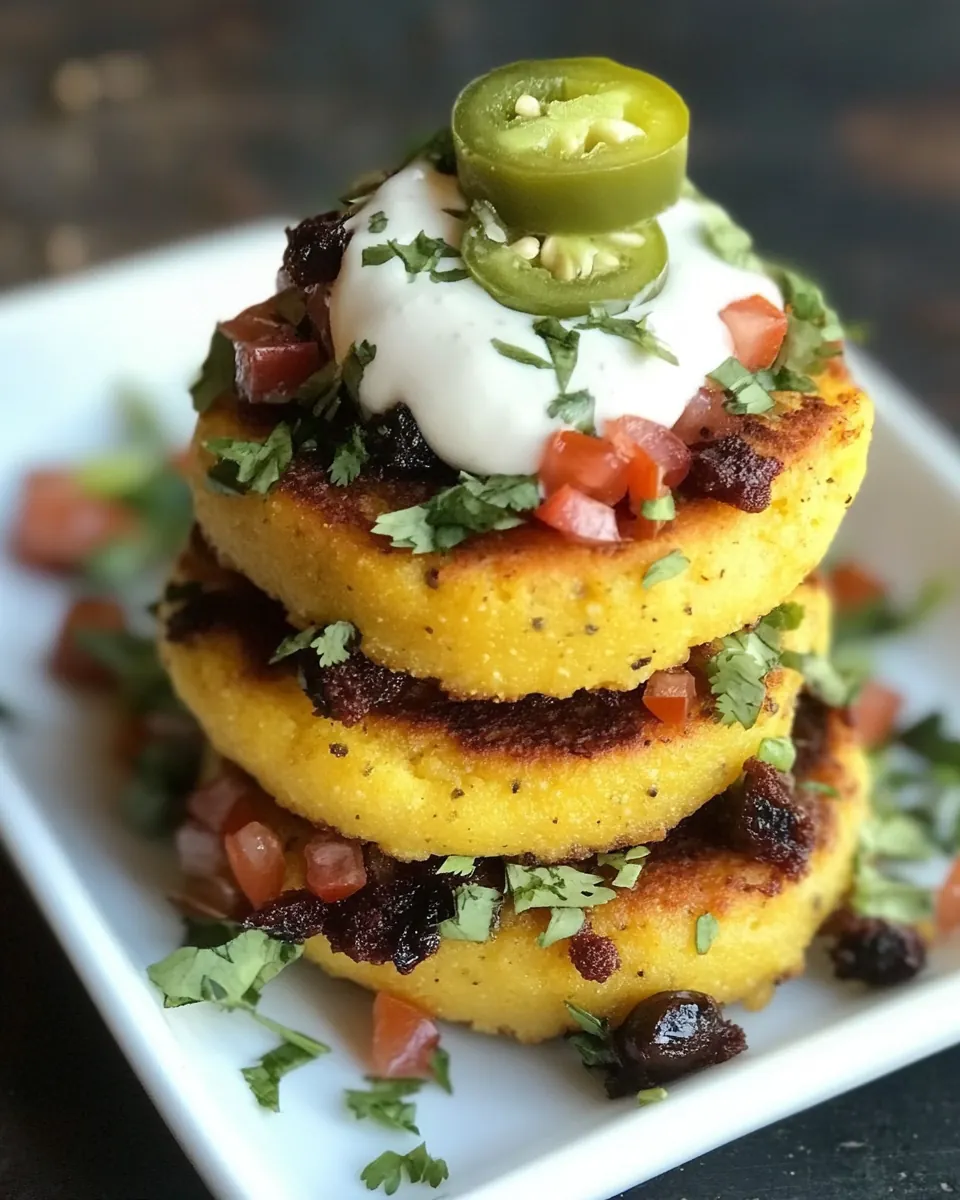
Southwestern Polenta Cakes
Southwestern Polenta Cakes are one of those recipes I return to when I want bright flavors without fuss. The first time I made them I was rescuing day old polenta and a fridge of odds and ends, and the result felt so celebratory I invited a neighbor over on the spot. I remember the sizzle as the polenta kissed the hot pan, the smoking sweet aroma of cumin and smoked paprika blooming with the onions, and the contrast of creamy yogurt and fresh cilantro that made each bite sing. That evening turned into a habit, and now these cakes are my go to for casual weekend meals and impromptu guests.
Over the years I learned small adjustments that make a big difference. I like the polenta slices crisped well so they hold up under the warm vegetable topping, and I always finish with a dollop of limey yogurt to cut through the richness. The vegetables can be whatever you have, but the combination I stick to for the dish below balances texture, spice, and a hint of brightness. When I serve them, people often ask for seconds before they even finish their first plate, and that is the kind of simple satisfaction I cook for.
Recipe Snapshot
35 mins
15 mins
20 mins
Easy
300 kcal
Mexican
Gluten-Free, Vegan
Dinner
Large skillet, Another skillet, Spatula, Mixing bowl
Why You Need This Southwestern Polenta Cakes
1. Bold flavor without complexity
I love how Southwestern Polenta Cakes pack smoky, earthy, and tangy notes with just a few pantry spices. Using smoked paprika, ground cumin, and chili powder layers flavor quickly, so you get a rich profile even on busy nights.
2. Texture play that wows
There is a real joy in textural contrast here. Crispy, golden polenta slices meet a warm, saucy vegetable ragout with soft black beans and tender eggplant, finished with cool, creamy Greek yogurt. That interplay makes every bite interesting.
3. Flexible and forgiving
You can adapt this for whatever you have on hand, and it still tastes like you meant it that way. I often swap the corn or beans for what is in my pantry, and the recipe still holds up. Because the technique is straightforward, it is forgiving if you get distracted.
4. Great for sharing
These cakes are naturally shareable. I like to plate several on a board and let everyone top their own, which keeps the meal relaxed and social. They work well for casual dinners and summer gatherings where people graze and chat.
5. Bright finish ties everything together
The lime scented yogurt sauce with cilantro lifts the whole dish. That finishing touch adds freshness, and it is the reason I always make a little extra sauce. It transforms warm, savory elements into something lively and balanced.
Southwestern Polenta Cakes Ingredients
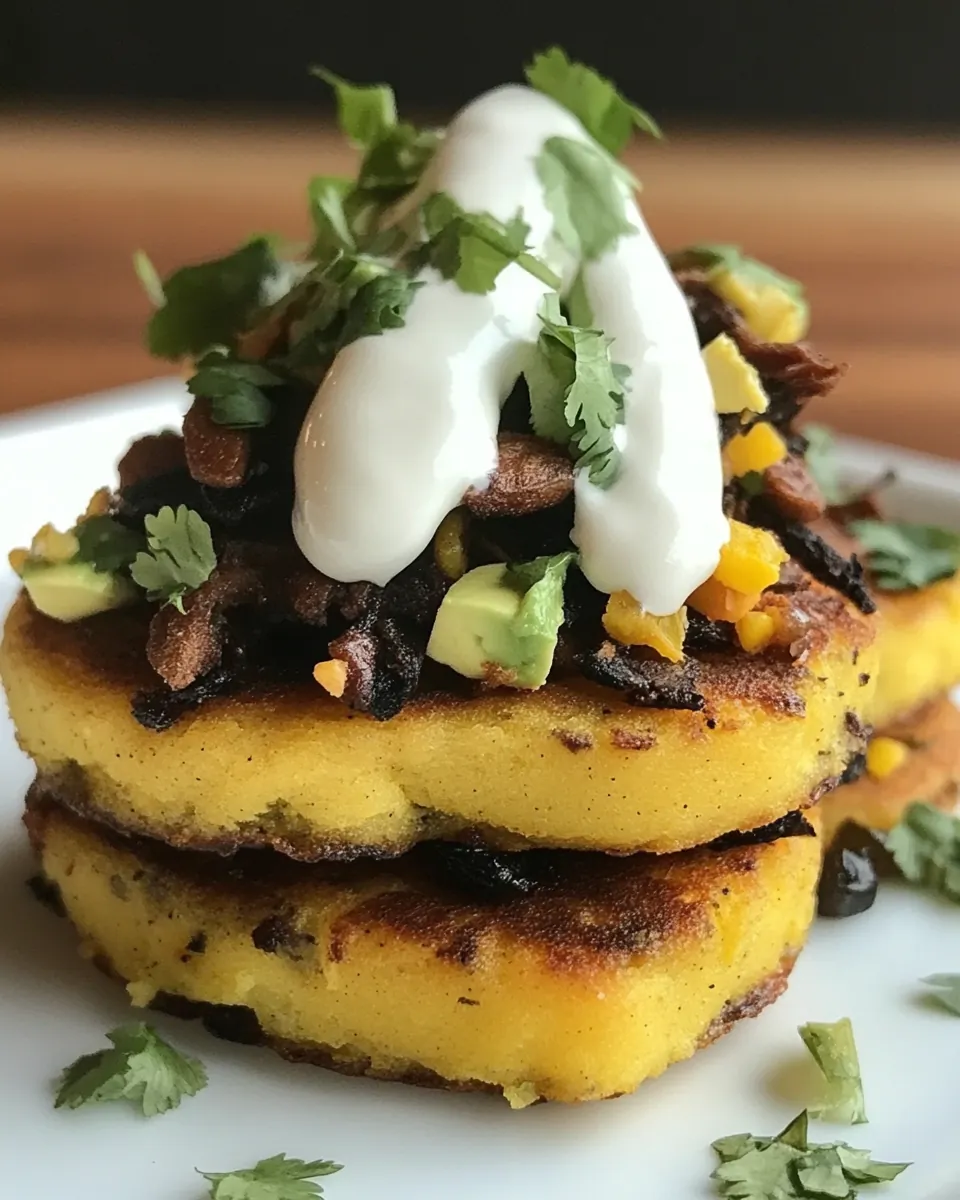
These ingredients were chosen to create balance. The polenta provides a sturdy, creamy base that crisps beautifully, while the vegetable mixture supplies savory depth. Spices bring a smoky, aromatic quality, and the yogurt sauce brightens everything. Together, these components produce a layered dish that feels both rustic and thoughtfully composed.
- 2 tablespoons olive oil divided: Heat and sauté in a pan to provide the cooking fat and help brown vegetables; divided usage allows finishing polenta cakes with a crisp exterior while sautéing the filling separately for better texture and flavor.
- 1 onion diced: Sweat and soften when diced and cooked, forming the aromatic base that releases natural sweetness and builds savory depth in the filling mixture.
- 1 garlic clove minced: Infuse and brighten by being minced and heated briefly to release pungent, aromatic oils that enhance overall savory complexity without overpowering other flavors.
- 1 eggplant small, diced: Add and tenderize when diced small, contributing meaty texture and absorbing spices and tomato juices for a hearty, satisfying component in the filling.
- 1 teaspoon chili powder: Spice and warm by lending mild heat and earthy flavor; sprinkle during cooking to complement cumin and smoked paprika for a Southwestern profile.
- 1 teaspoon ground cumin: Season and deepen by offering warm, slightly bitter, earthy notes; grind during sautéing to bloom its flavor and anchor the spice blend.
- 1 teaspoon smoked paprika: Smoke and color by providing a warm, slightly sweet smoky note; add to the spice mix to enhance roasted flavors and harmonize with the eggplant and tomatoes.
- 1/4 teaspoon ea salt: Balance and season finely to control overall saltiness; adding a measured pinch ensures flavors are bright and components like beans and tomatoes are properly seasoned.
- 15 ounces diced tomatoes can: Moisten and simmer as a saucy base when added from the can; diced tomatoes add acidity, body, and juicy texture that unites the filling ingredients.
- 1 cup black beans cooked: Protein and body when cooked, contribute creamy texture and hearty bite; incorporate for protein-rich substance and to complement the polenta cakes.
- 1/2 cup corn kernels frozen: Sweeten and add pop when using frozen corn; kernels provide bursts of sweet flavor and contrast in texture within the savory filling.
- 1 prepared polenta package, sliced into 1/2 inch slices: Layer and crisp by slicing prepared polenta into half-inch rounds that act as sturdy bases or cakes; these slices brown nicely and hold fillings without falling apart.
- 1/4 cup Greek yogurt: Cream and cool when dolloped on top, offering tangy contrast that brightens spicy flavors and provides a silky counterpoint to crisp polenta.
- 2 tablespoons cilantro finely chopped, plus more for garnish: Freshen and finish by adding chopped cilantro to the yogurt or filling, contributing herbaceous brightness and a clean finish; extra for garnish enhances visual appeal and aroma.
- 1 tablespoon lime juice fresh: Acidify and lift with fresh lime juice, adding bright citrus acidity that balances richness, rounds spices, and heightens overall freshness in the finished dish.
Directions for Southwestern Polenta Cakes
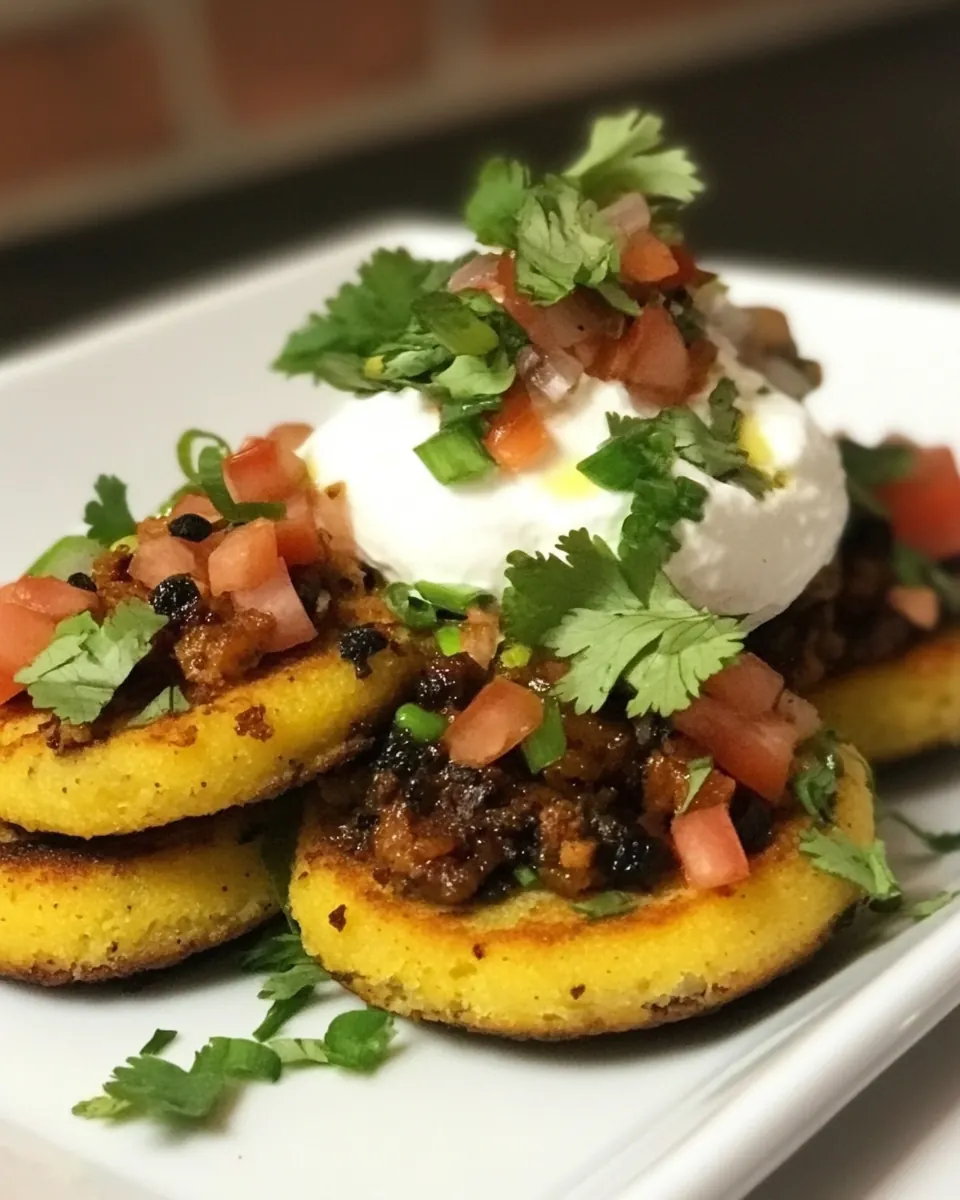
The method is simple but requires attention to timing and texture. Start by building a fragrant vegetable mixture, then crisp the polenta until it is golden and sturdy. Finish by assembling with the warm vegetables and a bright Greek yogurt sauce. Read through each step before you begin so you can keep the heat and pan control consistent.
- Heat half the olive oil in a large skillet over medium heat. Add the onion, garlic, and eggplant and cook until soft, about 10 minutes. Add the spices and salt and cook for 1 more minute. Add the tomatoes and 1/2 cup water and bring to a boil. Simmer for 5 minutes and stir in the black beans and corn. Turn off heat.: The moment the oil begins to shimmer you will notice a subtle fruity aroma, which is your cue to add aromatics. As the onion and eggplant sizzle in the pan you should hear a soft popping and smell a sweet, savory perfume; this indicates moisture leaving the vegetables and sugars beginning to soften. This technique matters because gentle heat lets the onion sweeten and the eggplant mellow, creating a base that will soak up spices. A common mistake is using too high heat which can char the outsides before the insides soften, so keep the flame at medium and stir occasionally to ensure even cooking.
- In another skillet, heat remaining olive oil. Add the polenta slices and cook until light browned and crispy on both sides.: During this stage the pan will shift from noisy sizzle to a gentler hiss as the vegetables give up moisture, and the onion will become translucent while the eggplant collapses into tender pieces that melt when pressed with a spoon. This softness is important because it allows the spices and tomatoes to integrate fully without leaving hard chunks. Watch for bits sticking to the pan; if that happens, lower the heat and add a splash of water to deglaze and avoid bitterness, as burnt fond can taint the final flavors.
- Top the polenta slice with the vegetable mixture. To make the sauce, whisk together the yogurt with the cilantro and lime juice. Drizzle over top the polenta cakes and top with extra cilantro if desired.: As you sprinkle the chili powder , ground cumin , and smoked paprika , you will smell an instant burst of warmth and depth as the spices bloom in the fat. That one minute of toasting enhances aroma and layers complexity, which is why I never skip it even though it is brief. Keep the mixture moving so the spices bloom evenly, and avoid leaving them in contact with the hot pan too long to prevent burning and resultant bitterness.
- Add the tomatoes and 1/2 cup water and bring to a boil: Introducing the canned diced tomatoes and water transforms the pan into a simmering sauce, releasing bright acidity and softening the spice edges. The sound will shift to a steady simmer and small bubbles will rise, signaling the reduction process is underway. This simmer is essential for concentrating flavors and marrying the vegetables with the tomatoes, and a common pitfall is rushing this step; if you do not bring it to a gentle boil and then reduce, the sauce can stay watery and underdeveloped.
- Simmer for 5 minutes and stir in the black beans and corn: During the five minute simmer the sauce will thicken slightly and the aroma will intensify, with a rounded tomato sweetness balancing the smoky spices. When you fold in the black beans and corn , they should warm through without breaking up, adding creamy and sweet texture contrasts. Stir gently to keep the beans whole, and avoid over stirring which can mash them and change the texture of the topping.
- Turn off heat: Shutting the heat preserves the texture of the black beans and prevents the sauce from reducing too far, which maintains a pleasant moisture level for spooning over the polenta . The residual heat will continue to meld flavors without overcooking the beans. A common mistake is leaving the pan on heat which can evaporate too much liquid and make the topping dry, so step away promptly after turning off the burner.
- In another skillet, heat remaining olive oil: When the second skillet warms and the oil runs smoothly, it will create the ideal surface for crisping the polenta . The oil should shimmer but not smoke, and the moment you place a slice in the pan you will hear a gratifying sizzle that signals browning is beginning. This step sets up the textural contrast, and too little oil will cause sticking while too much will prevent crisping, so aim for a thin, even layer.
- Add the polenta slices and cook until light browned and crispy on both sides: As the polenta meets the hot oil it should develop a golden crust with tiny crackling sounds and a light fragrance of toasted corn. Flip carefully with a spatula to preserve the golden surface, and allow each side time to form a crust before turning. This crisp exterior is critical so the slices do not become soggy under the topping; flipping too soon or pressing down can prevent proper browning and make them gummy.
- Top the polenta slice with the vegetable mixture: When you spoon the warm vegetable ragout onto the crispy polenta , you will experience the contrast between hot and crisp, and you should notice the sauce settling into pockets of the crust. This layering is what makes each bite interesting, combining concentrated spice, soft vegetables, and cornmeal texture. Avoid piling on too much sauce which can overwhelm the crispness; a moderate spoonful keeps the balance intact.
- To make the sauce, whisk together the yogurt with the cilantro and lime juice: As you whisk, the Greek yogurt will become silky and fragrant with the herbaceous cilantro and bright lime juice . The aroma of fresh citrus will lift the bowl, providing a cooling counterpoint to the warm spices. This emulsion matters because it adds a creamy, acidic finish that cuts through richness, and a frequent oversight is using cold straight from the fridge without smelling the components together; let the yogurt sit a moment at room temperature if very chilled to allow flavors to open.
- Drizzle over top the polenta cakes and top with extra cilantro if desired: The final drizzle should glisten on the warm topping, and the contrast of creamy white sauce against the rustic ragout makes the plate feel composed. Fresh cilantro on top adds a green, lively note that completes the flavor arc. Serve promptly so the polenta retains its crispness, because letting the assembled cakes sit too long will yield a softer, less textural result.
Ways to Adapt This Recipe
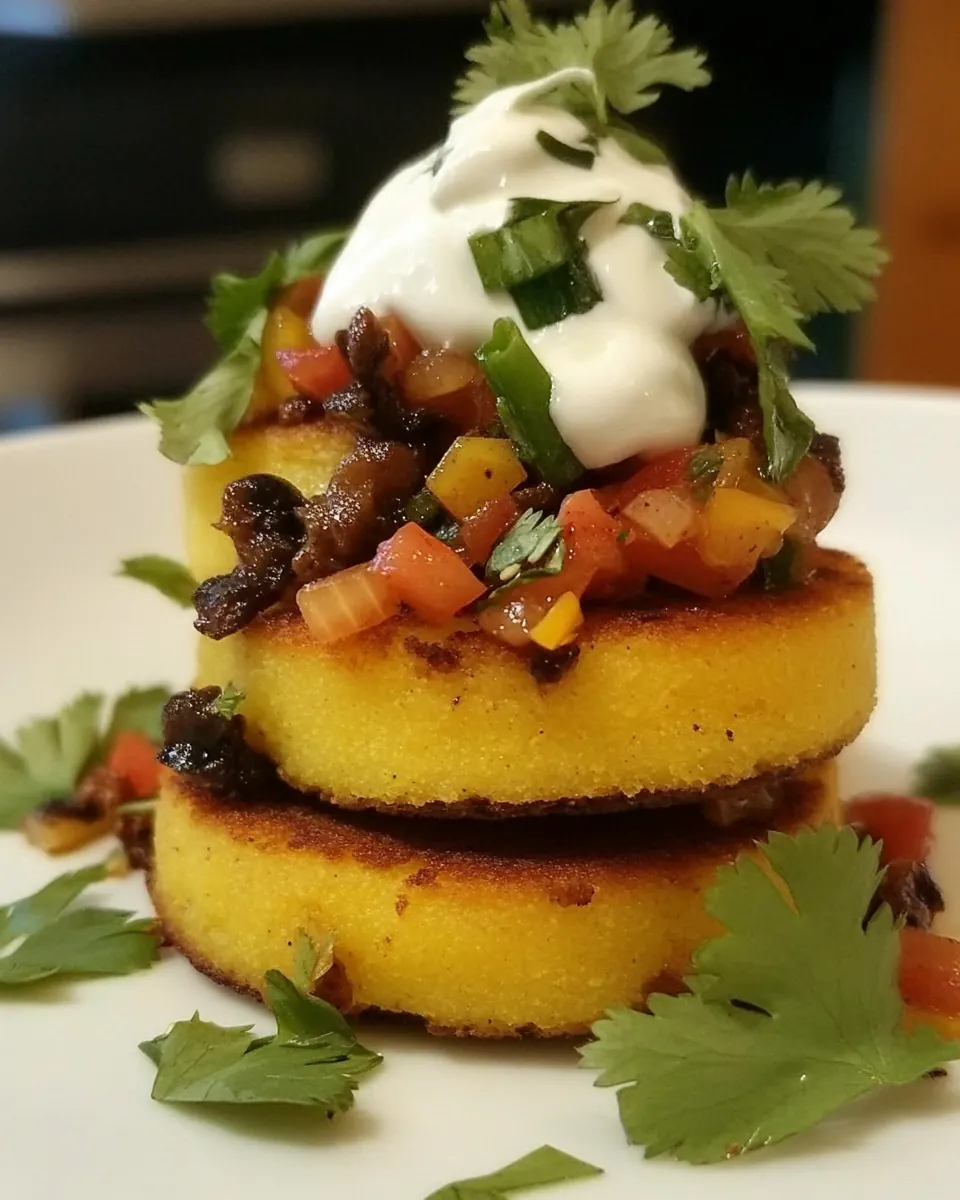
This section explores practical adaptations for different preferences and pantry situations. Each tip begins with a highlighted phrase to help you scan quickly, and then explains how to implement or why it matters. These ideas keep the essence of Southwestern Polenta Cakes while offering flexibility for dietary needs and flavor preferences.
- Boost the heat: If you want more spice, increase the chili powder by a small increment or add a pinch of cayenne for a sharper kick, but add gradually so the smoky paprika and cumin remain balanced.
- Make it heartier: Stir additional black beans into the tomato mixture to increase protein and make the topping more substantial without changing the technique or timing.
- Fresh corn swap: If you have fresh summer corn, cut kernels off the cob and add them during the final simmer for a sweeter, brighter pop compared with frozen.
- Create dairy free sauce: Use an unsweetened plant yogurt in place of Greek yogurt for a dairy free option, whisking with lime juice and cilantro to preserve the tangy finish.
- Make ahead: Cook the vegetable mixture a day ahead and store in the refrigerator, then reheat gently while you crisp the polenta so assembly is quick for guests.
- Oven finish: After crisping, place assembled cakes in a 350 degree oven for a few minutes to meld flavors and keep warm for serving without losing too much crunch.
Best Served With
These serving ideas focus on balance and occasion. The list includes complementary sides, occasions where the dish shines, and practical storage notes. Every suggestion aims to enhance the textured, smoky profile of Southwestern Polenta Cakes.
- Light green salad: Serve with a simple dressed green salad to provide contrast and a fresh, crisp counterpoint to the warm cakes.
- Grilled vegetables: Seasonal grilled vegetables make a natural companion, echoing the smoky notes without overwhelming the plate.
- Casual lunch or dinner: This recipe fits casual lunches and relaxed dinners alike, making it ideal for weekend meals or laid back weeknight cooking.
- Summer gatherings: Because it uses summer friendly elements like corn and fresh cilantro, it works well for warm weather get togethers and potlucks.
- Storage tip: Store leftover components separately, keeping the polenta and vegetable mixture in separate containers to preserve the texture of the cakes when reheating.
- Seasonal pairing: Pair with bright citrusy sides or a simple bean salad to emphasize the lively finish from the lime juice and yogurt sauce.
FAQ
Conclusion
What makes these Southwestern Polenta Cakes special is the way simple ingredients come together to create vibrant contrasts of texture and flavor. Warm, smoky vegetables and beans paired with crisp polenta and a tangy cilantro lime yogurt sauce deliver a satisfying bite that feels both comforting and bright. I encourage you to try this recipe because it is forgiving, adaptable, and perfect for sharing with friends or enjoying as a relaxed weeknight dinner. Once you taste that crunchy polenta topped with the saucy, spiced ragout and cool yogurt drizzle, I think you will find it becomes a reliable favorite in your rotation.

Southwestern Polenta Cakes
Equipment
- Large Skillet
- Another skillet
- Spatula
- Mixing Bowl
Ingredients
- 2 tablespoons olive oil divided Heat and sauté in a pan to provide the cooking fat and help brown vegetables; divided usage allows finishing polenta cakes with a crisp exterior while sautéing the filling separately for better texture and flavor.
- 1 onion diced Sweat and soften when diced and cooked, forming the aromatic base that releases natural sweetness and builds savory depth in the filling mixture.
- 1 garlic clove minced Infuse and brighten by being minced and heated briefly to release pungent, aromatic oils that enhance overall savory complexity without overpowering other flavors.
- 1 eggplant small, diced Add and tenderize when diced small, contributing meaty texture and absorbing spices and tomato juices for a hearty, satisfying component in the filling.
- 1 teaspoon chili powder Spice and warm by lending mild heat and earthy flavor; sprinkle during cooking to complement cumin and smoked paprika for a Southwestern profile.
- 1 teaspoon ground cumin Season and deepen by offering warm, slightly bitter, earthy notes; grind during sautéing to bloom its flavor and anchor the spice blend.
- 1 teaspoon smoked paprika Smoke and color by providing a warm, slightly sweet smoky note; add to the spice mix to enhance roasted flavors and harmonize with the eggplant and tomatoes.
- 1/4 teaspoon ea salt Balance and season finely to control overall saltiness; adding a measured pinch ensures flavors are bright and components like beans and tomatoes are properly seasoned.
- 15 ounces diced tomatoes can Moisten and simmer as a saucy base when added from the can; diced tomatoes add acidity, body, and juicy texture that unites the filling ingredients.
- 1 cup black beans cooked Protein and body when cooked, contribute creamy texture and hearty bite; incorporate for protein-rich substance and to complement the polenta cakes.
- 1/2 cup corn kernels frozen Sweeten and add pop when using frozen corn; kernels provide bursts of sweet flavor and contrast in texture within the savory filling.
- 1 prepared polenta package, sliced into 1/2 inch slices Layer and crisp by slicing prepared polenta into half-inch rounds that act as sturdy bases or cakes; these slices brown nicely and hold fillings without falling apart.
- 1/4 cup Greek yogurt Cream and cool when dolloped on top, offering tangy contrast that brightens spicy flavors and provides a silky counterpoint to crisp polenta.
- 2 tablespoons cilantro finely chopped, plus more for garnish Freshen and finish by adding chopped cilantro to the yogurt or filling, contributing herbaceous brightness and a clean finish; extra for garnish enhances visual appeal and aroma.
- 1 tablespoon lime juice fresh Acidify and lift with fresh lime juice, adding bright citrus acidity that balances richness, rounds spices, and heightens overall freshness in the finished dish.
Instructions
- Heat half the olive oil in a large skillet over medium heat. Add the onion, garlic, and eggplant and cook until soft, about 10 minutes. Add the spices and salt and cook for 1 more minute. Add the tomatoes and 1/2 cup water and bring to a boil. Simmer for 5 minutes and stir in the black beans and corn. Turn off heat.: The moment the oil begins to shimmer you will notice a subtle fruity aroma, which is your cue to add aromatics. As the onion and eggplant sizzle in the pan you should hear a soft popping and smell a sweet, savory perfume; this indicates moisture leaving the vegetables and sugars beginning to soften. This technique matters because gentle heat lets the onion sweeten and the eggplant mellow, creating a base that will soak up spices. A common mistake is using too high heat which can char the outsides before the insides soften, so keep the flame at medium and stir occasionally to ensure even cooking.
- In another skillet, heat remaining olive oil. Add the polenta slices and cook until light browned and crispy on both sides.: During this stage the pan will shift from noisy sizzle to a gentler hiss as the vegetables give up moisture, and the onion will become translucent while the eggplant collapses into tender pieces that melt when pressed with a spoon. This softness is important because it allows the spices and tomatoes to integrate fully without leaving hard chunks. Watch for bits sticking to the pan; if that happens, lower the heat and add a splash of water to deglaze and avoid bitterness, as burnt fond can taint the final flavors.
- Top the polenta slice with the vegetable mixture. To make the sauce, whisk together the yogurt with the cilantro and lime juice. Drizzle over top the polenta cakes and top with extra cilantro if desired.: As you sprinkle the chili powder , ground cumin , and smoked paprika , you will smell an instant burst of warmth and depth as the spices bloom in the fat. That one minute of toasting enhances aroma and layers complexity, which is why I never skip it even though it is brief. Keep the mixture moving so the spices bloom evenly, and avoid leaving them in contact with the hot pan too long to prevent burning and resultant bitterness.
- Add the tomatoes and 1/2 cup water and bring to a boil: Introducing the canned diced tomatoes and water transforms the pan into a simmering sauce, releasing bright acidity and softening the spice edges. The sound will shift to a steady simmer and small bubbles will rise, signaling the reduction process is underway. This simmer is essential for concentrating flavors and marrying the vegetables with the tomatoes, and a common pitfall is rushing this step; if you do not bring it to a gentle boil and then reduce, the sauce can stay watery and underdeveloped.
- Simmer for 5 minutes and stir in the black beans and corn: During the five minute simmer the sauce will thicken slightly and the aroma will intensify, with a rounded tomato sweetness balancing the smoky spices. When you fold in the black beans and corn , they should warm through without breaking up, adding creamy and sweet texture contrasts. Stir gently to keep the beans whole, and avoid over stirring which can mash them and change the texture of the topping.
- Turn off heat: Shutting the heat preserves the texture of the black beans and prevents the sauce from reducing too far, which maintains a pleasant moisture level for spooning over the polenta . The residual heat will continue to meld flavors without overcooking the beans. A common mistake is leaving the pan on heat which can evaporate too much liquid and make the topping dry, so step away promptly after turning off the burner.
- In another skillet, heat remaining olive oil: When the second skillet warms and the oil runs smoothly, it will create the ideal surface for crisping the polenta . The oil should shimmer but not smoke, and the moment you place a slice in the pan you will hear a gratifying sizzle that signals browning is beginning. This step sets up the textural contrast, and too little oil will cause sticking while too much will prevent crisping, so aim for a thin, even layer.
- Add the polenta slices and cook until light browned and crispy on both sides: As the polenta meets the hot oil it should develop a golden crust with tiny crackling sounds and a light fragrance of toasted corn. Flip carefully with a spatula to preserve the golden surface, and allow each side time to form a crust before turning. This crisp exterior is critical so the slices do not become soggy under the topping; flipping too soon or pressing down can prevent proper browning and make them gummy.
- Top the polenta slice with the vegetable mixture: When you spoon the warm vegetable ragout onto the crispy polenta , you will experience the contrast between hot and crisp, and you should notice the sauce settling into pockets of the crust. This layering is what makes each bite interesting, combining concentrated spice, soft vegetables, and cornmeal texture. Avoid piling on too much sauce which can overwhelm the crispness; a moderate spoonful keeps the balance intact.
- To make the sauce, whisk together the yogurt with the cilantro and lime juice: As you whisk, the Greek yogurt will become silky and fragrant with the herbaceous cilantro and bright lime juice . The aroma of fresh citrus will lift the bowl, providing a cooling counterpoint to the warm spices. This emulsion matters because it adds a creamy, acidic finish that cuts through richness, and a frequent oversight is using cold straight from the fridge without smelling the components together; let the yogurt sit a moment at room temperature if very chilled to allow flavors to open.
- Drizzle over top the polenta cakes and top with extra cilantro if desired: The final drizzle should glisten on the warm topping, and the contrast of creamy white sauce against the rustic ragout makes the plate feel composed. Fresh cilantro on top adds a green, lively note that completes the flavor arc. Serve promptly so the polenta retains its crispness, because letting the assembled cakes sit too long will yield a softer, less textural result.
Notes
- Boost the heat: If you want more spice, increase the chili powder by a small increment or add a pinch of cayenne for a sharper kick, but add gradually so the smoky paprika and cumin remain balanced.
- Make it heartier: Stir additional black beans into the tomato mixture to increase protein and make the topping more substantial without changing the technique or timing.
- Fresh corn swap: If you have fresh summer corn, cut kernels off the cob and add them during the final simmer for a sweeter, brighter pop compared with frozen.
- Create dairy free sauce: Use an unsweetened plant yogurt in place of Greek yogurt for a dairy free option, whisking with lime juice and cilantro to preserve the tangy finish.
- Make ahead: Cook the vegetable mixture a day ahead and store in the refrigerator, then reheat gently while you crisp the polenta so assembly is quick for guests.
- Oven finish: After crisping, place assembled cakes in a 350 degree oven for a few minutes to meld flavors and keep warm for serving without losing too much crunch.