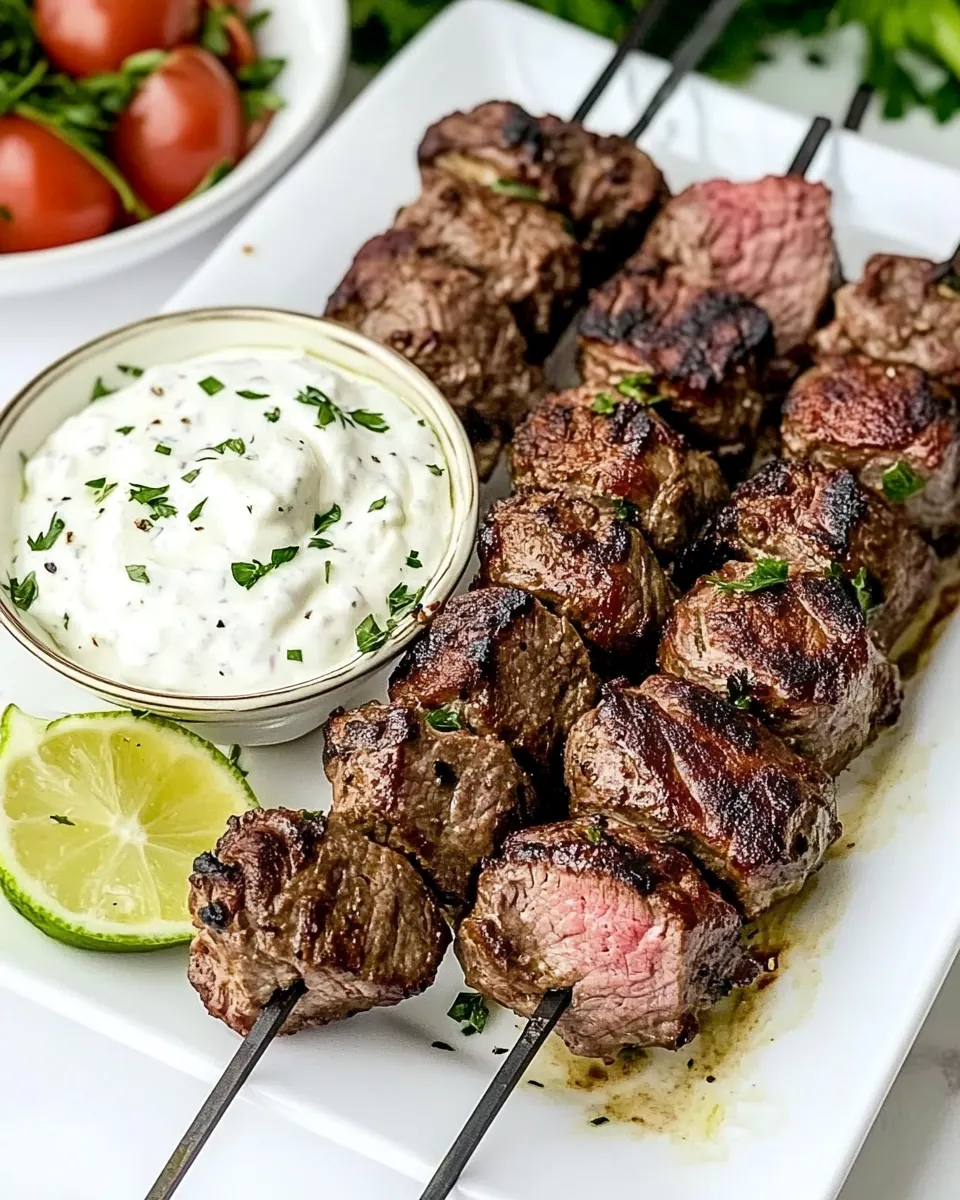
Greek Lamb Souvlaki
Greek Lamb Souvlaki is one of those recipes that rewired my idea of summer grilling the first time I made it for a small backyard gathering. I remember standing over a charcoal grill while the sun went down, the air filling with the warm, piney smoke and the bright tang of lemon in the marinade, and thinking that few things feel more rooted in place than skewers of lamb turning golden over an open flame.
That evening I chatted with friends, swapped stories, and kept turning the skewers so each side picked up even char and sheared texture. The simple mix of olive oil, lemon, and dried oregano turned humble chunks of leg of lamb into something vibrant and herbaceous. Over time I’ve adjusted the trim on the meat, the cube size, and how long I let the lamb come to room temperature before it hits the grill, and each tweak made the result more honest and deeply satisfying.
Recipe Snapshot
4 hr 10 mins
240 mins
10 mins
Hard
350 kcal
Mediterranean
Keto, Paleo
Dinner
Grill, Skewers, Mixing bowl, Colander
Why This Greek Lamb Souvlaki Hits Different
Bold concentrated flavor
I love how Greek Lamb Souvlaki captures powerful flavor without a laundry list of ingredients. The marinade soaks right into the leg of lamb, and when those herbs and citrus hit heat, you get an intense aroma that promises what the first bite delivers. I always notice guests leaning closer to the grill when the skewers are rotating, compelled by the savory scent.
Textural contrast
The combination of a quick sear, caramelized exterior, and tender interior is the reason I keep making this dish. When you cook the lamb to a perfect medium rare, the outside has a slight crust while the inside stays silky, which sings against crisp pita or a bright salad. I find that the contrast is what makes people pause and really taste each bite.
Quick to grill, big on impact
Even though I take care with trimming and marinating, the actual grill time is short. That balance makes this a fantastic choice for a relaxed summer night when you want a memorable meal that does not dominate the evening. I can prep earlier in the day and still feel like the host who spends time at the table rather than stuck by the stove.
Versatile and communal
Souvlaki invites sharing, and I like that communal aspect. It’s easy to thread skewers together for a crowd or keep it intimate for a family dinner. I often switch up how I serve it, pairing it with vegetables or a bold sauce, and it always fits the mood, whether casual or slightly elevated.
Reliable technique
Once you lock in the trimming, cube size, and marinating rhythm, the recipe becomes a trustworthy tool in your cooking repertoire. I appreciate recipes that behave predictably, and this one does. Each time I follow the approach, I get similar results, which is reassuring when I am feeding friends or testing a new side dish.
Ingredient List for Greek Lamb Souvlaki
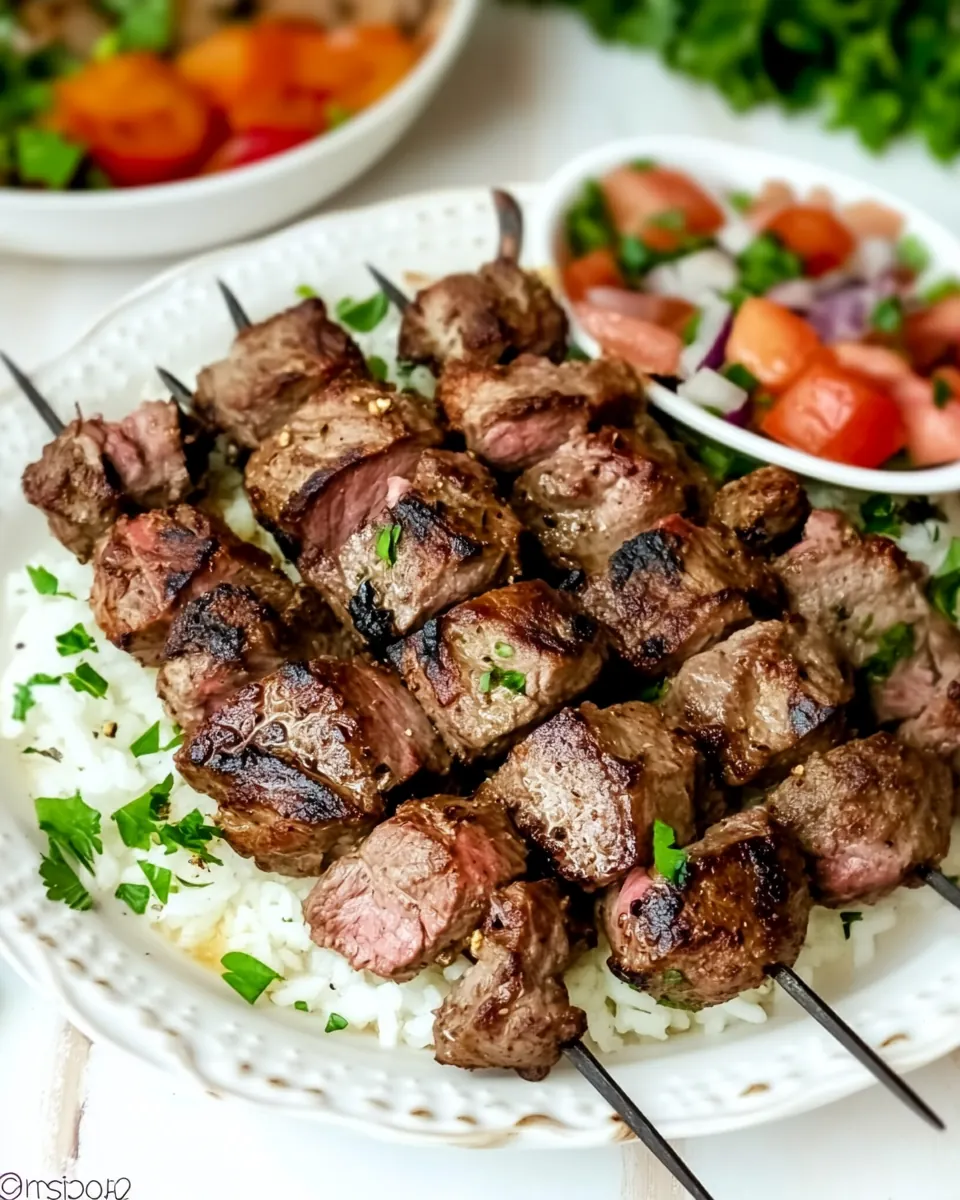
These ingredients form a lean, focused lineup built to highlight the natural character of the meat. The lamb provides the central savory backbone, while the olive oil carries the marinade, helping herb and citrus notes to cling to the meat. Together, the elements work as a team, one offering richness, another acidity, and the herbs bringing a sunbaked Mediterranean voice.
- 2 lb . leg of lamb (or slightly less if there isn't much fat to be trimmed): Trim and cube to ensure even cooking; provides rich, savory flavor and succulent texture when skewered and grilled, with rendered fat contributing to juiciness and browning. Marinate to infuse herbs, garlic, and citrus, which tenderizes the meat and layers complex Mediterranean flavors throughout each bite.
- olive oil or non-stick grill spray for brushing or spraying the grill: Brush or spray lightly to prevent sticking and promote even charring on grill grates; contributes to crisp, caramelized surfaces without adding heavy flavor. Use sparingly to control flare-ups while allowing the lamb's natural fats to render and create authentic grilled souvlaki char.
Making Greek Lamb Souvlaki
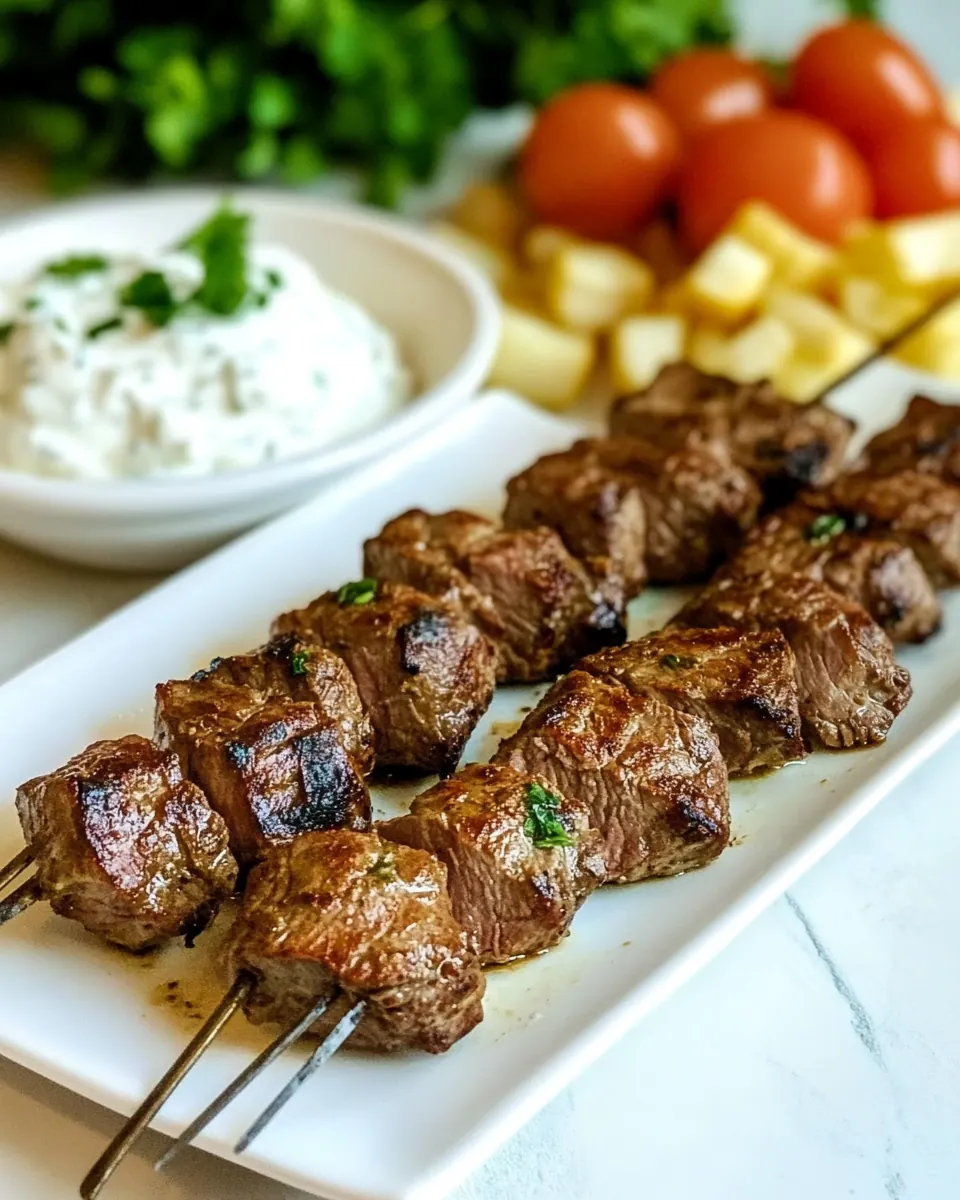
I like to keep the instructions conversational and reassuring so you can enjoy the ritual of prepping and grilling. The steps below expand on the directions, offering sensory cues and troubleshooting tips to make sure each skewer comes off the grill proud, not anxious.
- I started with two pounds leg of lamb and trimmed off most of the fat; take your choice on that. If your lamb doesn't have much fat you might not need two pounds: The first sensory cue is the feel of the meat as you trim, it should be firm and cold to the touch. Trimming removes large pockets of fat that can cause sudden flare ups and uneven cooking, while leaving some thin fat ensures flavor and moisture. Why this matters, fat that sits unevenly on chunks can cause one side to char too quickly, so trimming balances the sear. Troubleshooting tip, if you find excessive fat left, your grill may spit and char the outside before the interior warms, so aim for a moderate trim rather than removing all fat which can make the meat too lean and dry.
- Cut lamb into cubes a little over one inch square.: As you slice, notice the sound of the knife against the cutting board and the compact texture of the meat, which should hold shape without being tough. Uniform cubes cook evenly and create consistent browning on each face, producing satisfying grill marks across the pieces. Why this technique matters, smaller or uneven pieces will cook at different rates and can overcook quickly. Common mistake, cutting wildly different sizes will leave you juggling pieces that finish at different times and ruins the rhythm of grilling multiple skewers together.
- Whisk together olive oil, lemon juice, dried Greek Oregano (affiliate link), and granulated garlic or garlic powder to make the marinade.: When you whisk, observe the glossy sheen the olive oil creates as it emulsifies with the lemon, and breathe in the bright citrus and dried herb notes. This simple emulsion coats the lamb evenly and helps the herbs cling during marination. Why it matters, a balanced marinade penetrates and seasons without masking the lamb; if your lemon is too dominant it can cook the surface, so aim for harmony. Troubleshooting, if your mixture separates, whisk again or add a tiny pinch of salt to help bind the ingredients.
- Put the lamb cubes inside a Ziploc bag (or use a plastic container with a snap-tight lid) and add the marinade.: As you slide the lamb into the bag, you should see the cubes glisten under the marinade, each piece getting a light coat. Sealing and massaging the bag helps distribute the flavors and makes every surface contact the marinade. Why this step matters, tight contact ensures flavor penetration. Mistake to avoid, leaving too much air in the bag prevents full contact and results in patchy seasoning, so press out excess air before sealing.
- Marinate the lamb cubes at least 4 hours (or marinating all day won't hurt) in the refrigerator.: During the wait, note how the meat darkens slightly and absorbs scent from the herbs and lemon. Extended time allows deeper flavor infusion, but over marinating for many days can soften the texture excessively. Why timing is important, four hours gives a pronounced flavor without breaking down proteins too much. Troubleshooting, if you forget to refrigerate the bag, discard the marinade and start again to ensure food safety.
- Dump the lamb and marinade into a colander placed in the sink, drain off the marinade, and let lamb cubes come to room temperature while you heat the grill to medium-high heat.: You will see the marinade drip away leaving a glossy coating that clings to the lamb, and as the cubes warm a bit the surface becomes less chilled so they sear rather than steam. Why this matters, bringing meat closer to room temperature helps sear quickly, locking juices inside. Common mistake, placing cold meat on hot grill can drop the grill temperature and cause uneven cooking, so allow a brief resting period for balance.
- Thread lamb cubes on to skewers. If you don't have blade-type skewers like these great skewers I bought in Turkey or double skewers for kabobs be sure to push the cubes of lamb tightly together so they won't spin around on the grill. (affiliate links): As you thread, notice how tightly packed pieces feel stable and ready to be turned, which encourages even contact with the grates. Using two parallel skewers or closely packed cubes prevents pieces from rotating and ensures even char on all sides. Why it helps, stationary pieces hit the same grill pattern and cook at an even pace. Troubleshooting tip, if cubes spin on thin skewers, double them up or compress the cubes closer together to avoid slipping.
- Place skewers on the grill and rotate every 2-3 minutes to get nice grill marks on the meat.: Expect a gentle crackle and the smell of searing as protein hits metal, and you will see distinct grill lines form in minutes. Regular rotation encourages balanced charring and helps develop an even crust across faces. Why timing matters, too frequent turning prevents a good sear, while too rare turning risks burning spots. Mistake to avoid, moving skewers constantly will keep them from developing those beautiful caramelized edges you want.
- Cook lamb about 8 minutes for medium rare or 9-10 minutes for medium, but don't overcook.: As the lamb cooks you will notice juices tightening and a subtle color shift at the edges, signaling internal warming. A quick press test shows springiness for medium rare, and the aroma becomes richer as sugars caramelize. Why precise cooking matters, overcooking dries the lamb and flattens the flavors, so aim for the target times and use a thermometer if unsure. Troubleshooting, if you end up past medium, slice across the grain for shorter fibers which helps the texture feel less dry.
- Season cooked lamb with a little salt and fresh-ground black pepper and serve hot.: Right off the grill, the lamb will radiate warmth and a concentrated savory perfume, and a light finishing of salt and cracked pepper brightens every bite. Serving immediately locks in the textural contrast between the crisped exterior and tender interior. Why this final touch matters, finishing salt enhances the meat's natural flavors. Common error, salting too early can draw moisture out, so save this seasoning until after cooking.
- Souvlaki is great served with The World's Best Tzatziki Sauce.: The cooling, tangy character of a thick sauce balances the warm, herb roasted notes of the lamb, cutting through richness and adding freshness. Think of spoonfuls of creamy sauce painting the meat and softening each bite with verdant cucumber and garlic notes. Why pairing matters, the sauce introduces temperature and texture contrast that elevates the entire plate. Troubleshooting, if your sauce is too thin, strain excess liquid and chill so it clings better to the meat.
Tips and Variations
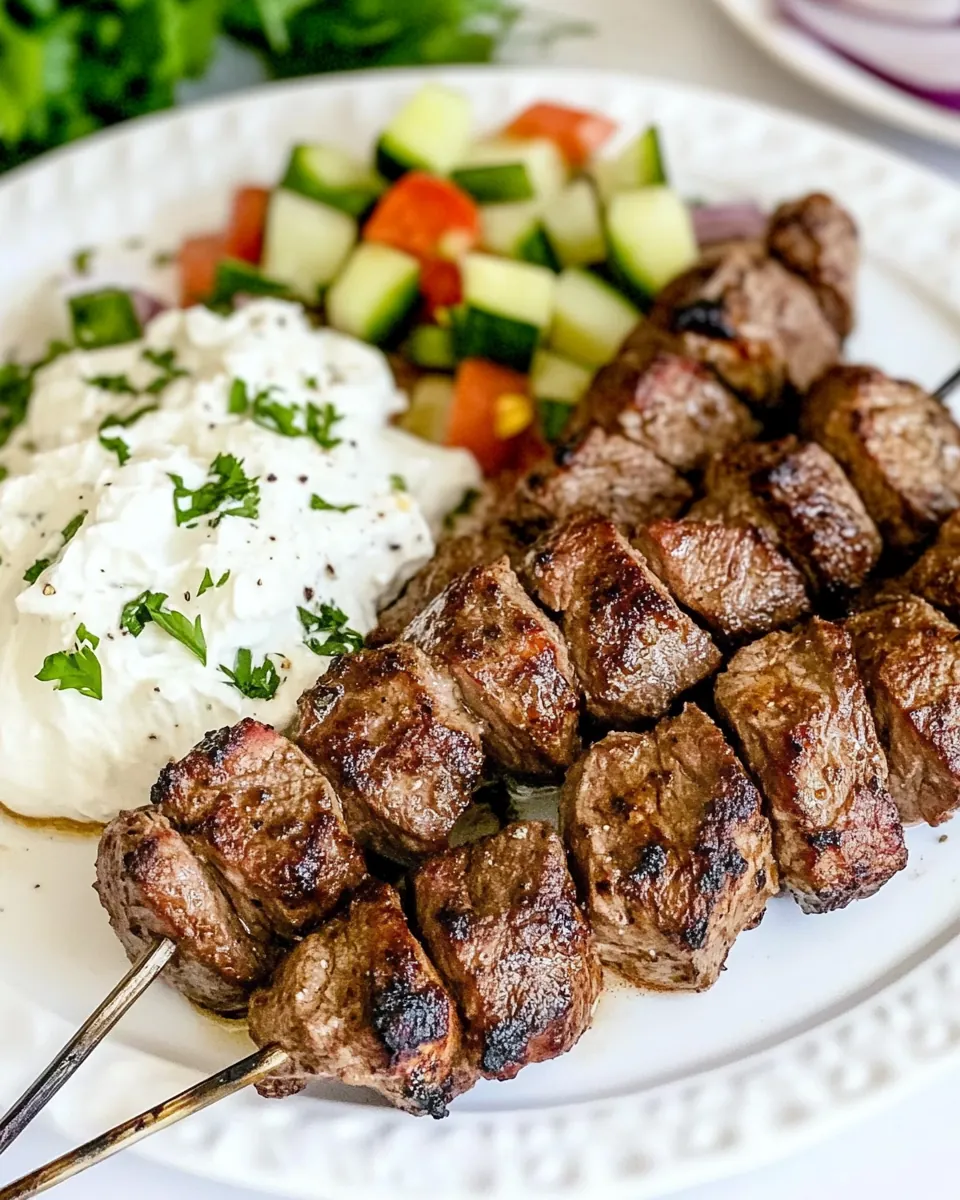
I like to offer practical variations and small adjustments that make this recipe adaptable to different kitchens and tastes. These tips cover prep, grilling, and serving so you can pick what works for your rhythm without straying from the character of the dish.
- Trim smartly — When trimming the leg of lamb, leave a thin layer of fat for flavor, but remove large deposits that will cause flare ups. This balance prevents excessive charring while retaining succulence.
- Marinate just enough — Four hours is a reliable minimum for the marinade to penetrate the cubes; marinating all day adds depth, but avoid multi day marination which can soften the meat too much.
- Use the right skewer approach — If you only have thin skewers, thread meat tightly or use two skewers per kebab to stop pieces from spinning, ensuring even contact with the grill.
- Control grill heat — Aim for medium high to get a quick sear without burning, and adjust by moving skewers to a cooler zone if flare ups occur. Consistent temperature is your friend here.
- Finish simply — A light sprinkle of salt and fresh ground black pepper right after removing from the grill brightens flavors; avoid salting heavily beforehand to prevent moisture loss.
- Serve hot — Souvlaki is best enjoyed straight off the grill, as the contrast between warm meat and a cool sauce like tzatziki is a key part of the experience.
Serving Options for Greek Lamb Souvlaki
How you serve Greek Lamb Souvlaki can change the meal from casual to celebratory. Below are thoughtful serving suggestions, side pairings, and ideas for occasions and storage so the dish fits into many different contexts.
- Classic platter — Arrange the skewers on a platter with warm pita, sliced red onion, and lemon wedges for squeezing, allowing guests to assemble as they like.
- With a cool sauce — Serve alongside a thick tzatziki or yogurt based dip to add creaminess and a bright counterpoint to the rich grilled lamb.
- Vegetable sides — Offer grilled vegetables such as peppers and zucchini or a crisp salad tossed lightly in lemon, which complements the herbiness of the meat.
- Special occasions — This is a great choice for summer gatherings, Ramadan if breaking fast at sunset, or a relaxed dinner party where sharing is encouraged.
- Storage — Keep leftover cooked lamb in an airtight container in the refrigerator for up to three days, and reheat gently to avoid drying; sliced cold lamb also works well in salads or sandwiches.
- Seasonal pairing — In summer serve with fresh tomatoes and cucumbers to echo the bright citrus notes in the marinade, and in cooler months pair with roasted root vegetables for a heartier plate.
FAQ
Conclusion
Greek Lamb Souvlaki shines because it pairs straightforward technique with bold Mediterranean flavors, delivering tender, herb kissed lamb with crisp, caramelized edges. You should try this recipe because it is both reliably impressive and friendly for casual gatherings, allowing you to focus on company rather than complicated cooking. I hope you enjoy the ritual of marinating, threading, and grilling as much as I do, and that these skewers become a go to for warm evenings and shared plates.
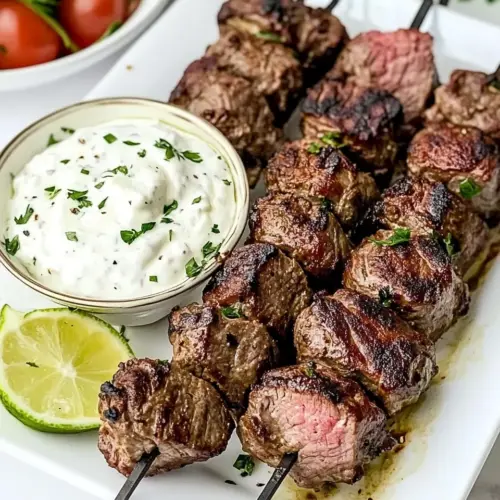
Greek Lamb Souvlaki
Equipment
- Grill
- Skewers
- Mixing Bowl
- Colander
Ingredients
- 2 lb . leg of lamb (or slightly less if there isn't much fat to be trimmed) Trim and cube to ensure even cooking; provides rich, savory flavor and succulent texture when skewered and grilled, with rendered fat contributing to juiciness and browning. Marinate to infuse herbs, garlic, and citrus, which tenderizes the meat and layers complex Mediterranean flavors throughout each bite.
- olive oil or non-stick grill spray for brushing or spraying the grill Brush or spray lightly to prevent sticking and promote even charring on grill grates; contributes to crisp, caramelized surfaces without adding heavy flavor. Use sparingly to control flare-ups while allowing the lamb's natural fats to render and create authentic grilled souvlaki char.
Instructions
- I started with two pounds leg of lamb and trimmed off most of the fat; take your choice on that. If your lamb doesn't have much fat you might not need two pounds: The first sensory cue is the feel of the meat as you trim, it should be firm and cold to the touch. Trimming removes large pockets of fat that can cause sudden flare ups and uneven cooking, while leaving some thin fat ensures flavor and moisture. Why this matters, fat that sits unevenly on chunks can cause one side to char too quickly, so trimming balances the sear. Troubleshooting tip, if you find excessive fat left, your grill may spit and char the outside before the interior warms, so aim for a moderate trim rather than removing all fat which can make the meat too lean and dry.
- Cut lamb into cubes a little over one inch square.: As you slice, notice the sound of the knife against the cutting board and the compact texture of the meat, which should hold shape without being tough. Uniform cubes cook evenly and create consistent browning on each face, producing satisfying grill marks across the pieces. Why this technique matters, smaller or uneven pieces will cook at different rates and can overcook quickly. Common mistake, cutting wildly different sizes will leave you juggling pieces that finish at different times and ruins the rhythm of grilling multiple skewers together.
- Whisk together olive oil, lemon juice, dried Greek Oregano (affiliate link), and granulated garlic or garlic powder to make the marinade.: When you whisk, observe the glossy sheen the olive oil creates as it emulsifies with the lemon, and breathe in the bright citrus and dried herb notes. This simple emulsion coats the lamb evenly and helps the herbs cling during marination. Why it matters, a balanced marinade penetrates and seasons without masking the lamb; if your lemon is too dominant it can cook the surface, so aim for harmony. Troubleshooting, if your mixture separates, whisk again or add a tiny pinch of salt to help bind the ingredients.
- Put the lamb cubes inside a Ziploc bag (or use a plastic container with a snap-tight lid) and add the marinade.: As you slide the lamb into the bag, you should see the cubes glisten under the marinade, each piece getting a light coat. Sealing and massaging the bag helps distribute the flavors and makes every surface contact the marinade. Why this step matters, tight contact ensures flavor penetration. Mistake to avoid, leaving too much air in the bag prevents full contact and results in patchy seasoning, so press out excess air before sealing.
- Marinate the lamb cubes at least 4 hours (or marinating all day won't hurt) in the refrigerator.: During the wait, note how the meat darkens slightly and absorbs scent from the herbs and lemon. Extended time allows deeper flavor infusion, but over marinating for many days can soften the texture excessively. Why timing is important, four hours gives a pronounced flavor without breaking down proteins too much. Troubleshooting, if you forget to refrigerate the bag, discard the marinade and start again to ensure food safety.
- Dump the lamb and marinade into a colander placed in the sink, drain off the marinade, and let lamb cubes come to room temperature while you heat the grill to medium-high heat.: You will see the marinade drip away leaving a glossy coating that clings to the lamb, and as the cubes warm a bit the surface becomes less chilled so they sear rather than steam. Why this matters, bringing meat closer to room temperature helps sear quickly, locking juices inside. Common mistake, placing cold meat on hot grill can drop the grill temperature and cause uneven cooking, so allow a brief resting period for balance.
- Thread lamb cubes on to skewers. If you don't have blade-type skewers like these great skewers I bought in Turkey or double skewers for kabobs be sure to push the cubes of lamb tightly together so they won't spin around on the grill. (affiliate links): As you thread, notice how tightly packed pieces feel stable and ready to be turned, which encourages even contact with the grates. Using two parallel skewers or closely packed cubes prevents pieces from rotating and ensures even char on all sides. Why it helps, stationary pieces hit the same grill pattern and cook at an even pace. Troubleshooting tip, if cubes spin on thin skewers, double them up or compress the cubes closer together to avoid slipping.
- Place skewers on the grill and rotate every 2-3 minutes to get nice grill marks on the meat.: Expect a gentle crackle and the smell of searing as protein hits metal, and you will see distinct grill lines form in minutes. Regular rotation encourages balanced charring and helps develop an even crust across faces. Why timing matters, too frequent turning prevents a good sear, while too rare turning risks burning spots. Mistake to avoid, moving skewers constantly will keep them from developing those beautiful caramelized edges you want.
- Cook lamb about 8 minutes for medium rare or 9-10 minutes for medium, but don't overcook.: As the lamb cooks you will notice juices tightening and a subtle color shift at the edges, signaling internal warming. A quick press test shows springiness for medium rare, and the aroma becomes richer as sugars caramelize. Why precise cooking matters, overcooking dries the lamb and flattens the flavors, so aim for the target times and use a thermometer if unsure. Troubleshooting, if you end up past medium, slice across the grain for shorter fibers which helps the texture feel less dry.
- Season cooked lamb with a little salt and fresh-ground black pepper and serve hot.: Right off the grill, the lamb will radiate warmth and a concentrated savory perfume, and a light finishing of salt and cracked pepper brightens every bite. Serving immediately locks in the textural contrast between the crisped exterior and tender interior. Why this final touch matters, finishing salt enhances the meat's natural flavors. Common error, salting too early can draw moisture out, so save this seasoning until after cooking.
- Souvlaki is great served with The World's Best Tzatziki Sauce.: The cooling, tangy character of a thick sauce balances the warm, herb roasted notes of the lamb, cutting through richness and adding freshness. Think of spoonfuls of creamy sauce painting the meat and softening each bite with verdant cucumber and garlic notes. Why pairing matters, the sauce introduces temperature and texture contrast that elevates the entire plate. Troubleshooting, if your sauce is too thin, strain excess liquid and chill so it clings better to the meat.
Notes
- Trim smartly — When trimming the leg of lamb, leave a thin layer of fat for flavor, but remove large deposits that will cause flare ups. This balance prevents excessive charring while retaining succulence.
- Marinate just enough — Four hours is a reliable minimum for the marinade to penetrate the cubes; marinating all day adds depth, but avoid multi day marination which can soften the meat too much.
- Use the right skewer approach — If you only have thin skewers, thread meat tightly or use two skewers per kebab to stop pieces from spinning, ensuring even contact with the grill.
- Control grill heat — Aim for medium high to get a quick sear without burning, and adjust by moving skewers to a cooler zone if flare ups occur. Consistent temperature is your friend here.
- Finish simply — A light sprinkle of salt and fresh ground black pepper right after removing from the grill brightens flavors; avoid salting heavily beforehand to prevent moisture loss.
- Serve hot — Souvlaki is best enjoyed straight off the grill, as the contrast between warm meat and a cool sauce like tzatziki is a key part of the experience.
