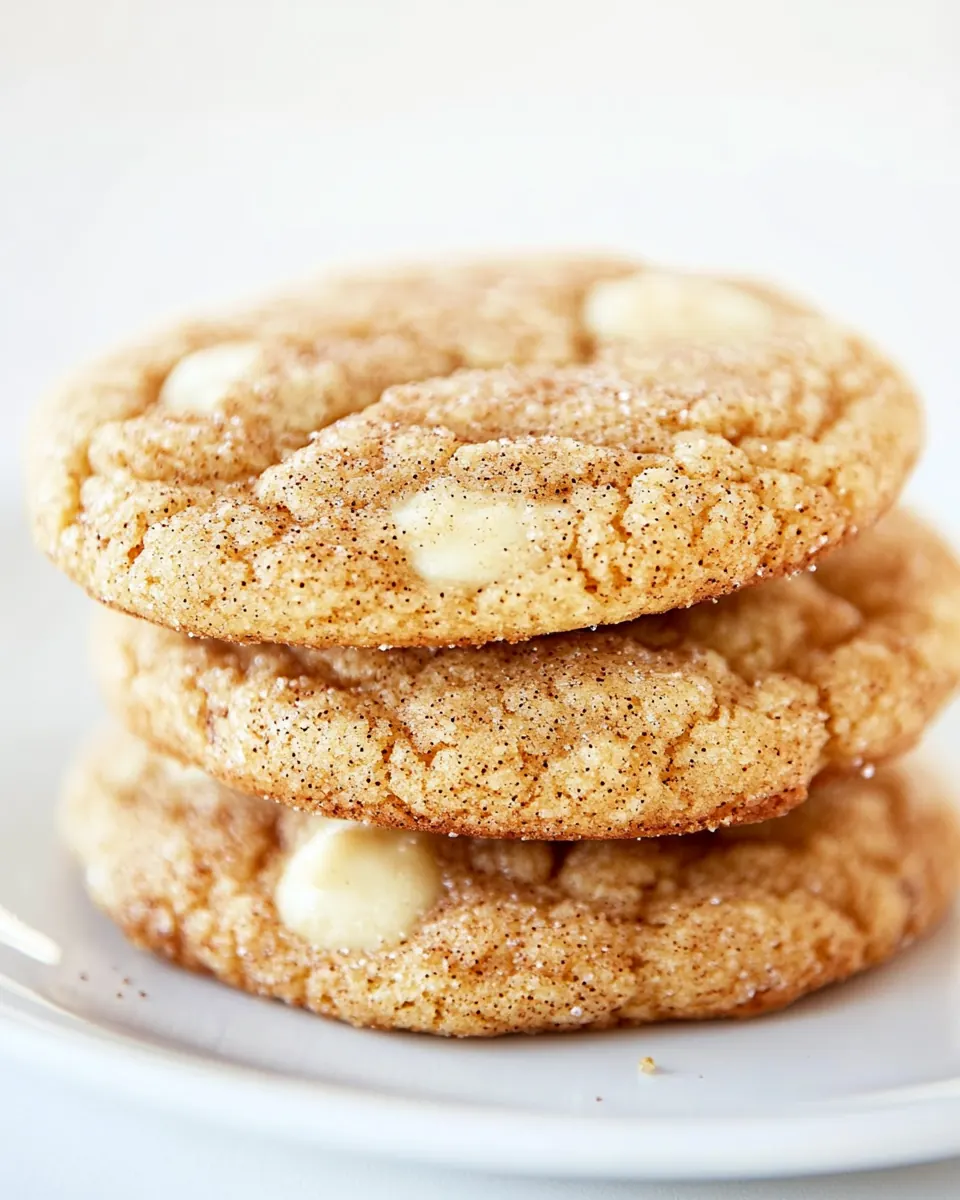
Snickerdoodles with White Chocolate Chips
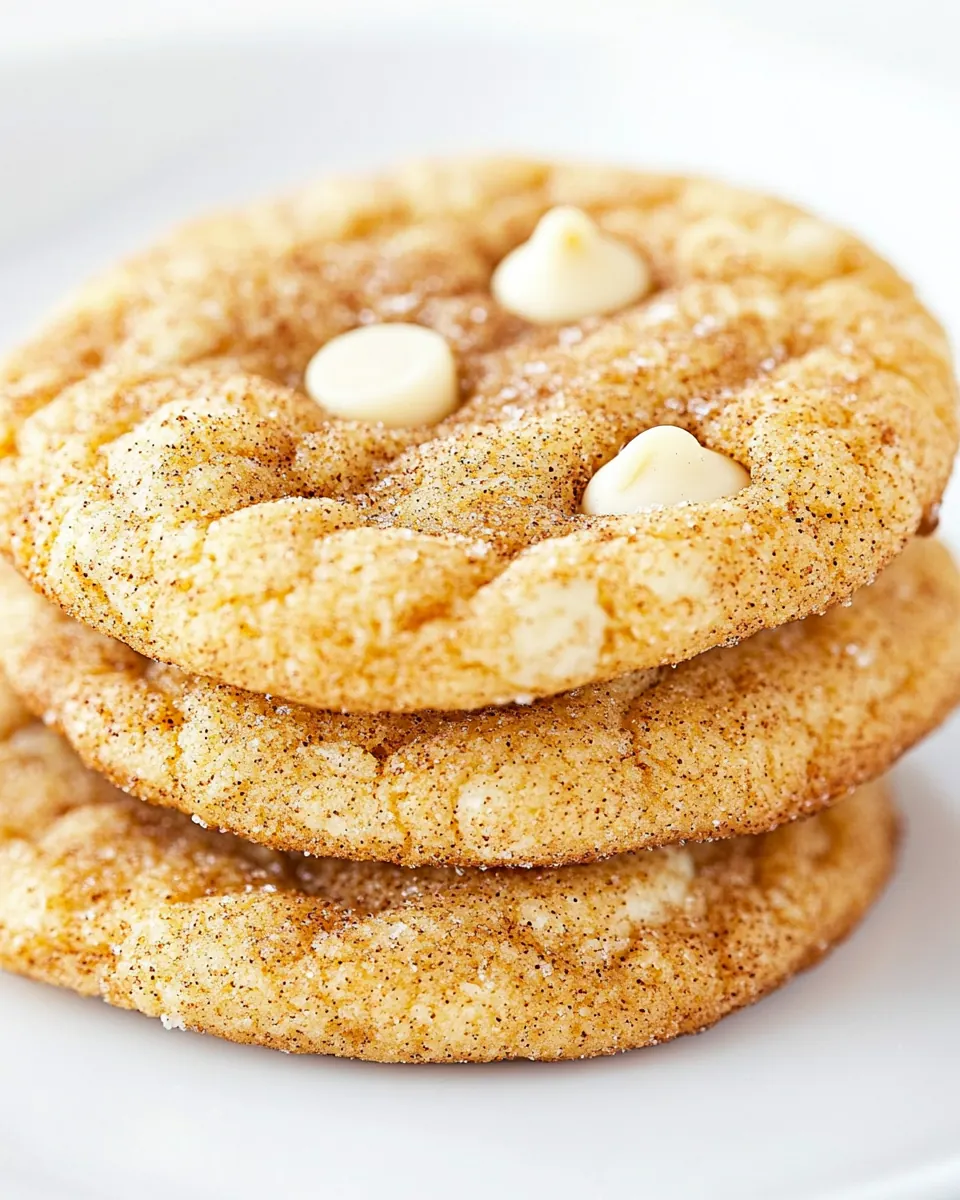
Snickerdoodles with White Chocolate Chips are the kind of cookie that turns an ordinary afternoon into a memory, and the very first time I tasted one warm from the oven I was hooked. I remember carrying a tray across my tiny kitchen, the aroma of cinnamon and sugar weaving through the house, and how the soft crackled tops gave way to a tender interior studded with melting white chocolate.
Over the years I have tweaked this recipe until it felt just right for sharing with friends. The balance between the buttery dough and the sweet pockets of white chocolate chips is what keeps people coming back, and rolling each ball in cinnamon sugar is a small ritual that signals comfort. When I bake these for gatherings, they go faster than I can set down the platter, and the simple ingredients make them approachable on a busy afternoon.
Recipe Snapshot
22 mins
10 mins
12 mins
Easy
150 kcal
American
Gluten-Free, Low FODMAP
Desserts
Mixing bowl, Wooden spoon, Measuring cups, Measuring spoons, Cookie sheet, Cooling rack
Why This Snickerdoodles with White Chocolate Chips Works
Classic Comfort with a Twist
I love how Snickerdoodles with White Chocolate Chips honor a beloved childhood cookie while introducing a creamy, modern sweetness. The white chocolate chips melt into little molten pockets, contrasting the cinnamon kissed exterior, so every bite feels familiar yet new.
Easy to Make, Easy to Share
These cookies come together with pantry staples. I appreciate recipes that let me chat with guests while they bake, and this one does just that. Because the dough is straightforward, you can scale up for a party without much stress.
Textural Play
The crackled tops and soft centers create a satisfying mouthfeel. I like how the cilnnamon sugar coating provides a slight crisp that gives way to a tender crumb, while the white chocolate chips add creamy contrast.
Reliable Results
After some trial runs, I learned the exact visual cues that indicate doneness, so these cookies hit the sweet spot between chewy and cakey almost every time. That dependability is why I keep this recipe in heavy rotation.
Perfect for Gifting
They travel well in an airtight tin and feel special without being fussy. I often tuck a few into a note for friends, because a small jar of cookies says I care without needing an occasion.
Essential Ingredients for Snickerdoodles with White Chocolate Chips
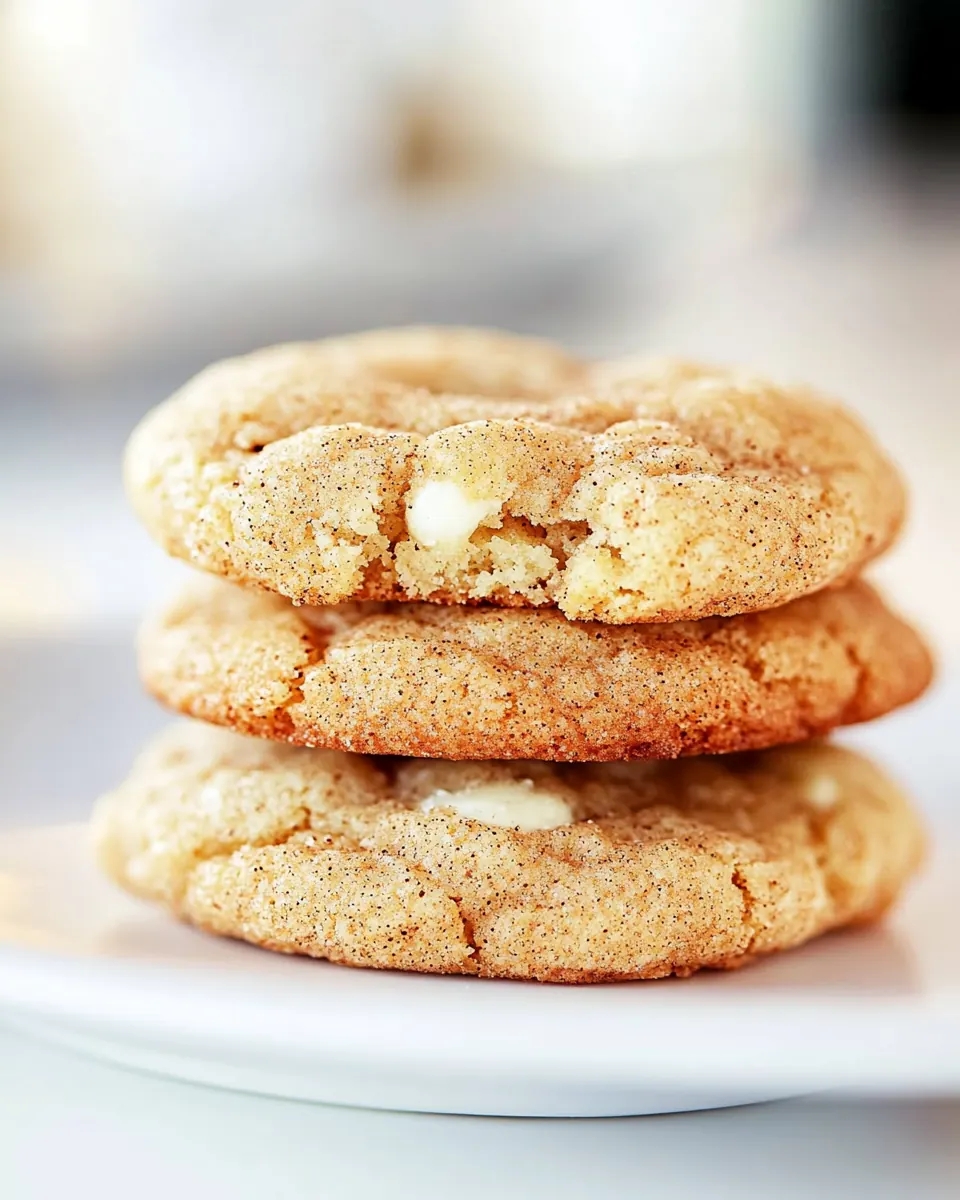
These ingredients are a study in harmony. The base of the recipe is a tender dough that gets its distinctive tang from cream of tartar, while the sweet and spicy coating highlights the cookie s surface. Each component plays a specific role: fat for tenderness, sugar for structure and browning, leavening for lift, and white chocolate chips for pockets of creamy sweetness.
- 1 cup butter-flavored shortening: Provides a tender, rich base and helps create a flaky, soft texture in the dough; contributes fat that traps air for lightness and aids in spreading during baking. Imparts subtle buttery flavor and improves mouthfeel while helping other ingredients bind together. Works well at room temperature for creaming with sugar to introduce structure and leavening.
- 1 1/2 cups sugar: Adds bulk sweetness and helps with caramelization and browning when baked; contributes to the cookie’s crisp edges and sweet profile. Assists in creaming with shortening to incorporate air for a lighter crumb. Helps balance flavors and preserve texture during storage.
- 2 eggs: Adds moisture and acts as a binding and leavening aid through trapped air; contributes to structure and richness in the batter. Provides proteins that help set the cookie’s crumb as it bakes. Also assists in emulsifying fat and liquid for a uniform dough.
- 2 3/4 cups flour: Forms the primary structure and framework of the cookies by providing gluten when mixed; determines thickness and chewiness depending on handling. Balances dry-to-wet ratio and absorbs moisture from fats and eggs to create proper dough consistency. Enables proper shaping and stability during baking.
- 2 teaspoons cream of tartar: Provides acidity that reacts with baking soda to create lift and a tender crumb; contributes a slight tang that enhances overall flavor. Helps produce the characteristic snickerdoodle texture by supporting leavening reactions. Balances sweetness and can improve shelf life by affecting pH.
- 1 teaspoon soda: Reacts with acidic ingredients to produce carbon dioxide for gentle leavening and tenderization; helps achieve the classic light, slightly puffy snickerdoodle texture. Controls rise so cookies don’t become overly dense. Works in concert with cream of tartar for predictable lift.
- 1/2 teaspoon salt: Balances sweetness and enhances overall flavor by moderating acidity and supporting gluten formation; helps control fermentation and texture. Provides necessary ionic strength in dough for consistent mixing and baking performance. Prevents overly flat cookies by contributing to structural integrity.
- 3/4 cup white chocolate chips: Introduces pockets of sweet, creamy flavor and a contrasting texture when baked; melts slightly to create soft, luxurious bites within each cookie. Adds visual appeal and a different sweetness profile compared to granulated sugar. Complements the cinnamon–sugar coating for a more complex taste.
- 1 cup sugar: Creates the signature outer coating when combined with cinnamon; adds additional sweetness and helps form a lightly crisp crust on the exterior. Assists in caramelization at the cookie edges and balances the dough’s richness. Provides immediate perceived sweetness on each bite.
- 1/2 tablespoon cinnamon: Provides aromatic warmth and a spicy contrast to the sweet dough; enhances overall flavor complexity and defines the snickerdoodle profile. Adds a fragrant coating that pairs well with the creamy chips and buttery base. Offers a slight heat that complements the cookie’s sweetness.
Recipe Directions for Snickerdoodles with White Chocolate Chips
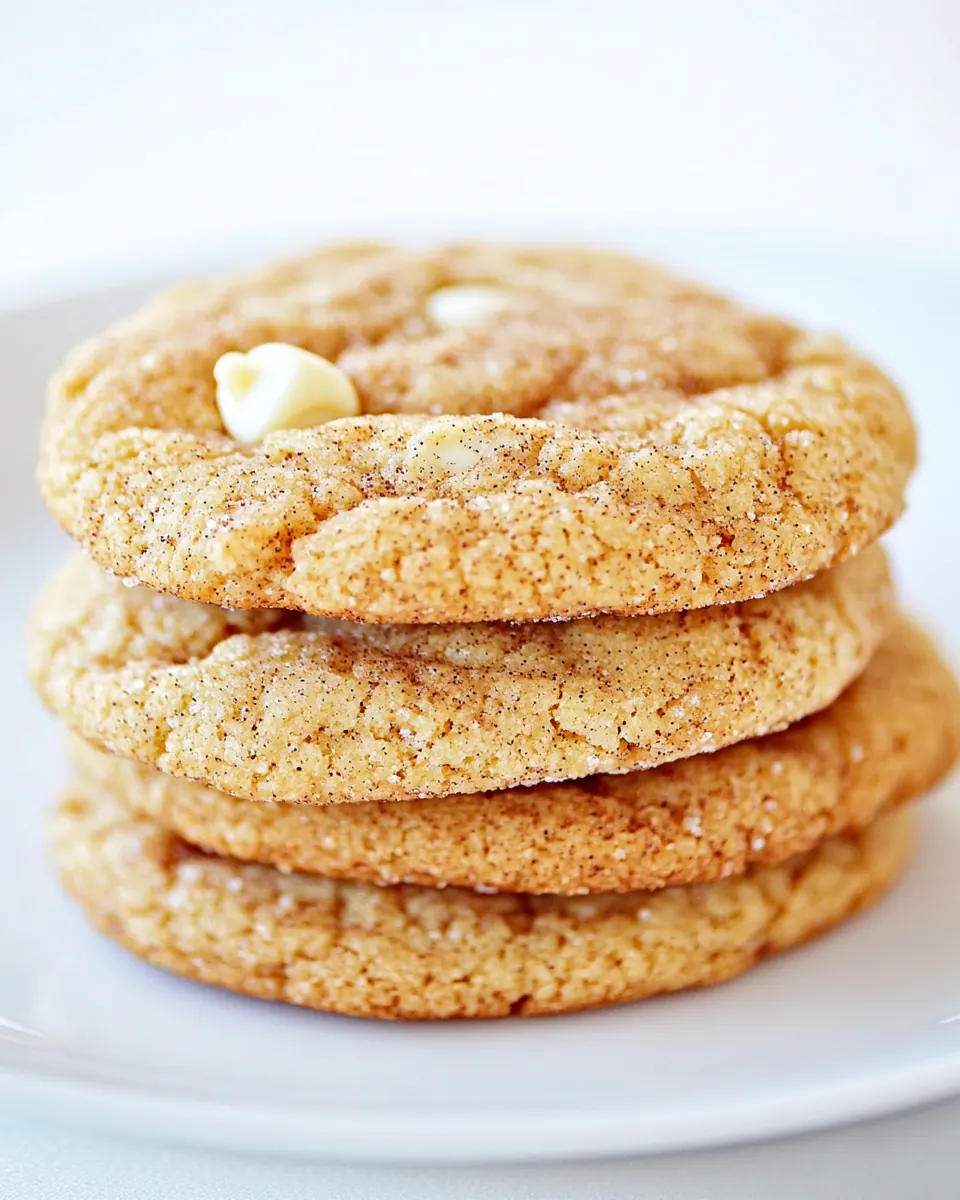
These directions are straightforward and friendly, written so you can bake while chatting or listening to music. Keep an eye on visual cues and smell, because cookies change quickly toward the end of bake time. I like to have my cooling rack ready before the cookies come out so the process flows.
- Preheat oven to 375°F.: The moment you feel the warm, dry heat from a preheated oven, you know it's ready, and consistent oven temperature is critical for even rise and cracking on top. When you preheat fully, the first contact of the dough with the hot tray starts the leavening reaction immediately, producing those signature cracks. A common mistake is underpreheating, which leads to flat, greasy cookies, so allow the oven to reach temperature before baking and use an oven thermometer if you suspect inaccurate heat.
- In a large mixing bowl, cream the shortening, sugar and eggs until creamy. Sift the flour, cream of tartar, soda and salt into the sugar mixture and whisk to combine. Use a wooden spoon to mix in the white chocolate chips.: As you beat, listen for the change in texture from gritty to smooth, and watch as the mixture lightens slightly and becomes glossy, which tells you air has been incorporated for lift. Proper creaming dissolves sugar into fat and eggs, creating a stable base for the flour to join. If you skip thorough creaming you'll have dense cookies, so take the time to beat until smooth and unified, stopping to scrape the bowl so no pockets of shortening remain.
- In a small bowl, whisk the sugar with the cinnamon. Use a #24 scoop or 2 tablespoon scoops to portion the dough and roll into balls. Dip each ball into the cinnamon sugar mixture and place 6 dough balls on a lightly greased or parchment prepared cookie sheet.: When you sift and whisk, the dry blend becomes airy and uniform, preventing lumps and ensuring even distribution of the leavening agents so every cookie responds the same during baking. The smell is neutral at this point, but the texture of the dough will start to thicken as the flour hydrates. Overmixing here will develop gluten and toughen the cookies, so fold until just combined.
- Bake for 9-12 minutes or until cookies rise and crack on top. The cookies won't brown so be careful not to over bake. Allow the cookies to cool on the sheet for 10 minutes then transfer to a cooling rack. Store the cookies in an airtight container for up to 3 days.: Stirring by hand with a wooden spoon lets you feel the dough s consistency and ensures the white chocolate chips are distributed without breaking them. You will notice the chips dotting the dough like tiny islands, promising melty bites after baking. A common issue is overworking the dough so the chips break or melt into the mix; fold gently until they are evenly scattered.
- In a small bowl, whisk the sugar with the cinnamon.: The scent of cinnamon will bloom as you whisk, creating an inviting aroma that hints at the cookies to come. This coating provides a sweet, slightly crunchy contrast to the tender cookie inside. Make sure the cinnamon is evenly blended with the sugar so each ball gets consistent flavor; clumps of cinnamon will create uneven pockets of spice.
- Use a #24 scoop or 2 tablespoon scoops to portion the dough and roll into balls.: When you portion with a scoop you get uniform cookies that bake evenly, and the dough should feel slightly tacky but hold shape when rolled into a ball. Rolling warms the surface slightly, which helps the coating adhere. If you scoop unevenly, some cookies will overbake while others remain underdone, so be consistent with scoop size.
- Dip each ball into the cinnamon sugar mixture and place 6 dough balls on a lightly greased or parchment prepared cookie sheet.: As you roll in the coating you will notice the sugar sticking and forming a glistening shell, and placing space between the balls allows them to spread into round, cracked tops. Using parchment prevents sticking and browning on the bottom. Crowding the sheet leads to merged cookies, so leave ample space and bake in batches if needed.
- Bake for 9 to 12 minutes or until cookies rise and crack on top.: Watch for the telltale cracked surface; the cookies will still be pale but set at the edges, and you may smell a sweet, cinnamon note as they finish. Because these cookies do not brown much, resist the urge to bake until golden or they will dry out. Overbaking is the most common mistake here, so check at the lower end of the time range and trust the cracks and slight firmness at the edge rather than color.
- Allow the cookies to cool on the sheet for 10 minutes then transfer to a cooling rack.: Cooling on the sheet lets the centers finish setting while the bottoms relax, and moving them too soon can cause them to break apart. After a brief rest they will lift easily and continue to firm on the rack, maintaining a tender interior. A mistake is immediately stacking warm cookies which traps steam and makes them soggy, so give them that resting period.
- Store the cookies in an airtight container for up to 3 days.: Proper storage preserves texture, keeping the cookies soft while preventing the white chocolate chips from becoming chalky. Place a small piece of parchment between layers to avoid sticking. Leaving them exposed will dry them out quickly, so an airtight container is essential for freshness.
Helpful Hints
These tips come from many batches and a few experiments gone wrong, so I share them to save you time. Read through and pick the ones that fit your kitchen and schedule, then tuck them into practice as you bake.
- Check your flour: Spoon and level with a knife to measure cups accurately so cookies remain tender, not dry.
- Keep an eye on oven cues: Trust the cracked top and set edges over color, since these cookies stay pale when done.
- Fold chips gently: Add the white chocolate chips at the end and stir lightly to avoid breaking them into the dough.
- Use parchment or silicone mats: They prevent bottoms from browning too much and make cleanup simple.
- Cool on the sheet briefly: Let cookies set for 10 minutes before moving to a rack to avoid breakage and ensure proper texture.
- Store correctly: Airtight containers keep cookies soft for up to 3 days; add a slice of bread to help retain moisture if stored longer.
Accompaniments for Snickerdoodles with White Chocolate Chips
These cookies pair well with simple, comforting accompaniments and fit many occasions. Whether you re planning a casual tea, a holiday cookie swap, or a thoughtful homemade gift, the right presentation and storage make a difference. Below I outline serving ideas, occasions, and storage tips to help you enjoy them at their best.
- Tea or coffee service: Serve alongside a warm beverage for a sweet counterpoint, placing cookies on a small platter so guests can help themselves.
- Snack platters: Add them to a cookie box for parties or picnics, layering with parchment to prevent sticking and offering a variety of textures.
- Gift packaging: Arrange in a tin or cellophane bag with a ribbon for a thoughtful homemade present that travels well in cool weather.
- Occasions: Work well for casual gatherings, afternoon treats during Ramadan if desired after breaking fast, or as a comfort bake for a friend in need.
- Storage tips: Keep in an airtight container at room temperature for up to 3 days, or freeze for longer storage by separating layers with parchment and thawing at room temperature before serving.
- Seasonal pairings: These cookies are evergreen, easily fitting into holiday cookie exchanges or summer tea parties, and the cinnamon coating gives them a cozy feel for cooler months.
FAQ
Conclusion
What makes these Snickerdoodles with White Chocolate Chips special is the marriage of a classic cinnamon sugar shell with creamy pockets of white chocolate, producing a cookie that is both nostalgic and slightly indulgent. I encourage you to give this recipe a try because it s forgiving, quick to mix, and yields consistent results that delight a crowd. Bake a batch for an afternoon treat or a small gathering, and enjoy the warm aromas and tender textures that make these cookies a favorite in my kitchen and hopefully yours as well.
Snickerdoodles with White Chocolate Chips
Equipment
- Mixing Bowl
- Wooden Spoon
- Measuring Cups
- Measuring Spoons
- Cookie Sheet
- Cooling rack
Ingredients
- 1 cup butter-flavored shortening Provides a tender, rich base and helps create a flaky, soft texture in the dough; contributes fat that traps air for lightness and aids in spreading during baking. Imparts subtle buttery flavor and improves mouthfeel while helping other ingredients bind together. Works well at room temperature for creaming with sugar to introduce structure and leavening.
- 1 1/2 cups sugar Adds bulk sweetness and helps with caramelization and browning when baked; contributes to the cookie’s crisp edges and sweet profile. Assists in creaming with shortening to incorporate air for a lighter crumb. Helps balance flavors and preserve texture during storage.
- 2 eggs Adds moisture and acts as a binding and leavening aid through trapped air; contributes to structure and richness in the batter. Provides proteins that help set the cookie’s crumb as it bakes. Also assists in emulsifying fat and liquid for a uniform dough.
- 2 3/4 cups flour Forms the primary structure and framework of the cookies by providing gluten when mixed; determines thickness and chewiness depending on handling. Balances dry-to-wet ratio and absorbs moisture from fats and eggs to create proper dough consistency. Enables proper shaping and stability during baking.
- 2 teaspoons cream of tartar Provides acidity that reacts with baking soda to create lift and a tender crumb; contributes a slight tang that enhances overall flavor. Helps produce the characteristic snickerdoodle texture by supporting leavening reactions. Balances sweetness and can improve shelf life by affecting pH.
- 1 teaspoon soda Reacts with acidic ingredients to produce carbon dioxide for gentle leavening and tenderization; helps achieve the classic light, slightly puffy snickerdoodle texture. Controls rise so cookies don’t become overly dense. Works in concert with cream of tartar for predictable lift.
- 1/2 teaspoon salt Balances sweetness and enhances overall flavor by moderating acidity and supporting gluten formation; helps control fermentation and texture. Provides necessary ionic strength in dough for consistent mixing and baking performance. Prevents overly flat cookies by contributing to structural integrity.
- 3/4 cup white chocolate chips Introduces pockets of sweet, creamy flavor and a contrasting texture when baked; melts slightly to create soft, luxurious bites within each cookie. Adds visual appeal and a different sweetness profile compared to granulated sugar. Complements the cinnamon-sugar coating for a more complex taste.
- 1 cup sugar Creates the signature outer coating when combined with cinnamon; adds additional sweetness and helps form a lightly crisp crust on the exterior. Assists in caramelization at the cookie edges and balances the dough’s richness. Provides immediate perceived sweetness on each bite.
- 1/2 tablespoon cinnamon Provides aromatic warmth and a spicy contrast to the sweet dough; enhances overall flavor complexity and defines the snickerdoodle profile. Adds a fragrant coating that pairs well with the creamy chips and buttery base. Offers a slight heat that complements the cookie’s sweetness.
Instructions
- Preheat oven to 375°F.: The moment you feel the warm, dry heat from a preheated oven, you know it's ready, and consistent oven temperature is critical for even rise and cracking on top. When you preheat fully, the first contact of the dough with the hot tray starts the leavening reaction immediately, producing those signature cracks. A common mistake is underpreheating, which leads to flat, greasy cookies, so allow the oven to reach temperature before baking and use an oven thermometer if you suspect inaccurate heat.
- In a large mixing bowl, cream the shortening, sugar and eggs until creamy. Sift the flour, cream of tartar, soda and salt into the sugar mixture and whisk to combine. Use a wooden spoon to mix in the white chocolate chips.: As you beat, listen for the change in texture from gritty to smooth, and watch as the mixture lightens slightly and becomes glossy, which tells you air has been incorporated for lift. Proper creaming dissolves sugar into fat and eggs, creating a stable base for the flour to join. If you skip thorough creaming you'll have dense cookies, so take the time to beat until smooth and unified, stopping to scrape the bowl so no pockets of shortening remain.
- In a small bowl, whisk the sugar with the cinnamon. Use a #24 scoop or 2 tablespoon scoops to portion the dough and roll into balls. Dip each ball into the cinnamon sugar mixture and place 6 dough balls on a lightly greased or parchment prepared cookie sheet.: When you sift and whisk, the dry blend becomes airy and uniform, preventing lumps and ensuring even distribution of the leavening agents so every cookie responds the same during baking. The smell is neutral at this point, but the texture of the dough will start to thicken as the flour hydrates. Overmixing here will develop gluten and toughen the cookies, so fold until just combined.
- Bake for 9-12 minutes or until cookies rise and crack on top. The cookies won't brown so be careful not to over bake. Allow the cookies to cool on the sheet for 10 minutes then transfer to a cooling rack. Store the cookies in an airtight container for up to 3 days.: Stirring by hand with a wooden spoon lets you feel the dough s consistency and ensures the white chocolate chips are distributed without breaking them. You will notice the chips dotting the dough like tiny islands, promising melty bites after baking. A common issue is overworking the dough so the chips break or melt into the mix; fold gently until they are evenly scattered.
- In a small bowl, whisk the sugar with the cinnamon.: The scent of cinnamon will bloom as you whisk, creating an inviting aroma that hints at the cookies to come. This coating provides a sweet, slightly crunchy contrast to the tender cookie inside. Make sure the cinnamon is evenly blended with the sugar so each ball gets consistent flavor; clumps of cinnamon will create uneven pockets of spice.
- Use a #24 scoop or 2 tablespoon scoops to portion the dough and roll into balls.: When you portion with a scoop you get uniform cookies that bake evenly, and the dough should feel slightly tacky but hold shape when rolled into a ball. Rolling warms the surface slightly, which helps the coating adhere. If you scoop unevenly, some cookies will overbake while others remain underdone, so be consistent with scoop size.
- Dip each ball into the cinnamon sugar mixture and place 6 dough balls on a lightly greased or parchment prepared cookie sheet.: As you roll in the coating you will notice the sugar sticking and forming a glistening shell, and placing space between the balls allows them to spread into round, cracked tops. Using parchment prevents sticking and browning on the bottom. Crowding the sheet leads to merged cookies, so leave ample space and bake in batches if needed.
- Bake for 9 to 12 minutes or until cookies rise and crack on top.: Watch for the telltale cracked surface; the cookies will still be pale but set at the edges, and you may smell a sweet, cinnamon note as they finish. Because these cookies do not brown much, resist the urge to bake until golden or they will dry out. Overbaking is the most common mistake here, so check at the lower end of the time range and trust the cracks and slight firmness at the edge rather than color.
- Allow the cookies to cool on the sheet for 10 minutes then transfer to a cooling rack.: Cooling on the sheet lets the centers finish setting while the bottoms relax, and moving them too soon can cause them to break apart. After a brief rest they will lift easily and continue to firm on the rack, maintaining a tender interior. A mistake is immediately stacking warm cookies which traps steam and makes them soggy, so give them that resting period.
- Store the cookies in an airtight container for up to 3 days.: Proper storage preserves texture, keeping the cookies soft while preventing the white chocolate chips from becoming chalky. Place a small piece of parchment between layers to avoid sticking. Leaving them exposed will dry them out quickly, so an airtight container is essential for freshness.
Notes
- Check your flour: Spoon and level with a knife to measure cups accurately so cookies remain tender, not dry.
- Keep an eye on oven cues: Trust the cracked top and set edges over color, since these cookies stay pale when done.
- Fold chips gently: Add the white chocolate chips at the end and stir lightly to avoid breaking them into the dough.
- Use parchment or silicone mats: They prevent bottoms from browning too much and make cleanup simple.
- Cool on the sheet briefly: Let cookies set for 10 minutes before moving to a rack to avoid breakage and ensure proper texture.
- Store correctly: Airtight containers keep cookies soft for up to 3 days; add a slice of bread to help retain moisture if stored longer.