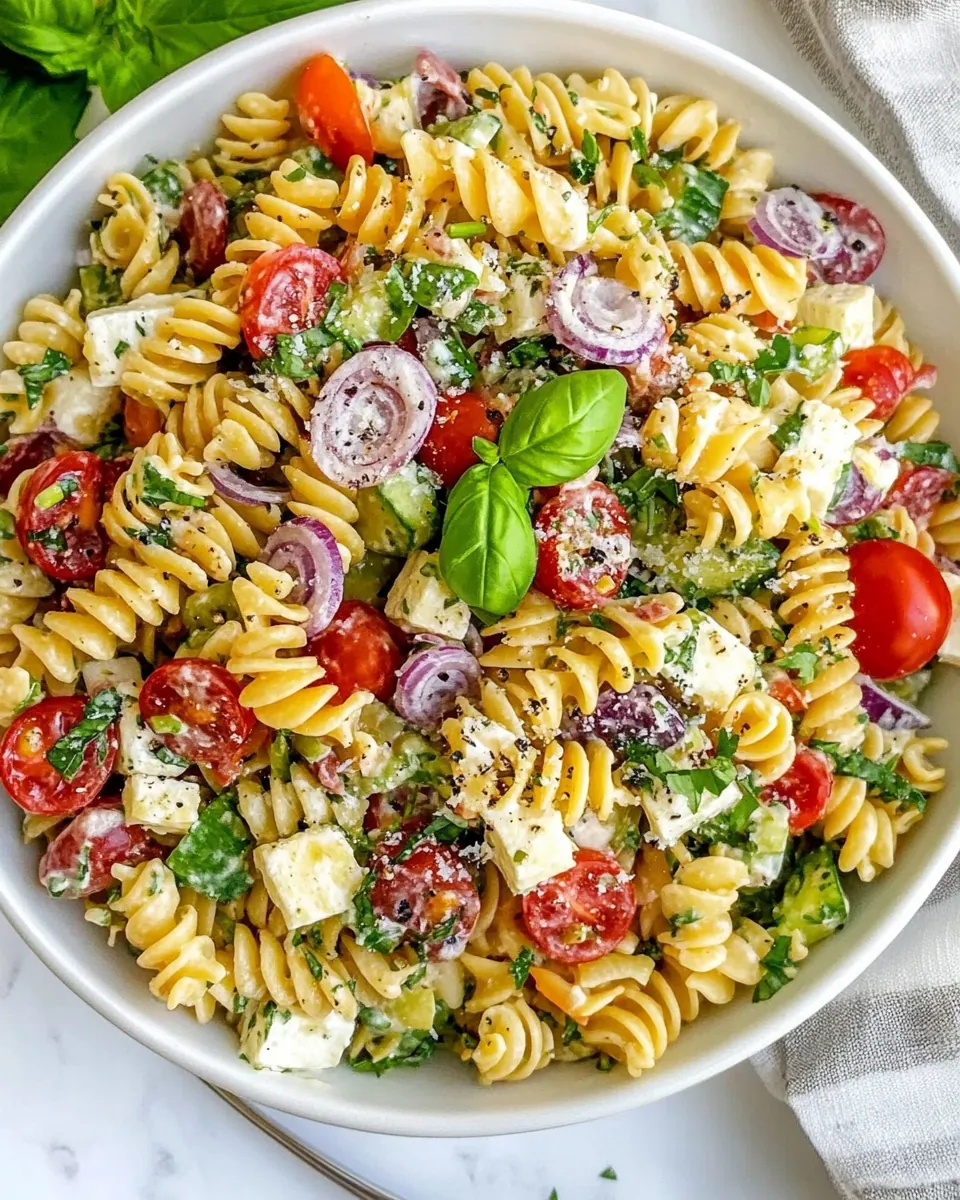
Italian Pasta Salad
Italian Pasta Salad has always been the recipe I reach for when a warm afternoon calls for something bright and sharing friendly. The first time I made it for friends, everyone kept coming back for one more forkful because the textures and flavors were lively but effortless, and it quickly became my go to for potlucks and backyard meals.
Growing up, my summers were full of backyard chatter, sun warmed tomatoes, and bowls of pasta left to mingle in the fridge until lunchtime. I learned to respect simple ingredients, and with Italian Pasta Salad you see how each component holds its own, while together they make something comforting and celebratory. I love how a spoonful can be tangy, salty, herbaceous, and cool all at once.
When I prepare this salad, I think about rhythm, not rush. The pasta needs to be slightly firm, the vegetables should still snap, and the dressing ought to cling but not drown. Over the years I developed a habit of letting it rest for a few hours, because patience often amplifies the harmony of flavors. Every time I serve Italian Pasta Salad it feels like inviting people to take part in a small ritual of relaxed hospitality.
Recipe Snapshot
25 mins
15 mins
10 mins
Easy
300 kcal
Italian
Vegan, Gluten-Free
Salads
Large pot, Large bowl, Colander
The Appeal of This Italian Pasta Salad
Versatile and Crowd Friendly
I adore recipes that travel well to parties, and Italian Pasta Salad is one of those rare dishes that still tastes excellent hours after it is made. I often bring it to gatherings because it feeds a crowd without any fuss, and you can scale quantities without losing the balance of flavors. The textures hold up, and everyone finds something they like on their plate.
Fresh But Forgiving Ingredients
What I love most is the forgiving nature of the components. The rotini pasta soaks up dressing in just the right way, while the cherry tomatoes and cucumber provide juicy contrast. Even if your veggies are not perfectly ripe, the acidity and olive brine pull everything together, making it hard to go wrong.
Great Make Ahead Appeal
I frequently prep this salad the night before company arrives. Marinating allows the flavors to meld, and the result is deeper and more cohesive than when served immediately. If you reserve a bit of dressing to refresh the salad before serving, it tastes bright and revived, as if just tossed.
Balanced Textures and Flavors
Slices of salami and creamy mozzarella give savory richness, while the pepperoncini and kalamata olives add tang and briny pops. I enjoy how parsley and basil lift everything with herbaceous notes, turning a simple bowl into a layered eating experience.
Easy to Customize, Hard to Mess Up
I often vary the ratio of ingredients based on what I have on hand, and it rarely disappoints. This flexibility makes Italian Pasta Salad one of my go to solutions for last minute meals. It performs well cold, at room temperature, or slightly chilled, which gives you options depending on the occasion.
What You Need for Italian Pasta Salad
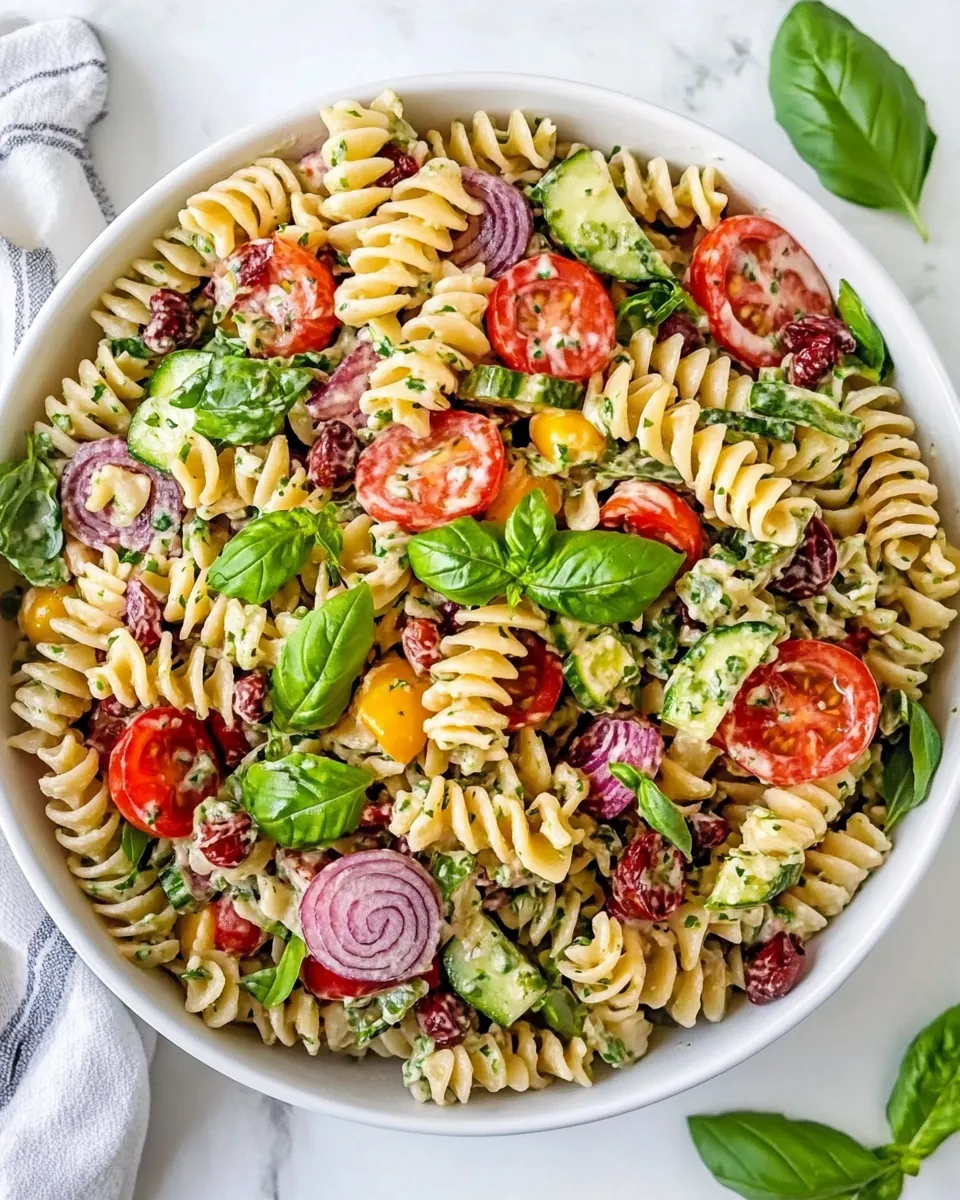
These ingredients are built around a simple philosophy: starch for substance, fresh produce for brightness, and bold additions for character. The rotini pasta acts as the flavorful backbone, catching dressing and delivering bites full of texture. Every other item supports or contrasts the pasta, creating a balanced, crowd pleasing bowl.
- 16 oz rotini pasta: Cooked until al dente, provides the hearty base and texture that holds the salad together while absorbing dressing flavors.
- 1 pint cherry (or grape) tomatoes, sliced: Sliced and juicy, adds bright acidity and a burst of sweetness that balances richer components in each bite.
- 1 english cucumber, chopped: Chopped and crisp, contributes refreshing coolness and a watery crunch that lightens the overall salad mouthfeel.
- 1/2 red onion, thinly sliced: Thinly sliced for bite-size pieces, lends a sharp, slightly pungent bite that enhances savory and tangy elements.
- 8 oz fresh mozzarella balls, I used mozzarella pearls (or Bocconcini): Soft and milky, offers creamy, tender pockets of cheese that mellow sharp flavors and add a rich, satisfying contrast.
- 4 oz salami, sliced: Sliced into bite-sized pieces, brings savory, spiced, cured-meat depth and a salty umami element to the salad.
- 3/4 cup kalamata olives, sliced: Sliced and briny, supplies a pronounced salty, fruity tang that cuts through richness and adds Mediterranean character.
- 3/4 cup pepperoncini: Whole or sliced, delivers a mild heat and tangy zip with a crunchy, pickled texture that brightens the dish.
- 1/2 cup fresh parsley and fresh basil, chopped: Chopped finely, provides fresh herbal aroma and a bright, green flavor that lifts and ties the ingredients together.
- Italian salad dressing: Used as the finishing flavor, dresses and seasons the salad by adding acidity, oil, herbs, and overall cohesion.
Making This Italian Pasta Salad
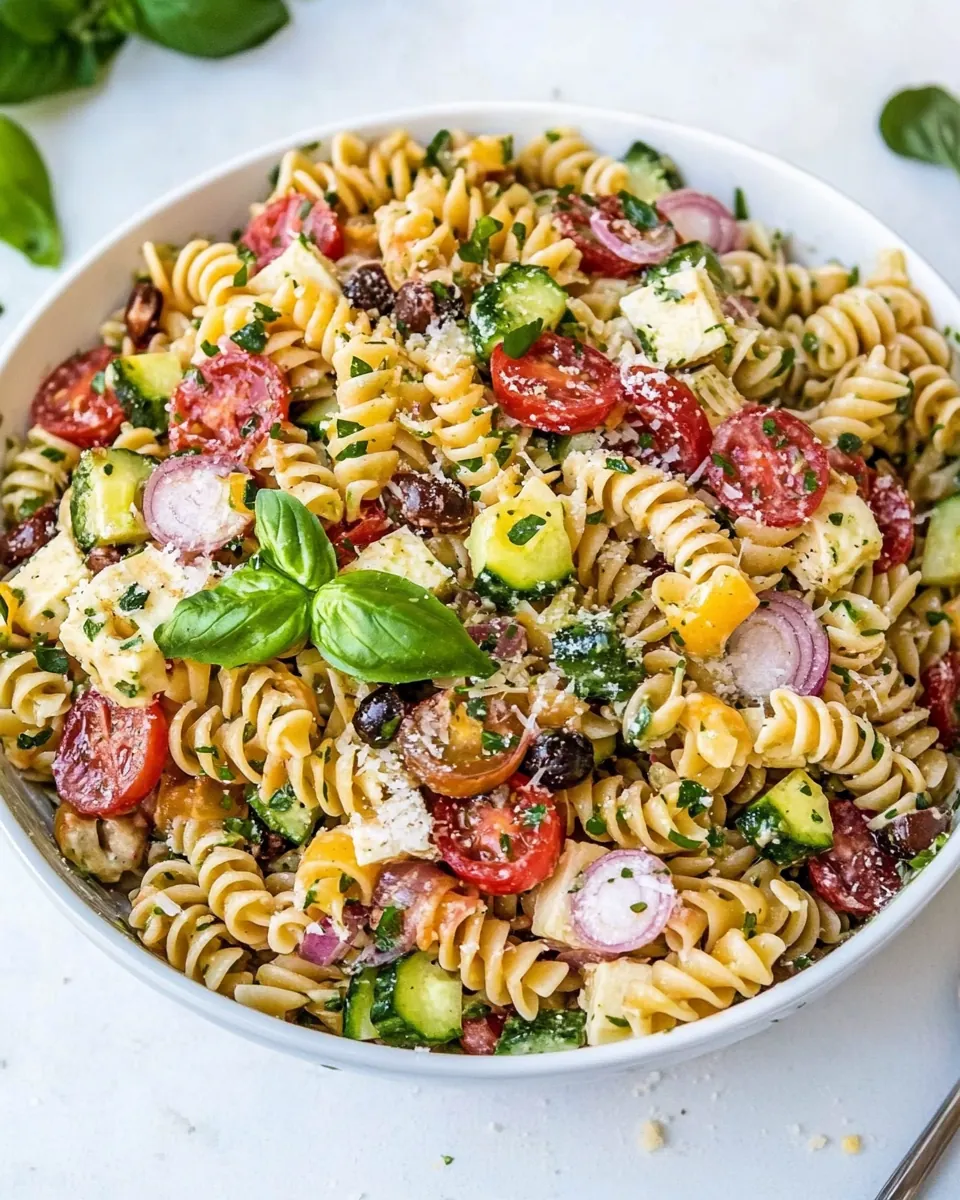
I like to keep the process straightforward, because the success of Italian Pasta Salad rests on timing and balance more than complex technique. Below I expand each step so you can sense what to look for and how to rescue common slip ups.
- Bring a large pot of water to a boil, sprinkle in some salt, and cook the pasta according to the package directions until al dente.: The kitchen fills with a warm, starchy steam as the water comes to a rolling boil, and the addition of salt seasons the rotini pasta from the inside, which matters because it prevents blandness once the dressing is tossed in. You will hear the water change pitch as it gets hotter, and once the pasta is added you should stir gently to prevent sticking. For visual cues, look for the pasta surface to lose its raw sheen and take on a slightly swollen look, yet remain firm when bitten. The why behind this is simple, al dente texture keeps the pasta from collapsing when chilled and preserves bite contrast with vegetables. A common mistake is overcooking, which makes the pasta absorb too much dressing and become mushy; to avoid that, set a timer for the lower end of the package range and test early. When draining, reserve a small cup of the starchy cooking water if you need to loosen the dressing later.
- Mix together the cooked pasta, chopped veggies, mozzarella, salami, pepperoncini, olives and fresh herbs in a large bowl and drizzle the whole thing with the Italian dressing. Give it a good toss, season with additional salt and pepper, as needed.: As you combine the components, notice the variety of textures coming together, from the pillowy mozzarella to the briny snap of kalamata olives . Toss gently so the dressing clings to the pasta and ingredients rather than pooling at the bottom; this helps every forkful taste balanced. The scent will shift toward herb and vinegar, with little hits of salami fat that boost savory notes. This step matters because even coating prevents pockets of dry pasta and ensures the salad is enjoyable across the entire bowl. A typical error is tossing too vigorously which can bruise delicate ingredients like basil ; fold gently instead, and if the salad seems dry, add a tablespoon of reserved pasta water to help the dressing adhere.
- You can either serve this immediately or marinate for a few hours before serving. To marinate, cover the pasta salad and place it in the fridge allowing the flavors to marinate for a few hours or even overnight. I even like to reserve a little extra dressing to toss right before serving since the pasta really soaks up a lot of it.: After an initial toss, pause and taste a small spoonful, paying attention to acidity, salt balance, and herb presence. The sense of smell will guide you here, as salt enhances aroma and pepper introduces a background warmth. Seasoning at this stage lets you correct for stronger elements like salted salami or brined pepperoncini that may already push the salad toward saltiness. The reason this matters is that once refrigerated, flavors can mute slightly, so you want a confident but measured seasoning. Avoid oversalting; if you do add too much, a squeeze of fresh lemon juice or extra herbs can help balance it.
- You can either serve this immediately or marinate for a few hours before serving: Serving right away will showcase bright, fresh vegetable textures and the immediate contrast between warm pasta and cool add ins, while marinating gives the dressing time to soften edges and marry flavors. If you choose to marinate, cover the bowl and allow the salad to rest in the fridge; you will notice the aroma deepen and the pasta become more infused with dressing. The reason for resting is flavor integration, but be mindful that prolonged sitting will further soften veggies, so plan based on desired texture. One mistake is leaving it unrefrigerated for too long; always chill if marinating beyond an hour to keep ingredients safe and crisp.
- To marinate, cover the pasta salad and place it in the fridge allowing the flavors to marinate for a few hours or even overnight: When refrigerated, the salad quiets into a composed state where the Italian dressing gently penetrates the pasta and melds with salami oils and herb oils; the scent becomes rounder and less sharp. Overnight rest often produces a more cohesive taste profile that many people prefer at picnics or potlucks. The visual will shift as juices settle and small pools of dressing may appear, so give it a careful stir before serving to reincorporate. The important why here is patience improves depth, but the trade off is softened vegetables. Avoid leaving it for days; aim for up to twenty four hours for optimal texture and safety.
- I even like to reserve a little extra dressing to toss right before serving since the pasta really soaks up a lot of it: A fresh toss with reserved dressing brightens the salad and revives the glide you lose during refrigeration, producing a lively mouthfeel and renewed shine on the mozzarella and herbs. Before serving, add a small amount at a time, mixing gently and checking flavor, because you can always add more but cannot remove it. The sensory impact is immediate the dressing brings forward aromatics and adds pleasant slickness, making each bite more sumptuous. Do not skip this if the salad has been sitting, as it prevents a dry experience. A common slip is adding too much all at once, so drizzle and taste as you go.
Variations to Try
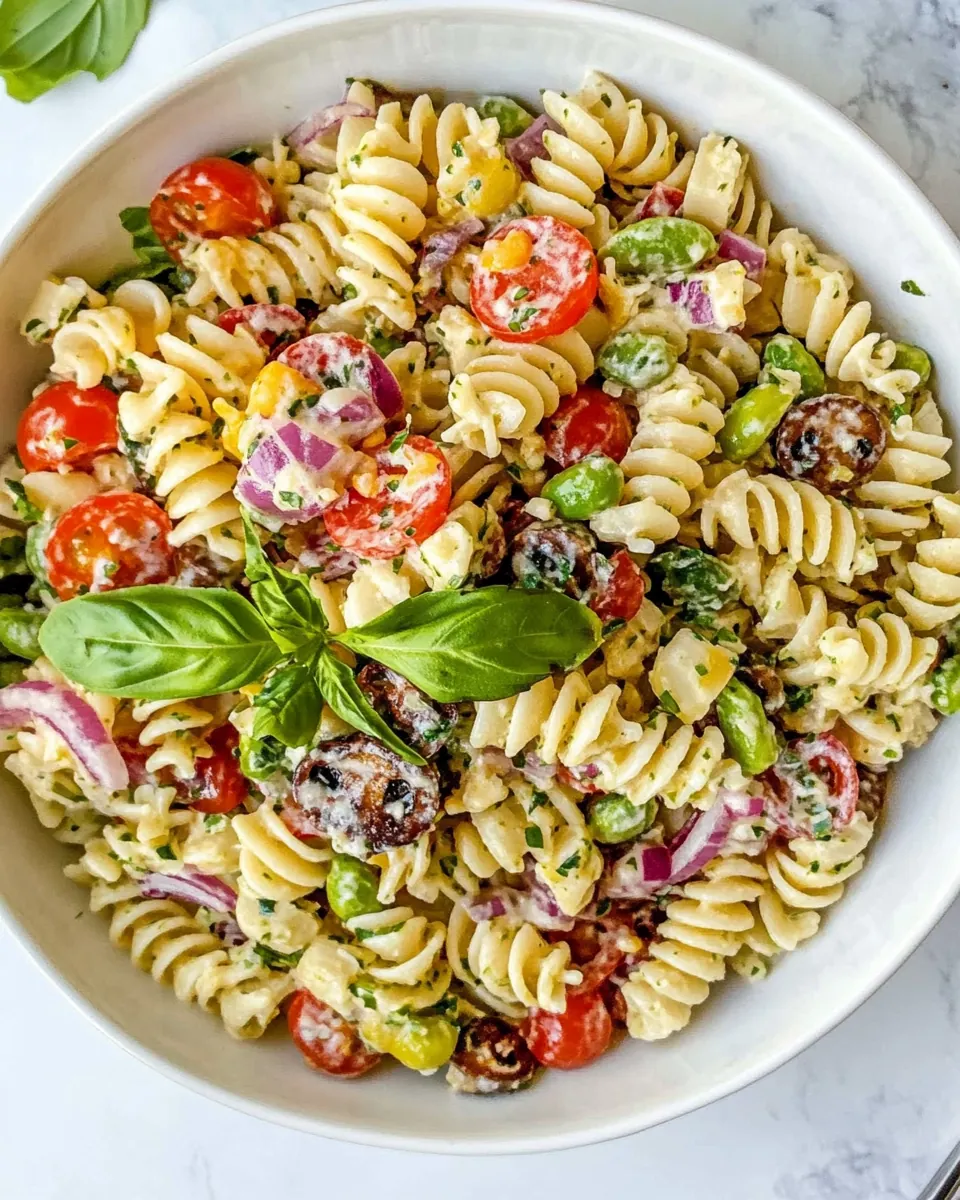
I enjoy experimenting with small swaps to suit mood and pantry. Below are ideas that keep the spirit of Italian Pasta Salad intact while shifting texture or flavor. Each tip starts with a bold phrase to make it easy to scan.
- Boost the herb profile by increasing the ratio of parsley to basil for a brighter, greener finish that complements the briny olives.
- Adjust the tang by mixing half Italian dressing with a touch of fresh lemon juice for a livelier acidic punch without changing the oil content.
- Make it more pepper forward by adding a few more sliced pepperoncini if you prefer a zesty, piquant bite that cuts through creamy mozzarella.
- Swap salami texture by finely dicing the salami so it distributes in every forkful, useful if you want less dominant meat pockets.
- Layer marinating times by dressing half the salad immediately and reserving the rest undressed to compare fresh versus melded textures when serving.
- Chill strategy try serving part of the salad slightly chilled and part at room temperature to offer guests two textural experiences in the same dish.
Great Combinations for Italian Pasta Salad
Italian Pasta Salad pairs beautifully with simple proteins and crunchy sides, and it adapts to casual lunches or festive gatherings. Below are serving ideas, storage approaches, and occasion notes to help you plan.
- Casual picnics serve the salad alongside crusty bread for easy tearing and scooping, letting people build their own bites.
- Barbecue side offer it as a cool contrast to grilled foods, where the bright acidity and herbs cut through smoky flavors.
- Potluck star bring it in a large bowl with serving utensils, and keep extra dressing on the side so the salad stays fresh during the event.
- Lunch option portion into individual containers for an easy week of lunches that feel satisfying and not heavy.
- Storage tip refrigerate in an airtight container for up to three days, and stir in reserved dressing or a splash of vinaigrette before serving to revive texture and flavor.
- Seasonal pairing enjoy this most in summer when tomatoes and herbs are at their peak, but it works any time you can get fresh produce.
- Occasion flexibility it fits a relaxed family dinner or a celebratory gathering, since it scales well and keeps its character when made ahead.
FAQ
Conclusion
This recipe stands out because it combines simple, high quality ingredients into a dish that is both relaxed and full of flavor. Try making it when you want something that feeds a group with minimal fuss, and consider marinating it for a deeper, more cohesive taste. I hope it becomes one of your go to recipes for summer gatherings and easy weeknight meals, bringing bright, balanced flavors to your table.
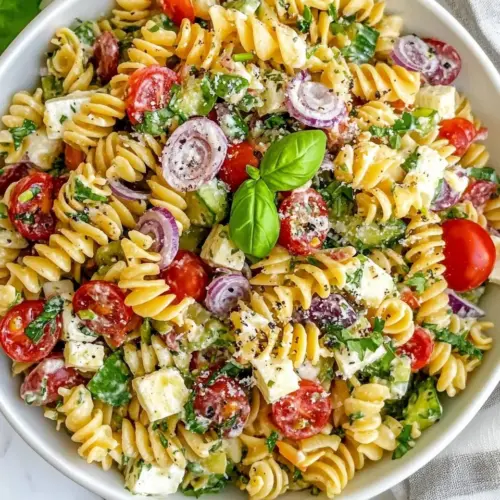
Italian Pasta Salad
Equipment
- Large Pot
- Large Bowl
- Colander
Ingredients
- 16 oz rotini pasta Cooked until al dente, provides the hearty base and texture that holds the salad together while absorbing dressing flavors.
- 1 pint cherry (or grape) tomatoes, sliced Sliced and juicy, adds bright acidity and a burst of sweetness that balances richer components in each bite.
- 1 english cucumber, chopped Chopped and crisp, contributes refreshing coolness and a watery crunch that lightens the overall salad mouthfeel.
- 1/2 red onion, thinly sliced Thinly sliced for bite-size pieces, lends a sharp, slightly pungent bite that enhances savory and tangy elements.
- 8 oz fresh mozzarella balls, I used mozzarella pearls (or Bocconcini) Soft and milky, offers creamy, tender pockets of cheese that mellow sharp flavors and add a rich, satisfying contrast.
- 4 oz salami, sliced Sliced into bite-sized pieces, brings savory, spiced, cured-meat depth and a salty umami element to the salad.
- 3/4 cup kalamata olives, sliced Sliced and briny, supplies a pronounced salty, fruity tang that cuts through richness and adds Mediterranean character.
- 3/4 cup pepperoncini Whole or sliced, delivers a mild heat and tangy zip with a crunchy, pickled texture that brightens the dish.
- 1/2 cup fresh parsley and fresh basil, chopped Chopped finely, provides fresh herbal aroma and a bright, green flavor that lifts and ties the ingredients together.
- Italian salad dressing Used as the finishing flavor, dresses and seasons the salad by adding acidity, oil, herbs, and overall cohesion.
Instructions
- Bring a large pot of water to a boil, sprinkle in some salt, and cook the pasta according to the package directions until al dente.: The kitchen fills with a warm, starchy steam as the water comes to a rolling boil, and the addition of salt seasons the rotini pasta from the inside, which matters because it prevents blandness once the dressing is tossed in. You will hear the water change pitch as it gets hotter, and once the pasta is added you should stir gently to prevent sticking. For visual cues, look for the pasta surface to lose its raw sheen and take on a slightly swollen look, yet remain firm when bitten. The why behind this is simple, al dente texture keeps the pasta from collapsing when chilled and preserves bite contrast with vegetables. A common mistake is overcooking, which makes the pasta absorb too much dressing and become mushy; to avoid that, set a timer for the lower end of the package range and test early. When draining, reserve a small cup of the starchy cooking water if you need to loosen the dressing later.
- Mix together the cooked pasta, chopped veggies, mozzarella, salami, pepperoncini, olives and fresh herbs in a large bowl and drizzle the whole thing with the Italian dressing. Give it a good toss, season with additional salt and pepper, as needed.: As you combine the components, notice the variety of textures coming together, from the pillowy mozzarella to the briny snap of kalamata olives . Toss gently so the dressing clings to the pasta and ingredients rather than pooling at the bottom; this helps every forkful taste balanced. The scent will shift toward herb and vinegar, with little hits of salami fat that boost savory notes. This step matters because even coating prevents pockets of dry pasta and ensures the salad is enjoyable across the entire bowl. A typical error is tossing too vigorously which can bruise delicate ingredients like basil ; fold gently instead, and if the salad seems dry, add a tablespoon of reserved pasta water to help the dressing adhere.
- You can either serve this immediately or marinate for a few hours before serving. To marinate, cover the pasta salad and place it in the fridge allowing the flavors to marinate for a few hours or even overnight. I even like to reserve a little extra dressing to toss right before serving since the pasta really soaks up a lot of it.: After an initial toss, pause and taste a small spoonful, paying attention to acidity, salt balance, and herb presence. The sense of smell will guide you here, as salt enhances aroma and pepper introduces a background warmth. Seasoning at this stage lets you correct for stronger elements like salted salami or brined pepperoncini that may already push the salad toward saltiness. The reason this matters is that once refrigerated, flavors can mute slightly, so you want a confident but measured seasoning. Avoid oversalting; if you do add too much, a squeeze of fresh lemon juice or extra herbs can help balance it.
- You can either serve this immediately or marinate for a few hours before serving: Serving right away will showcase bright, fresh vegetable textures and the immediate contrast between warm pasta and cool add ins, while marinating gives the dressing time to soften edges and marry flavors. If you choose to marinate, cover the bowl and allow the salad to rest in the fridge; you will notice the aroma deepen and the pasta become more infused with dressing. The reason for resting is flavor integration, but be mindful that prolonged sitting will further soften veggies, so plan based on desired texture. One mistake is leaving it unrefrigerated for too long; always chill if marinating beyond an hour to keep ingredients safe and crisp.
- To marinate, cover the pasta salad and place it in the fridge allowing the flavors to marinate for a few hours or even overnight: When refrigerated, the salad quiets into a composed state where the Italian dressing gently penetrates the pasta and melds with salami oils and herb oils; the scent becomes rounder and less sharp. Overnight rest often produces a more cohesive taste profile that many people prefer at picnics or potlucks. The visual will shift as juices settle and small pools of dressing may appear, so give it a careful stir before serving to reincorporate. The important why here is patience improves depth, but the trade off is softened vegetables. Avoid leaving it for days; aim for up to twenty four hours for optimal texture and safety.
- I even like to reserve a little extra dressing to toss right before serving since the pasta really soaks up a lot of it: A fresh toss with reserved dressing brightens the salad and revives the glide you lose during refrigeration, producing a lively mouthfeel and renewed shine on the mozzarella and herbs. Before serving, add a small amount at a time, mixing gently and checking flavor, because you can always add more but cannot remove it. The sensory impact is immediate the dressing brings forward aromatics and adds pleasant slickness, making each bite more sumptuous. Do not skip this if the salad has been sitting, as it prevents a dry experience. A common slip is adding too much all at once, so drizzle and taste as you go.
Notes
- Boost the herb profile by increasing the ratio of parsley to basil for a brighter, greener finish that complements the briny olives.
- Adjust the tang by mixing half Italian dressing with a touch of fresh lemon juice for a livelier acidic punch without changing the oil content.
- Make it more pepper forward by adding a few more sliced pepperoncini if you prefer a zesty, piquant bite that cuts through creamy mozzarella.
- Swap salami texture by finely dicing the salami so it distributes in every forkful, useful if you want less dominant meat pockets.
- Layer marinating times by dressing half the salad immediately and reserving the rest undressed to compare fresh versus melded textures when serving.
- Chill strategy try serving part of the salad slightly chilled and part at room temperature to offer guests two textural experiences in the same dish.
