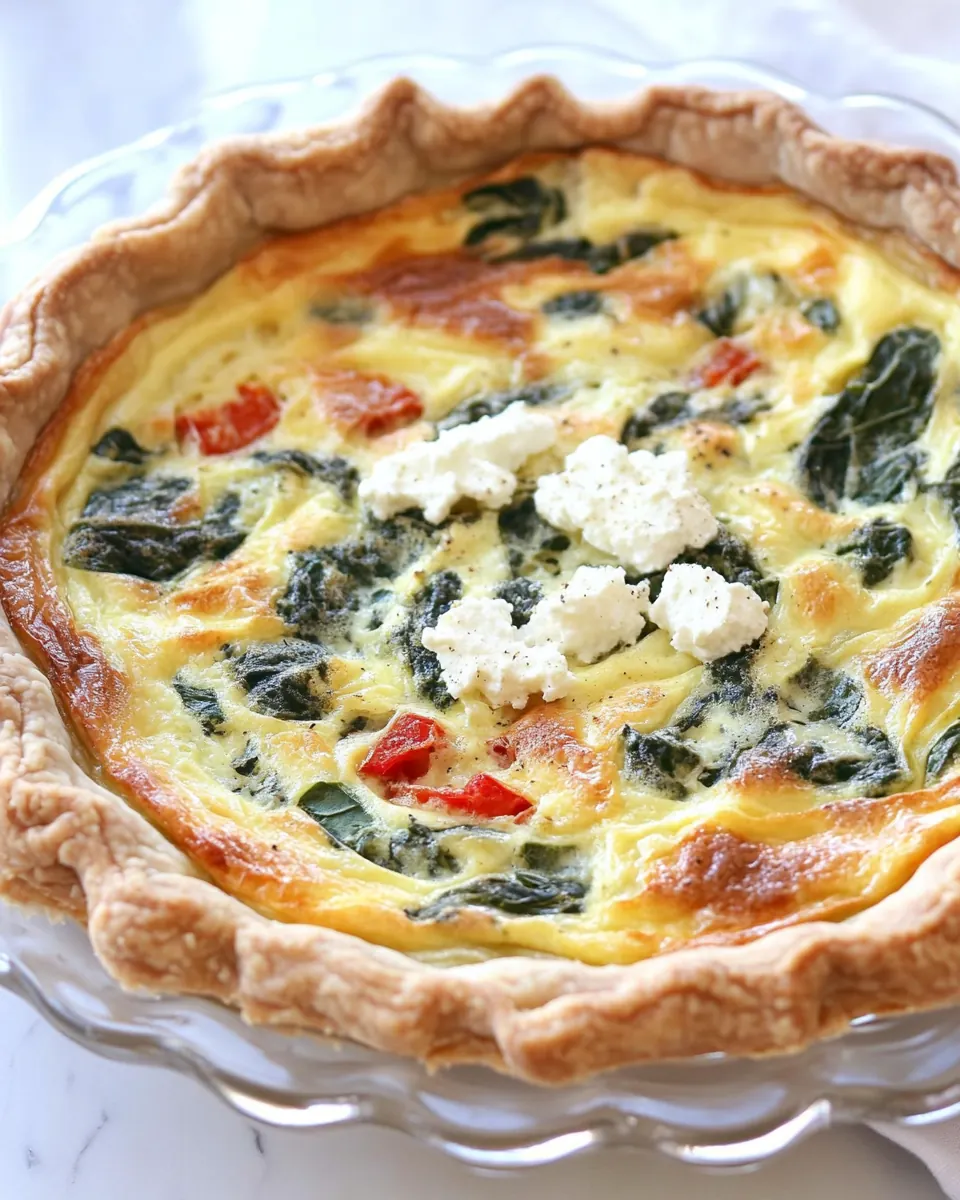
Spinach Ricotta Quiche
Spinach Ricotta Quiche has long been my go to when I want something that feels elegant but is actually unfussy to make.
Years ago I learned this one on a rainy Saturday while trying to impress a friend with minimal effort. I had a single sheet of refrigerated dough and a crisper drawer full of spinach that needed rescue, so I stirred together a simple custard with eggs and milk, folded in creamy ricotta and bright basil, and tucked everything into the par baked crust. The house smelled of warm parmesan and sweet roasted tomatoes as it baked, and that first forkful convinced me this was a keeper.
Since then I’ve adapted the recipe for casual brunches and relaxed weeknight dinners. I like how the textures play together, the soft curd of the filling against the flaky crust, the way a golden top signals it’s ready. I also learned a few small tricks the hard way, like shielding the edge of the crust so it won’t over brown while the center finishes. This version keeps things simple and honest, leaning on a handful of quality ingredients to create a savory, creamy tart that travels well to potlucks and feels special on quiet mornings.
Recipe Snapshot
1 hr 20 mins
25 mins
55 mins
Medium
250 kcal
American
Gluten-Free, Paleo
Dinner
9 inch pie dish, Mixing bowl, Fork, Cookie sheet
What Makes This Spinach Ricotta Quiche Special
Comfort with a Light Touch
I adore how Spinach Ricotta Quiche feels comforting without being heavy. The ricotta keeps the filling lush and creamy while the spinach adds a fresh lift. For me, it’s the kind of dish that soothes the soul and still leaves you light enough for the rest of the day.
Brunch Star and Dinner Hero
I often turn to this quiche for both leisurely brunches and simple dinners. It plates beautifully, reheats well, and pairs easily with a salad. I appreciate a dish that works across occasions, and this recipe does just that with hardly any fuss.
Simple Ingredient Synergy
I love how a few good ingredients come together here. The custard of eggs and milk sets the stage, grated parmesan adds a nutty backbone, and the shredded mozzarella and dollops of ricotta create pockets of creaminess. Fresh basil and halved tomatoes brighten every bite.
Make Ahead Friendly
I appreciate recipes that let me breathe, and this quiche is forgiving. You can prep the filling in advance, blind bake the crust ahead of time, and bake when you are ready. That flexibility has saved many busy mornings for me, and I bet it will help you too.
Accessible, Not Fussy
I value recipes that don’t demand obscure gear or pantry deep dives. With a sheet of refrigerated dough and a few dairy staples, you’re set. That accessibility makes Spinach Ricotta Quiche my go to when I want something tasty without a long shopping list.
Ingredients Overview for Spinach Ricotta Quiche
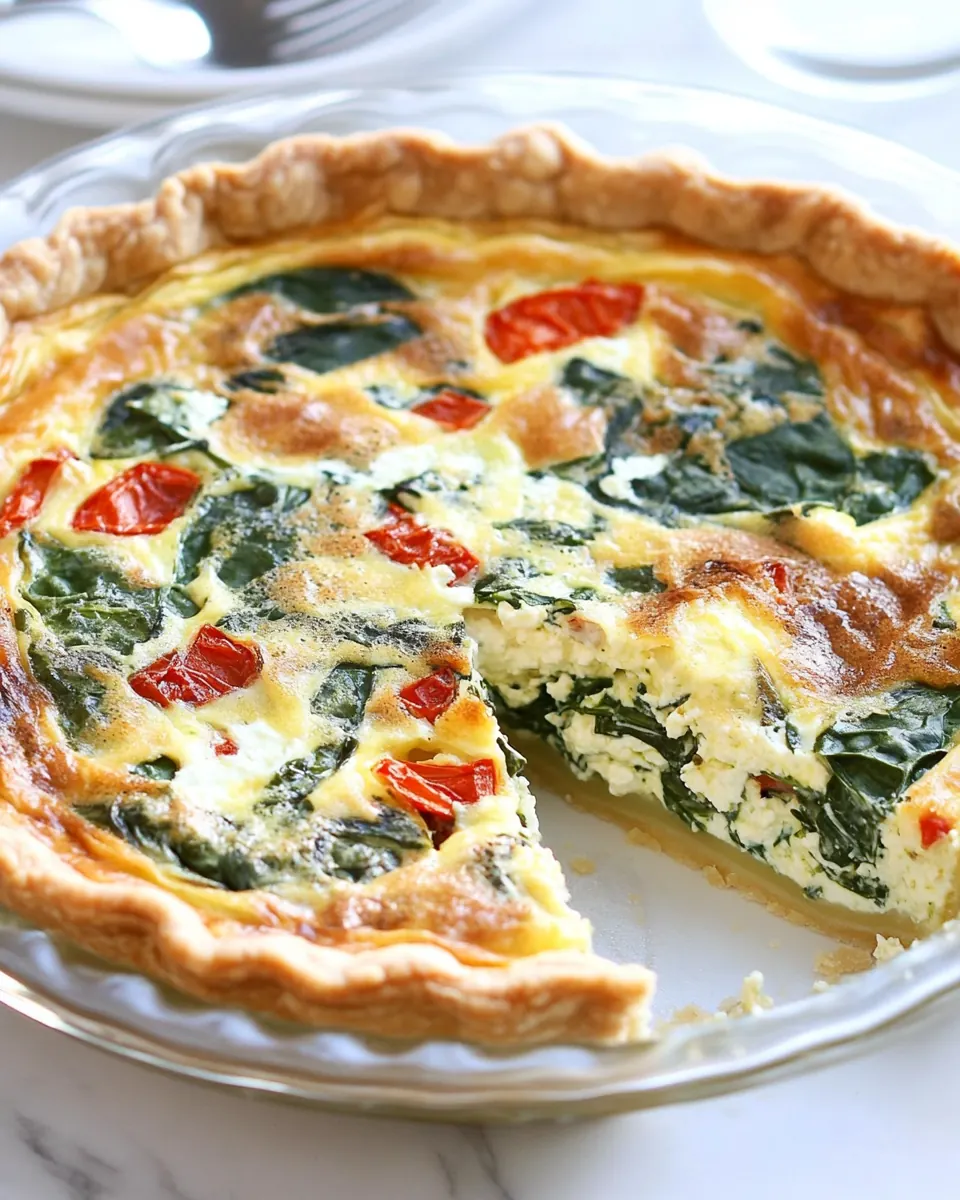
These ingredients are chosen to create a harmonious balance of texture and flavor. The custard base made from eggs and milk provides a silky framework, while the cheeses add creaminess and savory depth. Fresh spinach and tomatoes bring color and brightness, and a ready made pie crust keeps preparation simple. Together they produce a quiche that is tender, flavorful, and reliably satisfying.
- refrigerated Dough for 1, 9-inch, deep dish pie crust: Refrigerated and pre-made to simplify pie assembly, provides a sturdy, flaky shell that holds the quiche filling and crisps during baking. Presses into a 9-inch deep–dish pan to create uniform edges and prevents leakage when pouring the custard. Chills easily to maintain shape and reduces prep time compared with making crust from scratch.
- 7 large eggs, beaten: Beaten thoroughly to create the quiche custard, binds the cheeses and vegetables while setting into a firm, sliceable texture when baked. Adds richness and structure to the filling, contributing to a tender, creamy interior once the dish is cooked. Incorporates air when beaten, which can lighten the final quiche.
- 2 cups chopped fresh baby spinach, 1 1/2 ounces: Chopped finely to distribute bright, leafy flavor and moisture evenly throughout the quiche without overwhelming the custard. Provides a fresh, slightly earthy contrast to the cheeses and eggs while wilting down during baking for a tender bite. Adds color and nutritional value, including vitamins and iron.
- 2/3 cups milk: Poured in measured amount to thin the eggs and create a smooth, pourable custard that sets properly in the oven. Balances richness and prevents the quiche from becoming rubbery, while contributing subtle creaminess. Adjusts overall texture depending on milk fat content.
- 6 tablespoons grated parmesan: Grated and sprinkled to contribute sharp, nutty umami that enhances overall savory flavor and helps develop a golden crust on top. Melts into the custard, blending with ricotta and mozzarella to boost depth and saltiness. Provides aromatic complexity and pairs well with herbs and tomatoes.
- 3 tablespoons chopped fresh basil: Chopped and folded in to provide a fragrant, peppery herbal note that brightens the rich custard and cheeses. Releases essential oils as it heats, complementing the spinach and tomato flavors for a fresher profile. Works well as both an integrated flavor and a garnish.
- 1/4 teaspoon kosher salt: Measured precisely to season the custard and amplify the natural flavors of eggs, cheese, and vegetables without overpowering them. Ensures balanced savory notes while helping proteins in the eggs set slightly firmer. Can be adjusted to taste but adds necessary depth.
- 1/2 cup part skim ricotta: Spoonfuls added to the filling to lend creamy texture and mild, slightly sweet dairy flavor that contrasts with sharper cheeses. Disperses in small pockets throughout the quiche, creating pleasant, moist bites and preventing dryness. Helps bind ingredients while keeping the custard tender.
- 1/3 cup part skim shredded mozzarella: Sprinkled or layered to provide melty, stretchy texture and mild, milky flavor that complements both ricotta and parmesan. Browns lightly on top and contributes to an appealing, cohesive mouthfeel in each slice. Balances the creaminess of ricotta with a bit of elasticity.
- 3/4 cups halved grape or cherry tomatoes: Halved and arranged on or within the filling to introduce juicy bursts of sweetness and acidity that cut through the rich, cheesy custard. Roast or bake down slightly to concentrate flavor while adding visual color contrast to the finished quiche. Works as a fresh garnish and flavor counterpoint.
Cooking Instructions for Spinach Ricotta Quiche
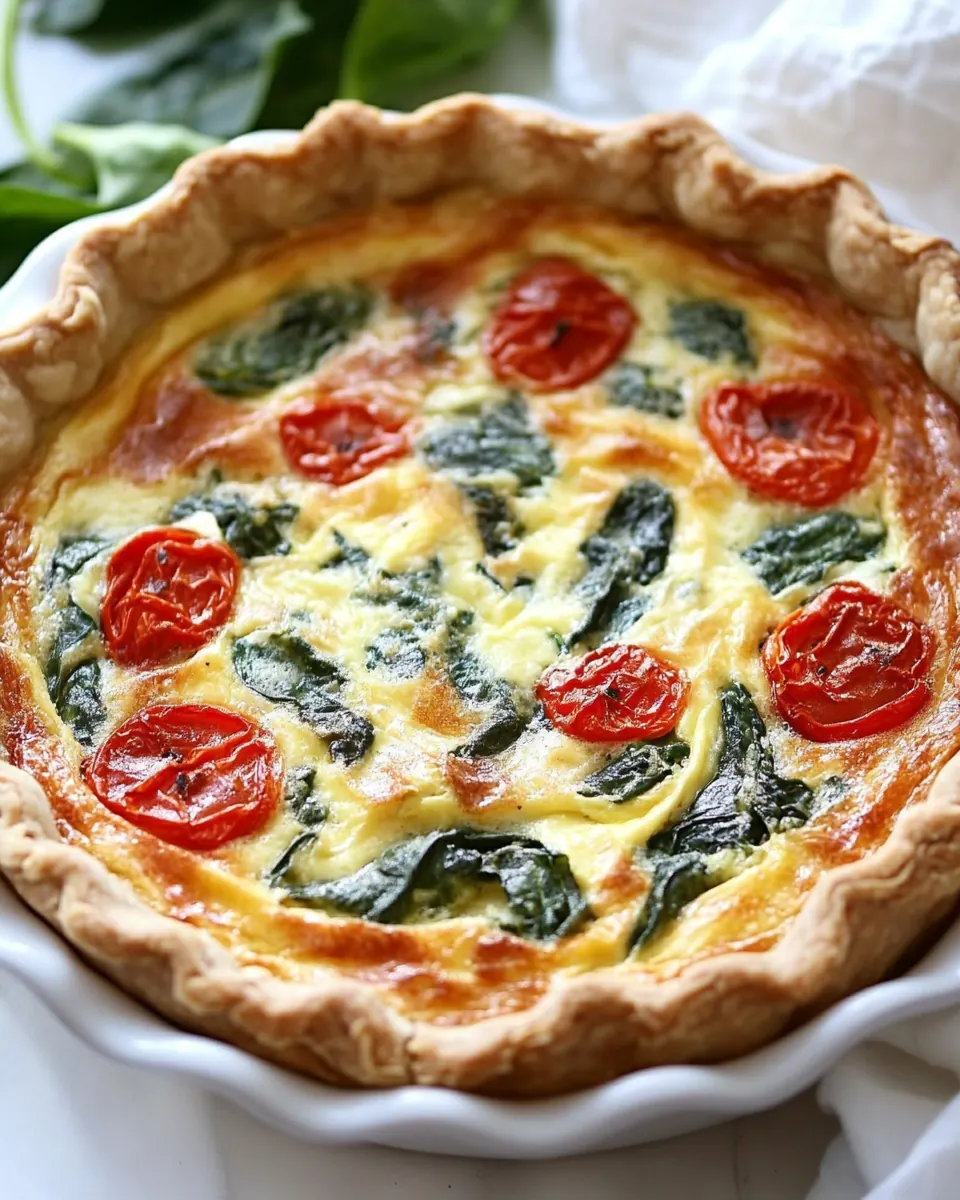
These directions will guide you step by step through building a sturdy crust, crafting a silky custard, and baking the quiche to a golden finish. I’ll walk you through sensory cues and common pitfalls so you can feel confident at every stage.
- Preheat oven to 350 degrees Fahrenheit.: When the oven reaches 350 degrees Fahrenheit , you should feel the warmth radiating from the door and hear the faint hum of the heating elements stabilizing. Preheating ensures the crust begins to set immediately when it hits the oven, promoting a flakier base and consistent bake. A common mistake is slipping into the next step too early, which can lead to uneven baking, so always wait until the oven indicates it has reached temperature.
- Roll the dough out on a well-floured work surface until it’s approximately 11 to 12-inches in diameter.: The dough should feel cold and slightly pliable as you roll, producing a tender, even circle. Flour prevents sticking, and gentle rolling from the center outward keeps the thickness uniform. If you press too hard or roll too much, the dough will become tough and elastic, making it resist shaping into the pan.
- Transfer it to a 9-inch metal or glass pie dish. Using your fingers, press it firmly into the bottom and sides of the pie plate. Trim off any excess, leaving about 1/2-inch overhanging. Then fold/crimp the overhanging dough.: As you seat the crust, you should hear a soft pat as the dough conforms to the dish and see a consistent edge thickness. Leaving a little overhang lets you create an attractive crimp that stays intact while baking. Avoid stretching the dough into place because that causes shrinkage during baking and may pull the crust away from the pan.
- Prick the bottom of the pie crust with the tines of a fork. Transfer the pie crust to your pre-heated oven and bake for 10 to 15 minutes, until par-baked.: Docking the base with a fork keeps air pockets from forming and helps the bottom set smoothly. During blind baking the surface should take on a pale golden tint and feel slightly firm to the touch. If the crust browns too quickly at the edges, tent them with foil earlier rather than later to prevent over color while the center finishes.
- Meanwhile in a large mixing bowl combine eggs with spinach, milk, 2 tablespoons parmesan cheese, basil and salt; mix well.: At this stage the filling should smell fresh and green from the spinach and basil , while the beaten eggs create a glossy, cohesive mixture. Mixing thoroughly distributes the parmesan and seasoning so the flavor is even throughout. A frequent error is adding wet or un-drained spinach , which can introduce excess moisture and thin the custard, so squeeze or pat the greens dry first.
- Pour mixture into the par-baked pie crust.: As you pour, watch the custard settle and level itself, forming a silky surface before you add the cheese dollops. The weight of the filling presses gently against the crust, and you will see the mixture reach the edges uniformly. Pour carefully to avoid splashing the oven or making the crust soggy by overfilling; leave a small margin to accommodate slight puffing while baking.
- In a small bowl combine ricotta with mozzarella and remaining parmesan.: Combining the cheeses creates a varied texture, the ricotta lending creaminess and the shredded mozzarella providing melt and stretch. Stir until cohesive, and you will notice the aroma sharpen slightly as the cheeses mingle. If the mixture feels too loose, let it rest briefly so some moisture can be absorbed; adding it while overly wet can cause little pools rather than creamy pockets.
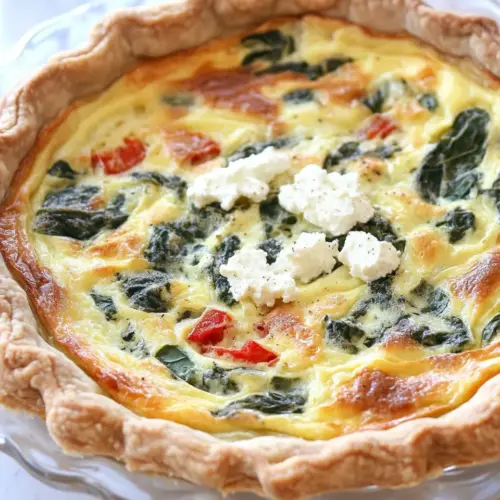
- Dollop the ricotta all around and top and place tomatoes around the cheese.: When you dot the surface with spoonfuls of the cheese mix, the quiche takes on an artisanal, rustic look. The halved tomatoes nestle between cheese dollops, their glossy cut sides facing up so they roast attractively. Place them evenly so each slice gets a balance of cheese and tomato, and avoid piling too many in one spot which could lead to undercooked filling beneath.
- Place foil on the edges of the crust to prevent them from burning.: Shielding the rim keeps it from over browning while the center reaches doneness. The foil should rest lightly against the crust edge without touching the filling. A common oversight is leaving the foil too tight or pressing it into the filling, which can disrupt the quiche shape, so tent it gently around the rim.
- Place quiche on cookie sheet and bake on the middle oven rack for 50 to 55 minutes, or until top is browned and a knife inserted in center comes out clean.: As the quiche bakes, you will hear a faint settling and see the top transition from pale to a golden brown with slightly puffed edges. The aroma will deepen into a savory, cheesy note. The center should be set but still slightly jiggly when you gently shake the pan, and the knife test should come out clean to signal doneness. Avoid overbaking which leads to a rubbery texture, and if the edges brown too quickly, extend baking time with the foil protecting the rim.
- Let cool before serving.: Cooling allows the custard to finish setting, making slicing neat and clean. You will notice the surface contracts slightly and the aroma mellows into a composed, savory profile. If you cut too soon, the slices may slump or weep moisture, so give it time to rest for the best presentation.
Helpful Hints
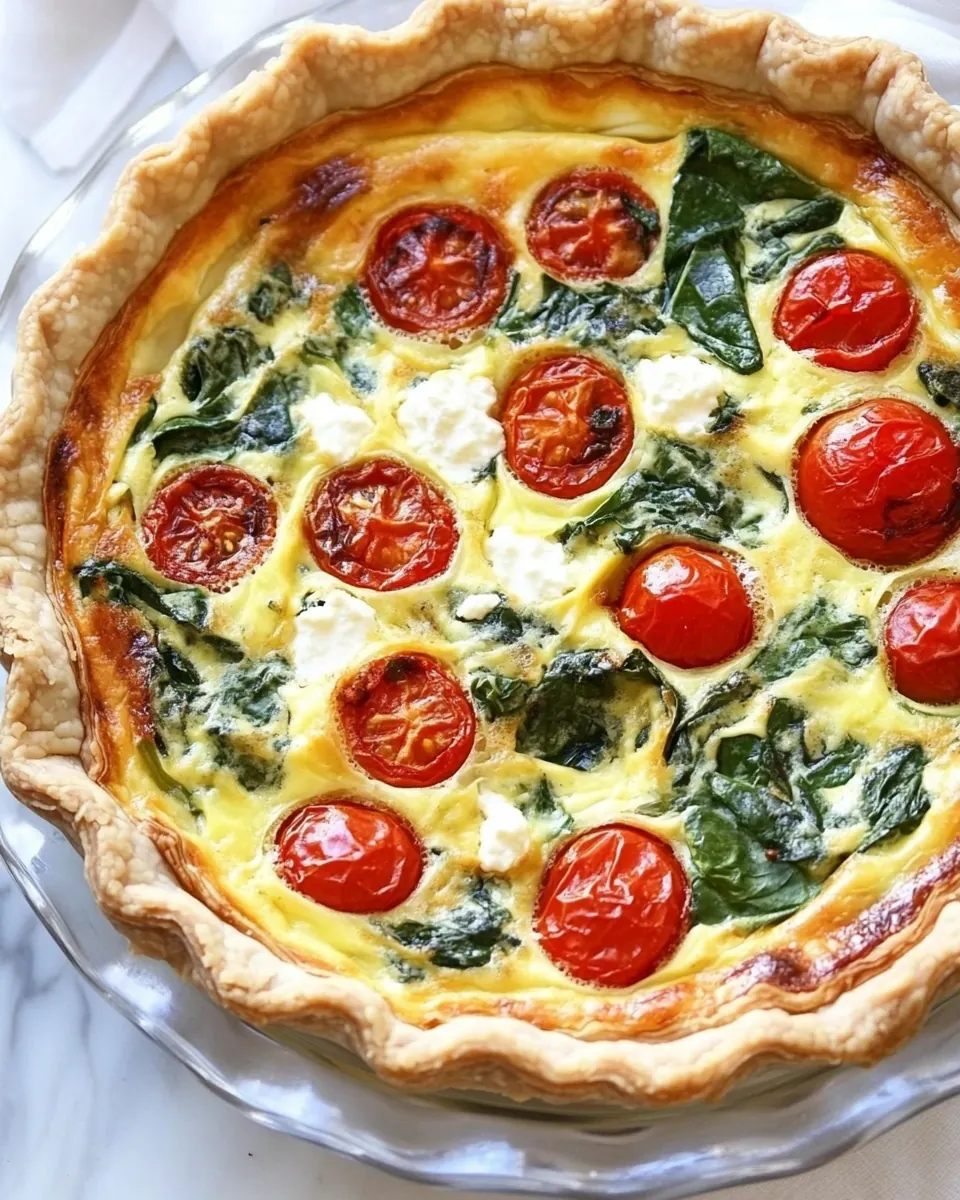
I like to share practical pointers that make this quiche come out reliably every time. These tips expand on small adjustments and choices that impact texture, timing, and flavor, helping you get the result you want with less stress.
- Blind bake the crust: Par baking the shell prevents a soggy bottom and ensures the base is crisp beneath the custard.
- Dry the spinach: Excess moisture in the spinach can thin the filling, so pat it dry thoroughly before folding into the custard.
- Room temperature eggs: Let eggs sit briefly at room temperature so they incorporate more smoothly and the custard sets evenly.
- Even cheese distribution: Mix part of the parmesan into the custard and reserve some for the top so flavor is present throughout and on the surface.
- Protect the crust edge: Use foil or a pie shield once the rim reaches golden to keep it from overbrowning while the center finishes.
Serve This Spinach Ricotta Quiche With
This quiche pairs beautifully with light salads and bright sides. Below are layered suggestions for serving occasions, accompaniments, and storage guidance to make your meal complete and practical.
- Light green salad: A crisp salad with a lemon vinaigrette offsets the richness of the quiche and keeps the plate balanced.
- Roasted vegetables: Seasonal roasted vegetables make a hearty side for a simple dinner featuring the quiche as the main course.
- Brunch spread: Serve alongside fresh fruit and crusty bread for a leisurely weekend brunch that feels celebratory without fuss.
- Make ahead and reheat: The quiche stores well refrigerated for up to three days; reheat gently in a moderate oven to preserve texture.
- Occasions: Great for spring gatherings, casual dinners, potlucks, and relaxed holiday brunches where a make ahead dish is helpful.
FAQ
Conclusion
This Spinach Ricotta Quiche stands out for its creamy filling, fresh green notes, and simple, approachable technique. It combines everyday ingredients into a dish that feels special yet is easy enough for a weeknight or make ahead brunch. Give it a try and you will likely find it becoming a reliable recipe for gatherings and relaxed meals. I hope it becomes one of your favorites, offering both comfort and convenience every time you make it.
Spinach Ricotta Quiche
Equipment
- 9-inch pie dish
- Mixing Bowl
- Fork
- Cookie Sheet
Ingredients
- refrigerated Dough for 1, 9-inch, deep dish pie crust Refrigerated and pre-made to simplify pie assembly, provides a sturdy, flaky shell that holds the quiche filling and crisps during baking. Presses into a 9-inch deep-dish pan to create uniform edges and prevents leakage when pouring the custard. Chills easily to maintain shape and reduces prep time compared with making crust from scratch.
- 7 large eggs, beaten Beaten thoroughly to create the quiche custard, binds the cheeses and vegetables while setting into a firm, sliceable texture when baked. Adds richness and structure to the filling, contributing to a tender, creamy interior once the dish is cooked. Incorporates air when beaten, which can lighten the final quiche.
- 2 cups chopped fresh baby spinach, 1 1/2 ounces Chopped finely to distribute bright, leafy flavor and moisture evenly throughout the quiche without overwhelming the custard. Provides a fresh, slightly earthy contrast to the cheeses and eggs while wilting down during baking for a tender bite. Adds color and nutritional value, including vitamins and iron.
- 2/3 cups milk Poured in measured amount to thin the eggs and create a smooth, pourable custard that sets properly in the oven. Balances richness and prevents the quiche from becoming rubbery, while contributing subtle creaminess. Adjusts overall texture depending on milk fat content.
- 6 tablespoons grated parmesan Grated and sprinkled to contribute sharp, nutty umami that enhances overall savory flavor and helps develop a golden crust on top. Melts into the custard, blending with ricotta and mozzarella to boost depth and saltiness. Provides aromatic complexity and pairs well with herbs and tomatoes.
- 3 tablespoons chopped fresh basil Chopped and folded in to provide a fragrant, peppery herbal note that brightens the rich custard and cheeses. Releases essential oils as it heats, complementing the spinach and tomato flavors for a fresher profile. Works well as both an integrated flavor and a garnish.
- 1/4 teaspoon kosher salt Measured precisely to season the custard and amplify the natural flavors of eggs, cheese, and vegetables without overpowering them. Ensures balanced savory notes while helping proteins in the eggs set slightly firmer. Can be adjusted to taste but adds necessary depth.
- 1/2 cup part skim ricotta Spoonfuls added to the filling to lend creamy texture and mild, slightly sweet dairy flavor that contrasts with sharper cheeses. Disperses in small pockets throughout the quiche, creating pleasant, moist bites and preventing dryness. Helps bind ingredients while keeping the custard tender.
- 1/3 cup part skim shredded mozzarella Sprinkled or layered to provide melty, stretchy texture and mild, milky flavor that complements both ricotta and parmesan. Browns lightly on top and contributes to an appealing, cohesive mouthfeel in each slice. Balances the creaminess of ricotta with a bit of elasticity.
- 3/4 cups halved grape or cherry tomatoes Halved and arranged on or within the filling to introduce juicy bursts of sweetness and acidity that cut through the rich, cheesy custard. Roast or bake down slightly to concentrate flavor while adding visual color contrast to the finished quiche. Works as a fresh garnish and flavor counterpoint.
Instructions
- Preheat oven to 350 degrees Fahrenheit.: When the oven reaches 350 degrees Fahrenheit , you should feel the warmth radiating from the door and hear the faint hum of the heating elements stabilizing. Preheating ensures the crust begins to set immediately when it hits the oven, promoting a flakier base and consistent bake. A common mistake is slipping into the next step too early, which can lead to uneven baking, so always wait until the oven indicates it has reached temperature.
- Roll the dough out on a well-floured work surface until it’s approximately 11 to 12-inches in diameter.: The dough should feel cold and slightly pliable as you roll, producing a tender, even circle. Flour prevents sticking, and gentle rolling from the center outward keeps the thickness uniform. If you press too hard or roll too much, the dough will become tough and elastic, making it resist shaping into the pan.
- Transfer it to a 9-inch metal or glass pie dish. Using your fingers, press it firmly into the bottom and sides of the pie plate. Trim off any excess, leaving about 1/2-inch overhanging. Then fold/crimp the overhanging dough.: As you seat the crust, you should hear a soft pat as the dough conforms to the dish and see a consistent edge thickness. Leaving a little overhang lets you create an attractive crimp that stays intact while baking. Avoid stretching the dough into place because that causes shrinkage during baking and may pull the crust away from the pan.
- Prick the bottom of the pie crust with the tines of a fork. Transfer the pie crust to your pre-heated oven and bake for 10 to 15 minutes, until par-baked.: Docking the base with a fork keeps air pockets from forming and helps the bottom set smoothly. During blind baking the surface should take on a pale golden tint and feel slightly firm to the touch. If the crust browns too quickly at the edges, tent them with foil earlier rather than later to prevent over color while the center finishes.
- Meanwhile in a large mixing bowl combine eggs with spinach, milk, 2 tablespoons parmesan cheese, basil and salt; mix well.: At this stage the filling should smell fresh and green from the spinach and basil , while the beaten eggs create a glossy, cohesive mixture. Mixing thoroughly distributes the parmesan and seasoning so the flavor is even throughout. A frequent error is adding wet or un-drained spinach , which can introduce excess moisture and thin the custard, so squeeze or pat the greens dry first.
- Pour mixture into the par-baked pie crust.: As you pour, watch the custard settle and level itself, forming a silky surface before you add the cheese dollops. The weight of the filling presses gently against the crust, and you will see the mixture reach the edges uniformly. Pour carefully to avoid splashing the oven or making the crust soggy by overfilling; leave a small margin to accommodate slight puffing while baking.
- In a small bowl combine ricotta with mozzarella and remaining parmesan.: Combining the cheeses creates a varied texture, the ricotta lending creaminess and the shredded mozzarella providing melt and stretch. Stir until cohesive, and you will notice the aroma sharpen slightly as the cheeses mingle. If the mixture feels too loose, let it rest briefly so some moisture can be absorbed; adding it while overly wet can cause little pools rather than creamy pockets.
- Dollop the ricotta all around and top and place tomatoes around the cheese.: When you dot the surface with spoonfuls of the cheese mix, the quiche takes on an artisanal, rustic look. The halved tomatoes nestle between cheese dollops, their glossy cut sides facing up so they roast attractively. Place them evenly so each slice gets a balance of cheese and tomato, and avoid piling too many in one spot which could lead to undercooked filling beneath.
- Place foil on the edges of the crust to prevent them from burning.: Shielding the rim keeps it from over browning while the center reaches doneness. The foil should rest lightly against the crust edge without touching the filling. A common oversight is leaving the foil too tight or pressing it into the filling, which can disrupt the quiche shape, so tent it gently around the rim.
- Place quiche on cookie sheet and bake on the middle oven rack for 50 to 55 minutes, or until top is browned and a knife inserted in center comes out clean.: As the quiche bakes, you will hear a faint settling and see the top transition from pale to a golden brown with slightly puffed edges. The aroma will deepen into a savory, cheesy note. The center should be set but still slightly jiggly when you gently shake the pan, and the knife test should come out clean to signal doneness. Avoid overbaking which leads to a rubbery texture, and if the edges brown too quickly, extend baking time with the foil protecting the rim.
- Let cool before serving.: Cooling allows the custard to finish setting, making slicing neat and clean. You will notice the surface contracts slightly and the aroma mellows into a composed, savory profile. If you cut too soon, the slices may slump or weep moisture, so give it time to rest for the best presentation.
Notes
- Blind bake the crust: Par baking the shell prevents a soggy bottom and ensures the base is crisp beneath the custard.
- Dry the spinach: Excess moisture in the spinach can thin the filling, so pat it dry thoroughly before folding into the custard.
- Room temperature eggs: Let eggs sit briefly at room temperature so they incorporate more smoothly and the custard sets evenly.
- Even cheese distribution: Mix part of the parmesan into the custard and reserve some for the top so flavor is present throughout and on the surface.
- Protect the crust edge: Use foil or a pie shield once the rim reaches golden to keep it from overbrowning while the center finishes.
