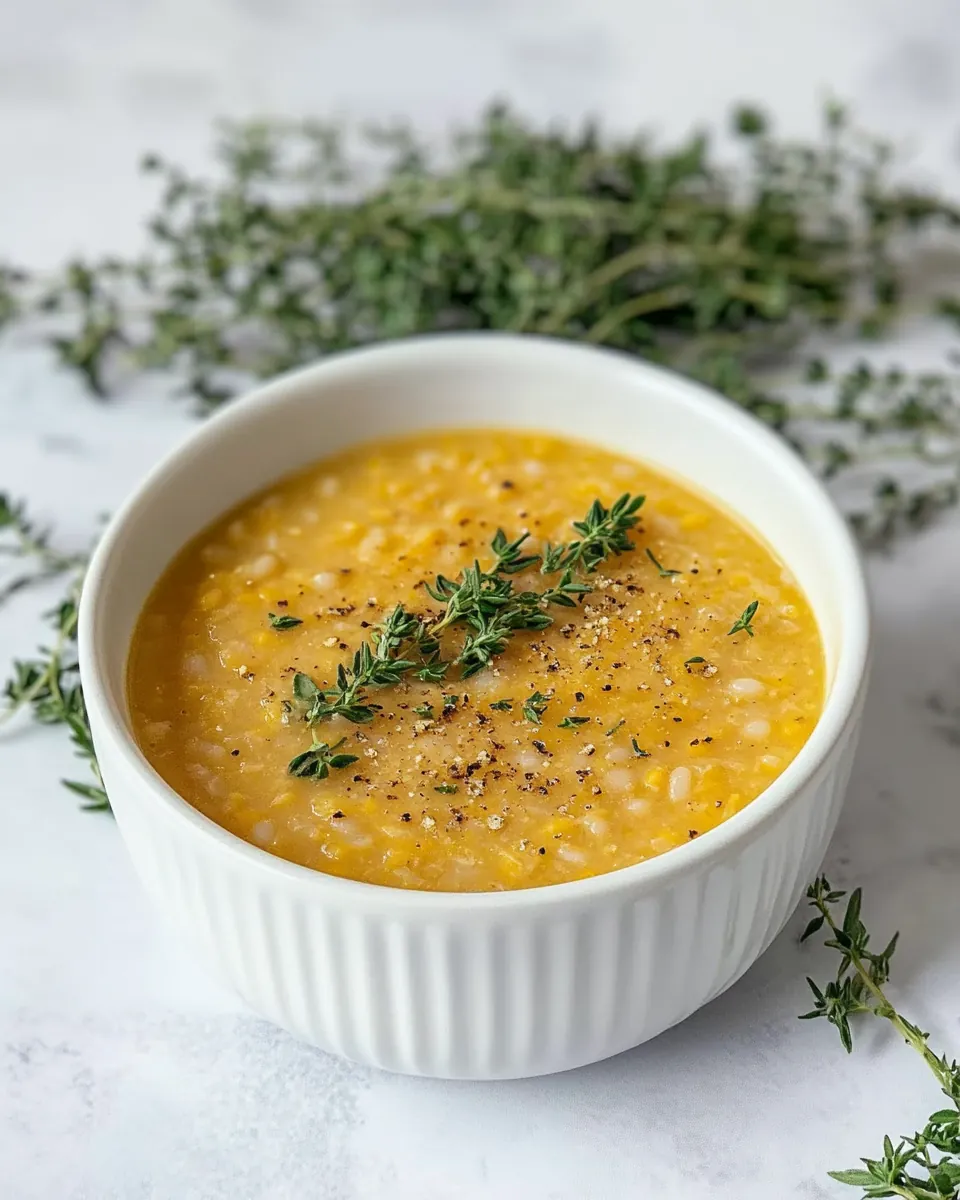
Yellow Split Pea Soup
Yellow Split Pea Soup is the kind of bowl I reach for when evenings get cold and I want something that feels like a warm blanket for my insides. I can still remember the first time I made this recipe for friends after a snowy afternoon walk, how the kitchen filled with a subtle, savory aroma and everyone gathered around the pot, spoons ready. That first spoonful was comforting, bright, and honest, and it taught me how a few humble pantry staples can turn into something unexpectedly joyful.
I often keep the ingredients for Yellow Split Pea Soup on hand because the soup is forgiving and reliably satisfying. There are nights when I throw it together straight from whatever is in my crisper, and other times when I treat the sautéed vegetables with extra patience, coaxing out a deeper sweetness. Each choice nudges the result in a slightly different direction, but the heart of the dish never changes: creamy texture from the split peas, the warm herbal hint of thyme, and a bright finish from lemon juice.
Recipe Snapshot
1 hr 15 mins
15 mins
60 mins
Medium
200 kcal
American
Vegan, Gluten-Free
Soups
Large pot, Wooden spoon, Ladle
What We Adore About This Yellow Split Pea Soup
It is wonderfully simple and pantry friendly
I love that Yellow Split Pea Soup asks for staples most of us have on hand, which means you can make a comforting meal without a special shopping trip. The dried yellow split peas store long term, and basic aromatics like onion, carrot, and celery create depth without fuss.
Texture and flavor balance
The soup achieves a silky body once the split peas break down, yet it still holds character from the softened vegetables. I often mash a few peas against the side of the pot to ensure velvety consistency, while the bay leaf and thyme infuse an understated herbal backbone that prevents the bowl from feeling flat.
Comfort food that still feels bright
I appreciate how a small splash of lemon juice at the end lifts the whole pot, cutting through the natural earthiness of the peas. That acidic note is crucial, it wakes the flavors and makes every spoonful sing without masking the soup’s warmth.
Easy to scale and adapt
Whether I am feeding just myself or a small family, Yellow Split Pea Soup scales nicely. The technique stays the same, so I can double or halve with confidence. It also adapts to what’s available, but the core elements remain consistent, guaranteeing a reliable outcome.
Healthy and satisfying
This soup offers comforting mouthfeel and meaningful nutrition from the legumes and vegetables. It fills you up without weighing you down, which is why I often choose it for lighter dinners that still feel indulgent.
Ingredients Overview for Yellow Split Pea Soup
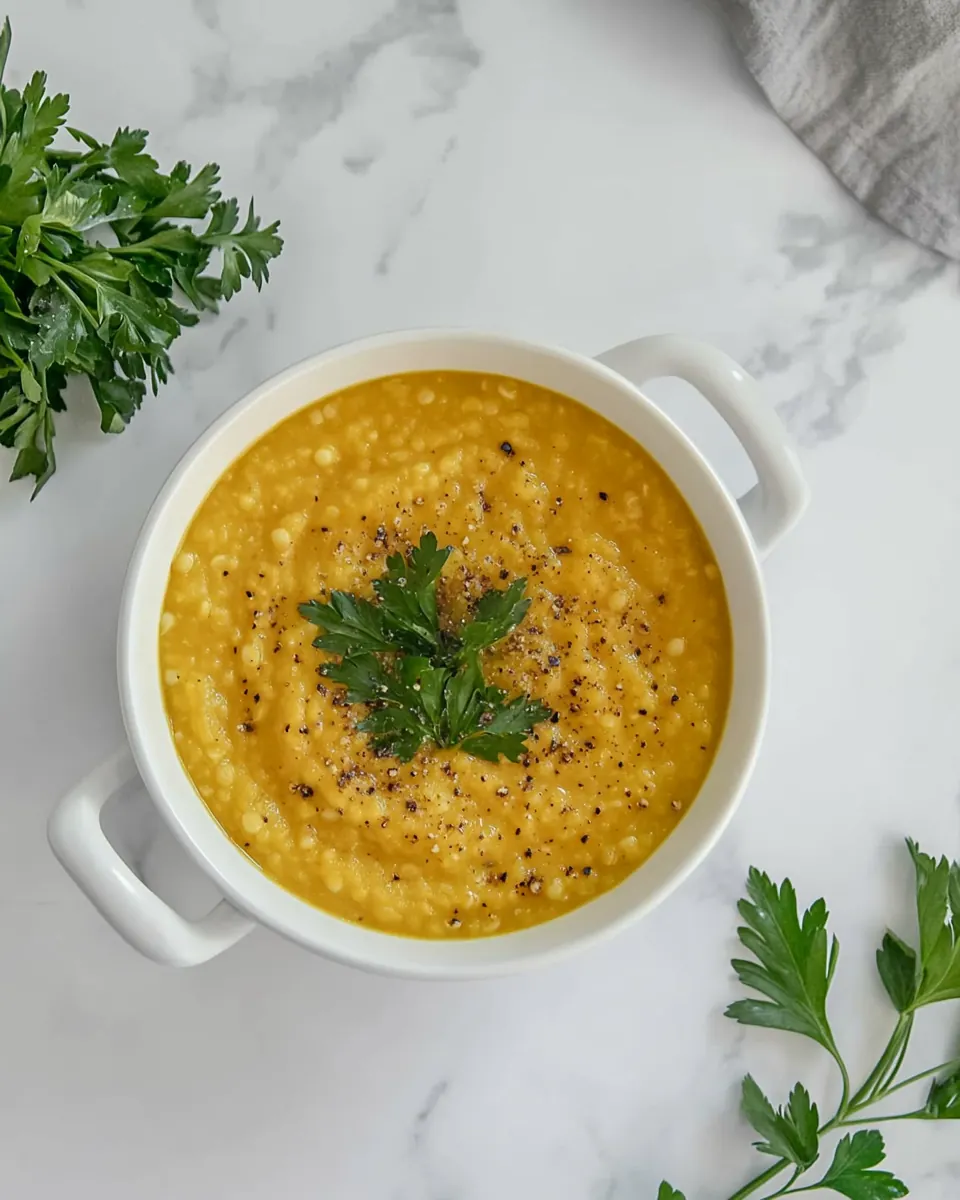
The philosophy behind these ingredients is straightforward, honest cooking. This list pairs starchy, protein rich yellow split peas with aromatics like onion, carrot, and celery to build savory depth. The vegetable broth becomes the vessel that carries flavor, while thyme and bay leaf add subtle herbal notes. A final squeeze of lemon juice brightens the bowl, creating balance between earthy and bright.
- 1 tablespoon olive oil: Sauté gently to provide a flavorful fat base that helps soften aromatics and prevents sticking while contributing a mild fruity richness to the soup.
- 1 medium onion diced: Dice finely to create tender, translucent pieces that release sweetness and meld into the soup, building depth and texture without overpowering other flavors.
- 2 stalks celery diced: Dice uniformly so the celery adds a subtle aromatic crunch and herbal bitterness that balances the sweetness of carrots and onions as it softens during cooking.
- 2 medium carrots sliced: Slice into even rounds to contribute natural sweetness, body, and a soft texture when simmered, helping to thicken the soup and complement the legumes.
- 3 cloves garlic minced: Mince finely to release pungent, savory oils that boost overall aroma and add a subtle spicy warmth that permeates the broth during cooking.
- 6 cups vegetable broth: Bring to a gentle simmer to serve as the liquid backbone that hydrates the split peas, extracts flavors from aromatics, and creates the finished soup’s consistency.
- 2 cups dried yellow split peas rinsed: Rinse thoroughly and simmer until tender to provide the creamy legume base, adding protein, body, and an earthy flavor that defines the dish.
- 1 teaspoon dried thyme: Sprinkle during cooking to add a subtle piney, floral note that enhances savory components and helps round out the soup’s herbaceous profile.
- 1 bay leaf: Add whole while simmering to impart a warm, slightly floral bitterness that deepens the broth; remove before serving to avoid an overly tough texture.
- Salt and pepper to taste: Season at the end to adjust and balance flavors, enhancing the natural sweetness and savory notes while ensuring the soup tastes bright and complete.
- 1 tablespoon lemon juice: Stir in at the finish to brighten and lift the soup with a fresh, tangy acidity that balances the richness and rounds out the overall flavor.
Making Yellow Split Pea Soup
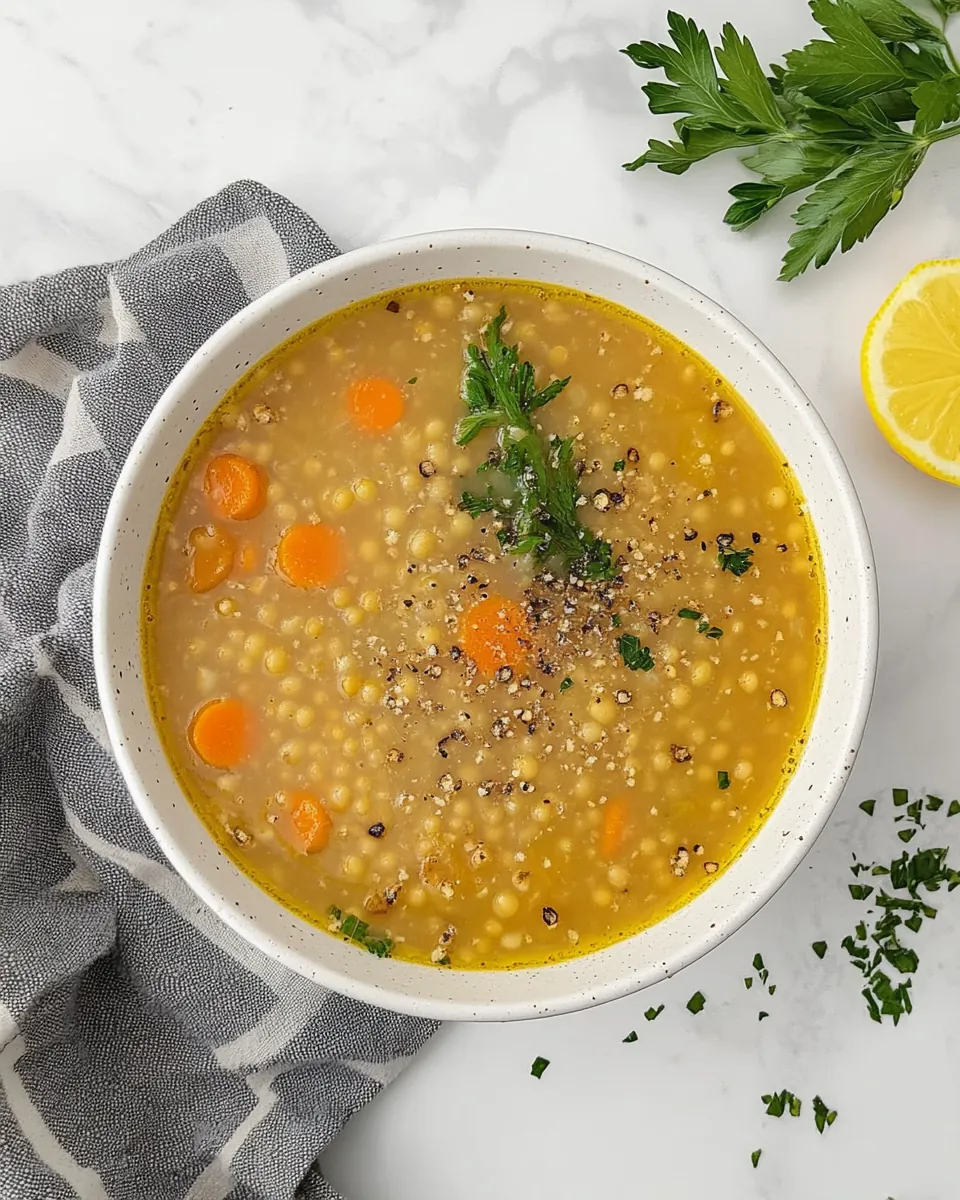
These directions are straightforward, and I approach them with patience because the result rewards it. The process is mostly about building layers of flavor through gentle cooking and attentive seasoning, so take your time and engage your senses as you go.
- Heat the olive oil in a large pot over medium heat. Add the onions, celery, and carrots, and sauté until the vegetables are softened, about 5 minutes.: The initial warmth of the pan should be gentle, you want a shimmer from the olive oil not smoke. When the oil is correctly heated you will notice a soft scent and a subtle movement across the surface, which tells you the pan is ready. This medium heat encourages the vegetables to release moisture slowly, creating sweet, mellow flavors instead of bitter char. If the oil begins to darken or smoke, immediately lower the heat to prevent burning, and wipe the pan if necessary. A common mistake is rushing with high heat, which gives an unpleasant acrid note instead of a rounded base.
- Add the garlic and sauté for another minute until fragrant. Pour in the vegetable broth and add the rinsed yellow split peas, thyme, and bay leaf. Bring to a boil, then reduce heat to a simmer.: As you stir the diced onion , celery , and carrots , listen for a gentle sizzling and watch the edges of the onion become translucent. The mixture will give off a sweet, faintly roasted aroma as natural sugars are released, and the vegetables should collapse slightly under the spoon. This softening step builds the foundational flavor of the soup and ensures no one ingredient dominates. Avoid browning too much unless you want a deeper caramelized flavor, because it can shift the profile. Stir frequently to cook evenly and prevent sticking or burning.
- Cover and let simmer for about 1 hour, or until the split peas are tender. Remove the bay leaf, stir in the lemon juice, and season with salt and pepper to taste. Serve hot.: When you stir in the minced garlic , you will immediately notice a bright, pungent fragrance that lifts the pot. Keep the heat moderate, and move the vegetables constantly to prevent the garlic from frying to a bitter brown. This brief sauté allows the garlic oil to mingle with the vegetables, creating harmony across the flavors. If you smell a sharp, acrid odor, the garlic has burned and you should reduce the heat and, if necessary, start the step again with fresh garlic to avoid bitterness.
- Pour in the vegetable broth and add the rinsed yellow split peas, thyme, and bay leaf: As the vegetable broth hits the warm pot, you will see steam rise and gentle bubbles form, carrying the aromatics into the liquid. Adding the rinsed yellow split peas at this point allows them to absorb flavor as they hydrate and cook. The scent shifts from sautéed vegetables to a savory, simmering stew. The thyme and bay leaf seep into the broth, contributing rounded herbal notes. A typical error here is not rinsing the peas, which can make the broth cloudy and gritty, so ensure they are clean before adding.
- Bring to a boil, then reduce heat to a simmer: You will see larger, rolling bubbles as the pot reaches a boil, then ease back to a gentle simmer where small, steady ripples rise and fall. This slower simmer is critical because it allows the yellow split peas to soften and disintegrate, producing creamy texture without breaking into an overfoamy or starchy mess. High rolling boil can make the soup reduce too quickly and create uneven cooking. Keep the pot partially covered to manage evaporation, and reduce heat if the liquid becomes too vigorous.
- Cover and let simmer for about 1 hour, or until the split peas are tender: During this hour, the kitchen fills with a warm, legume aroma and the soup thickens gradually. Stir every 10 to 15 minutes to prevent sticking on the bottom, and test the peas by pressing one between your fingers to ensure it collapses easily. The right texture is velvety and slightly creamy with no gritty bits. If the peas seem undercooked after an hour, continue simmering and check every 10 minutes. A common mistake is walking away and allowing the pot to scorch, so keep an eye on it and adjust heat as needed.
- Remove the bay leaf, stir in the lemon juice, and season with salt and pepper to taste: The final finishing touches happen when the soup is warm and aromatic, not boiling. Removing the bay leaf avoids an unpleasant leathery bite in the spoon. Stirring in the lemon juice releases a bright citrus aroma that contrasts the earthy notes, lifting the flavors and making them pop. Taste and add salt and pepper gradually, because their impact intensifies as the soup cools slightly. Over-salting is easy to do, so season sparingly and recheck. If the soup tastes flat after seasoning, a touch more acid or a little extra simmering can help concentrate the flavors.
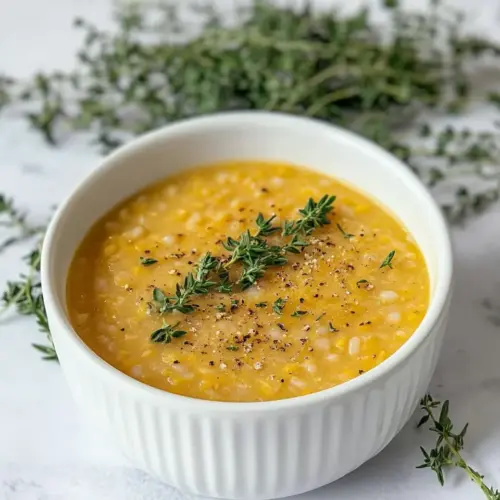
- Serve hot: Ladle the soup into warm bowls and notice how steam carries the fragrant thyme and lemon to the nose before the first sip. The spoon should glide through a smooth body with tiny flecks of softened carrot and celery for interest. Serve with a sprinkle of freshly ground pepper if you like. A common mistake is serving too cold; warm bowls maintain temperature and enhance aroma, so pre-warming them can make the experience more inviting.
Making Adjustments
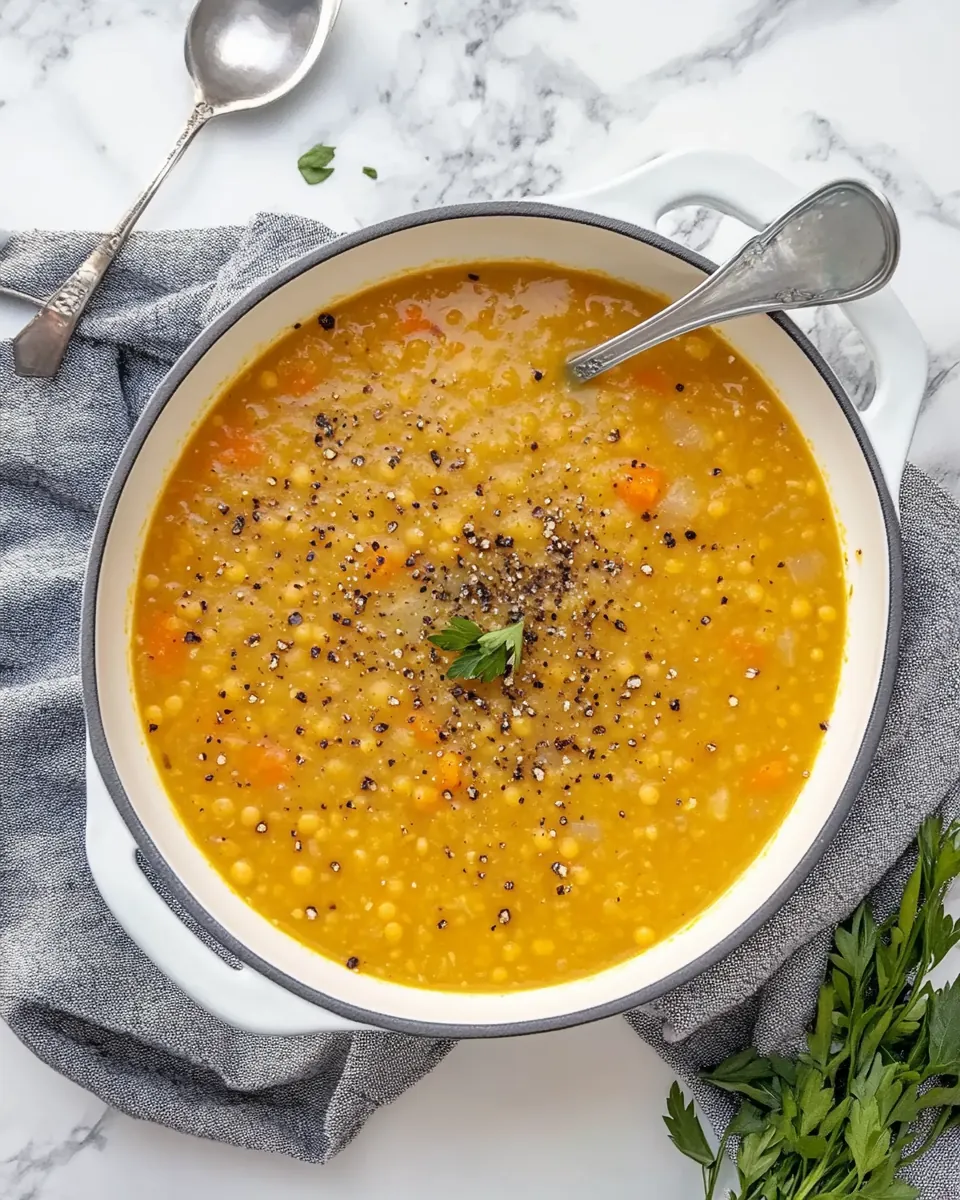
I like to share ways you can adjust Yellow Split Pea Soup while keeping the core flavors intact. Small changes in technique or timing can meaningfully change texture and brightness, so experiment gently and taste as you go.
- Reduce sodium Use low sodium vegetable broth and add salt at the end to control seasoning precisely.
- Adjust consistency If the soup is too thick, stir in warm vegetable broth a quarter cup at a time until you reach the desired body.
- Boost brightness Add more lemon juice in half teaspoon increments after tasting to keep acidity balanced and fresh.
- Make it creamier For an ultra silky mouthfeel, blend half the soup and stir it back in rather than pureeing the whole pot.
- Storing and reheating Cool fully before refrigerating, reheat gently on the stovetop to avoid splitting, and add a splash of broth if it thickens in storage.
Serving Ideas for Yellow Split Pea Soup
This soup is versatile and adaptable to different occasions, from a simple weeknight dinner to a cozy winter lunch. It pairs well with simple sides and can be dressed up for guests with just a few touches. Below are thoughtful serving ideas and storage notes to help you present it well.
- Simple lunch Serve a generous bowl of Yellow Split Pea Soup with warm crusty bread for dipping, creating a satisfying midday meal that is both warming and balanced.
- Weeknight dinner Pair with a light green salad and a lemon vinaigrette to add crisp contrast and keep the meal feeling fresh and complete.
- Family style Place the pot in the center of the table with bowls and spoons for an informal, communal meal that encourages conversation and seconds.
- Seasonal occasions This soup is especially nice for cold weather gatherings and fits well into winter menus, offering a nourishing option that is both humble and thoughtful.
- Storage tips Refrigerate in an airtight container for up to four days, or freeze portions for up to three months. Thaw overnight in the refrigerator and reheat gently on the stove, adding a little broth if it thickens.
- Presentation Garnish with a twist of lemon juice and a crack of pepper just before serving to keep flavors vibrant and aromatic.
FAQ
Conclusion
Yellow Split Pea Soup shines because it transforms minimal, inexpensive ingredients into a bowl that is both nourishing and comforting. The combination of softened aromatics, creamy split peas, and a bright finish creates a balance that feels homey and satisfying. Try this recipe when you want an easy, reliable meal that warms you from the inside out, and give it your personal touches with seasoning and finishing acid. Serve it simply, enjoy the process of slow simmering, and notice how a little patience pays off in every spoonful.
Yellow Split Pea Soup
Equipment
- Large Pot
- Wooden Spoon
- Ladle
Ingredients
- 1 tablespoon olive oil Sauté gently to provide a flavorful fat base that helps soften aromatics and prevents sticking while contributing a mild fruity richness to the soup.
- 1 medium onion diced Dice finely to create tender, translucent pieces that release sweetness and meld into the soup, building depth and texture without overpowering other flavors.
- 2 stalks celery diced Dice uniformly so the celery adds a subtle aromatic crunch and herbal bitterness that balances the sweetness of carrots and onions as it softens during cooking.
- 2 medium carrots sliced Slice into even rounds to contribute natural sweetness, body, and a soft texture when simmered, helping to thicken the soup and complement the legumes.
- 3 cloves garlic minced Mince finely to release pungent, savory oils that boost overall aroma and add a subtle spicy warmth that permeates the broth during cooking.
- 6 cups vegetable broth Bring to a gentle simmer to serve as the liquid backbone that hydrates the split peas, extracts flavors from aromatics, and creates the finished soup’s consistency.
- 2 cups dried yellow split peas rinsed Rinse thoroughly and simmer until tender to provide the creamy legume base, adding protein, body, and an earthy flavor that defines the dish.
- 1 teaspoon dried thyme Sprinkle during cooking to add a subtle piney, floral note that enhances savory components and helps round out the soup’s herbaceous profile.
- 1 bay leaf Add whole while simmering to impart a warm, slightly floral bitterness that deepens the broth; remove before serving to avoid an overly tough texture.
- Salt and pepper to taste Season at the end to adjust and balance flavors, enhancing the natural sweetness and savory notes while ensuring the soup tastes bright and complete.
- 1 tablespoon lemon juice Stir in at the finish to brighten and lift the soup with a fresh, tangy acidity that balances the richness and rounds out the overall flavor.
Instructions
- Heat the olive oil in a large pot over medium heat. Add the onions, celery, and carrots, and sauté until the vegetables are softened, about 5 minutes.: The initial warmth of the pan should be gentle, you want a shimmer from the olive oil not smoke. When the oil is correctly heated you will notice a soft scent and a subtle movement across the surface, which tells you the pan is ready. This medium heat encourages the vegetables to release moisture slowly, creating sweet, mellow flavors instead of bitter char. If the oil begins to darken or smoke, immediately lower the heat to prevent burning, and wipe the pan if necessary. A common mistake is rushing with high heat, which gives an unpleasant acrid note instead of a rounded base.
- Add the garlic and sauté for another minute until fragrant. Pour in the vegetable broth and add the rinsed yellow split peas, thyme, and bay leaf. Bring to a boil, then reduce heat to a simmer.: As you stir the diced onion , celery , and carrots , listen for a gentle sizzling and watch the edges of the onion become translucent. The mixture will give off a sweet, faintly roasted aroma as natural sugars are released, and the vegetables should collapse slightly under the spoon. This softening step builds the foundational flavor of the soup and ensures no one ingredient dominates. Avoid browning too much unless you want a deeper caramelized flavor, because it can shift the profile. Stir frequently to cook evenly and prevent sticking or burning.
- Cover and let simmer for about 1 hour, or until the split peas are tender. Remove the bay leaf, stir in the lemon juice, and season with salt and pepper to taste. Serve hot.: When you stir in the minced garlic , you will immediately notice a bright, pungent fragrance that lifts the pot. Keep the heat moderate, and move the vegetables constantly to prevent the garlic from frying to a bitter brown. This brief sauté allows the garlic oil to mingle with the vegetables, creating harmony across the flavors. If you smell a sharp, acrid odor, the garlic has burned and you should reduce the heat and, if necessary, start the step again with fresh garlic to avoid bitterness.
- Pour in the vegetable broth and add the rinsed yellow split peas, thyme, and bay leaf: As the vegetable broth hits the warm pot, you will see steam rise and gentle bubbles form, carrying the aromatics into the liquid. Adding the rinsed yellow split peas at this point allows them to absorb flavor as they hydrate and cook. The scent shifts from sautéed vegetables to a savory, simmering stew. The thyme and bay leaf seep into the broth, contributing rounded herbal notes. A typical error here is not rinsing the peas, which can make the broth cloudy and gritty, so ensure they are clean before adding.
- Bring to a boil, then reduce heat to a simmer: You will see larger, rolling bubbles as the pot reaches a boil, then ease back to a gentle simmer where small, steady ripples rise and fall. This slower simmer is critical because it allows the yellow split peas to soften and disintegrate, producing creamy texture without breaking into an overfoamy or starchy mess. High rolling boil can make the soup reduce too quickly and create uneven cooking. Keep the pot partially covered to manage evaporation, and reduce heat if the liquid becomes too vigorous.
- Cover and let simmer for about 1 hour, or until the split peas are tender: During this hour, the kitchen fills with a warm, legume aroma and the soup thickens gradually. Stir every 10 to 15 minutes to prevent sticking on the bottom, and test the peas by pressing one between your fingers to ensure it collapses easily. The right texture is velvety and slightly creamy with no gritty bits. If the peas seem undercooked after an hour, continue simmering and check every 10 minutes. A common mistake is walking away and allowing the pot to scorch, so keep an eye on it and adjust heat as needed.
- Remove the bay leaf, stir in the lemon juice, and season with salt and pepper to taste: The final finishing touches happen when the soup is warm and aromatic, not boiling. Removing the bay leaf avoids an unpleasant leathery bite in the spoon. Stirring in the lemon juice releases a bright citrus aroma that contrasts the earthy notes, lifting the flavors and making them pop. Taste and add salt and pepper gradually, because their impact intensifies as the soup cools slightly. Over-salting is easy to do, so season sparingly and recheck. If the soup tastes flat after seasoning, a touch more acid or a little extra simmering can help concentrate the flavors.
- Serve hot: Ladle the soup into warm bowls and notice how steam carries the fragrant thyme and lemon to the nose before the first sip. The spoon should glide through a smooth body with tiny flecks of softened carrot and celery for interest. Serve with a sprinkle of freshly ground pepper if you like. A common mistake is serving too cold; warm bowls maintain temperature and enhance aroma, so pre-warming them can make the experience more inviting.
Notes
- Reduce sodium Use low sodium vegetable broth and add salt at the end to control seasoning precisely.
- Adjust consistency If the soup is too thick, stir in warm vegetable broth a quarter cup at a time until you reach the desired body.
- Boost brightness Add more lemon juice in half teaspoon increments after tasting to keep acidity balanced and fresh.
- Make it creamier For an ultra silky mouthfeel, blend half the soup and stir it back in rather than pureeing the whole pot.
- Storing and reheating Cool fully before refrigerating, reheat gently on the stovetop to avoid splitting, and add a splash of broth if it thickens in storage.
