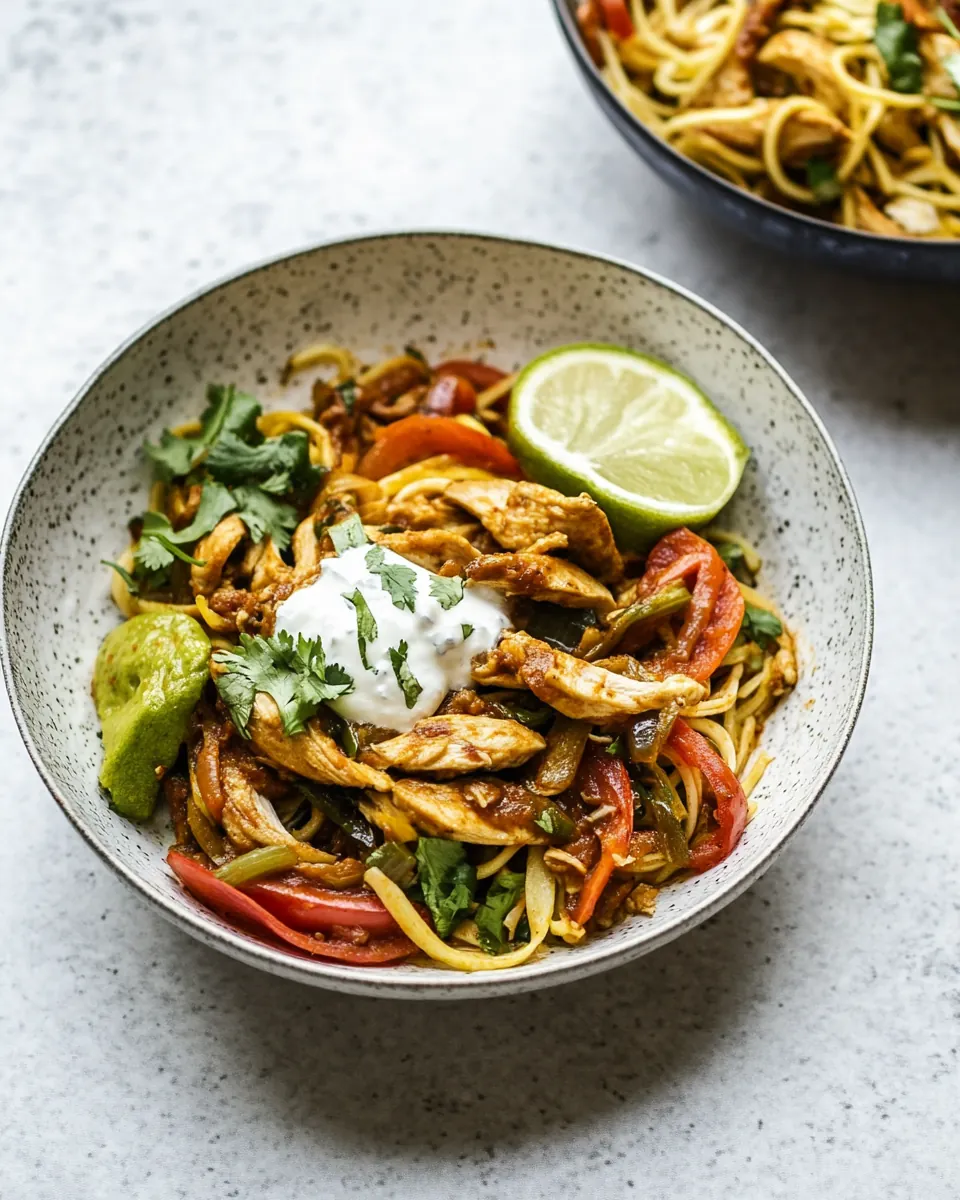
Chicken Fajita Zoodle Bowls
Chicken Fajita Zoodle Bowls came into my weeknight rotation the moment I wanted the bold flavors of fajitas without the heaviness of tortillas and rice. The first time I put this together, I was juggling a hungry partner, a spiralizer that had seen better days, and a pan that I swear gets hotter every year. I remember the sizzle when the peppers hit the hot surface, a smell that immediately made both of us stop what we were doing and crowd the stove. The combination of warm, spiced chicken and crisp, barely wilted zucchini noodles felt like a small victory for fast, thoughtful home cooking.
I tend to cook intuitively, and this recipe rewards that approach. There are moments where you have to trust your senses, like when the onions begin to caramelize at the edges and the aroma of toasted spices rises from the pan. I like finishing bowls with creamy slices of avocado and a dollop of Greek yogurt, because that contrast cools the spices and adds silkiness. Each forkful gives you bright citrus from the lime, a warm smoky note from the paprika, and the satisfying chew of seared chicken.
Recipe Snapshot
25 mins
10 mins
15 mins
Easy
400 kcal
Mexican
Keto, Gluten-Free
Dinner
Cast iron skillet, Grill pan, Spiralizer, Tongs
Why This Chicken Fajita Zoodle Bowls Stands Out
Vibrant, Fresh Flavors
I love how Chicken Fajita Zoodle Bowls deliver the classic fajita profile without weighing you down. The mix of bell peppers and onion provides natural sweetness, while the spice blend gives the chicken a toasty, savory backbone. Every bite feels lively, and I find myself craving the bright finish from a squeeze of lime.
Quick and Weeknight Friendly
For busy evenings this dish is a winner. The hands on time is short, and because the zucchini noodles only need a brief warm through, the whole meal wraps up fast. I often have everything prepped so assembly becomes a joyful, almost theatrical step, rather than a rush.
Customizable and Balanced
I appreciate recipes that let you adapt on the fly. You can dial the heat up or down, swap the finishing dollop between Greek yogurt and sour cream, and load extra herbs for freshness. The bowls combine protein and vegetables so they feel complete and satisfying without extra sides.
Textural Contrast
The contrast between seared, slightly crisped peppers and the tender ribbons of zucchini is what makes this memorable. I intentionally keep the noodles al dente so they hold up under the warm spices and sliced chicken without turning mushy.
Family Friendly Appeal
Even picky eaters usually warm to this one because the flavors are familiar, but the presentation feels fun. I’ve served it to friends who declared they were not into zoodles, and by the end of the meal they were asking for seconds. That kind of conversion is what keeps this on my rotation.
Ingredients You’ll Need for Chicken Fajita Zoodle Bowls
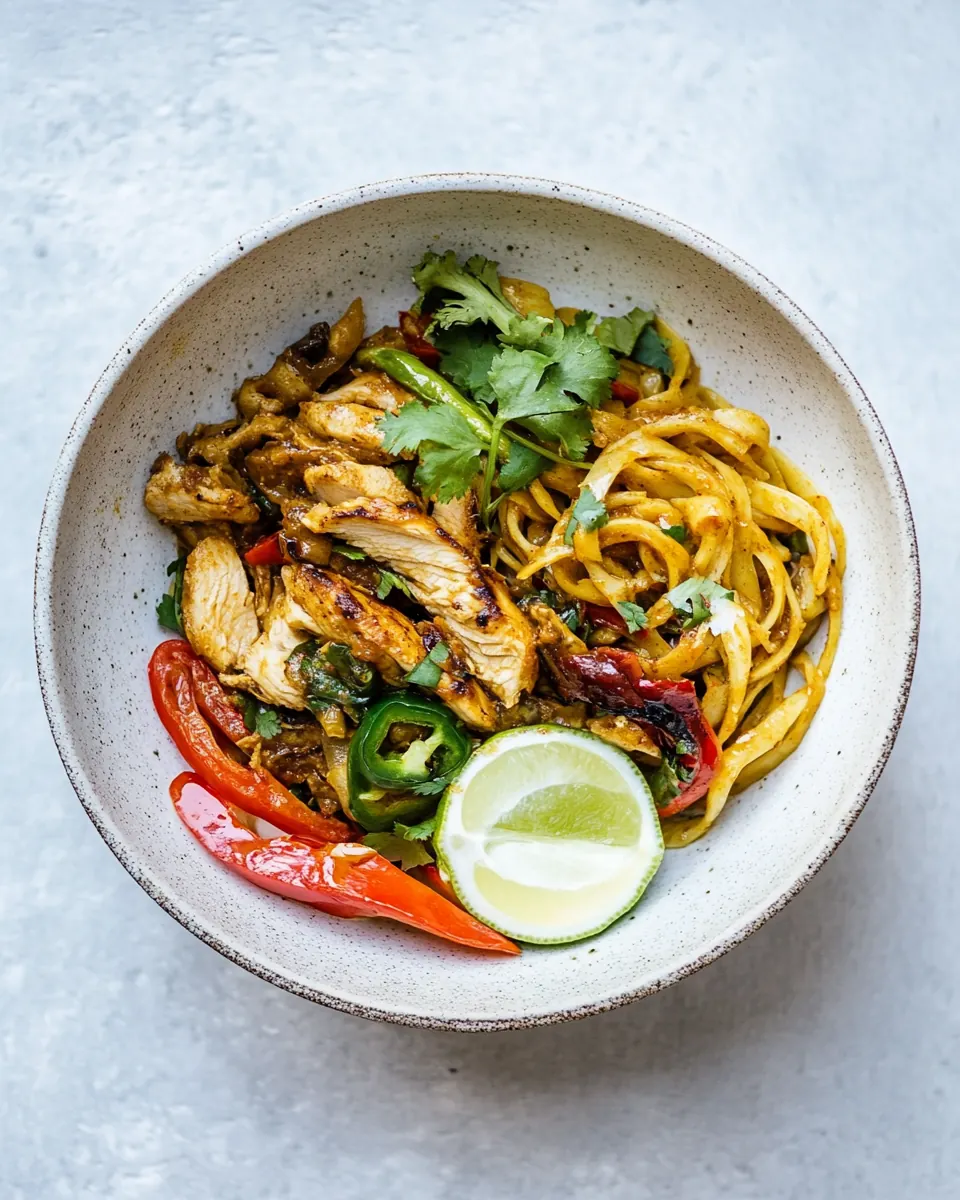
I think of these ingredients as a small, focused team. The spices and olive oil build the seasoning base for the chicken, the peppers and onion bring sweetness and bite, and the zucchini noodles offer a light, refreshing vehicle for the warm, well seasoned elements. The finishing touches like avocado and Greek yogurt add cream and balance so every bowl feels thoughtful and complete.
- 2 medium zucchinis spiralized on medium setting: Spiralized on a medium setting to create noodle-like strands that absorb sauces and cook quickly; provides a low-carb, vegetable base with a tender-crisp texture when sautéed briefly.
- 3 tablespoons olive oil divided: Divided to allow separate uses for sautéing vegetables and searing chicken; adds richness and helps distribute heat for even cooking while enhancing flavor and mouthfeel.
- 1 medium onion cut into strips: Cut into strips to caramelize and soften when cooked; contributes sweetness and savory depth, adding body and aromatic layers to the fajita mix.
- 1 red bell pepper cut into strips: Cut into strips to soften and blister under high heat; brings bright, sweet flavor and vibrant color that balances the dish’s spices.
- 1 green bell pepper cut into strips: Cut into strips to add a slightly bitter, peppery contrast when cooked; supplies crunchy texture and fresh green color to the fajita vegetables.
- 2 chicken breasts cut in half lengthwise: Cut in half lengthwise to create thinner, faster-cooking pieces that sear evenly; supplies lean protein and soaks up the spice rub for hearty fajita bowls.
- 1 teaspoon ground cumin: Provides warm, earthy flavor and a subtle citrusy note when sprinkled on chicken and vegetables; helps tie together the Mexican-inspired spice profile.
- 1 teaspoon chili powder: Adds smoky, mildly spicy depth to the seasoning mix; enhances savory umami notes and contributes to the classic fajita flavor.
- 1 teaspoon garlic powder: Imparts a concentrated garlic flavor without fresh cloves; offers savory, aromatic backbone and consistent dosing for seasoning the protein and vegetables.
- 1 teaspoon paprika: Delivers smoky color and a mild warmth to the spice blend; contributes to overall flavor complexity and visual appeal of the seared chicken and veggies.
- 1/2 teaspoon cayenne pepper or to taste (leave out if you want it mild): Adds heat and a sharp spicy kick that can be adjusted to taste; elevates the overall spice level and provides a lingering warmth when included.
- 1 tablespoon fresh cilantro chopped: Chopped to finish the dish with bright, herbaceous freshness; adds a citrusy, slightly peppery note and visual contrast to the cooked components.
- Salt & pepper to taste: Used to season to personal preference, enhancing all other flavors; balances sweetness and acidity while ensuring each component meets desired taste.
- 1 avocado sliced: Sliced to provide creamy, buttery richness and cool contrast to spicy components; contributes healthy fats and a smooth mouthfeel to each bowl.
- Greek yogurt or sour cream to taste: Served to add creamy tang and cooling balance to spicy fajita components; acts as a versatile topping that brings moisture and slight acidity.
- Lime wedges for serving: Provided as wedges to squeeze over the finished bowls for bright acidity; cuts through richness and amplifies the dish’s flavors with fresh citrus brightness.
Chicken Fajita Zoodle Bowls Instructions
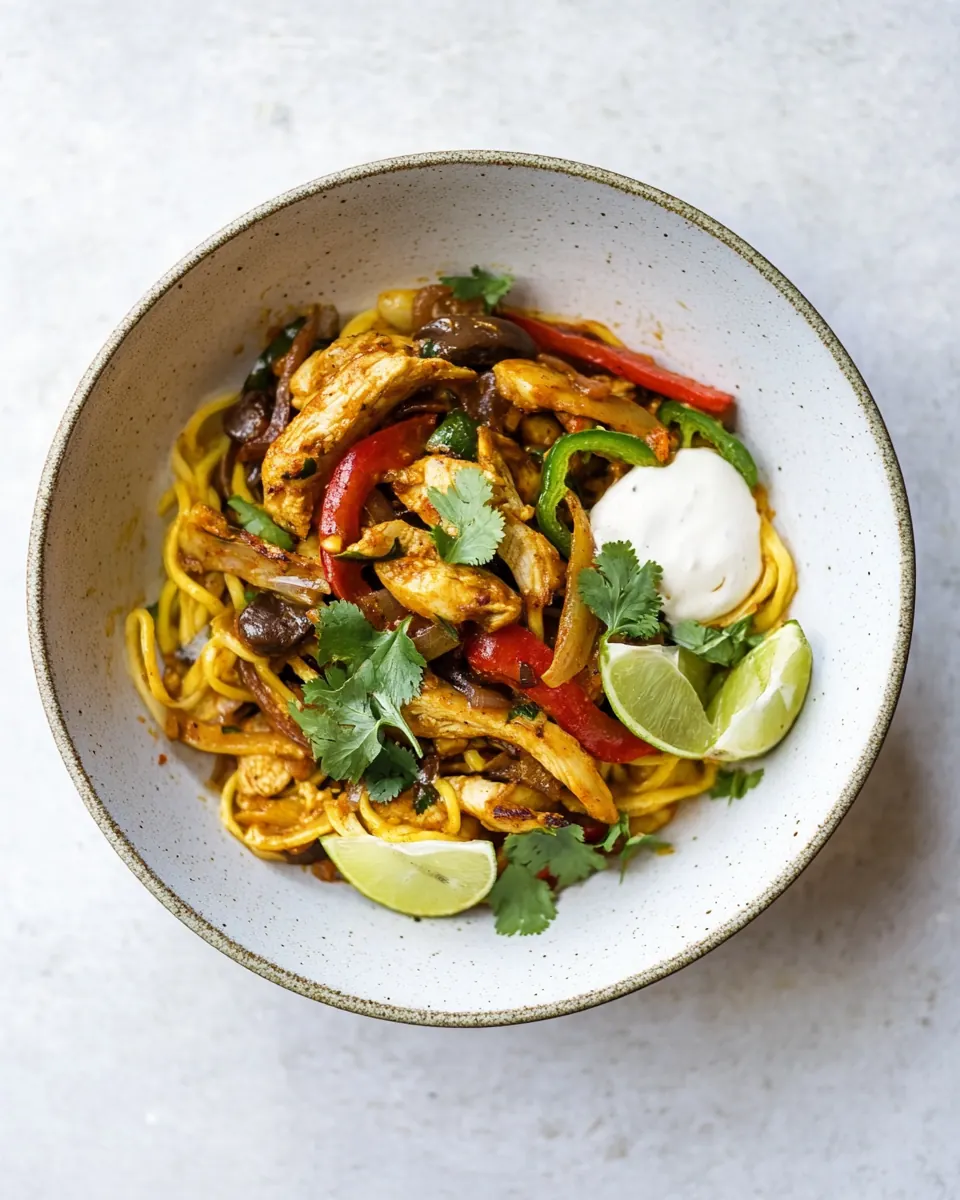
These instructions turn the simple ingredient list into a lively, balanced bowl. I like to move through the steps with attention to heat and timing, because the real magic happens in the pan when flavors meet. Keep tools close, and taste as you go so the seasoning sings.
- Prep your chicken and veggies. Add the chicken to a large ZipLoc bag along with 2 tablespoons of oil, the ground cumin, chili powder, paprika, garlic powder, cayenne pepper (if using), and some salt & pepper. Let marinate for at least 30 minutes.: The kitchen should smell like warm spices and fresh produce, which signals that you prepped thoughtfully. Marinating the chicken with 2 tablespoons of olive oil and the spice blend infuses flavor deep into the meat, helping it sear to a rich crust rather than just brown on the surface. Letting the chicken rest in the bag allows the spices to adhere, which improves texture and taste when it hits the pan. A common mistake here is under seasoning, so be generous but balanced with salt and spices.
- Add 1 tablespoon oil to a cast iron skillet or grill pan on medium-high heat. Let the pan get very hot (wait a few minutes). Cook onion and peppers for 7-10 minutes, stirring occasionally, until they're tender-crisp and nicely seared. Take the veggies out of the pan and cover with foil to keep warm.: The aroma of the mixed spices should be warm and inviting before the chicken even touches heat, and that tells you they are fresh. Coating pieces evenly helps each slice develop an even sear, which concentrates flavor through caramelization. If you skip the bag massage, pockets of spice can form, leading to uneven bites, so shake or massage well.
- Add the chicken to the skillet on medium-high heat. Cook the first side for 5 minutes (don't be tempted to move it around the pan – you want a nice sear), and the second side for 3-5 minutes, or until it's cooked through but not overcooked.: While the spice rub melds, you may notice the texture of the chicken change subtly as the oil and seasonings penetrate. This pause is crucial for depth, and even 30 minutes makes a difference compared to none. Avoid marinating so long that acidic components, if any were present, break down the meat, though this recipe avoids heavy acids so timing is forgiving.
- Turn the heat off. Take the chicken out of the pan and slice it into strips.: You want the pan to be shimmering and barely smoking, which sets the stage for intense contact and a proper sear. That hot surface gives the peppers and onions charred edges that taste slightly sweet and savory at once. If the pan is not hot enough, the vegetables will soften without developing the complex toasted notes you want, so be patient and heat it well.
- Add the peppers and onions, chicken strips, chopped cilantro, and zucchini noodles to the pan and toss (I like to use tongs). The pan will still be really hot, so the zucchini noodles will warm up a bit without going too watery. Season with more salt & pepper if needed.: A truly hot pan creates that immediate sizzle, releasing the smell of caramelizing sugars from the peppers and onion. The sound of a strong sizzle means moisture is escaping quickly, which leads to concentrated flavor. Putting food into a cold pan can result in steaming, which produces a limp texture rather than crisp sear.
- Transfer to bowls and top with avocado, Greek yogurt, and lime wedges.: As you stir, listen for shifts in the sizzle and watch for glossy edges turning golden brown, those are your visual cues. The sweetness deepens as they caramelize, and that rounds the spice profile for the whole bowl. Overcooking here will remove texture, so aim for tender-crisp, not mushy.
- Take the veggies out of the pan and cover with foil to keep warm: Keeping them covered retains warmth and prevents them from drying out while you cook the chicken . The retained steam will also slightly continue to soften them, so if you prefer more crunch, remove from heat sooner. Leaving them in the pan risks overcooking while the chicken cooks.
- Add the chicken to the skillet on medium-high heat: When the chicken hits the pan you should hear a strong immediate sizzle, signaling the Maillard reaction that creates deep savory notes. That initial contact is where flavor builds, so resist moving the pieces too soon. If you overcrowd the pan the temperature will drop and your chicken will steam rather than sear.
- Cook the first side for 5 minutes: During this time the chicken should develop a golden to deep brown crust, with the edges visibly firming. That crust locks in juices and gives concentrated savory flavor. A typical error is flipping frequently, which prevents crust formation and leads to less flavorful meat.
- Cook the second side for 3 to 5 minutes, or until it's cooked through but not overcooked: The internal color should move from translucent to opaque, and the juices should run clear when pierced. Aim for a slight springiness to the touch, which indicates juiciness. Overcooking will yield a dry texture, so rely on timing and feel rather than guessing.
- Turn the heat off: Letting the pan rest momentarily removes aggressive direct heat so residual heat finishes the chicken gently, preventing overshoot. This small pause also allows flavors to settle. Removing food immediately from a roaring flame prevents continued charring.
- Take the chicken out of the pan and slice it into strips: Slicing lets you control portion and texture, and the cross section will show whether the meat is properly cooked. Cutting against the grain yields tender bites, which matters for mouthfeel. A common slip is slicing too soon while the meat is still very hot, which can cause juices to run and the meat to dry faster.
- Add the peppers and onions, chicken strips, chopped cilantro, and zucchini noodles to the pan and toss: The pan should still be hot enough to warm the zucchini ribbons without turning them watery, producing a slightly steamed but still crisp result. Tossing helps distribute residual oil and seasoning evenly, giving uniform flavor in every forkful. Overheating here will release too much moisture from the zucchini , making the bowl soggy, so be gentle and quick.
- The pan will still be really hot, so the zucchini noodles will warm up a bit without going too watery: You should notice a faint steam and a fresh green color that remains lively, which indicates success. The gentle warming preserves texture while unifying flavors. If the noodles sit too long in heat, they will become soft and lose structure, so serve promptly.
- Season with more salt & pepper if needed: Taste a small bite and adjust seasoning, because the concentration of flavors can change after mixing. Adding salt at the end brings out brightness and balances the fat from the avocado and Greek yogurt . The most frequent mistake is under tasting at this stage, which leaves the final bowl bland.
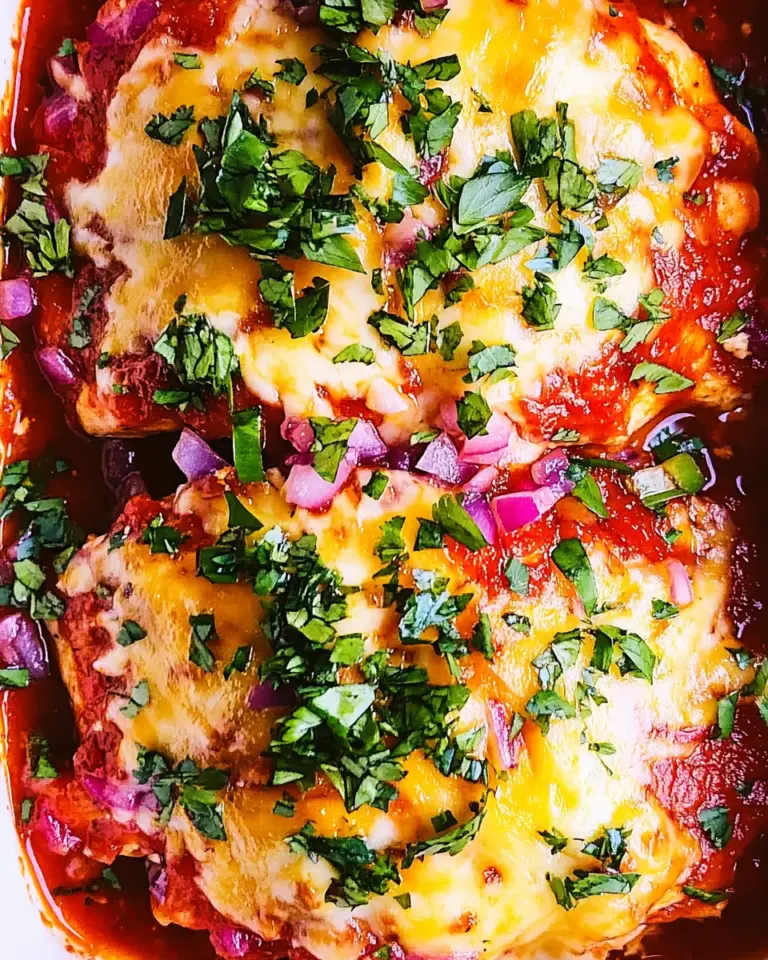
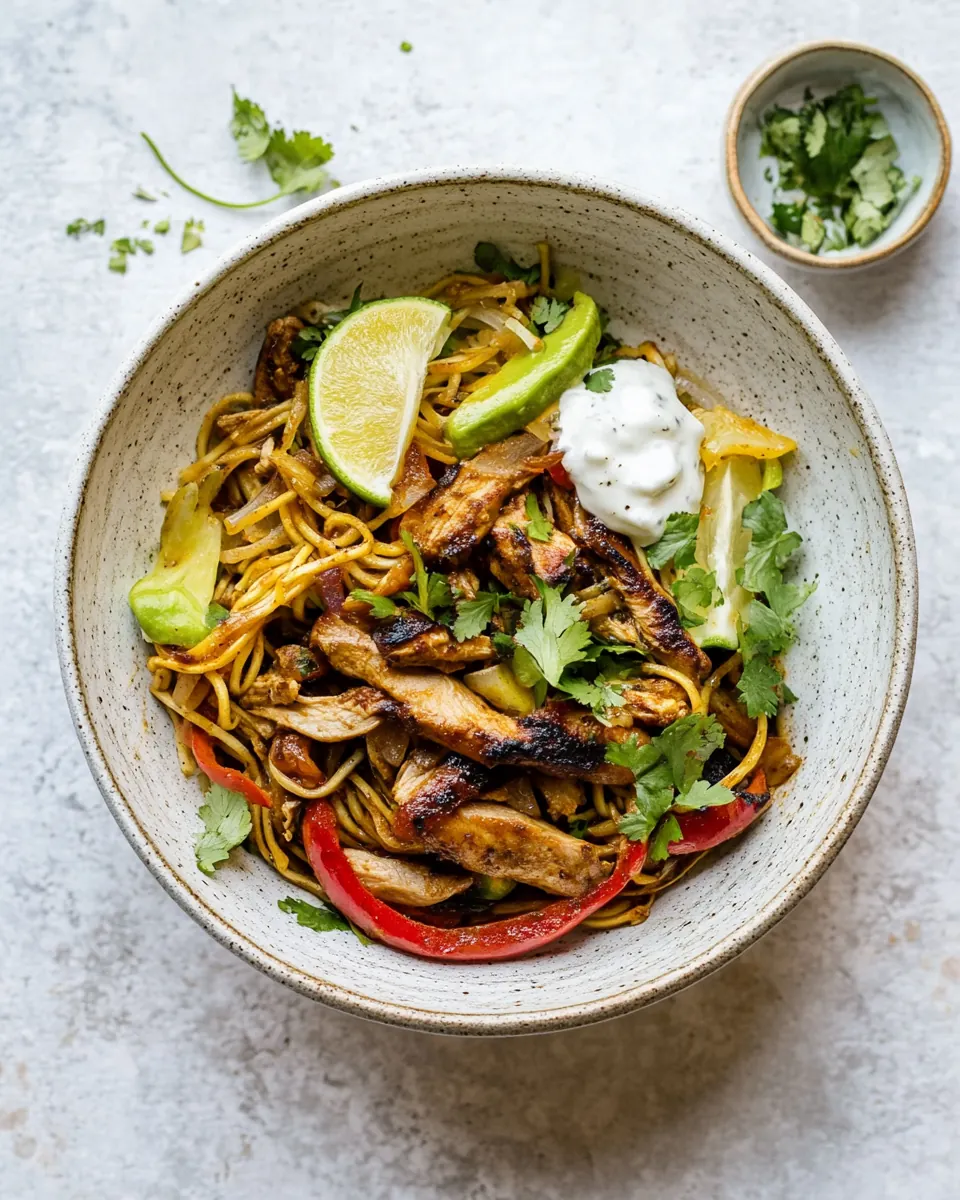
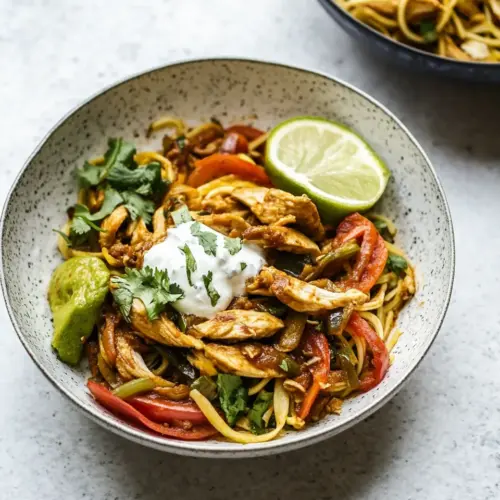
- Transfer to bowls and top with avocado, Greek yogurt, and lime wedges: The final presentation should look vibrant, with creamy avocado and a cool dollop of Greek yogurt contrasting the warm, spiced elements. A spritz of lime at the table lifts everything, adding a bright citrus pop. Waiting too long to add the avocado risks browning and a change in texture, so garnish just before serving.
Tips and Variations
I like to think of tips as small tweaks that make a big difference. Below are practical suggestions and variations that I use to adapt the bowls to different moods and kitchens.
- Use room temperature chicken to ensure even cooking, because cold meat straight from the fridge can reduce pan temperature and lead to uneven searing.
- Don’t overcrowd the pan, cook in batches if necessary, since crowding causes steaming and prevents caramelization that creates deeper flavor.
- Spice it to your comfort level, start with less cayenne if you are sensitive to heat, then add a pinch at the end if you want more warmth.
- Keep the zucchini al dente by tossing it in the hot pan just briefly, as overcooked noodles become watery and lose their pleasant bite.
- Finish with fresh herbs like chopped cilantro for a lift, adding them at the end so the bright notes remain intact.
Serve This Chicken Fajita Zoodle Bowls With
These bowls are flexible and can fit many occasions, from a casual weeknight to a light dinner during warmer months. Below are detailed serving ideas and pairings to enhance the meal.
- Light summer dinner, serve the bowls on their own with extra lime wedges and a simple green salad, keeping the meal fresh and easy for warm evenings.
- Family style weeknight, offer extra bowls of sliced avocado and Greek yogurt so everyone can customize heat and creaminess to taste.
- Meal prep friendly, keep the components separate in containers so the zucchini noodles do not get soggy; combine and warm briefly before serving for a quick lunch.
- Seasonal pairing, highlight summer produce like ripe bell peppers and fresh cilantro, which make the bowls feel timely and bright for warm weather gatherings.
- Storage tips, refrigerate leftovers in an airtight container for up to two days, and reheat gently to avoid overcooking the zucchini noodles which can become watery if reheated aggressively.
FAQ
Conclusion
Chicken Fajita Zoodle Bowls stand out for their bright flavors, contrasting textures, and weeknight ease. They let you enjoy the classic fajita experience with lighter components and fast execution, so you get bold taste without a long cleanup. Give these bowls a try on a busy evening when you want something quick, nourishing, and satisfying. I love how flexible they are, and I think you will too once you taste that seared pepper sweetness paired with juicy spiced chicken and silky avocado.
Chicken Fajita Zoodle Bowls
Equipment
- Cast-Iron Skillet
- Grill pan
- Spiralizer
- Tongs
Ingredients
- 2 medium zucchinis spiralized on medium setting Spiralized on a medium setting to create noodle-like strands that absorb sauces and cook quickly; provides a low-carb, vegetable base with a tender-crisp texture when sautéed briefly.
- 3 tablespoons olive oil divided Divided to allow separate uses for sautéing vegetables and searing chicken; adds richness and helps distribute heat for even cooking while enhancing flavor and mouthfeel.
- 1 medium onion cut into strips Cut into strips to caramelize and soften when cooked; contributes sweetness and savory depth, adding body and aromatic layers to the fajita mix.
- 1 red bell pepper cut into strips Cut into strips to soften and blister under high heat; brings bright, sweet flavor and vibrant color that balances the dish’s spices.
- 1 green bell pepper cut into strips Cut into strips to add a slightly bitter, peppery contrast when cooked; supplies crunchy texture and fresh green color to the fajita vegetables.
- 2 chicken breasts cut in half lengthwise Cut in half lengthwise to create thinner, faster-cooking pieces that sear evenly; supplies lean protein and soaks up the spice rub for hearty fajita bowls.
- 1 teaspoon ground cumin Provides warm, earthy flavor and a subtle citrusy note when sprinkled on chicken and vegetables; helps tie together the Mexican-inspired spice profile.
- 1 teaspoon chili powder Adds smoky, mildly spicy depth to the seasoning mix; enhances savory umami notes and contributes to the classic fajita flavor.
- 1 teaspoon garlic powder Imparts a concentrated garlic flavor without fresh cloves; offers savory, aromatic backbone and consistent dosing for seasoning the protein and vegetables.
- 1 teaspoon paprika Delivers smoky color and a mild warmth to the spice blend; contributes to overall flavor complexity and visual appeal of the seared chicken and veggies.
- 1/2 teaspoon cayenne pepper or to taste (leave out if you want it mild) Adds heat and a sharp spicy kick that can be adjusted to taste; elevates the overall spice level and provides a lingering warmth when included.
- 1 tablespoon fresh cilantro chopped Chopped to finish the dish with bright, herbaceous freshness; adds a citrusy, slightly peppery note and visual contrast to the cooked components.
- Salt & pepper to taste Used to season to personal preference, enhancing all other flavors; balances sweetness and acidity while ensuring each component meets desired taste.
- 1 avocado sliced Sliced to provide creamy, buttery richness and cool contrast to spicy components; contributes healthy fats and a smooth mouthfeel to each bowl.
- Greek yogurt or sour cream to taste Served to add creamy tang and cooling balance to spicy fajita components; acts as a versatile topping that brings moisture and slight acidity.
- Lime wedges for serving Provided as wedges to squeeze over the finished bowls for bright acidity; cuts through richness and amplifies the dish’s flavors with fresh citrus brightness.
Instructions
- Prep your chicken and veggies. Add the chicken to a large ZipLoc bag along with 2 tablespoons of oil, the ground cumin, chili powder, paprika, garlic powder, cayenne pepper (if using), and some salt & pepper. Let marinate for at least 30 minutes.: The kitchen should smell like warm spices and fresh produce, which signals that you prepped thoughtfully. Marinating the chicken with 2 tablespoons of olive oil and the spice blend infuses flavor deep into the meat, helping it sear to a rich crust rather than just brown on the surface. Letting the chicken rest in the bag allows the spices to adhere, which improves texture and taste when it hits the pan. A common mistake here is under seasoning, so be generous but balanced with salt and spices.
- Add 1 tablespoon oil to a cast iron skillet or grill pan on medium-high heat. Let the pan get very hot (wait a few minutes). Cook onion and peppers for 7-10 minutes, stirring occasionally, until they're tender-crisp and nicely seared. Take the veggies out of the pan and cover with foil to keep warm.: The aroma of the mixed spices should be warm and inviting before the chicken even touches heat, and that tells you they are fresh. Coating pieces evenly helps each slice develop an even sear, which concentrates flavor through caramelization. If you skip the bag massage, pockets of spice can form, leading to uneven bites, so shake or massage well.
- Add the chicken to the skillet on medium-high heat. Cook the first side for 5 minutes (don't be tempted to move it around the pan - you want a nice sear), and the second side for 3-5 minutes, or until it's cooked through but not overcooked.: While the spice rub melds, you may notice the texture of the chicken change subtly as the oil and seasonings penetrate. This pause is crucial for depth, and even 30 minutes makes a difference compared to none. Avoid marinating so long that acidic components, if any were present, break down the meat, though this recipe avoids heavy acids so timing is forgiving.
- Turn the heat off. Take the chicken out of the pan and slice it into strips.: You want the pan to be shimmering and barely smoking, which sets the stage for intense contact and a proper sear. That hot surface gives the peppers and onions charred edges that taste slightly sweet and savory at once. If the pan is not hot enough, the vegetables will soften without developing the complex toasted notes you want, so be patient and heat it well.
- Add the peppers and onions, chicken strips, chopped cilantro, and zucchini noodles to the pan and toss (I like to use tongs). The pan will still be really hot, so the zucchini noodles will warm up a bit without going too watery. Season with more salt & pepper if needed.: A truly hot pan creates that immediate sizzle, releasing the smell of caramelizing sugars from the peppers and onion. The sound of a strong sizzle means moisture is escaping quickly, which leads to concentrated flavor. Putting food into a cold pan can result in steaming, which produces a limp texture rather than crisp sear.
- Transfer to bowls and top with avocado, Greek yogurt, and lime wedges.: As you stir, listen for shifts in the sizzle and watch for glossy edges turning golden brown, those are your visual cues. The sweetness deepens as they caramelize, and that rounds the spice profile for the whole bowl. Overcooking here will remove texture, so aim for tender-crisp, not mushy.
- Take the veggies out of the pan and cover with foil to keep warm: Keeping them covered retains warmth and prevents them from drying out while you cook the chicken . The retained steam will also slightly continue to soften them, so if you prefer more crunch, remove from heat sooner. Leaving them in the pan risks overcooking while the chicken cooks.
- Add the chicken to the skillet on medium-high heat: When the chicken hits the pan you should hear a strong immediate sizzle, signaling the Maillard reaction that creates deep savory notes. That initial contact is where flavor builds, so resist moving the pieces too soon. If you overcrowd the pan the temperature will drop and your chicken will steam rather than sear.
- Cook the first side for 5 minutes: During this time the chicken should develop a golden to deep brown crust, with the edges visibly firming. That crust locks in juices and gives concentrated savory flavor. A typical error is flipping frequently, which prevents crust formation and leads to less flavorful meat.
- Cook the second side for 3 to 5 minutes, or until it's cooked through but not overcooked: The internal color should move from translucent to opaque, and the juices should run clear when pierced. Aim for a slight springiness to the touch, which indicates juiciness. Overcooking will yield a dry texture, so rely on timing and feel rather than guessing.
- Turn the heat off: Letting the pan rest momentarily removes aggressive direct heat so residual heat finishes the chicken gently, preventing overshoot. This small pause also allows flavors to settle. Removing food immediately from a roaring flame prevents continued charring.
- Take the chicken out of the pan and slice it into strips: Slicing lets you control portion and texture, and the cross section will show whether the meat is properly cooked. Cutting against the grain yields tender bites, which matters for mouthfeel. A common slip is slicing too soon while the meat is still very hot, which can cause juices to run and the meat to dry faster.
- Add the peppers and onions, chicken strips, chopped cilantro, and zucchini noodles to the pan and toss: The pan should still be hot enough to warm the zucchini ribbons without turning them watery, producing a slightly steamed but still crisp result. Tossing helps distribute residual oil and seasoning evenly, giving uniform flavor in every forkful. Overheating here will release too much moisture from the zucchini , making the bowl soggy, so be gentle and quick.
- The pan will still be really hot, so the zucchini noodles will warm up a bit without going too watery: You should notice a faint steam and a fresh green color that remains lively, which indicates success. The gentle warming preserves texture while unifying flavors. If the noodles sit too long in heat, they will become soft and lose structure, so serve promptly.
- Season with more salt & pepper if needed: Taste a small bite and adjust seasoning, because the concentration of flavors can change after mixing. Adding salt at the end brings out brightness and balances the fat from the avocado and Greek yogurt . The most frequent mistake is under tasting at this stage, which leaves the final bowl bland.
- Transfer to bowls and top with avocado, Greek yogurt, and lime wedges: The final presentation should look vibrant, with creamy avocado and a cool dollop of Greek yogurt contrasting the warm, spiced elements. A spritz of lime at the table lifts everything, adding a bright citrus pop. Waiting too long to add the avocado risks browning and a change in texture, so garnish just before serving.
Notes
- Use room temperature chicken to ensure even cooking, because cold meat straight from the fridge can reduce pan temperature and lead to uneven searing.
- Don’t overcrowd the pan, cook in batches if necessary, since crowding causes steaming and prevents caramelization that creates deeper flavor.
- Spice it to your comfort level, start with less cayenne if you are sensitive to heat, then add a pinch at the end if you want more warmth.
- Keep the zucchini al dente by tossing it in the hot pan just briefly, as overcooked noodles become watery and lose their pleasant bite.
- Finish with fresh herbs like chopped cilantro for a lift, adding them at the end so the bright notes remain intact.