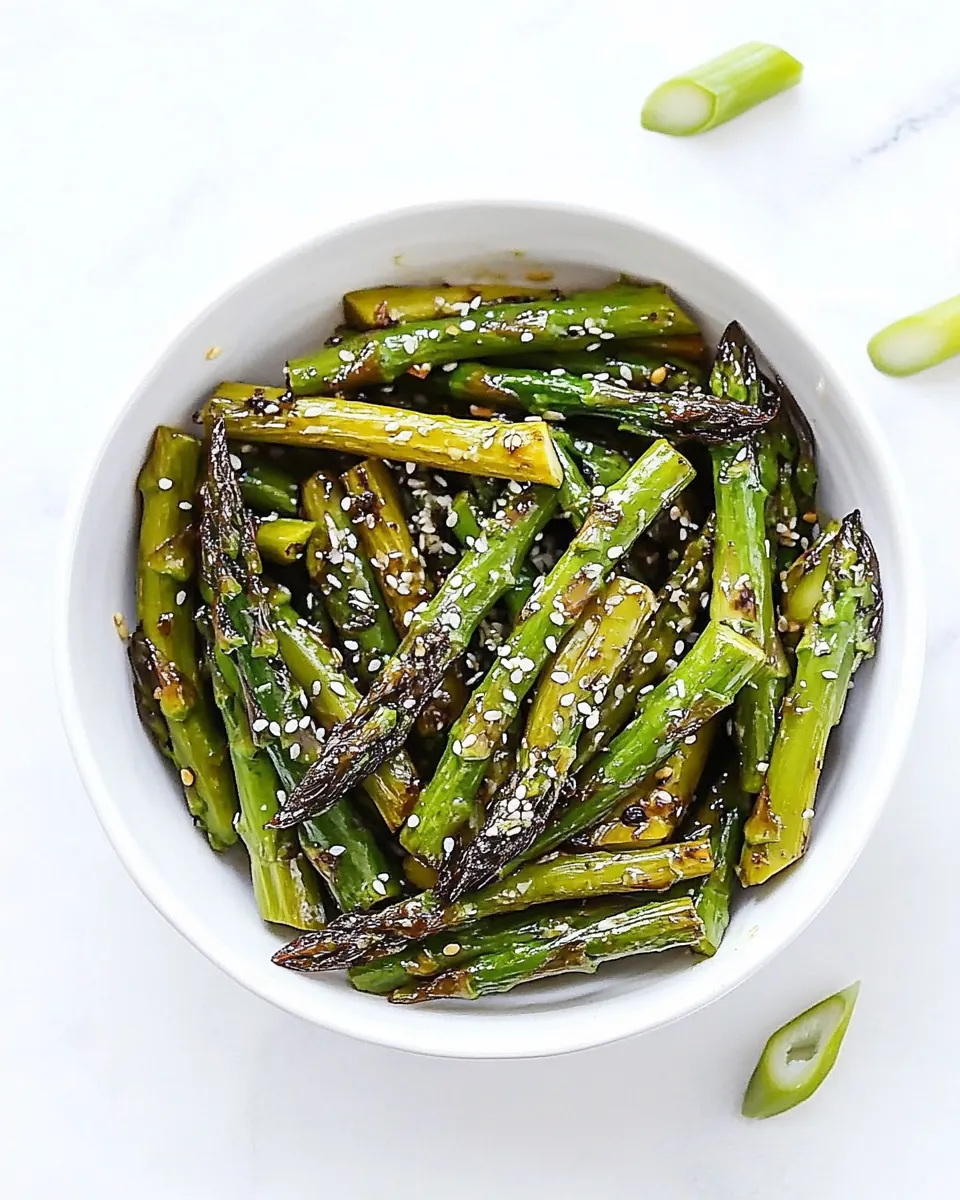
Simple Sesame Asparagus
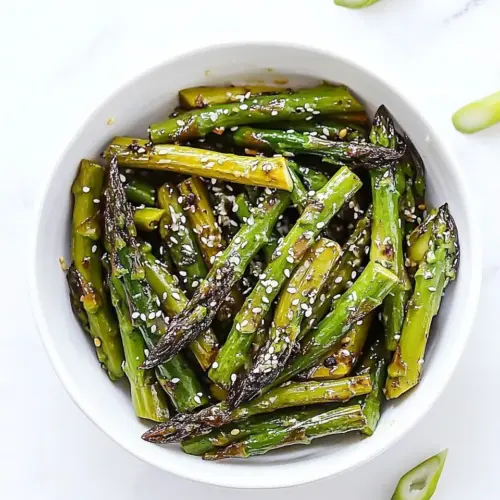
Simple Sesame Asparagus has been one of those recipes I turn to when I want a side that feels intentional but comes together in a flash. I remember the first time I cooked it for friends after a long week, juggling work emails and a grocery run, and how the bright, toasty notes changed the mood at the table. The asparagus looked glossy and vibrant, and everyone kept reaching for more, which made me feel proud and oddly victorious.
Growing up, asparagus was a holiday-only vegetable at my house, steamed and buttered into submission. Over the years I learned to treat it with a little more respect, giving it heat and texture, and pairing it with bold flavors like soy and sesame. That transformation is exactly what Simple Sesame Asparagus does, it keeps things simple, yet bold enough to stand alongside a main course without stealing the show.
When I prepare this dish now, I often play a little music and move through the steps with intention. The ginger and garlic wake up the pan, the soy adds umami depth, and the toasted sesame seeds offer that irresistible crunch. I love serving it hot from the skillet, watching the steam curl up as the sesame oil hits the warm asparagus, and feeling how something so modest can make a meal feel complete.
Recipe Snapshot
15 mins
5 mins
10 mins
Easy
120 kcal
American
Vegan, Gluten-Free
Side Dishes
Large skillet, Small bowl, Knife, Cutting board
What Makes This Simple Sesame Asparagus Special
Bright, fresh flavor in minutes
I love that Simple Sesame Asparagus takes almost no time but delivers a lively, fresh flavor. The combination of asparagus with ginger and garlic feels like a fast flavor upgrade, and that makes it perfect for busy weeknights when I still want a vegetable that tastes thoughtful.
Textural contrast that excites
One reason I reach for this recipe is the textural play. The tender crispness of the pan cooked asparagus plus the toasted crunch of toasted sesame seeds creates a contrast that keeps each bite interesting. I find people keep coming back for another forkful when those textures are right.
Highly adaptable to many menus
I’ve served Simple Sesame Asparagus with everything from grilled fish to a simple bowl of rice and it fits in so many contexts. The soy and sesame profile gives it an Asian leaning, yet it remains neutral enough to pair with Mediterranean or American mains, so it’s a reliable side dish in my rotation.
Easy to scale and forgiving
Another thing I adore is how forgiving this recipe is. Whether I’m feeding two or eight, the flavors scale and the technique stays the same. That makes it one of my go to sides for dinner parties because I can focus on the main course while trusting the vegetable will shine.
Small ingredient list with big impact
Finally, the minimal ingredient list is a huge win. With just a few pantry staples like soy sauce, olive oil, and a touch of sweetness, the dish sings. I appreciate recipes that respect ingredients and let each one contribute without overcomplicating the process.
What to Buy for Simple Sesame Asparagus
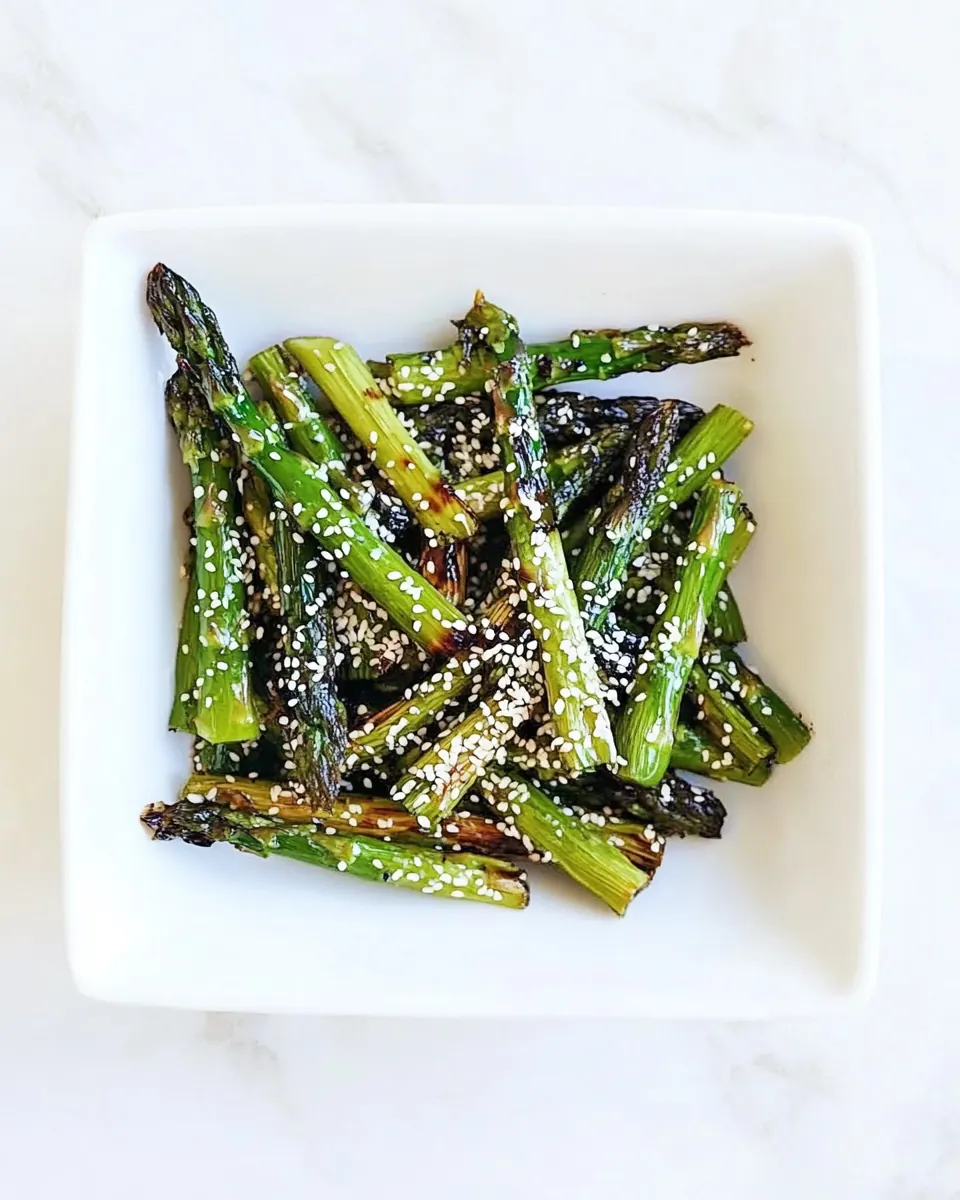
I approach the ingredients for Simple Sesame Asparagus with a philosophy of balance. Each item plays a clear role: the asparagus brings vegetal brightness and crunch, the soy sauce builds savory depth, while the aromatics like ginger and garlic add sharpness. The fats round everything out, and the toasted sesame seeds provide the finishing texture. Together they create a simple but layered side dish that feels thoughtful and fresh.
- 1 pound asparagus washed and ends trimmed: Trimmed and washed to ensure tender spears that cook evenly; provides fresh, slightly grassy flavor and crisp texture when quickly sautéed or roasted. Acts as the main vegetable and vehicle for the sesame–ginger soy glaze, balancing savory and nutty elements in the dish.
- 2 tablespoons soy sauce: Adds a deep umami and salty backbone that seasons the asparagus while forming the base of the glaze; dissolves with other liquids to create a balanced savory-sweet profile. Helps deglaze the pan and melds flavors from ginger, garlic, and sesame into a cohesive sauce.
- 1 teaspoon freshly grated ginger: Grated to release bright, peppery, and slightly spicy notes that cut through richness; contributes aromatic warmth and a hint of citrusy sharpness. Blends into the sauce to elevate freshness and provide a subtle zing that complements soy and sesame.
- 2 cloves garlic minced: Minced to distribute pungent, aromatic garlic evenly; adds savory depth and a mild heat when cooked briefly to avoid bitterness. Works with ginger and soy to form a classic flavor trio that enhances the overall savory character of the dish.
- 1 teaspoon brown sugar or honey: Used to introduce a touch of sweetness that balances the salty soy and the nutty sesame; dissolves easily to create a harmonious glaze. Offers optional natural sweetness if substituted with honey, contributing to caramelization and flavor complexity when cooked.
- 1/8 teaspoon crushed red pepper flakes: Sprinkled in small amount to impart gentle heat and a smoky kick without overpowering; enhances overall flavor complexity and provides contrast to sweeter elements. Integrates into the sauce to give a subtle spiciness that wakes the palate.
- 1 tablespoon olive oil: Heated in the pan to transfer heat and enable even cooking of the asparagus while adding a mild, fruity fat for sautéing. Helps achieve slight browning and aids in carrying flavors from aromatics throughout the dish.
- 1 teaspoon toasted sesame oil: Added in small quantity to contribute a pronounced toasted, nutty aroma and flavor; used mostly as a finishing oil to enhance sesame character. Complements toasted sesame seeds and reinforces the dish's distinctive sesame profile without overwhelming other flavors.
- 2 tablespoons toasted sesame seeds can also use black sesame seeds: Toasted and sprinkled for crunchy texture and intense nutty flavor; may be regular or black sesame to vary visual contrast and aroma. Acts as a finishing garnish that elevates mouthfeel and highlights the sesame theme of the recipe.
- Kosher salt and freshly ground black pepper: Used sparingly to adjust seasoning to taste and bring out natural flavors; kosher salt enhances savory notes while black pepper adds mild heat and aromatic bite. Balanced seasoning ensures the glaze and asparagus flavors remain harmonious without becoming flat or overly salty.
Making Simple Sesame Asparagus
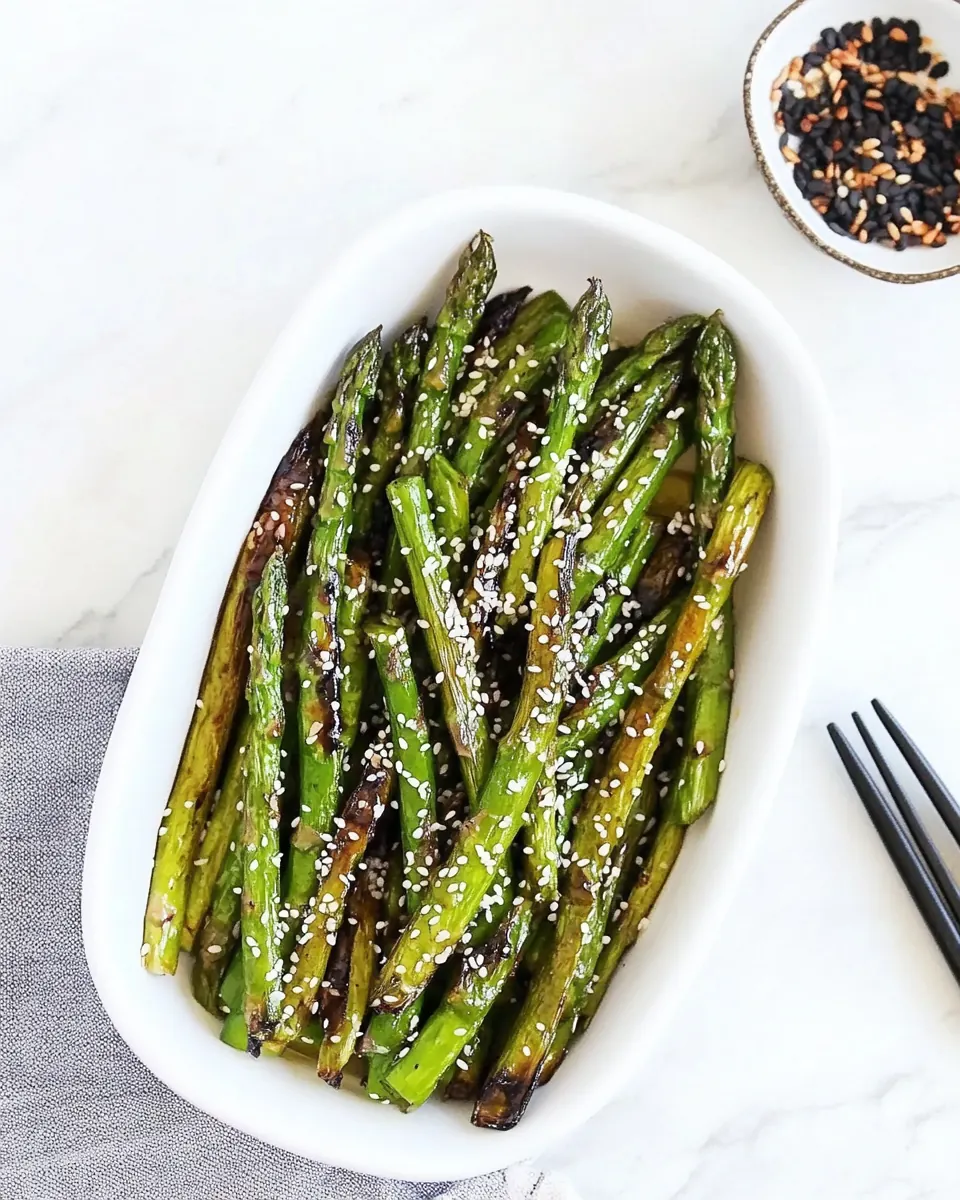
I like to move deliberately but quickly when I make Simple Sesame Asparagus. The technique relies on a hot pan, quick cooking, and finishing touches added off the heat so the flavors stay bright. Have your sauce mixed and your asparagus ready before the skillet gets hot, because the actual cooking time is short.
- Cut the asparagus spears into 1 1/2-inch pieces. Set aside.: The moment you chop the asparagus you'll notice a fresh green scent and a crisp snap at the stem bases, which tells you it's fresh. Cutting into uniform 1 1 1/2 inch pieces ensures even cooking so no bits turn mushy while others stay raw. Work on a clean board and use a sharp knife for clean cuts that release less juice, keeping the vegetable vibrant. One common mistake is crowding the cutting board which leads to uneven slices, so give yourself room. If your pieces are thicker or thinner, expect slight changes in cook time; thicker stalks need more time to become tender yet retain bite.
- In a small bowl, whisk together the soy sauce, ginger, garlic, brown sugar, and crushed red pepper flakes. Set aside.: As you whisk, the aromas of fresh ginger and minced garlic mingle with the salty soy sauce , producing a pleasantly sharp and savory perfume that hints at the final flavor. This emulsified sauce clings to the asparagus and gives it a glossy coating when added to the pan. Preparing the sauce ahead avoids scrambling once the skillet is hot, which is important because the cooking window is short. Avoid leaving chunks of ginger or garlic unincorporated, as those can burn quickly when they hit the pan. If you taste the sauce and it seems too salty, a touch more brown sugar can balance it out before cooking.
- In a large skillet, heat the olive oil over medium-high heat. Add the asparagus and cook for 3 minutes, stirring occasionally. Add the soy mixture to the pan and stir until asparagus pieces are well coated in the sauce. Cook for 3 to 4 more minutes or until the asparagus is tender, but still crisp.: When the olive oil shimmers and the pan is hot, adding the asparagus should produce an immediate gentle sizzle that signals the Maillard reaction beginning. Stirring occasionally helps each piece develop slight blistering or char without losing its bright color. When you pour in the sauce, expect a louder hiss as liquid hits the hot pan, and aroma will intensify instantly. Coating the pieces ensures the soy and aromatics penetrate just enough for flavor without making the stalks soggy. Keep the heat steady, not too high, or the sauce can reduce too fast and burn; conversely, too low and the asparagus will steam and get limp. A common error is overcooking until the vegetable goes floppy, so test a piece for a tender stalk with a slight snap at the tip.
- Remove the pan from the heat and drizzle the sesame oil over the asparagus. Stir well. Garnish with toasted sesame seeds and season with salt and pepper, to taste. Serve immediately.: Taking the pan off the heat before adding the toasted sesame oil preserves its delicate aromatics, so the sesame scent remains pronounced rather than evaporating. As you stir, the oil creates a glossy sheen and releases a nutty perfume that makes the dish feel finished. Sprinkling the toasted sesame seeds at the end maintains their crunch and provides a toasty contrast to the tender stalks. Taste for salt and add just enough to elevate the flavors, keeping in mind the soy sauce already contributes sodium. A frequent slip up is adding sesame oil to a scorching pan which burns its delicate notes, so always add it off heat. Serve while hot so the texture and aroma are at their peak.
Recipe Notes about Simple Sesame Asparagus
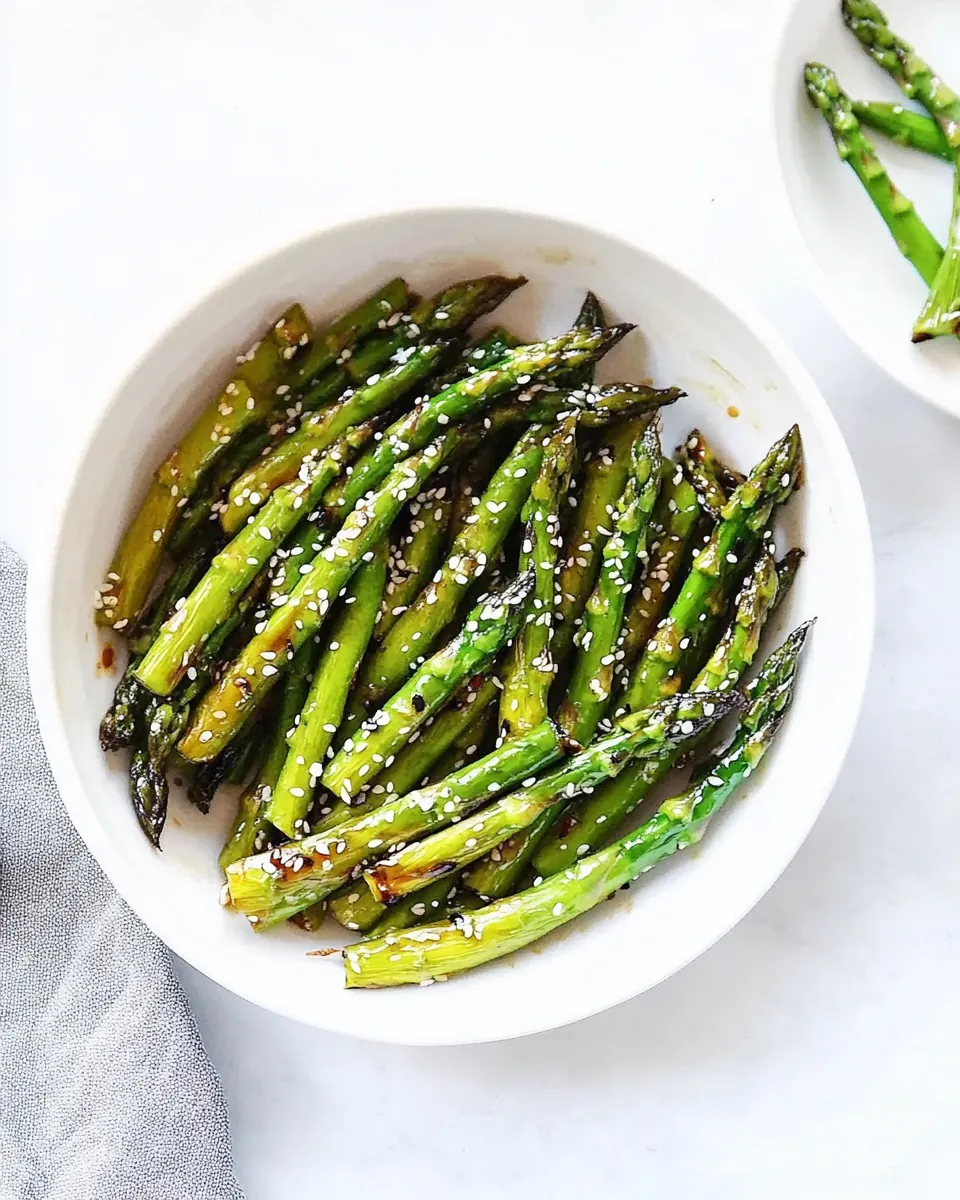
I like to share practical notes I use every time I make Simple Sesame Asparagus. These are the small adjustments and reminders that keep the dish consistent and impressive. Below are helpful, expanded tips to make the process smoother and the outcome better.
- Heat control matters: Maintain a medium high pan temperature so the asparagus sautés quickly without steaming. Too low makes it limp, too high risks burning the aromatics.
- Prep everything first: Have the sauce whisked and the asparagus cut before the pan heats, because the actual cook time is short and you do not want to rush.
- Taste the sauce before adding: Sample the soy mixture, and balance salt and sweet now, since reduction will concentrate flavors during cooking.
- Finish off heat: Always add the toasted sesame oil after removing from heat to keep its fragrance intact and vibrant.
- Serve immediately: This dish is best hot from the skillet; delays lead to loss of crispness and a duller sesame aroma.
Great Combinations for Simple Sesame Asparagus
Simple Sesame Asparagus pairs beautifully with a variety of mains and settings, from casual weekday dinners to more formal gatherings. Its bright, nutty profile complements both protein focused meals and vegetarian spreads, and it works well across seasons. Below are detailed serving ideas, storage tips, and occasion-based pairings to help you plan menus with confidence.
- With grilled fish for dinner: Serve the asparagus alongside a simply seasoned grilled fish for a light, balanced meal. The sesame notes highlight the fish without overpowering it, making it ideal for a weeknight when you want something satisfying but not heavy.
- Alongside rice bowls for lunch: Add the asparagus to rice bowls topped with a protein of choice, letting the soy and sesame mingle with steamed rice. This makes a speedy and nourishing midday meal that feels composed and flavorful.
- For Ramadan iftar: Offer Simple Sesame Asparagus as a vegetable side during iftar to provide a bright, lightly seasoned option that complements more richly spiced mains. It refreshes the palate and adds variety to the table.
- At dinner parties: Use the asparagus as part of a composed vegetable platter or as a side to a showpiece protein. Its simple elegance fits into multi course meals and scales easily for larger groups.
- Storage and reheating: Store leftovers in an airtight container for up to two days; reheat gently in a skillet over medium low heat to preserve texture. Avoid the microwave when possible because it can make the asparagus limp and watery.
- Seasonal pairings: In spring, pair the dish with other fresh vegetables like peas or new potatoes. The green, herbal flavors of spring produce harmonize with the sesame and soy notes in the asparagus.
FAQ
Conclusion
Simple Sesame Asparagus stands out because it transforms a humble vegetable into a bright, aromatic side with minimal effort. The marriage of savory soy, fresh ginger and garlic, and the nutty finish of sesame oil and seeds creates a textured, flavorful dish that complements many mains. Give it a try the next time you want a quick, elegant vegetable side; the results are reliably impressive and fast to prepare. I hope this inspires you to play with simple ingredients and enjoy how small techniques create big flavor.
Simple Sesame Asparagus
Equipment
- Large Skillet
- Small Bowl
- Knife
- Cutting Board
Ingredients
- 1 pound asparagus washed and ends trimmed Trimmed and washed to ensure tender spears that cook evenly; provides fresh, slightly grassy flavor and crisp texture when quickly sautéed or roasted. Acts as the main vegetable and vehicle for the sesame-ginger soy glaze, balancing savory and nutty elements in the dish.
- 2 tablespoons soy sauce Adds a deep umami and salty backbone that seasons the asparagus while forming the base of the glaze; dissolves with other liquids to create a balanced savory-sweet profile. Helps deglaze the pan and melds flavors from ginger, garlic, and sesame into a cohesive sauce.
- 1 teaspoon freshly grated ginger Grated to release bright, peppery, and slightly spicy notes that cut through richness; contributes aromatic warmth and a hint of citrusy sharpness. Blends into the sauce to elevate freshness and provide a subtle zing that complements soy and sesame.
- 2 cloves garlic minced Minced to distribute pungent, aromatic garlic evenly; adds savory depth and a mild heat when cooked briefly to avoid bitterness. Works with ginger and soy to form a classic flavor trio that enhances the overall savory character of the dish.
- 1 teaspoon brown sugar or honey Used to introduce a touch of sweetness that balances the salty soy and the nutty sesame; dissolves easily to create a harmonious glaze. Offers optional natural sweetness if substituted with honey, contributing to caramelization and flavor complexity when cooked.
- 1/8 teaspoon crushed red pepper flakes Sprinkled in small amount to impart gentle heat and a smoky kick without overpowering; enhances overall flavor complexity and provides contrast to sweeter elements. Integrates into the sauce to give a subtle spiciness that wakes the palate.
- 1 tablespoon olive oil Heated in the pan to transfer heat and enable even cooking of the asparagus while adding a mild, fruity fat for sautéing. Helps achieve slight browning and aids in carrying flavors from aromatics throughout the dish.
- 1 teaspoon toasted sesame oil Added in small quantity to contribute a pronounced toasted, nutty aroma and flavor; used mostly as a finishing oil to enhance sesame character. Complements toasted sesame seeds and reinforces the dish's distinctive sesame profile without overwhelming other flavors.
- 2 tablespoons toasted sesame seeds can also use black sesame seeds Toasted and sprinkled for crunchy texture and intense nutty flavor; may be regular or black sesame to vary visual contrast and aroma. Acts as a finishing garnish that elevates mouthfeel and highlights the sesame theme of the recipe.
- Kosher salt and freshly ground black pepper Used sparingly to adjust seasoning to taste and bring out natural flavors; kosher salt enhances savory notes while black pepper adds mild heat and aromatic bite. Balanced seasoning ensures the glaze and asparagus flavors remain harmonious without becoming flat or overly salty.
Instructions
- Cut the asparagus spears into 1 1/2-inch pieces. Set aside.: The moment you chop the asparagus you'll notice a fresh green scent and a crisp snap at the stem bases, which tells you it's fresh. Cutting into uniform 1 1 1/2 inch pieces ensures even cooking so no bits turn mushy while others stay raw. Work on a clean board and use a sharp knife for clean cuts that release less juice, keeping the vegetable vibrant. One common mistake is crowding the cutting board which leads to uneven slices, so give yourself room. If your pieces are thicker or thinner, expect slight changes in cook time; thicker stalks need more time to become tender yet retain bite.
- In a small bowl, whisk together the soy sauce, ginger, garlic, brown sugar, and crushed red pepper flakes. Set aside.: As you whisk, the aromas of fresh ginger and minced garlic mingle with the salty soy sauce , producing a pleasantly sharp and savory perfume that hints at the final flavor. This emulsified sauce clings to the asparagus and gives it a glossy coating when added to the pan. Preparing the sauce ahead avoids scrambling once the skillet is hot, which is important because the cooking window is short. Avoid leaving chunks of ginger or garlic unincorporated, as those can burn quickly when they hit the pan. If you taste the sauce and it seems too salty, a touch more brown sugar can balance it out before cooking.
- In a large skillet, heat the olive oil over medium-high heat. Add the asparagus and cook for 3 minutes, stirring occasionally. Add the soy mixture to the pan and stir until asparagus pieces are well coated in the sauce. Cook for 3 to 4 more minutes or until the asparagus is tender, but still crisp.: When the olive oil shimmers and the pan is hot, adding the asparagus should produce an immediate gentle sizzle that signals the Maillard reaction beginning. Stirring occasionally helps each piece develop slight blistering or char without losing its bright color. When you pour in the sauce, expect a louder hiss as liquid hits the hot pan, and aroma will intensify instantly. Coating the pieces ensures the soy and aromatics penetrate just enough for flavor without making the stalks soggy. Keep the heat steady, not too high, or the sauce can reduce too fast and burn; conversely, too low and the asparagus will steam and get limp. A common error is overcooking until the vegetable goes floppy, so test a piece for a tender stalk with a slight snap at the tip.
- Remove the pan from the heat and drizzle the sesame oil over the asparagus. Stir well. Garnish with toasted sesame seeds and season with salt and pepper, to taste. Serve immediately.: Taking the pan off the heat before adding the toasted sesame oil preserves its delicate aromatics, so the sesame scent remains pronounced rather than evaporating. As you stir, the oil creates a glossy sheen and releases a nutty perfume that makes the dish feel finished. Sprinkling the toasted sesame seeds at the end maintains their crunch and provides a toasty contrast to the tender stalks. Taste for salt and add just enough to elevate the flavors, keeping in mind the soy sauce already contributes sodium. A frequent slip up is adding sesame oil to a scorching pan which burns its delicate notes, so always add it off heat. Serve while hot so the texture and aroma are at their peak.
Notes
- Heat control matters: Maintain a medium high pan temperature so the asparagus sautés quickly without steaming. Too low makes it limp, too high risks burning the aromatics.
- Prep everything first: Have the sauce whisked and the asparagus cut before the pan heats, because the actual cook time is short and you do not want to rush.
- Taste the sauce before adding: Sample the soy mixture, and balance salt and sweet now, since reduction will concentrate flavors during cooking.
- Finish off heat: Always add the toasted sesame oil after removing from heat to keep its fragrance intact and vibrant.
- Serve immediately: This dish is best hot from the skillet; delays lead to loss of crispness and a duller sesame aroma.
