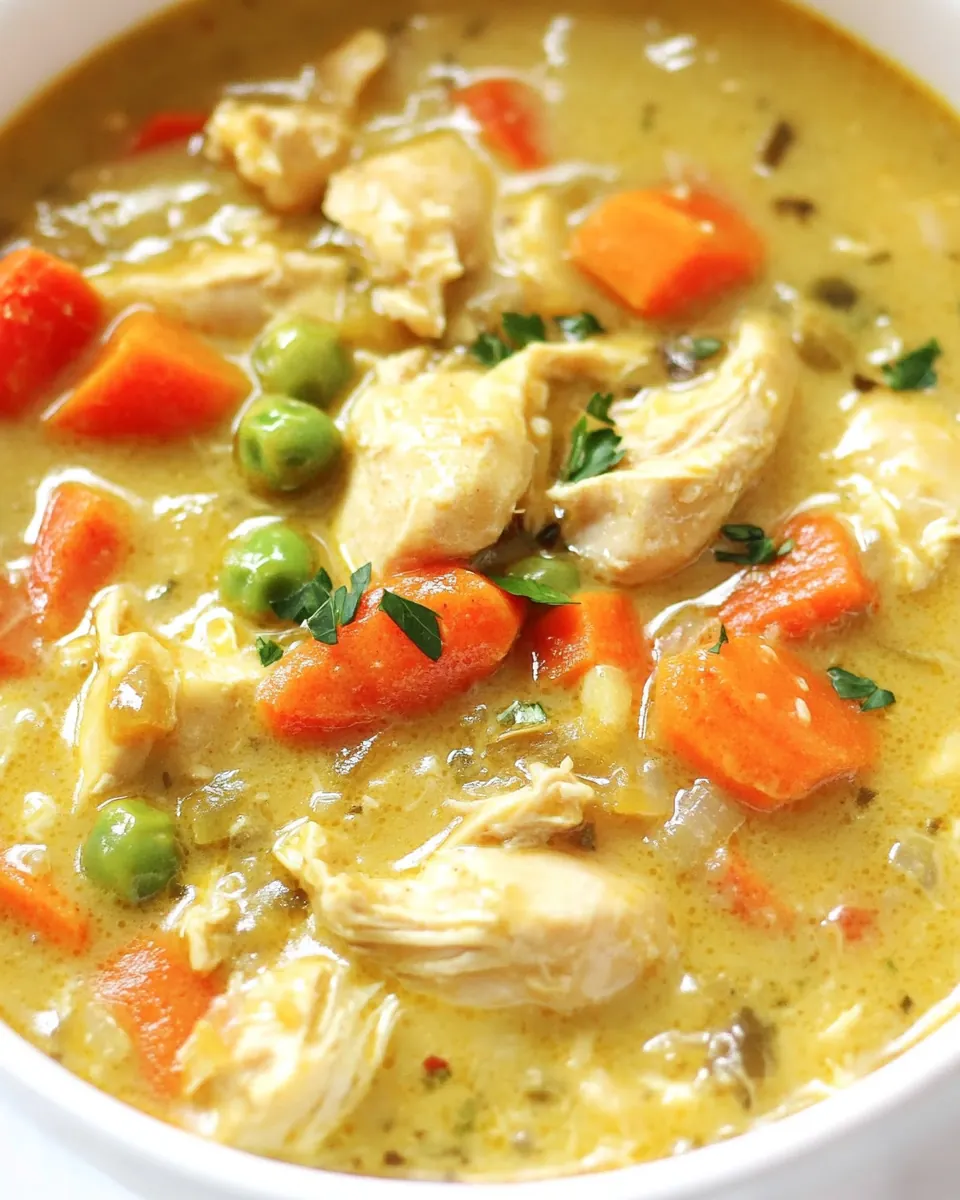
Curry Chicken Soup
Curry Chicken Soup is the kind of bowl I turn to when the day has been long and I want comfort without fuss.
I remember the first time I made it for friends on a chilly evening, how the scent of curry powder and ginger filled the kitchen and drew everyone into the doorway. We ended up talking late into the night, lifting spoons and stealing bites from each other while the steam fogged the windows. That night taught me this soup is as much about company as it is about warmth.
Over the years I tweaked small things, learning to trust the rhythm of sautéing the aromatics until they sing, and to let the red lentils and chicken thighs mingle slowly so the broth becomes rounded and satisfying. I like how a splash of coconut milk makes the mouthfeel silky, and a squeeze of lemon juice just before serving wakes everything up. It’s surprisingly adaptable, whether I make it on the stove or speed it up in an electric pressure cooker.
Recipe Snapshot
45 mins
15 mins
30 mins
Medium
350 kcal
American
Gluten-Free, Low FODMAP
Soups
Skillet, Large pot, Tongs, Cutting board, Forks
Why This Curry Chicken Soup Stands Out
Hearty and Nourishing
I love that Curry Chicken Soup feels substantial without being heavy. The combination of red lentils and shredded chicken creates a bowl that fills you up in a wholesome way, which is exactly what I want on a winter evening when you need fuel that also comforts.
Layered Aromatics
What sells this dish is the aromatic base. I always sauté the onion, carrot, and celery until they soften and start to release a sweet edge, then add garlic, ginger, and curry powder. That brief toasting step bonds the spices to the vegetables and gives the broth real depth, instead of tasting flat.
Flexible Technique
One reason I keep coming back to this recipe is its flexibility. You can make this on the stovetop for a slow, comforting simmer, or use the Instant Pot for a faster, hands off route. Both methods yield a satisfying bowl, and I appreciate recipes that adapt to whatever my evening looks like.
Comfort With a Bright Finish
The coconut milk provides a creamy backbone while a final squeeze of lemon juice cuts through the richness. I always add the citrus at the end because that bright pop makes the flavors sing, and it’s such an easy trick to lift the whole dish instantly.
Family Friendly and Kid Approved
This soup is a regular in my weeknight rotation because it’s approachable for picky eaters and still interesting for adults. The texture from the red lentils gives body, the shredded chicken adds familiarity, and the light curry notes introduce new flavors without overwhelming.
Ingredients Required for Curry Chicken Soup
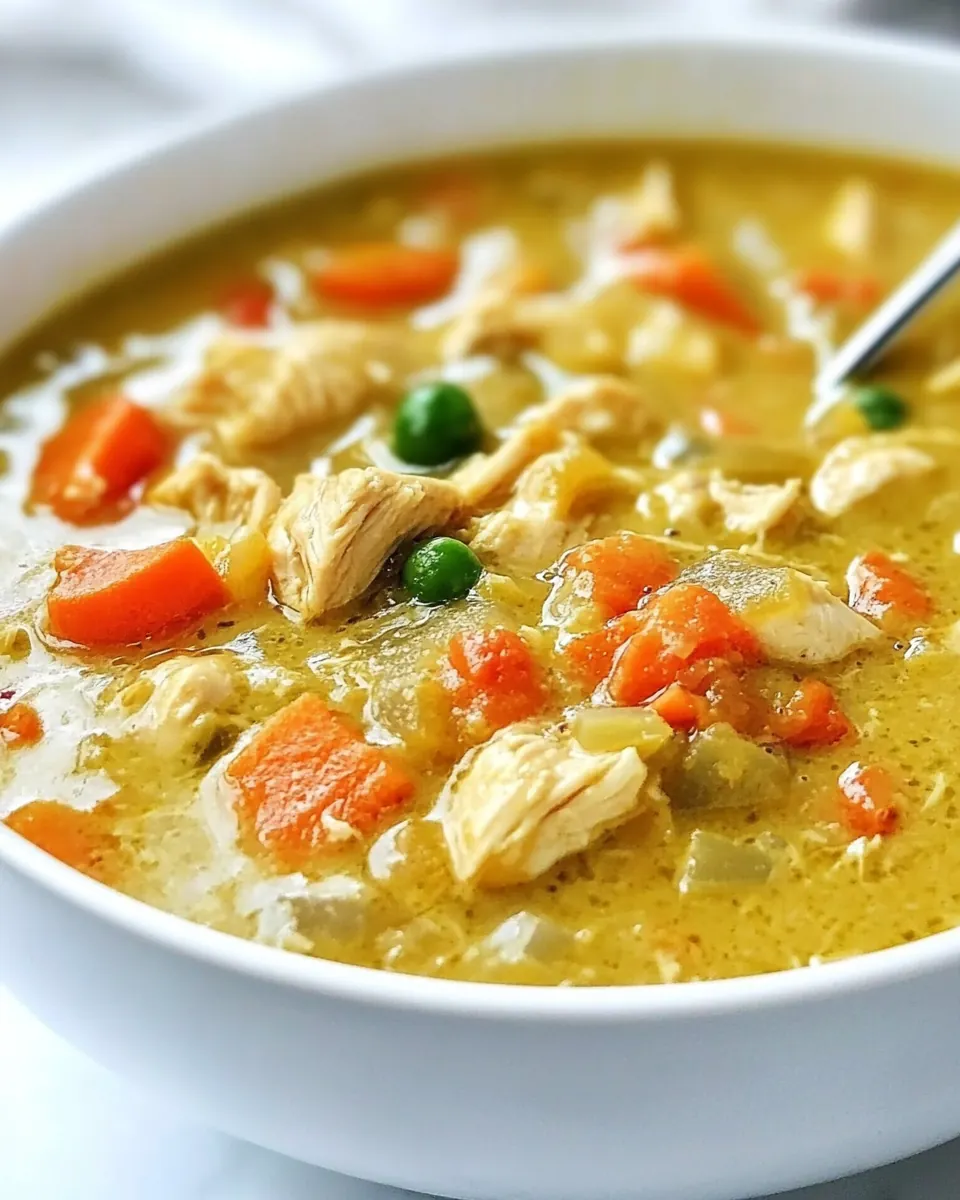
I think of the ingredients for Curry Chicken Soup as a chorus where each voice has a distinct role. The aromatics build the base, the curry powder and ginger bring warm spice, the red lentils thicken gently, and the chicken thighs add savory richness. The coconut milk smooths everything into a cohesive, silky finish while a final squeeze of lemon juice brightens the bowl.
- 1 tablespoon olive oil: Saute to coat the pan and prevent sticking while adding a subtle fruity flavor that complements the curry base. Use it at medium heat to gently soften aromatics without burning them. Adjust amount slightly if cooking for more servings to maintain mouthfeel.
- 1 yellow onion: Dice to provide a sweet, aromatic foundation that softens and melds with spices as it cooks. Caramelize gently to build depth and contrast the earthy curry and creamy coconut. Keep pieces uniform for even cooking throughout the soup.
- 3 carrots, chopped: Chop to add natural sweetness, texture, and body while releasing sugars that balance savory curry notes. Simmer until tender so they contribute both flavor and a slightly thickened consistency. Cut into bite-sized pieces for comfortable spoonfuls.
- 3 celery stalks, chopped: Chop to introduce a mild, savory crunch and aromatic depth that complements carrots and onion. Simmer with other vegetables to release vegetal flavor and contribute to the soup's broth. Slice evenly to ensure consistent tenderness.
- 1 clove garlic, minced: Mince to impart pungent, savory heat that amplifies the curry's complexity and aroma. Add near the beginning of cooking and sweat briefly to avoid bitter sharpness. Adjust quantity if preferring a milder garlic presence.
- 1 tablespoon freshly minced ginger: Mince finely to provide bright, zesty warmth and a refreshing counterpoint to the curry spice. Add early to bloom its oils and deepen the soup's aromatic profile. Fresh ginger enhances the overall lift and pairs well with lemon finish.
- 4 teaspoons curry powder: Sprinkle to deliver the primary spice character, offering warm, earthy, and slightly sweet flavors that define the dish. Bloom in oil to unlock essential oils and coat vegetables and chicken evenly. Taste and adjust gradually to control heat level.
- 4 cups vegetable broth: Pour to form the liquid base that carries flavors and hydrates lentils while simmering ingredients to tenderness. Choose a flavorful vegetable stock to boost umami without overpowering the curry. Adjust volume for desired soup thickness.
- 1 cup red lentils: Rinse and simmer to thicken the soup naturally while contributing nutty, slightly sweet taste and protein. Cook until softened to create body and a creamy texture as lentils break down. Monitor cooking to avoid overcooking into complete mash if texture desired.
- 1 pound boneless & skinless chicken thighs: Trim and cut to provide rich, tender protein that absorbs curry flavors and adds satisfying heft to each bowl. Brown briefly to develop savory crust before simmering in broth to finish through and stay moist. Ensure internal temperature reaches safe doneness.
- Fine sea salt (I use Real Salt brand): Season to enhance and balance all flavors, elevating the natural sweetness of vegetables and the richness of coconut milk. Add gradually and taste as the soup reduces to avoid over-salting. Choose a quality sea salt for subtle mineral nuance.
- 1/2 cup full-fat coconut milk: Stir in to add luxurious creaminess and subtle tropical sweetness that softens spice heat and enriches mouthfeel. Add near the end of cooking to preserve its velvety texture and prevent splitting. Use full-fat for best consistency and flavor.
- Freshly ground black pepper: Grind to impart mild heat and brightness that sharpens savory notes and balances richness. Season lightly and re-taste, as freshly ground pepper is more aromatic and potent than pre-ground. Add incrementally to achieve desired kick.
- Squeeze of fresh lemon juice: Squeeze for a bright acidic finish that lifts and balances the rich, spiced broth while highlighting aromatics. Add at the end to preserve freshness and avoid cooking away the citrus brightness. Adjust to taste for the preferred level of tang.
The Method for Curry Chicken Soup
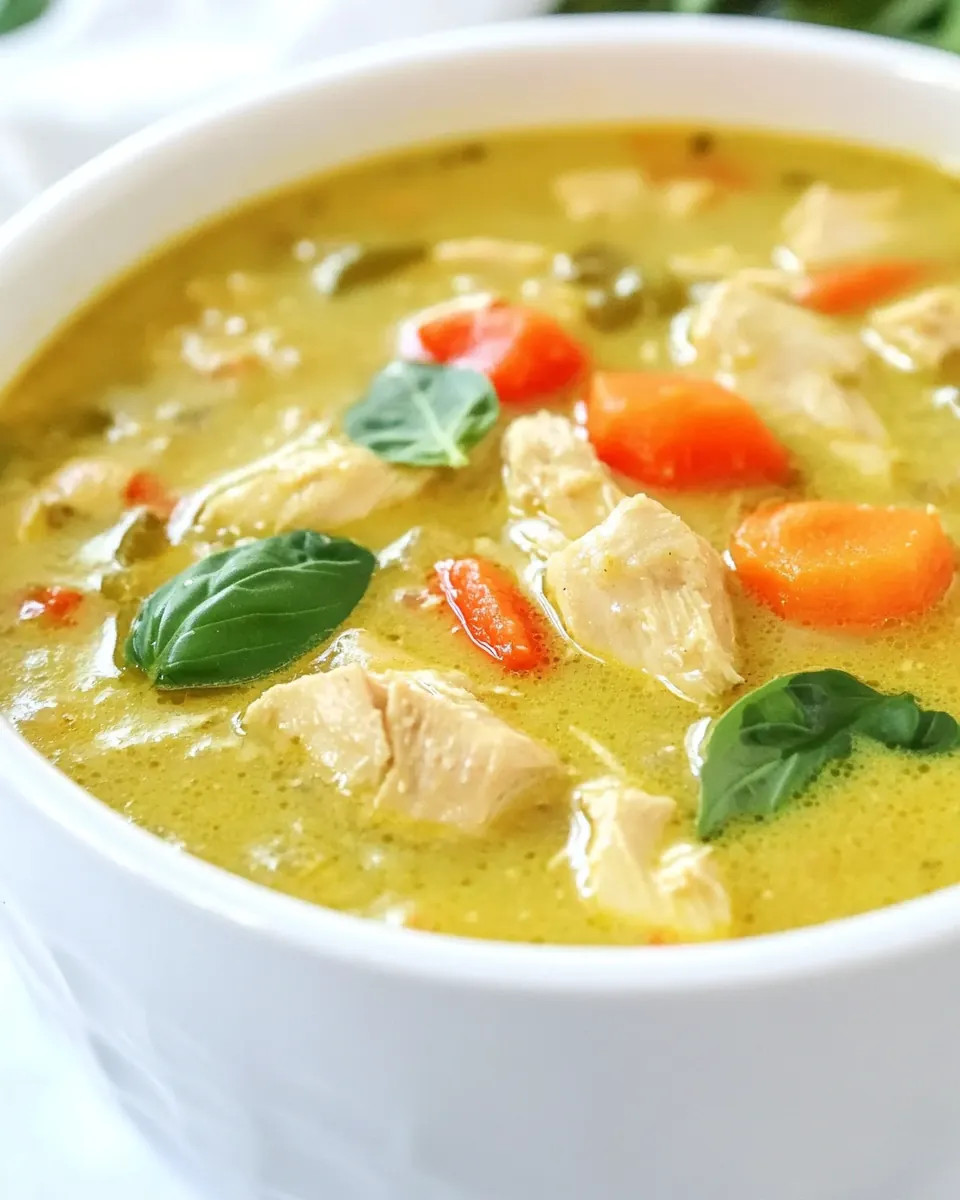
This method walks you through warming the aromatics, building the flavorful broth with red lentils, cooking the chicken thighs until tender, and finishing with coconut milk and a bright squeeze of lemon juice. Read through so you know the sensory cues and common pitfalls before you begin.
- Heat the olive oil in a skillet over medium-high heat, and saute the onion, carrot, and celery until they start to soften, about 5 minutes.: As the oil warms it releases a faint fruity aroma, and when you add the diced onion , carrot , and celery you should hear a gentle sizzle. Stir regularly so they sweat evenly and develop a translucent sheen, which signals the sugars are releasing and building a sweet, savory base. You will notice the raw sharpness of the onion mellow as it softens, and the kitchen will smell gently vegetal and inviting. If they begin to brown too quickly, the heat is too high so lower it to prevent bitterness. A common mistake at this stage is rushing the sauté, which leads to underdeveloped flavor; patience here creates the backbone of the soup.
- Add in the garlic, ginger, and curry powder, and stir until fragrant, about one more minute.: The moment you add the minced garlic , minced ginger , and curry powder the pan will bloom with warmth and spice. Stir quickly to coat the softened vegetables and toast the spices just enough to release essential oils, which deepens aroma and taste. You should smell a bright, peppery ginger note layered with warm, toasty curry; that is the cue to move on. Watch closely because garlic burns fast and becomes bitter, so keep the pan moving. Avoid skipping this step since it activates the spices and prevents a flat, under seasoned broth.
- Add in the broth and lentils, and give the pot a stir, then place the chicken thighs directly into the broth. Season with 1 teaspoon of salt, and bring the soup to a boil.: Pouring in the vegetable broth will deglaze the pan, loosening any browned bits and turning them into flavor. When you add the red lentils , they will sink and begin to plump as they absorb liquid, making the soup feel heartier. Nestle the chicken thighs into the broth so they can poach gently in the seasoned liquid. You should see small bubbling begin around the edges as the heat rises. Stir once to distribute the lentils but avoid stirring continuously which can break them down too early. A typical error here is not using enough liquid, resulting in overly thick or grainy lentils.
- Once boiling, lower the heat to a simmer and cover the pot, letting the soup cook until the lentils are tender and the chicken is cooked-through, about 30 minutes. (You can use a thermometer to make sure the chicken reaches an internal temperature of 165ºF, or you can slice into it to check.): Adding the initial teaspoon of fine sea salt early helps pull flavors from the aromatics into the broth, and as the pot approaches a boil you will notice steam and a richer aroma filling the kitchen. A rolling boil is not necessary, a steady rise to bubbling is enough before you reduce heat; too aggressive a boil can toughen the chicken . If your broth already tasted salty, hold back and add later, because you can always add more but you cannot remove excess salt. Over salting at this point is a common misstep, so taste the broth if possible.
- Use tongs to remove the chicken thighs, transfer them to a cutting board, and use two forks to shred them into bite-sized pieces. Return the chicken to the pot, and stir in the coconut milk. Adjust seasoning to taste, adding more salt, if needed. (I usually add an extra 1/2 teaspoon, but it will vary depending on the sodium in the broth that you use.): As the pot simmers, the red lentils will soften and begin to dissolve into the broth, adding a gentle thickness, while the chicken thighs will poach and become tender. You will see the surface show occasional bubbles and steam, and the aromas will deepen into a cozy, spiced broth. Use a thermometer to check the chicken reaches 165°F, or slice to ensure no pink remains. A typical mistake is simmering too hard which can shred lentils into grainy bits; keep the heat low, with just enough motion to keep flavors melding.
- Serve with freshly ground black pepper and a squeeze of fresh lemon juice, if desired. (The lemon helps brighten up the flavor!): When you lift the chicken thighs out you will notice the meat is tender and yields easily to the forks, with juices running clear. Shredding with two forks gives you irregular, rustic pieces that soak up broth; the texture should be moist not dry. If the meat resists shredding, it needs a few more minutes of gentle simmer to relax the fibers. Avoid letting the shredded meat sit in a hot pan without liquid, which can dry it out before returning it to the pot.
- Leftovers can be stored in an airtight container for up to 3 days. Try serving the leftovers over rice, too!: Adding shredded chicken back into the simmering soup reintroduces savory texture while the coconut milk melds into the broth for a creamy mouthfeel. Stir gently until the coconut milk is fully incorporated and the surface looks glossy, not separated. Keep the heat low so the coconut milk does not break; a gentle warmth is enough to integrate it. If the soup tastes flat now, more salt or a squeeze of acid will revive it, but be cautious and add incrementally.
- Adjust seasoning to taste, adding more salt if needed.: This is the tuning step where small changes make a big difference. Taste the soup and notice how the spiciness, saltiness, and richness balance. I often add an extra 1/2 teaspoon of salt depending on the sodium in my broth, then a few turns of black pepper for edge. If it still feels heavy, a squeeze of lemon juice will brighten it; add acid slowly to avoid overwhelming the bowl. Over seasoning is easy to do, so proceed in small increments and taste between additions.
- Serve with freshly ground black pepper and a squeeze of fresh lemon juice, if desired.: The final garnish gives contrast and lift; a few cracks of black pepper add warmth and a touch of bite, while a squeeze of lemon juice brings clean acidity that wakes up the flavors. The aroma should be spicy, warmed coconut and bright citrus on the finish. Serve hot in warmed bowls so the soup stays cozy; letting it cool too much mutes the aromatics. A common oversight is skipping the lemon which means missing the sunrise note that balances the richness.
- Leftovers can be stored in an airtight container for up to 3 days.: When cooled to room temperature, transfer the soup to a sealed container and chill promptly. The flavors often meld overnight and taste even better the next day, though the red lentils will continue to thicken the broth in the fridge. To reheat, warm gently on the stovetop with a splash of water or broth to loosen consistency. A frequent error is reheating too aggressively which can further thicken the lentils and dry the chicken , so reheat low and slow.
Change It Up
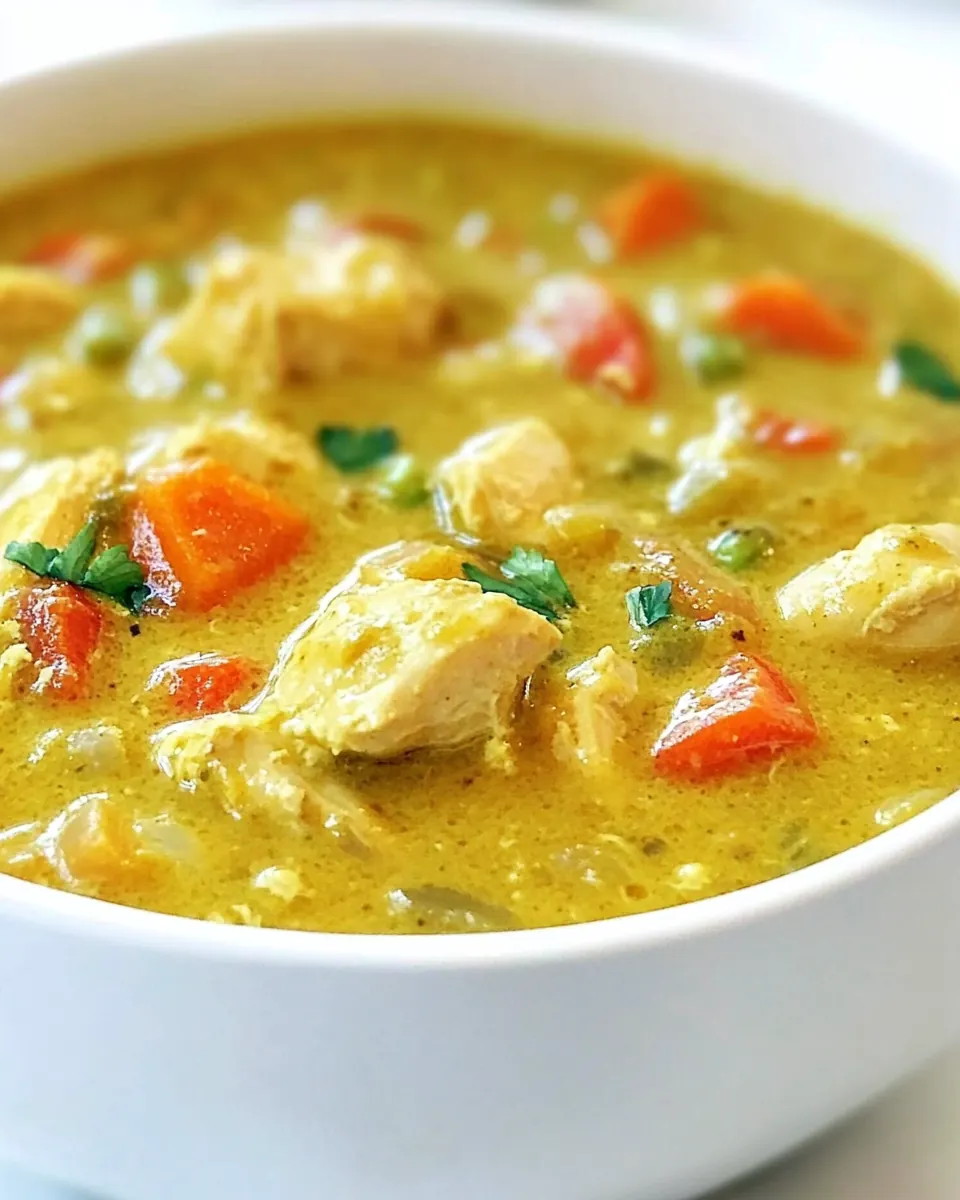
This section offers practical variations and ideas to tailor Curry Chicken Soup to different tastes and occasions. Each tip highlights a specific change and why I like it, so you can choose based on texture, heat, or convenience.
- Make it spicier: Add a pinch of cayenne or a diced green chili while sautéing the aromatics to build heat from the beginning, tasting as you go so it does not overpower the coconut silk.
- Use bone in chicken for deeper flavor: Swap boneless thighs for bone in pieces and simmer a bit longer, removing bones before shredding to extract extra savory richness from the marrow.
- Boost umami: Stir in a spoonful of tomato paste with the spices, or add a splash of soy sauce at the end, to deepen the savory backbone without changing the overall character.
- Make it vegetarian: Omit the chicken and increase the red lentils slightly, adding roasted mushrooms for meaty texture while keeping the same simmer time.
- Adjust creaminess: Use light coconut milk for a thinner broth, or finish with an extra two tablespoons of full fat coconut milk for a silkier mouthfeel.
- Quick Instant Pot option: Combine ingredients in a pressure cooker and cook at high pressure for 10 minutes with a 10 minute natural release to save time while preserving texture.
- Finish with fresh herbs: Stir in chopped cilantro or parsley right before serving to add a green, fragrant lift that plays well with the curry notes.
What to Serve With Curry Chicken Soup
Curry Chicken Soup pairs beautifully with simple sides that complement its warmth and texture. Think of accompaniments that either soak up the broth or provide a fresh counterpoint to the spice and creaminess. This list covers casual lunches, cozy dinners, and holiday friendly bowls.
- Steamed rice: Plain white or jasmine rice is a classic bed for leftover soup, soaking up the broth and stretching the meal for a more filling dinner.
- Warm flatbread: Naan or a simple flatbread is perfect for sopping and adds an enjoyable chew next to the silky soup.
- Simple green salad: A crisp salad with a light lemon vinaigrette provides bright contrast and textural variety to the warm, spiced bowl.
- Pickled vegetables: Quick pickled cucumbers or carrots add a tangy crunch that pairs nicely with the coconut richness.
- Side of yogurt: A small dollop of plain yogurt can be offered to guests who prefer a cooling element to balance heat and spice.
- Occasion suggestions: Serve for a cozy winter dinner, a Ramadan iftar where warm, nourishing soups help break the fast, or an easy weeknight family meal that satisfies everyone.
- Storage tips: Keep refrigerated up to three days, and for longer storage freeze in airtight containers for up to three months; thaw overnight in the fridge before reheating gently.
- Seasonal pairings: This soup feels best in cooler months, but the bright lemon finish makes it suitable for transitional spring evenings as well.
FAQ
Conclusion
Curry Chicken Soup stands out because it blends cozy comfort with bright finishes for a bowl that satisfies on every level. I encourage you to try it on a chilly evening when you want something easy but deeply flavorful, whether you make it on the stovetop or in a pressure cooker. This recipe is forgiving, adaptable, and rewards small attentions like blooming spices and a squeeze of lemon, so give it a go and make it your own.
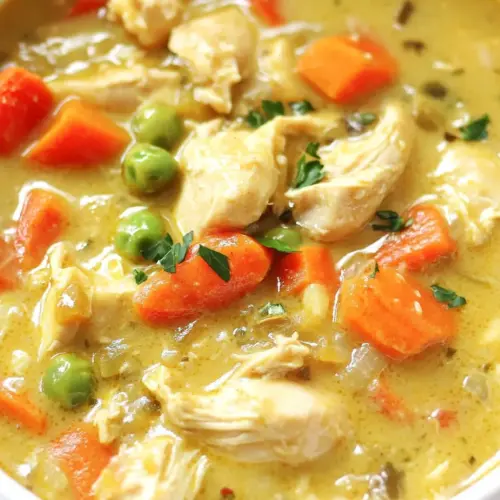
Curry Chicken Soup
Equipment
- Skillet
- Large Pot
- Tongs
- Cutting Board
- Forks
Ingredients
- 1 tablespoon olive oil Saute to coat the pan and prevent sticking while adding a subtle fruity flavor that complements the curry base. Use it at medium heat to gently soften aromatics without burning them. Adjust amount slightly if cooking for more servings to maintain mouthfeel.
- 1 yellow onion Dice to provide a sweet, aromatic foundation that softens and melds with spices as it cooks. Caramelize gently to build depth and contrast the earthy curry and creamy coconut. Keep pieces uniform for even cooking throughout the soup.
- 3 carrots, chopped Chop to add natural sweetness, texture, and body while releasing sugars that balance savory curry notes. Simmer until tender so they contribute both flavor and a slightly thickened consistency. Cut into bite-sized pieces for comfortable spoonfuls.
- 3 celery stalks, chopped Chop to introduce a mild, savory crunch and aromatic depth that complements carrots and onion. Simmer with other vegetables to release vegetal flavor and contribute to the soup's broth. Slice evenly to ensure consistent tenderness.
- 1 clove garlic, minced Mince to impart pungent, savory heat that amplifies the curry's complexity and aroma. Add near the beginning of cooking and sweat briefly to avoid bitter sharpness. Adjust quantity if preferring a milder garlic presence.
- 1 tablespoon freshly minced ginger Mince finely to provide bright, zesty warmth and a refreshing counterpoint to the curry spice. Add early to bloom its oils and deepen the soup's aromatic profile. Fresh ginger enhances the overall lift and pairs well with lemon finish.
- 4 teaspoons curry powder Sprinkle to deliver the primary spice character, offering warm, earthy, and slightly sweet flavors that define the dish. Bloom in oil to unlock essential oils and coat vegetables and chicken evenly. Taste and adjust gradually to control heat level.
- 4 cups vegetable broth Pour to form the liquid base that carries flavors and hydrates lentils while simmering ingredients to tenderness. Choose a flavorful vegetable stock to boost umami without overpowering the curry. Adjust volume for desired soup thickness.
- 1 cup red lentils Rinse and simmer to thicken the soup naturally while contributing nutty, slightly sweet taste and protein. Cook until softened to create body and a creamy texture as lentils break down. Monitor cooking to avoid overcooking into complete mash if texture desired.
- 1 pound boneless & skinless chicken thighs Trim and cut to provide rich, tender protein that absorbs curry flavors and adds satisfying heft to each bowl. Brown briefly to develop savory crust before simmering in broth to finish through and stay moist. Ensure internal temperature reaches safe doneness.
- Fine sea salt (I use Real Salt brand) Season to enhance and balance all flavors, elevating the natural sweetness of vegetables and the richness of coconut milk. Add gradually and taste as the soup reduces to avoid over-salting. Choose a quality sea salt for subtle mineral nuance.
- 1/2 cup full-fat coconut milk Stir in to add luxurious creaminess and subtle tropical sweetness that softens spice heat and enriches mouthfeel. Add near the end of cooking to preserve its velvety texture and prevent splitting. Use full-fat for best consistency and flavor.
- Freshly ground black pepper Grind to impart mild heat and brightness that sharpens savory notes and balances richness. Season lightly and re-taste, as freshly ground pepper is more aromatic and potent than pre-ground. Add incrementally to achieve desired kick.
- Squeeze of fresh lemon juice Squeeze for a bright acidic finish that lifts and balances the rich, spiced broth while highlighting aromatics. Add at the end to preserve freshness and avoid cooking away the citrus brightness. Adjust to taste for the preferred level of tang.
Instructions
- Heat the olive oil in a skillet over medium-high heat, and saute the onion, carrot, and celery until they start to soften, about 5 minutes.: As the oil warms it releases a faint fruity aroma, and when you add the diced onion , carrot , and celery you should hear a gentle sizzle. Stir regularly so they sweat evenly and develop a translucent sheen, which signals the sugars are releasing and building a sweet, savory base. You will notice the raw sharpness of the onion mellow as it softens, and the kitchen will smell gently vegetal and inviting. If they begin to brown too quickly, the heat is too high so lower it to prevent bitterness. A common mistake at this stage is rushing the sauté, which leads to underdeveloped flavor; patience here creates the backbone of the soup.
- Add in the garlic, ginger, and curry powder, and stir until fragrant, about one more minute.: The moment you add the minced garlic , minced ginger , and curry powder the pan will bloom with warmth and spice. Stir quickly to coat the softened vegetables and toast the spices just enough to release essential oils, which deepens aroma and taste. You should smell a bright, peppery ginger note layered with warm, toasty curry; that is the cue to move on. Watch closely because garlic burns fast and becomes bitter, so keep the pan moving. Avoid skipping this step since it activates the spices and prevents a flat, under seasoned broth.
- Add in the broth and lentils, and give the pot a stir, then place the chicken thighs directly into the broth. Season with 1 teaspoon of salt, and bring the soup to a boil.: Pouring in the vegetable broth will deglaze the pan, loosening any browned bits and turning them into flavor. When you add the red lentils , they will sink and begin to plump as they absorb liquid, making the soup feel heartier. Nestle the chicken thighs into the broth so they can poach gently in the seasoned liquid. You should see small bubbling begin around the edges as the heat rises. Stir once to distribute the lentils but avoid stirring continuously which can break them down too early. A typical error here is not using enough liquid, resulting in overly thick or grainy lentils.
- Once boiling, lower the heat to a simmer and cover the pot, letting the soup cook until the lentils are tender and the chicken is cooked-through, about 30 minutes. (You can use a thermometer to make sure the chicken reaches an internal temperature of 165ºF, or you can slice into it to check.): Adding the initial teaspoon of fine sea salt early helps pull flavors from the aromatics into the broth, and as the pot approaches a boil you will notice steam and a richer aroma filling the kitchen. A rolling boil is not necessary, a steady rise to bubbling is enough before you reduce heat; too aggressive a boil can toughen the chicken . If your broth already tasted salty, hold back and add later, because you can always add more but you cannot remove excess salt. Over salting at this point is a common misstep, so taste the broth if possible.
- Use tongs to remove the chicken thighs, transfer them to a cutting board, and use two forks to shred them into bite-sized pieces. Return the chicken to the pot, and stir in the coconut milk. Adjust seasoning to taste, adding more salt, if needed. (I usually add an extra 1/2 teaspoon, but it will vary depending on the sodium in the broth that you use.): As the pot simmers, the red lentils will soften and begin to dissolve into the broth, adding a gentle thickness, while the chicken thighs will poach and become tender. You will see the surface show occasional bubbles and steam, and the aromas will deepen into a cozy, spiced broth. Use a thermometer to check the chicken reaches 165°F, or slice to ensure no pink remains. A typical mistake is simmering too hard which can shred lentils into grainy bits; keep the heat low, with just enough motion to keep flavors melding.
- Serve with freshly ground black pepper and a squeeze of fresh lemon juice, if desired. (The lemon helps brighten up the flavor!): When you lift the chicken thighs out you will notice the meat is tender and yields easily to the forks, with juices running clear. Shredding with two forks gives you irregular, rustic pieces that soak up broth; the texture should be moist not dry. If the meat resists shredding, it needs a few more minutes of gentle simmer to relax the fibers. Avoid letting the shredded meat sit in a hot pan without liquid, which can dry it out before returning it to the pot.
- Leftovers can be stored in an airtight container for up to 3 days. Try serving the leftovers over rice, too!: Adding shredded chicken back into the simmering soup reintroduces savory texture while the coconut milk melds into the broth for a creamy mouthfeel. Stir gently until the coconut milk is fully incorporated and the surface looks glossy, not separated. Keep the heat low so the coconut milk does not break; a gentle warmth is enough to integrate it. If the soup tastes flat now, more salt or a squeeze of acid will revive it, but be cautious and add incrementally.
- Adjust seasoning to taste, adding more salt if needed.: This is the tuning step where small changes make a big difference. Taste the soup and notice how the spiciness, saltiness, and richness balance. I often add an extra 1/2 teaspoon of salt depending on the sodium in my broth, then a few turns of black pepper for edge. If it still feels heavy, a squeeze of lemon juice will brighten it; add acid slowly to avoid overwhelming the bowl. Over seasoning is easy to do, so proceed in small increments and taste between additions.
- Serve with freshly ground black pepper and a squeeze of fresh lemon juice, if desired.: The final garnish gives contrast and lift; a few cracks of black pepper add warmth and a touch of bite, while a squeeze of lemon juice brings clean acidity that wakes up the flavors. The aroma should be spicy, warmed coconut and bright citrus on the finish. Serve hot in warmed bowls so the soup stays cozy; letting it cool too much mutes the aromatics. A common oversight is skipping the lemon which means missing the sunrise note that balances the richness.
- Leftovers can be stored in an airtight container for up to 3 days.: When cooled to room temperature, transfer the soup to a sealed container and chill promptly. The flavors often meld overnight and taste even better the next day, though the red lentils will continue to thicken the broth in the fridge. To reheat, warm gently on the stovetop with a splash of water or broth to loosen consistency. A frequent error is reheating too aggressively which can further thicken the lentils and dry the chicken , so reheat low and slow.
Notes
- Make it spicier: Add a pinch of cayenne or a diced green chili while sautéing the aromatics to build heat from the beginning, tasting as you go so it does not overpower the coconut silk.
- Use bone in chicken for deeper flavor: Swap boneless thighs for bone in pieces and simmer a bit longer, removing bones before shredding to extract extra savory richness from the marrow.
- Boost umami: Stir in a spoonful of tomato paste with the spices, or add a splash of soy sauce at the end, to deepen the savory backbone without changing the overall character.
- Make it vegetarian: Omit the chicken and increase the red lentils slightly, adding roasted mushrooms for meaty texture while keeping the same simmer time.
- Adjust creaminess: Use light coconut milk for a thinner broth, or finish with an extra two tablespoons of full fat coconut milk for a silkier mouthfeel.
- Quick Instant Pot option: Combine ingredients in a pressure cooker and cook at high pressure for 10 minutes with a 10 minute natural release to save time while preserving texture.
- Finish with fresh herbs: Stir in chopped cilantro or parsley right before serving to add a green, fragrant lift that plays well with the curry notes.
