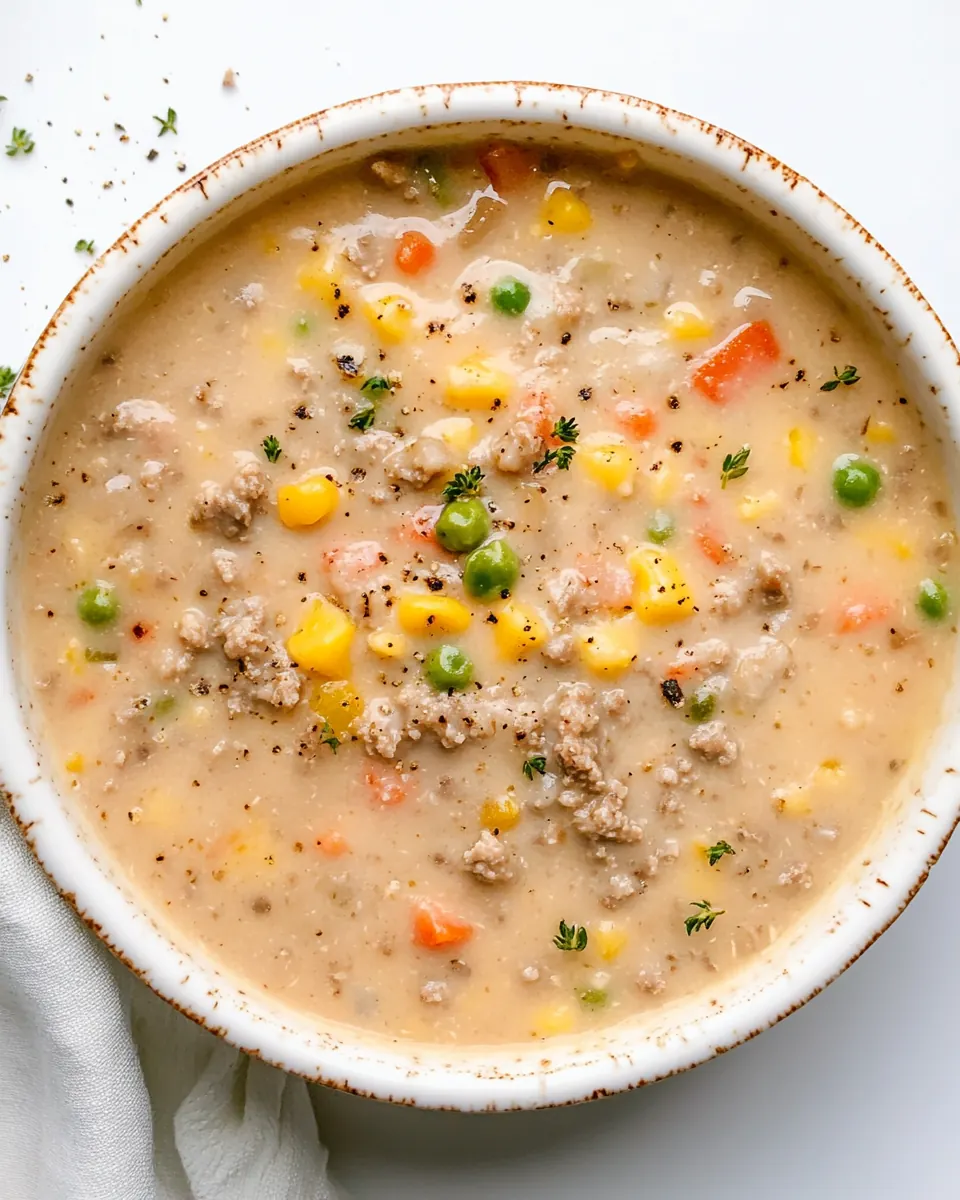
Shepherds Pie Soup
Shepherds Pie Soup is the kind of bowl I reach for when the weather presses a cold forehead against the kitchen window and I want comfort with purpose. The first time I made it, I was chasing the cozy memory of mashed potato topped pies but needed something spoonable, and the result felt like a warm wink from home. I remember stirring pots while laughter from the next room drifted over, and that homely aroma of browned meat and buttered potatoes convinced even the skeptics to come back for seconds.
I love how Shepherds Pie Soup nails both nostalgia and practicality. It gives you the heartiness of a casserole, in a bowl that reheats cleanly and travels well. Over the years I have tweaked the seasoning to balance richness and brightness, and I always keep a jar of fresh herbs close by to finish the soup for a lively last-minute lift. Making it has become my go to when I want something unfussy but soul satisfying.
Every spoonful of Shepherds Pie Soup delivers layered textures that tell a story, from creamy mashed potato notes echoed in the dairy enriched broth to the playful pop of frozen peas and corn. I like to think of this recipe as a friendly compromise between tradition and convenience, and it’s one I happily share at the table with friends who want something familiar yet slightly reinvented. It always sparks conversation about family meals, and I find that makes it taste even better.
Recipe Snapshot
55 mins
30 mins
25 mins
Medium
400 kcal
American
Gluten-Free, Low FODMAP
Soups
Large pot
The Beauty of This Shepherds Pie Soup
Comfort in a Bowl
I adore how Shepherds Pie Soup gives you all the cozy satisfaction of a classic shepherds pie, but in a spoon friendly format. The creamy, cheesy finish turns a humble soup into something indulgent, while the browned ground beef anchors the dish with savory depth. For cold nights, this is my go to because it warms both hands and mood.
Layered Textures That Impress
The interplay of soft diced baby gold potatoes, creamy milk and heavy cream, and the bite of frozen peas and corn keeps each spoonful interesting. I love how the shredded sharp Cheddar cheese melts into the broth, creating silky ribbons that cling to the vegetables and meat. That contrast is what makes people comment and come back for more.
Easy Weeknight Friendly
Despite the flavor complexity, this recipe uses straightforward techniques and mostly one pot work, so it fits into busy evenings. I can start it after work, and while it simmers, I tidy up and set the table. The process is forgiving, and I often double it because leftovers reheat beautifully for lunches the next day.
Flexible and Family Approved
I appreciate that Shepherds Pie Soup adapts to pantry finds. The mirepoix gives a foundational sweetness, and a splash of Worcestershire sauce lifts the whole pot. In my experience, kids love the creamy, cheesy aspect, while adults notice the thoughtful seasoning and the golden browned ground beef. It truly bridges generations at the table.
Smart Make Ahead Qualities
This is a recipe that rewards planning. The soup holds up well in the fridge for a few days, and reheating with a little extra milk or stock revives the texture. I often prepare the creamy roux beforehand and fold it in at the end to speed dinner time. That little move saves time and keeps the flavors bright.
What Goes Into Shepherds Pie Soup
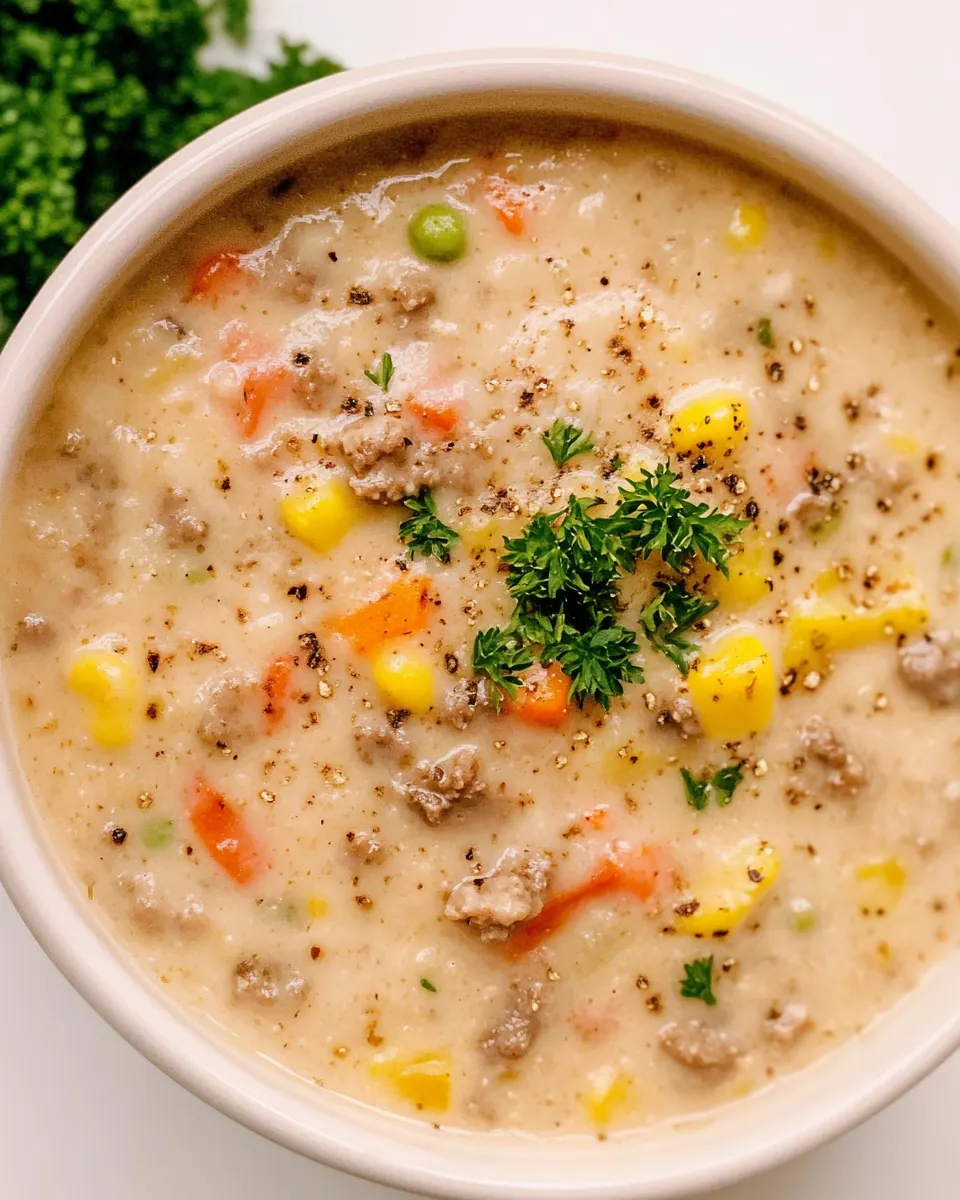
The ingredient list for Shepherds Pie Soup reads like a comforting symphony. Every component plays a role, from the savory foundation of ground beef to the creamy base built with butter, flour, milk, and heavy cream. The mirepoix brings sweetness and aromatic depth, while the potatoes anchor the bowl with hearty texture. Together they mimic the flavors of a traditional shepherds pie, but in a sip friendly format.
- 1 tablespoon olive oil: Heat: adds a cooking medium and helps brown meat while imparting a subtle fruitiness to the soup; use to sauté aromatics and prevent sticking for best flavor development.
- 1 pound ground beef chuck 80/20: Brown: provides the savory, meaty base and rich umami character of the soup; cook until nicely browned to develop caramelized flavors and depth.
- 3/4 teaspoons salt: Season: balances and enhances overall flavors throughout the soup; add during cooking and adjust to taste at the end for proper seasoning.
- 3/4 teaspoon pepper: Season: contributes mild heat and accentuates other flavors; sprinkle in while cooking and taste to ensure a balanced savory profile.
- 3 cups mirepoix or use 1 cup diced carrots, 1 cup diced celery, & 1 cup diced yellow onion: Sauté: supplies the aromatic foundation with a mix of carrots, celery, and onion that builds sweet and savory layers; cook until softened to release natural sugars and deepen the broth.
- 1 tablespoon minced garlic: Sauté: delivers pungent, aromatic complexity that brightens the soup; mince finely and add toward the beginning of cooking to bloom its flavor.
- 1 1/2 pounds baby gold potatoes diced (4 cups): Simmer: brings creamy body and potato texture to the soup while thickening the broth; dice and cook until tender so pieces soften and add heartiness.
- 1 1/2 teaspoons Italian seasoning: Season: contributes Mediterranean herbal notes that uplift the savory base; add while cooking to infuse the broth with a balanced herb flavor.
- 1/2 teaspoon ground mustard powder: Season: adds a sharp, tangy undertone that lifts richness and complements other spices; whisk in sparingly to avoid overtaking delicate flavors.
- 1/4 teaspoon ground sage: Season: imparts a warm, slightly woody aroma that echoes traditional shepherd's pie; use small amounts to add background complexity without dominating.
- 1/2 teaspoon dried thyme: Season: brings subtle floral and lemony notes that enhance savory components; add early so its flavor disperses evenly through the soup.
- 3 cups chicken stock or broth (high-quality like Swanson): Flavor: provides a savory liquid base and depth; choose a high–quality stock and simmer to meld flavors and nourish the soup's body.
- 1 bay leaf (optional): Flavor: lends an herbal bay leaf aroma when simmered; add during cooking and remove before serving if desired.
- 5 tablespoons unsalted butter: Enrich: supplies creamy richness and butterfat that rounds the soup; melt early to create a roux or to finish dishes with a silky mouthfeel.
- 6 tablespoons flour: Thicken: creates a roux base with butter to thicken and stabilize the soup's texture; cook briefly to remove raw flour taste before adding liquids.
- 3 cups whole milk: Thicken: contributes body and creaminess while tempering heat when added gradually; whisk into the roux to produce a smooth, creamy consistency.
- 1/2 cup heavy cream: Enrich: adds luxurious texture and increases richness for a velvety finish; stir in near the end for a luscious result without breaking the emulsion.
- 1 1/2 cup frozen peas: Add: supplies bursts of sweet, vegetal flavor and a pop of color that mimic shepherd's pie; fold in frozen peas toward the end to heat through without becoming mushy.
- 2 cups shredded sharp Cheddar cheese: Melt: provides sharp, savory flavor and a creamy, cheesy finish that complements the beef and potatoes; stir in gradually to melt smoothly and enrich the soup.
- 1 cup frozen corn: Add: contributes sweet crunch and color that complements peas and potatoes; toss in frozen corn near the end to warm through while preserving texture.
- 1 teaspoon Worcestershire sauce (optional): Enhance: delivers savory, slightly tangy depth typical in meat dishes; add a splash if desired to brighten and deepen the overall flavor profile.
- Fresh herbs , for serving (parsley or thyme) (optional): Garnish: supplies fresh herbal brightness and aroma that lift the finished soup; chop parsley or thyme and sprinkle over bowls just before serving for freshness.
- Crusty buttered bread , for serving (optional): Serve: offers a sturdy, buttery vehicle for sopping up the soup and provides contrast in texture; warm and butter bread before serving alongside bowls.
How to Cook Shepherds Pie Soup
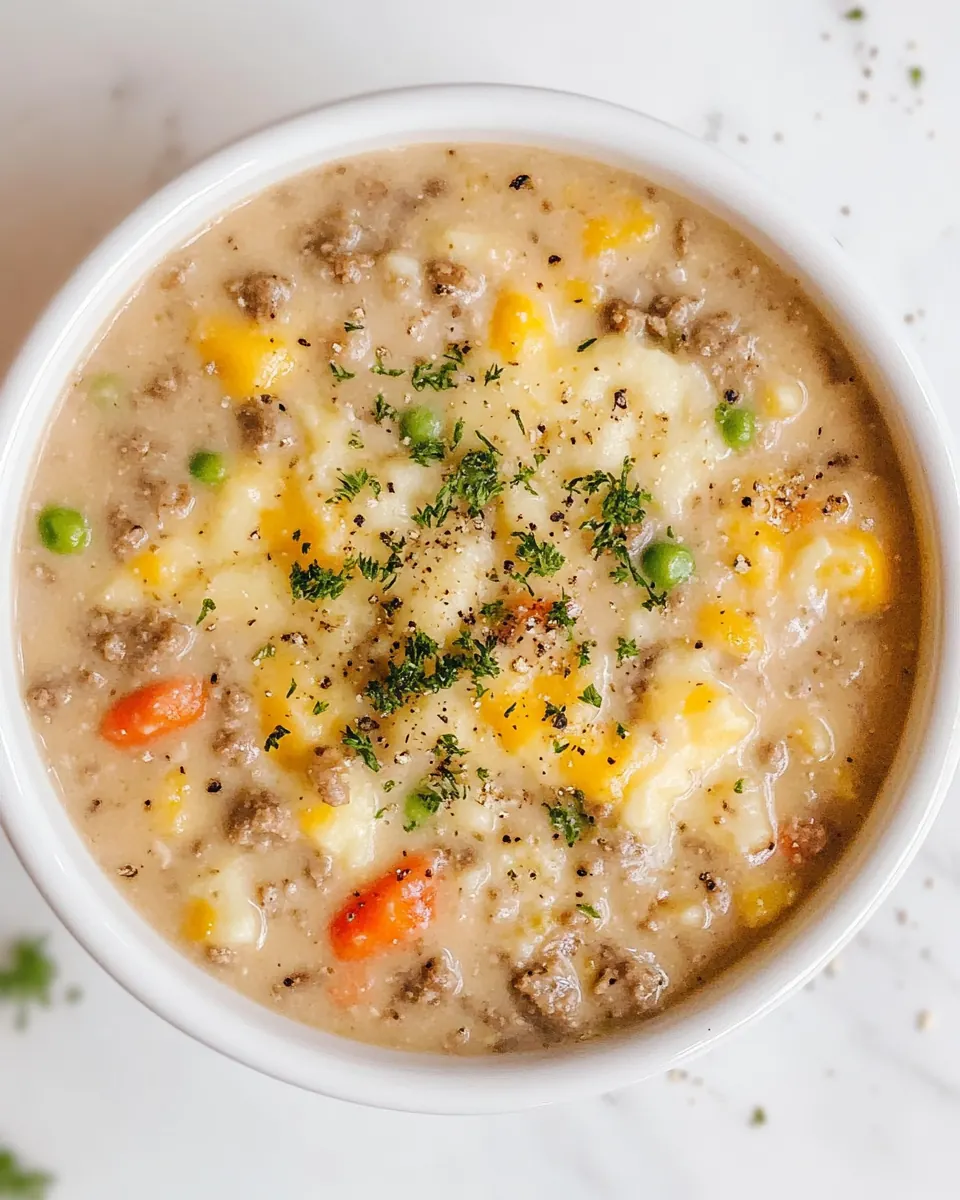
I like to keep instructions conversational and sensory so you know exactly what to expect at each turn. This recipe unfolds like a story, beginning with a deep sear and moving into a gentle simmer, finishing with a creamy enrichment that ties everything together.
- Add olive oil to a large pot over high heat. Once hot, add the beef along with salt and pepper. Let it sear for about 1 minute per side, then crumble and cook until deeply browned. Once cooked, use a slotted spoon to remove the beef, leaving behind about 2-3 tablespoons of grease. If there is any more than that, discard excess.: When the pot is hot enough the surface shimmers and the oil moves fluidly, you will smell a faint warm fragrance from the olive oil . This heat is crucial for a quick sear, which gives the meat deep savory notes and those sticky browned bits that enrich the whole pot. One common mistake is adding meat to a cold pan, which results in steaming instead of searing, so wait until the oil is hot. As soon as the oil warms, you will hear a sharp hiss when meat hits the surface, signaling the Maillard reaction at work. That sound is a good indicator to move forward. Keep a wooden spoon handy to break up clumps later, and avoid overcrowding which cools the pan and prevents browning.
- Add the carrots, celery, and onion to the pot. Sauté for 6–8 minutes until softened. Don't rush this! Add the potatoes, garlic, and seasonings, stirring constantly for 1–2 minutes until fragrant.: As the ground beef hits the pot you should hear a sustained sizzling, followed by visible browning around the edges within moments. The salt helps draw moisture out, concentrating flavor, while the pepper complements the beef with a warm bite. If the meat releases excessive liquid, pause and let it evaporate so the surface can properly brown, otherwise you will miss those savory fond bits. Use a slotted spoon to scoop the meat out once deeply browned; leaving about 2 to 3 tablespoons of grease helps with flavor building. Over stirring early on can prevent browning, so allow undisturbed contact for short periods to form a crust.
- Add the chicken stock and bay leaf. Bring to a boil over medium-high heat, then reduce to medium. Cover and simmer for 10–15 minutes, or until the potatoes are tender.: Listening for the sizzle and watching for shrinking and crisped edges tells you browning is progressing. The aroma should shift from raw to roasted, carrying rich, meaty notes. When crumbling, aim for small, slightly irregular pieces to create texture in the soup. A frequent slip up is rinsing the pot too soon and losing the fond; instead, keep those browned bits because they dissolve into the broth to add complexity. If the meat sticks too much, the pan may be too hot; adjust the heat and use the spoon to gently loosen the browned crust.
- In a separate pot, melt the butter over medium heat. Whisk in the flour and cook for 1 minute, stirring constantly. Slowly add the milk, whisking until smooth. Cook until thickened and gently bubbling, then stir in the heavy cream and remove from heat.: Leaving a controlled amount of rendered fat gives the next vegetables a flavor carrying medium. You should see a glossy smear on the pot surface and detect an intensified meaty scent. If there is more than the suggested amount, carefully discard excess to avoid a greasy final dish. Removing the meat also stops it from overcooking while the vegetables take their turn to soften. If you forget and leave all the grease, the soup may taste heavy, so adjust by ladling excess away.
- Pour the cream mixture into the soup along with the cooked beef, peas, and corn. Stir well. Reduce heat to low and add Cheddar one handful at a time, stirring until smooth and creamy. Cook, stirring occasionally, until nicely thickened. Taste and adjust seasoning as needed. Remove and discard bay leaf. Stir in Worcestershire sauce.: When the diced carrots , celery , and onion hit the pot they should hiss gently and begin to release sweetness. Saut e9 them until translucent and softened, about several minutes, while breathing in the emerging aromatic trio. The smell will shift from meaty to savory sweet as natural sugars caramelize. Do not rush this step; insufficient softening leaves vegetables harsh and underdeveloped in flavor. Stir occasionally to ensure even cooking and watch for any signs of burning, which would impart bitterness.
- Serve warm, topped with fresh parsley or thyme, alongside toasted buttered bread.: You want the vegetables to lose their raw crunch and gain a tender sheen, which indicates the right texture. The pot will smell warm and rounded, and you will see the edges take on slight golden flecks. A common pitfall is cooking too fast at very high heat, which browns the outsides but leaves interiors firm; maintain medium heat to allow even softening. If the pan seems dry, add a teaspoon of water to deglaze stuck bits and continue cooking.
- Don't rush this! Add the potatoes, garlic, and seasonings, stirring constantly for 1 to 2 minutes until fragrant.: Once you add the diced baby gold potatoes , the soft earthy aroma becomes prominent, and the short burst with minced garlic and spices will perfume the pot. Stirring keeps the garlic from sticking and burning, which would create bitterness. The brief cooking also allows the seasonings to bloom, releasing their oils and marrying with the vegetables. Rushing may leave raw garlic flavor, so maintain attention during this quick step.
- Add the chicken stock and bay leaf.: Pouring in the chicken stock should produce a comforting steam and a gentle roar as it hits the hot base, lifting the browned bits and flavor into the liquid. Toss in the bay leaf for subtle aromatic depth, and watch the color deepen as ingredients meld. Bring it to a vigorous bubble, then lower the heat to sustain a gentle simmer. Forgetting to scrape the pot first can waste flavor, so use a spoon to release fond before covering.
- Bring to a boil over medium high heat, then reduce to medium.: The initial boil helps extract starches from the potatoes into the broth, thickening it slightly. You will see lively bubbling that calms as you lower the flame to a steady simmer. This transition helps break down the potatoes without breaking them apart completely. Leaving the heat too high can shred the potatoes, turning the soup grainy, so aim for gentle movement of the liquid.
- Cover and simmer for 10 to 15 minutes, or until the potatoes are tender.: During this simmer, the kitchen will smell like concentrated comfort, and a fork should slide through potato pieces with little resistance when they are done. The broth will have developed body and a rounded flavor. Over simmering can disintegrate the potatoes and make the texture mealy, so check early and often for the ideal tenderness. If the liquid reduces excessively, add a splash of stock to maintain the desired consistency.
- In a separate pot, melt the butter over medium heat.: The butter should foam gently and release a warm, creamy aroma as it liquefies. This is the start of your cream base which will thicken the soup elegantly. If the butter browns slightly it will introduce a nutty complexity, but watch carefully to prevent burning. Using unsalted butter helps control seasoning downstream.
- Whisk in the flour and cook for 1 minute, stirring constantly.: When the flour joins the melted butter it forms a paste that should bubble gently while losing any raw flour scent. Continuous whisking prevents lumps and ensures an even roux. If you skip cooking this for the minute it needs, the sauce can retain a floury taste, so be patient here. The texture should be smooth and slightly glossy before you add liquid.
- Slowly add the milk, whisking until smooth.: Pouring milk in a slow stream while whisking creates a velvety emulsion and prevents lumps. The mixture will thicken and become glossy, emitting a comforting milky aroma. If you add the milk too fast you risk clumps, so steady whisking is key. If lumps form, strain the sauce or whisk vigorously to smooth it out.
- Cook until thickened and gently bubbling, then stir in the heavy cream and remove from heat.: You want the sauce to cling to the back of a spoon, indicating proper thickness. Adding the heavy cream enriches the texture and gives the soup a silky finish. Remove from direct heat to prevent the dairy from curdling. A common error is leaving it on high heat which can scald the cream and change the flavor profile.
- Pour the cream mixture into the soup along with the cooked beef, peas, and corn.: As the warm cream meets the simmering broth you will see the pot take on a thicker, creamier sheen. Adding the cooked beef returns its savory depth to the mix, while frozen peas and corn add color and sweet pops. The steam will carry a rich, inviting scent. If additions cool the pot too much, raise the heat slightly to bring it back to a gentle simmer.
- Stir well.: At this stage the textures should begin to harmonize, and you will notice a cohesive aroma of savory beef, dairy, and herbs. Stirring distributes heat and helps the sauce integrate evenly. If you skip thorough stirring you may end up with pockets of unmelted Cheddar cheese or uneven seasoning, so ensure the mix is homogeneous.
- Reduce heat to low and add Cheddar one handful at a time, stirring until smooth and creamy.: Adding Cheddar cheese gradually allows it to melt uniformly into the soup, forming glossy ribbons rather than clumps. The cheese should melt into a silky texture that thickens slightly as it blends. Avoid turning the heat too high, because the cheese can separate and become grainy. If the cheese clumps, lower the temperature and stir continuously until smooth.
- Cook, stirring occasionally, until nicely thickened.: As the soup settles, you will see it take on a luxurious coat on a spoon, with visible specks of herbs and vegetables. The occasional stir prevents sticking and ensures even thickening. A mistake here is walking away for too long, which risks scorching on the pot bottom; maintain periodic checks and gentle movement.
- Taste and adjust seasoning as needed.: Take a spoonful and notice the balance of salt, herb, and dairy. This is your chance to nudge flavors with a pinch more salt , pepper , or a splash of Worcestershire if you like. Adjustments are personal, so add sparingly and taste between increments to avoid oversalting. Remember that cheese adds salt, so factor that in before final seasoning.
- Remove and discard bay leaf.: Before serving pull out the bay leaf to avoid surprising bites of tough, fibrous texture. Its subtle flavor will have already perfumed the broth. Leaving it in can make spooning awkward, so fish it out carefully with tongs or a spoon.
- Stir in Worcestershire sauce.: A small dash of Worcestershire sauce awakens the savory layers, adding depth and a touch of tang. Stir to disperse it evenly. Overdoing it can tilt the balance toward fermented notes, so incorporate cautiously and taste to find the right harmony.
- Serve warm, topped with fresh parsley or thyme, alongside toasted buttered bread.: Presenting the soup with a sprinkle of fresh herbs brightens flavors and adds inviting color. A slice of warm buttered bread for dipping finishes the meal. Make sure bowls are hot so the soup stays warm longer; cold bowls can cool the soup too quickly.
Make It Your Own
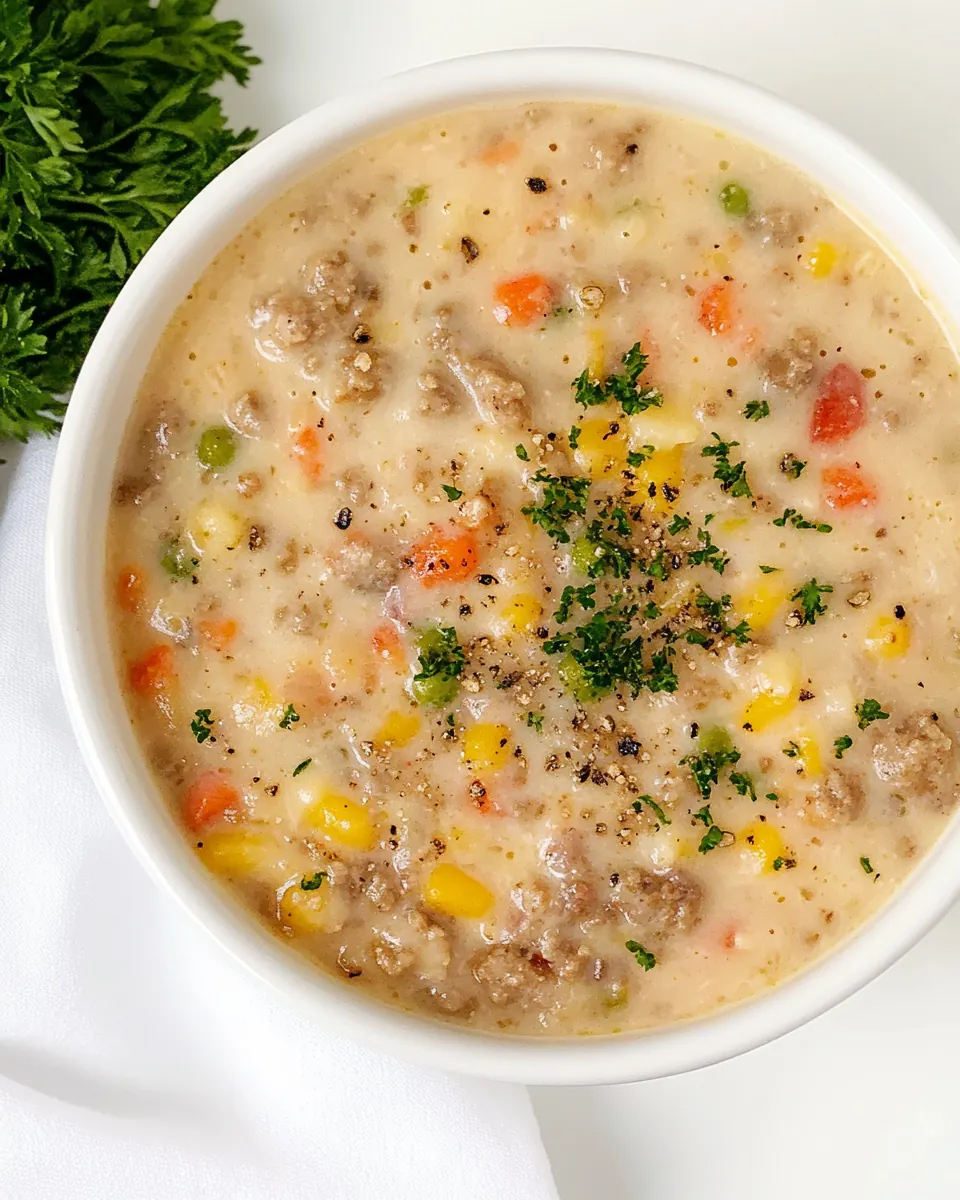
This recipe is friendly to personalization if you want to experiment. Small swaps and careful timing let you shift the final tone from rustic to silky, while keeping the core comforting identity intact. These tips help you customize without losing the essence of Shepherds Pie Soup.
- Double the mirepoix: If you prefer a more vegetable forward bowl, increase the diced carrots, celery, and onion to deepen sweetness and texture without altering method.
- Control richness: To lighten the soup, reduce the heavy cream slightly and make up volume with extra milk or chicken stock, keeping mouthfeel pleasant while trimming calories.
- Cheese choices: Use a sharper Cheddar cheese for bolder tang, or a milder cheese for creamier, subtler finish; always grate just before using for best melt.
- Make ahead roux: Prepare the butter and flour roux in advance and refrigerate, then gently rewarm and whisk in milk to speed the final stage during dinner time.
- Herb finishing: Add fresh chopped parsley for brightness, or a sprinkle of fresh thyme for an earthy lift, applied just before serving to preserve aroma.
- Storing and reheating: Cool quickly and refrigerate in airtight containers for 3 to 4 days, and reheat gently over low heat, adding a splash of milk or stock to refresh texture.
Perfect Matches for Shepherds Pie Soup
Shepherds Pie Soup pairs beautifully with simple sides and fits into many occasions. Whether you want a casual weeknight dinner or a warming meal during winter gatherings, the soup is adaptable. Here are serving ideas, storage notes, and pairing suggestions to help you present it thoughtfully.
- Crusty buttered bread for dipping: Warm, toasted slices brushed with butter soak up the creamy broth and add textural contrast, perfect for cozy dinners.
- Light green salad: A crisp salad dressed lightly balances the richness of the soup and introduces a fresh counterpoint to the creamy texture.
- Occasions: Serve this at family dinners, casual winter suppers, or as a hearty option during a weeknight when you need comfort without fuss.
- Storage tips: Store leftovers in airtight containers for 3 to 4 days, and reheat gently over low heat with a splash of milk or chicken stock to revive creaminess.
- Seasonal pairing: This recipe shines in winter when you crave warming bowls, and it works well for chilly fall evenings too.
- Serving temperature: Serve warm, not scalding, to let the flavors settle and the cheese stay silky rather than stringy or separated.
- Garnish ideas: Fresh chopped parsley or a few thyme leaves on top add brightness and a professional finishing touch.
- Portioning: This recipe is great for feeding a crowd, so adjust bowl sizes and offer bread on the side to stretch servings.
- Presentation: Ladle into warmed bowls and add a final crumble of Cheddar cheese or sprinkle of fresh herbs for a cozy, inviting look.
- Leftover uses: Transform leftovers into a pot pie style bake by transferring to a casserole dish and topping with mashed potatoes, then baking until golden.
FAQ
Conclusion
This Shepherds Pie Soup brings the warm, familiar flavors of a classic pie into a cozy, spoonable bowl, combining browned beef, tender potatoes, and melted Cheddar for an indulgent yet approachable meal. I encourage you to give it a try on a chilly evening, whether for a family dinner or to impress friends with something both nostalgic and versatile. The recipe is forgiving, adaptable, and rewards small adjustments, so enjoy the process as much as the comforting results.

Shepherds Pie Soup
Equipment
- Large Pot
Ingredients
- 1 tablespoon olive oil Heat: adds a cooking medium and helps brown meat while imparting a subtle fruitiness to the soup; use to sauté aromatics and prevent sticking for best flavor development.
- 1 pound ground beef chuck 80/20 Brown: provides the savory, meaty base and rich umami character of the soup; cook until nicely browned to develop caramelized flavors and depth.
- 3/4 teaspoons salt Season: balances and enhances overall flavors throughout the soup; add during cooking and adjust to taste at the end for proper seasoning.
- 3/4 teaspoon pepper Season: contributes mild heat and accentuates other flavors; sprinkle in while cooking and taste to ensure a balanced savory profile.
- 3 cups mirepoix or use 1 cup diced carrots, 1 cup diced celery, & 1 cup diced yellow onion Sauté: supplies the aromatic foundation with a mix of carrots, celery, and onion that builds sweet and savory layers; cook until softened to release natural sugars and deepen the broth.
- 1 tablespoon minced garlic Sauté: delivers pungent, aromatic complexity that brightens the soup; mince finely and add toward the beginning of cooking to bloom its flavor.
- 1 -1/2 pounds baby gold potatoes diced (4 cups) Simmer: brings creamy body and potato texture to the soup while thickening the broth; dice and cook until tender so pieces soften and add heartiness.
- 1 -1/2 teaspoons Italian seasoning Season: contributes Mediterranean herbal notes that uplift the savory base; add while cooking to infuse the broth with a balanced herb flavor.
- 1/2 teaspoon ground mustard powder Season: adds a sharp, tangy undertone that lifts richness and complements other spices; whisk in sparingly to avoid overtaking delicate flavors.
- 1/4 teaspoon ground sage Season: imparts a warm, slightly woody aroma that echoes traditional shepherd's pie; use small amounts to add background complexity without dominating.
- 1/2 teaspoon dried thyme Season: brings subtle floral and lemony notes that enhance savory components; add early so its flavor disperses evenly through the soup.
- 3 cups chicken stock or broth (high-quality like Swanson) Flavor: provides a savory liquid base and depth; choose a high-quality stock and simmer to meld flavors and nourish the soup's body.
- 1 bay leaf optional Flavor: lends an herbal bay leaf aroma when simmered; add during cooking and remove before serving if desired.
- 5 tablespoons unsalted butter Enrich: supplies creamy richness and butterfat that rounds the soup; melt early to create a roux or to finish dishes with a silky mouthfeel.
- 6 tablespoons flour Thicken: creates a roux base with butter to thicken and stabilize the soup's texture; cook briefly to remove raw flour taste before adding liquids.
- 3 cups whole milk Thicken: contributes body and creaminess while tempering heat when added gradually; whisk into the roux to produce a smooth, creamy consistency.
- 1/2 cup heavy cream Enrich: adds luxurious texture and increases richness for a velvety finish; stir in near the end for a luscious result without breaking the emulsion.
- 1 -1/2 cup frozen peas Add: supplies bursts of sweet, vegetal flavor and a pop of color that mimic shepherd's pie; fold in frozen peas toward the end to heat through without becoming mushy.
- 2 cups shredded sharp Cheddar cheese Melt: provides sharp, savory flavor and a creamy, cheesy finish that complements the beef and potatoes; stir in gradually to melt smoothly and enrich the soup.
- 1 cup frozen corn Add: contributes sweet crunch and color that complements peas and potatoes; toss in frozen corn near the end to warm through while preserving texture.
- 1 teaspoon Worcestershire sauce optional Enhance: delivers savory, slightly tangy depth typical in meat dishes; add a splash if desired to brighten and deepen the overall flavor profile.
- Fresh herbs optional, for serving (parsley or thyme) Garnish: supplies fresh herbal brightness and aroma that lift the finished soup; chop parsley or thyme and sprinkle over bowls just before serving for freshness.
- Crusty buttered bread optional, for serving Serve: offers a sturdy, buttery vehicle for sopping up the soup and provides contrast in texture; warm and butter bread before serving alongside bowls.
Instructions
- Add olive oil to a large pot over high heat. Once hot, add the beef along with salt and pepper. Let it sear for about 1 minute per side, then crumble and cook until deeply browned. Once cooked, use a slotted spoon to remove the beef, leaving behind about 2-3 tablespoons of grease. If there is any more than that, discard excess.: When the pot is hot enough the surface shimmers and the oil moves fluidly, you will smell a faint warm fragrance from the olive oil . This heat is crucial for a quick sear, which gives the meat deep savory notes and those sticky browned bits that enrich the whole pot. One common mistake is adding meat to a cold pan, which results in steaming instead of searing, so wait until the oil is hot. As soon as the oil warms, you will hear a sharp hiss when meat hits the surface, signaling the Maillard reaction at work. That sound is a good indicator to move forward. Keep a wooden spoon handy to break up clumps later, and avoid overcrowding which cools the pan and prevents browning.
- Add the carrots, celery, and onion to the pot. Sauté for 6–8 minutes until softened. Don't rush this! Add the potatoes, garlic, and seasonings, stirring constantly for 1–2 minutes until fragrant.: As the ground beef hits the pot you should hear a sustained sizzling, followed by visible browning around the edges within moments. The salt helps draw moisture out, concentrating flavor, while the pepper complements the beef with a warm bite. If the meat releases excessive liquid, pause and let it evaporate so the surface can properly brown, otherwise you will miss those savory fond bits. Use a slotted spoon to scoop the meat out once deeply browned; leaving about 2 to 3 tablespoons of grease helps with flavor building. Over stirring early on can prevent browning, so allow undisturbed contact for short periods to form a crust.
- Add the chicken stock and bay leaf. Bring to a boil over medium-high heat, then reduce to medium. Cover and simmer for 10–15 minutes, or until the potatoes are tender.: Listening for the sizzle and watching for shrinking and crisped edges tells you browning is progressing. The aroma should shift from raw to roasted, carrying rich, meaty notes. When crumbling, aim for small, slightly irregular pieces to create texture in the soup. A frequent slip up is rinsing the pot too soon and losing the fond; instead, keep those browned bits because they dissolve into the broth to add complexity. If the meat sticks too much, the pan may be too hot; adjust the heat and use the spoon to gently loosen the browned crust.
- In a separate pot, melt the butter over medium heat. Whisk in the flour and cook for 1 minute, stirring constantly. Slowly add the milk, whisking until smooth. Cook until thickened and gently bubbling, then stir in the heavy cream and remove from heat.: Leaving a controlled amount of rendered fat gives the next vegetables a flavor carrying medium. You should see a glossy smear on the pot surface and detect an intensified meaty scent. If there is more than the suggested amount, carefully discard excess to avoid a greasy final dish. Removing the meat also stops it from overcooking while the vegetables take their turn to soften. If you forget and leave all the grease, the soup may taste heavy, so adjust by ladling excess away.
- Pour the cream mixture into the soup along with the cooked beef, peas, and corn. Stir well. Reduce heat to low and add Cheddar one handful at a time, stirring until smooth and creamy. Cook, stirring occasionally, until nicely thickened. Taste and adjust seasoning as needed. Remove and discard bay leaf. Stir in Worcestershire sauce.: When the diced carrots , celery , and onion hit the pot they should hiss gently and begin to release sweetness. Saut e9 them until translucent and softened, about several minutes, while breathing in the emerging aromatic trio. The smell will shift from meaty to savory sweet as natural sugars caramelize. Do not rush this step; insufficient softening leaves vegetables harsh and underdeveloped in flavor. Stir occasionally to ensure even cooking and watch for any signs of burning, which would impart bitterness.
- Serve warm, topped with fresh parsley or thyme, alongside toasted buttered bread.: You want the vegetables to lose their raw crunch and gain a tender sheen, which indicates the right texture. The pot will smell warm and rounded, and you will see the edges take on slight golden flecks. A common pitfall is cooking too fast at very high heat, which browns the outsides but leaves interiors firm; maintain medium heat to allow even softening. If the pan seems dry, add a teaspoon of water to deglaze stuck bits and continue cooking.
- Don't rush this! Add the potatoes, garlic, and seasonings, stirring constantly for 1 to 2 minutes until fragrant.: Once you add the diced baby gold potatoes , the soft earthy aroma becomes prominent, and the short burst with minced garlic and spices will perfume the pot. Stirring keeps the garlic from sticking and burning, which would create bitterness. The brief cooking also allows the seasonings to bloom, releasing their oils and marrying with the vegetables. Rushing may leave raw garlic flavor, so maintain attention during this quick step.
- Add the chicken stock and bay leaf.: Pouring in the chicken stock should produce a comforting steam and a gentle roar as it hits the hot base, lifting the browned bits and flavor into the liquid. Toss in the bay leaf for subtle aromatic depth, and watch the color deepen as ingredients meld. Bring it to a vigorous bubble, then lower the heat to sustain a gentle simmer. Forgetting to scrape the pot first can waste flavor, so use a spoon to release fond before covering.
- Bring to a boil over medium high heat, then reduce to medium.: The initial boil helps extract starches from the potatoes into the broth, thickening it slightly. You will see lively bubbling that calms as you lower the flame to a steady simmer. This transition helps break down the potatoes without breaking them apart completely. Leaving the heat too high can shred the potatoes, turning the soup grainy, so aim for gentle movement of the liquid.
- Cover and simmer for 10 to 15 minutes, or until the potatoes are tender.: During this simmer, the kitchen will smell like concentrated comfort, and a fork should slide through potato pieces with little resistance when they are done. The broth will have developed body and a rounded flavor. Over simmering can disintegrate the potatoes and make the texture mealy, so check early and often for the ideal tenderness. If the liquid reduces excessively, add a splash of stock to maintain the desired consistency.
- In a separate pot, melt the butter over medium heat.: The butter should foam gently and release a warm, creamy aroma as it liquefies. This is the start of your cream base which will thicken the soup elegantly. If the butter browns slightly it will introduce a nutty complexity, but watch carefully to prevent burning. Using unsalted butter helps control seasoning downstream.
- Whisk in the flour and cook for 1 minute, stirring constantly.: When the flour joins the melted butter it forms a paste that should bubble gently while losing any raw flour scent. Continuous whisking prevents lumps and ensures an even roux. If you skip cooking this for the minute it needs, the sauce can retain a floury taste, so be patient here. The texture should be smooth and slightly glossy before you add liquid.
- Slowly add the milk, whisking until smooth.: Pouring milk in a slow stream while whisking creates a velvety emulsion and prevents lumps. The mixture will thicken and become glossy, emitting a comforting milky aroma. If you add the milk too fast you risk clumps, so steady whisking is key. If lumps form, strain the sauce or whisk vigorously to smooth it out.
- Cook until thickened and gently bubbling, then stir in the heavy cream and remove from heat.: You want the sauce to cling to the back of a spoon, indicating proper thickness. Adding the heavy cream enriches the texture and gives the soup a silky finish. Remove from direct heat to prevent the dairy from curdling. A common error is leaving it on high heat which can scald the cream and change the flavor profile.
- Pour the cream mixture into the soup along with the cooked beef, peas, and corn.: As the warm cream meets the simmering broth you will see the pot take on a thicker, creamier sheen. Adding the cooked beef returns its savory depth to the mix, while frozen peas and corn add color and sweet pops. The steam will carry a rich, inviting scent. If additions cool the pot too much, raise the heat slightly to bring it back to a gentle simmer.
- Stir well.: At this stage the textures should begin to harmonize, and you will notice a cohesive aroma of savory beef, dairy, and herbs. Stirring distributes heat and helps the sauce integrate evenly. If you skip thorough stirring you may end up with pockets of unmelted Cheddar cheese or uneven seasoning, so ensure the mix is homogeneous.
- Reduce heat to low and add Cheddar one handful at a time, stirring until smooth and creamy.: Adding Cheddar cheese gradually allows it to melt uniformly into the soup, forming glossy ribbons rather than clumps. The cheese should melt into a silky texture that thickens slightly as it blends. Avoid turning the heat too high, because the cheese can separate and become grainy. If the cheese clumps, lower the temperature and stir continuously until smooth.
- Cook, stirring occasionally, until nicely thickened.: As the soup settles, you will see it take on a luxurious coat on a spoon, with visible specks of herbs and vegetables. The occasional stir prevents sticking and ensures even thickening. A mistake here is walking away for too long, which risks scorching on the pot bottom; maintain periodic checks and gentle movement.
- Taste and adjust seasoning as needed.: Take a spoonful and notice the balance of salt, herb, and dairy. This is your chance to nudge flavors with a pinch more salt , pepper , or a splash of Worcestershire if you like. Adjustments are personal, so add sparingly and taste between increments to avoid oversalting. Remember that cheese adds salt, so factor that in before final seasoning.
- Remove and discard bay leaf.: Before serving pull out the bay leaf to avoid surprising bites of tough, fibrous texture. Its subtle flavor will have already perfumed the broth. Leaving it in can make spooning awkward, so fish it out carefully with tongs or a spoon.
- Stir in Worcestershire sauce.: A small dash of Worcestershire sauce awakens the savory layers, adding depth and a touch of tang. Stir to disperse it evenly. Overdoing it can tilt the balance toward fermented notes, so incorporate cautiously and taste to find the right harmony.
- Serve warm, topped with fresh parsley or thyme, alongside toasted buttered bread.: Presenting the soup with a sprinkle of fresh herbs brightens flavors and adds inviting color. A slice of warm buttered bread for dipping finishes the meal. Make sure bowls are hot so the soup stays warm longer; cold bowls can cool the soup too quickly.
Notes
- Double the mirepoix: If you prefer a more vegetable forward bowl, increase the diced carrots, celery, and onion to deepen sweetness and texture without altering method.
- Control richness: To lighten the soup, reduce the heavy cream slightly and make up volume with extra milk or chicken stock, keeping mouthfeel pleasant while trimming calories.
- Cheese choices: Use a sharper Cheddar cheese for bolder tang, or a milder cheese for creamier, subtler finish; always grate just before using for best melt.
- Make ahead roux: Prepare the butter and flour roux in advance and refrigerate, then gently rewarm and whisk in milk to speed the final stage during dinner time.
- Herb finishing: Add fresh chopped parsley for brightness, or a sprinkle of fresh thyme for an earthy lift, applied just before serving to preserve aroma.
- Storing and reheating: Cool quickly and refrigerate in airtight containers for 3 to 4 days, and reheat gently over low heat, adding a splash of milk or stock to refresh texture.