Savory Galette with Beef and Potato
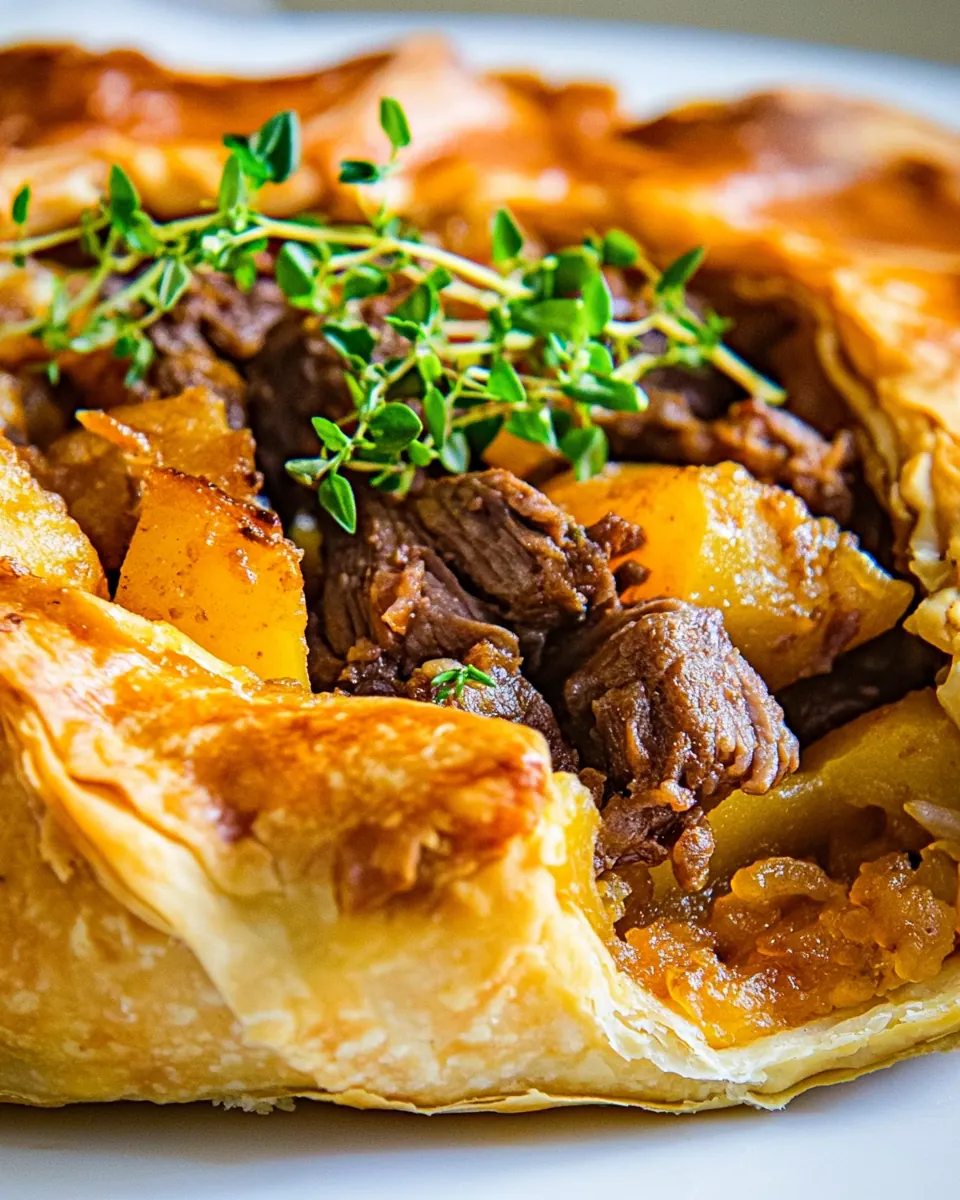
Savory Galette with Beef and Potato began as one of those weeknight experiments where I wanted something rustic, comforting, and a little bit adventurous.
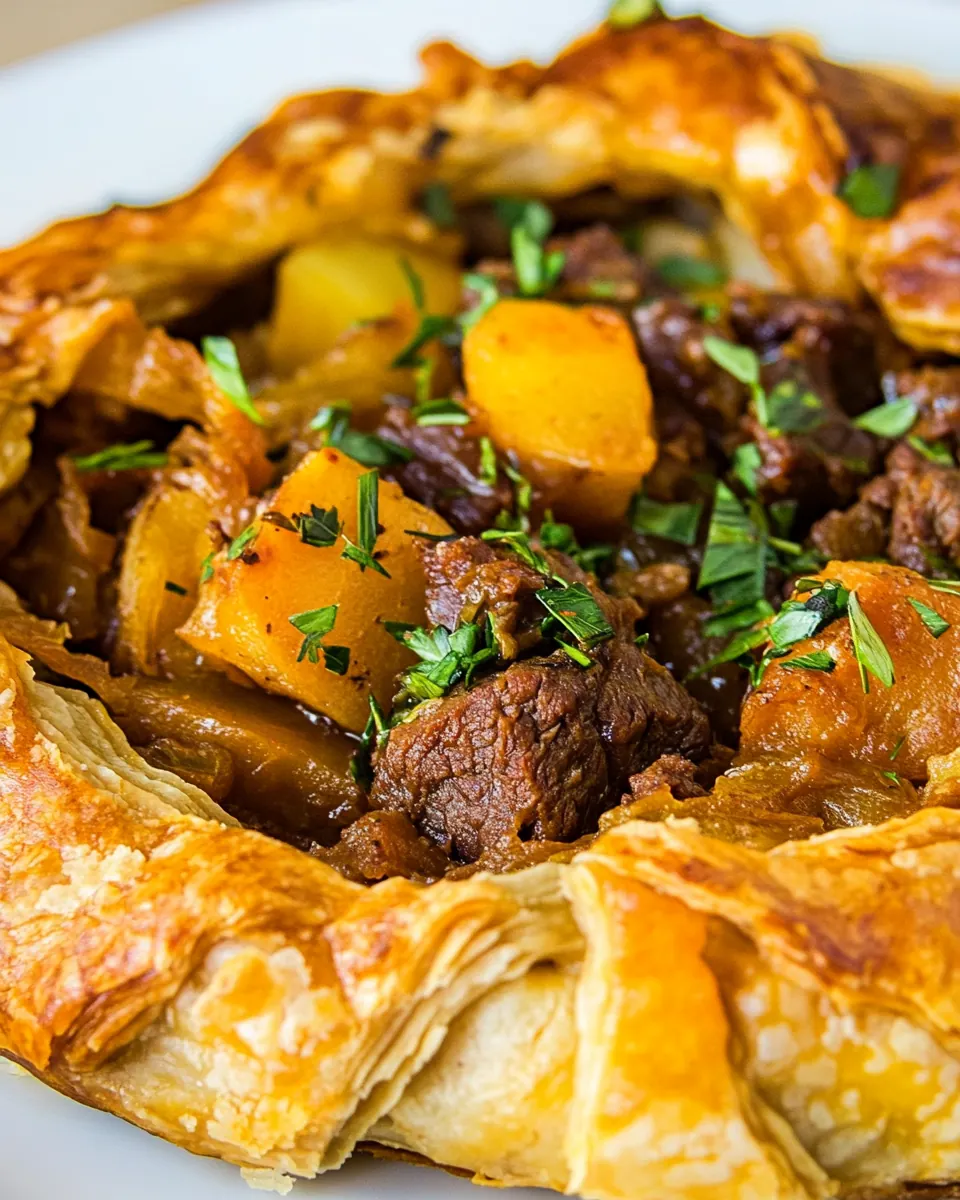
I remember the first time I pulled this galette from the oven, the kitchen filled with a warm, buttery aroma and the filling bubbling gently at the edges. I had diced a sturdy russet potato into small cubes and quickly sautéed them until the outsides turned slightly crisp while staying tender inside. The beef sirloin browned and released savory juices that mingled beautifully with the softened onion, and when I stirred in the shredded cabbage the mixture gained a bright textural lift. That day I realized how a simple circle of dough can hold a whole story.
As I folded the edges of the dough over the filling, I thought about how much personality a galette has compared to a neat pie. It’s forgiving, a bit messy, and gloriously honest. I like to serve it directly from the baking sheet, tearing pieces with my hands and letting guests dig in. Over time I have tweaked small things, like brushing the crust with an optional egg wash for color, and adding a splash of Worcestershire sauce to deepen the savory notes. If you love hands on cooking that rewards you with bold flavors and textured contrasts, this is the one to try.
Recipe Snapshot
45 mins
15 mins
30 mins
Hard
400 kcal
American
Gluten-Free, Low FODMAP
Dinner
Mixing bowl, Pastry blender, Skillet, Baking sheet, Parchment paper
What Makes This Savory Galette with Beef and Potato Special
Comforting, rustic flavor
I keep coming back to this recipe because it marries crispy pastry with a hearty, meaty filling. The combination of beef sirloin and tender potato creates a satisfying mouthfeel that feels like a warm blanket on a cool evening. Every bite has a balance of savory, salty, and faintly sweet notes from the caramelized onion.
Flexible and forgiving
I love how forgiving the technique is. The dough is rustic and tolerant; if you overwork it a little, it still bakes up flaky and pleasant. You can shape the galette casually, and even imperfect folding results in a beautiful, homey presentation. I often tell friends that this is a recipe that rewards curiosity rather than perfection.
Great for small gatherings
This galette is excellent for sharing. It’s easy to transport and serve at the table straight from the baking sheet. The portions are generous and hearty, which makes it ideal for lunch or dinner when you want a crowd pleasing dish without fussing over individual plates.
Textural contrast
The interplay between the flaky crust and the soft, seasoned filling keeps every mouthful interesting. The outer edges crisp and turn golden, while the center remains moist and savory, giving your palate both crunch and tenderness. I find that contrast is what makes people go back for seconds.
Simple ingredients, big impact
I value recipes that use everyday pantry staples but produce bold results. With ingredients like all purpose flour, unsalted butter, tomato sauce, and a touch of thyme, you get a layered flavor profile that feels more elaborate than the shopping list suggests. This makes the galette approachable for cooks at any level.
Shopping List for Savory Galette with Beef and Potato
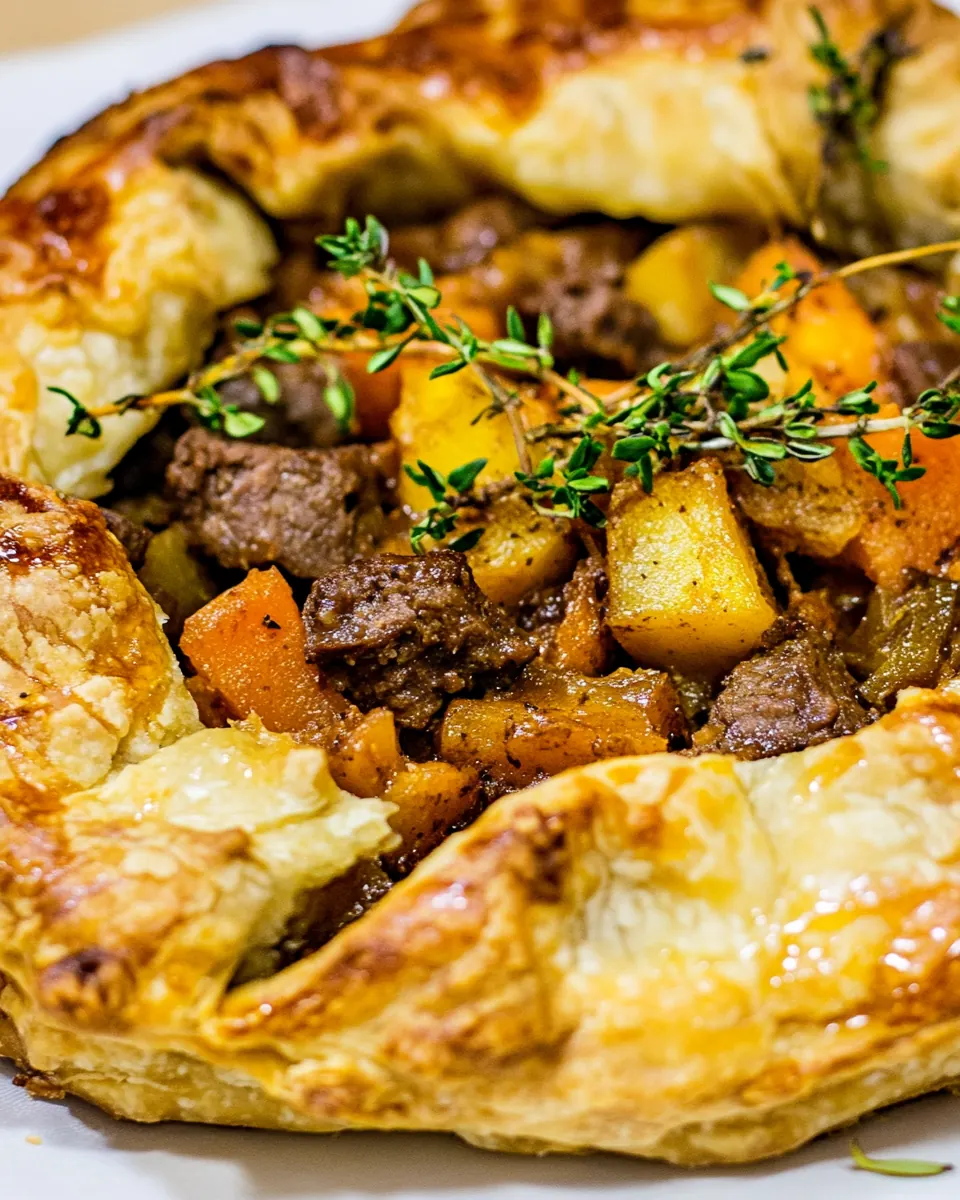
These ingredients come together to create a balanced, rustic galette. The crust ingredients produce a tender, flaky pastry that holds the heartier filling. The key players in the filling are the beef sirloin for savory depth, the russet potato for body and texture, and the cabbage for freshness. Small flavor boosters like Worcestershire sauce and tomato sauce tie everything together.
- 1 1/2 cups all purpose flour: Provide structure and body to the galette dough by combining with fats and liquid; contributes gluten for a tender, yet sturdy crust that holds the filling. Measure accurately to ensure proper dough consistency and avoid a tough or crumbly pastry. Use all purpose flour at room temperature for even mixing and predictable results.
- 1/2 teaspoons salt: Enhance overall flavor balance by seasoning the dough and filling lightly; prevents blandness and brings out other savory components. Dissolve evenly into wet ingredients to ensure uniform taste across the pastry without localized saltiness.
- 3 tablespoons unsalted butter chilled and diced in small pieces: Incorporate flakiness and rich mouthfeel into the pastry when cut into the flour; chill to maintain distinct butter pockets that create layers during baking. Dice into small pieces to distribute evenly so the dough achieves a tender, flaky texture without overworking.
- 1/4 cups sour cream: Bind dough while adding a slight tang that complements savory filling; sour cream contributes moisture and tenderness for a more pliable crust. Keep chilled to prevent butter from melting prematurely, helping maintain pastry flakiness and flavor depth.
- 1 tablespoon fresh lemon juice: Brighten the dough flavor and slightly tenderize with acidity; lemon juice balances richness from butter and sour cream and adds subtle freshness. Use a small amount to avoid overt tartness while improving overall flavor complexity in the crust.
- 3 tablespoons ice water: Regulate dough hydration and help bring ingredients together without overwetting; ice water ensures butter remains cold to produce flakiness. Add gradually until the dough just comes together to maintain proper texture and handling properties.
- 1 egg whisked () (optional): Provide an optional glossy finish and slight richness when brushed on before baking; beaten egg creates an attractive golden-brown crust. Use sparingly if included, and apply evenly to avoid pooling or uneven coloration.
- 1 tablespoon oil vegetable or olive: Facilitate sautéing of aromatics and browning of proteins by providing a medium that transfers heat and enhances flavor. Choose vegetable or olive oil based on desired flavor profile and heat tolerance for even cooking of the filling components.
- 1 large russet potato peeled and diced: Supply hearty texture and absorbent starch for the filling; diced russet potato becomes tender when cooked and helps thicken and bulk the savory mixture. Peel and dice uniformly to ensure even cooking and consistent texture throughout the galette.
- 1 small onion finely chopped: Add aromatic sweetness and depth when finely chopped and sautéed; onion softens and melds into the filling to provide foundational savory notes. Cook gently to caramelize natural sugars and build complexity without burning.
- 1 pound beef sirloin diced: Contribute savory richness and meaty texture to the filling; diced beef sirloin provides protein and substantial flavor when seared. Brown evenly to develop a flavorful crust, then simmer as needed to ensure tenderness and integration with other ingredients.
- 2 cups cabbage finely shredded: Offer crisp-tender texture and mild sweetness when finely shredded; cabbage adds volume and a fresh counterpoint to the rich beef and potatoes. Sauté briefly to wilt and concentrate flavors while retaining slight texture to prevent sogginess in the galette.
- 1/4 cup tomato sauce: Introduce moisture, acidity, and a concentrated tomato flavor that complements the savory filling; tomato sauce helps bind ingredients and create a cohesive filling. Stir in gradually to control sauciness and avoid making the crust soggy during baking.
- 1 teaspoon Worcestershire sauce: Deepen umami and provide a tangy, savory accent to the filling; Worcestershire sauce enhances meaty flavors and adds complexity. Use measured amounts to avoid overpowering the other seasonings, balancing with salt and herbs.
- 1 teaspoon fresh thyme: Impart herbal aroma and subtle earthy notes when used fresh; thyme pairs well with beef and potatoes for a classic savory profile. Strip or finely chop leaves to distribute flavor evenly and avoid tough stems in the filling.
- 1/2 cup water: Adjust filling consistency and assist in simmering ingredients to meld flavors; water helps deglaze the pan and hydrate starches from potato and cabbage. Add carefully to prevent an overly wet filling that could compromise crust integrity.
- Salt and pepper to taste: Season the dough and filling to taste, balancing all components and enhancing natural flavors; adjust salt and pepper after cooking to achieve the desired final profile. Taste before serving and add incremental amounts to avoid over-seasoning.
How to Cook Savory Galette with Beef and Potato
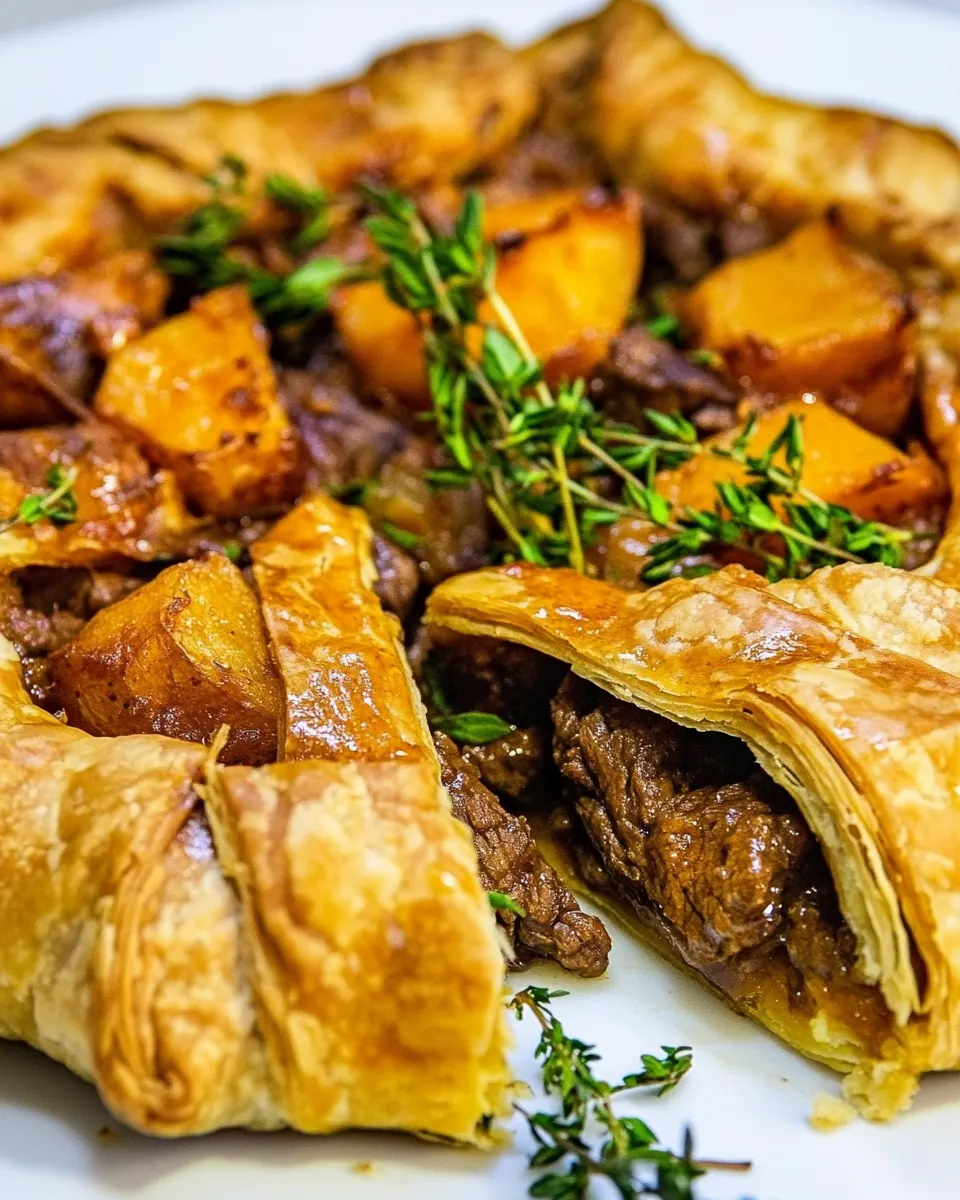
This galette comes together in stages, and a calm, step by step approach rewards you with a golden crust and a well seasoned filling. I like to prepare the dough first, chill it, then focus on developing layers of flavor in the filling while the dough rests. Patience at each moment is the key to a successful finish.
- Galette Dough: The room will smell faintly of flour and citrus as you begin; the dough should feel cool and slightly tacky to the touch when ready. Using cold unsalted butter and ice water preserves little pockets of fat that create flakiness as they melt in the oven. A common pitfall is overworking the dough which warms the butter, so mix gently with a fork and stop as soon as it holds together.
- In a medium size mixing bowl whisk together flour and salt. Set aside.: Expect a dry, uniform mixture that smells wheaty and clean; whisking aerates the all purpose flour and distributes the salt so every bite is seasoned. This step matters because even distribution prevents pockets of unsalted dough. Avoid adding wet ingredients too early, which can create tough dough.
- With a pastry blender cut in the butter into the flour mix.: When the butter is worked into the flour you will see pea sized bits of butter throughout; they should look like coarse crumbs. These visible bits are important, they melt during baking to produce flakiness and a tender crumb. If you end up with butter completely incorporated, the pastry will be dense, so stop when you see small lumps.
- In a separate small mixing bowl mix together the sour cream and lemon juice.: The sour cream and lemon juice will smell tangy and fresh; this acidic mix helps tenderize the dough and adds subtle brightness. Mixing them separately ensures an even, smooth addition to the flour. If you add them cold directly without mixing, you may not incorporate evenly and patches can form.
- Add sour cream mix to the flour and gently toss through the flour using a fork.: The mixture will begin to clump into coarse pieces that still look dry in spots, and this scattered appearance is fine. Tossing gently prevents developing strong gluten, which keeps the crust tender. Overzealous mixing will create a tough, rubbery dough, so be restrained.
- Add one tablespoon of water to the top of the dough mix and fold into the mix with a fork. Repeat process two more times using the remaining 2 tablespoons of ice water.: Each addition will make the dough cohere gradually while staying cold, and the texture should change from crumbly to just holding together. This controlled hydration keeps the butter cold and produces a flakier finish. Do not pour all water at once, which risks a sticky, overworked dough.
- With your hands form dough into a 4-5 inch round disk. Cover with plastic wrap and place into the refrigerator while preparing filling.: Pressing the dough into a disk minimizes handling and chills it quickly for easier rolling. When chilled, the dough firms up and becomes easier to roll without tearing. Skipping this chill step often results in a sticky, hard to roll pastry.
- Galette Filling: A savory aroma will begin as you heat the skillet, and the filling process is about building layers of texture and flavor. Browning at medium-high gives you both color and depth, while finishing with a brief simmer lets the flavors meld. Rushing the browning stage can leave raw tasting potato.
- In a large skillet add oil and heat over medium-high heat. Add onion and potatoes. Cook stirring every 2 minutes for 6-7 minutes or until the potato is tender and the onion is fragrant.: You should hear a steady gentle sizzle and see edges of the potato take on a pale golden color, while the onion becomes translucent and fragrant. This pre cooking ensures the potato is tender in the finished galette. If the pan is too hot the potato will burn on the outside before cooking through, so adjust the heat as needed.
- Reduce heat to medium and add beef and cook an additional 5 minutes or until the beef is no longer pink.: The pan will release a richer, meaty aroma as the beef sirloin browns; small browned bits on the skillet contribute deep flavor. Cook until the beef loses its pink hue but remains tender. Overcooking can make the beef dry and chewy, so remove from heat when just cooked through.
- In a small mixing bowl whisk together tomato sauce, Worcestershire sauce, thyme and water. Fold into skillet with the galette filling.: The liquid will steam and deglaze the skillet, lifting concentrated browned flavors into the sauce. The mixture should coat the filling lightly and glossy, adding acidity and savory balance. Adding too much water will dilute flavor and risk a soggy crust.
- Add cabbage and fold into filling mixture. Cover with a lid and turn heat to simmer. Simmer for 5 minutes or until the cabbage softens.: The cabbage will wilt and take on a softer, slightly sweet profile, releasing a vegetal aroma. Simmering allows flavors to meld while the cabbage retains gentle texture. Over simmering will make it too limp and watery.
- Roll Galette Pastry: The dough should feel cool under your rolling pin and the surface will have a light dusting of flour to prevent sticking. Rolling to the right diameter is important for an even bake. If the dough tears, press it back together gently and return it to the fridge briefly.
- Remove dough from the refrigerator, unwrap from plastic wrap and place on a hard surface lined with parchment paper. Add another piece of parchment paper to the top of the dough.: The parchment barrier keeps the dough from sticking and makes transferring easier, and you will feel a slight resistance as the pin moves which is normal. If the dough is too cold to roll, let it sit for a minute; if too soft, chill briefly.
- Roll dough into a large round circle. You will want approximately a 13" round shape.: Aim for an even thickness so the crust bakes uniformly; edges can be slightly thicker for a rustic rim. Watch for tearing, and patch gently with excess dough if needed. Rolling unevenly will cause thin spots that brown too quickly.
- Place the pie crust on a baking sheet. Refrigerate until ready to fill.: Chilling the rolled crust firms it up, preventing shrinkage and making it easier to fold over the filling. A cold crust also tolerates the moist filling better. If you skip this chill, the pastry may become slack and harder to handle.
- Assemble Galette: When assembling you will hear little shifts as the filling settles into the center; keep the margins clear so folding creates a sealed rim. The tactile act of tucking the edges gives you a good sense of balance between filling and pastry. Overfilling will lead to spillage and an uneven bake.
- Remove top layer of the parchment paper from the prepared dough.: This exposes the surface to receive the filling while keeping the bottom parchment for easy transfer. The dough surface should be smooth and slightly flour dusted. Ripping the parchment can displace the crust, so pull it carefully.
- Spoon filling into the center of the dough leaving 2-inches from the edges unfilled.: The filling should mound slightly in the center with visible pieces of potato , beef , and cabbage . Leaving a clear margin ensures you can fold the edges over without trapping too much moisture. Overcrowding the center will prevent proper folding and cause leakage.
- Fold edges over the filling.: As you fold, the pastry will crinkle and create a rustic edge that bakes to a lovely golden hue. The folds add structure and keep the filling contained. If you press too firmly, you may seal the crust and prevent steam escape, which can soften the pastry.
- Whisk egg in a small bowl and brush on exposed dough with a pastry brush.: Brushing with the optional egg wash gives the crust a glossy, golden finish and enhances browning. Apply a thin, even coat to avoid drips that will scorch. Skipping the wash will yield a paler, less shiny crust.
- Bake at 400°F degrees for 10-12 minutes or until the crust turns a light golden brown.: During baking you will notice the edges puff and color to a warm gold, and the filling will bubble slightly at the center. The hot oven transforms the chilled butter into flaky layers and cooks the filling through. If the crust browns too fast, reduce the oven temperature slightly; underbaking leaves a doughy base.
Substitutions and Tips
This list expands on practical choices and small technique notes I rely on whenever I make the galette. Each tip begins with a focused phrase so you can scan quickly and apply what you need. I wrote these from experience so they are direct and actionable.
- Crust temperature matters, keep your unsalted butter and ice water cold to preserve visible butter pockets that create flakiness.
- Measure flour properly, spoon the all purpose flour into the cup and level it to avoid a dense crust from packed flour.
- Prevent soggy bottoms, precook the potato and onion until the potato is tender so the filling does not release excess moisture during baking.
- Boost savory depth, add the Worcestershire sauce and tomato sauce mixture to deglaze the pan and capture browned bits for extra flavor.
- Adjust cabbage timing, fold in the cabbage late and simmer briefly so it softens without becoming limp and watery.
- Optional egg wash, whisk an egg and brush lightly for an attractive golden crust, or skip it for a rustic matte finish.
Side Dish Ideas for Savory Galette with Beef and Potato
This galette stands well on its own, but pairing it thoughtfully elevates the meal. Below are serving suggestions, occasion ideas, and storage notes to make hosting or weeknight cooking simpler. Each item highlights practical ways to complement the hearty filling.
- Simple green salad for balance, serve with a crisp tossed salad dressed lightly in lemon and oil to cut through the richness of the galette.
- Roasted vegetables for heartiness, roasted root vegetables like carrots or parsnips pair seasonally, adding roasted sweetness and texture contrast.
- Quick pickles for brightness, a small side of tangy pickled vegetables refreshes the palate between rich bites.
- Occasion friendly, this galette works for casual dinners, weekend lunches, or potluck gatherings where rustic, shareable dishes shine.
- Storage tips, cool completely then wrap tightly and refrigerate for up to 3 days; reheat in a moderate oven to restore crispness rather than using a microwave.
- Seasonal pairing, in fall serve with earthy sides and a warm bowl of soup to complement the comforting flavors of the galette.
FAQ
Conclusion
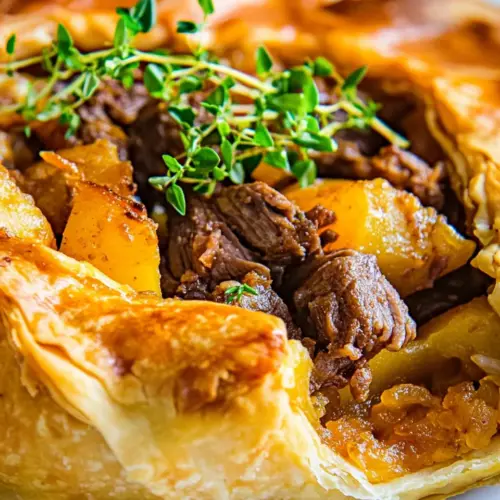
This Savory Galette with Beef and Potato stands out for its combination of a flaky, tender crust and a robust, well seasoned filling. It’s the kind of recipe that balances comfort with a touch of rustic elegance, making it perfect for casual dinners or sharing with friends. Try it soon to experience the contrast of crisp pastry and hearty, savory filling firsthand. I hope it becomes one of those dishes you turn to when you want something relaxed yet satisfying.
Savory Galette with Beef and Potato
Equipment
- Mixing Bowl
- Pastry blender
- Skillet
- Baking Sheet
- Parchment Paper
Ingredients
- 1 1/2 cups all purpose flour Provide structure and body to the galette dough by combining with fats and liquid; contributes gluten for a tender, yet sturdy crust that holds the filling. Measure accurately to ensure proper dough consistency and avoid a tough or crumbly pastry. Use all purpose flour at room temperature for even mixing and predictable results.
- 1/2 teaspoons salt Enhance overall flavor balance by seasoning the dough and filling lightly; prevents blandness and brings out other savory components. Dissolve evenly into wet ingredients to ensure uniform taste across the pastry without localized saltiness.
- 3 tablespoons unsalted butter chilled and diced in small pieces Incorporate flakiness and rich mouthfeel into the pastry when cut into the flour; chill to maintain distinct butter pockets that create layers during baking. Dice into small pieces to distribute evenly so the dough achieves a tender, flaky texture without overworking.
- 1/4 cups sour cream Bind dough while adding a slight tang that complements savory filling; sour cream contributes moisture and tenderness for a more pliable crust. Keep chilled to prevent butter from melting prematurely, helping maintain pastry flakiness and flavor depth.
- 1 tablespoon fresh lemon juice Brighten the dough flavor and slightly tenderize with acidity; lemon juice balances richness from butter and sour cream and adds subtle freshness. Use a small amount to avoid overt tartness while improving overall flavor complexity in the crust.
- 3 tablespoons ice water Regulate dough hydration and help bring ingredients together without overwetting; ice water ensures butter remains cold to produce flakiness. Add gradually until the dough just comes together to maintain proper texture and handling properties.
- 1 egg whisked (optional) Provide an optional glossy finish and slight richness when brushed on before baking; beaten egg creates an attractive golden-brown crust. Use sparingly if included, and apply evenly to avoid pooling or uneven coloration.
- 1 tablespoon oil vegetable or olive Facilitate sautéing of aromatics and browning of proteins by providing a medium that transfers heat and enhances flavor. Choose vegetable or olive oil based on desired flavor profile and heat tolerance for even cooking of the filling components.
- 1 large russet potato peeled and diced Supply hearty texture and absorbent starch for the filling; diced russet potato becomes tender when cooked and helps thicken and bulk the savory mixture. Peel and dice uniformly to ensure even cooking and consistent texture throughout the galette.
- 1 small onion finely chopped Add aromatic sweetness and depth when finely chopped and sautéed; onion softens and melds into the filling to provide foundational savory notes. Cook gently to caramelize natural sugars and build complexity without burning.
- 1 pound beef sirloin diced Contribute savory richness and meaty texture to the filling; diced beef sirloin provides protein and substantial flavor when seared. Brown evenly to develop a flavorful crust, then simmer as needed to ensure tenderness and integration with other ingredients.
- 2 cups cabbage finely shredded Offer crisp-tender texture and mild sweetness when finely shredded; cabbage adds volume and a fresh counterpoint to the rich beef and potatoes. Sauté briefly to wilt and concentrate flavors while retaining slight texture to prevent sogginess in the galette.
- 1/4 cup tomato sauce Introduce moisture, acidity, and a concentrated tomato flavor that complements the savory filling; tomato sauce helps bind ingredients and create a cohesive filling. Stir in gradually to control sauciness and avoid making the crust soggy during baking.
- 1 teaspoon Worcestershire sauce Deepen umami and provide a tangy, savory accent to the filling; Worcestershire sauce enhances meaty flavors and adds complexity. Use measured amounts to avoid overpowering the other seasonings, balancing with salt and herbs.
- 1 teaspoon fresh thyme Impart herbal aroma and subtle earthy notes when used fresh; thyme pairs well with beef and potatoes for a classic savory profile. Strip or finely chop leaves to distribute flavor evenly and avoid tough stems in the filling.
- 1/2 cup water Adjust filling consistency and assist in simmering ingredients to meld flavors; water helps deglaze the pan and hydrate starches from potato and cabbage. Add carefully to prevent an overly wet filling that could compromise crust integrity.
- Salt and pepper to taste Season the dough and filling to taste, balancing all components and enhancing natural flavors; adjust salt and pepper after cooking to achieve the desired final profile. Taste before serving and add incremental amounts to avoid over-seasoning.
Instructions
- Galette Dough: The room will smell faintly of flour and citrus as you begin; the dough should feel cool and slightly tacky to the touch when ready. Using cold unsalted butter and ice water preserves little pockets of fat that create flakiness as they melt in the oven. A common pitfall is overworking the dough which warms the butter, so mix gently with a fork and stop as soon as it holds together.
- In a medium size mixing bowl whisk together flour and salt. Set aside.: Expect a dry, uniform mixture that smells wheaty and clean; whisking aerates the all purpose flour and distributes the salt so every bite is seasoned. This step matters because even distribution prevents pockets of unsalted dough. Avoid adding wet ingredients too early, which can create tough dough.
- With a pastry blender cut in the butter into the flour mix.: When the butter is worked into the flour you will see pea sized bits of butter throughout; they should look like coarse crumbs. These visible bits are important, they melt during baking to produce flakiness and a tender crumb. If you end up with butter completely incorporated, the pastry will be dense, so stop when you see small lumps.
- In a separate small mixing bowl mix together the sour cream and lemon juice.: The sour cream and lemon juice will smell tangy and fresh; this acidic mix helps tenderize the dough and adds subtle brightness. Mixing them separately ensures an even, smooth addition to the flour. If you add them cold directly without mixing, you may not incorporate evenly and patches can form.
- Add sour cream mix to the flour and gently toss through the flour using a fork.: The mixture will begin to clump into coarse pieces that still look dry in spots, and this scattered appearance is fine. Tossing gently prevents developing strong gluten, which keeps the crust tender. Overzealous mixing will create a tough, rubbery dough, so be restrained.
- Add one tablespoon of water to the top of the dough mix and fold into the mix with a fork. Repeat process two more times using the remaining 2 tablespoons of ice water.: Each addition will make the dough cohere gradually while staying cold, and the texture should change from crumbly to just holding together. This controlled hydration keeps the butter cold and produces a flakier finish. Do not pour all water at once, which risks a sticky, overworked dough.
- With your hands form dough into a 4-5 inch round disk. Cover with plastic wrap and place into the refrigerator while preparing filling.: Pressing the dough into a disk minimizes handling and chills it quickly for easier rolling. When chilled, the dough firms up and becomes easier to roll without tearing. Skipping this chill step often results in a sticky, hard to roll pastry.
- Galette Filling: A savory aroma will begin as you heat the skillet, and the filling process is about building layers of texture and flavor. Browning at medium-high gives you both color and depth, while finishing with a brief simmer lets the flavors meld. Rushing the browning stage can leave raw tasting potato.
- In a large skillet add oil and heat over medium-high heat. Add onion and potatoes. Cook stirring every 2 minutes for 6-7 minutes or until the potato is tender and the onion is fragrant.: You should hear a steady gentle sizzle and see edges of the potato take on a pale golden color, while the onion becomes translucent and fragrant. This pre cooking ensures the potato is tender in the finished galette. If the pan is too hot the potato will burn on the outside before cooking through, so adjust the heat as needed.
- Reduce heat to medium and add beef and cook an additional 5 minutes or until the beef is no longer pink.: The pan will release a richer, meaty aroma as the beef sirloin browns; small browned bits on the skillet contribute deep flavor. Cook until the beef loses its pink hue but remains tender. Overcooking can make the beef dry and chewy, so remove from heat when just cooked through.
- In a small mixing bowl whisk together tomato sauce, Worcestershire sauce, thyme and water. Fold into skillet with the galette filling.: The liquid will steam and deglaze the skillet, lifting concentrated browned flavors into the sauce. The mixture should coat the filling lightly and glossy, adding acidity and savory balance. Adding too much water will dilute flavor and risk a soggy crust.
- Add cabbage and fold into filling mixture. Cover with a lid and turn heat to simmer. Simmer for 5 minutes or until the cabbage softens.: The cabbage will wilt and take on a softer, slightly sweet profile, releasing a vegetal aroma. Simmering allows flavors to meld while the cabbage retains gentle texture. Over simmering will make it too limp and watery.
- Roll Galette Pastry: The dough should feel cool under your rolling pin and the surface will have a light dusting of flour to prevent sticking. Rolling to the right diameter is important for an even bake. If the dough tears, press it back together gently and return it to the fridge briefly.
- Remove dough from the refrigerator, unwrap from plastic wrap and place on a hard surface lined with parchment paper. Add another piece of parchment paper to the top of the dough.: The parchment barrier keeps the dough from sticking and makes transferring easier, and you will feel a slight resistance as the pin moves which is normal. If the dough is too cold to roll, let it sit for a minute; if too soft, chill briefly.
- Roll dough into a large round circle. You will want approximately a 13" round shape.: Aim for an even thickness so the crust bakes uniformly; edges can be slightly thicker for a rustic rim. Watch for tearing, and patch gently with excess dough if needed. Rolling unevenly will cause thin spots that brown too quickly.
- Place the pie crust on a baking sheet. Refrigerate until ready to fill.: Chilling the rolled crust firms it up, preventing shrinkage and making it easier to fold over the filling. A cold crust also tolerates the moist filling better. If you skip this chill, the pastry may become slack and harder to handle.
- Assemble Galette: When assembling you will hear little shifts as the filling settles into the center; keep the margins clear so folding creates a sealed rim. The tactile act of tucking the edges gives you a good sense of balance between filling and pastry. Overfilling will lead to spillage and an uneven bake.
- Remove top layer of the parchment paper from the prepared dough.: This exposes the surface to receive the filling while keeping the bottom parchment for easy transfer. The dough surface should be smooth and slightly flour dusted. Ripping the parchment can displace the crust, so pull it carefully.
- Spoon filling into the center of the dough leaving 2-inches from the edges unfilled.: The filling should mound slightly in the center with visible pieces of potato , beef , and cabbage . Leaving a clear margin ensures you can fold the edges over without trapping too much moisture. Overcrowding the center will prevent proper folding and cause leakage.
- Fold edges over the filling.: As you fold, the pastry will crinkle and create a rustic edge that bakes to a lovely golden hue. The folds add structure and keep the filling contained. If you press too firmly, you may seal the crust and prevent steam escape, which can soften the pastry.
- Whisk egg in a small bowl and brush on exposed dough with a pastry brush.: Brushing with the optional egg wash gives the crust a glossy, golden finish and enhances browning. Apply a thin, even coat to avoid drips that will scorch. Skipping the wash will yield a paler, less shiny crust.
- Bake at 400°F degrees for 10-12 minutes or until the crust turns a light golden brown.: During baking you will notice the edges puff and color to a warm gold, and the filling will bubble slightly at the center. The hot oven transforms the chilled butter into flaky layers and cooks the filling through. If the crust browns too fast, reduce the oven temperature slightly; underbaking leaves a doughy base.
Notes
- Crust temperature matters, keep your unsalted butter and ice water cold to preserve visible butter pockets that create flakiness.
- Measure flour properly, spoon the all purpose flour into the cup and level it to avoid a dense crust from packed flour.
- Prevent soggy bottoms, precook the potato and onion until the potato is tender so the filling does not release excess moisture during baking.
- Boost savory depth, add the Worcestershire sauce and tomato sauce mixture to deglaze the pan and capture browned bits for extra flavor.
- Adjust cabbage timing, fold in the cabbage late and simmer briefly so it softens without becoming limp and watery.
- Optional egg wash, whisk an egg and brush lightly for an attractive golden crust, or skip it for a rustic matte finish.