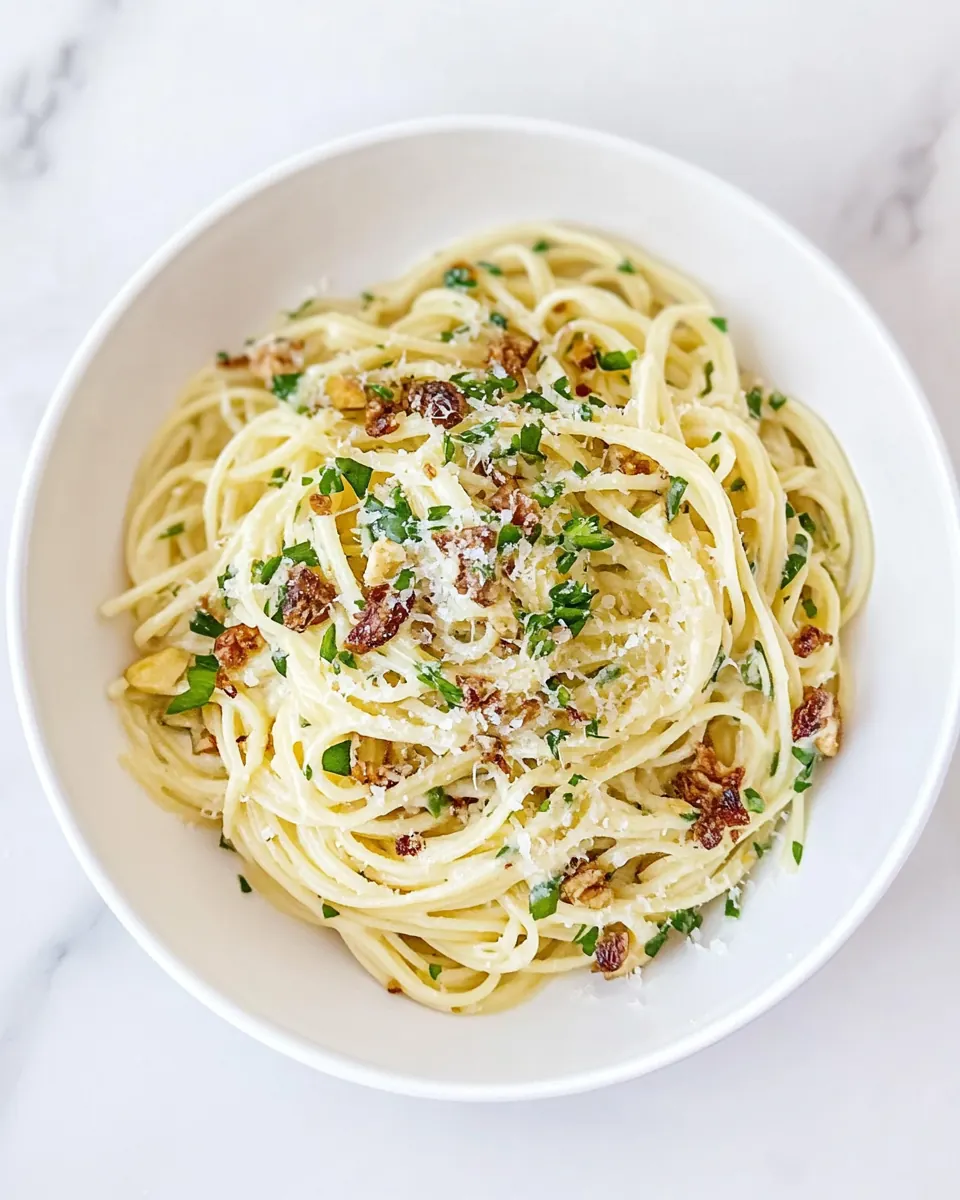
Easy Pasta with Yogurt Sauce
Easy Pasta with Yogurt Sauce landed on my table the first time I made it after a long week when my energy was low but my craving for comforting food was high. I remember standing in my small kitchen, the stove humming, and feeling oddly proud that such a simple lineup of pantry items would turn into something so satisfying. The first bite was a surprise, creamy and bright at once, and it made me rethink what ‘creaminess’ can mean when you swap heavy creams for a humble jar of Greek yogurt.
A few nights later I invited a friend over who swore they did not like yogurt in savory dishes, and they left with an empty plate and a request for the recipe. Since then, this dish has become my go to for evenings when I want comfort food without weighing myself down. I love that it comes together quickly, and the lemon zest adds a lively note that keeps it from feeling rich. The texture of the cooked spaghetti coated in the glossy, slightly tangy sauce feels indulgent, even though the ingredients are straightforward.
What really hooked me is how adaptable it is. I’ll adjust the parsley or lemon depending on what’s in season, and sometimes I toast a few nuts for crunch. It’s one of those meals that feels like home but also like a little chefy win. I’ve written this version to keep things accessible, so you can make it on a weeknight and still impress yourself. Give it a go, and you might find it slipping into your regular rotation the same way it did in mine.
Recipe Snapshot
15 mins
5 mins
10 mins
Easy
450 kcal
Italian
Gluten-Free, Low FODMAP
Pasta
Green Pan Non Stick Pan
Why This Easy Pasta with Yogurt Sauce Is a Winner
Comfort without heaviness
I love how Easy Pasta with Yogurt Sauce delivers that creamy, comforting mouthfeel without relying on heavy cream or long cooking. The Greek yogurt brings a silky thickness and a pleasant tang that brightens each bite. When I want a cozy dinner that does not leave me feeling weighed down, this recipe is my first choice.
Speed and simplicity
I often need dinner on the table fast, and this recipe responds beautifully to that pressure. With just a few minutes to boil the spaghetti and a couple of gentle whisking motions, you have a sauce that clings to every strand. I value recipes that respect my time, and this one proves elegant results do not require fuss.
Ingredient driven
There is a purity to the ingredient list that I adore. Each component, from the olive oil to the Parmesan cheese and lemon zest, plays a clear role. I appreciate recipes where the flavors are transparent and honest, so I can taste each layer and tweak to my mood.
Flexible and forgiving
I can stretch this dish across different contexts, serving it for a quiet weeknight or a casual lunch with friends. The recipe is forgiving if your pasta is slightly over or undercooked, because the sauce smooths everything together. I have on occasion reserved extra pasta water or swapped in different pasta shapes, and it still comes together beautifully.
Bright finishing touches
The fresh parsley and lemon zest lift the whole dish, adding color, aroma, and a zesty lift that prevents monotony. I find those last minute touches make the dinner feel more intentional and restaurant worthy, even when I put it together quickly after work.
What You Need for Easy Pasta with Yogurt Sauce
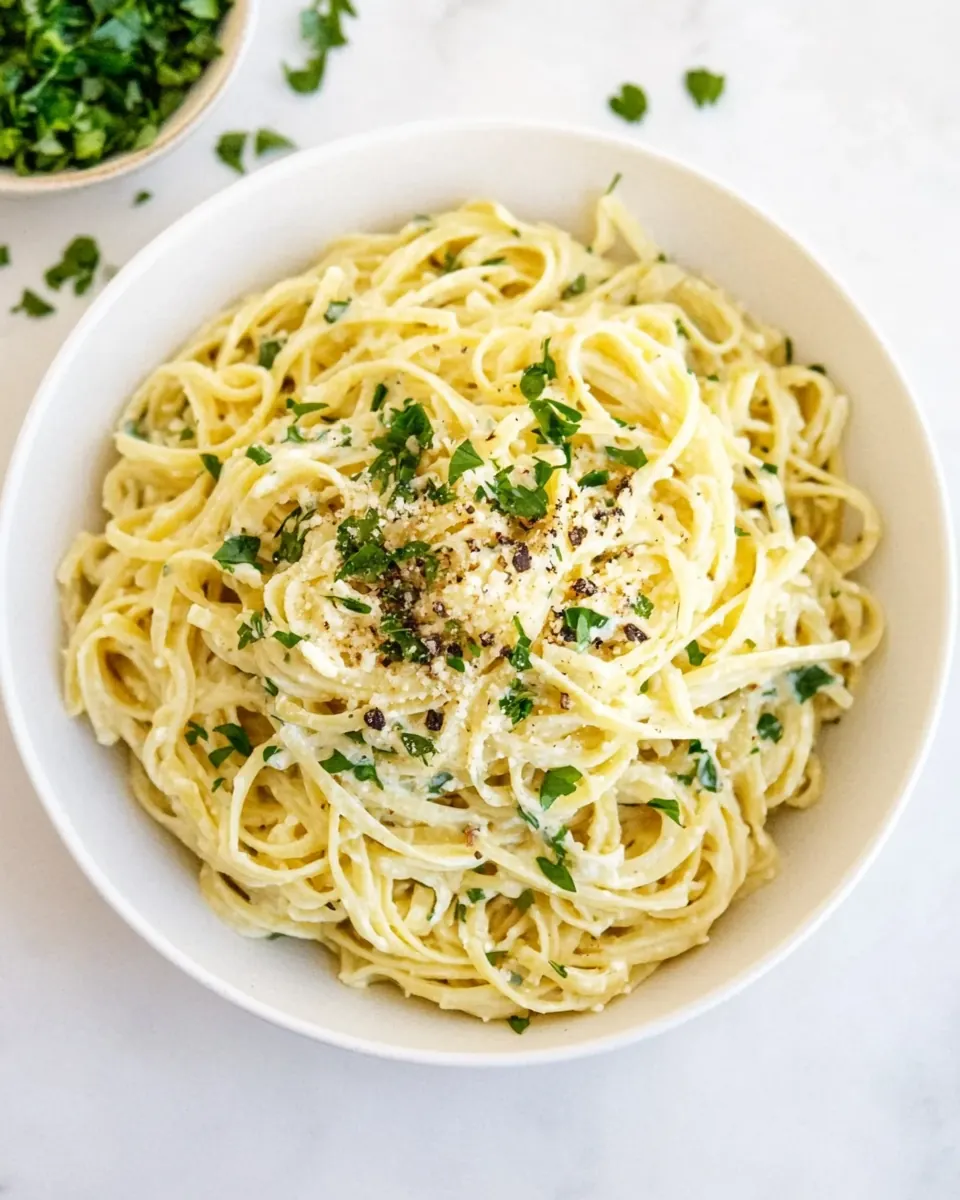
These ingredients are chosen for clarity and balance, each contributing texture or flavor. The foundation is the spaghetti, which provides the structure, while the Greek yogurt and Parmesan cheese create a creamy, tang forward sauce. A little olive oil and garlic deepen the flavor, and the parsley and lemon zest add freshness to finish.
- 8 ounces spaghetti (or other preferred pasta): Cook evenly to provide the pasta base that carries the sauce and textures; al dente cooking ensures pleasant bite and prevents mushiness when tossed with yogurt sauce. Use preferred shapes to influence sauce cling and presentation, keeping the quantity appropriate for serving size.
- 2 tablespoons olive oil: Enhance flavor and mouthfeel by sautéing or finishing the dish with gentle richness; olive oil helps bind the sauce to the pasta and adds a fruity backdrop. Use good-quality extra virgin for cold finishes or regular olive oil for higher-heat steps.
- 1 teaspoon minced garlic: Infuse aroma and savory depth by releasing volatile compounds when minced and briefly warmed in oil or tossed raw for sharper bite. Adjust amount to balance pungency without overpowering the delicate yogurt and cheese components.
- 1/2 teaspoon salt: Season uniformly to elevate all flavors and control the overall savory balance; salting pasta water and adjusting at the end prevents blandness. Use measured amounts and taste as you combine ingredients to avoid over-salting the finished dish.
- 1 cup full-fat plain Greek yogurt: Provide creamy tang and body as the primary sauce component; full-fat Greek yogurt contributes richness, smooth texture, and a pleasant tartness that contrasts with cheese. Whisk before mixing to ensure a silky consistency and avoid curdling when combined with warm pasta.
- 1/2 cup grated Parmesan cheese: Add nutty, savory complexity and umami that deepens the sauce; grated Parmesan blends into the yogurt to create a cheesy, cohesive coating. Use finely grated cheese for smooth incorporation and reserve a little for finishing the plated dish.
- 2 tablespoons fresh parsley: Brighten and freshen the dish by contributing herbaceous notes and a hint of green color; chopped parsley cuts through richness and adds a light, clean finish. Stir in at the end to preserve delicate leaf texture and aromatic presence.
- 1 tablespoon freshly grated lemon zest: Lift and brighten flavors by providing concentrated citrus oils and aromatic brightness; freshly grated lemon zest adds vibrancy without additional acidity. Zest directly over the finished pasta to maximize fragrance and integrate with the yogurt and cheese.
How to Prepare Easy Pasta with Yogurt Sauce
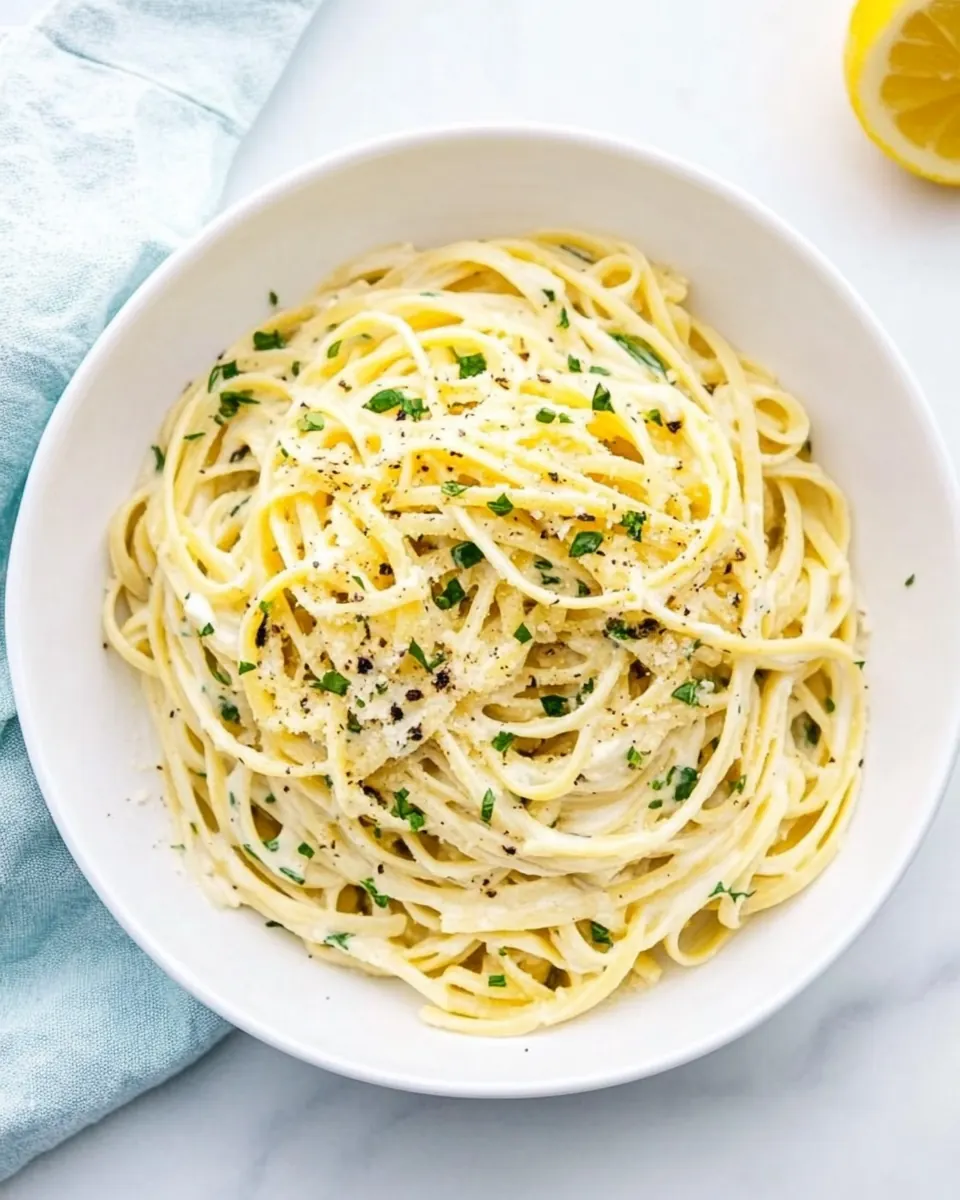
I like to keep the rhythm of this recipe calm and deliberate. The aim is to coax the Greek yogurt into a silky sauce using gentle heat and a touch of pasta water, so patience is a small ingredient too. Below are detailed, sensory rich steps to guide you through the process.
- Bring a large pot of salted water to a boil over high heat and prepare the pasta according to package directions. Before draining, reserve 1/2 cup of the pasta cooking water. Drain.: The kitchen will fill with the comforting, wheaty steam as the spaghetti bubbles in the pot, and you should smell a toasty, grain like aroma when the water first comes to a rolling boil. When the pasta nears al dente, you will see the strands become translucent at the edges while still having a slight white core, and that is the cue to taste a piece. Reserving pasta water is a key move, because the starchy liquid helps bind the sauce to the spaghetti , creating a glossy coating; you will notice the sauce cling rather than pool when you add a splash. A common mistake is draining without saving any water, which can make the sauce feel thin or not cling properly. If the pot is too crowded, the pasta may stick together, so use a large pot with plenty of water and give the pasta a gentle stir as it cooks.
- Add the olive oil to a large skillet over low heat. When warm, add the garlic and salt. Stir and cook for 1 minute. Turn off the heat. Add the yogurt, Parmesan, and pasta cooking water and gently whisk to warm through and combine into a smooth sauce.: As the olive oil warms, it perfumes the pan and you will see faint ripples on the surface; adding the minced garlic will release a fragrant, savory scent almost immediately. Stirring for about a minute on low keeps the garlic soft and aromatic without turning it brown, which would change the flavor to bitter and sharp. Turning off the heat before adding the Greek yogurt helps prevent separation, and when you whisk the Parmesan cheese in with reserved pasta water you should see the mixture become silky and glossy, the texture like a light custard that clings when tipped. The whisking motion helps emulsify the fats with the starchy water, creating cohesion. A pitfall here is adding the yogurt to a hot pan, which can make it curdle; keeping things gentle preserves the sauce texture.
- (I turn the heat off since the residual heat is enough to warm the yogurt and there's a lower risk of the yogurt separating.): The lingering heat of the skillet is perfect for bringing the Greek yogurt to a pleasant warmth without scrambling it, so you will feel the sauce relax into a smoother consistency as you stir. The gentle residual warmth allows the cheese to meld and the sauce to take on a unified, slightly glossy appearance, and you should notice the aroma move from sharp dairy to a mellow, savory note. One mistake is trying to speed this by increasing heat, which risks grainy texture and an uneven sauce. Trust the residual warmth and use your whisk to keep the texture even.
- Add the drained pasta, parsley, and lemon zest. Serve warm immediately.: When you fold the hot, drained spaghetti into the sauce, each strand will become coated and take on a slight sheen, reflecting light and signaling the sauce has adhered properly. The chopped parsley will release a herbaceous pop as it meets the warm pasta, and the freshly grated lemon zest will perfume the dish with bright citrus oils; inhale as you toss, you should get a lively, fresh scent. Serve right away so the sauce stays silky and the zest remains fragrant. A frequent error is letting the pasta sit too long, which cools the sauce and causes it to thicken or firm up, losing that luxurious mouthfeel.
Pro Tips and Tweaks
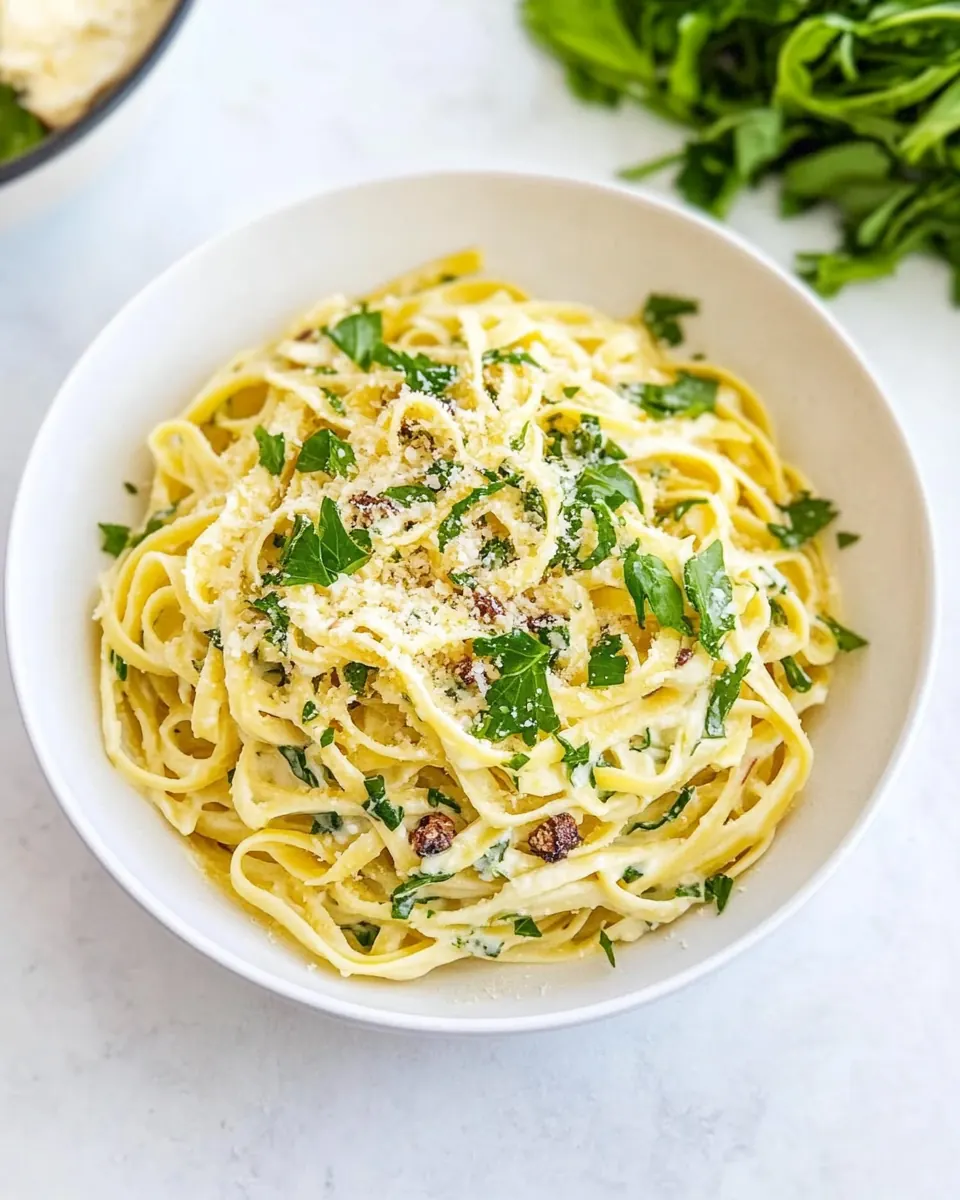
I like to think of this section as the small cheats and thoughtful swaps that keep the dish reliable. The tips below expand on the notes and present practical adjustments for texture, timing, and flavor.
- Warm the yogurt gently to avoid curdling, always add it off heat and use the skillet’s residual warmth to bring it up to temperature.
- Save pasta water because its starch content helps the sauce emulsify and cling to the spaghetti, producing a glossy finish.
- Use full fat yogurt for richness and stability, it produces a creamier mouthfeel than lower fat versions.
- Toast nuts lightly in a dry pan to add crunch, but watch them closely as they can go from fragrant to burnt within seconds.
- Grate cheese fresh to ensure the Parmesan cheese melts evenly and contributes real umami rather than a powdery texture.
- Add herbs last to preserve brightness, dropping them in at the end keeps color and aroma lively.
Serving This Easy Pasta with Yogurt Sauce
This dish is versatile, whether you are plating a casual weeknight dinner or serving a light lunch. The suggestions below cover pairings, occasions, and storage ideas to help you present the pasta confidently.
- Serve warm for best texture, the sauce has its silkiest body right after mixing so plate immediately for the ideal mouthfeel.
- Casual dinners are perfect for this pasta, it pairs well with simple green salads and crusty bread to soak up any sauce.
- Lunch and light meals benefit from adding a bright side such as lemon dressed greens to echo the lemon zest in the pasta.
- Ramadan or family gatherings work well, since the dish is gentle on the stomach and can be portioned easily for sharing.
- Storing the sauce separately keeps the texture fresh, refrigerate the yogurt mixture in an airtight container and rewarm gently before tossing with pasta.
- Seasonal pairings include spring herbs like mint or summer peas, which complement the yogurt‘s freshness and keep the plate vibrant.
FAQ
Conclusion
This recipe stands out because it turns simple pantry staples into a creamy, bright pasta that feels both comforting and quick. Give it a try the next time you want a fuss free weeknight meal that still tastes thoughtful and balanced. I hope it becomes one of your dependable dinners, the kind you reach for when time is short but you still want something homey and satisfying.
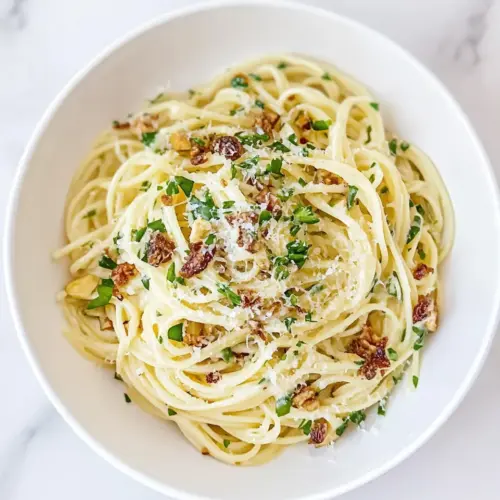
Easy Pasta with Yogurt Sauce
Equipment
- Green Pan Non-Stick Pan
Ingredients
- 8 ounces spaghetti (or other preferred pasta) Cook evenly to provide the pasta base that carries the sauce and textures; al dente cooking ensures pleasant bite and prevents mushiness when tossed with yogurt sauce. Use preferred shapes to influence sauce cling and presentation, keeping the quantity appropriate for serving size.
- 2 tablespoons olive oil Enhance flavor and mouthfeel by sautéing or finishing the dish with gentle richness; olive oil helps bind the sauce to the pasta and adds a fruity backdrop. Use good-quality extra virgin for cold finishes or regular olive oil for higher-heat steps.
- 1 teaspoon minced garlic Infuse aroma and savory depth by releasing volatile compounds when minced and briefly warmed in oil or tossed raw for sharper bite. Adjust amount to balance pungency without overpowering the delicate yogurt and cheese components.
- 1/2 teaspoon salt Season uniformly to elevate all flavors and control the overall savory balance; salting pasta water and adjusting at the end prevents blandness. Use measured amounts and taste as you combine ingredients to avoid over-salting the finished dish.
- 1 cup full-fat plain Greek yogurt Provide creamy tang and body as the primary sauce component; full-fat Greek yogurt contributes richness, smooth texture, and a pleasant tartness that contrasts with cheese. Whisk before mixing to ensure a silky consistency and avoid curdling when combined with warm pasta.
- 1/2 cup grated Parmesan cheese Add nutty, savory complexity and umami that deepens the sauce; grated Parmesan blends into the yogurt to create a cheesy, cohesive coating. Use finely grated cheese for smooth incorporation and reserve a little for finishing the plated dish.
- 2 tablespoons fresh parsley Brighten and freshen the dish by contributing herbaceous notes and a hint of green color; chopped parsley cuts through richness and adds a light, clean finish. Stir in at the end to preserve delicate leaf texture and aromatic presence.
- 1 tablespoon freshly grated lemon zest Lift and brighten flavors by providing concentrated citrus oils and aromatic brightness; freshly grated lemon zest adds vibrancy without additional acidity. Zest directly over the finished pasta to maximize fragrance and integrate with the yogurt and cheese.
Instructions
- Bring a large pot of salted water to a boil over high heat and prepare the pasta according to package directions. Before draining, reserve 1/2 cup of the pasta cooking water. Drain.: The kitchen will fill with the comforting, wheaty steam as the spaghetti bubbles in the pot, and you should smell a toasty, grain like aroma when the water first comes to a rolling boil. When the pasta nears al dente, you will see the strands become translucent at the edges while still having a slight white core, and that is the cue to taste a piece. Reserving pasta water is a key move, because the starchy liquid helps bind the sauce to the spaghetti , creating a glossy coating; you will notice the sauce cling rather than pool when you add a splash. A common mistake is draining without saving any water, which can make the sauce feel thin or not cling properly. If the pot is too crowded, the pasta may stick together, so use a large pot with plenty of water and give the pasta a gentle stir as it cooks.
- Add the olive oil to a large skillet over low heat. When warm, add the garlic and salt. Stir and cook for 1 minute. Turn off the heat. Add the yogurt, Parmesan, and pasta cooking water and gently whisk to warm through and combine into a smooth sauce.: As the olive oil warms, it perfumes the pan and you will see faint ripples on the surface; adding the minced garlic will release a fragrant, savory scent almost immediately. Stirring for about a minute on low keeps the garlic soft and aromatic without turning it brown, which would change the flavor to bitter and sharp. Turning off the heat before adding the Greek yogurt helps prevent separation, and when you whisk the Parmesan cheese in with reserved pasta water you should see the mixture become silky and glossy, the texture like a light custard that clings when tipped. The whisking motion helps emulsify the fats with the starchy water, creating cohesion. A pitfall here is adding the yogurt to a hot pan, which can make it curdle; keeping things gentle preserves the sauce texture.
- (I turn the heat off since the residual heat is enough to warm the yogurt and there's a lower risk of the yogurt separating.): The lingering heat of the skillet is perfect for bringing the Greek yogurt to a pleasant warmth without scrambling it, so you will feel the sauce relax into a smoother consistency as you stir. The gentle residual warmth allows the cheese to meld and the sauce to take on a unified, slightly glossy appearance, and you should notice the aroma move from sharp dairy to a mellow, savory note. One mistake is trying to speed this by increasing heat, which risks grainy texture and an uneven sauce. Trust the residual warmth and use your whisk to keep the texture even.
- Add the drained pasta, parsley, and lemon zest. Serve warm immediately.: When you fold the hot, drained spaghetti into the sauce, each strand will become coated and take on a slight sheen, reflecting light and signaling the sauce has adhered properly. The chopped parsley will release a herbaceous pop as it meets the warm pasta, and the freshly grated lemon zest will perfume the dish with bright citrus oils; inhale as you toss, you should get a lively, fresh scent. Serve right away so the sauce stays silky and the zest remains fragrant. A frequent error is letting the pasta sit too long, which cools the sauce and causes it to thicken or firm up, losing that luxurious mouthfeel.
Notes
- Warm the yogurt gently to avoid curdling, always add it off heat and use the skillet's residual warmth to bring it up to temperature.
- Save pasta water because its starch content helps the sauce emulsify and cling to the spaghetti, producing a glossy finish.
- Use full fat yogurt for richness and stability, it produces a creamier mouthfeel than lower fat versions.
- Toast nuts lightly in a dry pan to add crunch, but watch them closely as they can go from fragrant to burnt within seconds.
- Grate cheese fresh to ensure the Parmesan cheese melts evenly and contributes real umami rather than a powdery texture.
- Add herbs last to preserve brightness, dropping them in at the end keeps color and aroma lively.
