Roasted Swede
Roasted Swede is one of those simple, honest dishes that I reach for when I want something cozy, rustic, and a little bit unexpected on the plate.
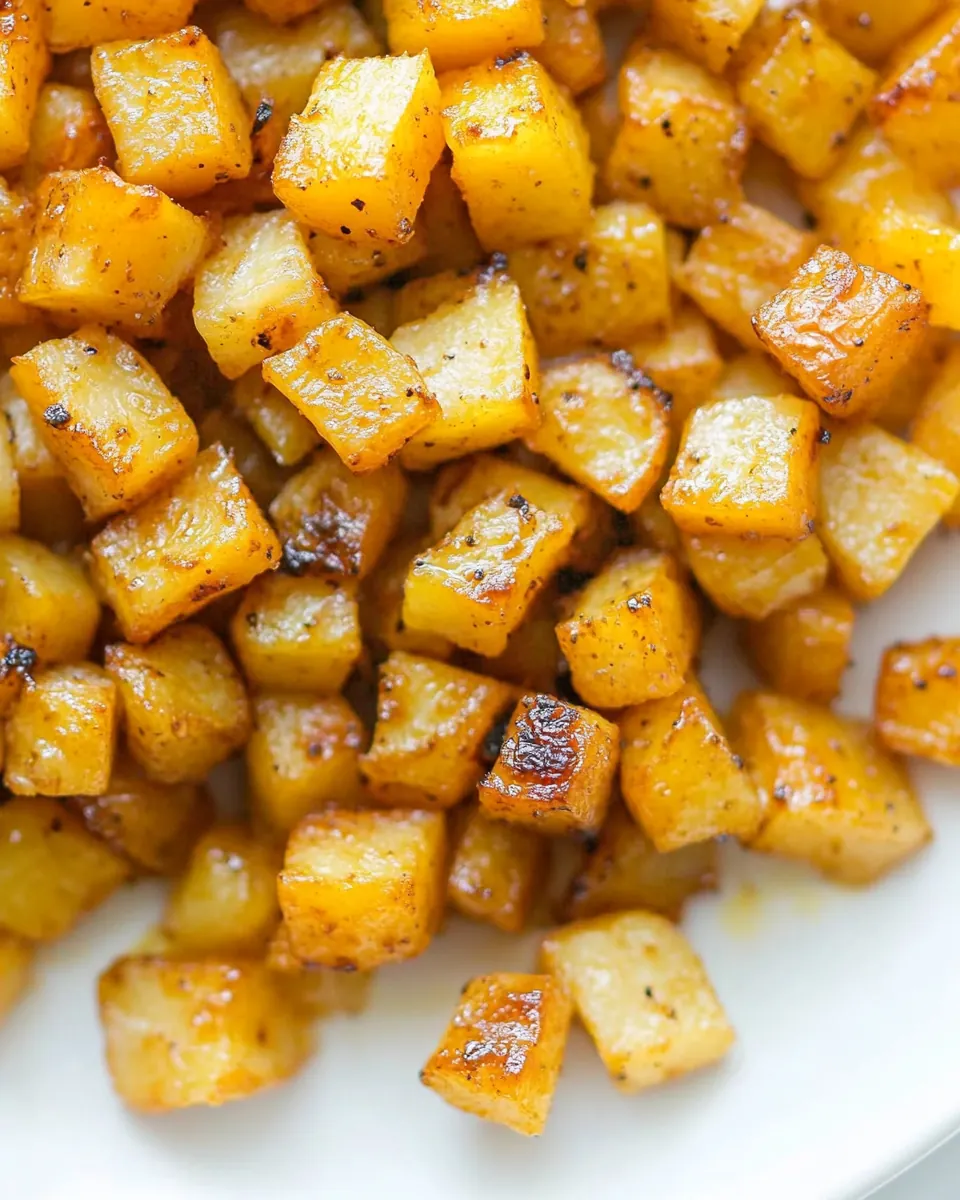
I remember the first time I roasted a swede for guests, it was late autumn and the market stalls were piled high with root vegetables. I was drawn to the knobbly rutabaga because it felt like a secret ingredient, sturdy and humble. As it roasted, the kitchen filled with a warm, earthy aroma that made everyone wander in asking what smelled so good. We sat down to bowls of caramelized cubes that were soft on the inside, slightly crisped at the edges, and seasoned in a way that made each bite pleasantly savory.
Over time I learned a few small tricks that make the difference between a decent tray of roasted veg and one you will brag about. It’s about even cutting, a confident shake of olive oil so each cube gets kissed by fat, and the right balance of dried herbs and garlic to weave into the sweet, nutty swede flesh. I like recipes that are forgiving, and this Roasted Swede is exactly that, offering room to tweak seasonings while still delivering comforting results. Whether I serve it alongside a grain bowl or as a standout side for a casual supper, it always earns second helpings.
Recipe Snapshot
25 mins
5 mins
20 mins
Easy
180 kcal
British
Keto, Paleo
Dinner
Roasting tin, Sheet pan, Oven
Why You’ll Love This Roasted Swede
1. Comforting, rustic flavor that sings
I love how Roasted Swede offers a deep, slightly sweet flavor unlike common potatoes. When roasted, the natural sugars in the swede brown and concentrate, giving you a rich, almost nutty profile that pairs beautifully with savory seasonings. This alone makes it a comforting addition to many meals, and I find myself reaching for it when I want something that feels both familiar and a little special.
2. Simple technique, impressive result
This recipe relies on approachable steps that reward attention rather than skill. If you cut the swede into even cubes and give them enough space on the tray, the oven does most of the work. I appreciate recipes like this when weeknights are busy, but you still want dinner to feel deliberate and satisfying.
3. Versatile seasoning for many palates
The seasonings listed are flexible, and that’s intentional. I often switch up the dried herbs or add a pinch of spice depending on the meal. That adaptability means Roasted Swede is at home on holiday tables, simple family dinners, or casual lunches. You can nudge the flavor toward smokier territory or keep it light and herby.
4. Great texture contrast
Crisp edges and tender centers are the hallmark of a well roasted root vegetable. I often find guests comment on how the outside has that pleasing chew while the inside melts. That contrast makes Roasted Swede more interesting than many boiled alternatives, and it sits nicely with grains and greens without overwhelming them.
5. Budget friendly and seasonal
Especially in fall, rutabagas are affordable and store well. I like recipes that align with the seasons, and this one showcases an underused vegetable while stretching the grocery budget. For weeknights or larger gatherings, that’s a big win in my book.
Ingredients for Roasted Swede
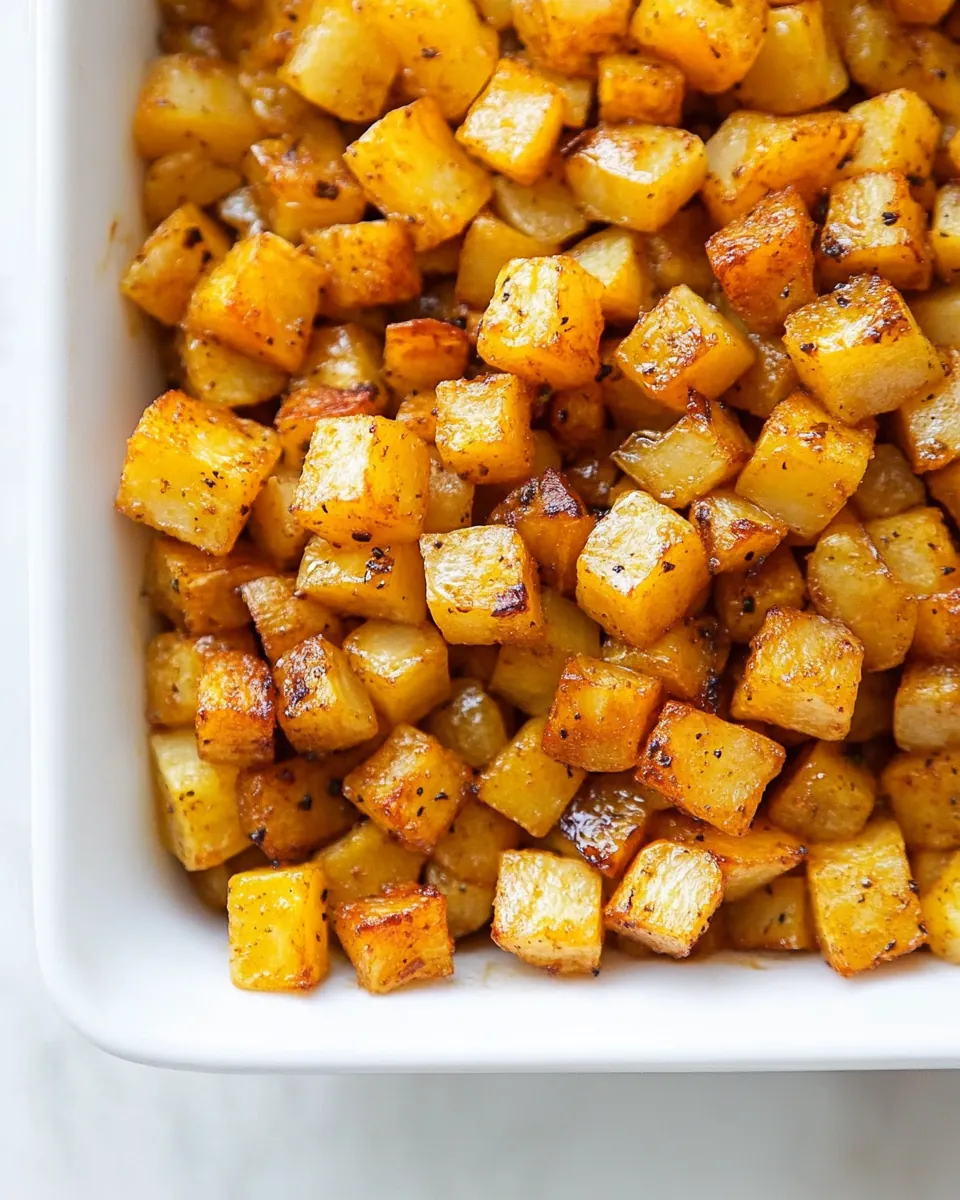
The philosophy behind these ingredients is straightforward: let the hearty, sweet qualities of the swede shine, while modest seasonings enhance rather than mask its character. The key players are the swede itself, a little extra-virgin olive oil to promote caramelization, and measured dried seasonings to add savory and aromatic notes. Each item contributes texture, flavor, or balance so the result feels complete with minimal fuss.
- 1 large swede/rutabaga: Peel and cube into even pieces to ensure uniform roasting; provides the sweet, earthy base and hearty texture for the dish. Retains moisture when roasted and develops caramelized edges that enhance overall flavor.
- 1 teaspoon garlic powder or granules: Season generously to build a savory garlic note that complements the swede’s natural sweetness. Releases aromatic depth during roasting without introducing moisture, creating a well-rounded taste profile.
- 1 teaspoon dried mixed herbs: Sprinkle to introduce an aromatic, Mediterranean herbal backbone that brightens the root vegetable. Blends with other seasonings during roasting to add complexity and a fragrant finish.
- 1 teaspoon ground black pepper: Grind finely and distribute evenly to deliver warm spice and subtle heat that balances sweetness. Helps to intensify savory perception and layers with other spices for depth.
- 1 teaspoon chili flakes (optional): Scatter sparingly to provide adjustable heat and a smoky, red-pepper bite if desired; can be omitted for a milder dish. Adds visual contrast and a lively kick that livens roasted flavors.
- 1/2 teaspoon salt: Measure precisely to control seasoning level and enhance all other flavors without overpowering. Draws out the swede’s natural sweetness and aids in achieving a balanced taste.
- 2 tablespoon extra-virgin olive oil: Drizzle over pieces to promote even browning and crisp edges while preventing dryness; contributes fruity, peppery richness. Carries flavors and helps seasonings adhere during roasting.
How to Cook Roasted Swede
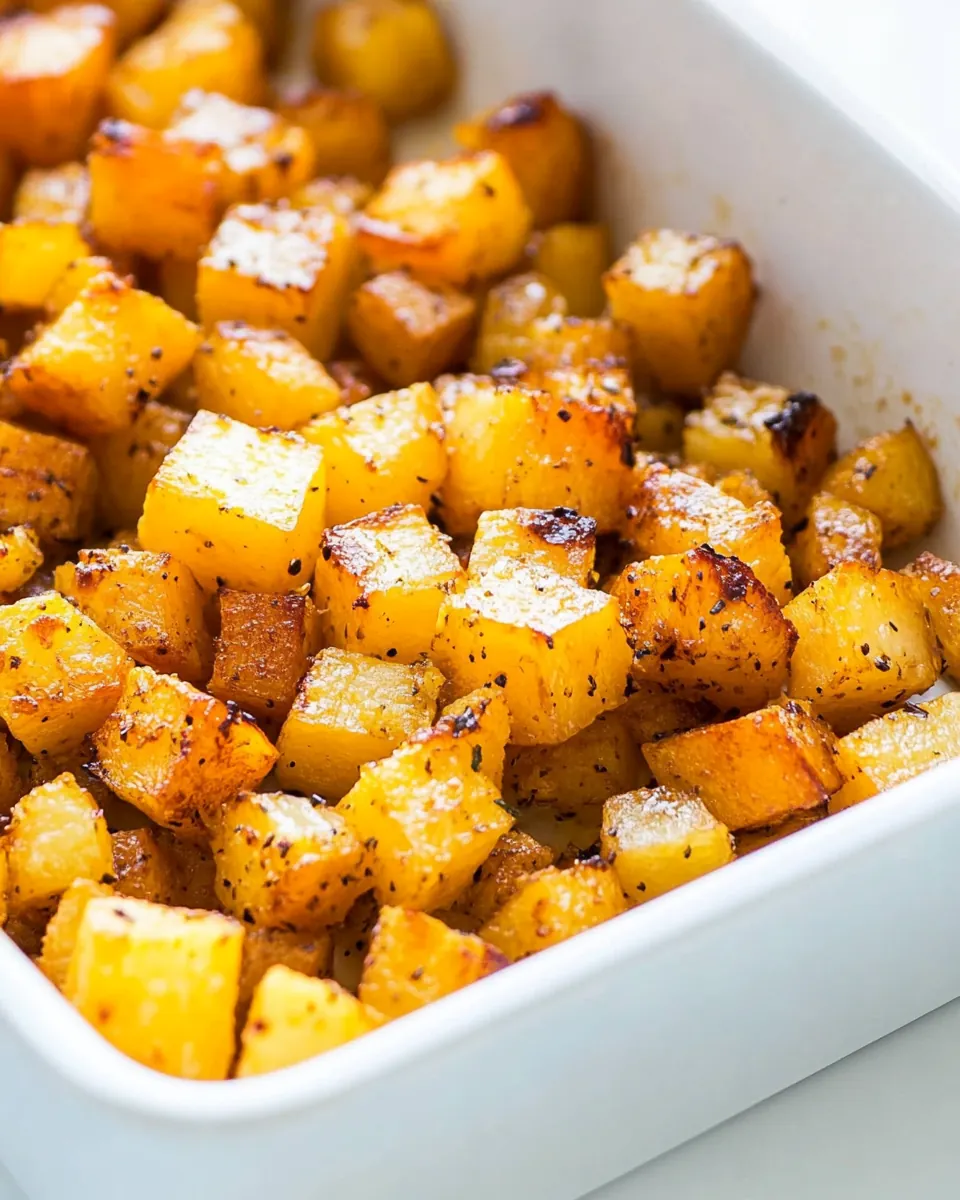
This recipe is delightfully straightforward, and the oven does much of the heavy lifting. The key to success is even cubing, an even coating of extra-virgin olive oil, and watching for visual cues as the swede caramelizes. Follow the steps below patiently for rewarding texture and flavor.
- Wash the swede, peel, and dice into half-inch/1 cm cubes.: You will notice the skin is tough and knobbly, so peeling gives a clean, uniform surface that browns evenly. As you cube, aim for consistency in size so each piece roasts at the same rate. The raw swede is dense and slightly sweet, and when cut you'll see pale, creamy flesh. A common misstep here is irregular pieces, which cause some cubes to be mushy while others remain underdone; take a few extra minutes to make tidy, even cuts.
- Scatter the swede cubes in a roasting tin or on a sheet pan, season with dried garlic, dried herbs (I use rosemary), ground black pepper, chilli flakes and sea salt.: When the cubes sit on the tray, you should arrange them in a single layer with small gaps so hot air can circulate. The seasonings will rest on the surface and toast slightly, releasing fragrant oils that mingle with the swede 's aroma. You'll smell the herbs bloom as they warm. If the pan is overcrowded, steaming will occur instead of roasting, so avoid piling the cubes together.
- Drizzle with olive oil, and shake the roasting tin to make sure that the veg is well coated in olive oil.: The thin sheen of extra–virgin olive oil is crucial for browning and flavor carrying. As you tilt and shake the tin, watch how the oil beads and flows, evenly glossing each cube. This mechanical coating helps the spices cling and ensures golden edges rather than dry, pale surfaces. A typical error is using too much oil which pools on the tray, causing soggy bottoms, so use the measured amount and toss gently to distribute.
- Roast on 200°C (392°F) for 20-30 minutes flipping halfway through.: As the swede roasts, the kitchen will fill with a toasty, sweet aroma and you will hear a faint hiss as moisture leaves the cubes. Look for edges turning a warm golden brown and for a tender interior when pierced with a fork. Flipping halfway encourages even browning on all sides and avoids burnt patches. If pieces brown too quickly, reduce the temperature slightly or move the tray away from direct heat. Overcooking risks dry interiors, so test for tenderness around the 20 minute mark.
Making Adjustments
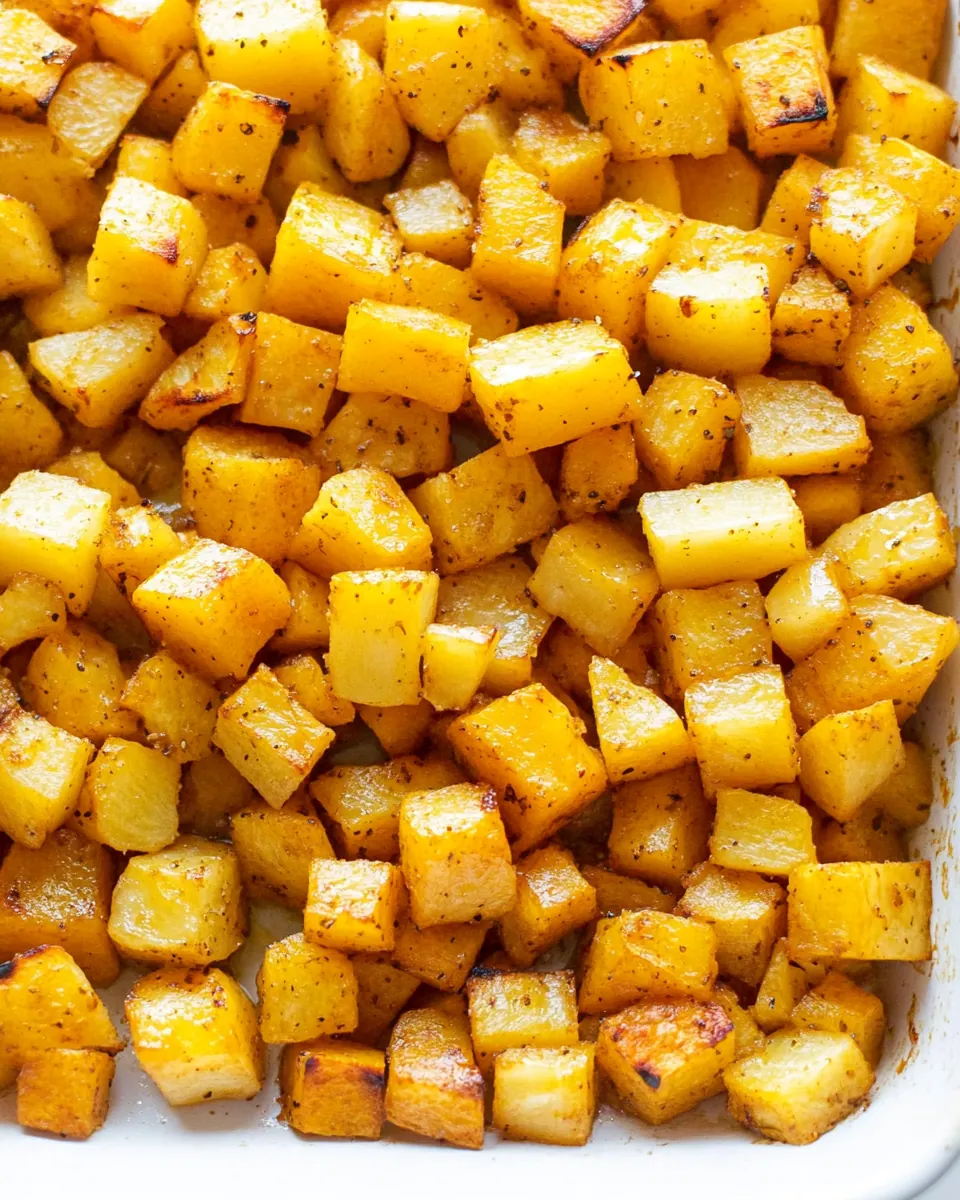
I like to think of this recipe as a flexible template rather than a strict formula. Small adjustments to seasoning, temperature, or timing let you tailor the dish to your meal and audience. Below are practical tips to adapt texture, flavor, and presentation without losing the core appeal of the Roasted Swede.
- Swap or add herbs: If you prefer a smokier note, try smoked paprika in small amounts, or for freshness add a sprinkle of chopped fresh herbs after roasting to brighten the dish.
- Control the heat: To increase crisp edges, raise the oven temperature by a small margin near the end of cooking and watch closely to prevent burning.
- Adjust salt carefully: Since the swede sweetens as it roasts, you may find you need less salt than with other roots; season lightly and taste once cooled slightly.
- Make it spicy or mild: Add the optional chili flakes for a warm kick, or omit them for a family friendly version.
- Finish with texture: For contrast, sprinkle toasted nuts or seeds just before serving, they add crunch and complementary nutty flavors.
Serving Options for Roasted Swede
Roasted Swede plays well in many contexts, from weeknight dinners to seasonal gatherings. Its sweet, caramelized character is versatile, and how you serve it can shift the experience from rustic side to starring component. Below are serving ideas, pairings, and storage notes to help you get the most from this humble vegetable.
- As a side for dinner: Serve alongside roasted meats or plant based mains, the sweet and savory profile complements rich proteins and grain bowls.
- In a salad: Toss cooled roasted cubes with greens, a bright vinaigrette, and toasted seeds for hearty fall salads.
- For family meals: Keep it simple with a sprinkle of salt and pepper, it pairs well with steamed vegetables and grains for an easy weeknight plate.
- Holiday tables: Use it as a seasonal side, its nutty sweetness is welcome at autumn or winter gatherings and pairs nicely with roasted root vegetables.
- Storage tips: Refrigerate leftovers in an airtight container for up to four days, and reheat in a hot oven to restore crisp edges rather than microwaving which can make them soft.
- Seasonal pairing: Autumn flavors like roasted squash, braised greens, or grain pilafs make natural companions to Roasted Swede.
FAQ
Conclusion
Roasted Swede is special because it transforms a humble root into something deeply flavorful, with sweet, nutty flesh and crisp, caramelized edges. It’s approachable, forgiving, and versatile, making it ideal for busy weeknights or seasonal gatherings. Try this recipe the next time you want a side that feels thoughtful without demanding a lot of time, and enjoy the warm, earthy flavors that make roasted rutabaga a new favorite on your table.
Roasted Swede
Equipment
- Roasting tin
- Sheet Pan
- Oven
Ingredients
- 1 large swede/rutabaga Peel and cube into even pieces to ensure uniform roasting; provides the sweet, earthy base and hearty texture for the dish. Retains moisture when roasted and develops caramelized edges that enhance overall flavor.
- 1 teaspoon garlic powder or granules Season generously to build a savory garlic note that complements the swede’s natural sweetness. Releases aromatic depth during roasting without introducing moisture, creating a well-rounded taste profile.
- 1 teaspoon dried mixed herbs Sprinkle to introduce an aromatic, Mediterranean herbal backbone that brightens the root vegetable. Blends with other seasonings during roasting to add complexity and a fragrant finish.
- 1 teaspoon ground black pepper Grind finely and distribute evenly to deliver warm spice and subtle heat that balances sweetness. Helps to intensify savory perception and layers with other spices for depth.
- 1 teaspoon chili flakes optional Scatter sparingly to provide adjustable heat and a smoky, red-pepper bite if desired; can be omitted for a milder dish. Adds visual contrast and a lively kick that livens roasted flavors.
- 1/2 teaspoon salt Measure precisely to control seasoning level and enhance all other flavors without overpowering. Draws out the swede’s natural sweetness and aids in achieving a balanced taste.
- 2 tablespoon extra-virgin olive oil Drizzle over pieces to promote even browning and crisp edges while preventing dryness; contributes fruity, peppery richness. Carries flavors and helps seasonings adhere during roasting.
Instructions
- Wash the swede, peel, and dice into half-inch/1 cm cubes.: You will notice the skin is tough and knobbly, so peeling gives a clean, uniform surface that browns evenly. As you cube, aim for consistency in size so each piece roasts at the same rate. The raw swede is dense and slightly sweet, and when cut you'll see pale, creamy flesh. A common misstep here is irregular pieces, which cause some cubes to be mushy while others remain underdone; take a few extra minutes to make tidy, even cuts.
- Scatter the swede cubes in a roasting tin or on a sheet pan, season with dried garlic, dried herbs (I use rosemary), ground black pepper, chilli flakes and sea salt.: When the cubes sit on the tray, you should arrange them in a single layer with small gaps so hot air can circulate. The seasonings will rest on the surface and toast slightly, releasing fragrant oils that mingle with the swede 's aroma. You'll smell the herbs bloom as they warm. If the pan is overcrowded, steaming will occur instead of roasting, so avoid piling the cubes together.
- Drizzle with olive oil, and shake the roasting tin to make sure that the veg is well coated in olive oil.: The thin sheen of extra-virgin olive oil is crucial for browning and flavor carrying. As you tilt and shake the tin, watch how the oil beads and flows, evenly glossing each cube. This mechanical coating helps the spices cling and ensures golden edges rather than dry, pale surfaces. A typical error is using too much oil which pools on the tray, causing soggy bottoms, so use the measured amount and toss gently to distribute.
- Roast on 200°C (392°F) for 20-30 minutes flipping halfway through.: As the swede roasts, the kitchen will fill with a toasty, sweet aroma and you will hear a faint hiss as moisture leaves the cubes. Look for edges turning a warm golden brown and for a tender interior when pierced with a fork. Flipping halfway encourages even browning on all sides and avoids burnt patches. If pieces brown too quickly, reduce the temperature slightly or move the tray away from direct heat. Overcooking risks dry interiors, so test for tenderness around the 20 minute mark.
Notes
- Swap or add herbs: If you prefer a smokier note, try smoked paprika in small amounts, or for freshness add a sprinkle of chopped fresh herbs after roasting to brighten the dish.
- Control the heat: To increase crisp edges, raise the oven temperature by a small margin near the end of cooking and watch closely to prevent burning.
- Adjust salt carefully: Since the swede sweetens as it roasts, you may find you need less salt than with other roots; season lightly and taste once cooled slightly.
- Make it spicy or mild: Add the optional chili flakes for a warm kick, or omit them for a family friendly version.
- Finish with texture: For contrast, sprinkle toasted nuts or seeds just before serving, they add crunch and complementary nutty flavors.