
Easy Pasta Primavera For Two
Easy Pasta Primavera For Two is one of those weekday lifesavers I turn to when I want something bright, vegetable forward, and comforting without fuss. The first time I made it for a friend who was under the weather, the simple mix of tender pasta, sweet bell pepper, and those juicy tomatoes with a little Parmesan felt like a hug in a bowl. I remember stirring the skillet and thinking how easy it would be to adapt based on whatever I had on hand, while the aroma of garlic and herbs filled the kitchen.
Over the years I have a few small rituals when I make Easy Pasta Primavera For Two. I always salt the pasta water like the sea, and I let the butter foam gently before adding the chicken so it browns just a touch and stays juicy. That tiny bit of restraint makes a big difference, and it’s how I keep this dish feeling light but satisfying. When guests come by unexpectedly, I know I can have this on the table in under half an hour and still look like I cared.
What I love about this recipe is how forgiving it is. You can tweak the seasoning, push the vegetables a little more or less, and still end up with something delicious. The Parmesan at the end ties everything together with a savory finish that makes the pasta sing. I often plate it with extra cheese on the side because some people, myself included, never say no to more.
Recipe Snapshot
25 mins
10 mins
15 mins
Easy
450 kcal
Italian
Gluten-Free, Low FODMAP
Dinner
Medium pot, Large skillet, Colander, Tongs or spatula
The Best Thing About This Easy Pasta Primavera For Two
Bright seasonal flavors with minimal effort
I love how Easy Pasta Primavera For Two highlights fresh produce without overcomplicating the process. The combination of bell pepper, garlic, and canned diced tomatoes with green chilies gives you a lively melody of sweet, savory, and gently tangy notes. For me, this is the kind of meal that proves you do not need long ingredient lists to make something memorable.
Perfect for small households
Because the recipe is scaled for two, I find it perfect for date nights, quiet dinners, or when I want leftovers that still taste fresh. It’s efficient, which means less cleanup and more time to enjoy the meal. I often halve or double components mentally depending on hunger levels, but the original proportions hit a nice balance.
Fast, satisfying protein and carbs
Adding cubed boneless chicken breast gives the dish substance without weighing it down. The pasta offers comforting carbohydrates, while the chicken keeps it filling. I appreciate a dish where both elements come together quickly and actually feel cohesive on the plate.
Flexible and forgiving
This recipe forgives small timing slips. If you cook the vegetables a touch longer they become sweeter, and if the sauce reduces more than expected it concentrates flavor. I have adapted it for what was in my fridge many times, and it still delivers. That flexibility makes it a go to when I want control without stress.
Comfort with a fresh twist
The final hit of Parmesan cheese rounds the dish with savory depth. It is a small flourish that elevates the whole meal, creating a finished texture and flavor that feels both homey and bright. For me, that contrast is what keeps this recipe in heavy rotation.
Essential Ingredients for Easy Pasta Primavera For Two
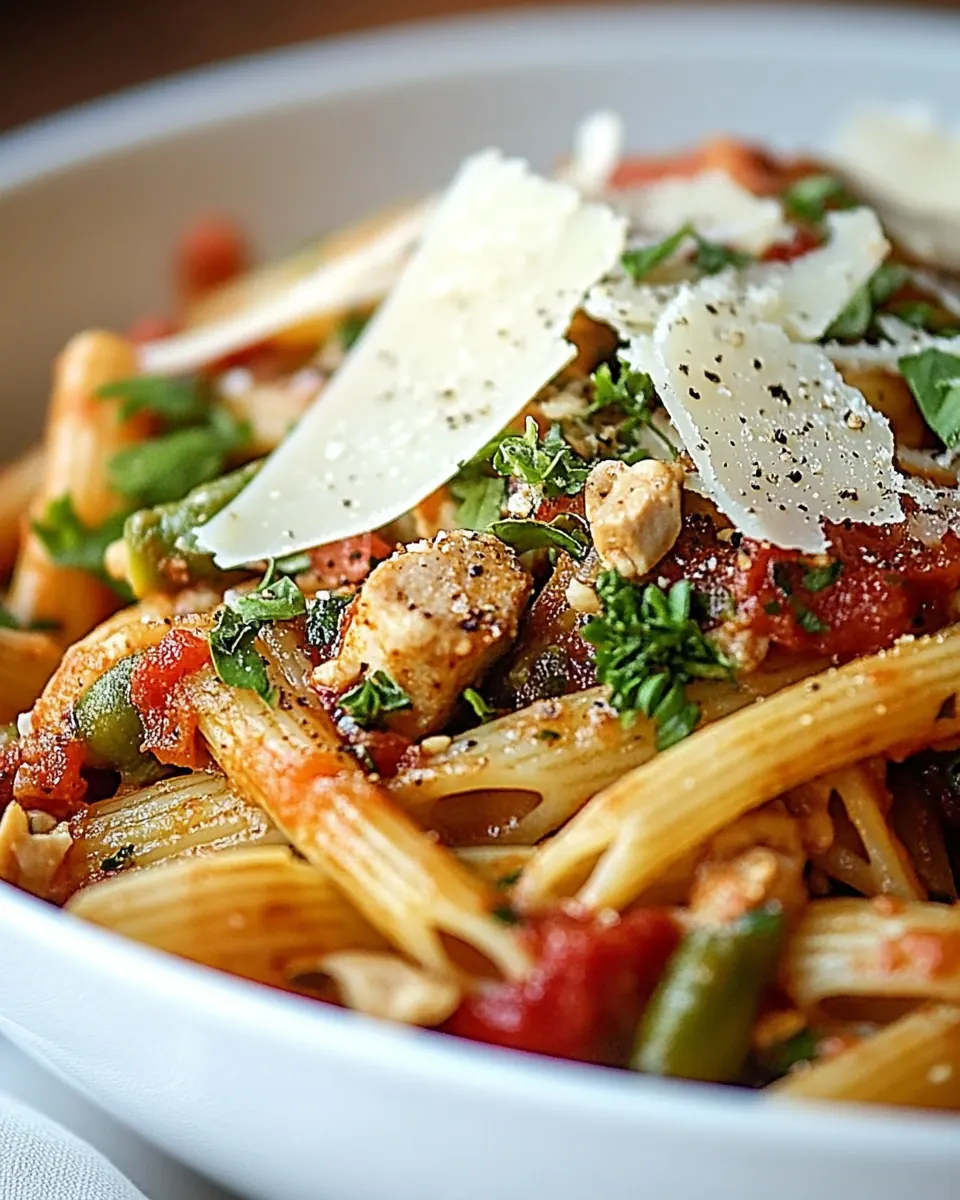
These ingredients work together to create a balanced, lively pasta dish that feels both fresh and comforting. The pasta provides the base, the chicken adds protein and texture, while the vegetables and tomatoes bring brightness and moisture. The dried herbs and garlic layer in aromatic complexity, and the final sprinkle of Parmesan cheese ties everything together with a savory finish.
- 4 ounces penne pasta: Boil to tender and provide the primary carbohydrate base for the dish; cooks quickly and holds sauce well, making it ideal for a two-person portion.
- 1 tablespoon butter: Melt to enrich sauces and sauté vegetables, adding a silky mouthfeel and slight nuttiness that helps brown the chicken and carry flavors.
- 1 small (about 8 ounces) boneless chicken breast cubed: Cube and brown for protein and texture; adds savory richness and absorbs seasonings when seared, contributing a hearty element to the pasta.
- Salt: Season to enhance overall flavor balance; sprinkle to taste during cooking and finishing to bring out sweetness and savory notes in other ingredients.
- 1 large bell pepper (any color) diced small: Dice and sauté to add crisp-tender sweetness, bright color, and a pleasant crunch; complements softer components and lifts the dish visually and flavor-wise.
- 1 clove garlic minced: Mince and cook briefly to release aromatic oils and pungent flavor; provides depth and a savory backbone that complements tomatoes and herbs.
- 1 (14-ounce) can diced tomatoes with green chilies: Drain or add with juices to supply acidity, body, and a slightly spicy kick; creates the bulk of the sauce while contributing umami and moisture.
- 1/4 teaspoon dried basil: Sprinkle to introduce warm, slightly sweet herbal notes; pairs well with tomatoes and chicken and helps create an Italian-inspired flavor profile.
- 1/4 teaspoon dried crushed rosemary: Crumble to contribute piney, slightly lemony and resinous notes; use sparingly to add complexity and a woodsy aromatic accent to the sauce.
- 1/4 teaspoon dried thyme: Dust to add a subtle earthy and slightly minty background; blends with other herbs to round out the sauce and enhance savory components.
- 1/4 teaspoon garlic powder: Shake to boost garlicky flavor without fresh slices; adds a consistent, mellowed garlic presence that seasons pasta and chicken evenly.
- 1/4 cup (1 oz) shredded Parmesan cheese: Sprinkle over the finished dish to add salty, nutty umami and a creamy finish; melts slightly into the hot pasta to bind and enrich each bite.
The Process for Making Easy Pasta Primavera For Two
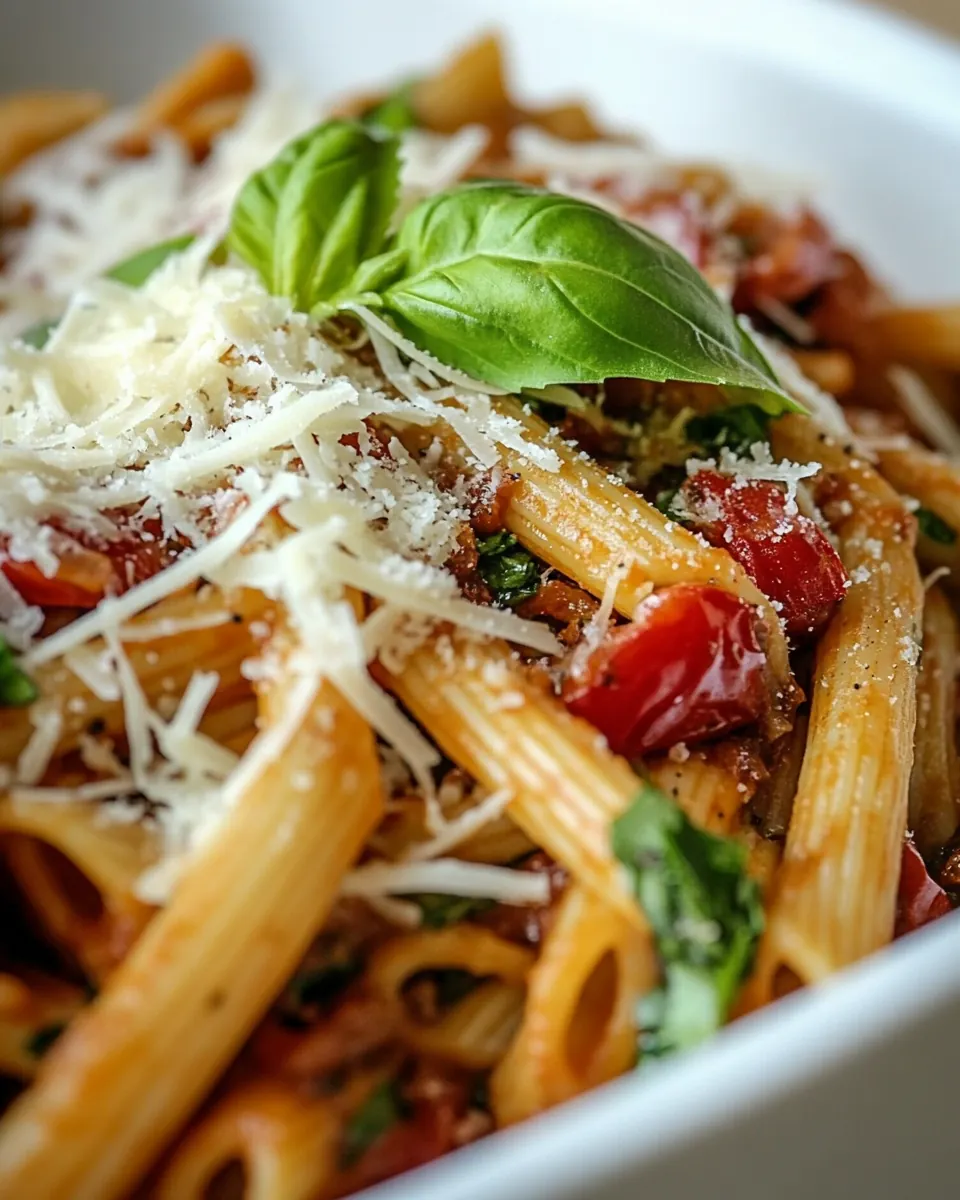
These steps move quickly, so read them through before you start cooking. The aim is to create layers of flavor while keeping textures distinct, and timing is key so the pasta and the sauce finish together.
- Put a medium pot of salted water on to boil for the pasta and cook pasta according to package instructions.: You will notice a salty steam rising as the water comes to a rolling boil, and that first splash of salt is what seasons the pasta from the inside out, giving it base flavor rather than relying solely on the sauce. The bubbling sound becomes a steady rhythm that tells you the water is ready. Timing here matters because al dente pasta should still have some bite, which helps it hold the sauce instead of turning mushy. A common misstep is under salting the water, which results in bland noodles, so be generous and taste a piece a minute before the package time to check doneness. Also, avoid adding oil to the water, as this can prevent sauce adhesion later. When draining, reserve a small cup of pasta water to loosen the sauce if needed; the starchy liquid helps the sauce cling beautifully.
- While your pasta is cooking, in a large skillet, over medium to medium-high heat, melt butter. Add chicken breast, sprinkle with salt, and cook until cooked through. Transfer cooked chicken to a plate and tent with foil to keep warm.: You will see the butter foam and smell a rich, toasty aroma as it heats, which signals that it is ready to receive the chicken . The gentle sizzle when you add the meat lets you know the pan is at the right temperature for searing rather than steaming, creating flavorful browning. This technique locks in juices and adds a slightly nutty complexity to the dish. One trouble spot is overheating the butter until it browns too quickly and imparts a bitter taste, so lower the heat slightly if it darkens immediately. Also, do not overcrowd the pan since that causes the chicken to release moisture and steam instead of sear; cook in batches if needed for a better crust.
- Return pan to heat and add bell pepper and garlic. Cook over medium heat for 4 to 6 minutes, until vegetables just begin to soften.: Listen for a steady, confident sizzle and watch the edges of the chicken pieces turn opaque and then a light golden brown, a sign that the proteins are firming up correctly. Cutting the chicken into similar sized cubes helps them cook evenly in the time the recipe expects. If you see clear juices running and the internal color no longer looks raw, it is likely done, but the safest check is to slice a piece to ensure there is no pink. A frequent error is undercooking small cubes because the heat was too low, so maintain medium to medium high heat and move pieces for even browning. When cooked, transfer the pieces to a plate and tent with foil to rest; this keeps them warm and allows the juices to redistribute which preserves tenderness.
- Add tomatoes and spices, bring to a simmer, and cook, stirring occasionally, until mixture becomes thick and saucy, about 6 to 10 minutes (different brands of tomatoes will vary). Stir in cooked chicken and simmer for 1 minute more or until chicken is hot.: As the plate sits, the residual heat will continue to mellow the chicken flavor and maintain moisture, which matters for texture when you return it to the sauce. You can hear the faint settling quiet as the juices rest. Resting prevents the inevitable dryness that happens when sliced too soon, and it gives you time to build your sauce without losing temperature. The most common mistake is leaving the chicken uncovered and letting it cool or dry out, so keep it tented and near the stove, but off direct heat, until you need it again.
- Stir in cooked pasta, dish up, and top with Parmesan cheese. Enjoy!: When the pan warms again you will smell the immediate freshness of sautéing garlic and the sweet vegetal scent of softened bell pepper . The peppers will make a gentle popping sound as their moisture hits the hot surface, and you want them to soften while keeping a slight bite to contrast the tender pasta . This step creates a bright, crunchy counterpoint to the saucier elements that follow. Watch the garlic carefully, since it can go from golden to bitter in seconds; add it once the peppers have warmed and lower the heat if browning too fast. Unevenly sized pepper pieces can lead to mixed textures, so dice them uniformly for consistent cooking.
- Cook over medium heat for 4 to 6 minutes, until vegetables just begin to soften: During these minutes you will see the pepper edges become translucent and the pan will fill with a sweet smelling steam. This short cook time keeps the vegetables vibrant and prevents them from turning limp, which is essential for the dish’s fresh quality. The sound is a softer sizzle as water reduces from the peppers. A common problem is overcooking, which results in a muted vegetable flavor, so keep your eye on texture and aim for tender crispness rather than collapse.
- Add tomatoes and spices, bring to a simmer, and cook, stirring occasionally, until mixture becomes thick and saucy, about 6 to 10 minutes: As the canned diced tomatoes with green chilies hit the warm pan, a burst of acidic brightness lifts the aroma and you will notice steam rich with tomato perfume. The dried basil, crushed rosemary, thyme, and garlic powder release their essences as the sauce warms, creating a layered herbal background. Simmering concentrates flavors and transforms watery tomatoes into a clingy sauce that will adhere to the pasta . Stirring occasionally prevents the sauce from sticking and promotes even reduction. If you see the sauce drying out excessively, add a tablespoon or two of reserved pasta water to adjust consistency. Stirring too vigorously can break down the vegetable pieces and create a mushier texture, so be gentle.
- Stir in cooked chicken and simmer for 1 minute more or until chicken is hot: When the chicken rejoins the sauce, it picks up flavors and warmth, and you will see a gentle melding of juices back into the sauce as everything harmonizes. This brief simmer ensures the meat is heated through without overcooking, preserving juiciness. The sound is a soft burble and the aroma becomes unified, signaling that components are ready to combine. Over simmering here can dry the chicken, so limit this step to the time specified and remove from heat as soon as the pieces are hot.
- Stir in cooked pasta, dish up, and top with Parmesan cheese: The final combination brings texture together as the pasta takes on sauce and the pan gives off a warm, herby perfume. Tossing should coat each piece so you get sauce in every forkful, and if the mixture looks too tight you can loosen it with reserved pasta water for silkiness. The grated Parmesan cheese melts slightly on top, offering a savory finish and a touch of saltiness that rounds flavors. A common mistake is letting the dish sit too long before saucing, which cools the pasta and prevents the cheese from melting properly, so serve promptly for best texture and flavor.
- Enjoy: As you taste it, notice the contrast of tender chicken , the sweet bite of bell pepper , the tang of tomatoes, and the savory lift from Parmesan cheese . Each mouthful should feel balanced, with the herbs supporting rather than overpowering the primary elements. If you find it lacks brightness, a tiny pinch of salt or a final dusting of cheese can bring it forward, but usually the seasoning from the pasta water and the canned tomatoes does the job. Try to serve right away for the best textural experience, and avoid reheating repeatedly which can dry the chicken and soften the vegetables too much.
How to Switch It Up
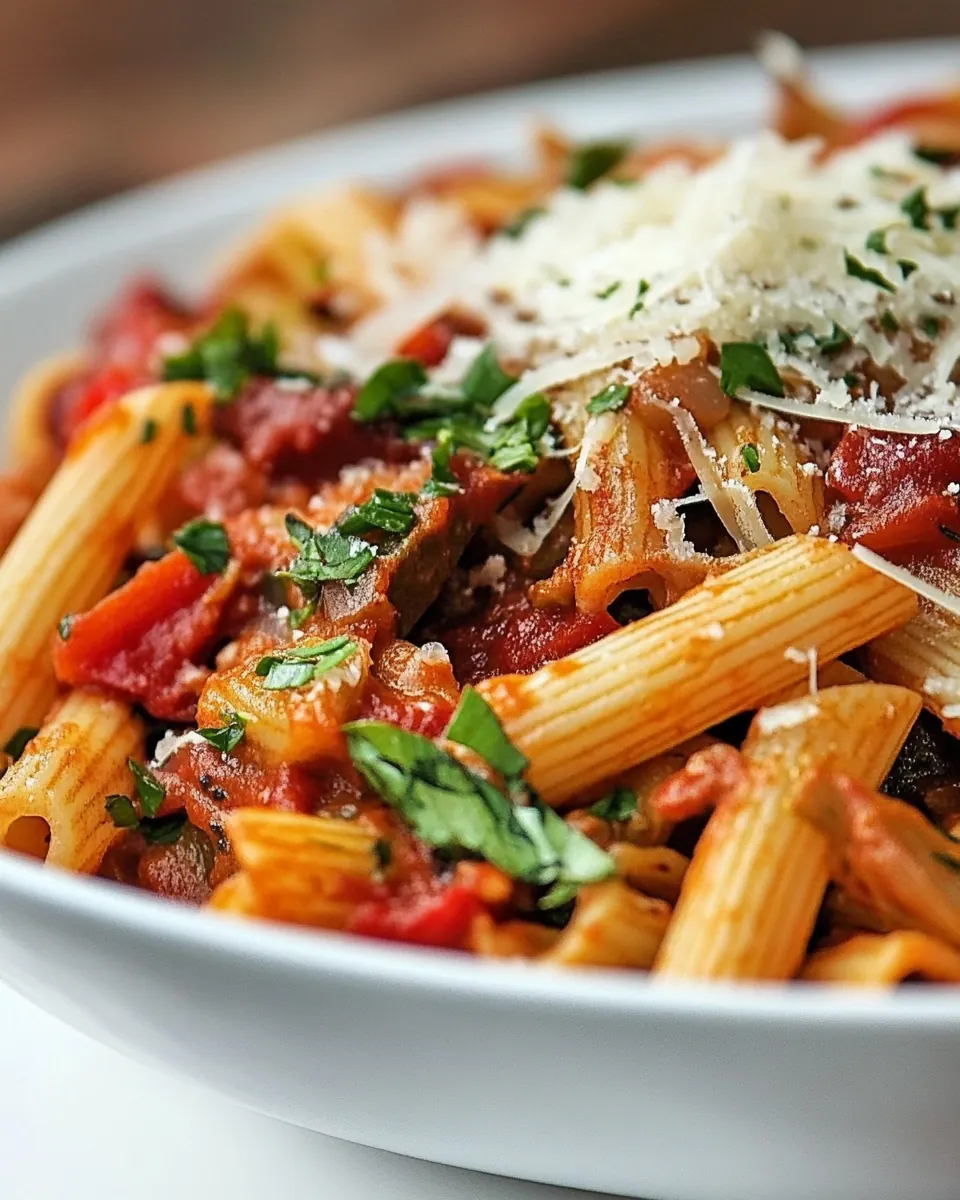
This short introduction explains that small tweaks can transform the dish while keeping the core technique the same. Below are practical variations and ideas to personalize the meal without losing the fast, fresh spirit of the recipe.
- Swap the pasta shape Try fusilli or farfalle if you want a different texture, both hold the sauce well and change the mouthfeel without altering cooking time dramatically.
- Use different canned tomatoes Choose plain diced tomatoes if you prefer less heat; the choice affects the final flavor, so taste and adjust seasoning accordingly.
- Boost herb freshness If you have fresh basil or thyme, stir them in at the end to lift the sauce with bright, aromatic notes.
- Make it extra cheesy Add more Parmesan cheese at the table for a creamier finish, which enhances the savory elements and gives a richer mouthfeel.
- Adjust the spice level If the green chilies are too pronounced, drain some juice from the can or add a pinch more sugar to moderate acidity and heat.
- Double the vegetables Add zucchini or mushrooms if you want more plant volume, sauté them with the bell pepper for balanced cooking.
What to Serve With Easy Pasta Primavera For Two
This dish pairs beautifully with simple sides that complement its bright, herby profile. Below are serving ideas for different occasions, storage notes, and seasonal pairings to help you plan the full meal.
- Light green salad A crisp mixed greens salad dressed simply with olive oil and lemon provides a refreshing contrast to the warm pasta.
- Crusty bread A warm slice of bread is perfect for mopping up any remaining sauce and makes the meal feel more substantial for a casual dinner.
- Simple roasted vegetables Oven roasted seasonal vegetables served alongside add texture and can be prepared while the pasta cooks.
- Occasion suitability Perfect for a weeknight dinner, date night, or a small spring gathering where you want something bright but easy to execute.
- Storage tips Store leftovers in an airtight container for up to two days, reheat gently to avoid drying the chicken and softening the vegetables excessively.
- Seasonal pairing In spring, emphasize light sides and fresh herbs; in cooler months, consider a heartier bread or a small bowl of soup to start.
FAQ
Conclusion
What makes this recipe special is its perfect balance of bright vegetables, tender chicken, and comforting pasta, all assembled in under 30 minutes. I encourage you to give Easy Pasta Primavera For Two a try the next time you want a no fuss, flavorful meal that still feels thoughtfully prepared. It’s quick, adaptable, and forgiving, which means you can make it your own without losing the essence of what makes it satisfying and fresh.
Easy Pasta Primavera For Two
Equipment
- Medium Pot
- Large Skillet
- Colander
- Tongs or spatula
Ingredients
- 4 ounces penne pasta Boil to tender and provide the primary carbohydrate base for the dish; cooks quickly and holds sauce well, making it ideal for a two-person portion.
- 1 tablespoon butter Melt to enrich sauces and sauté vegetables, adding a silky mouthfeel and slight nuttiness that helps brown the chicken and carry flavors.
- 1 small (about 8 ounces) boneless chicken breast cubed Cube and brown for protein and texture; adds savory richness and absorbs seasonings when seared, contributing a hearty element to the pasta.
- Salt Season to enhance overall flavor balance; sprinkle to taste during cooking and finishing to bring out sweetness and savory notes in other ingredients.
- 1 large bell pepper (any color) diced small Dice and sauté to add crisp-tender sweetness, bright color, and a pleasant crunch; complements softer components and lifts the dish visually and flavor-wise.
- 1 clove garlic minced Mince and cook briefly to release aromatic oils and pungent flavor; provides depth and a savory backbone that complements tomatoes and herbs.
- 1 (14-ounce) can diced tomatoes with green chilies Drain or add with juices to supply acidity, body, and a slightly spicy kick; creates the bulk of the sauce while contributing umami and moisture.
- 1/4 teaspoon dried basil Sprinkle to introduce warm, slightly sweet herbal notes; pairs well with tomatoes and chicken and helps create an Italian-inspired flavor profile.
- 1/4 teaspoon dried crushed rosemary Crumble to contribute piney, slightly lemony and resinous notes; use sparingly to add complexity and a woodsy aromatic accent to the sauce.
- 1/4 teaspoon dried thyme Dust to add a subtle earthy and slightly minty background; blends with other herbs to round out the sauce and enhance savory components.
- 1/4 teaspoon garlic powder Shake to boost garlicky flavor without fresh slices; adds a consistent, mellowed garlic presence that seasons pasta and chicken evenly.
- 1/4 cup (1 oz) shredded Parmesan cheese Sprinkle over the finished dish to add salty, nutty umami and a creamy finish; melts slightly into the hot pasta to bind and enrich each bite.
Instructions
- Put a medium pot of salted water on to boil for the pasta and cook pasta according to package instructions.: You will notice a salty steam rising as the water comes to a rolling boil, and that first splash of salt is what seasons the pasta from the inside out, giving it base flavor rather than relying solely on the sauce. The bubbling sound becomes a steady rhythm that tells you the water is ready. Timing here matters because al dente pasta should still have some bite, which helps it hold the sauce instead of turning mushy. A common misstep is under salting the water, which results in bland noodles, so be generous and taste a piece a minute before the package time to check doneness. Also, avoid adding oil to the water, as this can prevent sauce adhesion later. When draining, reserve a small cup of pasta water to loosen the sauce if needed; the starchy liquid helps the sauce cling beautifully.
- While your pasta is cooking, in a large skillet, over medium to medium-high heat, melt butter. Add chicken breast, sprinkle with salt, and cook until cooked through. Transfer cooked chicken to a plate and tent with foil to keep warm.: You will see the butter foam and smell a rich, toasty aroma as it heats, which signals that it is ready to receive the chicken . The gentle sizzle when you add the meat lets you know the pan is at the right temperature for searing rather than steaming, creating flavorful browning. This technique locks in juices and adds a slightly nutty complexity to the dish. One trouble spot is overheating the butter until it browns too quickly and imparts a bitter taste, so lower the heat slightly if it darkens immediately. Also, do not overcrowd the pan since that causes the chicken to release moisture and steam instead of sear; cook in batches if needed for a better crust.
- Return pan to heat and add bell pepper and garlic. Cook over medium heat for 4 to 6 minutes, until vegetables just begin to soften.: Listen for a steady, confident sizzle and watch the edges of the chicken pieces turn opaque and then a light golden brown, a sign that the proteins are firming up correctly. Cutting the chicken into similar sized cubes helps them cook evenly in the time the recipe expects. If you see clear juices running and the internal color no longer looks raw, it is likely done, but the safest check is to slice a piece to ensure there is no pink. A frequent error is undercooking small cubes because the heat was too low, so maintain medium to medium high heat and move pieces for even browning. When cooked, transfer the pieces to a plate and tent with foil to rest; this keeps them warm and allows the juices to redistribute which preserves tenderness.
- Add tomatoes and spices, bring to a simmer, and cook, stirring occasionally, until mixture becomes thick and saucy, about 6 to 10 minutes (different brands of tomatoes will vary). Stir in cooked chicken and simmer for 1 minute more or until chicken is hot.: As the plate sits, the residual heat will continue to mellow the chicken flavor and maintain moisture, which matters for texture when you return it to the sauce. You can hear the faint settling quiet as the juices rest. Resting prevents the inevitable dryness that happens when sliced too soon, and it gives you time to build your sauce without losing temperature. The most common mistake is leaving the chicken uncovered and letting it cool or dry out, so keep it tented and near the stove, but off direct heat, until you need it again.
- Stir in cooked pasta, dish up, and top with Parmesan cheese. Enjoy!: When the pan warms again you will smell the immediate freshness of sautéing garlic and the sweet vegetal scent of softened bell pepper . The peppers will make a gentle popping sound as their moisture hits the hot surface, and you want them to soften while keeping a slight bite to contrast the tender pasta . This step creates a bright, crunchy counterpoint to the saucier elements that follow. Watch the garlic carefully, since it can go from golden to bitter in seconds; add it once the peppers have warmed and lower the heat if browning too fast. Unevenly sized pepper pieces can lead to mixed textures, so dice them uniformly for consistent cooking.
- Cook over medium heat for 4 to 6 minutes, until vegetables just begin to soften: During these minutes you will see the pepper edges become translucent and the pan will fill with a sweet smelling steam. This short cook time keeps the vegetables vibrant and prevents them from turning limp, which is essential for the dish’s fresh quality. The sound is a softer sizzle as water reduces from the peppers. A common problem is overcooking, which results in a muted vegetable flavor, so keep your eye on texture and aim for tender crispness rather than collapse.
- Add tomatoes and spices, bring to a simmer, and cook, stirring occasionally, until mixture becomes thick and saucy, about 6 to 10 minutes: As the canned diced tomatoes with green chilies hit the warm pan, a burst of acidic brightness lifts the aroma and you will notice steam rich with tomato perfume. The dried basil, crushed rosemary, thyme, and garlic powder release their essences as the sauce warms, creating a layered herbal background. Simmering concentrates flavors and transforms watery tomatoes into a clingy sauce that will adhere to the pasta . Stirring occasionally prevents the sauce from sticking and promotes even reduction. If you see the sauce drying out excessively, add a tablespoon or two of reserved pasta water to adjust consistency. Stirring too vigorously can break down the vegetable pieces and create a mushier texture, so be gentle.
- Stir in cooked chicken and simmer for 1 minute more or until chicken is hot: When the chicken rejoins the sauce, it picks up flavors and warmth, and you will see a gentle melding of juices back into the sauce as everything harmonizes. This brief simmer ensures the meat is heated through without overcooking, preserving juiciness. The sound is a soft burble and the aroma becomes unified, signaling that components are ready to combine. Over simmering here can dry the chicken, so limit this step to the time specified and remove from heat as soon as the pieces are hot.
- Stir in cooked pasta, dish up, and top with Parmesan cheese: The final combination brings texture together as the pasta takes on sauce and the pan gives off a warm, herby perfume. Tossing should coat each piece so you get sauce in every forkful, and if the mixture looks too tight you can loosen it with reserved pasta water for silkiness. The grated Parmesan cheese melts slightly on top, offering a savory finish and a touch of saltiness that rounds flavors. A common mistake is letting the dish sit too long before saucing, which cools the pasta and prevents the cheese from melting properly, so serve promptly for best texture and flavor.
- Enjoy: As you taste it, notice the contrast of tender chicken , the sweet bite of bell pepper , the tang of tomatoes, and the savory lift from Parmesan cheese . Each mouthful should feel balanced, with the herbs supporting rather than overpowering the primary elements. If you find it lacks brightness, a tiny pinch of salt or a final dusting of cheese can bring it forward, but usually the seasoning from the pasta water and the canned tomatoes does the job. Try to serve right away for the best textural experience, and avoid reheating repeatedly which can dry the chicken and soften the vegetables too much.
Notes
- Swap the pasta shape Try fusilli or farfalle if you want a different texture, both hold the sauce well and change the mouthfeel without altering cooking time dramatically.
- Use different canned tomatoes Choose plain diced tomatoes if you prefer less heat; the choice affects the final flavor, so taste and adjust seasoning accordingly.
- Boost herb freshness If you have fresh basil or thyme, stir them in at the end to lift the sauce with bright, aromatic notes.
- Make it extra cheesy Add more Parmesan cheese at the table for a creamier finish, which enhances the savory elements and gives a richer mouthfeel.
- Adjust the spice level If the green chilies are too pronounced, drain some juice from the can or add a pinch more sugar to moderate acidity and heat.
- Double the vegetables Add zucchini or mushrooms if you want more plant volume, sauté them with the bell pepper for balanced cooking.
