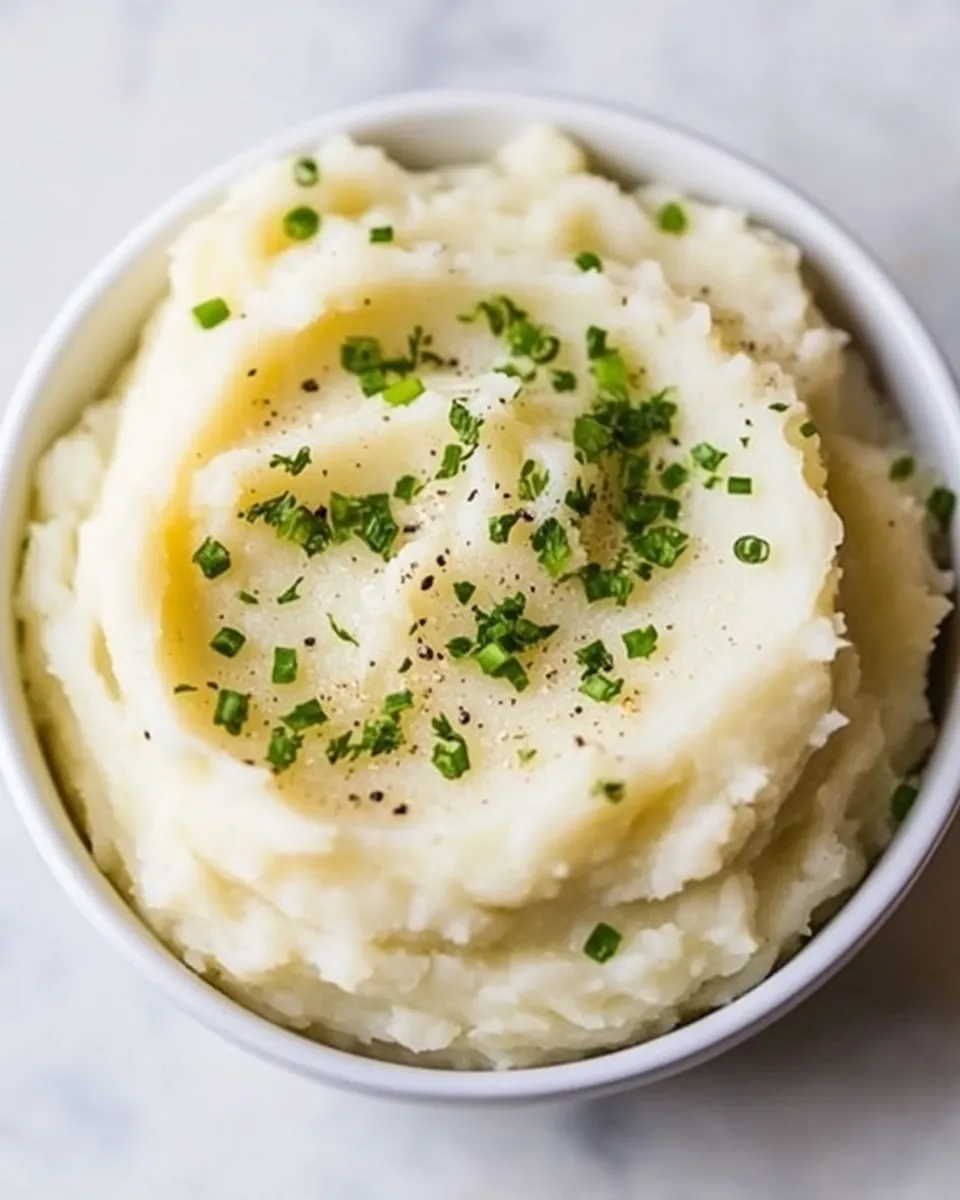
Roasted Garlic Mashed Potatoes
Roasted Garlic Mashed Potatoes have been my go to when I want comfort food with personality, a side that feels indulgent yet unfussy.
I remember the first time I roasted garlic for these potatoes, the kitchen filled with a warm, sweet aroma that made everyone drift toward the stove, curious and hungry. I love how the mellow roasted garlic loses its sharp bite and becomes almost buttery, slipping into the flesh of the potatoes and turning them silkier than usual. My family demands this at holiday meals, and on quiet weeknights it’s the dish that turns simple protein and greens into a proper meal.
Over the years I learned small gestures that lift the result, like warming the cream and butter before folding them in so the mash stays glossy, or letting the roasted garlic steep in olive oil for extra depth. I rarely follow rules rigidly, but these techniques consistently deliver a luxurious texture and honest flavor. Guests often ask for the recipe before the plates are cleared, and that is the kind of feedback that keeps me making this again and again.
Recipe Snapshot
50 mins
20 mins
30 mins
Medium
300 kcal
American
Gluten-Free, Low FODMAP
Side Dishes
Small pot, Saucepot, Large pot, Food mill, Stand mixer, Hand mixer, Hand masher
Why You Need This Roasted Garlic Mashed Potatoes
Deep, mellow garlic flavor
I adore how roasting transforms raw garlic into something almost sweet and nutty, and when I fold those cloves into mashed potatoes the dish becomes gentle but complex. The technique removes harshness, leaving a rounded taste that complements many mains.
Silky texture from warmed dairy
Warming the cream and butter before adding them ensures the mash stays smooth and glossy. I find that cold dairy cools the potatoes and makes them gluey, while warm dairy keeps everything cohesive and spoonable.
Customizable richness
Because the recipe uses both olive oil infused with roasted garlic and warm dairy, you can nudge the richness by adjusting amounts. I like to keep some roasted garlic oil set aside to drizzle, adding a finishing note that tastes like restaurant mashed potatoes.
Make ahead friendly
These mashed potatoes travel well to gatherings. I often make them an hour ahead, keeping them covered and warm. Reheating with a splash of cream or butter brings them back to a just made texture, which is great when hosting.
Versatile for many menus
From weeknight roasts to celebratory dinners, Roasted Garlic Mashed Potatoes slot in effortlessly. They pair with roasted chicken or vegetarian mains, and their moderate prep complexity makes them feel special without being finicky.
Ingredient List for Roasted Garlic Mashed Potatoes
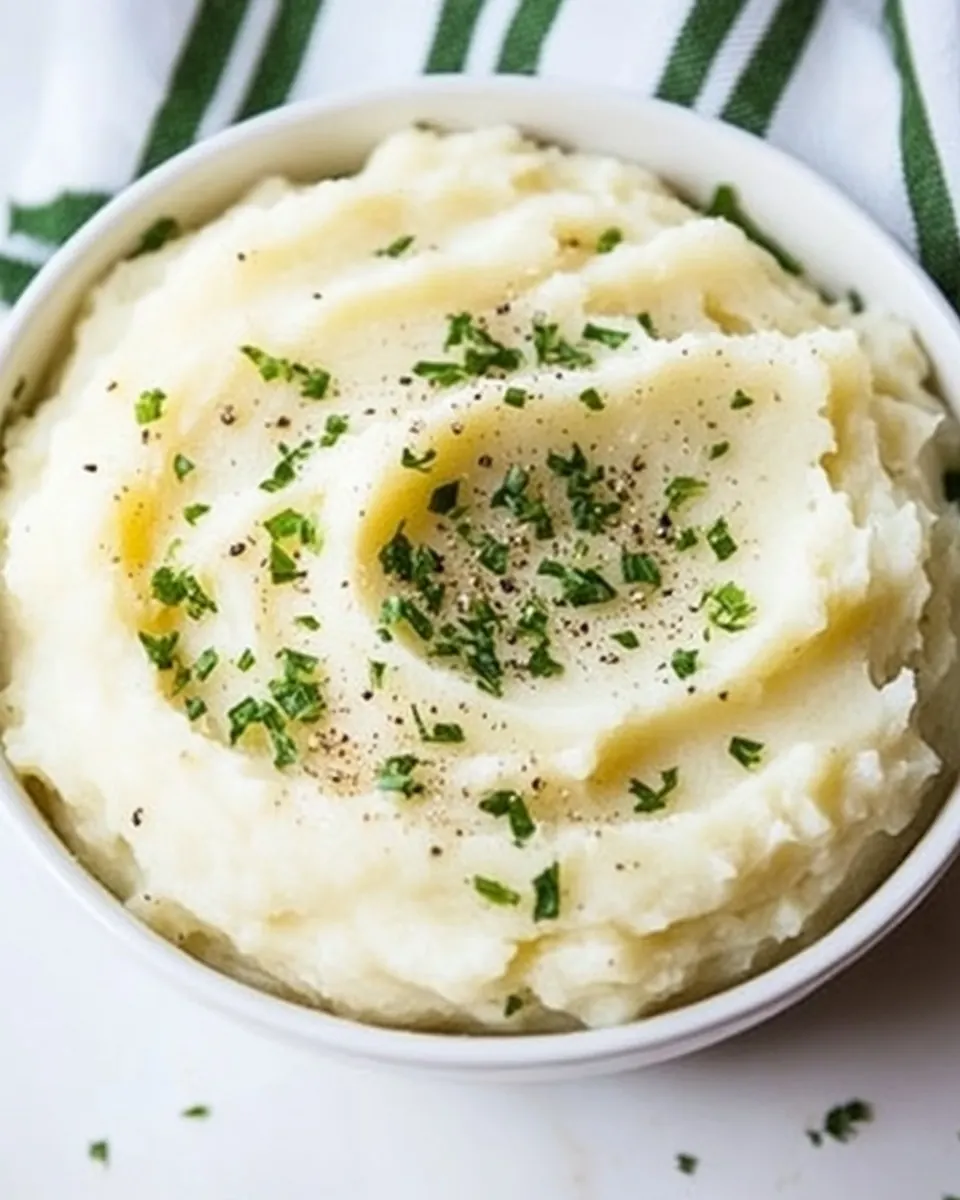
These ingredients are chosen to deliver lush texture and layered flavor. The key players are the starchy potatoes for body, roasted garlic and olive oil for savory depth, and warm cream plus butter for silkiness. Each item plays a clear role in balancing richness, moisture, and seasoning so the finished mash feels indulgent yet balanced.
- 1 1/2 cups olive oil: Provide a rich, fruity base for roasting and infusing garlic with flavor; use to coat garlic cloves before baking to prevent burning and to impart depth to the mashed potatoes. Warmed olive oil can be whisked into the finished mash for silkiness and to enhance mouthfeel. Store any leftover infused oil for other savory uses.
- 1/2 cup trimmed garlic cloves + 10-12: Add intense roasted garlic flavor and a sweet, mellow aroma when trimmed and roasted whole; include the additional 10–12 cloves for extra pungency if desired. Smash or mince roasted cloves into the cooked potatoes to distribute a creamy, caramelized garlic note throughout. Reserve a few cloves to stir in at the end for texture and fresh bite if preferred.
- 1 cup heavy whipping cream: Contribute creamy richness and smooth texture when warmed and folded into the potatoes; temper with heat before adding to avoid cooling the mash. Adjust amount slightly for desired consistency, using more for a silkier, looser finish or less for a thicker, heartier potato. Can be lightly whipped to incorporate air for a lighter mouthfeel.
- 2 sticks unsalted butter + 4 tablespoons melted: Provide a luscious, buttery backbone that enriches flavor and creates a velvety texture; use softened butter for mashing and drizzle the additional melted portion over the top for gloss and extra richness. Salt the unsalted butter to taste or adjust potato seasoning accordingly; incorporate gradually to control consistency and prevent greasiness.
- 4 pounds peeled and quartered Yukon potatoes: Form the starchy base of the dish with a fluffy interior when boiled properly; quartering and peeling ensures even cooking and smooth mashing. Choose Yukon Golds for their naturally buttery flavor and creamy texture that mash well without becoming gluey. Drain and return hot to the pot to evaporate excess moisture before mashing for optimal consistency.
- 1/4 cups sour cream: Add subtle tang and extra creaminess when folded into the mash; incorporate sparingly to balance richness without overpowering the garlic notes. Chill slightly before adding if it will be held long to maintain structure, and taste for seasoning after mixing. Works well to lighten the final flavor profile and add a mild acidity.
- coarse salt and ground white pepper to taste: Season to taste to enhance natural potato and garlic flavors while maintaining a clean, savory finish; coarse salt helps bring out sweetness and white pepper provides gentle heat without visible specks. Add incrementally and taste between additions to avoid over-salting. Use white pepper specifically to keep the mash visually uniform while offering subtle spice.
- chopped fresh chives for garnish (optional): Garnish with a fresh, onion-like brightness and a pop of color when finely chopped and sprinkled over the finished dish; use sparingly so as not to overpower the creamy potatoes. Add just before serving to retain freshness and a crisp texture, and chop uniformly for an attractive presentation.
Cooking Method for Roasted Garlic Mashed Potatoes
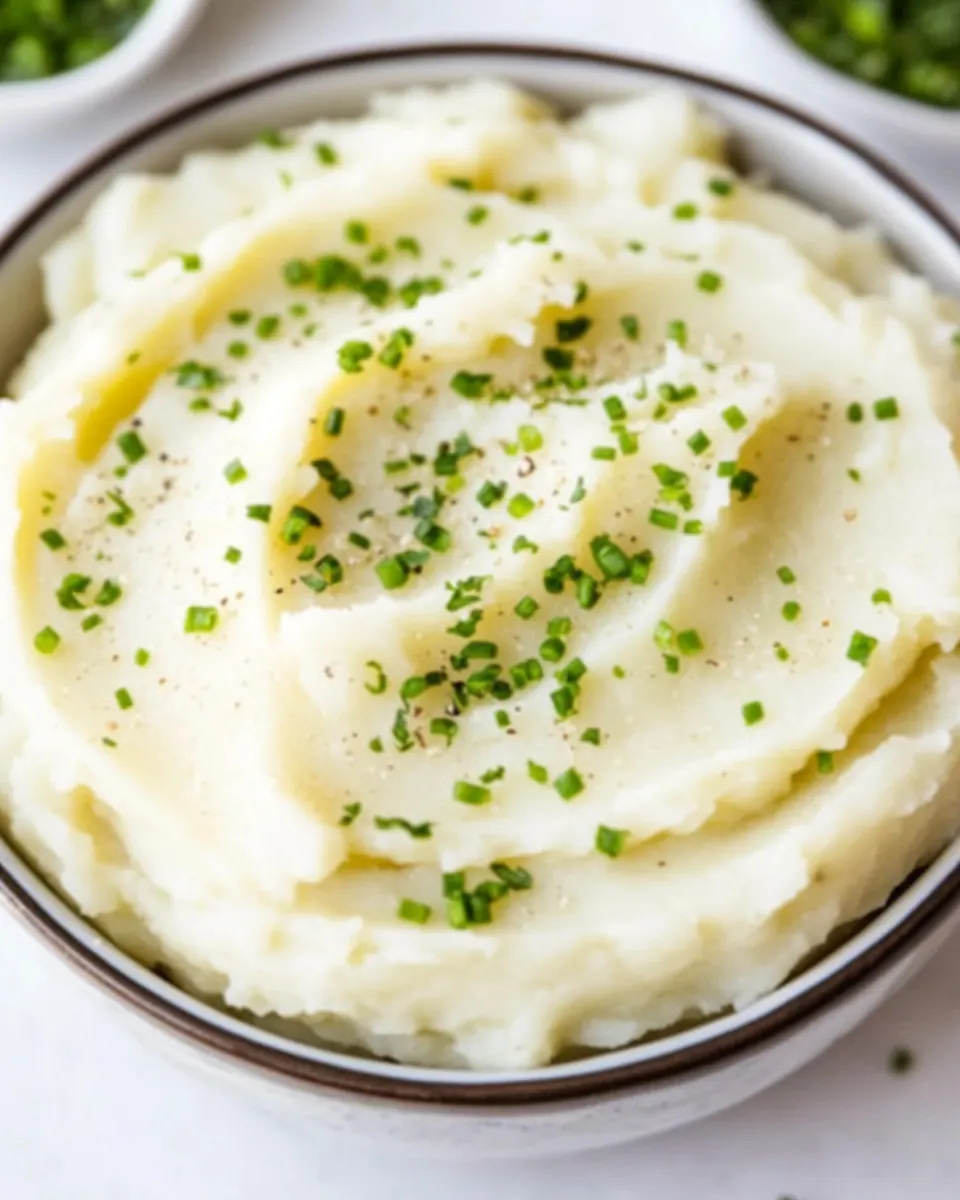
These directions are crafted to help you coax the most flavor and texture from each ingredient. Take your time with the gentle roasting and warming steps, since they are the quiet secrets behind the glossy, garlicky mash you will serve. Below I expand each direction so you can sense and troubleshoot as you go.
- Add the olive oil and 1/2 cup of garlic cloves to a small pot and heat over low heat until brown and tender, about 20 to 30 minutes. They will be lightly browned and tender. Strain and keep both to the side.: You will notice the oil shimmer gently and the garlic soften as it steeps, releasing a sweet, nutty aroma that fills the kitchen, signaling that Maillard reactions are quietly occurring. Keep the heat low so the garlic browns slowly rather than browning rapidly, which helps avoid bitter char notes. A light bubbling may appear, and the cloves will shrink slightly and turn golden to deep caramel in color, feeling tender when pierced. This slow approach extracts rich flavor into the olive oil , creating a fragrant base you will later use to flavor the mash. Common mistakes include raising the heat which causes the cloves to burn, or leaving the pot unattended so the oil smokes; both will ruin the delicate sweetness you want.
- Next, add the cream and sticks of butter to a separate small saucepot and keep warm over low heat. It should be melted before using it.: After infusing, strain the mixture carefully into a heat proof bowl so that you preserve the oil and the softened garlic separately. The strained oil will be glossy and slightly golden, smelling deeply of roasted garlic . Let both cool a bit so they are manageable to handle, but don’t let them get cold, as lukewarm ingredients incorporate more smoothly. A common slip is failing to strain properly which leaves burnt bits in the oil, introducing unwanted bitterness; always skim out solids and transfer to a clean container.
- Add the potatoes to a large pot of salted boiling water along with the 10-12 garlic cloves and cook over medium-high heat to a low boil for 10-12 minutes or until they easily fall off a fork when piercing.: As you warm the cream and butter , steam will rise gently and the mixture will form a unified, glossy liquid. This warming step prevents shocking the cooked potatoes when folded in, preserving a silkier texture and better emulsion. Stir occasionally to make sure the butter fully melts into the cream , and keep the temperature low so it does not simmer or separate. If the dairy overheats, it can scald or form a skin that changes mouthfeel, so patience is essential.
- Strain the potatoes and transfer them with the roasted garlic cloves to a food mill, stand mixer, hand mixer, or hand masher. Mash the potatoes until smooth.: You will hear a lively simmer as the pot comes to a low boil, and steam will fog the lid. The salted water seasons the center of the potatoes , while adding the roasted garlic cloves to the cooking water warms them through and integrates their caramel notes. Visual cues include bubbling that is steady but not violent, and when a fork slides easily into the potato pieces they are ready. Overcooking will saturate them with water and make the final mash gluey, so remove them promptly at the fork test.
- Fold in the hot cream and butter, 1/2 cup to 3/4 cup of roasted garlic olive oil, sour cream, salt, and pepper using a rubber spatula to combine completely.: The cooked potatoes will be steaming and tender, releasing a gentle earthy scent. Moving them quickly to your chosen mashing tool preserves heat and prevents the potatoes from cooling too much which can affect texture. If using a food mill you will notice a velvety stream of potato passing through; a hand masher yields a more rustic texture. Include the roasted cloves so their creamy pockets disperse through the mash. One trap is overworking the potatoes with an electric mixer at high speed which can turn them gluey, so use slow, controlled motion and stop when smooth.
- Serve the potatoes with extra melted butter and chopped chives for garnish.: The sound here is subtle, just soft crushing as the potatoes collapse to a satiny mass. Aim for uniformity without lumps unless you prefer some texture. The internal temperature should remain warm, and the surface will look pillowy and matte before the dairy is added. If you see stringy or gummy texture developing, that is a sign of over mixing; back off and incorporate by hand if needed.
- Fold in the hot cream and butter, 1/2 cup to 3/4 cup of roasted garlic olive oil, sour cream, salt, and pepper using a rubber spatula to combine completely: Start with the warm cream and part of the infused olive oil , letting them sink into the warm potatoes and visibly unifying into a glossy, rich mash. You will hear a soft, wet sound as the spatula glides and see the mash shift from dry to lusciously moist. The roasted garlic oil lends both silk and a concentrated aromatic lift, while the sour cream brightens the finish. Taste and adjust seasoning with coarse salt and white pepper. A common error is adding all the liquid at once, which can make the mash too loose; add gradually so you achieve the desired texture.
- Serve the potatoes with extra melted butter and chopped chives for garnish: Spoon the mash into a warm serving dish and drizzle additional melted butter and a scattering of chopped chives . The final touch brings a glossy top and a fresh herbal note to cut through richness. Serve immediately while the steam rises in soft waves and the aroma of roasted garlic is strongest. If you wait too long, the surface will form a skin and the temperature will drop, so keep them covered and warm if there will be a delay.
Making Adjustments
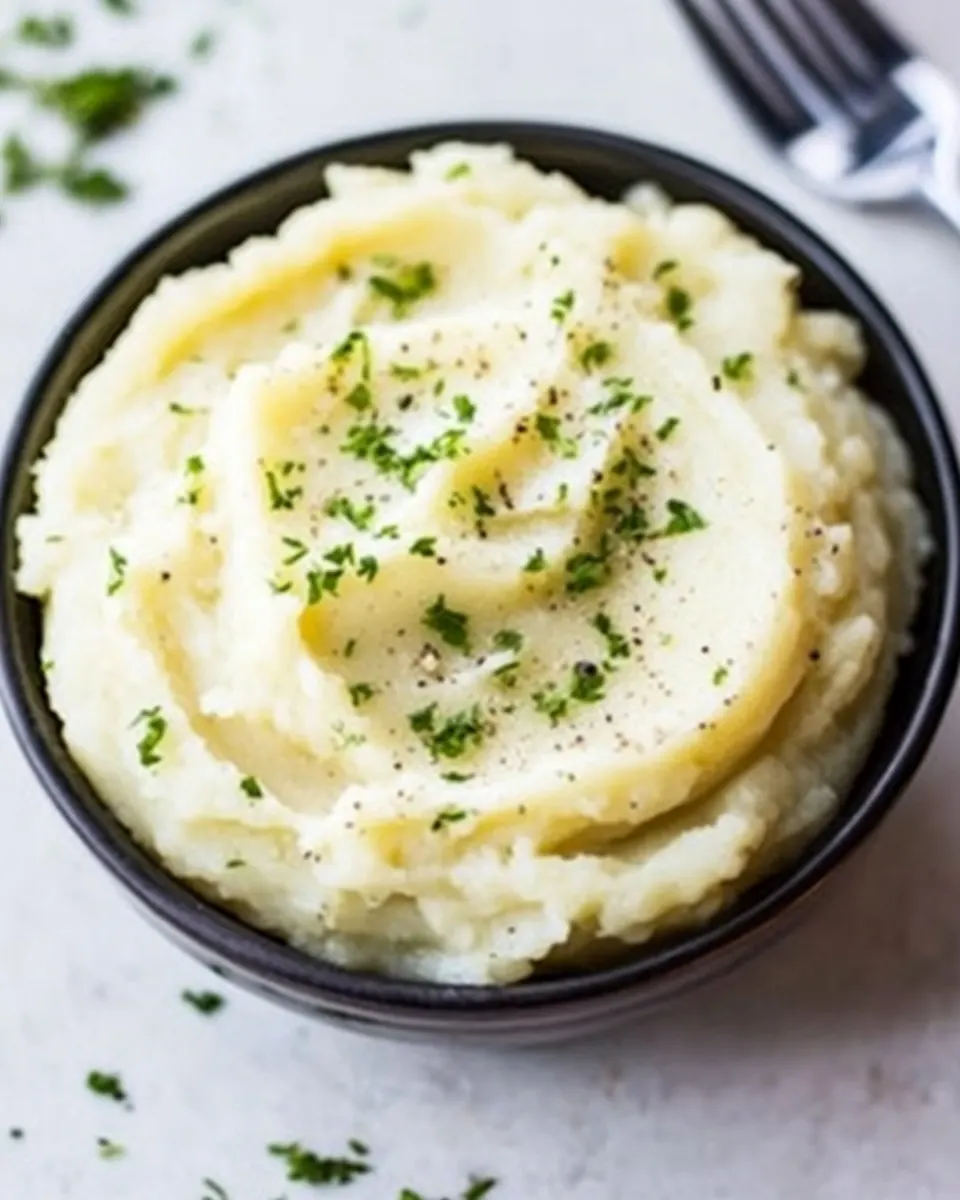
Small adjustments make a big difference with Roasted Garlic Mashed Potatoes. Below are practical tips to tune texture, flavor, and timing, each starting with a bolded phrase for quick scanning. These expand on the notes and help you adapt the recipe to your kitchen and tastes.
- Control the garlic intensity by varying how much roasted garlic oil you fold in, starting with 1/2 cup and adding more if you want a stronger profile. Taste as you go and stop when the balance sings.
- Adjust creaminess by holding back 1/4 cup of the warmed cream until after initial mixing, then add as needed for texture; this prevents an overly loose mash and lets you hit the ideal spoonable consistency.
- Save cooking water if the mash becomes too thick, a tablespoon of hot potato water can help loosen texture while preserving flavor, but use sparingly to avoid watering down the taste.
- Avoid gluey potatoes by using Yukon Golds and mashing gently; rapid high speed mixing or overworking starchy potatoes will develop a pasty feel.
- Make ahead strategy is to assemble and keep covered for up to one hour over very low heat, stirring in a splash of warmed cream before serving to refresh texture.
- Reheating technique involves warming portions slowly in a small saucepot with a knob of butter or a splash of cream, stirring constantly to prevent sticking and to restore silkiness.
Serving Options for Roasted Garlic Mashed Potatoes
Roasted Garlic Mashed Potatoes are versatile enough to anchor many meals, from casual dinners to festive occasions. Here are thoughtful serving suggestions, storage guidance, and pairing ideas to help you present them with confidence.
- Classic dinner pairing: Serve these mashed potatoes alongside roasted or grilled mains, offering a comforting, creamy counterpoint to lean proteins and root vegetables.
- Holiday centerpiece side: For winter holiday tables, place the mash in a warmed serving bowl and top with extra melted butter and chopped chives for a festive finish that looks as good as it tastes.
- Casual family meal: They are perfect for weeknight dinners where you want something satisfying and quick to plate, pairing well with simple saut茅ed greens or steamed vegetables.
- Storage tips: Store leftovers covered in the refrigerator for up to four days, and reheat gently with a splash of warmed cream or butter to restore texture; freezing is possible but expect some loss of moisture and flavor.
- Presentation ideas: For a rustic look, mound the mash with a shallow well in the center and fill with melted butter and a sprinkle of chopped chives to create visual interest and an extra flavor pop.
- Occasion suggestions: Ideal for winter suppers and holiday gatherings, they also shine at potlucks since they transport well if kept warm and covered during transit.
- Seasonal pairing: In colder months, pair with root vegetables and braised greens; the warm, roasted garlic notes feel particularly welcome in winter menus.
FAQ
Conclusion
Roasted Garlic Mashed Potatoes stand out because they combine slow roasted aromatics with warmed dairy to create a luxurious, balanced mash. The roasted garlic brings sweetness and depth while the warmed cream and butter ensure a glossy, spoonable texture that feels indulgent without being heavy. Give this recipe a try when you want a dependable side that elevates any main dish. Serve it hot, add a sprinkle of chives, and enjoy the way simple techniques transform everyday ingredients into something memorable.
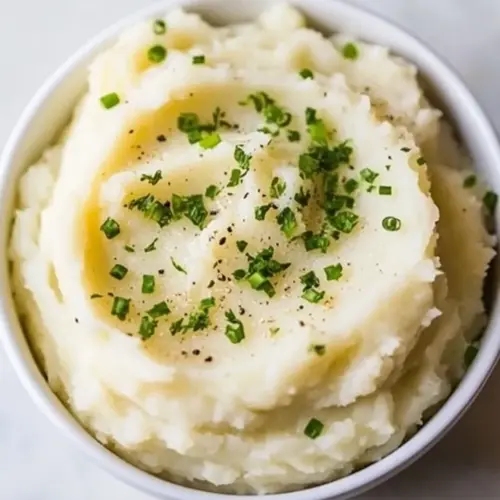
Roasted Garlic Mashed Potatoes
Equipment
- Small pot
- Saucepot
- Large Pot
- Food mill
- Stand mixer
- Hand Mixer
- Hand masher
Ingredients
- 1 1/2 cups olive oil Provide a rich, fruity base for roasting and infusing garlic with flavor; use to coat garlic cloves before baking to prevent burning and to impart depth to the mashed potatoes. Warmed olive oil can be whisked into the finished mash for silkiness and to enhance mouthfeel. Store any leftover infused oil for other savory uses.
- 1/2 cup trimmed garlic cloves + 10-12 Add intense roasted garlic flavor and a sweet, mellow aroma when trimmed and roasted whole; include the additional 10–12 cloves for extra pungency if desired. Smash or mince roasted cloves into the cooked potatoes to distribute a creamy, caramelized garlic note throughout. Reserve a few cloves to stir in at the end for texture and fresh bite if preferred.
- 1 cup heavy whipping cream Contribute creamy richness and smooth texture when warmed and folded into the potatoes; temper with heat before adding to avoid cooling the mash. Adjust amount slightly for desired consistency, using more for a silkier, looser finish or less for a thicker, heartier potato. Can be lightly whipped to incorporate air for a lighter mouthfeel.
- 2 sticks unsalted butter + 4 tablespoons melted Provide a luscious, buttery backbone that enriches flavor and creates a velvety texture; use softened butter for mashing and drizzle the additional melted portion over the top for gloss and extra richness. Salt the unsalted butter to taste or adjust potato seasoning accordingly; incorporate gradually to control consistency and prevent greasiness.
- 4 pounds peeled and quartered Yukon potatoes Form the starchy base of the dish with a fluffy interior when boiled properly; quartering and peeling ensures even cooking and smooth mashing. Choose Yukon Golds for their naturally buttery flavor and creamy texture that mash well without becoming gluey. Drain and return hot to the pot to evaporate excess moisture before mashing for optimal consistency.
- 1/4 cups sour cream Add subtle tang and extra creaminess when folded into the mash; incorporate sparingly to balance richness without overpowering the garlic notes. Chill slightly before adding if it will be held long to maintain structure, and taste for seasoning after mixing. Works well to lighten the final flavor profile and add a mild acidity.
- coarse salt and ground white pepper to taste Season to taste to enhance natural potato and garlic flavors while maintaining a clean, savory finish; coarse salt helps bring out sweetness and white pepper provides gentle heat without visible specks. Add incrementally and taste between additions to avoid over-salting. Use white pepper specifically to keep the mash visually uniform while offering subtle spice.
- optional chopped fresh chives for garnish Garnish with a fresh, onion-like brightness and a pop of color when finely chopped and sprinkled over the finished dish; use sparingly so as not to overpower the creamy potatoes. Add just before serving to retain freshness and a crisp texture, and chop uniformly for an attractive presentation.
Instructions
- Add the olive oil and 1/2 cup of garlic cloves to a small pot and heat over low heat until brown and tender, about 20 to 30 minutes. They will be lightly browned and tender. Strain and keep both to the side.: You will notice the oil shimmer gently and the garlic soften as it steeps, releasing a sweet, nutty aroma that fills the kitchen, signaling that Maillard reactions are quietly occurring. Keep the heat low so the garlic browns slowly rather than browning rapidly, which helps avoid bitter char notes. A light bubbling may appear, and the cloves will shrink slightly and turn golden to deep caramel in color, feeling tender when pierced. This slow approach extracts rich flavor into the olive oil , creating a fragrant base you will later use to flavor the mash. Common mistakes include raising the heat which causes the cloves to burn, or leaving the pot unattended so the oil smokes; both will ruin the delicate sweetness you want.
- Next, add the cream and sticks of butter to a separate small saucepot and keep warm over low heat. It should be melted before using it.: After infusing, strain the mixture carefully into a heat proof bowl so that you preserve the oil and the softened garlic separately. The strained oil will be glossy and slightly golden, smelling deeply of roasted garlic . Let both cool a bit so they are manageable to handle, but don’t let them get cold, as lukewarm ingredients incorporate more smoothly. A common slip is failing to strain properly which leaves burnt bits in the oil, introducing unwanted bitterness; always skim out solids and transfer to a clean container.
- Add the potatoes to a large pot of salted boiling water along with the 10-12 garlic cloves and cook over medium-high heat to a low boil for 10-12 minutes or until they easily fall off a fork when piercing.: As you warm the cream and butter , steam will rise gently and the mixture will form a unified, glossy liquid. This warming step prevents shocking the cooked potatoes when folded in, preserving a silkier texture and better emulsion. Stir occasionally to make sure the butter fully melts into the cream , and keep the temperature low so it does not simmer or separate. If the dairy overheats, it can scald or form a skin that changes mouthfeel, so patience is essential.
- Strain the potatoes and transfer them with the roasted garlic cloves to a food mill, stand mixer, hand mixer, or hand masher. Mash the potatoes until smooth.: You will hear a lively simmer as the pot comes to a low boil, and steam will fog the lid. The salted water seasons the center of the potatoes , while adding the roasted garlic cloves to the cooking water warms them through and integrates their caramel notes. Visual cues include bubbling that is steady but not violent, and when a fork slides easily into the potato pieces they are ready. Overcooking will saturate them with water and make the final mash gluey, so remove them promptly at the fork test.
- Fold in the hot cream and butter, 1/2 cup to 3/4 cup of roasted garlic olive oil, sour cream, salt, and pepper using a rubber spatula to combine completely.: The cooked potatoes will be steaming and tender, releasing a gentle earthy scent. Moving them quickly to your chosen mashing tool preserves heat and prevents the potatoes from cooling too much which can affect texture. If using a food mill you will notice a velvety stream of potato passing through; a hand masher yields a more rustic texture. Include the roasted cloves so their creamy pockets disperse through the mash. One trap is overworking the potatoes with an electric mixer at high speed which can turn them gluey, so use slow, controlled motion and stop when smooth.
- Serve the potatoes with extra melted butter and chopped chives for garnish.: The sound here is subtle, just soft crushing as the potatoes collapse to a satiny mass. Aim for uniformity without lumps unless you prefer some texture. The internal temperature should remain warm, and the surface will look pillowy and matte before the dairy is added. If you see stringy or gummy texture developing, that is a sign of over mixing; back off and incorporate by hand if needed.
- Fold in the hot cream and butter, 1/2 cup to 3/4 cup of roasted garlic olive oil, sour cream, salt, and pepper using a rubber spatula to combine completely: Start with the warm cream and part of the infused olive oil , letting them sink into the warm potatoes and visibly unifying into a glossy, rich mash. You will hear a soft, wet sound as the spatula glides and see the mash shift from dry to lusciously moist. The roasted garlic oil lends both silk and a concentrated aromatic lift, while the sour cream brightens the finish. Taste and adjust seasoning with coarse salt and white pepper. A common error is adding all the liquid at once, which can make the mash too loose; add gradually so you achieve the desired texture.
- Serve the potatoes with extra melted butter and chopped chives for garnish: Spoon the mash into a warm serving dish and drizzle additional melted butter and a scattering of chopped chives . The final touch brings a glossy top and a fresh herbal note to cut through richness. Serve immediately while the steam rises in soft waves and the aroma of roasted garlic is strongest. If you wait too long, the surface will form a skin and the temperature will drop, so keep them covered and warm if there will be a delay.
Notes
- Control the garlic intensity by varying how much roasted garlic oil you fold in, starting with 1/2 cup and adding more if you want a stronger profile. Taste as you go and stop when the balance sings.
- Adjust creaminess by holding back 1/4 cup of the warmed cream until after initial mixing, then add as needed for texture; this prevents an overly loose mash and lets you hit the ideal spoonable consistency.
- Save cooking water if the mash becomes too thick, a tablespoon of hot potato water can help loosen texture while preserving flavor, but use sparingly to avoid watering down the taste.
- Avoid gluey potatoes by using Yukon Golds and mashing gently; rapid high speed mixing or overworking starchy potatoes will develop a pasty feel.
- Make ahead strategy is to assemble and keep covered for up to one hour over very low heat, stirring in a splash of warmed cream before serving to refresh texture.
- Reheating technique involves warming portions slowly in a small saucepot with a knob of butter or a splash of cream, stirring constantly to prevent sticking and to restore silkiness.