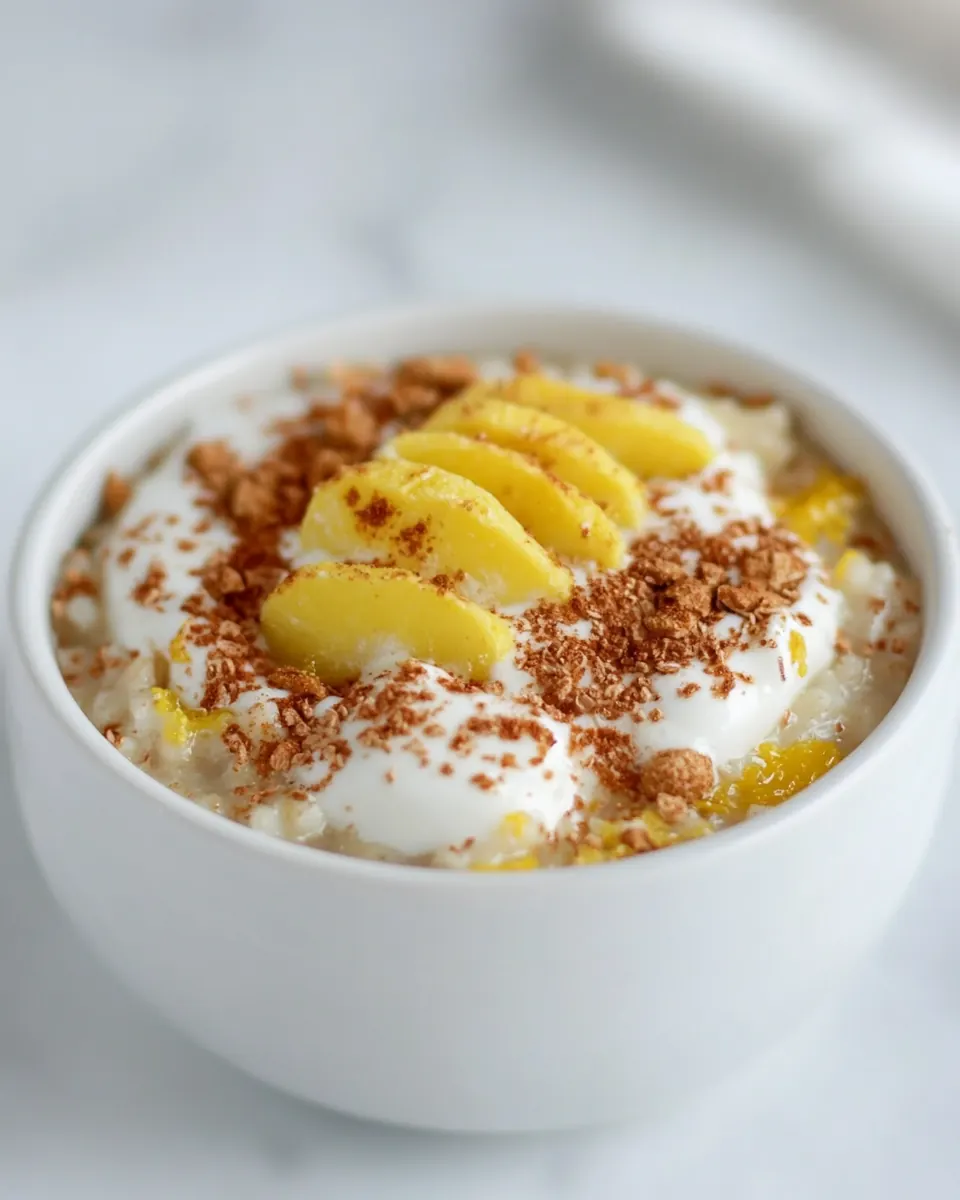
Gingersnap Breakfast Risotto
Gingersnap Breakfast Risotto started as an experiment on a slow, gray morning when I needed something warm, comforting, and a little unexpected.
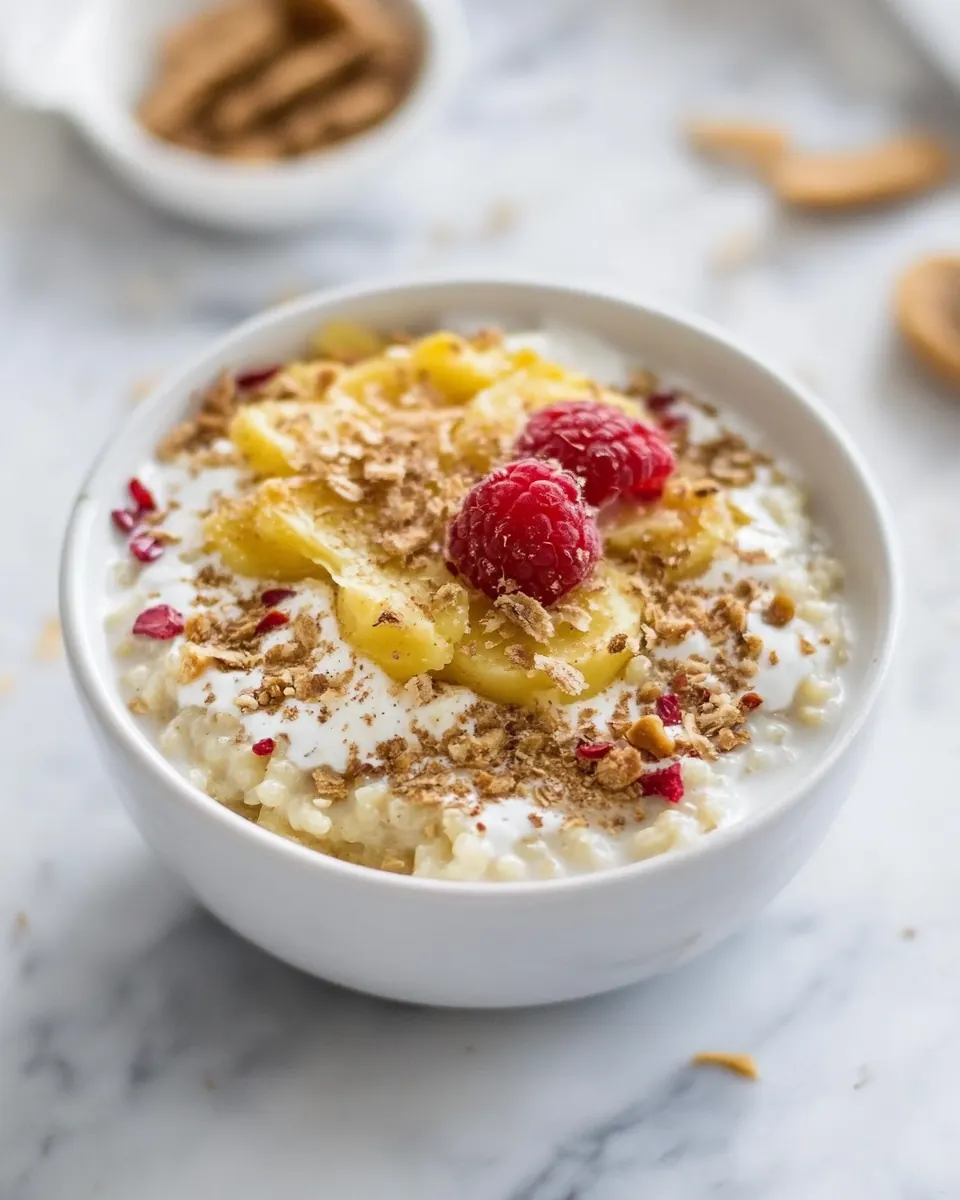
I remember standing at my stove with a small pan of arborio rice and a knob of fresh ginger in hand, thinking how lovely it would be to turn risotto into a breakfast that feels cozy but playful. I wanted texture, spice, and a touch of sweetness without anything too heavy. The Gingersnap Breakfast Risotto that came out of that pan was creamy, fragrant with ginger, and finished with crunchy gingersnap cookies and bright fruit, and that contrast made me smile with every spoonful.
Since then, I make it whenever winter mornings demand something special. I like to layer toppings so each bite has a different note, sometimes adding a drizzle of extra coconut cream for silkiness or a scattering of pomegranate arils for a burst of tartness. Friends who tried it at a weekend brunch were surprised that a dish so simple could feel so celebratory. It’s become one of those breakfasts I reach for when I want to linger over coffee and conversation, because it invites slow eating and small pleasures.
Recipe Snapshot
45 mins
10 mins
35 mins
Medium
300 kcal
American
Gluten-Free, Low FODMAP
Breakfast
Saucepan, Wooden spoon, Measuring cups
What Makes This Gingersnap Breakfast Risotto Special
Comfort with a Twist
I love that Gingersnap Breakfast Risotto turns a classic savory method into a morning treat. The creamy texture you expect from risotto is still there, but the warm spice of gingersnap cookies and the rounded sweetness from brown sugar make each spoonful feel like a hug. I often tell people this is breakfast that comforts, without being too heavy.
Textural Contrast
The interplay between the soft, velvety arborio rice and the crunchy bits of crushed gingersnap cookies is why I keep making this. I like the way the cookies break down slightly into the hot rice, releasing spice, while still leaving little shards that snap against the tongue. That contrast keeps each mouthful interesting, and I often experiment with how much crunch to leave.
Bright Toppings Balance Richness
Adding orange slices and pomegranate arils brings acidity and juiciness that cuts through the lusciousness of the coconut milk. I find those bright notes essential, they wake up the palate and make the risotto feel like a full breakfast rather than a dessert. When I serve it to guests, those vibrant colors on top always steal a few compliments.
Simple Ingredients, Big Flavor
This recipe uses approachable pantry items like arborio rice, coconut milk, and a handful of gingersnap cookies. I like that there is no need for complicated technique, just steady stirring and attention. The flavors layer naturally, and the result is more than the sum of its parts, which is my favorite kind of recipe to keep on rotation.
Flexible and Festive
I especially love serving Gingersnap Breakfast Risotto during colder months because it feels warming and a little celebratory. It’s equally happy on a calm weekday when you want to treat yourself, or on a holiday morning when you want something showy but simple to make. It’s become my go to when I want a breakfast that feels both cozy and special.
Gingersnap Breakfast Risotto Shopping List
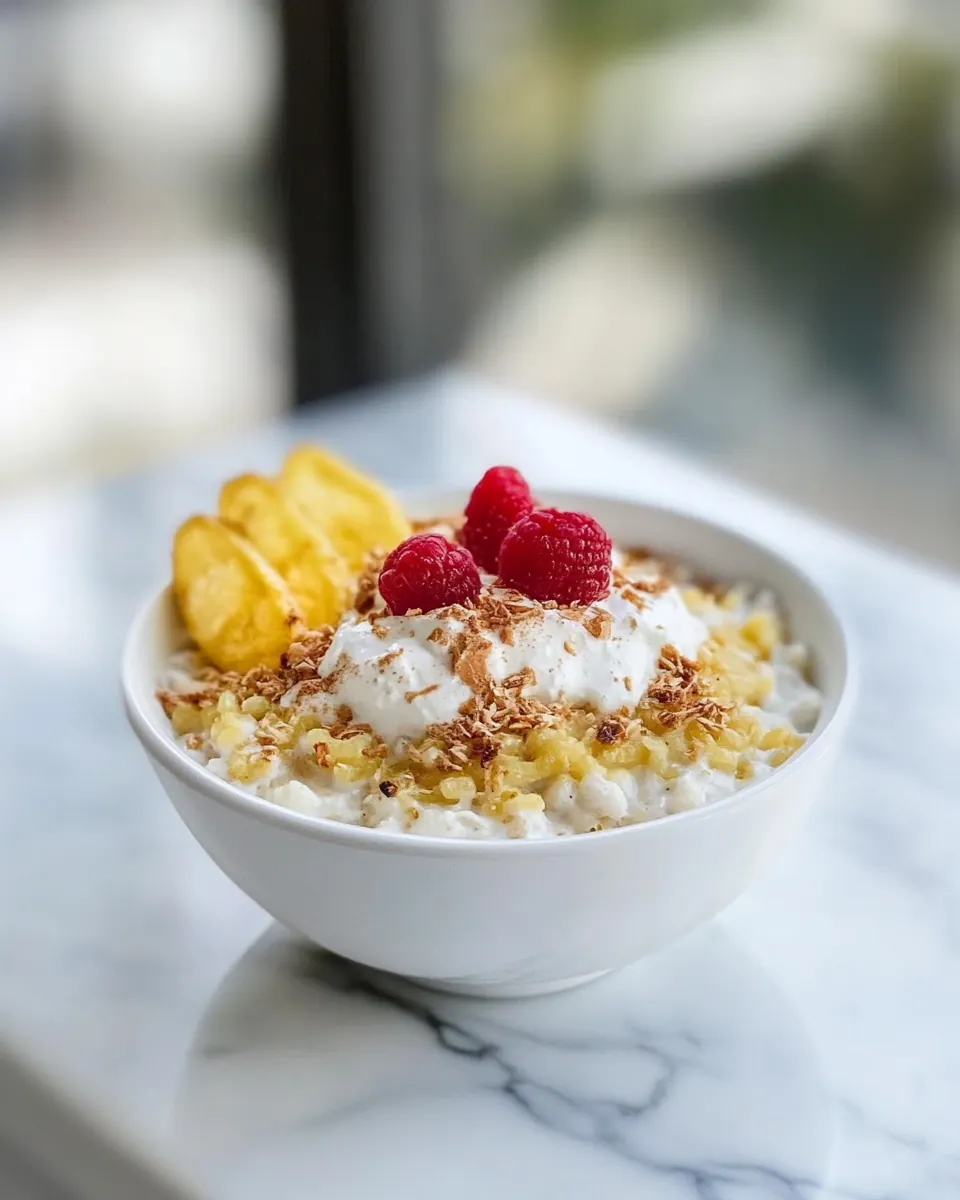
These ingredients come together to create a breakfast that feels indulgent without being fussy. The philosophy is straightforward: a starchy, creamy base from arborio rice and coconut milk, warming spice from gingersnap cookies and fresh ginger, and small amounts of sweeteners and fat to round the dish out. The key players are the rice for texture, the coconut milk for silkiness, and the gingersnaps for flavor and crunch.
- 2 tablespoons unsalted butter: Melted to provide a rich, silky base for toasting the rice and adding creamy mouthfeel; browned lightly it contributes a subtle nutty depth that complements the warm spices.
- 1 cup arborio rice: Stirred and toasted to absorb hot liquids and release starches that create the risotto's signature creamy texture; cooked slowly with frequent stirring ensures an even, luscious finish.
- 1 knob fresh ginger: Grated or minced to infuse bright, spicy warmth throughout the risotto; fresh ginger lifts the sweet coconut and crunchy cookie flavors while adding a lively aromatic note.
- 2 cup water: Simmered or used to adjust consistency as part of the cooking liquid; plain water dilutes richness and helps control the final creaminess without altering flavor.
- 2 cups full fat coconut milk, plus extra for serving: Simmered with the rice to supply rich, tropical creaminess and fat that yields a luxurious, velvety risotto; extra for serving adds an indulgent finishing swirl.
- 2 tablespoons brown sugar: Dissolved to introduce caramelized sweetness and deep molasses undertones that balance the ginger and coconut flavors; adjust amount for preferred sweetness level.
- 1 tablespoon vanilla bean paste: Stirred in to impart concentrated floral vanilla character and attractively rounded flavor; paste provides visible flecks and more intense taste than extract.
- 1/8 teaspoons salt: Sprinkled sparingly to enhance and balance the sweetness while rounding flavor; a small amount sharpens other ingredients and preserves overall harmony.
- 2/3 cup crushed gingersnap cookies: Crushed and folded in for crunchy texture and concentrated gingersnap spice, adding contrast to the creamy risotto; also used as a garnish for extra snap and flavor.
- for serving: orange slices, pomegranate arils, extra coconut cream: Arranged or spooned over the finished dish to provide bright acidity, jewel-like color, and an extra hit of creamy coconut when dolloped alongside the risotto.
How to Cook Gingersnap Breakfast Risotto
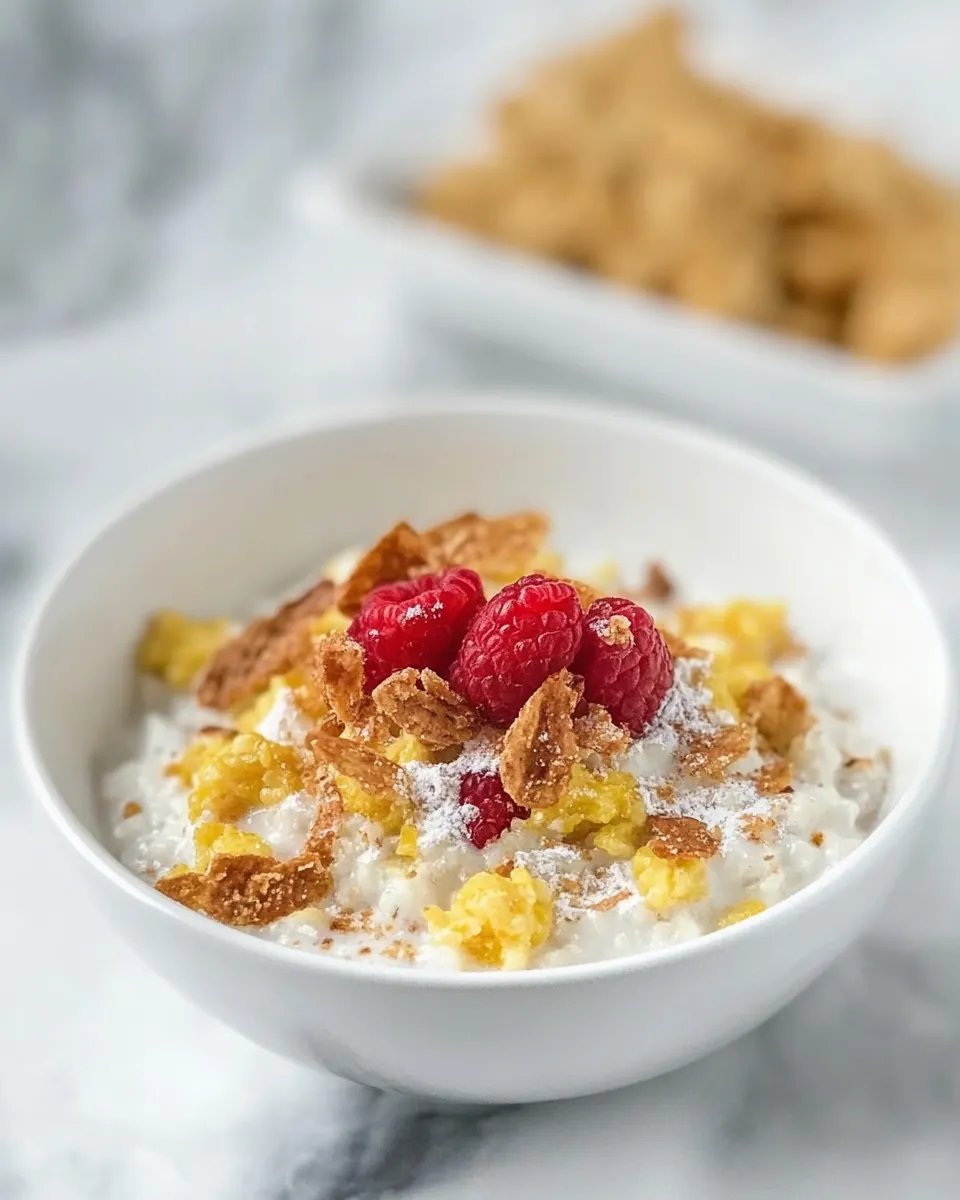
This risotto requires patience and attention, but the technique is straightforward. Keep your heat gentle, stir consistently, and taste as you go so the texture ends up creamy and perfectly tender.
- Heat a saucepan over medium-low heat and add the butter. Add the rice and stir to coat. Cook until the rice begins to toast, stirring often, for about 2 to 3 minutes. Pour in the water, knob of ginger and stir. Cook until the water is almost all absorbed by the rice, stirring often. Add in the coconut milk and repeat: stir continuously until the liquid is absorbed. Remove the ginger knob. Stir in the sugar, vanilla bean paste and salt. At this point, you can also stir in a handful of crushed gingersnap cookies!: You will notice a soft sizzling and a fragrant, slightly nutty aroma as the unsalted butter warms, which primes the pan to toast the grains briefly. This step adds depth by developing subtle caramelized notes on the rice surfaces, enhancing the final flavor. A common issue is letting the pan get too hot, which will brown the butter and create bitter tones, so keep the flame low and move quickly to the next step.
- Scoop the risotto into bowls and drizzle with a bit of milk. Cover with orange slices, pomegranate arils, extra coconut cream and more crushed cookies. I like to layer the toppings on! Finish off with a full gingersnap cookie. Serve immediately.: The moment the arborio rice hits the warm butter, it should become glossy as each grain is coated, and you may hear a gentle crackle. Coating the rice helps it release starch slowly during cooking, which builds that signature creaminess. Avoid walking away here, because uneven toasting can lead to irregular texture later on.
- Cook until the rice begins to toast, stirring often, for about 2 to 3 minutes: You should see the edges of grains take on a very light golden tint and smell a toasty, almost nutty scent. This brief toasting tightens the outer layer of the rice so it holds shape while still releasing starch. Don’t let the rice color darken too far, or the flavor will shift toward bitter notes.
- Pour in the water, knob of ginger and stir: As the hot water meets the rice, steam will rise and the kitchen will smell gently of ginger. The water hydrates the grains slowly, allowing them to swell and begin releasing starch while the ginger infuses aromatic spice. Keep the heat at a simmer so the liquid absorbs evenly, and beware of leaving the pot unattended, which can lead to the bottom drying out.
- Cook until the water is almost all absorbed by the rice, stirring often: You will notice the texture shift from grainy to plump, and the surface will look slightly glossy as the liquid reduces. The reason for stirring is to prevent the bottom from catching and to encourage even starch release, which yields that luscious mouthfeel. If the rice is still firm after the water is gone, add a splash more liquid; undercooked centers are the most common problem at this stage.
- Add in the coconut milk and repeat stir continuously until the liquid is absorbed: When the full fat coconut milk goes in, the scent softens and the mixture becomes noticeably richer and silkier. Stirring encourages the starch to emulsify with the coconut fats, forming a creamy sauce that clings to each grain. If you stop stirring too long, the rice may stick and cook unevenly; keep a steady rhythm to coax out the right texture.
- Remove the ginger knob: Pulling out the fresh ginger at this point stops the infusion before it becomes overly sharp or fibrous in the mouth. You should have gotten a clean, warm spice note without any chewy strands. Forgetting to remove it can leave unpleasant fibers and a too intense ginger bite, so fish it out carefully before proceeding.
- Stir in the sugar, vanilla bean paste and salt: As you fold in brown sugar , vanilla bean paste , and a pinch of salt , the risotto rounds into a balanced, aromatic bowl with a gentle sweetness and floral vanilla undertone. These seasonings harmonize the coconut and ginger, making the dish feel cohesive. Add them gradually and taste, because too much sugar can mask the subtler flavors.
- At this point, you can also stir in a handful of crushed gingersnap cookies: When the crushed gingersnap cookies meet the warm rice, some crumbs dissolve to thicken the mixture while larger bits soften slightly but keep a satisfying crunch. The kitchen will fill with warm spice aromas, and the texture contrast becomes evident. Over stirring can break the cookies down completely, losing the pleasant crunch, so fold gently.
- Scoop the risotto into bowls and drizzle with a bit of milk: A final drizzle of extra coconut milk or milk of choice adds sheen and a touch of looseness to the rice, and you should see the surface glisten. This finishing move helps the risotto feel freshly made and silky when plated. If it sits too long, it will thicken, so time your bowls just before adding the drizzle.
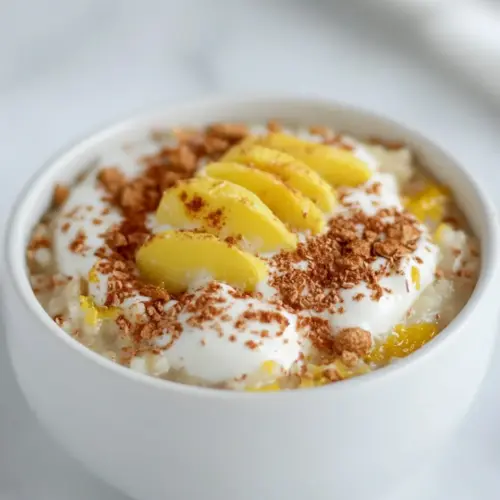
- Cover with orange slices, pomegranate arils, extra coconut cream and more crushed cookies: Layering orange slices and pomegranate arils on top brightens each serving, delivering pops of acidity and color against the pale rice. The extra coconut cream lends more richness, while additional crushed gingersnap cookies amplify the spice and crunch. Avoid adding fruit too early, because the heat will break down their texture and mute their brightness.
- Finish off with a full gingersnap cookie and serve immediately: Placing a whole gingersnap cookie on top makes for a pretty, playful finishing touch and signals the dessert like notes in this breakfast. Serve right away so the cookie keeps its snap and the warm rice stays creamy. If you wait, the cookie will absorb moisture and lose its texture, which diminishes the contrast that makes the dish special.
Make It Your Own
I like to think of these tips as invitation to personalize the dish while keeping the technique intact. Small adjustments can change the final impression without breaking the recipe.
- Control sweetness: Adjust the amount of brown sugar to your taste, adding less for a more subtle sweetness or a bit more if you prefer a dessert like breakfast.
- Texture tweaks: Leave larger pieces of gingersnap cookies if you enjoy more crunch, or crush them finer if you want the cookie to integrate and thicken the risotto.
- Serve immediately: Risotto is best right away; if you need to hold it briefly, keep it warm on very low heat and stir in a splash of coconut milk before serving to refresh creaminess.
- Prep fruit last: Slice orange and seed pomegranate just before plating so the vibrant flavors and textures remain bright and fresh.
- Ginger intensity: Use a slightly larger knob of fresh ginger for a more pronounced bite, but remember you remove it before finishing to avoid fibers.
Side Dish Ideas for Gingersnap Breakfast Risotto
This risotto shines on its own but pairs beautifully with simple complements that highlight texture and freshness. Think bright fruit, warm baked goods, or a leafy salad to cut richness.
- Fresh fruit platter: Offer extra orange slices and pomegranate arils so guests can add more acidity and juiciness to their bowls as desired.
- Warm muffins or toast: A lightly sweet or plain muffin gives guests something to nibble alongside the creamy risotto, adding chew and another textural layer.
- Yogurt or coconut cream: Small bowls of extra coconut cream or thick yogurt let people swirled in more richness for a silkier mouthfeel.
- Seasonal berries: In winter months, offer seasonal berries that will add tartness and bright color, complementing the warm spices in the risotto.
- Casual brunch setting: Serve the risotto in shallow bowls with spoons and a small side of sliced fruit, perfect for a relaxed weekend breakfast or holiday morning.
- Storage tips: Leftovers will thicken as the starch sets, so store in an airtight container and refresh with a splash of coconut milk when reheating to restore creaminess.
- Occasions: This makes a cozy winter brunch for small gatherings, a special treat for weekend mornings, or a warming breakfast for slow holiday starts.
FAQ
Conclusion
Gingersnap Breakfast Risotto is special because it marries the comforting creaminess of classic risotto with the warm spice and crunch of gingersnap cookies, finished with bright fruit for balance. This combination makes each bite both indulgent and lively, perfect for slow winter mornings or a celebratory brunch. Try it when you want a breakfast that feels thoughtful and memorable, and don’t be afraid to layer on toppings to make it your own. It’s simple to execute, and the reward is a bowl that invites lingering at the table and sharing with people you love.
Gingersnap Breakfast Risotto
Equipment
- Saucepan
- Wooden Spoon
- Measuring Cups
Ingredients
- 2 tablespoons unsalted butter Melted to provide a rich, silky base for toasting the rice and adding creamy mouthfeel; browned lightly it contributes a subtle nutty depth that complements the warm spices.
- 1 cup arborio rice Stirred and toasted to absorb hot liquids and release starches that create the risotto's signature creamy texture; cooked slowly with frequent stirring ensures an even, luscious finish.
- 1 knob fresh ginger Grated or minced to infuse bright, spicy warmth throughout the risotto; fresh ginger lifts the sweet coconut and crunchy cookie flavors while adding a lively aromatic note.
- 2 cup water Simmered or used to adjust consistency as part of the cooking liquid; plain water dilutes richness and helps control the final creaminess without altering flavor.
- 2 cups full fat coconut milk, plus extra for serving Simmered with the rice to supply rich, tropical creaminess and fat that yields a luxurious, velvety risotto; extra for serving adds an indulgent finishing swirl.
- 2 tablespoons brown sugar Dissolved to introduce caramelized sweetness and deep molasses undertones that balance the ginger and coconut flavors; adjust amount for preferred sweetness level.
- 1 tablespoon vanilla bean paste Stirred in to impart concentrated floral vanilla character and attractively rounded flavor; paste provides visible flecks and more intense taste than extract.
- 1/8 teaspoons salt Sprinkled sparingly to enhance and balance the sweetness while rounding flavor; a small amount sharpens other ingredients and preserves overall harmony.
- 2/3 cup crushed gingersnap cookies Crushed and folded in for crunchy texture and concentrated gingersnap spice, adding contrast to the creamy risotto; also used as a garnish for extra snap and flavor.
- for serving: orange slices, pomegranate arils, extra coconut cream Arranged or spooned over the finished dish to provide bright acidity, jewel-like color, and an extra hit of creamy coconut when dolloped alongside the risotto.
Instructions
- Heat a saucepan over medium-low heat and add the butter. Add the rice and stir to coat. Cook until the rice begins to toast, stirring often, for about 2 to 3 minutes. Pour in the water, knob of ginger and stir. Cook until the water is almost all absorbed by the rice, stirring often. Add in the coconut milk and repeat: stir continuously until the liquid is absorbed. Remove the ginger knob. Stir in the sugar, vanilla bean paste and salt. At this point, you can also stir in a handful of crushed gingersnap cookies!: You will notice a soft sizzling and a fragrant, slightly nutty aroma as the unsalted butter warms, which primes the pan to toast the grains briefly. This step adds depth by developing subtle caramelized notes on the rice surfaces, enhancing the final flavor. A common issue is letting the pan get too hot, which will brown the butter and create bitter tones, so keep the flame low and move quickly to the next step.
- Scoop the risotto into bowls and drizzle with a bit of milk. Cover with orange slices, pomegranate arils, extra coconut cream and more crushed cookies. I like to layer the toppings on! Finish off with a full gingersnap cookie. Serve immediately.: The moment the arborio rice hits the warm butter, it should become glossy as each grain is coated, and you may hear a gentle crackle. Coating the rice helps it release starch slowly during cooking, which builds that signature creaminess. Avoid walking away here, because uneven toasting can lead to irregular texture later on.
- Cook until the rice begins to toast, stirring often, for about 2 to 3 minutes: You should see the edges of grains take on a very light golden tint and smell a toasty, almost nutty scent. This brief toasting tightens the outer layer of the rice so it holds shape while still releasing starch. Don’t let the rice color darken too far, or the flavor will shift toward bitter notes.
- Pour in the water, knob of ginger and stir: As the hot water meets the rice, steam will rise and the kitchen will smell gently of ginger. The water hydrates the grains slowly, allowing them to swell and begin releasing starch while the ginger infuses aromatic spice. Keep the heat at a simmer so the liquid absorbs evenly, and beware of leaving the pot unattended, which can lead to the bottom drying out.
- Cook until the water is almost all absorbed by the rice, stirring often: You will notice the texture shift from grainy to plump, and the surface will look slightly glossy as the liquid reduces. The reason for stirring is to prevent the bottom from catching and to encourage even starch release, which yields that luscious mouthfeel. If the rice is still firm after the water is gone, add a splash more liquid; undercooked centers are the most common problem at this stage.
- Add in the coconut milk and repeat stir continuously until the liquid is absorbed: When the full fat coconut milk goes in, the scent softens and the mixture becomes noticeably richer and silkier. Stirring encourages the starch to emulsify with the coconut fats, forming a creamy sauce that clings to each grain. If you stop stirring too long, the rice may stick and cook unevenly; keep a steady rhythm to coax out the right texture.
- Remove the ginger knob: Pulling out the fresh ginger at this point stops the infusion before it becomes overly sharp or fibrous in the mouth. You should have gotten a clean, warm spice note without any chewy strands. Forgetting to remove it can leave unpleasant fibers and a too intense ginger bite, so fish it out carefully before proceeding.
- Stir in the sugar, vanilla bean paste and salt: As you fold in brown sugar , vanilla bean paste , and a pinch of salt , the risotto rounds into a balanced, aromatic bowl with a gentle sweetness and floral vanilla undertone. These seasonings harmonize the coconut and ginger, making the dish feel cohesive. Add them gradually and taste, because too much sugar can mask the subtler flavors.
- At this point, you can also stir in a handful of crushed gingersnap cookies: When the crushed gingersnap cookies meet the warm rice, some crumbs dissolve to thicken the mixture while larger bits soften slightly but keep a satisfying crunch. The kitchen will fill with warm spice aromas, and the texture contrast becomes evident. Over stirring can break the cookies down completely, losing the pleasant crunch, so fold gently.
- Scoop the risotto into bowls and drizzle with a bit of milk: A final drizzle of extra coconut milk or milk of choice adds sheen and a touch of looseness to the rice, and you should see the surface glisten. This finishing move helps the risotto feel freshly made and silky when plated. If it sits too long, it will thicken, so time your bowls just before adding the drizzle.
- Cover with orange slices, pomegranate arils, extra coconut cream and more crushed cookies: Layering orange slices and pomegranate arils on top brightens each serving, delivering pops of acidity and color against the pale rice. The extra coconut cream lends more richness, while additional crushed gingersnap cookies amplify the spice and crunch. Avoid adding fruit too early, because the heat will break down their texture and mute their brightness.
- Finish off with a full gingersnap cookie and serve immediately: Placing a whole gingersnap cookie on top makes for a pretty, playful finishing touch and signals the dessert like notes in this breakfast. Serve right away so the cookie keeps its snap and the warm rice stays creamy. If you wait, the cookie will absorb moisture and lose its texture, which diminishes the contrast that makes the dish special.
Notes
- Control sweetness: Adjust the amount of brown sugar to your taste, adding less for a more subtle sweetness or a bit more if you prefer a dessert like breakfast.
- Texture tweaks: Leave larger pieces of gingersnap cookies if you enjoy more crunch, or crush them finer if you want the cookie to integrate and thicken the risotto.
- Serve immediately: Risotto is best right away; if you need to hold it briefly, keep it warm on very low heat and stir in a splash of coconut milk before serving to refresh creaminess.
- Prep fruit last: Slice orange and seed pomegranate just before plating so the vibrant flavors and textures remain bright and fresh.
- Ginger intensity: Use a slightly larger knob of fresh ginger for a more pronounced bite, but remember you remove it before finishing to avoid fibers.