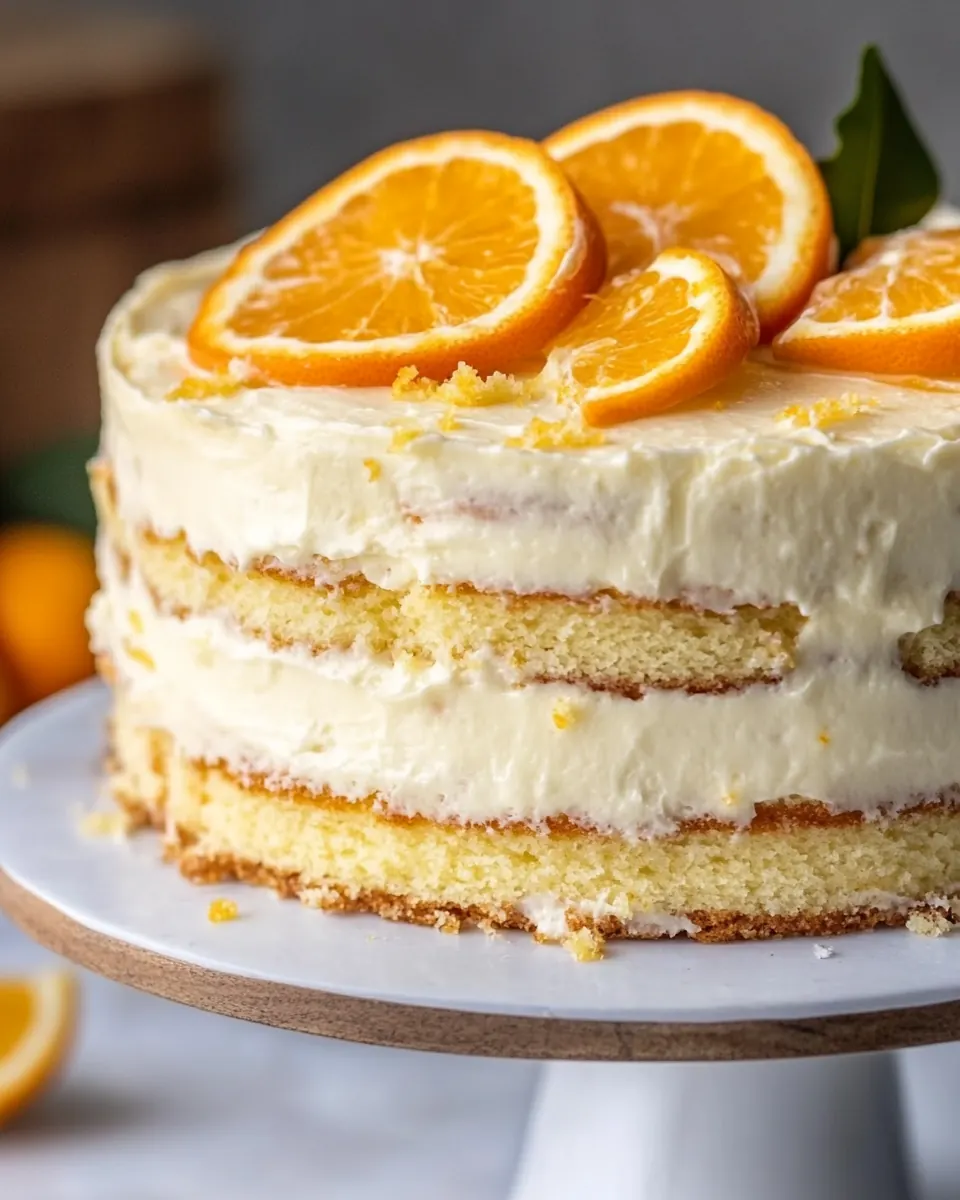
Fresh Orange Layer Cake
Fresh Orange Layer Cake is the kind of dessert that makes a weekend feel celebratory even when it starts as a quiet Saturday morning in the kitchen. I first made this cake when a neighbor gifted me a bag of navel oranges, and that bold burst of citrus made me rethink what a simple layer cake could do. The first sentence you read here names the cake and also hints at why it matters to me: it brightens ordinary days.
When I bake Fresh Orange Layer Cake I think about the texture as much as the taste. The crumb should be tender yet sturdy enough to hold a glossy orange buttercream, and the aroma while it bakes should fill the whole house with fresh citrus notes. I remember laughing with a friend as we licked batter off the spoon, surprised the flavor felt so grown up and homey at once.
Over the years I adjusted small things, like swapping some milk for extra orange juice, or grating zest more finely so the cake feels silky rather than gritty. Those tiny moves changed the mouthfeel and aroma, and suddenly the cake was something I reached for when I wanted to impress without fuss. It’s also one of those recipes where the process comforts you: measuring, whisking, and watching the layers rise gives a calming rhythm.
Recipe Snapshot
55 mins
25 mins
30 mins
Medium
350 kcal
American
Gluten-Free, Low FODMAP
Desserts
Electric mixer, 9-inch round cake pans, Sifter, Mixing bowls, Cooling rack
What Makes This Fresh Orange Layer Cake Special
Bright citrus flavor that feels fresh
I love how Fresh Orange Layer Cake bursts with orange in both the cake and the frosting. The double hit of zest and juice means you get immediate citrus on the nose and a lingering orange note on the palate, so every forkful tastes lively.
Textural balance that holds up
The combination of cake flour and careful creaming produces a crumb that is soft yet supportive. I value a cake that slices cleanly, because it makes serving easier and keeps that pretty layered look intact during celebrations.
Approachable technique for home bakers
There’s nothing fiddly here. The steps are straightforward and forgiving, so I recommend this recipe to friends who want a showstopping dessert without the stress. I learned that treating the batter gently while still mixing thoroughly keeps the crumb tender.
Versatile for occasions
This cake adapts well to parties, brunches, or casual tea times. I often bring it when I want to show up with something homemade but not overly elaborate. The bright flavor pairs well with light gatherings and seasons like spring, which is why I reach for it when citrus is at its peak.
Buttercream that elevates everything
The orange buttercream is creamy and tangy, making each bite a balance of sweetness and acidity. I like to adjust the juice slightly to get the frosting to a spreadable consistency, and that little bit of tinkering always rewards you with an irresistible finish.
Fresh Orange Layer Cake Shopping List
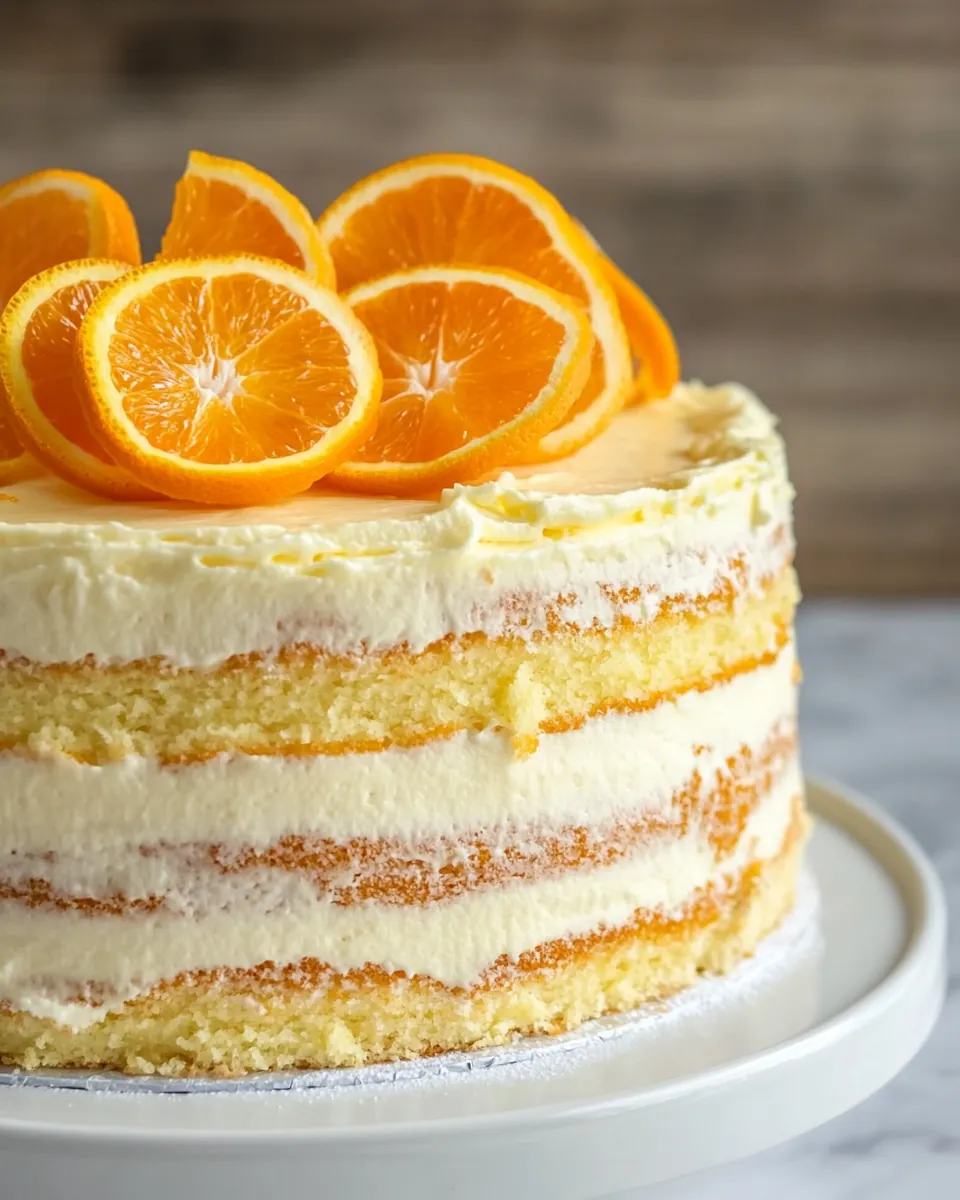
These ingredients are chosen to create a bright, tender cake that holds up to a luscious citrus frosting. Each component plays a clear role: the cake flour gives a delicate crumb, the shortening and butter contribute tenderness and flavor, and the citrus elements bring aromatic lift. Taken together, they produce a cake that is both sturdy for layering and soft to the bite.
- 3 cups cake flour: Provides structure and tenderness to the cake by supplying gluten and starch; sift to aerate and ensure even texture. Works in concert with leaveners to create a light crumb and absorb liquids for proper batter consistency.
- 3 teaspoons baking powder: Acts as a chemical leavening agent that releases carbon dioxide when mixed and heated, helping the cake rise evenly. Use measured amount to avoid over-rising or metallic aftertaste in the finished cake.
- 1/2 teaspoons salt: Balances flavors and enhances other ingredients while controlling yeast and gluten interactions; adds necessary ionic strength. Use sparingly to prevent excessive salinity affecting the cake's sweetness.
- 1 1/2 cups granulated white sugar: Contributes sweetness, moisture retention, and browning; creaming with fat helps incorporate air for a lighter cake. Also helps balance acidity from citrus and complements other flavorings.
- 3/4 cups shortening: Provides fat for tenderness, flakiness, and moisture while contributing to creaming aeration; use as specified for traditional crumb and texture. Shortening offers stability at room temperature and helps the cake stay soft.
- 3 large eggs: Adds structure, moisture, and richness while aiding emulsification and leavening through trapped air and protein coagulation. Room temperature eggs incorporate more evenly and help create a uniform crumb.
- 1 tablespoon grated orange zest: Imparts bright citrus aroma and concentrated orange oils that elevate the cake's flavor profile; grate finely to avoid bitter pith. Zest enhances overall orange character without adding extra liquid.
- 1/2 cup freshly squeezed orange juice: Delivers fresh citrus flavor and acidity to brighten the batter, aiding in flavor balance and slight tenderizing. Freshly squeezed juice provides authentic orange taste that packaged juices may lack.
- 2/3 cup milk: Contributes liquid for proper batter consistency and adds subtle dairy richness that softens crumb; helps dissolve sugars and distribute ingredients. Use the specified amount to maintain intended texture and moisture.
- 1/2 cup (1 stick) salted butter, at room temperature: Adds rich buttery flavor, richness, and contributes to creaminess in frostings when creamed with sugar; room–temperature butter blends smoothly for stable icing. Salted butter adds a touch of savory balance to sweetness.
- 2 teaspoons grated orange zest: Provides concentrated orange flavor and aromatic oils to intensify citrus notes in the frosting; fine zest disperses flavor evenly. Adds depth beyond juice alone and complements powdered sugar for a balanced frosting.
- 1/8 teaspoons salt: Enhances and balances sweetness while reinforcing structure slightly in frostings and fillings; small amounts prevent blandness. Salt helps amplify orange flavor and round out the overall taste experience.
- 1 large pasteurized egg yolk (see recipes Notes below): Supplies richness, emulsifying properties, and silkiness to the frosting while adding depth of flavor; use pasteurized yolk for safety and stability. Incorporating yolk improves mouthfeel and helps bind the sugar and butter.
- 16 ounces powdered sugar: Sweetens and stabilizes the frosting, providing bulk and structure while creating a smooth texture when sifted and beaten. Powdered sugar helps achieve the desired consistency and sweetness level for spreading or piping.
- 1/4 cup freshly squeezed orange juice: Adds bright, fresh citrus flavor and necessary liquid to adjust frosting consistency while imparting natural acidity for balance. Fresh juice ensures a clean orange taste and helps achieve the proper spreadable texture.
The Method for Fresh Orange Layer Cake
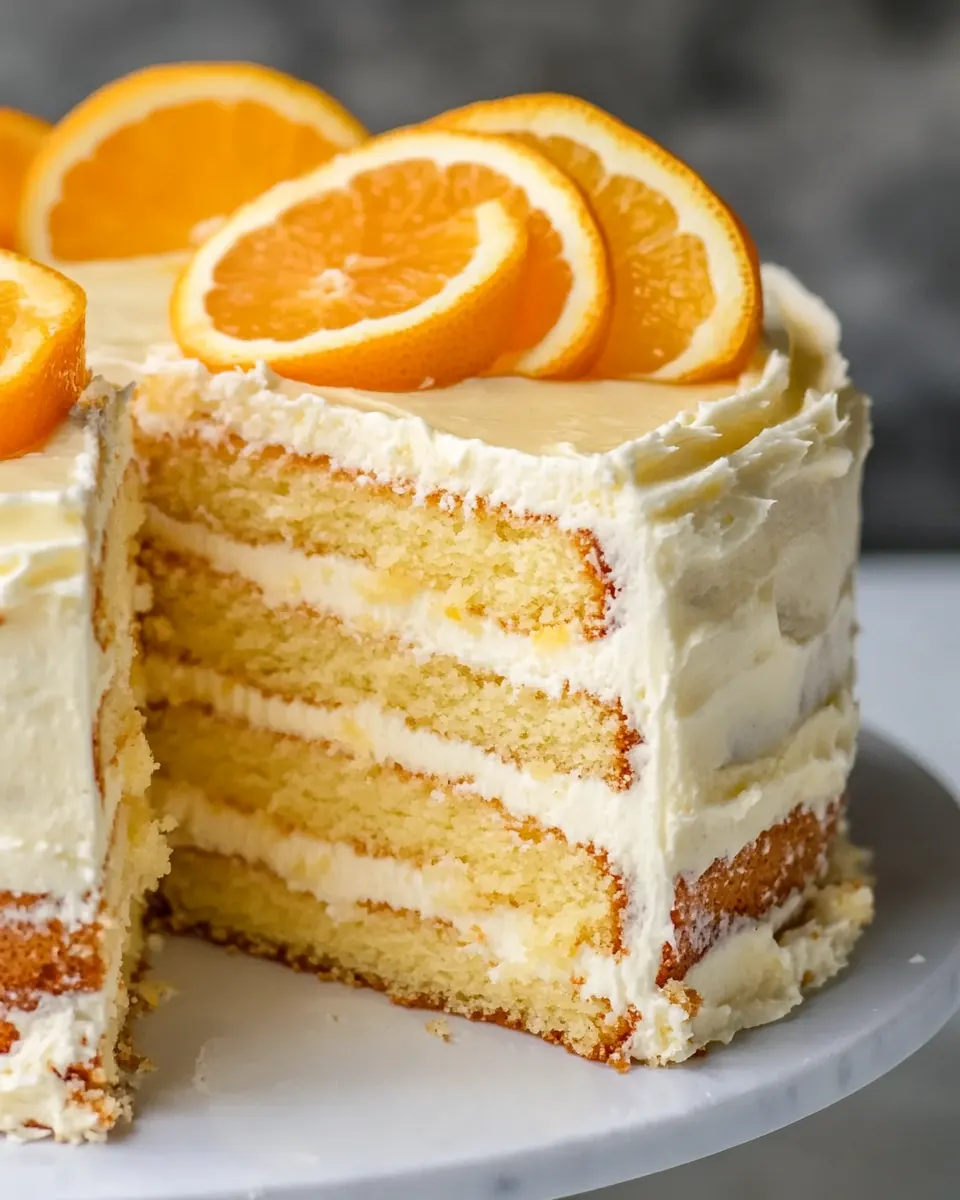
I like to approach the method like a mini ritual, so I set out my bowls and tools before I begin. The order of operations matters here, and taking small pauses between major steps helps the batter stay even. Now we will walk through each direction and I will share what to look for, how it should smell, and what common errors to avoid.
- Preheat the oven to 350°F. Grease and flour two 9-inch round pans.: Warmth spreading through the oven signals readiness, and that first breath of heat has a dry, neutral smell. Greasing and flouring ensures the layers unmold cleanly and maintain their shape; a properly prepared pan will release the cake with smooth sides. Press a little flour into any oily spots to avoid bare patches that can stick, and tap out excess flour so the crust does not become gritty. A frequent mistake is under prepping the pans, which leads to tearing or crumbling when you try to remove layers. Check for even oven temperature by placing a thermometer inside if your oven runs hot or cool.
- Sift together the flour, baking powder and salt. Set aside.: The sifted flour mixture has a light, airy texture and a faint wheaty scent, and sifting breaks up clumps so the leavening disperses evenly. Mixing these dry ingredients first prevents pockets of baking powder that could cause uneven rise or metallic flavor. If you skip sifting, you may end up with dense spots in the crumb, especially where baking powder lumps occur. A good test is to whisk until the mixture looks uniform and smooth, with no visible clumps.
- In a large bowl, use an electric mixer to beat the sugar, shortening, eggs and orange zest at high speed for 3 minutes. Beat in the flour mixture a little at a time, alternating with orange juice and milk, beating after each addition until the batter is smooth.: As you beat, the mixture will lighten in color and take on a billowy texture, releasing bright orange perfume from the zest. This creaming step traps tiny air bubbles that expand in the oven, contributing to lift, and the sound will be a steady hum with occasional peaks as volume builds. Underbeating leaves the batter heavy, while overbeating can cause too much air and a coarse crumb. Keep an eye on the mixture, and scrape the bowl sides once during the time to ensure everything is evenly incorporated.
- Divide the batter between the prepared pans. Bake for 30 minutes, or until a toothpick inserted into the center comes out clean. Let cool, and then frost with orange buttercream frosting.: The batter will feel silky and slightly thick, with the citrus aroma deepening as juice joins the mix. Alternating wet and dry ingredients helps maintain emulsion and prevents the batter from splitting, producing a uniform crumb when baked. If you add all the liquid at once you risk a runny batter and uneven texture, while adding all the flour at once can make it lumpy and overworked. Watch for the batter to come together smoothly without streaks of flour, and be careful not to overmix once it becomes homogeneous.
- Use an electric mixer to combine the butter, zest, salt and egg yolk in a medium bowl. Add the sugar alternately with orange juice beating until of spreading or piping consistency.: You will hear the oven settle into a quiet roar as the cakes rise, and the tops should turn a light golden hue with a tender spring when pressed gently. The toothpick test confirms doneness; it should come out with a few moist crumbs but no raw batter. Cooling is crucial because warm cake will melt the frosting, so transfer layers to a rack and let air circulate underneath. A common mistake is frosting too soon, which results in runny edges and uneven layering. Wait until the layers are fully cool to the touch before you assemble and ice them.
- Use an electric mixer to combine the butter, zest, salt and egg yolk in a medium bowl. Add the sugar alternately with orange juice beating until of spreading or piping consistency.: As you whip, the butter will become glossy and the mixture fragrant with orange oils, and the rhythm of the mixer changes as the texture moves from chunky to creamy. Adding powdered sugar in portions lets you control the frosting thickness, and alternating with orange juice ensures a smooth, glossy finish that is easy to spread or pipe. If you rush and dump everything in, the frosting can split or become overly runny; if it feels too stiff, add a teaspoon of juice at a time. Watch for a silky mouthfeel and shine, and taste to balance sweetness with citrus tang. A typical error is not fully incorporating the yolk, which can leave small pockets that affect texture, so scrape the bowl sides and beat until smooth.
How to Switch It Up
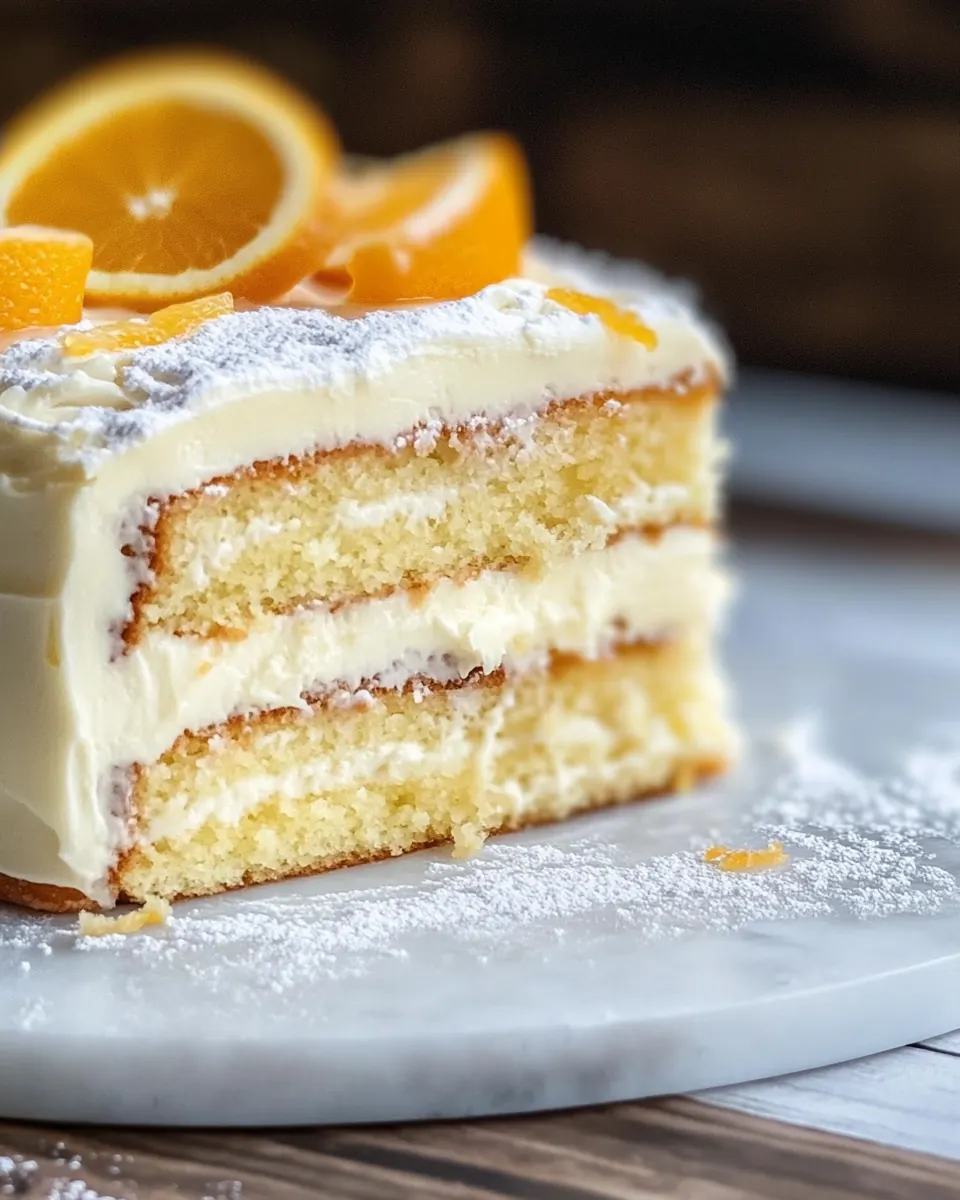
If you want to vary the profile of Fresh Orange Layer Cake, small swaps can have a big impact. These ideas help you tweak texture, presentation and intensity without changing the heart of the recipe. Below are practical, tested suggestions to inspire you.
- Boost the orange aroma: Add a small extra teaspoon of finely grated orange zest to the cake batter for a more pronounced citrus note without altering moisture.
- Softer crumb option: Replace a tablespoon of cake flour with cornstarch for a silkier, more tender texture, but be careful not to overmeasure the flour.
- Make-ahead trick: Bake the layers a day ahead and wrap them tightly, then assemble and frost on the day of serving to simplify timing.
- Frosting consistency: If the buttercream seems thin, refrigerate it briefly then rewhip, which firms the butter without diluting flavor.
- Presentation idea: Pipe a decorative border with the buttercream, then scatter a little extra grated orange zest on top for bright visual contrast.
Side Dish Ideas for Fresh Orange Layer Cake
This cake pairs best with uncomplicated companions that let its citrus character shine. Think light, fresh, and slightly textural to balance the cake’s softness. Below are serving ideas, occasion matches, and storage notes to help you plan when to make and how to present it.
- Serve with a light tea: A mild herbal or black tea complements the cake without competing with orange notes, ideal for afternoon gatherings.
- Brunch centerpiece: Place the cake on a brunch table with simple fruit platters, making it a refreshing sweet option for late morning occasions.
- Spring celebrations: The bright citrus profile suits springtime events and holiday brunches, where lighter flavors are preferred.
- Storage tip: Keep the cake covered at room temperature for up to two days, or refrigerate for longer storage and bring back to room temperature before serving for best texture.
- Transporting: Chill briefly after frosting so the buttercream firms, then box the cake for clean travel to parties or potlucks.
FAQ
Conclusion
Fresh Orange Layer Cake stands out for its vibrant citrus personality and tender, reliable crumb. Try it when you want a dessert that feels both festive and approachable, and enjoy how a few bright ingredients can transform a simple cake into something memorable. I hope you bake it soon and discover the little rituals that make this cake a comfort and a celebration rolled into one.
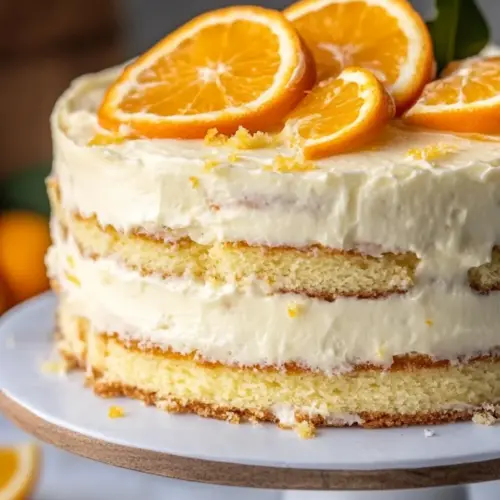
Fresh Orange Layer Cake
Equipment
- Electric Mixer
- 9-inch Round Cake Pans
- Sifter
- Mixing Bowls
- Cooling rack
Ingredients
- 3 cups cake flour Provides structure and tenderness to the cake by supplying gluten and starch; sift to aerate and ensure even texture. Works in concert with leaveners to create a light crumb and absorb liquids for proper batter consistency.
- 3 teaspoons baking powder Acts as a chemical leavening agent that releases carbon dioxide when mixed and heated, helping the cake rise evenly. Use measured amount to avoid over-rising or metallic aftertaste in the finished cake.
- 1/2 teaspoons salt Balances flavors and enhances other ingredients while controlling yeast and gluten interactions; adds necessary ionic strength. Use sparingly to prevent excessive salinity affecting the cake's sweetness.
- 1 1/2 cups granulated white sugar Contributes sweetness, moisture retention, and browning; creaming with fat helps incorporate air for a lighter cake. Also helps balance acidity from citrus and complements other flavorings.
- 3/4 cups shortening Provides fat for tenderness, flakiness, and moisture while contributing to creaming aeration; use as specified for traditional crumb and texture. Shortening offers stability at room temperature and helps the cake stay soft.
- 3 large eggs Adds structure, moisture, and richness while aiding emulsification and leavening through trapped air and protein coagulation. Room temperature eggs incorporate more evenly and help create a uniform crumb.
- 1 tablespoon grated orange zest Imparts bright citrus aroma and concentrated orange oils that elevate the cake's flavor profile; grate finely to avoid bitter pith. Zest enhances overall orange character without adding extra liquid.
- 1/2 cup freshly squeezed orange juice Delivers fresh citrus flavor and acidity to brighten the batter, aiding in flavor balance and slight tenderizing. Freshly squeezed juice provides authentic orange taste that packaged juices may lack.
- 2/3 cup milk Contributes liquid for proper batter consistency and adds subtle dairy richness that softens crumb; helps dissolve sugars and distribute ingredients. Use the specified amount to maintain intended texture and moisture.
- 1/2 cup (1 stick) salted butter, at room temperature Adds rich buttery flavor, richness, and contributes to creaminess in frostings when creamed with sugar; room-temperature butter blends smoothly for stable icing. Salted butter adds a touch of savory balance to sweetness.
- 2 teaspoons grated orange zest Provides concentrated orange flavor and aromatic oils to intensify citrus notes in the frosting; fine zest disperses flavor evenly. Adds depth beyond juice alone and complements powdered sugar for a balanced frosting.
- 1/8 teaspoons salt Enhances and balances sweetness while reinforcing structure slightly in frostings and fillings; small amounts prevent blandness. Salt helps amplify orange flavor and round out the overall taste experience.
- 1 large pasteurized egg yolk (see recipes Notes below) Supplies richness, emulsifying properties, and silkiness to the frosting while adding depth of flavor; use pasteurized yolk for safety and stability. Incorporating yolk improves mouthfeel and helps bind the sugar and butter.
- 16 ounces powdered sugar Sweetens and stabilizes the frosting, providing bulk and structure while creating a smooth texture when sifted and beaten. Powdered sugar helps achieve the desired consistency and sweetness level for spreading or piping.
- 1/4 cup freshly squeezed orange juice Adds bright, fresh citrus flavor and necessary liquid to adjust frosting consistency while imparting natural acidity for balance. Fresh juice ensures a clean orange taste and helps achieve the proper spreadable texture.
Instructions
- Preheat the oven to 350°F. Grease and flour two 9-inch round pans.: Warmth spreading through the oven signals readiness, and that first breath of heat has a dry, neutral smell. Greasing and flouring ensures the layers unmold cleanly and maintain their shape; a properly prepared pan will release the cake with smooth sides. Press a little flour into any oily spots to avoid bare patches that can stick, and tap out excess flour so the crust does not become gritty. A frequent mistake is under prepping the pans, which leads to tearing or crumbling when you try to remove layers. Check for even oven temperature by placing a thermometer inside if your oven runs hot or cool.
- Sift together the flour, baking powder and salt. Set aside.: The sifted flour mixture has a light, airy texture and a faint wheaty scent, and sifting breaks up clumps so the leavening disperses evenly. Mixing these dry ingredients first prevents pockets of baking powder that could cause uneven rise or metallic flavor. If you skip sifting, you may end up with dense spots in the crumb, especially where baking powder lumps occur. A good test is to whisk until the mixture looks uniform and smooth, with no visible clumps.
- In a large bowl, use an electric mixer to beat the sugar, shortening, eggs and orange zest at high speed for 3 minutes. Beat in the flour mixture a little at a time, alternating with orange juice and milk, beating after each addition until the batter is smooth.: As you beat, the mixture will lighten in color and take on a billowy texture, releasing bright orange perfume from the zest. This creaming step traps tiny air bubbles that expand in the oven, contributing to lift, and the sound will be a steady hum with occasional peaks as volume builds. Underbeating leaves the batter heavy, while overbeating can cause too much air and a coarse crumb. Keep an eye on the mixture, and scrape the bowl sides once during the time to ensure everything is evenly incorporated.
- Divide the batter between the prepared pans. Bake for 30 minutes, or until a toothpick inserted into the center comes out clean. Let cool, and then frost with orange buttercream frosting.: The batter will feel silky and slightly thick, with the citrus aroma deepening as juice joins the mix. Alternating wet and dry ingredients helps maintain emulsion and prevents the batter from splitting, producing a uniform crumb when baked. If you add all the liquid at once you risk a runny batter and uneven texture, while adding all the flour at once can make it lumpy and overworked. Watch for the batter to come together smoothly without streaks of flour, and be careful not to overmix once it becomes homogeneous.
- Use an electric mixer to combine the butter, zest, salt and egg yolk in a medium bowl. Add the sugar alternately with orange juice beating until of spreading or piping consistency.: You will hear the oven settle into a quiet roar as the cakes rise, and the tops should turn a light golden hue with a tender spring when pressed gently. The toothpick test confirms doneness; it should come out with a few moist crumbs but no raw batter. Cooling is crucial because warm cake will melt the frosting, so transfer layers to a rack and let air circulate underneath. A common mistake is frosting too soon, which results in runny edges and uneven layering. Wait until the layers are fully cool to the touch before you assemble and ice them.
- Use an electric mixer to combine the butter, zest, salt and egg yolk in a medium bowl. Add the sugar alternately with orange juice beating until of spreading or piping consistency.: As you whip, the butter will become glossy and the mixture fragrant with orange oils, and the rhythm of the mixer changes as the texture moves from chunky to creamy. Adding powdered sugar in portions lets you control the frosting thickness, and alternating with orange juice ensures a smooth, glossy finish that is easy to spread or pipe. If you rush and dump everything in, the frosting can split or become overly runny; if it feels too stiff, add a teaspoon of juice at a time. Watch for a silky mouthfeel and shine, and taste to balance sweetness with citrus tang. A typical error is not fully incorporating the yolk, which can leave small pockets that affect texture, so scrape the bowl sides and beat until smooth.
Notes
- Boost the orange aroma: Add a small extra teaspoon of finely grated orange zest to the cake batter for a more pronounced citrus note without altering moisture.
- Softer crumb option: Replace a tablespoon of cake flour with cornstarch for a silkier, more tender texture, but be careful not to overmeasure the flour.
- Make-ahead trick: Bake the layers a day ahead and wrap them tightly, then assemble and frost on the day of serving to simplify timing.
- Frosting consistency: If the buttercream seems thin, refrigerate it briefly then rewhip, which firms the butter without diluting flavor.
- Presentation idea: Pipe a decorative border with the buttercream, then scatter a little extra grated orange zest on top for bright visual contrast.