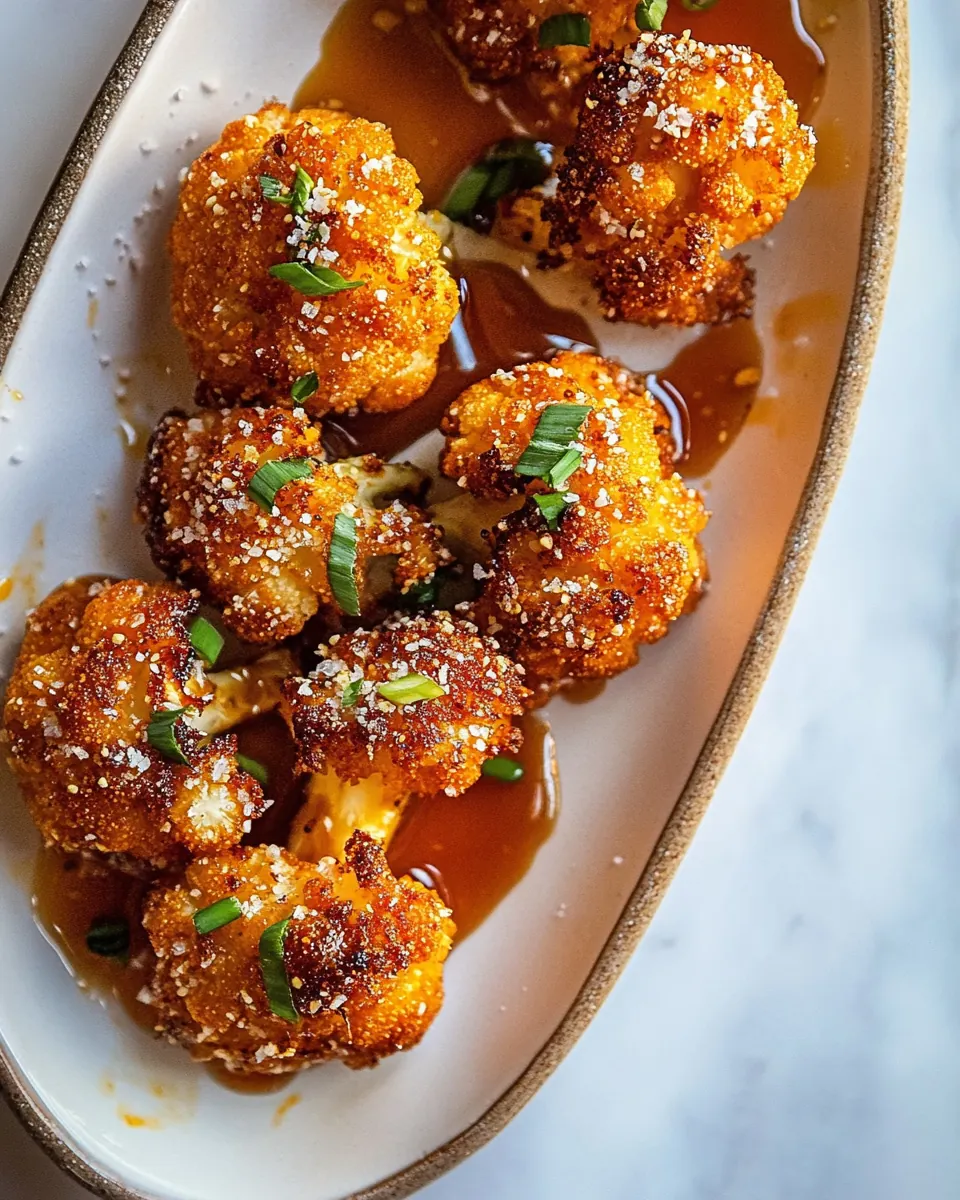
Crunchy Baked Hot Honey Cauliflower
Crunchy Baked Hot Honey Cauliflower is one of those recipes I keep returning to when I want something bold, textural, and a little bit sneaky to serve at a gathering. The first time I made this, I was trying to satisfy both the spice lovers and the people who reach for the dip first. I remember the kitchen filling with the sweet floral warmth of honey and the sharp, smoky hint from the chili, while the oven turned the coated cauliflower into golden, crackling florets that snapped when you bit into them. That contrast is what hooked me right away.
Over the years, I’ve adapted the coating and sauces depending on what I had on hand, and each variation taught me something new about balancing heat and sweetness. Sometimes I go heavier on the hot sauce when the crowd wants heat, other times I lean on extra herbs for freshness. I love serving these when friends stop by unexpectedly because they come together without drama, but still feel fancy enough to put on a small platter and call it an appetizer.
When I make Crunchy Baked Hot Honey Cauliflower for weeknight dinners, it becomes the crunchy star next to a simple grain or salad. I also like that the recipe scales well, so if I am feeding a crowd I can double the batch without losing that perfect crisp. The combination of crunchy coated florets, sticky warm honey sauce, and a cool, tangy dipping sauce always gets people talking. It is one of those dishes that proves vegetables can be just as craveable as anything fried or overly indulgent.
Recipe Snapshot
50 mins
20 mins
30 mins
Medium
350 kcal
American
Gluten-Free, Low FODMAP
Dinner
Oven, Baking sheet, Parchment paper, Food processor, Sauce pot, Mixing bowls, Glass jar
The Best Thing About This Crunchy Baked Hot Honey Cauliflower
1. Texture that surprises
I love how Crunchy Baked Hot Honey Cauliflower turns humble cauliflower into something that crunches like a snack, yet stays tender inside. The cornflake crust toasted in the oven gives a brittle, satisfying bite, and when you drizzle warm honey sauce over it, you get a contrast of sticky and crisp that keeps everyone reaching for another piece.
2. Balanced heat and sweetness
What really sells this recipe for me is the interplay between hot sauce, cayenne and chipotle, and the mellow sweetness of honey. I often tweak the ratio depending on the crowd, but the core idea stays the same: heat to wake up the palate, sweet to soothe it. That dynamic is what makes it memorable, and I find it appeals to both spice lovers and those who prefer gentler flavors.
3. Versatile and crowd friendly
I keep coming back to this dish because it suits so many occasions. Bring it to a potluck, serve it as an appetizer, or make it for a cozy dinner. It scales easily, and it travels well if you need to transport it warm or reheat it briefly. I often serve it with the creamy wing sauce on the side so people can customize each bite.
4. Simple pantry ingredients
The recipe leans on pantry staples like cornflakes, parmesan, and basic spices, so you can usually pull it together without a trip to the store. That ease is why I reach for it on busy nights, and why I recommend it to friends who want something impressive but not complicated.
5. Fresh finishing touches make a difference
I always add fresh herbs at the end, like cilantro or parsley, because they brighten the whole plate and cut through the richness. A squeeze of lemon or a scattering of chives adds lift, and these small details turn a great snack into an elevated appetizer.
Everything You Need for Crunchy Baked Hot Honey Cauliflower
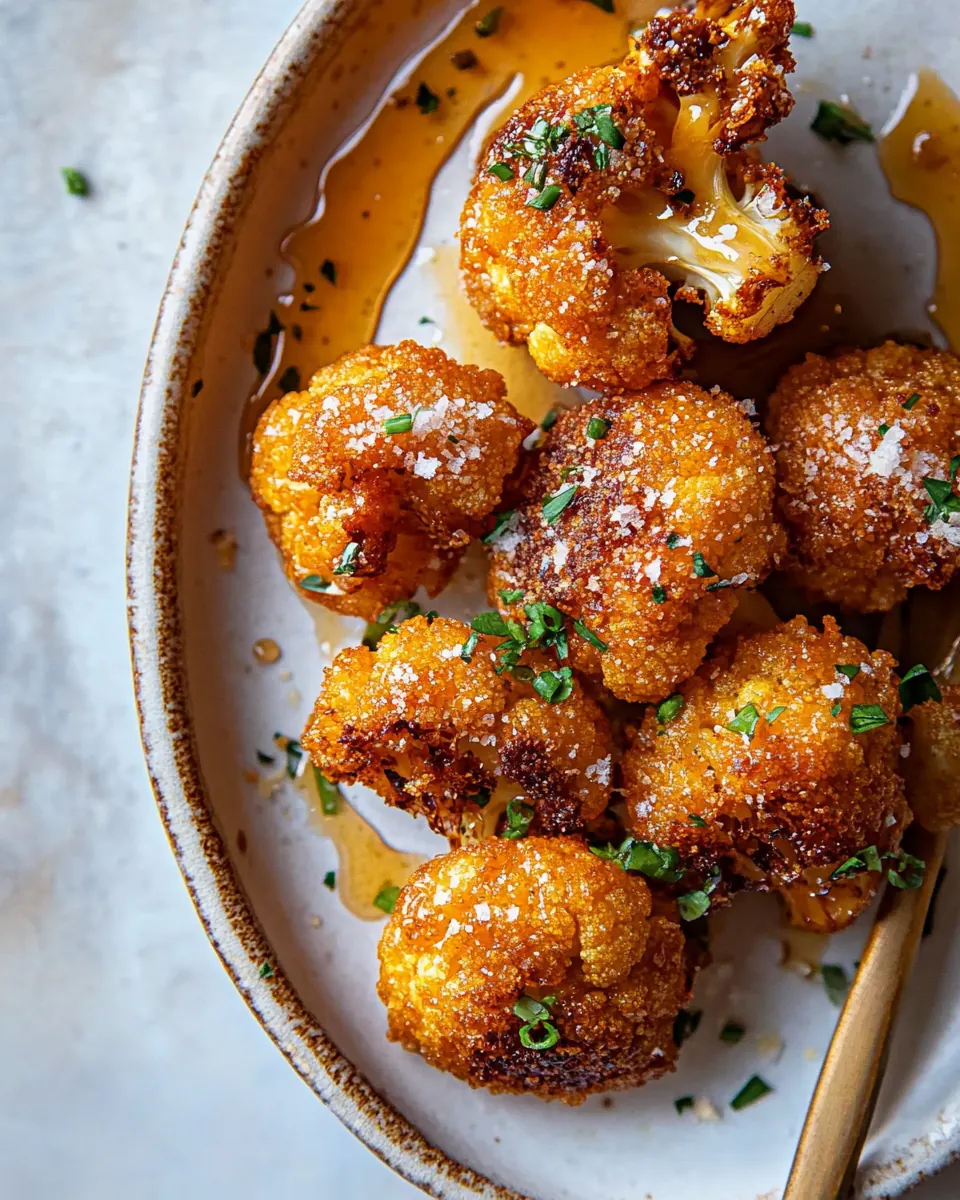
These ingredients work together to create a layered experience of texture and flavor. The coating gives crunch, the sauces deliver sweet heat and cool tang, and the fresh herbs provide brightness. Each component plays a role, from the binding power of eggs to the punch of smoked spices, so none feel wasted.
- 6 cups cornflakes (gluten free, if needed): Provide a crunchy, golden coating when crushed and baked, offering texture contrast to tender cauliflower while keeping the recipe gluten–free if needed.
- 1/4 cup grated parmesan cheese: Add a nutty, salty umami note when grated finely, helping to deepen savory flavors and encourage browning on the crust.
- 1 teaspoon smoked paprika: Impart a warm, smoky warmth and mild heat that complements the honey glaze and enhances overall roasted flavor.
- 1/2 teaspoon onion powder: Contribute a mild, savory onion background that rounds out seasoning without overpowering other spices in the coating and sauce.
- 1/2 teaspoon garlic powder: Lend a gentle garlic aroma and savory depth that pairs well with the hot sauce and honey for balanced flavor layers.
- 3 large eggs: Bind the crushed cornflake coating to the cauliflower, adding richness and helping the crust adhere and brown during baking.
- 3 tablespoons hot sauce: Introduce vinegary heat and tang that boosts the spicy profile and helps balance the sweetness of the honey glaze.
- 4 5 cups cauliflower florets: Provide the main vegetable base with a firm but tender texture when roasted, acting as the vehicle for the crunchy coating and sauces.
- extra virgin olive oil, for drizzling: Allow a light drizzle of fat to promote even browning and crispness on the cornflake crust while adding subtle fruitiness.
- 1/2 cup honey: Offer concentrated floral sweetness to create the signature hot honey glaze that balances spicy and savory elements.
- 2 3 tablespoons hot sauce: Layer additional hot sauce for more pronounced heat in the glaze, enabling control over spice intensity in the final dish.
- 1 3 teaspoons cayenne pepper: Add adjustable, sharp heat to the glaze with quantities tailored to desired spiciness, contributing bright, peppery fire.
- 3/4 teaspoon chipotle chili powder: Deliver smoky, earthy chili flavor that deepens the heat profile and complements the smoked paprika in the seasoning mix.
- 1/2 teaspoon garlic powder: Provide a second hit of garlic seasoning to reinforce savory notes in the glaze and help tie flavors together.
- 1/2 teaspoon onion powder: Mirror the earlier onion powder to ensure consistent savory undertones across both the coating and the glaze components.
- fresh thyme, cilantro, or parsley, for serving: Offer a fresh herbal finish when sprinkled at serving, brightening the rich, spicy-sweet cauliflower with aromatic lift.
- 1/2 cup plain whole milk Greek yogurt: Bring tangy creaminess and slight acidity to the dipping sauce, lending body and cooling contrast to the spicy cauliflower.
- 1/4 cup olive oil mayo: Contribute rich, smooth emulsified fat to the sauce for silky texture and a savory backbone that complements the yogurt.
- 1 tablespoon lemon juice: Add bright acidity to the sauce that cuts richness and enhances the overall flavor balance for dipping or drizzling.
- 2 teaspoons Worcestershire sauce: Introduce savory, slightly sweet umami complexity to the sauce that deepens flavor and adds subtle tangy notes.
- 1 tablespoon chopped fresh chives: Offer a mild oniony herb crunch when mixed in the sauce, providing fresh green flavor and visual appeal.
- kosher salt and black pepper: Season to taste with salt and pepper to amplify flavors, balance sweetness, and control overall seasoning of the dish.
- 1/2 cup crumbled blue cheese or grated parmesan: Provide a sharp, tangy crumble or salty, savory alternate in garnish that adds creamy bursts and flavor contrast when served.
Putting Together Crunchy Baked Hot Honey Cauliflower
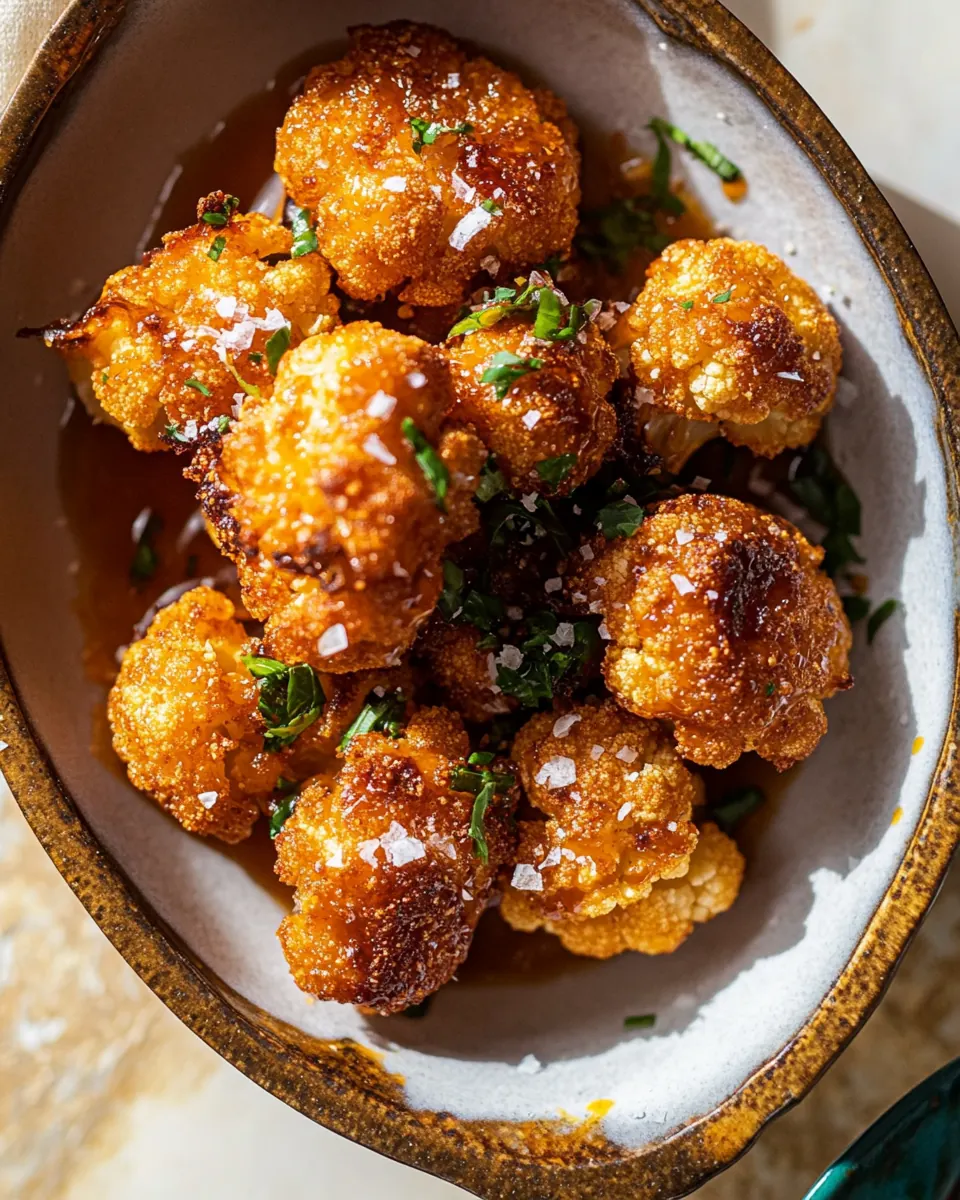
Assembling this dish is about rhythm and attention to sensory cues. The steps move from preparing the crust to coating and baking, then finishing with a warm honey glaze and a cooling dip. Take your time at each stage to notice texture and aroma, it makes the final plate much more successful.
- Preheat the oven to 425° F. Line a baking sheet with parchment paper. In a food processor, combine the cornflakes, parmesan, paprika, onion powder, garlic powder, and a pinch of salt. Pulse until you have fine crumbs. Alternatively, you can crush the crumbs in their package, or a ziplock bag by stepping on them. Dump the crumbs into a shallow bowl. Beat the eggs in a bowl, add the hot sauce and cauliflower, and toss well to coat. Dredge the cauliflower through the crumbs, covering fully. Place on the prepared baking sheet. Drizzle with olive oil. Bake for 15 minutes, then flip and bake another 10-15 minutes, until crisp all around. To make the honey sauce. In a sauce pot, warm together the honey, hot sauce, cayenne, chili powder, onion powder, and garlic powder, plus a pinch of salt. To make the creamy wing sauce. Combine all ingredients in a glass jar. Season with salt and pepper. If needed, thin with milk or water. Drizzle the warm honey sauce over the cauliflower. Add the herbs. If the sauce thickens, warm for 5 seconds in the microwave. Serve with the wing sauce for dipping. Enjoy!: The kitchen will start to smell faintly warm and you may hear the oven fan kick on, signaling that it is reaching high heat, which is crucial for quick browning. Proper oven temperature ensures the coating crisps before the cauliflower becomes mushy. If the oven is cooler than expected, the crust can soak up moisture instead of crisping, so use an oven thermometer if you are unsure. A common mistake here is not waiting for full preheat, which can lead to uneven browning, so be patient and let the oven reach the full 425° F before sliding in your tray.
- Line a baking sheet with parchment paper: The parchment prevents sticking and makes cleanup effortless, while also creating a dry surface under the crust so the underside can crisp instead of steaming. Press the parchment so it lies flat, and space the florets with a little breathing room so hot air circulates. If you overcrowd the sheet, steam will build and the crust will soften, so give each piece room. Avoid skipping this step as direct contact with the pan can cause spots to char and make removal trickier.
- In a food processor, combine the cornflakes, parmesan, paprika, onion powder, garlic powder, and a pinch of salt: When you pulse these, you will smell the spices blooming and see the flakes transform into coarse crumbs with flecks of cheese. The aroma should lift slightly, and the visual cue is a mixture that looks sandy and evenly speckled. The why is simple: combining lets flavors marry and ensures each crumb contains seasoning for uniform taste. If you do not have a processor, crushing in a bag works, but uneven crumbs can lead to inconsistent crusting, so crush thoroughly.
- Pulse until you have fine crumbs: The sound will change from loud crunching to a softer, more consistent whir as the mixture becomes finer. Fine crumbs adhere better and create more even color across the surface of the florets. Overprocessing can make the crumbs too powdery and less textural, while underprocessing leaves large shards that may burn, so aim for a sandy, breadcrumb-like texture.
- Dump the crumbs into a shallow bowl: The heated air will not affect this step, but handling the crumbs allows you to inspect texture and seasoning. Use a wide, shallow bowl so you can easily dredge the cauliflower later. One pitfall to avoid is using a bowl that is too small, which makes it tricky to coat evenly and can result in clumps rather than a uniform crust.
- Beat the eggs in a bowl: Beat the eggs until yolks and whites are fully combined, and you will see the mixture become glossy. The beaten eggs are the adhesive element, helping crumbs cling to the florets and creating a golden baked finish. If eggs are underbeaten, coating may be uneven and pockets of uncovered cauliflower can roast rather than form crust. A common oversight is using cold eggs; room temperature eggs create a smoother coating.
- Add the hot sauce and cauliflower, and toss well to coat: As you toss, the kitchen will pick up the vinegary tang of the hot sauce and the florets will shine with a thin wet sheen. This step flavors the base layer and encourages crumbs to stick, so toss until all surfaces show a light glaze. If you undercoat at this stage, the crumbs will slide off during baking, so be thorough but gentle to avoid breaking the florets.
- Dredge the cauliflower through the crumbs, covering fully: When you press the florets into the crumbs, you should feel a pleasant resistance as crumbs adhere. The goal is a complete, textured coat. The tactile feedback tells you when it is ready, and visually you want an even, sandy surface. A mistake to avoid is double dipping back into wet egg after crumb contact too many times, which can create thick clumps rather than an even crust.
- Place on the prepared baking sheet: Arrange the coated florets in a single layer with spacing so hot air circulates. You should hear almost no steam rising from the pan at this point, and the pieces should sit crisp, not soggy. Crowding is the most frequent error here, causing steaming rather than roasting, which prevents proper crisping on all sides.
- Drizzle with olive oil: A light drizzle of extra virgin olive oil helps promote golden browning and gives the crust a glossy finish as it roasts. The oil mingles with the crumbs and encourages Maillard reactions in the oven, creating a toasty aroma as the bake progresses. Too much oil will weigh down the crust and make it greasy, so use a modest amount distributed evenly.
- Bake for 15 minutes, then flip and bake another 10 to 15 minutes, until crisp all around: During the first bake you will notice edges begin to brown and a toasty scent develop. After flipping, the second bake ensures every side crisps up and the interior reaches tender doneness. The visual cues are deep golden edges and an audible faint crunch when you tap a floret with a fork. Underbaking leaves the crust soft, while overbaking risks drying the interior, so monitor closely near the end and adjust time according to your oven’s tendencies.
- To make the honey sauce: Warm together the honey , hot sauce, cayenne, chipotle, onion powder, garlic powder, and a pinch of salt in a sauce pot until the mixture is glossy and slightly thinned, and you will smell honey perfume with a smoky undercurrent. Warming melts the honey so it coats the florets smoothly, and it allows the spices to bloom and integrate. Boiling is unnecessary and can dull flavors, so keep it at a gentle warm and stir often to prevent sticking. If you overheat, the honey can become too runny or even scorch, so maintain low heat.
- To make the creamy wing sauce: Combine the Greek yogurt , olive oil mayo, lemon juice, Worcestershire sauce, chives, and seasoning in a jar and shake or whisk until silky and cohesive, creating a cool, tangy counterpoint to the warm honey glaze. The texture should be smooth and spoonable. If the mixture seems too thick, thin cautiously with milk or water to the desired consistency; adding too much liquid will make it runny and unable to cling to the florets.
- Drizzle the warm honey sauce over the cauliflower: As the warm glaze hits the hot florets, it will sizzle faintly and form a shiny coat, enhancing both aroma and mouthfeel. The heat helps the glaze adhere and intensify flavor, so serve promptly after glazing for the best contrast between crisp and sticky. Letting it sit too long can cause the crust to soften as the honey absorbs moisture, so plate and serve while still hot.
- Add the herbs: Scatter fresh thyme , cilantro , or parsley over the glazed florets for an aromatic lift and a pop of color. Fresh herbs breathe life into the finished dish and cut through the richness. If you add herbs too early in the oven they will wilt and lose vibrancy, so add them at the end to preserve their freshness.
- If the sauce thickens, warm for 5 seconds in the microwave: A quick warm will loosen the glaze and make it spoonable again, releasing aroma and restoring flow. Use very short bursts to avoid overheating and caramelizing the honey. Overheating can alter the flavor profile, so check and stir between brief intervals.
- Serve with the wing sauce for dipping: Arrange the hot glazed florets on a platter with a bowl of the creamy sauce. The interplay of sticky, spicy, and cool tang is the finishing moment that makes this dish satisfying. A common serving mistake is placing the dip too far from the platter, causing guests to skip it, so put everything within easy reach.
- Enjoy: Savor the mix of textures, the sweet heat, and the fresh herbal finish as you bite into each piece. This is the moment where all the sensory work pays off, warm and textural on the palate. Don’t rush, pay attention to how the flavors unfold so you can tweak the next time you make it.
Change It Up
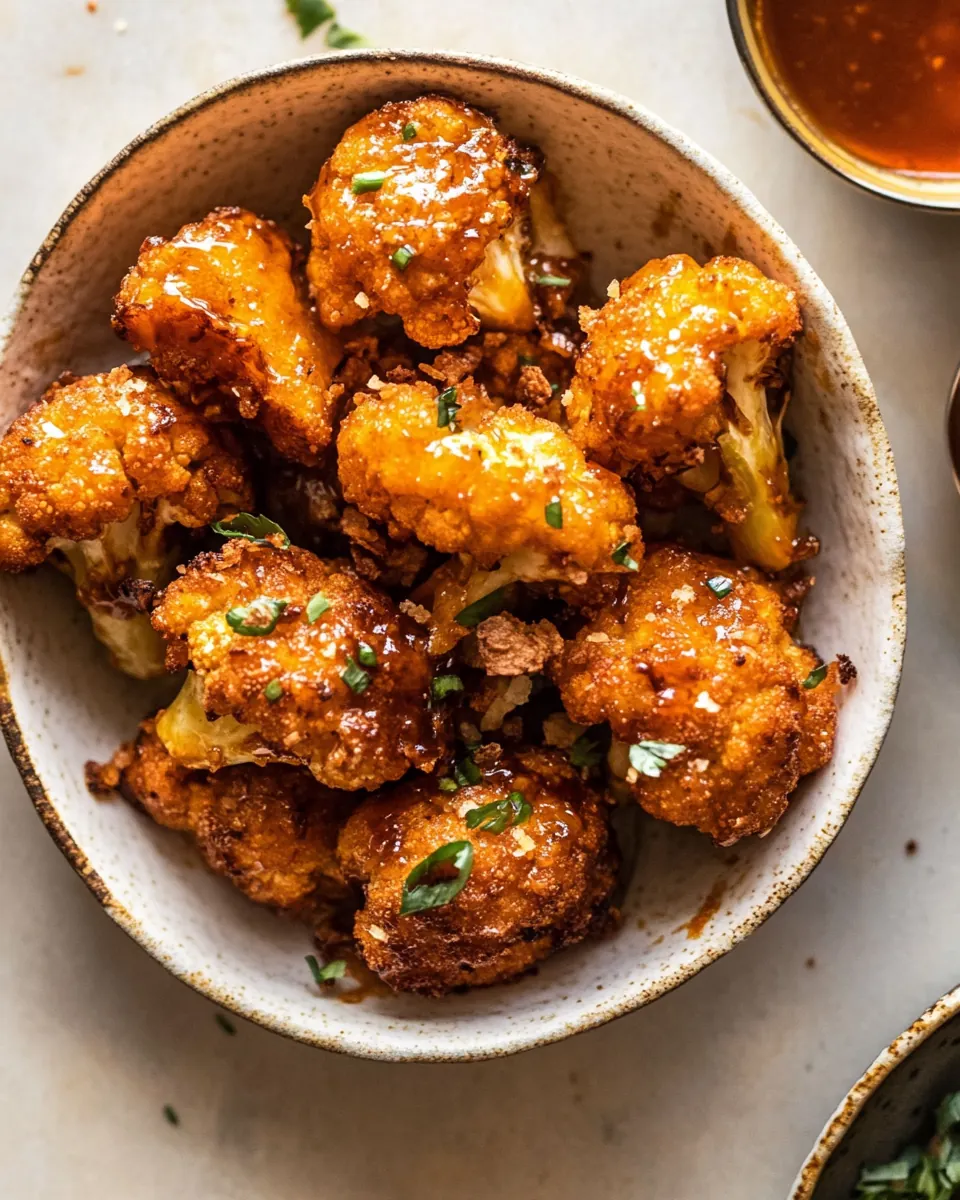
If you want to tweak the recipe, small adjustments go a long way. Below are tips to change the heat, texture, and serving style so the dish fits the occasion. Each tip starts with a highlighted phrase so you can scan quickly and decide what to try next.
- Boost the smokiness — Increase chipotle chili powder slightly and reduce cayenne for a deeper, smokier heat that plays well with the honey without making it overly spicy.
- Adjust the heat — Vary the hot sauce and cayenne amounts to suit your crowd, starting low and tasting the warmed honey sauce as you go so you do not overshoot.
- Make it extra crunchy — Press the crumb mixture onto the florets gently to create a compact crust, and finish with a brief high heat blast if your oven allows to set the surface.
- Switch the cheese — Use grated parmesan for a savory, nutty lift or leave it minimal if you prefer a more neutral crust flavor.
- Herb variations — Try cilantro for bright citrus notes, parsley for fresh green balance, or thyme for an earthier finish depending on the accompaniment.
- Prep ahead — Coat the florets and keep them chilled on the baking sheet for up to an hour before baking; this helps the crumbs adhere and shortens final assembly time.
- Serving sauce swap — If you like a cheesier dip, fold in crumbled blue cheese into the creamy sauce for a tangy counterpoint to the honey.
- Oil choice — Use a neutral oil for a lighter finish, or extra virgin olive oil for extra flavor; just be conservative with strong oils so they do not overwhelm the spice profile.
- Make it gluten free — Use certified gluten free cornflakes and confirm the parmesan label if needed to keep the entire dish safe for sensitive eaters.
- Reheating tips — Re-crisp in a hot oven rather than the microwave to restore texture; a quick 5 to 8 minute blast at 400° F works well.
What to Serve Alongside Crunchy Baked Hot Honey Cauliflower
This dish pairs well with a variety of sides and can be served for many occasions. Below are thoughtful serving suggestions, storage tips, and occasion matches organized so you can plan a full menu with confidence.
- Casual party platter — Arrange the florets on a large board with small bowls of the creamy wing sauce and extra honey glaze, garnished with fresh chives for a finger food friendly spread that invites grazing.
- Weeknight complement — Pair with a simple grain like rice or quinoa and a crisp green salad to turn it into a satisfying weeknight dinner where the cauliflower provides the main crunchy element.
- Ramadan or special meals — Serve warm alongside neutral sides like rice pilaf and roasted vegetables, and offer the dipping sauce for those who want a cooling contrast during iftar.
- Storage guidance — Store leftovers in an airtight container in the refrigerator for up to three days. Re-crisp in a 400° F oven for 5 to 8 minutes to bring back texture, do not microwave if you want to maintain crunch.
- Seasonal pairings — In cooler months, offer roasted root vegetables and heartier grains; in spring and summer, pair with bright salads and citrusy slaws to balance the sticky glaze.
- Serving style — Serve on a warm platter for immediate consumption, or keep the honey sauce warm in a small pot and glaze as you plate for maximum shine and aroma.
- Occasion flexibility — This recipe works for casual game day snacks, elegant cocktail parties, or family dinners depending on how you present it, making it a versatile addition to your repertoire.
- Portioning — For appetizers plan on about 3 to 4 florets per person, while for a main or family style plate, provide larger portions and complement with grains or salads.
- Pairing beverages — Serve with sparkling water or a citrusy non alcoholic spritz to cut through the richness and refresh the palate between bites.
- Plating note — Add herbs and a light grind of black pepper right before serving to enhance aroma and provide a polished final touch.
FAQ
Conclusion
Crunchy Baked Hot Honey Cauliflower stands out for its irresistible mix of textures and flavors, pairing a crunchy cornflake and parmesan crust with a warm, sticky honey glaze and a cooling creamy dip. It’s a versatile dish that suits casual get togethers and weeknight dinners alike, and it scales easily when you need to feed a crowd. Give it a try and notice how the balance of sweet, smoky, and spicy keeps everyone reaching for one more piece. I hope you enjoy making it as much as I do, and that it becomes a go to when you want something showy but simple to prepare.
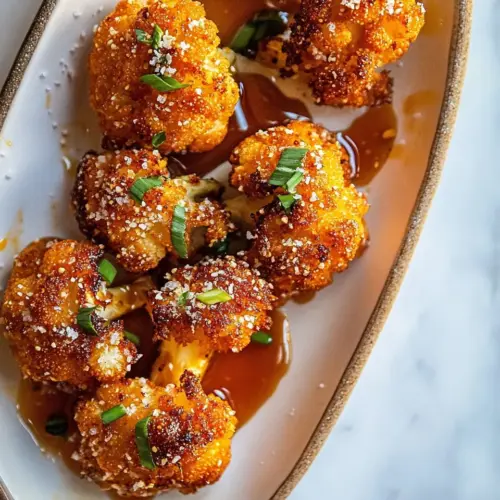
Crunchy Baked Hot Honey Cauliflower
Equipment
- Oven
- Baking Sheet
- Parchment Paper
- Food Processor
- Sauce pot
- Mixing Bowls
- Glass jar
Ingredients
- 6 cups cornflakes (gluten free, if needed) Provide a crunchy, golden coating when crushed and baked, offering texture contrast to tender cauliflower while keeping the recipe gluten-free if needed.
- 1/4 cup grated parmesan cheese Add a nutty, salty umami note when grated finely, helping to deepen savory flavors and encourage browning on the crust.
- 1 teaspoon smoked paprika Impart a warm, smoky warmth and mild heat that complements the honey glaze and enhances overall roasted flavor.
- 1/2 teaspoon onion powder Contribute a mild, savory onion background that rounds out seasoning without overpowering other spices in the coating and sauce.
- 1/2 teaspoon garlic powder Lend a gentle garlic aroma and savory depth that pairs well with the hot sauce and honey for balanced flavor layers.
- 3 large eggs Bind the crushed cornflake coating to the cauliflower, adding richness and helping the crust adhere and brown during baking.
- 3 tablespoons hot sauce Introduce vinegary heat and tang that boosts the spicy profile and helps balance the sweetness of the honey glaze.
- 4 -5 cups cauliflower florets Provide the main vegetable base with a firm but tender texture when roasted, acting as the vehicle for the crunchy coating and sauces.
- extra virgin olive oil, for drizzling Allow a light drizzle of fat to promote even browning and crispness on the cornflake crust while adding subtle fruitiness.
- 1/2 cup honey Offer concentrated floral sweetness to create the signature hot honey glaze that balances spicy and savory elements.
- 2 -3 tablespoons hot sauce Layer additional hot sauce for more pronounced heat in the glaze, enabling control over spice intensity in the final dish.
- 1 -3 teaspoons cayenne pepper Add adjustable, sharp heat to the glaze with quantities tailored to desired spiciness, contributing bright, peppery fire.
- 3/4 teaspoon chipotle chili powder Deliver smoky, earthy chili flavor that deepens the heat profile and complements the smoked paprika in the seasoning mix.
- 1/2 teaspoon garlic powder Provide a second hit of garlic seasoning to reinforce savory notes in the glaze and help tie flavors together.
- 1/2 teaspoon onion powder Mirror the earlier onion powder to ensure consistent savory undertones across both the coating and the glaze components.
- fresh thyme, cilantro, or parsley, for serving Offer a fresh herbal finish when sprinkled at serving, brightening the rich, spicy-sweet cauliflower with aromatic lift.
- 1/2 cup plain whole milk Greek yogurt Bring tangy creaminess and slight acidity to the dipping sauce, lending body and cooling contrast to the spicy cauliflower.
- 1/4 cup olive oil mayo Contribute rich, smooth emulsified fat to the sauce for silky texture and a savory backbone that complements the yogurt.
- 1 tablespoon lemon juice Add bright acidity to the sauce that cuts richness and enhances the overall flavor balance for dipping or drizzling.
- 2 teaspoons Worcestershire sauce Introduce savory, slightly sweet umami complexity to the sauce that deepens flavor and adds subtle tangy notes.
- 1 tablespoon chopped fresh chives Offer a mild oniony herb crunch when mixed in the sauce, providing fresh green flavor and visual appeal.
- kosher salt and black pepper Season to taste with salt and pepper to amplify flavors, balance sweetness, and control overall seasoning of the dish.
- 1/2 cup crumbled blue cheese or grated parmesan Provide a sharp, tangy crumble or salty, savory alternate in garnish that adds creamy bursts and flavor contrast when served.
Instructions
- Preheat the oven to 425° F. Line a baking sheet with parchment paper. In a food processor, combine the cornflakes, parmesan, paprika, onion powder, garlic powder, and a pinch of salt. Pulse until you have fine crumbs. Alternatively, you can crush the crumbs in their package, or a ziplock bag by stepping on them. Dump the crumbs into a shallow bowl. Beat the eggs in a bowl, add the hot sauce and cauliflower, and toss well to coat. Dredge the cauliflower through the crumbs, covering fully. Place on the prepared baking sheet. Drizzle with olive oil. Bake for 15 minutes, then flip and bake another 10-15 minutes, until crisp all around. To make the honey sauce. In a sauce pot, warm together the honey, hot sauce, cayenne, chili powder, onion powder, and garlic powder, plus a pinch of salt. To make the creamy wing sauce. Combine all ingredients in a glass jar. Season with salt and pepper. If needed, thin with milk or water. Drizzle the warm honey sauce over the cauliflower. Add the herbs. If the sauce thickens, warm for 5 seconds in the microwave. Serve with the wing sauce for dipping. Enjoy!: The kitchen will start to smell faintly warm and you may hear the oven fan kick on, signaling that it is reaching high heat, which is crucial for quick browning. Proper oven temperature ensures the coating crisps before the cauliflower becomes mushy. If the oven is cooler than expected, the crust can soak up moisture instead of crisping, so use an oven thermometer if you are unsure. A common mistake here is not waiting for full preheat, which can lead to uneven browning, so be patient and let the oven reach the full 425° F before sliding in your tray.
- Line a baking sheet with parchment paper: The parchment prevents sticking and makes cleanup effortless, while also creating a dry surface under the crust so the underside can crisp instead of steaming. Press the parchment so it lies flat, and space the florets with a little breathing room so hot air circulates. If you overcrowd the sheet, steam will build and the crust will soften, so give each piece room. Avoid skipping this step as direct contact with the pan can cause spots to char and make removal trickier.
- In a food processor, combine the cornflakes, parmesan, paprika, onion powder, garlic powder, and a pinch of salt: When you pulse these, you will smell the spices blooming and see the flakes transform into coarse crumbs with flecks of cheese. The aroma should lift slightly, and the visual cue is a mixture that looks sandy and evenly speckled. The why is simple: combining lets flavors marry and ensures each crumb contains seasoning for uniform taste. If you do not have a processor, crushing in a bag works, but uneven crumbs can lead to inconsistent crusting, so crush thoroughly.
- Pulse until you have fine crumbs: The sound will change from loud crunching to a softer, more consistent whir as the mixture becomes finer. Fine crumbs adhere better and create more even color across the surface of the florets. Overprocessing can make the crumbs too powdery and less textural, while underprocessing leaves large shards that may burn, so aim for a sandy, breadcrumb-like texture.
- Dump the crumbs into a shallow bowl: The heated air will not affect this step, but handling the crumbs allows you to inspect texture and seasoning. Use a wide, shallow bowl so you can easily dredge the cauliflower later. One pitfall to avoid is using a bowl that is too small, which makes it tricky to coat evenly and can result in clumps rather than a uniform crust.
- Beat the eggs in a bowl: Beat the eggs until yolks and whites are fully combined, and you will see the mixture become glossy. The beaten eggs are the adhesive element, helping crumbs cling to the florets and creating a golden baked finish. If eggs are underbeaten, coating may be uneven and pockets of uncovered cauliflower can roast rather than form crust. A common oversight is using cold eggs; room temperature eggs create a smoother coating.
- Add the hot sauce and cauliflower, and toss well to coat: As you toss, the kitchen will pick up the vinegary tang of the hot sauce and the florets will shine with a thin wet sheen. This step flavors the base layer and encourages crumbs to stick, so toss until all surfaces show a light glaze. If you undercoat at this stage, the crumbs will slide off during baking, so be thorough but gentle to avoid breaking the florets.
- Dredge the cauliflower through the crumbs, covering fully: When you press the florets into the crumbs, you should feel a pleasant resistance as crumbs adhere. The goal is a complete, textured coat. The tactile feedback tells you when it is ready, and visually you want an even, sandy surface. A mistake to avoid is double dipping back into wet egg after crumb contact too many times, which can create thick clumps rather than an even crust.
- Place on the prepared baking sheet: Arrange the coated florets in a single layer with spacing so hot air circulates. You should hear almost no steam rising from the pan at this point, and the pieces should sit crisp, not soggy. Crowding is the most frequent error here, causing steaming rather than roasting, which prevents proper crisping on all sides.
- Drizzle with olive oil: A light drizzle of extra virgin olive oil helps promote golden browning and gives the crust a glossy finish as it roasts. The oil mingles with the crumbs and encourages Maillard reactions in the oven, creating a toasty aroma as the bake progresses. Too much oil will weigh down the crust and make it greasy, so use a modest amount distributed evenly.
- Bake for 15 minutes, then flip and bake another 10 to 15 minutes, until crisp all around: During the first bake you will notice edges begin to brown and a toasty scent develop. After flipping, the second bake ensures every side crisps up and the interior reaches tender doneness. The visual cues are deep golden edges and an audible faint crunch when you tap a floret with a fork. Underbaking leaves the crust soft, while overbaking risks drying the interior, so monitor closely near the end and adjust time according to your oven’s tendencies.
- To make the honey sauce: Warm together the honey , hot sauce, cayenne, chipotle, onion powder, garlic powder, and a pinch of salt in a sauce pot until the mixture is glossy and slightly thinned, and you will smell honey perfume with a smoky undercurrent. Warming melts the honey so it coats the florets smoothly, and it allows the spices to bloom and integrate. Boiling is unnecessary and can dull flavors, so keep it at a gentle warm and stir often to prevent sticking. If you overheat, the honey can become too runny or even scorch, so maintain low heat.
- To make the creamy wing sauce: Combine the Greek yogurt , olive oil mayo, lemon juice, Worcestershire sauce, chives, and seasoning in a jar and shake or whisk until silky and cohesive, creating a cool, tangy counterpoint to the warm honey glaze. The texture should be smooth and spoonable. If the mixture seems too thick, thin cautiously with milk or water to the desired consistency; adding too much liquid will make it runny and unable to cling to the florets.
- Drizzle the warm honey sauce over the cauliflower: As the warm glaze hits the hot florets, it will sizzle faintly and form a shiny coat, enhancing both aroma and mouthfeel. The heat helps the glaze adhere and intensify flavor, so serve promptly after glazing for the best contrast between crisp and sticky. Letting it sit too long can cause the crust to soften as the honey absorbs moisture, so plate and serve while still hot.
- Add the herbs: Scatter fresh thyme , cilantro , or parsley over the glazed florets for an aromatic lift and a pop of color. Fresh herbs breathe life into the finished dish and cut through the richness. If you add herbs too early in the oven they will wilt and lose vibrancy, so add them at the end to preserve their freshness.
- If the sauce thickens, warm for 5 seconds in the microwave: A quick warm will loosen the glaze and make it spoonable again, releasing aroma and restoring flow. Use very short bursts to avoid overheating and caramelizing the honey. Overheating can alter the flavor profile, so check and stir between brief intervals.
- Serve with the wing sauce for dipping: Arrange the hot glazed florets on a platter with a bowl of the creamy sauce. The interplay of sticky, spicy, and cool tang is the finishing moment that makes this dish satisfying. A common serving mistake is placing the dip too far from the platter, causing guests to skip it, so put everything within easy reach.
- Enjoy: Savor the mix of textures, the sweet heat, and the fresh herbal finish as you bite into each piece. This is the moment where all the sensory work pays off, warm and textural on the palate. Don’t rush, pay attention to how the flavors unfold so you can tweak the next time you make it.
Notes
- Boost the smokiness — Increase chipotle chili powder slightly and reduce cayenne for a deeper, smokier heat that plays well with the honey without making it overly spicy.
- Adjust the heat — Vary the hot sauce and cayenne amounts to suit your crowd, starting low and tasting the warmed honey sauce as you go so you do not overshoot.
- Make it extra crunchy — Press the crumb mixture onto the florets gently to create a compact crust, and finish with a brief high heat blast if your oven allows to set the surface.
- Switch the cheese — Use grated parmesan for a savory, nutty lift or leave it minimal if you prefer a more neutral crust flavor.
- Herb variations — Try cilantro for bright citrus notes, parsley for fresh green balance, or thyme for an earthier finish depending on the accompaniment.
- Prep ahead — Coat the florets and keep them chilled on the baking sheet for up to an hour before baking; this helps the crumbs adhere and shortens final assembly time.
- Serving sauce swap — If you like a cheesier dip, fold in crumbled blue cheese into the creamy sauce for a tangy counterpoint to the honey.
- Oil choice — Use a neutral oil for a lighter finish, or extra virgin olive oil for extra flavor; just be conservative with strong oils so they do not overwhelm the spice profile.
- Make it gluten free — Use certified gluten free cornflakes and confirm the parmesan label if needed to keep the entire dish safe for sensitive eaters.
- Reheating tips — Re-crisp in a hot oven rather than the microwave to restore texture; a quick 5 to 8 minute blast at 400° F works well.