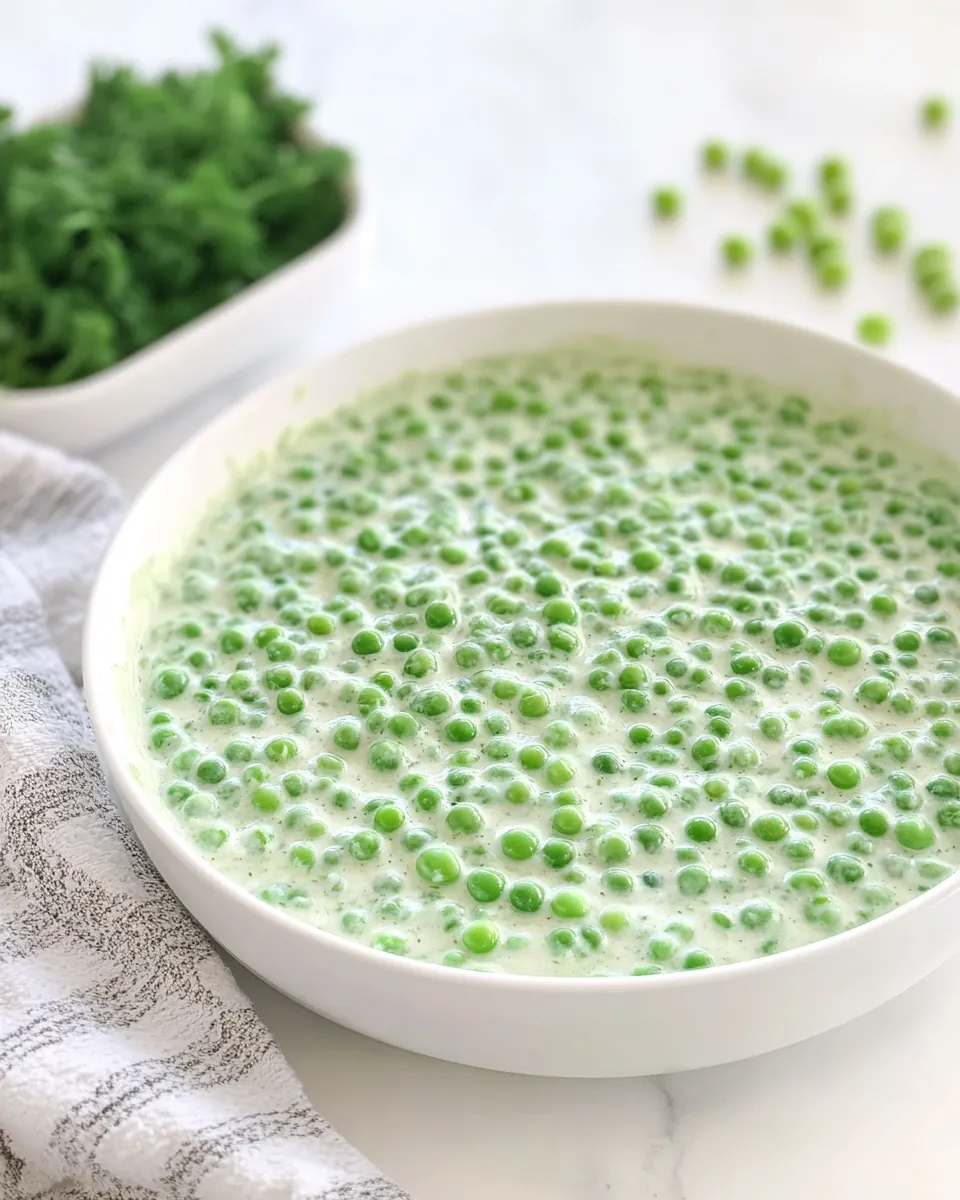
Creamed Peas
Creamed Peas has been one of those comforting, simple sides that I reach for when I want something cozy without fuss.
Growing up, my grandmother would set a steaming bowl on the table alongside roast chicken and mashed potatoes, and the room would instantly smell like comfort. I still remember the soft, milky sauce clinging to each pea, a gentle contrast to the bright pop when you bit into one. Over the years I adjusted the seasoning just so, learning how a touch of garlic powder or a whisper of onion powder can lift the whole dish. When I make Creamed Peas now, it feels like continuity, the same warm rhythm of stirring and tasting that my grandmother loved.
On weeknights I often toss together this recipe because it comes together quickly, yet it still reads as thoughtful when guests arrive. The technique is forgiving, and you can watch the sauce transform as the heat coaxed the half and half into silk. I like to tell friends that great cooking is about small rituals, and this dish is one of mine, a quiet, reliable moment of calm. Whether I serve it alongside a simple grilled protein or a bigger holiday spread, Creamed Peas always feels like both home and celebration.
Recipe Snapshot
15 mins
5 mins
10 mins
Easy
200 kcal
American
Gluten-Free, Vegan
Side Dishes
Medium saucepan, Whisk, Wooden spoon
What Makes This Creamed Peas Special
Classic Comfort with Minimal Effort
I love how Creamed Peas manages to feel indulgent without demanding a lot of time. The sauce is rich and velvety thanks to the roux and half and half, and yet the kitchen cleanup is light. For busy nights when you want something soothing, this recipe delivers maximal comfort for minimal effort.
Bright, Fresh Flavors Meet Silky Texture
The brightness of the peas really balances the creamy base. I often contrast textures in my cooking, and here the pop of the peas adds a lively note to the smooth, luscious sauce. That interplay keeps each bite interesting and prevents the dish from feeling flat.
Flexible and Friendly to Subtle Tweaks
One reason I keep this in my repertoire is its flexibility. You can gently adjust the seasoning, and the sauce tolerates small changes like thinning with extra half and half if you prefer a looser consistency. I tend to nudge the seasoning slowly, tasting as I go, because small adjustments make a big difference.
A Timeless Side for Many Occasions
Whether I’m cooking for a casual weeknight or a larger family gathering, Creamed Peas fits in beautifully. It pairs well with roasted mains, and because it is familiar and comforting, guests often find it reassuring. I like serving it when I want the meal to feel warm and approachable.
Kid Approved and Crowd Friendly
Finally, it’s one of those recipes that kids and adults both accept with smiles. The creamy sauce makes the peas feel indulgent, which helps when you want picky eaters to eat their greens. I’ve found that presenting it warm and glossy encourages even hesitant tasters to dig in.
Creamed Peas Ingredients
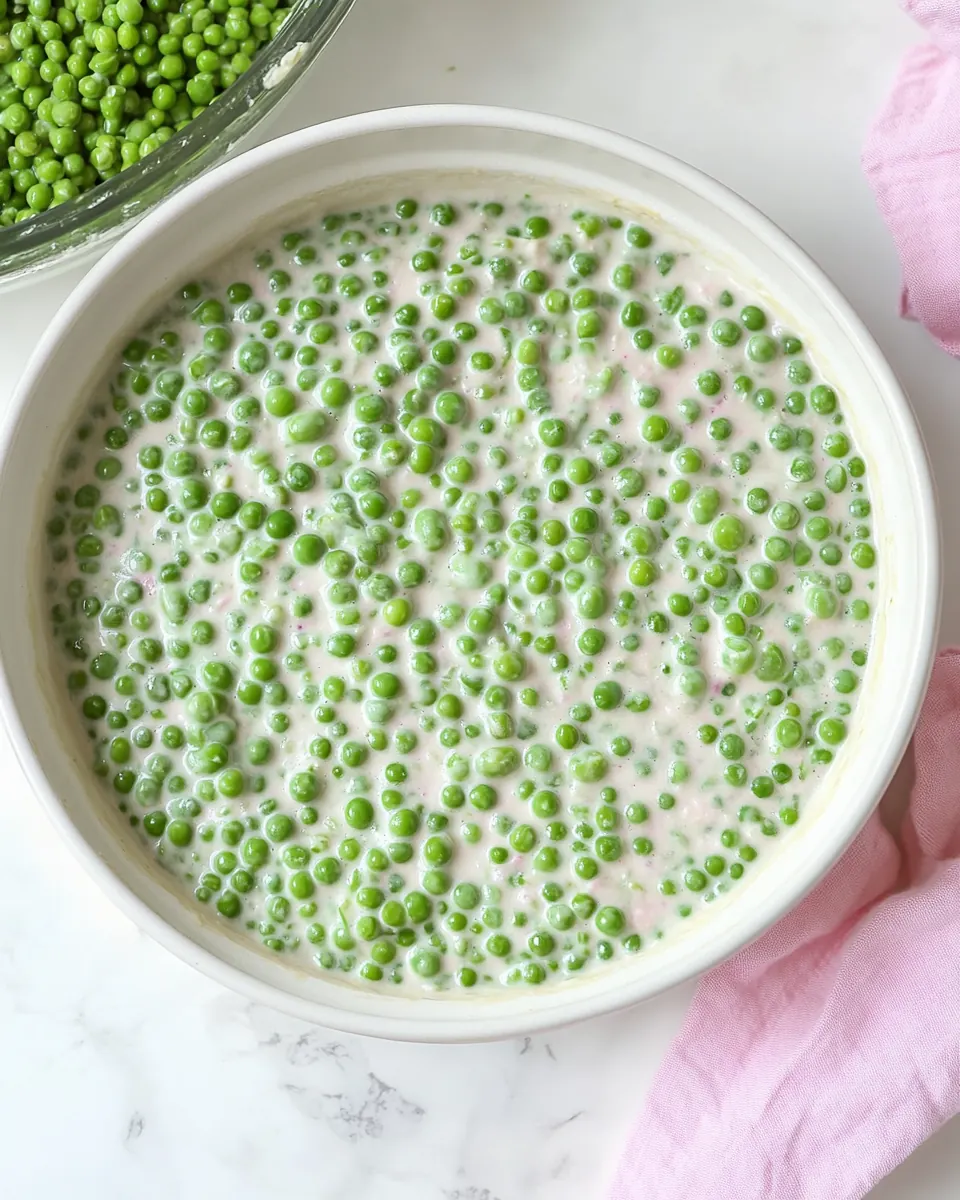
These ingredients create a straightforward, harmonious sauce where each element plays a clear role. The base of unsalted butter and all purpose flour forms the roux, which thickens the half and half into a silky coating for the peas. The powdered seasonings provide depth without altering the texture, while simple salt and black pepper sharpen the flavors. Together they form a classic, balanced creamed vegetable side.
- 3 tablespoons unsalted butter: Melted to create a rich base for the sauce, provides a silky mouthfeel and helps carry flavor throughout the dish. Adds a subtle creaminess and aids in toasting the flour to remove any raw starch taste. Contributes a glossy finish and enhances the overall richness of the creamed peas.
- 2 tablespoons all-purpose flour: Whisked with melted butter to form a roux that thickens the half-and-half into a smooth, velvety sauce. Cooks briefly to remove the raw flour taste and ensures even thickening without lumps. Helps the sauce cling to the peas for a cohesive texture.
- 1 3/4 cups half-and-half: Poured into the roux to form the creamy sauce, supplying both fat and mild dairy sweetness for a balanced base. Heated gently to avoid scalding while allowing the sauce to thicken to coating consistency. Adds body and a custard-like richness that defines creamed peas.
- 1/4 teaspoon garlic powder: Sprinkled into the sauce to impart a gentle garlic aroma and deepen savory notes without overpowering the dish. Blends seamlessly into the creamy base for consistent flavor distribution. Enhances overall warmth and complexity of the seasoning profile.
- 1/4 teaspoon onion powder: Added to contribute a mellow onion flavor that complements the garlic and dairy elements in the sauce. Dissolves into the cream for subtle savory depth without textural changes. Balances sweetness of the peas and brightens the overall taste.
- 1/2 teaspoon kosher salt: Seasoned into the sauce to enhance and lift the natural flavors of the peas and creamy base. Dissolves uniformly to provide consistent seasoning throughout each bite. Helps balance richness and prevent the dish from tasting flat.
- 1/4 teaspoon black pepper: Ground into the sauce to add a bright, slightly sharp counterpoint to the richness and sweetness of the peas. Adjusted to taste to avoid overpowering the delicate cream and vegetable flavors. Provides subtle heat and complexity to the final dish.
- 4 cups frozen peas: Folded in to provide the primary vegetable component, offering sweet, tender bites that contrast the creamy sauce. Thawed or cooked in the sauce to absorb flavors while retaining a pop of texture and vibrant color. Supplies freshness and natural sweetness that define the dish.
Step by Step Guide for Creamed Peas
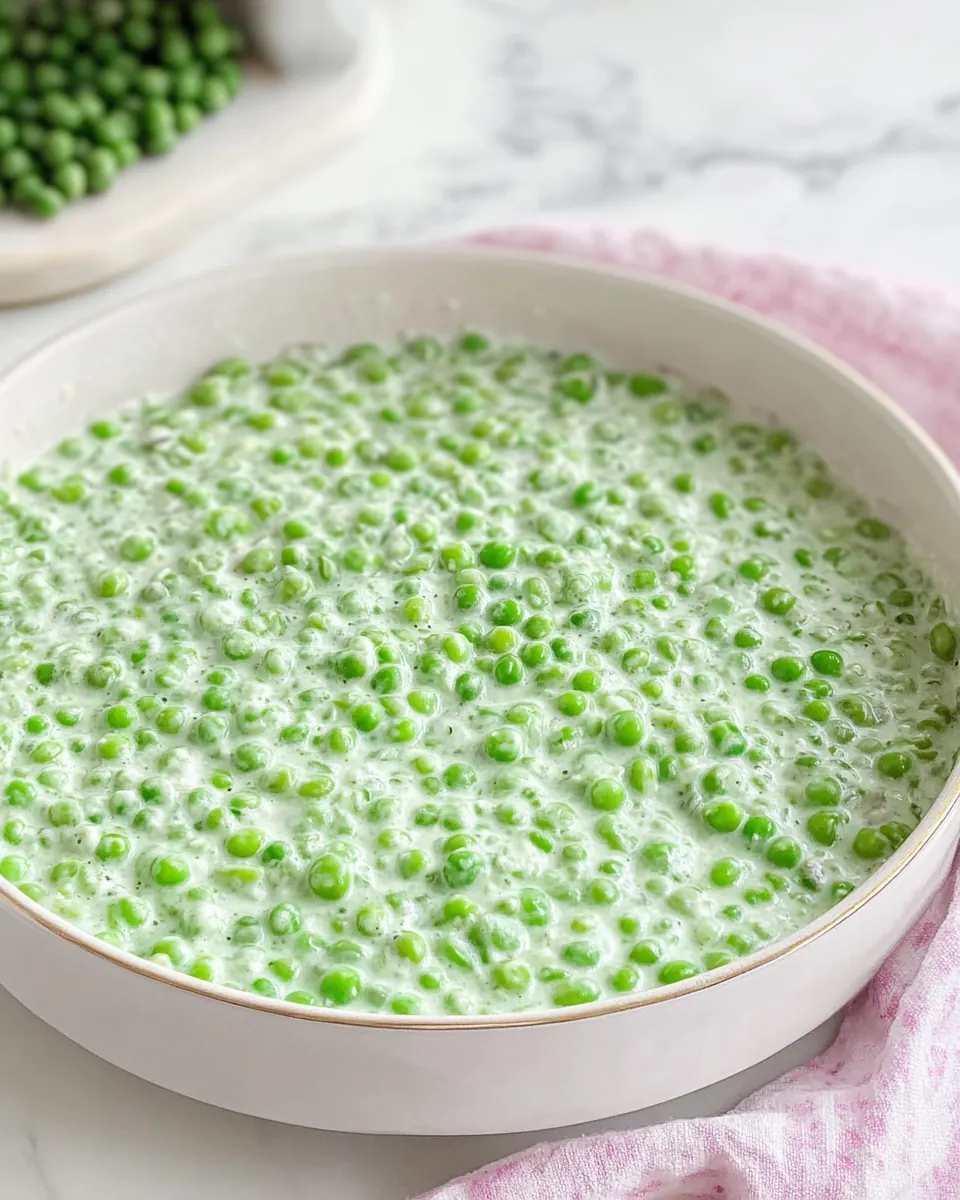
Below you’ll find a detailed, sensory guide to taking these few steps and turning them into something memorable. I wrote each step to help you sense what to expect, avoid common pitfalls, and understand why each choice matters. Keep a whisk and a wooden spoon handy, and listen for the gentle changes in sound and smell as you go.
- In a medium saucepan, melt the butter over medium heat.: The pan will first show glossy puddles that gradually coalesce as the butter melts, releasing a warm, slightly nutty aroma. You'll hear a faint hiss as moisture leaves the butter, and the surface will shimmer. This gentle melting prepares the base for your roux, ensuring the butter and flour combine smoothly. If the butter browns too quickly, the sauce can take on an unwanted toasted flavor, so keep the heat steady and move the pan if the butter starts to darken.
- Whisk in the flour until smooth, forming a roux.: As you sprinkle in the all purpose flour , whisk continuously so the texture becomes even and pasty. The mixture will thicken and lose its raw flour smell after a minute or so, becoming slightly glossy. This roux is the structural backbone that will give body to your sauce, so cooking the flour briefly is crucial. If you rush and add liquid too soon, you may get lumps; the fix is to remove from heat, whisk vigorously, and then add liquid slowly.
- Gradually add the half-and-half, whisking continuously to prevent lumps, until mixture is smooth and begins to thicken.: When you stream in the half and half , the sound will change to a soft gurgle and the sauce will begin to glide off your whisk. Keep whisking so the dairy incorporates smoothly and the sauce becomes silkier and slightly thicker. This step controls final texture, so patience is rewarded with a glossy, unclumped finish. If the sauce seems too thin, keep simmering gently until it coats the back of a spoon; if it thickens too quickly, stir in a splash more half and half .
- Add garlic powder, onion powder, salt, and pepper to the sauce, adjusting to taste.: Those powdered seasonings will dissolve into the warm sauce and elevate its savory profile. Swirl the pan and inhale one of those small, satisfying aromatic lifts that signals balance is forming. Tasting at this stage matters because a little more salt or black pepper can transform the sauce from bland to bright. Avoid over seasoning at once, as the flavor concentrates slightly as the sauce finishes cooking.
- Stir in the frozen peas and continue to cook until the peas are heated through, about 5 minutes. Add more half-and-half to thin the sauce if needed.: When the peas hit the warm sauce, you will notice a lively sizzle and the sauce will loosen around them. As they heat, their color intensifies to a vivid green and they release a delicate sweetness that melds with the creamy base. Cooking just until heated keeps them tender yet slightly springy, preserving texture contrast. A common error is overcooking, which can make the peas mushy, so watch for that bright green and test one for a gentle bite.
- Remove from heat and serve immediately as a delicious side dish.: The moment you take the pan off the stove the sauce will quiet and settle, leaving a glossy finish on the peas . Serve while warm so the creaminess feels fresh and silky on the plate. If you let it sit too long, the sauce may thicken as it cools, so plan to serve promptly or gently rewarm with a splash of half and half when needed. A typical pitfall is plating cold sauce that has clotted, which is easily avoided by serving right away.
Substitutions and Tips
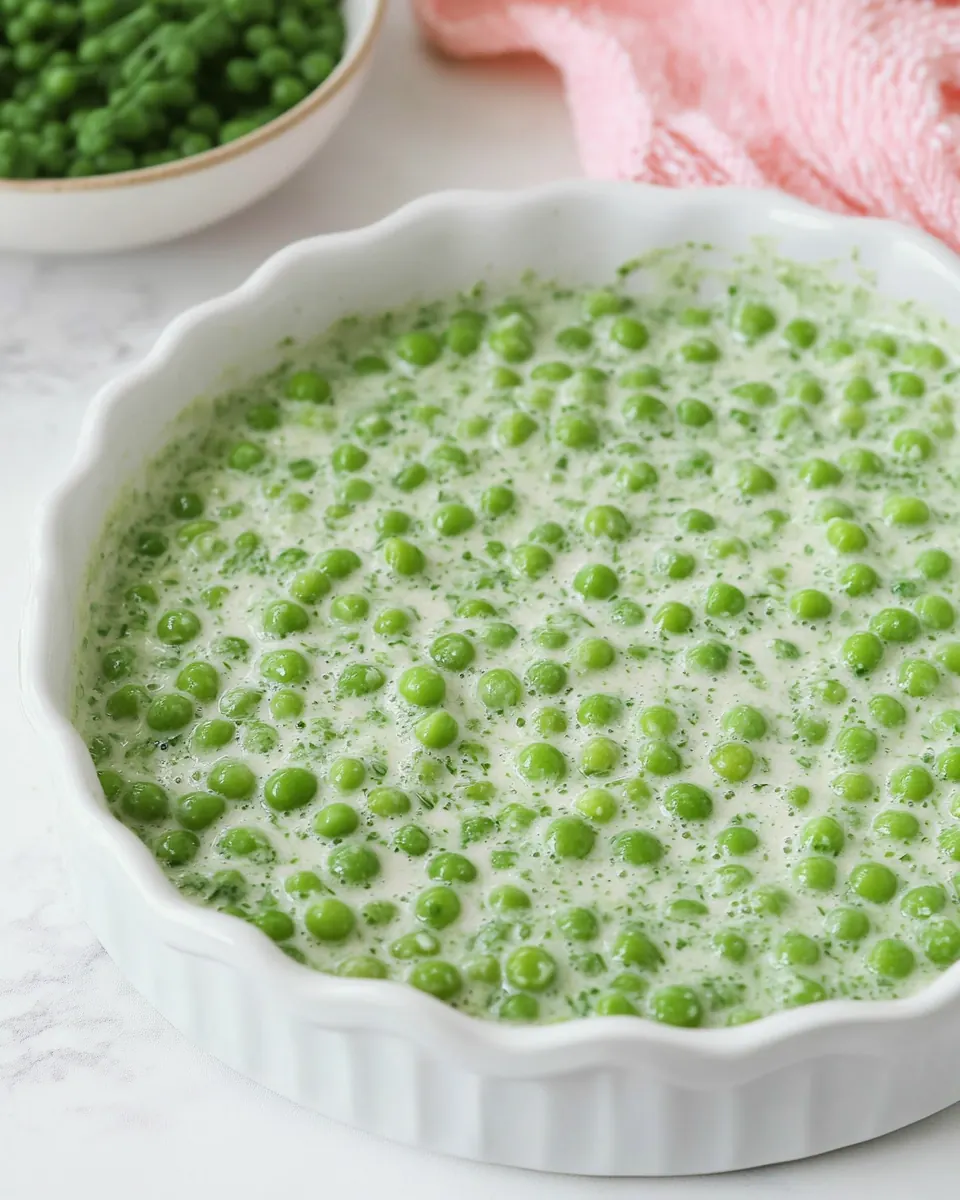
I like to think of these tips as ways to make the recipe feel more personal, or to rescue the sauce if it needs a little help. Below are practical suggestions and small tricks I’ve used often to guarantee a silky, flavorful result.
- Butter control Keep the heat moderate when melting the butter so it does not brown, which would change the delicate flavor of the sauce.
- Roux patience Cook the flour with the butter briefly until the raw smell disappears; this prevents a pasty aftertaste and builds a stable base.
- Whisk technique Add the half and half gradually while whisking to keep the texture silky and lump free, especially when bringing the sauce to thickness.
- Season lightly then taste Add the garlic powder, onion powder, salt, and black pepper in small increments, tasting as you go to avoid over seasoning.
- Heat the peas gently Stir the peas into the sauce and cook just until vibrant and heated through, which preserves their pop and sweetness.
- Repair with dairy If the sauce becomes too thick after standing, thin it with warm half and half a tablespoon at a time until it regains a glossy, pourable consistency.
Serve This Creamed Peas With
This dish is versatile and pairs well with many mains. Below are serving ideas, occasions, and storage notes to help you present the dish beautifully and keep leftovers fresh.
- Alongside roasted chicken The creamy texture complements roasted poultry, making it a classic pairing for family dinners or a cozy Sunday meal.
- With mashed potatoes Combine with fluffy mashed potatoes to create a rich, comforting plate for cooler evenings or holiday tables.
- As part of a holiday spread Serve it at seasonal gatherings where familiar, comforting sides help round out larger meals and please diverse palates.
- For casual weeknights Its quick preparation makes it ideal for easy weeknight dinners when you want something homey without a lot of fuss.
- Storage tips Cool to room temperature, then refrigerate in an airtight container for up to three days; rewarm gently with a splash of half and half to revive the sauce.
- Seasonal pairing The bright green color and fresh flavor make it feel especially right during spring, pairing well with lighter mains and seasonal vegetables.
FAQ
Conclusion
Creamed Peas stands out because it pairs simple pantry ingredients into a rich, comforting side that feels both familiar and elegant. This recipe is quick enough for weeknights and forgiving enough for cooks of any skill level, so you have every reason to try it soon. Give it a go when you want a hassle free, soothing vegetable side that still reads as thoughtful and homey. I hope it becomes one of those steady recipes you return to, the kind that brings warmth to a meal and a little nostalgia to the table.
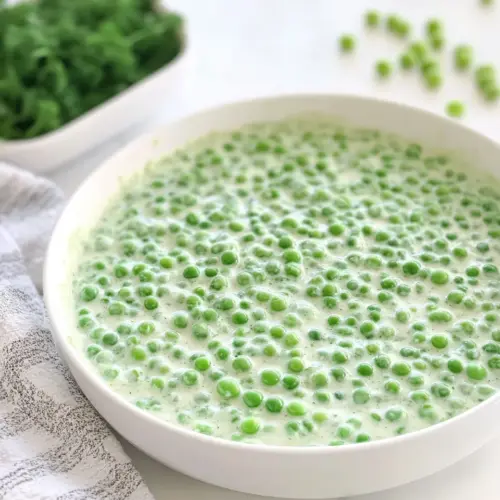
Creamed Peas
Equipment
- Medium Saucepan
- Whisk
- Wooden Spoon
Ingredients
- 3 tablespoons unsalted butter Melted to create a rich base for the sauce, provides a silky mouthfeel and helps carry flavor throughout the dish. Adds a subtle creaminess and aids in toasting the flour to remove any raw starch taste. Contributes a glossy finish and enhances the overall richness of the creamed peas.
- 2 tablespoons all-purpose flour Whisked with melted butter to form a roux that thickens the half-and-half into a smooth, velvety sauce. Cooks briefly to remove the raw flour taste and ensures even thickening without lumps. Helps the sauce cling to the peas for a cohesive texture.
- 1 3/4 cups half-and-half Poured into the roux to form the creamy sauce, supplying both fat and mild dairy sweetness for a balanced base. Heated gently to avoid scalding while allowing the sauce to thicken to coating consistency. Adds body and a custard-like richness that defines creamed peas.
- 1/4 teaspoon garlic powder Sprinkled into the sauce to impart a gentle garlic aroma and deepen savory notes without overpowering the dish. Blends seamlessly into the creamy base for consistent flavor distribution. Enhances overall warmth and complexity of the seasoning profile.
- 1/4 teaspoon onion powder Added to contribute a mellow onion flavor that complements the garlic and dairy elements in the sauce. Dissolves into the cream for subtle savory depth without textural changes. Balances sweetness of the peas and brightens the overall taste.
- 1/2 teaspoon kosher salt Seasoned into the sauce to enhance and lift the natural flavors of the peas and creamy base. Dissolves uniformly to provide consistent seasoning throughout each bite. Helps balance richness and prevent the dish from tasting flat.
- 1/4 teaspoon black pepper Ground into the sauce to add a bright, slightly sharp counterpoint to the richness and sweetness of the peas. Adjusted to taste to avoid overpowering the delicate cream and vegetable flavors. Provides subtle heat and complexity to the final dish.
- 4 cups frozen peas Folded in to provide the primary vegetable component, offering sweet, tender bites that contrast the creamy sauce. Thawed or cooked in the sauce to absorb flavors while retaining a pop of texture and vibrant color. Supplies freshness and natural sweetness that define the dish.
Instructions
- In a medium saucepan, melt the butter over medium heat.: The pan will first show glossy puddles that gradually coalesce as the butter melts, releasing a warm, slightly nutty aroma. You'll hear a faint hiss as moisture leaves the butter, and the surface will shimmer. This gentle melting prepares the base for your roux, ensuring the butter and flour combine smoothly. If the butter browns too quickly, the sauce can take on an unwanted toasted flavor, so keep the heat steady and move the pan if the butter starts to darken.
- Whisk in the flour until smooth, forming a roux.: As you sprinkle in the all purpose flour , whisk continuously so the texture becomes even and pasty. The mixture will thicken and lose its raw flour smell after a minute or so, becoming slightly glossy. This roux is the structural backbone that will give body to your sauce, so cooking the flour briefly is crucial. If you rush and add liquid too soon, you may get lumps; the fix is to remove from heat, whisk vigorously, and then add liquid slowly.
- Gradually add the half-and-half, whisking continuously to prevent lumps, until mixture is smooth and begins to thicken.: When you stream in the half and half , the sound will change to a soft gurgle and the sauce will begin to glide off your whisk. Keep whisking so the dairy incorporates smoothly and the sauce becomes silkier and slightly thicker. This step controls final texture, so patience is rewarded with a glossy, unclumped finish. If the sauce seems too thin, keep simmering gently until it coats the back of a spoon; if it thickens too quickly, stir in a splash more half and half .
- Add garlic powder, onion powder, salt, and pepper to the sauce, adjusting to taste.: Those powdered seasonings will dissolve into the warm sauce and elevate its savory profile. Swirl the pan and inhale one of those small, satisfying aromatic lifts that signals balance is forming. Tasting at this stage matters because a little more salt or black pepper can transform the sauce from bland to bright. Avoid over seasoning at once, as the flavor concentrates slightly as the sauce finishes cooking.
- Stir in the frozen peas and continue to cook until the peas are heated through, about 5 minutes. Add more half-and-half to thin the sauce if needed.: When the peas hit the warm sauce, you will notice a lively sizzle and the sauce will loosen around them. As they heat, their color intensifies to a vivid green and they release a delicate sweetness that melds with the creamy base. Cooking just until heated keeps them tender yet slightly springy, preserving texture contrast. A common error is overcooking, which can make the peas mushy, so watch for that bright green and test one for a gentle bite.
- Remove from heat and serve immediately as a delicious side dish.: The moment you take the pan off the stove the sauce will quiet and settle, leaving a glossy finish on the peas . Serve while warm so the creaminess feels fresh and silky on the plate. If you let it sit too long, the sauce may thicken as it cools, so plan to serve promptly or gently rewarm with a splash of half and half when needed. A typical pitfall is plating cold sauce that has clotted, which is easily avoided by serving right away.
Notes
- Butter control Keep the heat moderate when melting the butter so it does not brown, which would change the delicate flavor of the sauce.
- Roux patience Cook the flour with the butter briefly until the raw smell disappears; this prevents a pasty aftertaste and builds a stable base.
- Whisk technique Add the half and half gradually while whisking to keep the texture silky and lump free, especially when bringing the sauce to thickness.
- Season lightly then taste Add the garlic powder, onion powder, salt, and black pepper in small increments, tasting as you go to avoid over seasoning.
- Heat the peas gently Stir the peas into the sauce and cook just until vibrant and heated through, which preserves their pop and sweetness.
- Repair with dairy If the sauce becomes too thick after standing, thin it with warm half and half a tablespoon at a time until it regains a glossy, pourable consistency.
