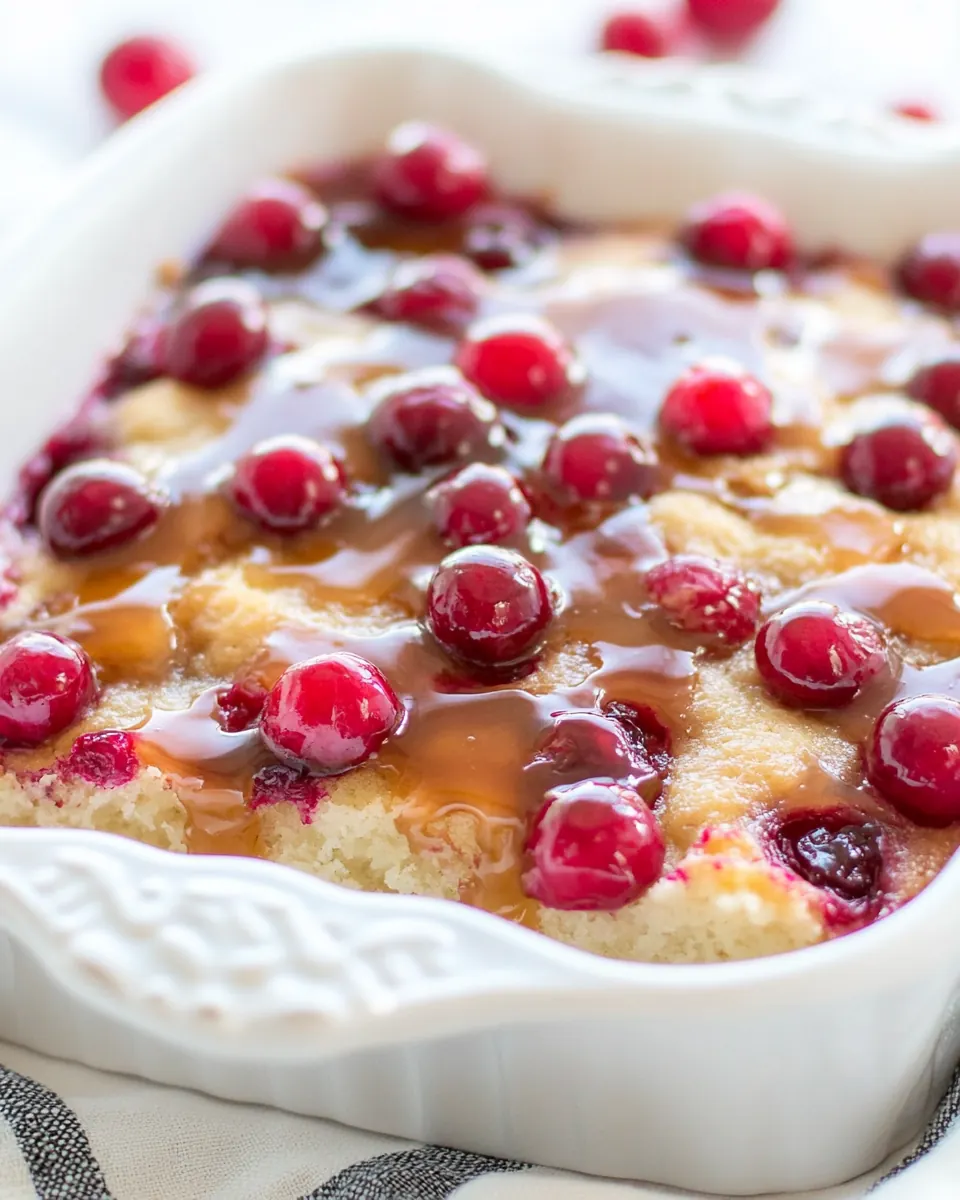
Cranberry Cake with Caramel Sauce
Cranberry Cake with Caramel Sauce is one of those recipes that instantly takes me back to crisp, late autumn afternoons in my kitchen, when the light slants through the window and the house smells faintly of sugar and butter. I remember spotting a bag of frozen cranberries at the market and deciding on a whim to turn them into a simple cake, then rummaging through the pantry for a quick caramel to pour over warm slices. That small, improvised dessert became an instant favorite with family and friends, a sweet we reached for whenever we wanted something cozy but not fussy.
Over the years I refined the balance between the bright, tart cranberry notes and the rich, bronzed sweetness of the caramel. What I love about this Cranberry Cake with Caramel Sauce is how approachable it is, yet how elegant it feels when served warm with a spoonful of sauce pooling on the plate. I often make it for holiday gatherings, yet it’s just as welcome on a regular Tuesday when I want to cheer someone up.
One memorable afternoon I baked it for neighbors who had just moved in. The cake cooled while we chatted on the porch, and when I cut a piece and drizzled sauce over it, everyone fell quiet for a beat. That quiet said everything. Since then, this recipe has earned a small reputation around my block as the dessert that makes people slow down. It’s forgiving, straightforward, and perfect for when you want to impress without stress. I hope it becomes a little tradition in your kitchen too.
Recipe Snapshot
50 mins
15 mins
35 mins
Medium
350 kcal
American
Gluten-Free, Low FODMAP
Desserts
9 inch square pan, Mixing bowl, Small pot, Spoon
The Magic of This Cranberry Cake with Caramel Sauce
Bright tartness balanced with buttery caramel
I adore how the cranberry provides a sharp, invigorating contrast to the warm, almost nutty flavors in the caramel. That tension between tart and sweet keeps every bite lively. When I bake this Cranberry Cake with Caramel Sauce, the cranberries break down just enough to pop with flavor while the sauce adds a silky finish that ties the whole dessert together.
Simple ingredients, big impact
We use pantry staples like all purpose flour, granulated sugar, and butter, but they come together to create a tender crumb and a sauce with real depth. This simplicity is liberating, because you don’t need specialty items to produce something memorable. I often tell friends that this is the kind of recipe you can make at a moment’s notice and still feel proud of the result.
Great for gatherings and quiet nights alike
Another reason I keep returning to this Cranberry Cake with Caramel Sauce is its versatility. It’s festive enough for holidays, yet humble enough for casual dessert after dinner. I’ve served it at Thanksgiving and on regular Sundays. People always appreciate a dessert that feels seasonal without being complicated.
Textural play keeps every bite interesting
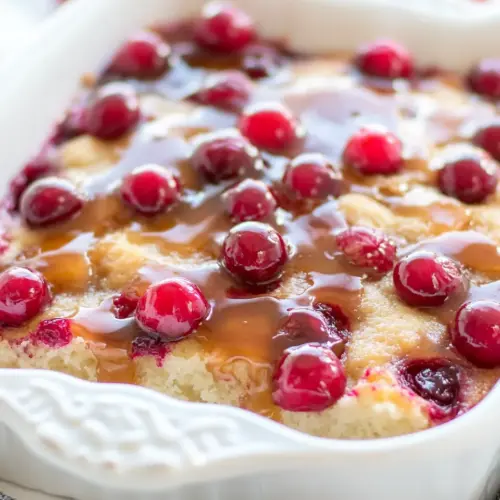
The cake itself stays soft and slightly tender, while studded cranberry pockets add bursts of juiciness. Pouring warm caramel over the top creates a contrast in temperature and texture that delights me every time. That interplay is exactly why this recipe stands out on a dessert table.
Forgiving and flexible to make
I love recipes that forgive little kitchen missteps, and this one does. Whether your cranberries are fresh or frozen, or your milk is whole or lighter, the cake still turns out charming. It’s a reliable go to when you want something comforting with minimal fuss.
What’s In This Cranberry Cake with Caramel Sauce
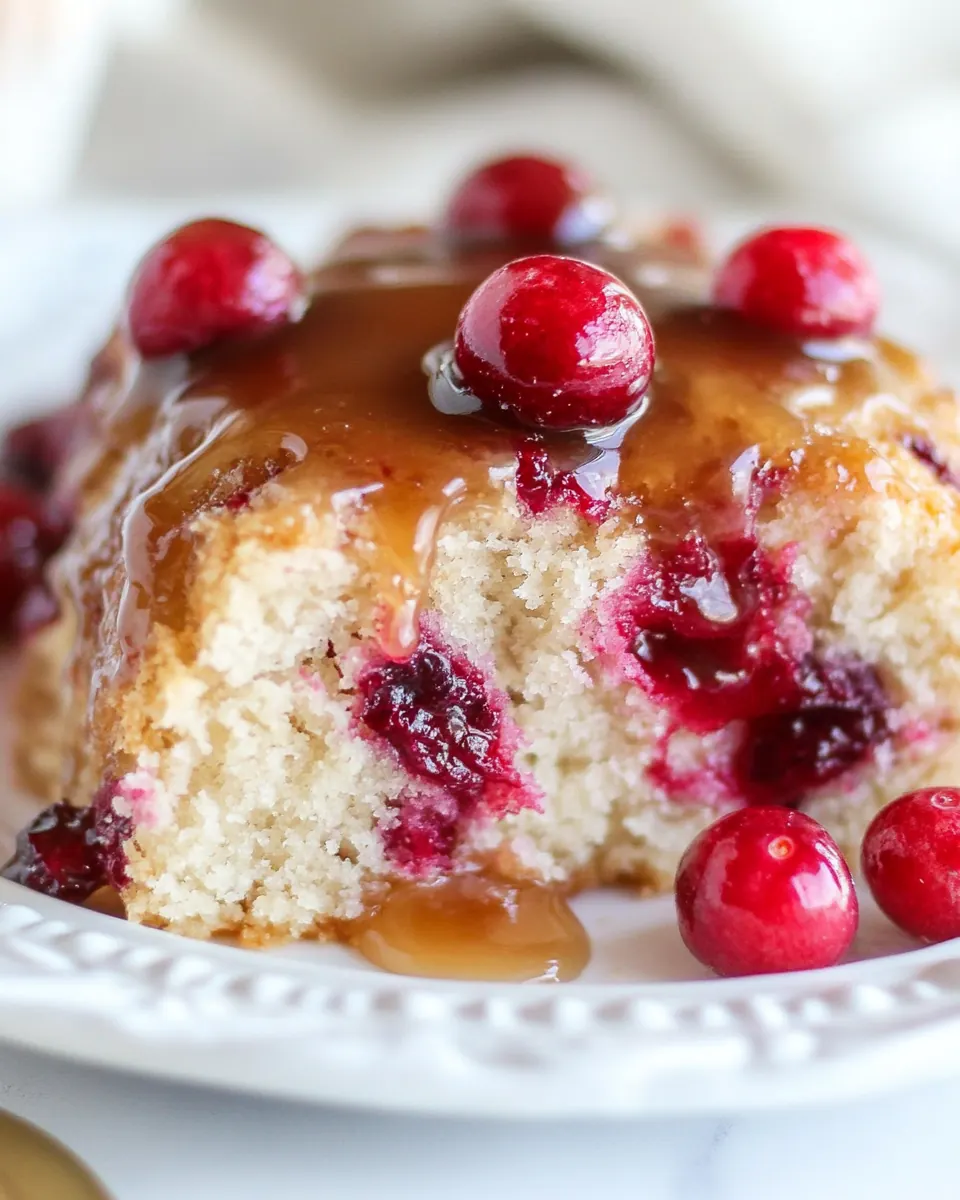
The ingredients for this Cranberry Cake with Caramel Sauce are straightforward and complementary. I see them as players in a simple orchestra: the dry ingredients form the structure, the butter and milk bring tenderness and moisture, and the cranberries add bright contrast while the caramel ties everything together with a warm, sweet finish.
- 3 tablespoons butter or margarine softened: Soften to room temperature so it blends smoothly into the batter, providing tenderness and a rich mouthfeel; creaming with sugar helps incorporate air for a lighter crumb.
- 1 cup granulated sugar: Sweeten and balance tartness while aiding browning during baking; granulated sugar also helps create structure by interacting with eggs and flour.
- 1 egg: Bind the ingredients together and add moisture, contributing to the cake's structure and helping leavening agents create lift; beat until incorporated for even texture.
- 1 cup milk: Moisten the dry ingredients, dissolve sugars, and contribute to batter consistency; milk also adds mild flavor and helps produce a tender crumb.
- 2 cups all purpose flour: Provide the primary structure and bulk for the cake; all purpose flour's protein content forms gluten when mixed with liquid, giving the cake its framework.
- 1 teaspoon salt: Enhance overall flavor by balancing sweetness and accentuating other ingredients; salt also strengthens gluten and can improve dough handling and texture.
- 1 teaspoon baking powder: Leaven the cake by producing carbon dioxide when combined with wet ingredients, creating rise and lightness; ensure even distribution for consistent texture.
- 2 cups fresh or frozen cranberries I used frozen: Add bright tartness, bursts of moisture, and a contrasting texture; fresh or frozen cranberries also contribute color and a festive flavor profile.
- 1/2 cup butter: Melt for the caramel sauce base, contributing richness and a silky mouthfeel; using butter at this stage helps create a smooth, glossy sauce.
- 1 cup packed brown sugar: Sweeten and provide depth of flavor in the caramel sauce; packed brown sugar adds molasses notes and enhances color and complexity.
- 3/4 cup milk or heavy cream I used milk, the original used heavy cream: Thin and enrich the caramel sauce while helping achieve desired pourable consistency; milk or heavy cream also smooths and rounds the sauce's flavor.
Step by Step Instructions for Cranberry Cake with Caramel Sauce
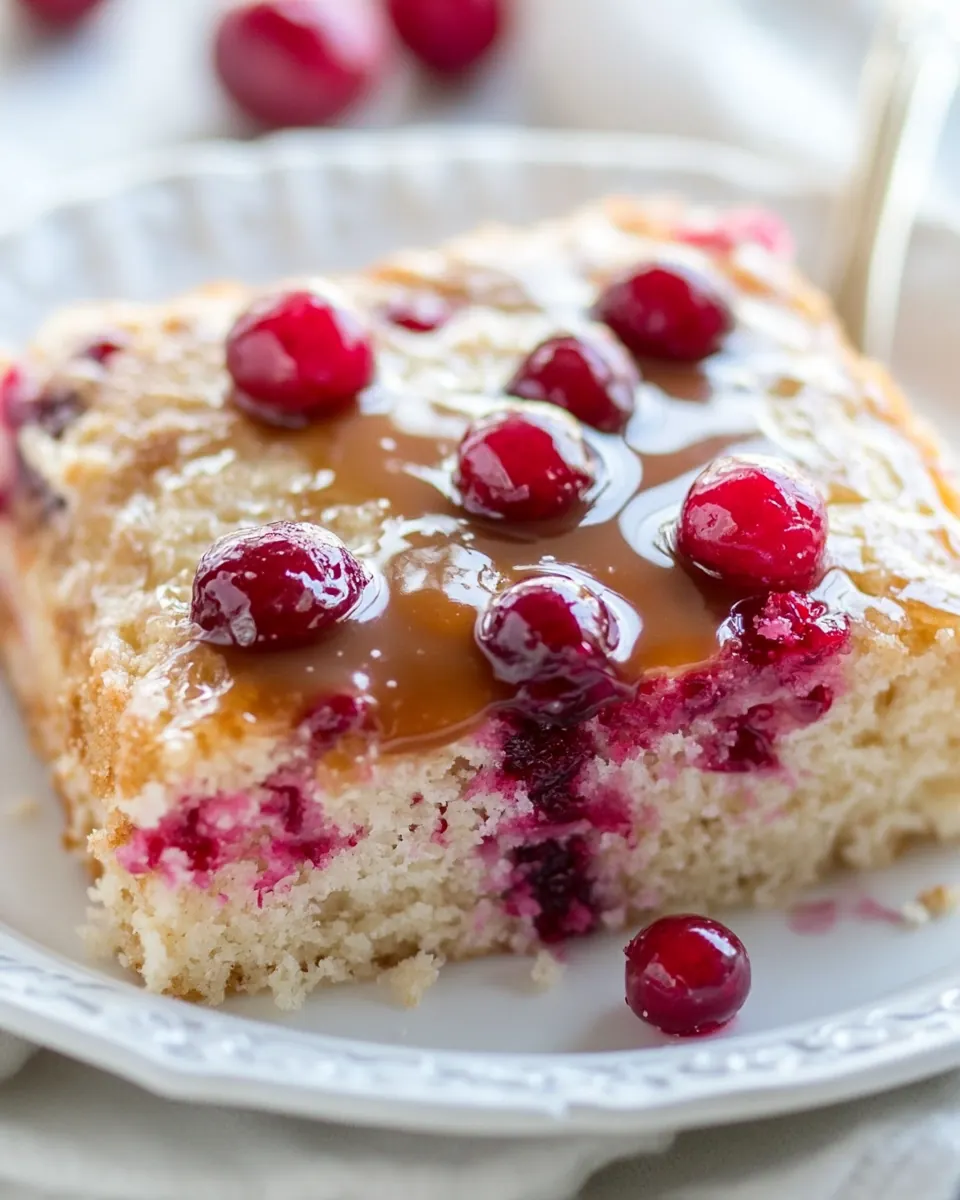
This recipe is approachable and comforting to prepare. I like to move through the steps methodically while keeping an eye on sensory cues like aroma and texture. Below I expand each direction into practical, sensory rich guidance so you know when you are on the right track.
- Preheat the oven to 350 degrees F and lightly grease a 9” square pan.: The room will begin to warm and the air takes on a faint bready scent as the oven approaches 350 degrees F . Greasing the 9 inch square pan ensures the cake releases cleanly, and you might notice the butter or oil sheen on the metal when you tilt it. Why this matters, the even heat from a preheated oven creates predictable rise and crust formation. Common mistake to avoid, putting the pan in before the oven is fully preheated can lead to uneven baking and a gummy center. Tip, line the pan with parchment for extra insurance if you want a flawless release.
- In a medium bowl, beat together the butter and sugar until crumbly. Add in egg and milk and beat until combined.: As you beat the softened butter with the granulated sugar , you should see the mixture lighten in color and take on a slightly grainy but cohesive texture. When you add the egg and then the milk , the batter becomes silkier and looser. Why this matters, properly creaming helps integrate air and disperse sugar for an even crumb. Sensory notes include a richer butter aroma and a smoother viscous batter when combined. Common mistake to avoid, using melted butter here changes the emulsification and can create a dense cake. If your batter splits or looks curdled, keep beating gently until smooth; don t overmix after adding flour later.
- Add in flour, salt, and baking powder and beat until just combined. Stir in cranberries.: When you add the dry mix of all purpose flour , salt , and baking powder , fold or beat briefly until there are no streaks of flour left. The batter should be cohesive but still soft. Folding in the cranberries distributes bright spots of color; you may see pops of deep red or purple from frozen berries releasing slight juices. Why this matters, mixing only until combined protects a tender crumb by avoiding gluten overdevelopment. Common mistake to avoid, vigorous mixing at this stage will yield toughness. If the batter seems too thick, a splash more milk can loosen it, but add sparingly to avoid a soupy mix.
- Spread batter in prepared pan and bake for 30-35 minutes or until a toothpick comes out clean.: As the cake bakes, the kitchen fills with a warm, sweet aroma and the top will gently turn a light golden color. The surface may crack slightly around the edges, a sign that the interior is setting. Why this matters, baking for the correct time ensures the center sets while the edges don t overbrown. Sensory cues include a springy top when lightly pressed and a clean toothpick or just a few moist crumbs removed. Common mistake to avoid, opening the oven repeatedly will drop the temperature and may cause uneven baking; check close to the end of the time window and trust the toothpick test.
- While cake is baking, prepare caramel sauce. In a small pot, melt butter. Add brown sugar and milk or cream and bring to a boil over medium-high heat, stirring constantly. Cook over a low boil for 2-3 minutes, stirring constantly. Serve warm over warm cake.: Melting the butter releases a nutty aroma and creates a glossy base for the sauce. You should see the butter shimmer before bubbling gently. Why this matters, slowly melting the butter helps it integrate smoothly with the sugars and liquids. Sensory note, the smell becomes richer and slightly toasted if the heat is moderate. Common mistake to avoid, high heat can brown the butter too quickly and create a burnt flavor. Keep the flame moderate and stir as it melts.
- Add brown sugar and milk or cream and bring to a boil over medium high heat, stirring constantly: When the brown sugar meets the hot butter , the mixture will darken and begin to dissolve; adding the milk or heavy cream creates steam and a bubbling, caramelizing surface. Bring it carefully to a gentle boil over medium high heat while stirring, watching the sauce thicken and take on a glossy sheen. Why this matters, stirring constantly prevents scorching and ensures a smooth, lump free texture. Sensory cues include a deepening aroma of caramel and a slightly thicker, syrupy texture. Common mistake to avoid, letting the sauce boil too vigorously can separate the fats or cause it to crystallize; keep it to a steady simmer once it begins to bubble.
- Cook over a low boil for 2 to 3 minutes, stirring constantly: During this brief cooking window the sauce will deepen in color and become velvety. You ll notice it cling to the spoon when it s ready and thin ribbons falling back into the pot. Why this matters, that short low boil concentrates flavor and slightly reduces water for a luscious sauce that will set gently on the warm cake. Sensory notes include a warm toffee scent and a thickened mouthfeel. Common mistake to avoid, undercooking leaves the sauce too thin, while overcooking can harden it when cooled. Remove at the lower end if you prefer pourable sauce.
- Serve warm over warm cake: Serving the caramel warm lets it seep into the crumb of the cake , creating a silky junction between tart and sweet. When you pour the sauce, you should see it slowly coat the top and pool slightly at the edges, and the cake will steam faintly. Why this matters, temperature contrast heightens flavor perception and texture. Sensory cues include a marrying of warm, buttery sauce and soft cake crumb, while the cranberries pop with brightness. Common mistake to avoid, pouring cold sauce can stiffen quickly and not integrate; rewarm gently if necessary before serving.
Ways to Adapt This Recipe
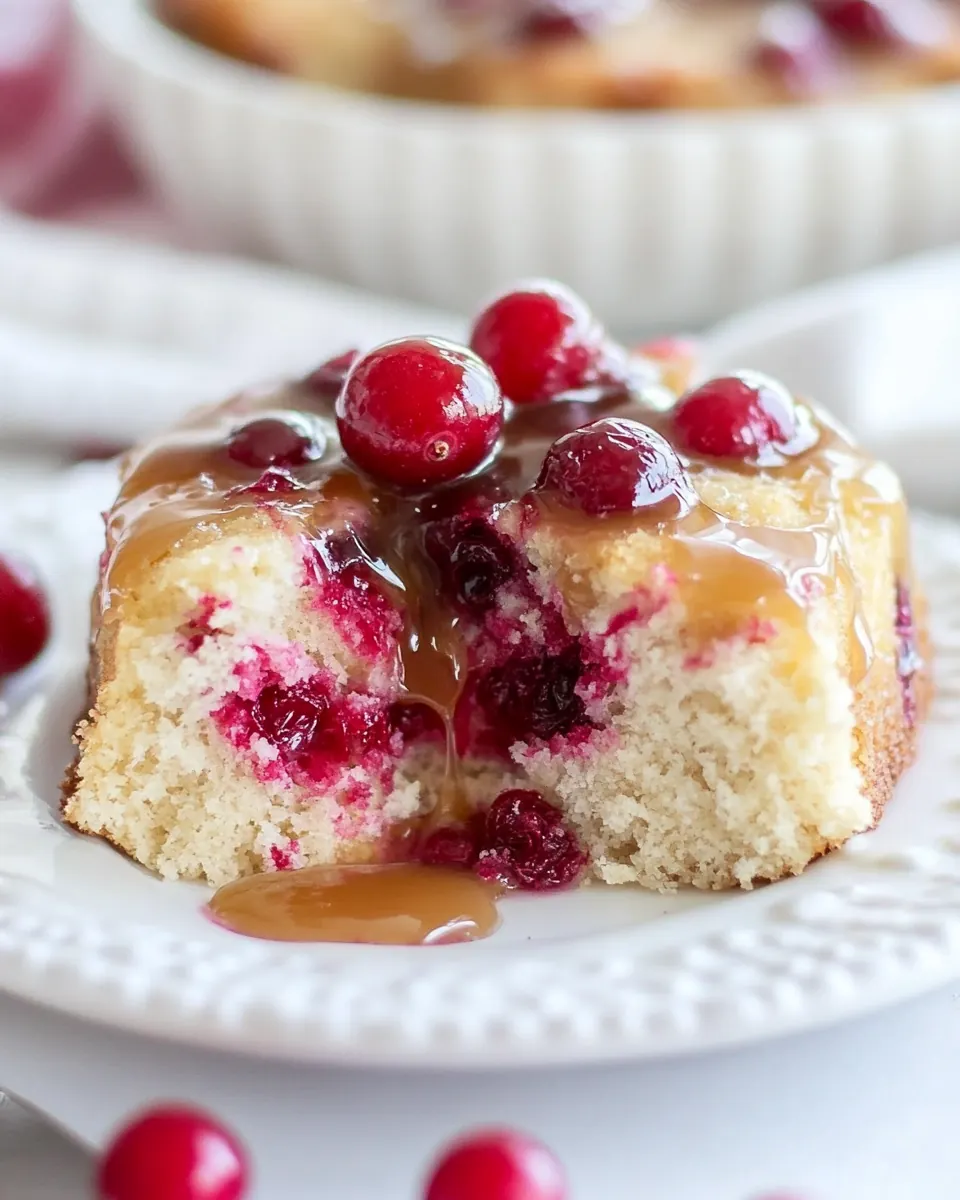
This section offers practical adaptations so you can personalize the Cranberry Cake with Caramel Sauce to your taste or pantry. Below are focused tips you can use as you bake, each starting with a clear lead phrase to guide the change.
- Make it richer : Use heavy cream in the caramel instead of milk to produce a thicker, more indulgent sauce that clings luxuriously to each slice.
- Keep it lighter : Substitute low fat milk in both the batter and the sauce for a less rich dessert while retaining structure and flavor.
- Swap fats thoughtfully : If you only have margarine, it will work in the batter, but expect a slightly different texture; use butter in the sauce for a better flavor payoff.
- Control sweetness : Reduce the granulated sugar by a tablespoon or two if you prefer a less sweet cake, the tart cranberries will still shine through.
- Adjust the caramel texture : Cook the sauce at the lower end of the time for pourable caramel, a bit longer for a thicker, more spoonable sauce that will set slightly on the cake.
Side Dish Ideas for Cranberry Cake with Caramel Sauce
This dessert pairs beautifully with simple accompaniments and suits a range of occasions. Below I describe serving ideas, storage tips, and seasonal pairings in a practical list format so you can plan the whole experience.
- Serve with whipped cream : Lightly sweetened whipped cream complements the caramel and offsets the tartness of the cranberries, creating a balanced bite ideal for a holiday table.
- Plate with vanilla ice cream : A scoop of vanilla ice cream adds cold creaminess that contrasts the warm sauce and tender cake, making it a classic dessert presentation for dinner parties.
- Offer warm coffee or tea : A robust cup of coffee or a fragrant tea pairs well for an afternoon treat, enhancing the caramel notes and providing a pleasant palate cleanser.
- Holiday centerpiece : For Thanksgiving, place the cake on a platter with seasonal garnishes and let guests help themselves; its a cozy, shareable dessert that fits festive menus.
- Storage on the counter : Keep leftover cake covered at room temperature for up to two days to preserve the crumb; rewarm briefly before serving to refresh the sauce effect.
- Refrigeration and reheating : Store in the refrigerator up to four days. Rewarm single slices gently in a microwave or oven and refresh with warmed caramel for a nearly fresh experience.
- Seasonal pairing : This cake feels right in autumn and winter when tart fruits and warm sauces are welcome; serve it at cozy gatherings or for a special weekend dessert.
FAQ
Conclusion
This Cranberry Cake with Caramel Sauce stands out because it balances bright, tart fruit with a warm, buttery sauce in a way that feels both cozy and celebratory. The textures and temperatures play off one another, making each bite interesting and satisfying. I hope you give it a try the next time you want a dessert thats simple to make but impressive to serve. Share it with friends or keep it all to yourselfeither way, its a sweet reminder that straightforward ingredients can yield something truly special.
Cranberry Cake with Caramel Sauce
Equipment
- 9 inch square pan
- Mixing Bowl
- Small pot
- Spoon
Ingredients
- 3 tablespoons butter or margarine softened Soften to room temperature so it blends smoothly into the batter, providing tenderness and a rich mouthfeel; creaming with sugar helps incorporate air for a lighter crumb.
- 1 cup granulated sugar Sweeten and balance tartness while aiding browning during baking; granulated sugar also helps create structure by interacting with eggs and flour.
- 1 egg Bind the ingredients together and add moisture, contributing to the cake's structure and helping leavening agents create lift; beat until incorporated for even texture.
- 1 cup milk Moisten the dry ingredients, dissolve sugars, and contribute to batter consistency; milk also adds mild flavor and helps produce a tender crumb.
- 2 cups all purpose flour Provide the primary structure and bulk for the cake; all purpose flour's protein content forms gluten when mixed with liquid, giving the cake its framework.
- 1 teaspoon salt Enhance overall flavor by balancing sweetness and accentuating other ingredients; salt also strengthens gluten and can improve dough handling and texture.
- 1 teaspoon baking powder Leaven the cake by producing carbon dioxide when combined with wet ingredients, creating rise and lightness; ensure even distribution for consistent texture.
- 2 cups fresh or frozen cranberries I used frozen Add bright tartness, bursts of moisture, and a contrasting texture; fresh or frozen cranberries also contribute color and a festive flavor profile.
- 1/2 cup butter Melt for the caramel sauce base, contributing richness and a silky mouthfeel; using butter at this stage helps create a smooth, glossy sauce.
- 1 cup packed brown sugar Sweeten and provide depth of flavor in the caramel sauce; packed brown sugar adds molasses notes and enhances color and complexity.
- 3/4 cup milk or heavy cream I used milk, the original used heavy cream Thin and enrich the caramel sauce while helping achieve desired pourable consistency; milk or heavy cream also smooths and rounds the sauce's flavor.
Instructions
- Preheat the oven to 350 degrees F and lightly grease a 9” square pan.: The room will begin to warm and the air takes on a faint bready scent as the oven approaches 350 degrees F . Greasing the 9 inch square pan ensures the cake releases cleanly, and you might notice the butter or oil sheen on the metal when you tilt it. Why this matters, the even heat from a preheated oven creates predictable rise and crust formation. Common mistake to avoid, putting the pan in before the oven is fully preheated can lead to uneven baking and a gummy center. Tip, line the pan with parchment for extra insurance if you want a flawless release.
- In a medium bowl, beat together the butter and sugar until crumbly. Add in egg and milk and beat until combined.: As you beat the softened butter with the granulated sugar , you should see the mixture lighten in color and take on a slightly grainy but cohesive texture. When you add the egg and then the milk , the batter becomes silkier and looser. Why this matters, properly creaming helps integrate air and disperse sugar for an even crumb. Sensory notes include a richer butter aroma and a smoother viscous batter when combined. Common mistake to avoid, using melted butter here changes the emulsification and can create a dense cake. If your batter splits or looks curdled, keep beating gently until smooth; don t overmix after adding flour later.
- Add in flour, salt, and baking powder and beat until just combined. Stir in cranberries.: When you add the dry mix of all purpose flour , salt , and baking powder , fold or beat briefly until there are no streaks of flour left. The batter should be cohesive but still soft. Folding in the cranberries distributes bright spots of color; you may see pops of deep red or purple from frozen berries releasing slight juices. Why this matters, mixing only until combined protects a tender crumb by avoiding gluten overdevelopment. Common mistake to avoid, vigorous mixing at this stage will yield toughness. If the batter seems too thick, a splash more milk can loosen it, but add sparingly to avoid a soupy mix.
- Spread batter in prepared pan and bake for 30-35 minutes or until a toothpick comes out clean.: As the cake bakes, the kitchen fills with a warm, sweet aroma and the top will gently turn a light golden color. The surface may crack slightly around the edges, a sign that the interior is setting. Why this matters, baking for the correct time ensures the center sets while the edges don t overbrown. Sensory cues include a springy top when lightly pressed and a clean toothpick or just a few moist crumbs removed. Common mistake to avoid, opening the oven repeatedly will drop the temperature and may cause uneven baking; check close to the end of the time window and trust the toothpick test.
- While cake is baking, prepare caramel sauce. In a small pot, melt butter. Add brown sugar and milk or cream and bring to a boil over medium-high heat, stirring constantly. Cook over a low boil for 2-3 minutes, stirring constantly. Serve warm over warm cake.: Melting the butter releases a nutty aroma and creates a glossy base for the sauce. You should see the butter shimmer before bubbling gently. Why this matters, slowly melting the butter helps it integrate smoothly with the sugars and liquids. Sensory note, the smell becomes richer and slightly toasted if the heat is moderate. Common mistake to avoid, high heat can brown the butter too quickly and create a burnt flavor. Keep the flame moderate and stir as it melts.
- Add brown sugar and milk or cream and bring to a boil over medium high heat, stirring constantly: When the brown sugar meets the hot butter , the mixture will darken and begin to dissolve; adding the milk or heavy cream creates steam and a bubbling, caramelizing surface. Bring it carefully to a gentle boil over medium high heat while stirring, watching the sauce thicken and take on a glossy sheen. Why this matters, stirring constantly prevents scorching and ensures a smooth, lump free texture. Sensory cues include a deepening aroma of caramel and a slightly thicker, syrupy texture. Common mistake to avoid, letting the sauce boil too vigorously can separate the fats or cause it to crystallize; keep it to a steady simmer once it begins to bubble.
- Cook over a low boil for 2 to 3 minutes, stirring constantly: During this brief cooking window the sauce will deepen in color and become velvety. You ll notice it cling to the spoon when it s ready and thin ribbons falling back into the pot. Why this matters, that short low boil concentrates flavor and slightly reduces water for a luscious sauce that will set gently on the warm cake. Sensory notes include a warm toffee scent and a thickened mouthfeel. Common mistake to avoid, undercooking leaves the sauce too thin, while overcooking can harden it when cooled. Remove at the lower end if you prefer pourable sauce.
- Serve warm over warm cake: Serving the caramel warm lets it seep into the crumb of the cake , creating a silky junction between tart and sweet. When you pour the sauce, you should see it slowly coat the top and pool slightly at the edges, and the cake will steam faintly. Why this matters, temperature contrast heightens flavor perception and texture. Sensory cues include a marrying of warm, buttery sauce and soft cake crumb, while the cranberries pop with brightness. Common mistake to avoid, pouring cold sauce can stiffen quickly and not integrate; rewarm gently if necessary before serving.
Notes
- Make it richer : Use heavy cream in the caramel instead of milk to produce a thicker, more indulgent sauce that clings luxuriously to each slice.
- Keep it lighter : Substitute low fat milk in both the batter and the sauce for a less rich dessert while retaining structure and flavor.
- Swap fats thoughtfully : If you only have margarine, it will work in the batter, but expect a slightly different texture; use butter in the sauce for a better flavor payoff.
- Control sweetness : Reduce the granulated sugar by a tablespoon or two if you prefer a less sweet cake, the tart cranberries will still shine through.
- Adjust the caramel texture : Cook the sauce at the lower end of the time for pourable caramel, a bit longer for a thicker, more spoonable sauce that will set slightly on the cake.
