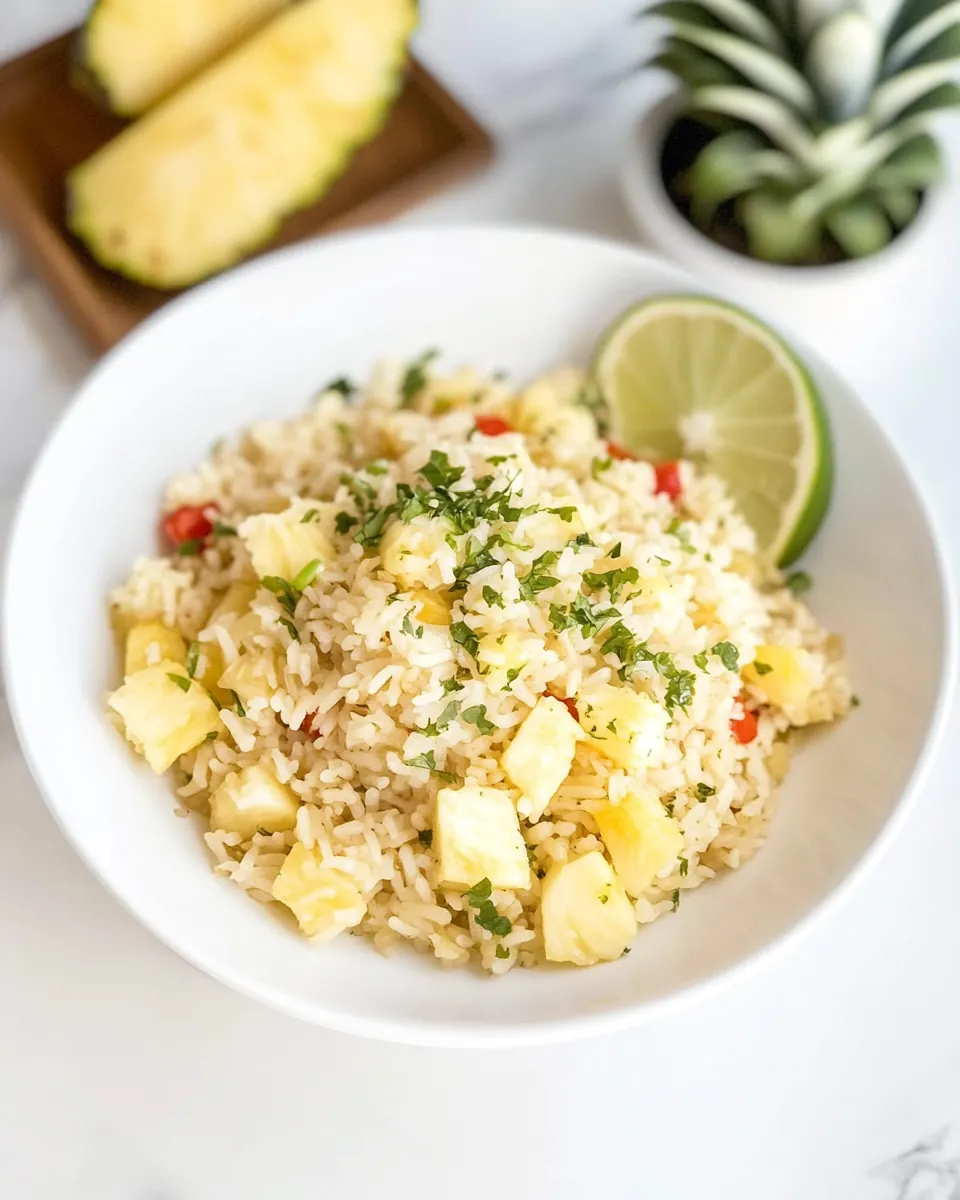
Pineapple Rice
Pineapple Rice is one of those recipes that sings of sunny afternoons and easy gatherings, and it first became a family favorite the summer I hosted a backyard supper for friends who insisted on bringing something tropical.
I remember standing over the stove, the kitchen filled with a sweet citrus aroma from steaming pineapple juice while a warm, faintly spicy scent from a halved jalapeno teased the air. A friend commented that the combination sounded odd, and by the time we sat down it was the dish everyone asked about. I loved how the subtle heat balanced the brightness of the lime and the herbal lift from the chopped cilantro, and the little cubes of pineapple added playful bursts of sweetness.
Since then, this recipe has become my go to for potlucks, casual dinners, and as a colorful side when I want something different than plain steamed rice. It pairs wonderfully with grilled proteins, but it also shines on its own as a comforting, fragrant bed for roasted vegetables. When I make it, I think about texture and contrast, so I rinse the rice until the water runs clear and keep the pineapple chunks optional for people who prefer a more subtle fruit note.
Recipe Snapshot
55 mins
5 mins
50 mins
Medium
250 kcal
American
Vegan, Gluten-Free
Side Dishes
Fine mesh strainer, Medium heavy bottomed saucepan, Fork
Why We Love This Pineapple Rice
Bright tropical flavor
I love how Pineapple Rice brings a sunlit brightness to the plate. The use of pineapple juice to cook the rice infuses each grain with a gentle sweetness that lifts the whole dish, making it feel festive without being heavy.
Balanced heat and freshness
The addition of a seeded jalapeno gives a whisper of warmth that plays nicely against the acidity of the lime and the green notes of the cilantro. I often adjust the spice to suit the crowd, but that subtle kick is what keeps this from tasting cloying.
Versatile side that complements many mains
We often serve this rice with grilled fish or roasted vegetables. Its texture, whether you use brown or white rice, provides a neutral yet flavorful base. The optional diced pineapple can make it more dessert like, while leaving it out keeps it more savory and adaptable.
Simple technique with dependable results
I appreciate recipes that do not demand complicated skills, and Pineapple Rice is one of them. A careful simmer and a patient fluff with a fork yield perfectly separated grains, and that small attention to detail is what makes the difference between floppy rice and a dish that looks and tastes like you spent more time on it.
Make ahead friendly
One of my favorite things about this recipe is how it reheats beautifully. Leftovers keep well in the refrigerator, and the flavors often meld further, making the second day even more harmonious. It is reliable, whether you are planning a weeknight meal or prepping for a weekend gathering.
Recipe Ingredients for Pineapple Rice
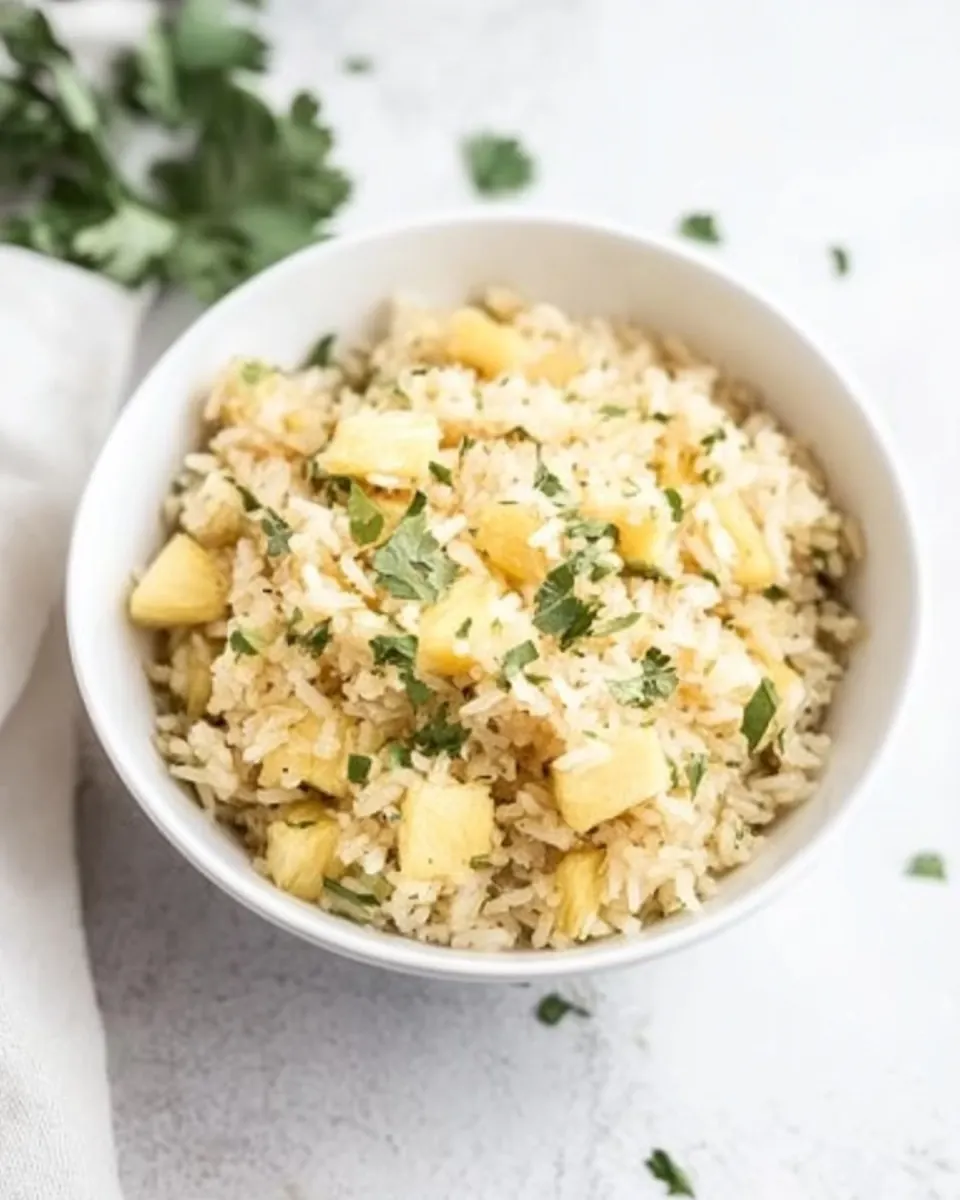
These ingredients are straightforward and focused on layering sweet, spicy, and herbaceous notes. The key players are the pineapple juice and rice, which form the foundation, while jalapeno, garlic, and cilantro add complexity. Together they create a balance of texture and taste, making each bite interesting.
- 1 cup pineapple juice, canned or refrigerated: Adds bright tropical sweetness and a concentrated pineapple flavor to the cooking liquid; helps infuse the rice as it cooks for aromatic depth. Can be canned or refrigerated juice, providing both flavor and some natural sugars that enhance browning and caramel notes when finished.
- 1 cup water: Provides neutral dilution for the pineapple juice to create proper rice cooking liquid and balance sweetness; ensures rice cooks evenly without becoming too sticky. Contributes necessary steam for absorption cooking and helps dissolve the salt and aromatics.
- 1 small jalapeno, cut in half and seeded: Imparts gentle heat and a sharp, green peppery note when halved and seeded; can be simmered with the rice to add subtle spice without overwhelming. Removing seeds controls heat level while the membrane and skin still give aromatic complexity.
- 2 cloves garlic, minced: Contributes pungent savory depth and aromatic complexity when minced; helps build a savory backbone that balances sweet pineapple and bright lime. Releases sulfurous compounds that simmer into the cooking liquid, enhancing overall flavor integration.
- 1 teaspoon salt: Enhances overall flavor by seasoning the cooking liquid so rice absorbs a balanced savory profile; helps round out sweet, spicy, and acidic components. Also aids in highlighting other aromatics and bringing cohesion to the dish.
- 1 cup long-grain rice, brown or white rice: Provides the starchy base and texture of the dish; long–grain rice yields separate, fluffy grains while brown rice offers nuttier flavor and chewier texture. Absorbs the pineapple–lime cooking liquid and aromatics to deliver cohesive pineapple rice with contrasting textures.
- 1 medium lime, zested and juiced: Contributes bright citrus acidity and fragrant oils from the zest to cut through sweetness and lift flavors; juice adds tang that balances the dish. Zesting before juicing captures aromatic oils that finish the rice with fresh citrus notes.
- 1 bunch cilantro, stems discarded and leaves chopped: Introduces herbal freshness and a slightly citrusy, peppery undertone when leaves are chopped and added; discarded stems prevent tough bits in the final dish. Cilantro leaves provide a cooling counterpoint to jalapeno heat and complement the pineapple–lime profile.
- 1 cup pineapple, diced into 1-inch cubed (optional): Adds juicy, sweet-tart fruit chunks and pleasant texture contrast when diced into one-inch cubes; optional addition provides bursts of pineapple in each bite. If included, these pieces can be folded in at the end to preserve shape and bright flavor.
Directions for Pineapple Rice
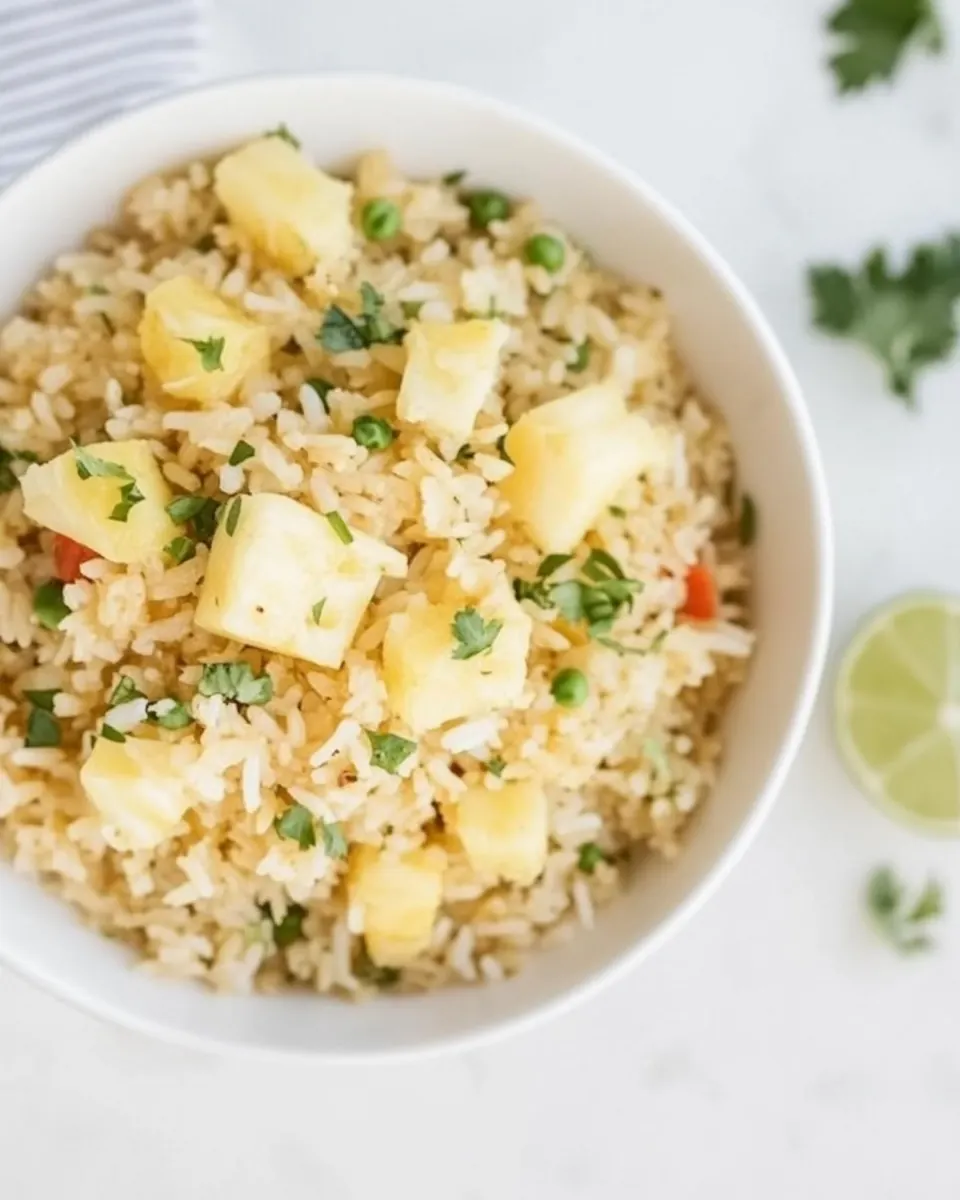
Let me walk you through the steps in a way that feels like we are cooking side by side. I keep the directions simple while focusing on the little cues that tell you things are going well, from the sound of the simmer to the look of perfectly fluffed rice.
- Place 1 cup long-grain rice into a fine-mesh strainer and rinse well, set aside.: The scent of rinsed rice is cleaner, and you will notice the water run clearer as you rinse, which reduces excess surface starch and prevents gummy clumps. Use your fingers to gently stir the rice under cool running water until it runs almost clear, then let it drain thoroughly, as standing water will change the liquid ratio. This step matters because surface starch leads to sticky, clumped grains; rinsing yields distinct, separate kernels. A common error is to skip rinsing to save time, which often results in a denser texture that masks the delicate pineapple flavor.
- Combine 1 cup pineapple juice, 1 cup water, 1 small jalapeno (cut in half and seeded), 2 cloves garlic, and 1 teaspoon salt in a medium heavy-bottomed saucepan. Bring the mixture to a rapid boil over high heat.: You will notice a fragrant mix of sweet pineapple and sharp garlic as the liquid warms, which foreshadows the balanced flavors the dish achieves. Use a medium heavy bottomed saucepan to ensure even heating and to avoid hotspots that can scorch. Bring the mixture to a full rolling boil over high heat, watching for tiny bubbles breaking across the surface and an intensified aroma; these are visual clues that the liquid is ready to receive the rice . Avoid boiling too long before adding the rice , as prolonged boiling can concentrate the juice and make the final dish too sweet.
- Once the mixture is boiling, stir in the rice, reduce the heat to medium-low, and cover the pan. Simmer the rice until tender and the liquid is absorbed. For brown rice this is about 48-52 minutes, for white rice, this is about 17-22 minutes.: The moment you add the rinsed rice , you will hear a gentle settling sound as the grains sink and begin to absorb liquid. Stir briefly to distribute the grains evenly, then lower the heat to maintain a gentle simmer, not a furious boil, which ensures slow, steady absorption and tender texture. Covering the pan traps steam for even cooking; you should see a few soft wisps of steam at the lid edges, not a violent expulsion of moisture. A typical mistake is to lift the lid often to check, which lets steam escape and lengthens the cooking time, potentially leading to unevenly cooked grains.
- Once the rice is tender, remove the pan from the heat. Remove the jalapeno from the rice and fluff the rice with a fork. Gently stir in the zest and juice of 1 medium lime, 1 bunch cilantro (chopped), and 1 cup pineapple. Serve immediately.: Listen for a faint, steady simmer and watch the pot; when the surface looks dull and you see small craters where the liquid has been absorbed, that is a sign the water is mostly gone. For brown rice , expect a longer, firmer chew and a nuttier aroma, while white long grain will yield fluffier, lighter kernels sooner. Resist the urge to stir frequently, which can break grains and make the texture pasty. If the rice seems hard and the liquid is gone, add a tablespoon or two of hot water and recover to finish cooking gently.
- Once the rice is tender, remove the pan from the heat: After you take the pan off the heat, let it sit covered for a short rest so residual steam evens out the texture; you will notice a final softening during this relaxation period. Carefully remove the whole jalapeno using tongs or a spoon to avoid leaving pieces that could make the dish too spicy. Fluff the rice with a fork to separate kernels and to release trapped steam, which prevents sogginess. Be gentle when fluffing to keep the grains intact; overworking the rice will create a gluey surface. A frequent misstep is to rush this step and serve straight from the pot, which can compress the rice and hide the light, airy texture you want.
- Remove the jalapeno from the rice and fluff the rice with a fork: Expect an aromatic lift as you fluff, with hints of pineapple and garlic mingling; this is the moment the dish shows its character. Use a fork to gently coax apart the grains, watching how each kernel separates cleanly when the texture is correct. Fluffing also helps the rice cool slightly so the fresh add ins do not wilt or break down. Avoid using a spoon to mash through the rice, which compacts the grains and changes the intended texture.
- Gently stir in the zest and juice of 1 medium lime, 1 bunch cilantro chopped, and 1 cup pineapple: The first scent when you add the lime zest is vibrant citrus oil, which brightens the whole pot, and the juice adds a tang that cuts through sweetness. Fold in the chopped cilantro with a light hand to keep the leaves lively and avoid bruising them into a limp green. Adding the diced pineapple at the end preserves its texture and prevents it from dissolving into the grains. A common issue is to add delicate ingredients too early, which leads to loss of fresh flavor and a muddier texture.
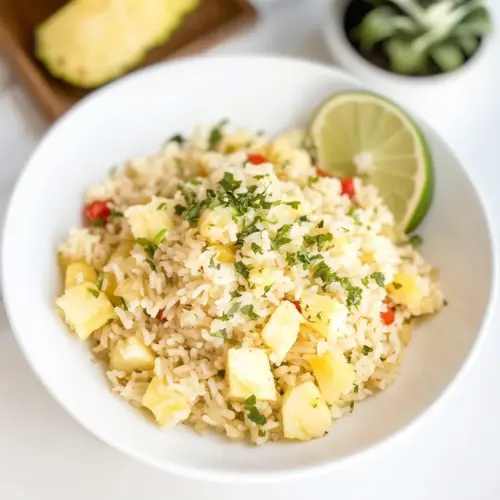
- Serve immediately: As you spoon the warm Pineapple Rice into bowls or onto a serving platter, you will see the glossy, separate grains and the colorful flecks of chopped cilantro and pineapple. Serving right away showcases the contrast between warm, fragrant rice and the bright, fresh toppings. If you must wait, keep the pot covered in a warm but turned off oven to preserve moisture, being careful not to oversteep the flavors. Reheating gently with a splash of water can restore texture if needed.
Variations to Try
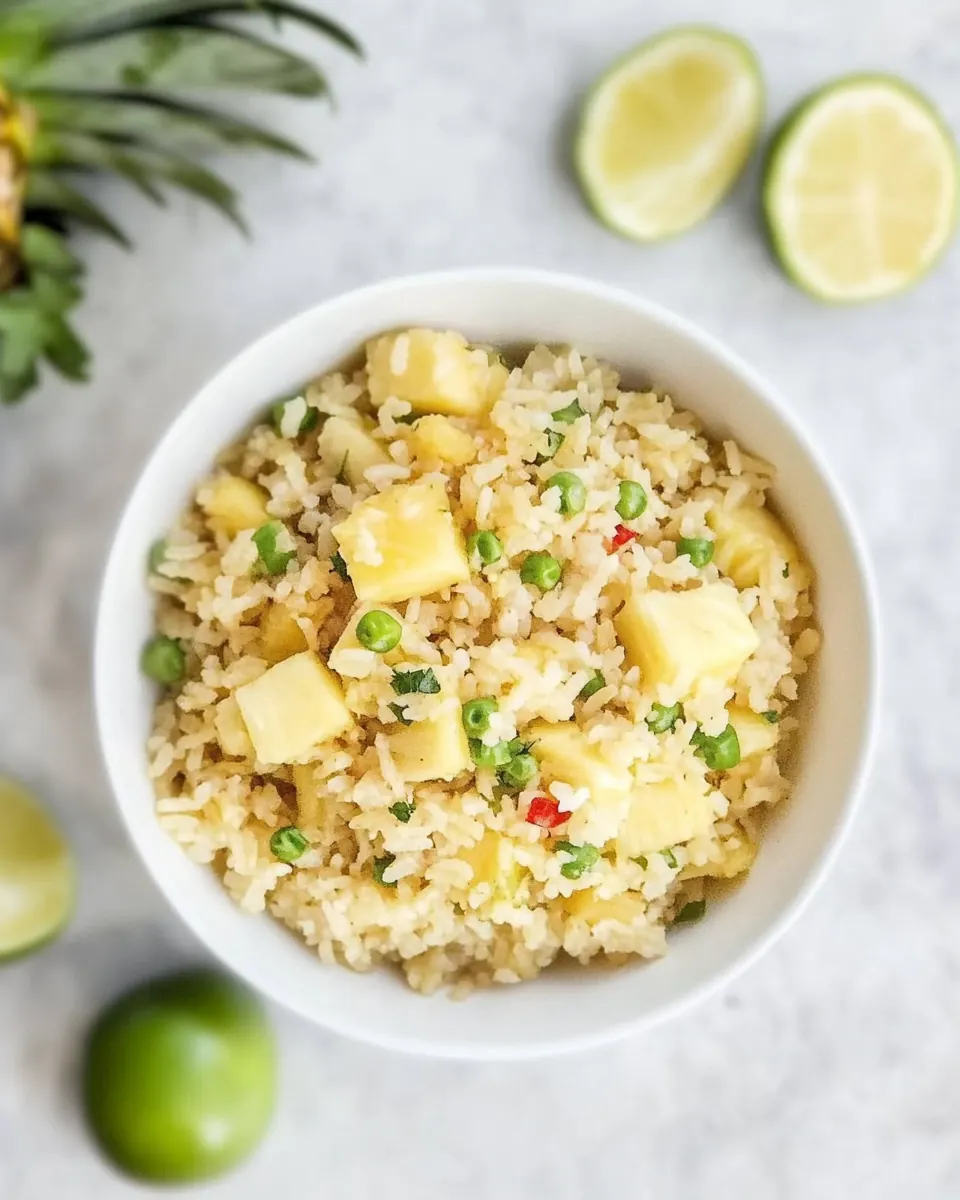
I like to experiment with small changes that highlight different facets of this dish, from texture tweaks to flavor boosts. Below are practical variations and helpful ideas to make Pineapple Rice your own.
- Make it with brown rice for a nuttier chew and more whole grain texture, which pairs nicely with heartier mains.
- Leave out the pineapple cubes if you prefer a subtler fruit presence, relying on the juice to flavor the grains without added sweetness bursts.
- Adjust the spice by omitting the seeds or the entire jalapeno to keep things milder for kids and sensitive palates.
- Use canned pineapple and its juice as a money saving shortcut, draining the fruit and using the juice to cook the rice.
- Try an Instant Pot method by combining ingredients in the pot and using a short high pressure cycle, then allowing natural pressure release for best texture.
Serving Options for Pineapple Rice
This dish works well in many settings, from weeknight dinners to festive gatherings. Below are serving ideas, pairings, and storage notes to make the most of your batch.
- Pair with grilled fish such as seasoned fillets for a light summer dinner that balances smoky and sweet flavors.
- Serve alongside roasted vegetables for a vegetarian friendly plate that contrasts warm, caramelized veg with bright rice.
- Use as a base for bowls topped with protein or beans for easy weeknight meals that are both colorful and satisfying.
- Occasion ideas include casual potlucks, summer barbecues, and festive holiday meals when you want a tropical note on the table.
- Storage tips store leftover rice in an airtight container in the refrigerator for up to 3 days, and reheat gently with a splash of water to restore moisture.
FAQ
Conclusion
Pineapple Rice stands out because it blends sweet pineapple notes with herbaceous cilantro and a gentle hint of jalapeno, creating a versatile side that feels both comforting and bright. Give it a try the next time you want a change from plain steamed rice, whether for a weeknight dinner or a weekend gathering, and notice how it lifts the whole meal. I hope this recipe becomes a favorite in your rotation, bringing a little tropical sunshine to your table.
Pineapple Rice
Equipment
- Fine-mesh strainer
- Medium heavy bottomed saucepan
- Fork
Ingredients
- 1 cup pineapple juice, canned or refrigerated Adds bright tropical sweetness and a concentrated pineapple flavor to the cooking liquid; helps infuse the rice as it cooks for aromatic depth. Can be canned or refrigerated juice, providing both flavor and some natural sugars that enhance browning and caramel notes when finished.
- 1 cup water Provides neutral dilution for the pineapple juice to create proper rice cooking liquid and balance sweetness; ensures rice cooks evenly without becoming too sticky. Contributes necessary steam for absorption cooking and helps dissolve the salt and aromatics.
- 1 small jalapeno, cut in half and seeded Imparts gentle heat and a sharp, green peppery note when halved and seeded; can be simmered with the rice to add subtle spice without overwhelming. Removing seeds controls heat level while the membrane and skin still give aromatic complexity.
- 2 cloves garlic, minced Contributes pungent savory depth and aromatic complexity when minced; helps build a savory backbone that balances sweet pineapple and bright lime. Releases sulfurous compounds that simmer into the cooking liquid, enhancing overall flavor integration.
- 1 teaspoon salt Enhances overall flavor by seasoning the cooking liquid so rice absorbs a balanced savory profile; helps round out sweet, spicy, and acidic components. Also aids in highlighting other aromatics and bringing cohesion to the dish.
- 1 cup long-grain rice, brown or white rice Provides the starchy base and texture of the dish; long-grain rice yields separate, fluffy grains while brown rice offers nuttier flavor and chewier texture. Absorbs the pineapple-lime cooking liquid and aromatics to deliver cohesive pineapple rice with contrasting textures.
- 1 medium lime, zested and juiced Contributes bright citrus acidity and fragrant oils from the zest to cut through sweetness and lift flavors; juice adds tang that balances the dish. Zesting before juicing captures aromatic oils that finish the rice with fresh citrus notes.
- 1 bunch cilantro, stems discarded and leaves chopped Introduces herbal freshness and a slightly citrusy, peppery undertone when leaves are chopped and added; discarded stems prevent tough bits in the final dish. Cilantro leaves provide a cooling counterpoint to jalapeno heat and complement the pineapple-lime profile.
- 1 cup pineapple, diced into 1-inch cubed, optional Adds juicy, sweet-tart fruit chunks and pleasant texture contrast when diced into one-inch cubes; optional addition provides bursts of pineapple in each bite. If included, these pieces can be folded in at the end to preserve shape and bright flavor.
Instructions
- Place 1 cup long-grain rice into a fine-mesh strainer and rinse well, set aside.: The scent of rinsed rice is cleaner, and you will notice the water run clearer as you rinse, which reduces excess surface starch and prevents gummy clumps. Use your fingers to gently stir the rice under cool running water until it runs almost clear, then let it drain thoroughly, as standing water will change the liquid ratio. This step matters because surface starch leads to sticky, clumped grains; rinsing yields distinct, separate kernels. A common error is to skip rinsing to save time, which often results in a denser texture that masks the delicate pineapple flavor.
- Combine 1 cup pineapple juice, 1 cup water, 1 small jalapeno (cut in half and seeded), 2 cloves garlic, and 1 teaspoon salt in a medium heavy-bottomed saucepan. Bring the mixture to a rapid boil over high heat.: You will notice a fragrant mix of sweet pineapple and sharp garlic as the liquid warms, which foreshadows the balanced flavors the dish achieves. Use a medium heavy bottomed saucepan to ensure even heating and to avoid hotspots that can scorch. Bring the mixture to a full rolling boil over high heat, watching for tiny bubbles breaking across the surface and an intensified aroma; these are visual clues that the liquid is ready to receive the rice . Avoid boiling too long before adding the rice , as prolonged boiling can concentrate the juice and make the final dish too sweet.
- Once the mixture is boiling, stir in the rice, reduce the heat to medium-low, and cover the pan. Simmer the rice until tender and the liquid is absorbed. For brown rice this is about 48-52 minutes, for white rice, this is about 17-22 minutes.: The moment you add the rinsed rice , you will hear a gentle settling sound as the grains sink and begin to absorb liquid. Stir briefly to distribute the grains evenly, then lower the heat to maintain a gentle simmer, not a furious boil, which ensures slow, steady absorption and tender texture. Covering the pan traps steam for even cooking; you should see a few soft wisps of steam at the lid edges, not a violent expulsion of moisture. A typical mistake is to lift the lid often to check, which lets steam escape and lengthens the cooking time, potentially leading to unevenly cooked grains.
- Once the rice is tender, remove the pan from the heat. Remove the jalapeno from the rice and fluff the rice with a fork. Gently stir in the zest and juice of 1 medium lime, 1 bunch cilantro (chopped), and 1 cup pineapple. Serve immediately.: Listen for a faint, steady simmer and watch the pot; when the surface looks dull and you see small craters where the liquid has been absorbed, that is a sign the water is mostly gone. For brown rice , expect a longer, firmer chew and a nuttier aroma, while white long grain will yield fluffier, lighter kernels sooner. Resist the urge to stir frequently, which can break grains and make the texture pasty. If the rice seems hard and the liquid is gone, add a tablespoon or two of hot water and recover to finish cooking gently.
- Once the rice is tender, remove the pan from the heat: After you take the pan off the heat, let it sit covered for a short rest so residual steam evens out the texture; you will notice a final softening during this relaxation period. Carefully remove the whole jalapeno using tongs or a spoon to avoid leaving pieces that could make the dish too spicy. Fluff the rice with a fork to separate kernels and to release trapped steam, which prevents sogginess. Be gentle when fluffing to keep the grains intact; overworking the rice will create a gluey surface. A frequent misstep is to rush this step and serve straight from the pot, which can compress the rice and hide the light, airy texture you want.
- Remove the jalapeno from the rice and fluff the rice with a fork: Expect an aromatic lift as you fluff, with hints of pineapple and garlic mingling; this is the moment the dish shows its character. Use a fork to gently coax apart the grains, watching how each kernel separates cleanly when the texture is correct. Fluffing also helps the rice cool slightly so the fresh add ins do not wilt or break down. Avoid using a spoon to mash through the rice, which compacts the grains and changes the intended texture.
- Gently stir in the zest and juice of 1 medium lime, 1 bunch cilantro chopped, and 1 cup pineapple: The first scent when you add the lime zest is vibrant citrus oil, which brightens the whole pot, and the juice adds a tang that cuts through sweetness. Fold in the chopped cilantro with a light hand to keep the leaves lively and avoid bruising them into a limp green. Adding the diced pineapple at the end preserves its texture and prevents it from dissolving into the grains. A common issue is to add delicate ingredients too early, which leads to loss of fresh flavor and a muddier texture.
- Serve immediately: As you spoon the warm Pineapple Rice into bowls or onto a serving platter, you will see the glossy, separate grains and the colorful flecks of chopped cilantro and pineapple. Serving right away showcases the contrast between warm, fragrant rice and the bright, fresh toppings. If you must wait, keep the pot covered in a warm but turned off oven to preserve moisture, being careful not to oversteep the flavors. Reheating gently with a splash of water can restore texture if needed.
Notes
- Make it with brown rice for a nuttier chew and more whole grain texture, which pairs nicely with heartier mains.
- Leave out the pineapple cubes if you prefer a subtler fruit presence, relying on the juice to flavor the grains without added sweetness bursts.
- Adjust the spice by omitting the seeds or the entire jalapeno to keep things milder for kids and sensitive palates.
- Use canned pineapple and its juice as a money saving shortcut, draining the fruit and using the juice to cook the rice.
- Try an Instant Pot method by combining ingredients in the pot and using a short high pressure cycle, then allowing natural pressure release for best texture.
