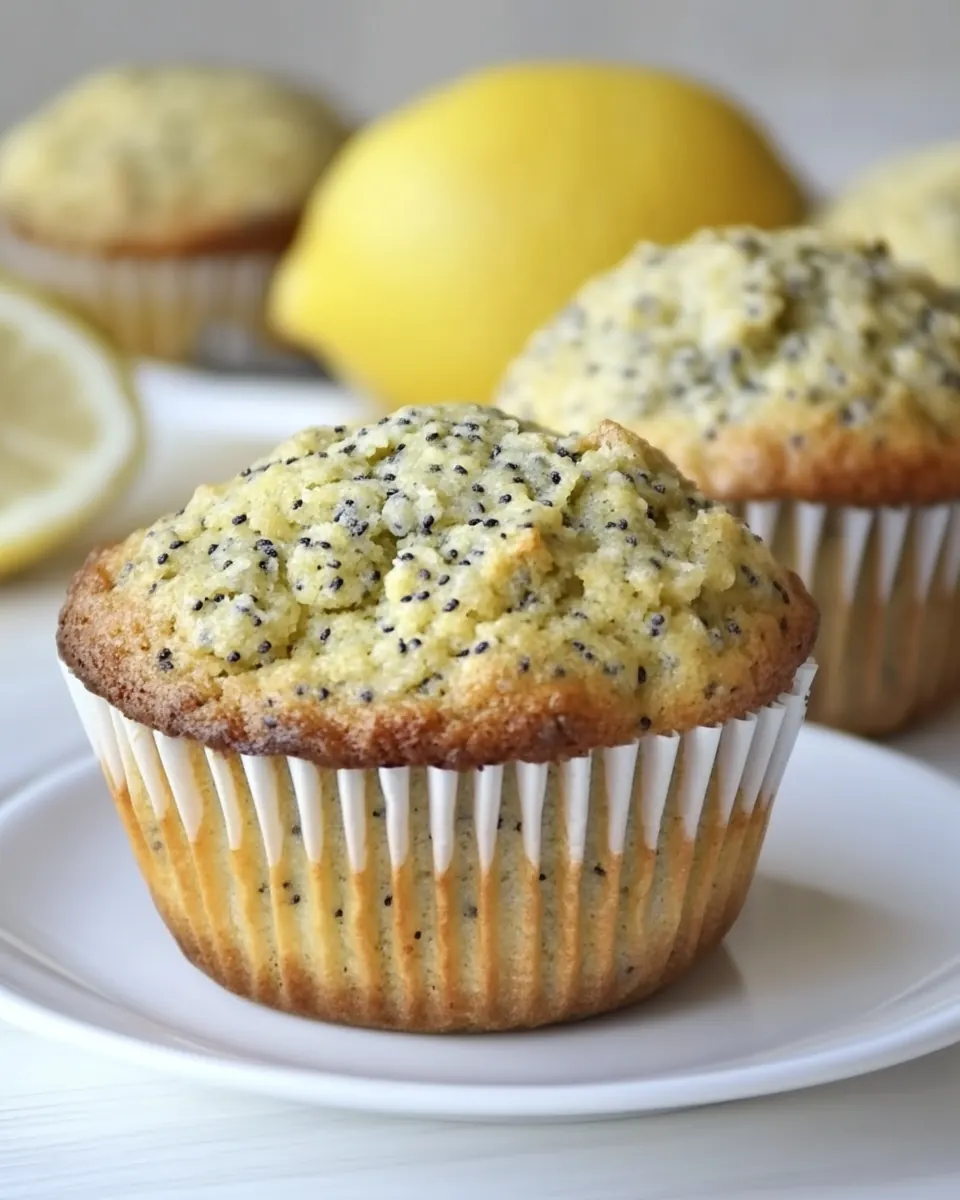
Lemon Poppy Seed Muffins
Lemon Poppy Seed Muffins have always been the kind of treat I reach for when I need something bright, tender, and a little bit nostalgic. The very first time I baked them I remember the kitchen filling with a citrusy perfume that felt like a small celebration, and I kept sneaking pieces of batter while the kids were busy with homework.
Over the years I have learned tiny tweaks that turn a good muffin into one I feel proud bringing to a brunch or packing into a lunchbox. There is a rhythm to making these muffins, from zesting the lemons so the oils perfume the batter, to folding in the poppy seeds so they are evenly distributed without breaking the crumb. Each time I make Lemon Poppy Seed Muffins they remind me of slow Saturday mornings at my grandmother’s table when conversation and coffee stretched on for hours.
I tend to double the batch when friends come over, because these little cakes disappear fast. What I love most is how simple ingredients like all purpose flour, sugar, and unsalted butter combine with citrus and buttermilk to produce a moist crumb that sings against a tangy cream cheese glaze. There is a small, satisfying contrast between the tender interior and the subtle crunch of the poppy seeds.
Recipe Snapshot
40 mins
15 mins
25 mins
Medium
210 kcal
American
Gluten-Free, Low FODMAP
Breakfast
Mixing bowl, Electric mixer, Muffin tin, Measuring cups and spoons, Zester
Why Try This Lemon Poppy Seed Muffins
Bright, fresh flavor
I love how Lemon Poppy Seed Muffins deliver an immediate citrus note without being overwhelming. The lemon zest and juice lift the whole batter, and the glaze adds a glossy, tangy finish that makes each bite feel lively and clean. I use both zest and juice because they contribute different layers of lemon flavor, the zest giving fragrant oils, and the juice giving sharp acidity.
Textural contrast
The tiny crunch of poppy seeds against a pillowy crumb is one of those small pleasures I find myself recommending to friends. I appreciate recipes that balance texture, and these muffins do it naturally. The crumb stays tender thanks to the use of buttermilk and careful mixing, while the seeds remain distinct and pleasant to bite into.
Reliable and forgiving technique
I’ve made these enough times to know they are forgiving for bakers of all levels. The batter tolerates some variations in mixing and still yields great results, though I always caution against overmixing the flour to keep the fluff. That makes this recipe ideal when you want something dependable for brunch or a bake sale.
Versatile for occasions
Whether you need something for a spring brunch, a picnic, or a casual coffee break, Lemon Poppy Seed Muffins fit in effortlessly. They are light enough for morning gatherings and pretty enough to bring as a thoughtful homemade gift. I often recommend them for seasonal menus because the lemon notes feel especially welcome in warmer months.
Simple ingredients, big payoff
I always admire recipes that rely on pantry staples yet deliver impressive results. With basics like all purpose flour, sugar, and unsalted butter, you get bakery caliber muffins at home. That combination of accessibility and delightful flavor is why I keep returning to this recipe.
Main Ingredients for Lemon Poppy Seed Muffins
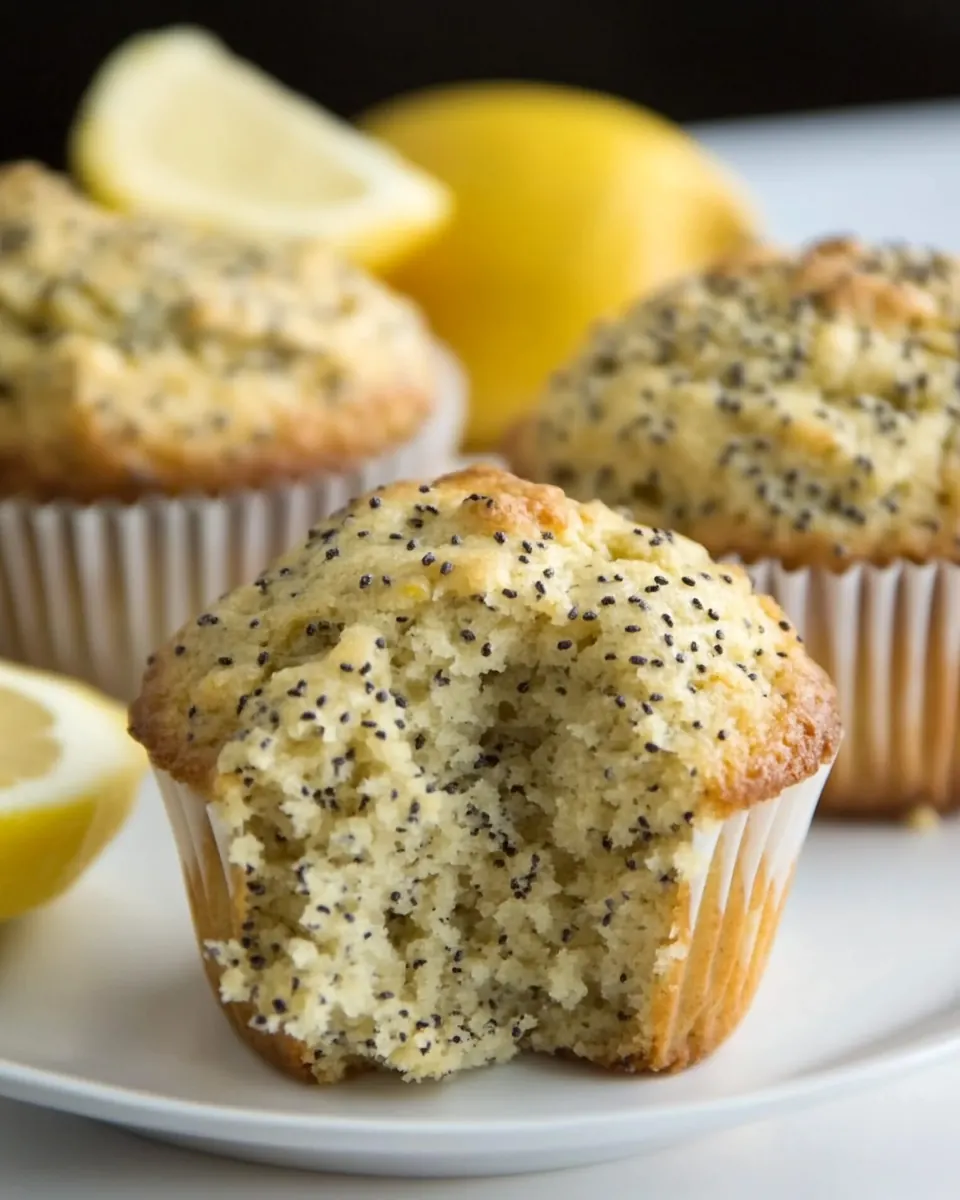
These ingredients create a harmony of tender crumb, bright citrus, and subtle crunch. The cast of characters includes pantry staples that provide structure, a few acidic components that tenderize and lift, and a finishing touch that adds tang and sweetness. Each item plays a specific role so the muffins bake up moist, flavorful, and balanced.
- 2 1/2 cups all-purpose flour: Provide the structure and bulk to the muffins, creating the crumb and giving texture when combined with leaveners; sifts or measures properly for accurate ratios and even mixing.
- 1/4 cup poppy seeds: Add a subtle nutty flavor and delicate crunch dispersed throughout the batter; infuse a mild visual speckling and slight textural contrast without overwhelming moisture balance.
- 1 teaspoon baking soda: Leaven the batter by releasing carbon dioxide when reacting with acidic components; works with baking powder to ensure even rise and tender crumb development during baking.
- 1 teaspoon baking powder: Assist with lift and lightness by producing carbon dioxide with heat; balance the baking soda to prevent metallic taste and contribute to a fluffy muffin top.
- 1/2 teaspoons salt: Enhance overall flavor by balancing sweetness and highlighting other ingredients; help control yeast and chemical leavening activity while seasoning the batter subtly.
- 8 tablespoons unsalted butter, softened: Provide richness and tenderizing fat that contributes to mouthfeel and flavor; when creamed with sugar, help incorporate air for a lighter texture and moist crumb.
- 3/4 cups sugar: Sweeten the batter and aid in browning and tenderization; when creamed with butter, help trap air for lift and contribute to overall flavor balance.
- 2 large eggs: Bind the ingredients and provide structure through coagulation when baked; enrich the batter with moisture and contribute to tenderness and emulsification.
- 1/2 cup well-shaken buttermilk: Introduce a mild tang and acidity that reacts with baking soda for lift; contribute moistness and a slight tangy complexity to the muffin interior.
- grated zest and juice of 2 lemons: Impart bright citrus aroma and flavor, adding acidity and freshness; zest concentrates essential oils for aroma while juice adds brightness and helps activate leaveners.
- 1 teaspoon vanilla extract: Enhance and round out the flavor profile by adding a warm, sweet aroma; small amounts boost perceived sweetness and complement citrus notes.
- 2 1/2 cups confectioners' sugar: Form a sweet, smooth glaze or frosting base that provides a powdered-sugar sweetness and structure when combined with other wet ingredients; help achieve desired consistency and sweetness for finishing.
- 3 ounces cream cheese, softened: Contribute a creamy tang and smooth texture to frostings or glazes; balance the sweetness of confectioners' sugar and add richness and slight acidity.
- 1 teaspoon vanilla extract: Add depth and a sweet aromatic note to the frosting or glaze; use to boost flavor without adding liquid volume, ensuring consistency remains stable.
- grated zest of 1 lemon: Provide concentrated lemon aroma in the frosting or topping, intensifying citrus notes; use zest sparingly to avoid bitterness while giving bright flavor.
- 1 tablespoon fresh lemon juice, or to taste: Adjust brightness and acidity in the glaze to taste, enhancing overall flavor; small amounts balance sweetness and can thin frosting to desired spreading consistency.
The Process for Making Lemon Poppy Seed Muffins
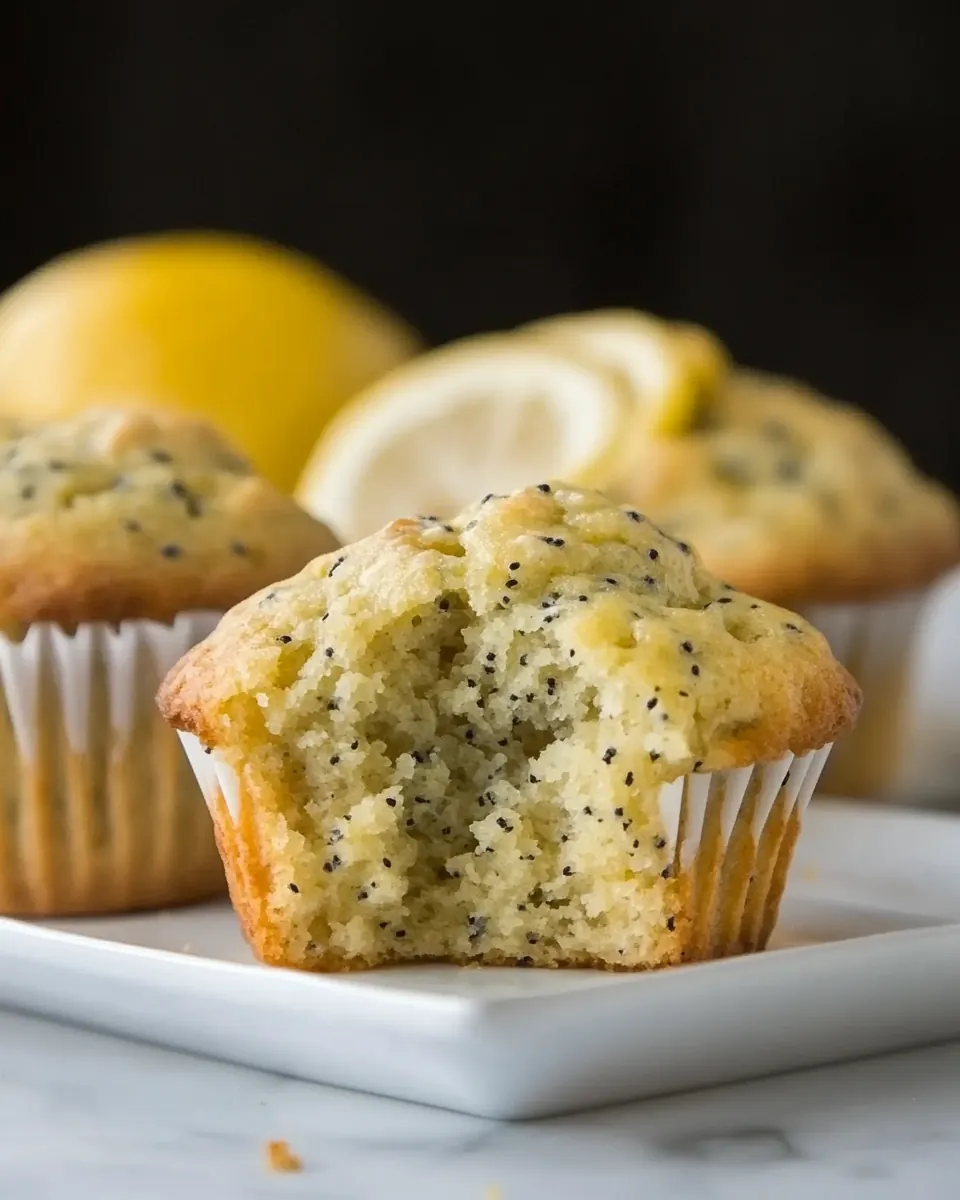
These instructions walk you through each stage with sensory cues and reasons why small techniques matter. Read through once, then follow along with the batter. I find that pausing to notice texture and aroma helps prevent common mistakes.
- Preheat oven to 375 degrees. Line 12 large muffin cups with liners and spray with cooking spray.: The kitchen should start filling with a faint warm air scent as the oven comes up to temperature, signaling readiness. This step ensures even baking because the batter hits a stable heat environment right away, promoting lift and proper dome formation. Lining the tins makes removal easy and keeps bottoms from overbrowning, while a quick spray helps the liners not stick, giving clean presentation. A common mistake is skipping preheating, which results in flat muffins that lack a proper rise, so wait until the oven is fully at 375 degrees before you bake. Pay attention to how the liners sit in the tin, pressing them so they do not collapse when you add batter.
- In a large bowl, stir together flour, poppy seeds, baking soda, baking powder, and salt. Set aside.: As you combine these dry elements you will notice the poppy seeds speckling the flour with tiny black dots, creating a visual cue that the mix is even. Sifting is optional but stirring well prevents pockets of leavening that could create uneven texture. This dry blend provides the framework for the muffins, so even distribution of baking soda and baking powder is essential for consistent rise. A frequent error is failing to mix the dry ingredients thoroughly, which can cause areas that do not rise or that taste salty from concentrated leavening, so take a moment to stir until the mixture looks uniform.
- Using an electric mixer, beat together the butter and sugar on high speed until light and fluffy. Add eggs one at a time, stopping to scrape down the sides of the bowl.: When creaming the unsalted butter and sugar , you should see the mixture become paler and hold air, which gives the batter a lighter texture. The noise of the mixer increases and the rhythm of pulsing signals you are aerating correctly. Adding eggs one at a time ensures they emulsify into the fat, avoiding a broken batter. Scraping the bowl keeps everything incorporated so you do not end up with streaks of butter or white sugar. A common pitfall is adding all the eggs at once, which can cause separation and a dense finished muffin.
- In a small bowl or glass measuring cup, combine buttermilk, lemon zest and juice, and vanilla. Add liquid ingredients to mixing bowl, alternating with flour mixture. Stir just until flour is incorporated, being careful not to overmix.: The aroma of fresh lemon zest will brighten the room as you combine the liquids, and the buttermilk lends a slight tang that activates the baking soda . Alternating additions of the dry mix with the wet keeps the batter smooth and prevents overworking the gluten. You should stop mixing when you still see a few streaks of flour vanish under gentle folds, because overmixing creates a tough crumb. A telltale sign of overmixing is a glossily elastic batter, so fold until the texture looks cohesive but not uniform.
- Scoop the batter into the muffin cups, filling just below the top of the liner. Bake for 20 to 25 minutes, or until tops spring back when touched. Cool muffins completely before frosting.: As you fill the liners, the batter should be thick but spoonable, settling into a rounded mound in each cup. While baking the tops will turn a gentle golden color and the air will carry a sweet lemon scent; you may hear soft cracking sounds as the domes form. Test doneness by lightly touching a top, it should give and then slowly spring back. Removing them too early leaves a gummy center, while leaving them too long dries the crumb, so aim for 20 to 25 minutes. Letting muffins cool fully prevents the frosting from sliding off warm surfaces, and it also lets steam escape so the texture firms up.
- For frosting, using an electric mixer on high speed, cream together the sugar and cream cheese until well mixed and fluffy. Beat in the vanilla extract, lemon zest, and enough lemon juice to make the frosting a spreadable consistency.: When making the frosting you will see the texture transition from dense to silky as the confectioners sugar and cream cheese combine, and the mixer will produce clouds of pale mixture that smell tangy and sweet. The addition of lemon zest introduces flecks of bright oil, and a small amount of lemon juice loosens the mixture into a spreadable glaze. If the frosting is too stiff add a few drops of juice, if it becomes runny, add more confectioners sugar. A common error is adding too much liquid at once, which creates a runny frosting hard to control, so add citrus gradually while watching consistency.
- Spread frosting on muffins.: Once the muffins are cool, the frosting should glide on like a creamy veil, and the zesty aroma will lift immediately as you spread. The contrast between the soft crumb and the tangy, smooth topping is where the experience shines, and you can use a small offset spatula to create neat peaks or leave it rustic for a homey look. Frosting warm muffins is a mistake because heat will melt the frosting and make it slide, so wait until completely cool. For a polished finish sprinkle a few extra poppy seeds or a touch of zest on top for visual contrast and an extra lemon note.
Customization Ideas
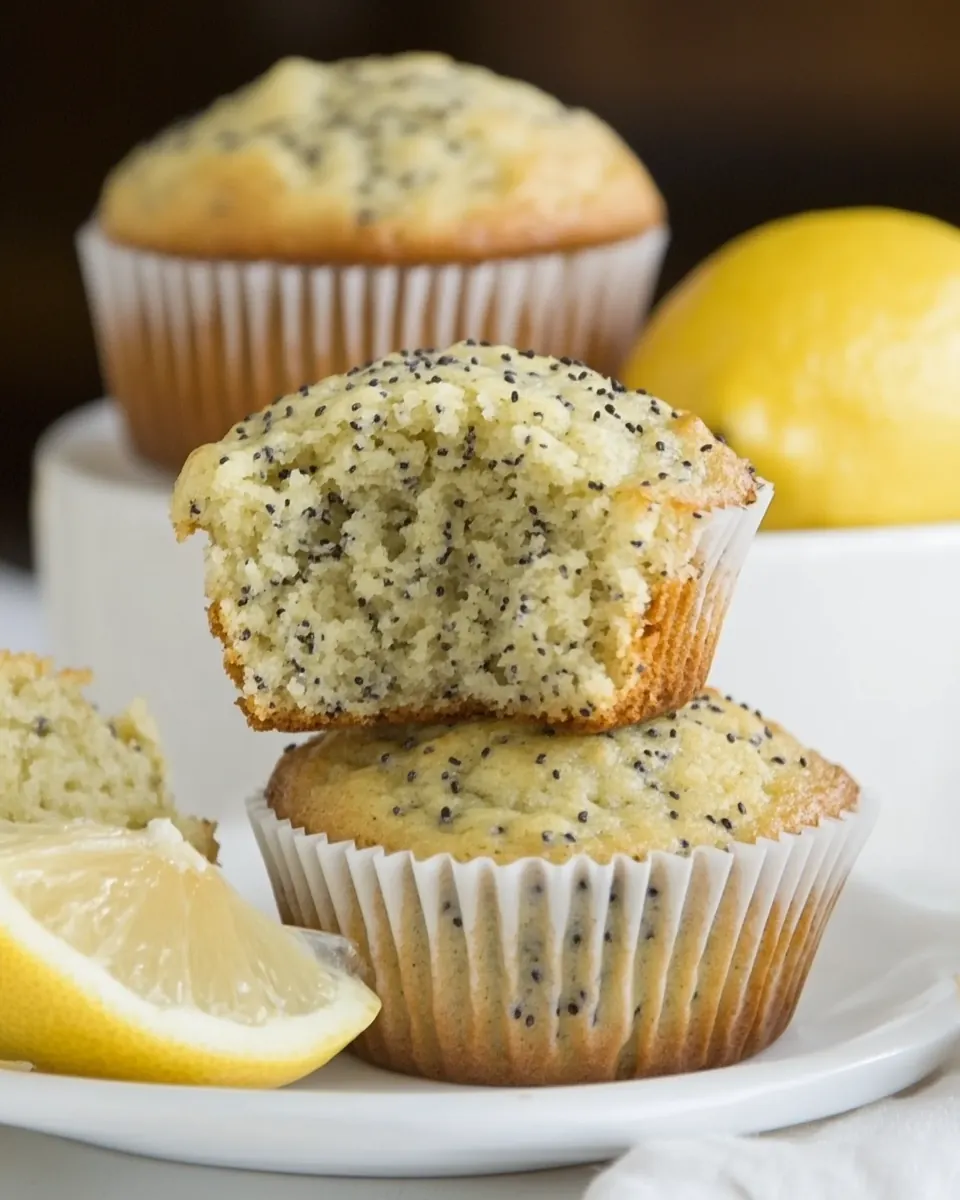
If you want to personalize Lemon Poppy Seed Muffins there are gentle tweaks that preserve the original character while adding interest. Below I share practical, tested variations that maintain texture and flavor balance. Each tip begins with a bold lead to help you scan quickly.
- Swap citrus accents by adding a teaspoon of orange zest with the lemon zest for a more complex aroma while keeping the same quantities for balance and avoiding extra acidity.
- Boost seed texture by folding an extra tablespoon of poppy seeds into the batter for pronounced crunch, taking care not to overload so the crumb stays tender.
- Lighten frosting by using less confectioners sugar and adding a spoon of Greek yogurt to keep tang while reducing sweetness, adjusting to reach a spreadable consistency.
- Make mini muffins by reducing bake time to about 12 to 15 minutes and filling mini liners only two thirds full, watching closely so they do not overbake.
- Keep them ahead by storing unfrosted muffins in an airtight container at room temperature for up to two days, then frosting just before serving to preserve freshness.
- Presentation tweak by piping the frosting with a simple round tip for uniform swirls, or spread it casually for a rustic, homemade look that photographs well.
Side Dish Ideas for Lemon Poppy Seed Muffins
Lemon Poppy Seed Muffins work beautifully alongside many light dishes, and they transition well across occasions from casual coffee to celebratory brunch. Below I outline pairing ideas, storage guidance, and occasions where these muffins shine, all in a list format for easy scanning.
- Morning coffee pairing, serve muffins with a pot of brewed coffee or a bright herbal tea, letting the citrus notes contrast with the beverage for an uplifting breakfast experience.
- Brunch spread, include these muffins with savory quiches, fresh fruit platters, and a cheese board, offering guests a sweet and tangy option among heartier dishes.
- Picnic friendly, pack unfrosted muffins in a single layer to prevent sliding, then bring a small container of frosting to spread before serving outdoors for a fresh finish.
- Seasonal occasions, highlight them during spring gatherings and holiday brunches where the lemon brightness complements seasonal produce and floral table settings.
- Storage tips, refrigerate frosted muffins in an airtight container for up to four days, or freeze unfrosted muffins wrapped tightly for up to one month and thaw before frosting.
- Lunchbox idea, pair a muffin with a small container of yogurt and sliced fruit for a balanced, portable midday meal that feels special without being heavy.
- Light dessert, serve a muffin warm with a dollop of whipped cream or a scoop of light frozen yogurt for a simple, crowd pleasing dessert after casual dinners.
FAQ
Conclusion
These Lemon Poppy Seed Muffins stand out for their bright citrus character, tender crumb, and pleasant poppy seed crunch. They are straightforward to make, forgiving for home bakers, and versatile enough for breakfasts, brunches, and tea times. I hope you try this recipe soon and enjoy the way the lemon and creamy frosting lift an ordinary moment into something memorable. Make a batch, share with someone you care about, and notice how quickly they disappear.

Lemon Poppy Seed Muffins
Equipment
- Mixing Bowl
- Electric Mixer
- Muffin Tin
- Measuring Cups and Spoons
- Zester
Ingredients
- 2 1/2 cups all-purpose flour Provide the structure and bulk to the muffins, creating the crumb and giving texture when combined with leaveners; sifts or measures properly for accurate ratios and even mixing.
- 1/4 cup poppy seeds Add a subtle nutty flavor and delicate crunch dispersed throughout the batter; infuse a mild visual speckling and slight textural contrast without overwhelming moisture balance.
- 1 teaspoon baking soda Leaven the batter by releasing carbon dioxide when reacting with acidic components; works with baking powder to ensure even rise and tender crumb development during baking.
- 1 teaspoon baking powder Assist with lift and lightness by producing carbon dioxide with heat; balance the baking soda to prevent metallic taste and contribute to a fluffy muffin top.
- 1/2 teaspoons salt Enhance overall flavor by balancing sweetness and highlighting other ingredients; help control yeast and chemical leavening activity while seasoning the batter subtly.
- 8 tablespoons unsalted butter, softened Provide richness and tenderizing fat that contributes to mouthfeel and flavor; when creamed with sugar, help incorporate air for a lighter texture and moist crumb.
- 3/4 cups sugar Sweeten the batter and aid in browning and tenderization; when creamed with butter, help trap air for lift and contribute to overall flavor balance.
- 2 large eggs Bind the ingredients and provide structure through coagulation when baked; enrich the batter with moisture and contribute to tenderness and emulsification.
- 1/2 cup well-shaken buttermilk Introduce a mild tang and acidity that reacts with baking soda for lift; contribute moistness and a slight tangy complexity to the muffin interior.
- grated zest and juice of 2 lemons Impart bright citrus aroma and flavor, adding acidity and freshness; zest concentrates essential oils for aroma while juice adds brightness and helps activate leaveners.
- 1 teaspoon vanilla extract Enhance and round out the flavor profile by adding a warm, sweet aroma; small amounts boost perceived sweetness and complement citrus notes.
- 2 1/2 cups confectioners' sugar Form a sweet, smooth glaze or frosting base that provides a powdered-sugar sweetness and structure when combined with other wet ingredients; help achieve desired consistency and sweetness for finishing.
- 3 ounces cream cheese, softened Contribute a creamy tang and smooth texture to frostings or glazes; balance the sweetness of confectioners' sugar and add richness and slight acidity.
- 1 teaspoon vanilla extract Add depth and a sweet aromatic note to the frosting or glaze; use to boost flavor without adding liquid volume, ensuring consistency remains stable.
- grated zest of 1 lemon Provide concentrated lemon aroma in the frosting or topping, intensifying citrus notes; use zest sparingly to avoid bitterness while giving bright flavor.
- 1 tablespoon fresh lemon juice, or to taste Adjust brightness and acidity in the glaze to taste, enhancing overall flavor; small amounts balance sweetness and can thin frosting to desired spreading consistency.
Instructions
- Preheat oven to 375 degrees. Line 12 large muffin cups with liners and spray with cooking spray.: The kitchen should start filling with a faint warm air scent as the oven comes up to temperature, signaling readiness. This step ensures even baking because the batter hits a stable heat environment right away, promoting lift and proper dome formation. Lining the tins makes removal easy and keeps bottoms from overbrowning, while a quick spray helps the liners not stick, giving clean presentation. A common mistake is skipping preheating, which results in flat muffins that lack a proper rise, so wait until the oven is fully at 375 degrees before you bake. Pay attention to how the liners sit in the tin, pressing them so they do not collapse when you add batter.
- In a large bowl, stir together flour, poppy seeds, baking soda, baking powder, and salt. Set aside.: As you combine these dry elements you will notice the poppy seeds speckling the flour with tiny black dots, creating a visual cue that the mix is even. Sifting is optional but stirring well prevents pockets of leavening that could create uneven texture. This dry blend provides the framework for the muffins, so even distribution of baking soda and baking powder is essential for consistent rise. A frequent error is failing to mix the dry ingredients thoroughly, which can cause areas that do not rise or that taste salty from concentrated leavening, so take a moment to stir until the mixture looks uniform.
- Using an electric mixer, beat together the butter and sugar on high speed until light and fluffy. Add eggs one at a time, stopping to scrape down the sides of the bowl.: When creaming the unsalted butter and sugar , you should see the mixture become paler and hold air, which gives the batter a lighter texture. The noise of the mixer increases and the rhythm of pulsing signals you are aerating correctly. Adding eggs one at a time ensures they emulsify into the fat, avoiding a broken batter. Scraping the bowl keeps everything incorporated so you do not end up with streaks of butter or white sugar. A common pitfall is adding all the eggs at once, which can cause separation and a dense finished muffin.
- In a small bowl or glass measuring cup, combine buttermilk, lemon zest and juice, and vanilla. Add liquid ingredients to mixing bowl, alternating with flour mixture. Stir just until flour is incorporated, being careful not to overmix.: The aroma of fresh lemon zest will brighten the room as you combine the liquids, and the buttermilk lends a slight tang that activates the baking soda . Alternating additions of the dry mix with the wet keeps the batter smooth and prevents overworking the gluten. You should stop mixing when you still see a few streaks of flour vanish under gentle folds, because overmixing creates a tough crumb. A telltale sign of overmixing is a glossily elastic batter, so fold until the texture looks cohesive but not uniform.
- Scoop the batter into the muffin cups, filling just below the top of the liner. Bake for 20 to 25 minutes, or until tops spring back when touched. Cool muffins completely before frosting.: As you fill the liners, the batter should be thick but spoonable, settling into a rounded mound in each cup. While baking the tops will turn a gentle golden color and the air will carry a sweet lemon scent; you may hear soft cracking sounds as the domes form. Test doneness by lightly touching a top, it should give and then slowly spring back. Removing them too early leaves a gummy center, while leaving them too long dries the crumb, so aim for 20 to 25 minutes. Letting muffins cool fully prevents the frosting from sliding off warm surfaces, and it also lets steam escape so the texture firms up.
- For frosting, using an electric mixer on high speed, cream together the sugar and cream cheese until well mixed and fluffy. Beat in the vanilla extract, lemon zest, and enough lemon juice to make the frosting a spreadable consistency.: When making the frosting you will see the texture transition from dense to silky as the confectioners sugar and cream cheese combine, and the mixer will produce clouds of pale mixture that smell tangy and sweet. The addition of lemon zest introduces flecks of bright oil, and a small amount of lemon juice loosens the mixture into a spreadable glaze. If the frosting is too stiff add a few drops of juice, if it becomes runny, add more confectioners sugar. A common error is adding too much liquid at once, which creates a runny frosting hard to control, so add citrus gradually while watching consistency.
- Spread frosting on muffins.: Once the muffins are cool, the frosting should glide on like a creamy veil, and the zesty aroma will lift immediately as you spread. The contrast between the soft crumb and the tangy, smooth topping is where the experience shines, and you can use a small offset spatula to create neat peaks or leave it rustic for a homey look. Frosting warm muffins is a mistake because heat will melt the frosting and make it slide, so wait until completely cool. For a polished finish sprinkle a few extra poppy seeds or a touch of zest on top for visual contrast and an extra lemon note.
Notes
- Swap citrus accents by adding a teaspoon of orange zest with the lemon zest for a more complex aroma while keeping the same quantities for balance and avoiding extra acidity.
- Boost seed texture by folding an extra tablespoon of poppy seeds into the batter for pronounced crunch, taking care not to overload so the crumb stays tender.
- Lighten frosting by using less confectioners sugar and adding a spoon of Greek yogurt to keep tang while reducing sweetness, adjusting to reach a spreadable consistency.
- Make mini muffins by reducing bake time to about 12 to 15 minutes and filling mini liners only two thirds full, watching closely so they do not overbake.
- Keep them ahead by storing unfrosted muffins in an airtight container at room temperature for up to two days, then frosting just before serving to preserve freshness.
- Presentation tweak by piping the frosting with a simple round tip for uniform swirls, or spread it casually for a rustic, homemade look that photographs well.
