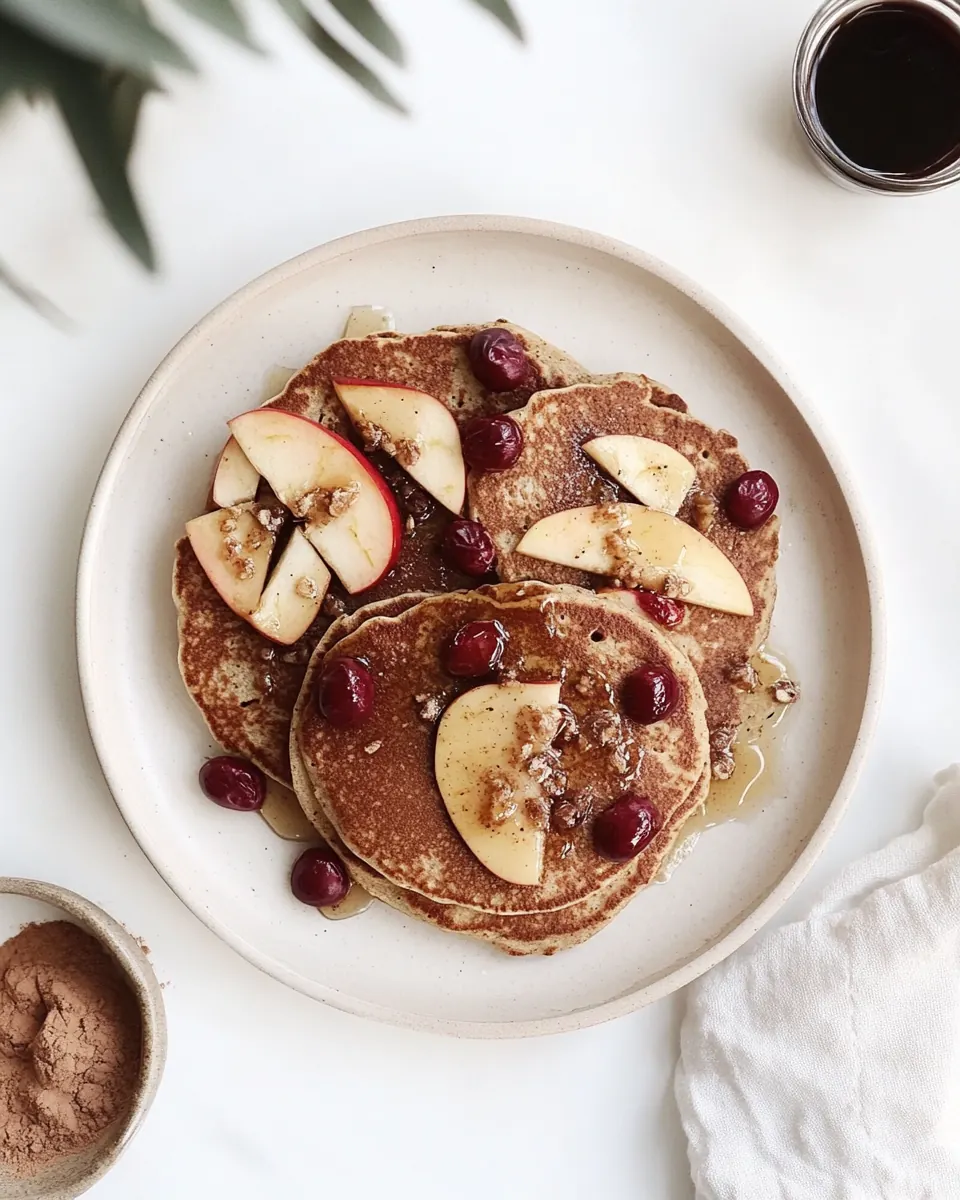
Spelt Apple Pancakes
Spelt Apple Pancakes are one of those recipes I reach for when the air turns crisp and the kitchen smells like warm spice. The first time I made them, I was testing spelt flour because I wanted something with a nutty depth that did not overpower the delicate sweetness of apple. From the very first flip I could tell these were going to be a repeat, the batter steaming gently, a soft apple aroma lifting from the pan as the edges set.
I love how Spelt Apple Pancakes let you keep breakfast relaxed but still feel thoughtfully made. I often shred the apple with a box grater while I measure the flour, and that rhythm helps me focus, it turns a hurried morning into a small, calming ritual. My family notices the texture right away, the slightly toothy crumb from the spelt flour, and the little pops of sweet, tender apple.
What I enjoy most is the simplicity, I rarely pull out more than a few bowls, and the technique rewards a light touch. The batter remains a little lumpy, which keeps the pancakes tender rather than gummy, and finishing them in a warm oven keeps everything at the perfect temperature until we are ready to sit down. These pancakes have become my weekend staple, the kind of thing I make when I want something comforting, honest, and subtly different.
Recipe Snapshot
20 mins
10 mins
10 mins
Easy
250 kcal
American
Gluten-Free, Low FODMAP
Breakfast
Griddle or Cast Iron Skillet, Mixing Bowl, Whisk, Box Grater, Measuring Cups and Spoons, Baking Sheet
The Best Thing About This Spelt Apple Pancakes
Nutty flavor from spelt flour
I love how spelt flour brings a warm, almost toasty note that regular wheat does not. It gives these pancakes body without heaviness, so they brown beautifully on the griddle and still stay tender inside. When I use spelt, the aroma while cooking is richer, and that small change elevates a simple breakfast into something noteworthy.
Fresh texture from shredded apple
Shredding the apple instead of dicing it disperses tiny pockets of fruit throughout each pancake. That creates bursts of juiciness balanced with a subtle crunch if you keep the skin on. The apple also adds natural sweetness so you can pare back added sugar and still get a lively, fruit-forward bite.
Balanced wet to dry ratio
The combination of milk, egg, and a touch of melted butter produces a batter that is thin enough to spread slightly on the griddle, but thick enough to hold the shredded apple. This balance helps the pancakes puff just enough, giving a light, tender interior and a golden exterior you will want to photograph.
Easy technique, high reward
These pancakes are forgiving. You only need to mix until the batter is mostly combined, and those remaining lumps are a feature, not a flaw. That makes the recipe perfect for mornings when you want something quick, but also crave a handcrafted touch.
Versatile and seasonal
Because of the gentle spice and the use of spelt flour, these pancakes feel right for fall mornings, but they are light enough for a spring brunch too. I often scale the recipe up when guests arrive, and the results are reliable every time.
Ingredients Required for Spelt Apple Pancakes
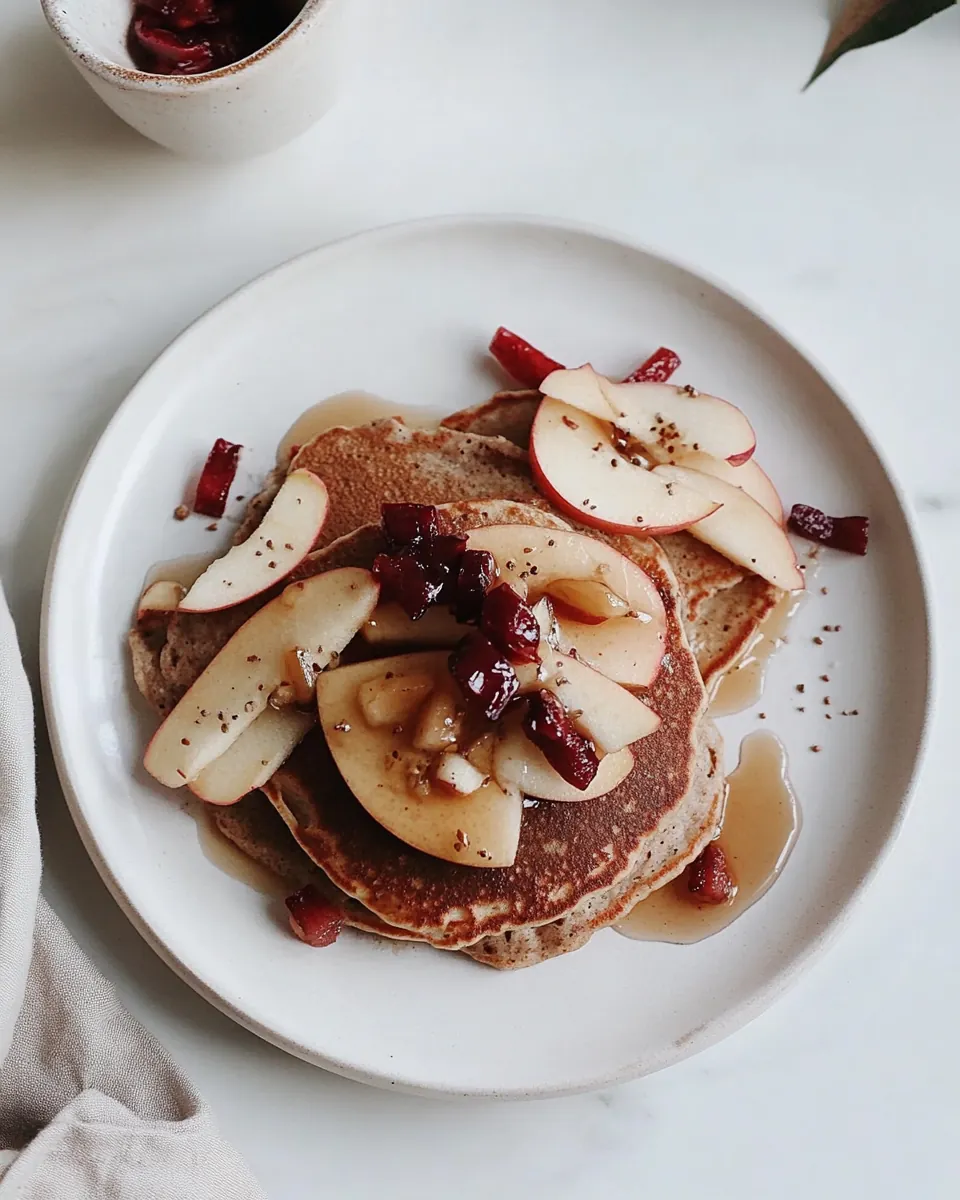
These ingredients are intentionally simple, each playing a clear role. The spelt flour forms the framework with a toasty flavor, while the baking powder provides lift. A touch of sugar balances the tartness of the apple, and warm cinnamon ties the profile together. The wet trio of milk, egg, and melted butter creates a tender crumb and browning, and the shredded apple brings moisture and bright sweetness.
- 1 1/2 cups spelt flour: Provides a nutty, tender base and structure for the batter; contributes gluten to give pancakes slight chew while remaining lighter than wheat. Works as the primary dry component that combines with liquids to form the pancake matrix.
- 1 tablespoon baking powder: Leavens the batter by producing carbon dioxide when activated in wet batter, creating light, fluffy pancakes; also slightly affects texture and rise. Should be measured accurately to avoid metallic or bitter tastes.
- 2 teaspoons white granulated sugar: Adds a touch of sweetness to balance flavors and enhance browning during cooking; helps caramelize the surface for appealing color. Used sparingly to keep pancakes mildly sweet without overpowering the apple.
- 1/4 teaspoon salt: Balances and enhances overall flavors while strengthening the batter slightly; controls yeast-like off-flavors and supports proper chemical reactions. Small quantity prevents the pancakes from tasting flat.
- 1/4 teaspoon ground cinnamon: Warms and complements the apple flavor by adding aromatic spice and depth; supports overall flavor complexity without dominating. Sprinkle evenly to ensure consistent flavor throughout the batter.
- 1 cup milk: Hydrates the dry ingredients, dissolves sugar and salt, and provides moisture for steam-based lift; contributes to tenderness and mouthfeel. Temperature of the milk influences final batter thickness and texture.
- 1 large egg: Binds the batter together, contributes protein for structure, and helps emulsify fats with liquids for uniform texture. Provides richness and helps pancakes hold together when cooking and flipping.
- 1 teaspoon vanilla extract: Enhances and rounds out flavors with a sweet, aromatic note; complements apple and cinnamon while making the batter more flavorful. Small amount brightens the overall taste profile.
- 3 tablespoons melted butter, slightly cooled: Adds richness, moisture, and a tender crumb while contributing buttery flavor; helps with browning and prevents sticking during cooking. Slight cooling before adding avoids cooking the egg or curdling the batter.
- 1 honey crisp apple, shredded with a box grater: Contributes fresh fruit sweetness, moisture, and textural interest with tender apple pieces; provides natural sugars that caramelize for flavor and color. Shredding distributes apple evenly for consistent bite in each pancake.
Step by Step Instructions for Spelt Apple Pancakes
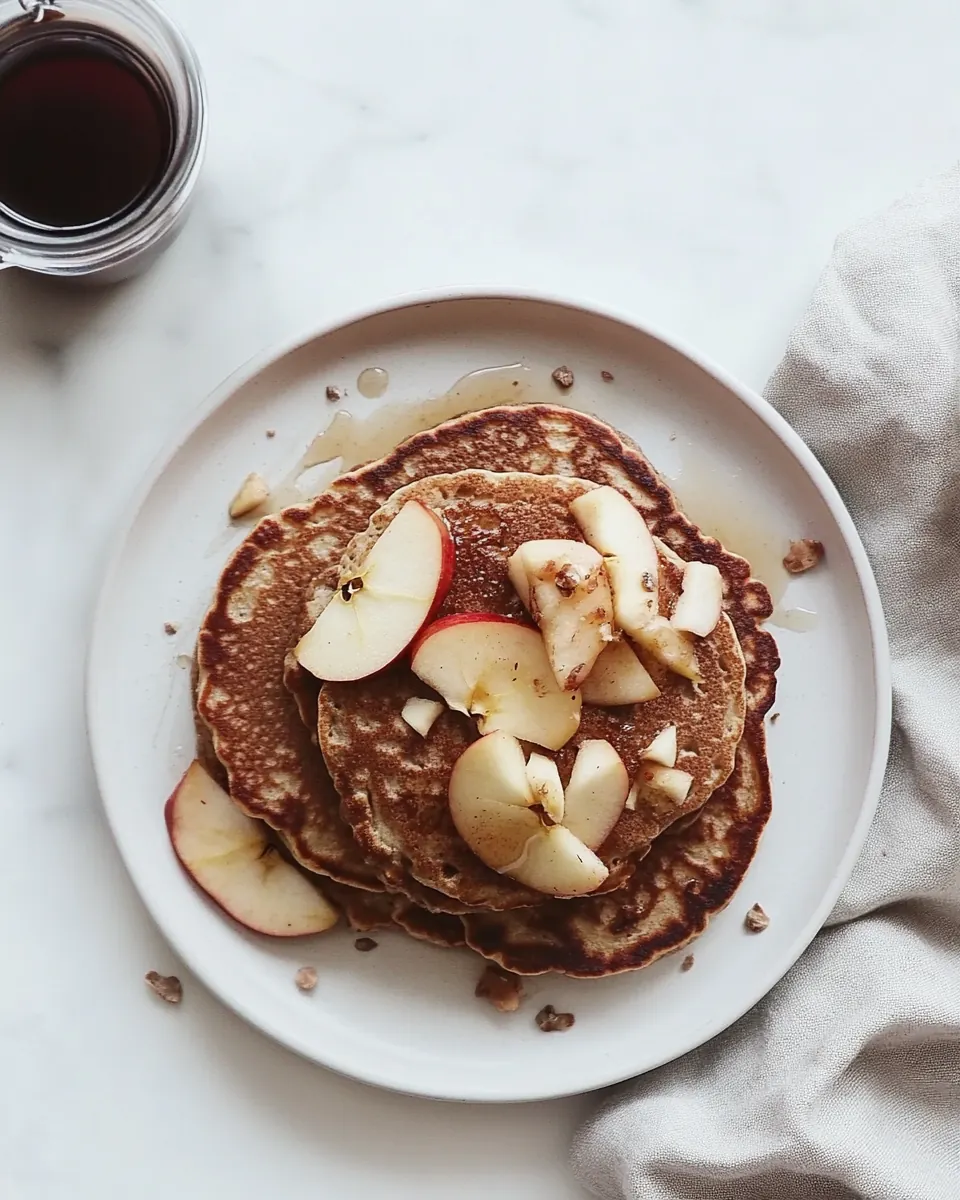
These instructions walk you through the rhythm I use while making pancakes, from mixing to keeping them warm. Read them slowly the first time, then the process becomes second nature. Keep your griddle at a steady temperature, and you will be rewarded with evenly browned pancakes and tender centers.
- In a medium bowl, mix together the spelt flour, baking powder, sugar, salt and cinnamon.: You will notice the dry mix smells faintly of warmth from the cinnamon and the spelt flour will have a gentle, nutty scent when stirred together, this aroma is a good sign the base flavors are balanced. Use a whisk or fork so the baking powder is evenly distributed, preventing uneven rise in the pancakes. A common mistake is working too vigorously here, which can compact the flour and produce a denser pancake; keep the motion light and airy. Visually, the mixture should be uniform in color with no visible clumps of leavening.
- In a measuring cup (or small bowl), measure out the milk. Add the egg, vanilla and melted butter; whisk until combined.: The liquids will blend into a glossy, slightly frothy mixture with the butter floating in thin ribbons if it is not fully emulsified yet, and the aroma of vanilla will lift immediately. This step hydrates and activates the proteins that will set when cooked, contributing to color and texture. Avoid adding hot butter, which can scramble the egg , and a common error is under whisking leaving streaks of butter ; whisk until the mix looks homogeneous and slightly thickened. You want the mixture smooth with a few tiny bubbles on the surface as a cue you've incorporated air.
- Add the wet ingredients to the dry ingredients and mix until just combined. Fold in the shredded apple and mix just until it’s mixed in. The batter should have some small to medium lumps.: At this point the batter will be slightly thick, with irregular lumps that are completely normal and desirable because they help keep pancakes tender. The sound of this step is subtle, a soft scraping as you fold, and the sight is a batter speckled with shredded apple . Overmixing is the most frequent error here, which develops the gluten in the spelt flour and makes the pancakes chewy; stop mixing when you no longer see dry streaks. Feel free to leave pockets of dry flour as they will hydrate during cooking and produce a lighter result.
- Heat up your griddle (or cast iron skillet), over medium heat, and brush with 1/2 tablespoon of butter. Scoop the batter, using a tablespoon, onto the warm skillet. Cook for 1-2 minutes, until small bubbles form on the surface of the pancake, and then flip. Turn heat down to medium-low and cook on opposite side for about 1 minute, or until golden brown.: As the batter hits the hot surface you will hear a gentle sizzle, and within a minute small bubbles will form and begin to pop, that's your cue to flip. The first side should have a warm, golden color with slightly set edges. After flipping, the second side will finish with a nutty aroma from the spelt flour . A common misstep is cooking at too high a temperature which produces dark exteriors and undercooked centers; if the pancake is browning too quickly reduce the heat and allow a little longer for the interior to cook. Visual cues to watch for are a golden brown surface and minimal wet batter on the top before flipping.
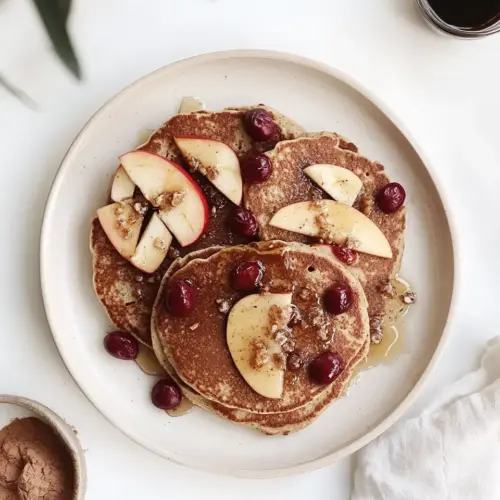
- Transfer cooked pancakes to a baking sheet and place in 200 degree preheated oven to keep warm. Proceed with the rest of the batter until you’re done. Serve with additional slice of apple, pomegranate seeds and warm maple syrup.: The oven keeps residual heat steady so pancakes remain tender and warm without continuing to cook aggressively, and the soft steam helps maintain moisture. As you stack onto the sheet you will notice a gentle pooling of steam and a continued, faint apple aroma; this is ideal for preserving texture. Avoid piling too many pancakes directly on top of each other, which can trap moisture and make them soggy; instead arrange in a single layer or slightly overlapped. When ready to serve, add a thin slice of apple for brightness and drizzle warm syrup so every bite has a balance of sweet and fruit notes.
Pro Tips and Tweaks
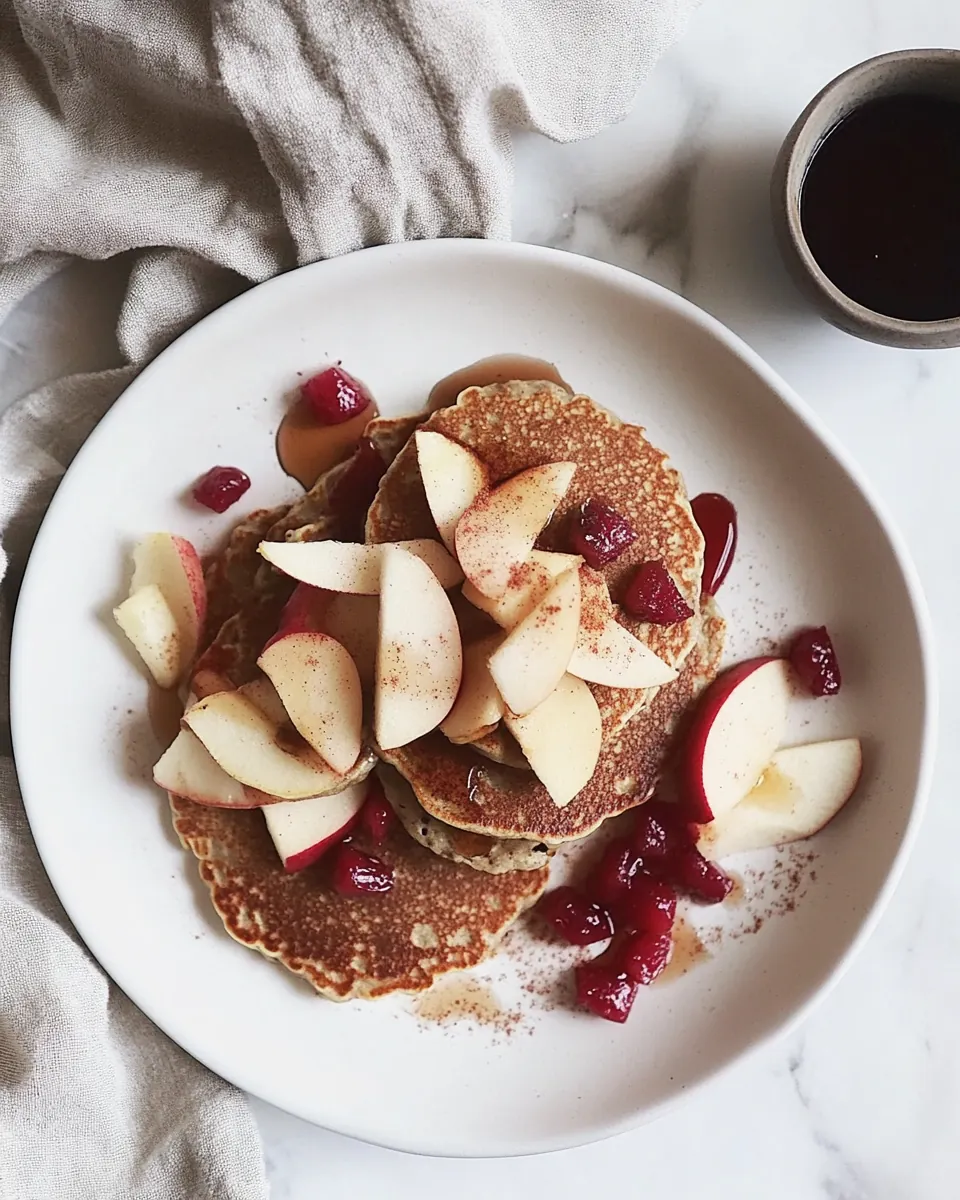
I keep these pro tips short but practical, they reflect what I have learned from many breakfasts. These tweaks make the process smoother and help you get consistent results whether you are cooking for two or a crowd.
- Measure your spelt flour properly by spooning it into the cup and leveling with a knife, this avoids dense batter from packed flour.
- Let the batter rest briefly for five to ten minutes to hydrate the flour slightly, this can improve texture and make the pancakes fluffier.
- Keep cooked pancakes warm in a low oven at 200 degrees to maintain texture without drying them out while you finish the rest.
- Use a box grater for the apple to create thin, even shreds that distribute evenly and cook quickly inside the pancake.
- Brush the griddle with butter before each batch for better browning and flavor, wiping excess prevents smoking and burning.
Serving Ideas for Spelt Apple Pancakes
These pancakes are versatile enough for a cozy family brunch or a special seasonal breakfast. The list below outlines serving styles, pairings, and storage guidance so you can plan the whole meal with confidence.
- Classic family breakfast: Stack the pancakes and drizzle warm maple syrup, add a few thin apple slices on top for a fresh note and a pop of color, serve with hot coffee for a comforting morning.
- Brunch with friends: Arrange pancakes on a platter, garnish with pomegranate seeds for a jewel like contrast and offer small bowls of maple syrup and honey so guests can choose their sweetness level.
- Seasonal pairing: These work wonderfully in fall, pair with warm spiced tea or a spiced yogurt for a balanced mouthfeel, the toasted spelt flour flavor complements autumn ingredients like pear and cranberry.
- Occasion serving: For a leisurely weekend, present pancakes with a dollop of whipped cream and a scattering of toasted nuts, the texture contrast elevates the meal without much extra effort.
- Storage and reheating: Cool fully, then wrap in an airtight container and refrigerate for up to two days, reheat in a toaster oven or skillet to restore crisp edges rather than microwaving which can make them chewy.
- Make ahead: You can prepare the dry mix in advance and store it sealed, add wet ingredients and the shredded apple when ready to cook for a quick morning assembly.
FAQ
Conclusion
These Spelt Apple Pancakes stand out for their warm, nutty base and the bright pockets of shredded apple that make every bite interesting. They are simple enough for a relaxed weekend, yet distinctive enough to feel like a special treat. Give them a try this weekend, and you may find they become a new staple in your breakfast rotation. I hope these pancakes bring a little extra comfort and flavor to your mornings, and that the easy technique lets you enjoy both the cooking and the eating.
Spelt Apple Pancakes
Equipment
- Griddle or Cast Iron Skillet
- Mixing Bowl
- Whisk
- Box grater
- Measuring Cups and Spoons
- Baking Sheet
Ingredients
- 1 1/2 cups spelt flour Provides a nutty, tender base and structure for the batter; contributes gluten to give pancakes slight chew while remaining lighter than wheat. Works as the primary dry component that combines with liquids to form the pancake matrix.
- 1 tablespoon baking powder Leavens the batter by producing carbon dioxide when activated in wet batter, creating light, fluffy pancakes; also slightly affects texture and rise. Should be measured accurately to avoid metallic or bitter tastes.
- 2 teaspoons white granulated sugar Adds a touch of sweetness to balance flavors and enhance browning during cooking; helps caramelize the surface for appealing color. Used sparingly to keep pancakes mildly sweet without overpowering the apple.
- 1/4 teaspoon salt Balances and enhances overall flavors while strengthening the batter slightly; controls yeast-like off-flavors and supports proper chemical reactions. Small quantity prevents the pancakes from tasting flat.
- 1/4 teaspoon ground cinnamon Warms and complements the apple flavor by adding aromatic spice and depth; supports overall flavor complexity without dominating. Sprinkle evenly to ensure consistent flavor throughout the batter.
- 1 cup milk Hydrates the dry ingredients, dissolves sugar and salt, and provides moisture for steam-based lift; contributes to tenderness and mouthfeel. Temperature of the milk influences final batter thickness and texture.
- 1 large egg Binds the batter together, contributes protein for structure, and helps emulsify fats with liquids for uniform texture. Provides richness and helps pancakes hold together when cooking and flipping.
- 1 teaspoon vanilla extract Enhances and rounds out flavors with a sweet, aromatic note; complements apple and cinnamon while making the batter more flavorful. Small amount brightens the overall taste profile.
- 3 tablespoons melted butter, slightly cooled Adds richness, moisture, and a tender crumb while contributing buttery flavor; helps with browning and prevents sticking during cooking. Slight cooling before adding avoids cooking the egg or curdling the batter.
- 1 honey crisp apple, shredded with a box grater Contributes fresh fruit sweetness, moisture, and textural interest with tender apple pieces; provides natural sugars that caramelize for flavor and color. Shredding distributes apple evenly for consistent bite in each pancake.
Instructions
- In a medium bowl, mix together the spelt flour, baking powder, sugar, salt and cinnamon.: You will notice the dry mix smells faintly of warmth from the cinnamon and the spelt flour will have a gentle, nutty scent when stirred together, this aroma is a good sign the base flavors are balanced. Use a whisk or fork so the baking powder is evenly distributed, preventing uneven rise in the pancakes. A common mistake is working too vigorously here, which can compact the flour and produce a denser pancake; keep the motion light and airy. Visually, the mixture should be uniform in color with no visible clumps of leavening.
- In a measuring cup (or small bowl), measure out the milk. Add the egg, vanilla and melted butter; whisk until combined.: The liquids will blend into a glossy, slightly frothy mixture with the butter floating in thin ribbons if it is not fully emulsified yet, and the aroma of vanilla will lift immediately. This step hydrates and activates the proteins that will set when cooked, contributing to color and texture. Avoid adding hot butter, which can scramble the egg , and a common error is under whisking leaving streaks of butter ; whisk until the mix looks homogeneous and slightly thickened. You want the mixture smooth with a few tiny bubbles on the surface as a cue you've incorporated air.
- Add the wet ingredients to the dry ingredients and mix until just combined. Fold in the shredded apple and mix just until it’s mixed in. The batter should have some small to medium lumps.: At this point the batter will be slightly thick, with irregular lumps that are completely normal and desirable because they help keep pancakes tender. The sound of this step is subtle, a soft scraping as you fold, and the sight is a batter speckled with shredded apple . Overmixing is the most frequent error here, which develops the gluten in the spelt flour and makes the pancakes chewy; stop mixing when you no longer see dry streaks. Feel free to leave pockets of dry flour as they will hydrate during cooking and produce a lighter result.
- Heat up your griddle (or cast iron skillet), over medium heat, and brush with 1/2 tablespoon of butter. Scoop the batter, using a tablespoon, onto the warm skillet. Cook for 1-2 minutes, until small bubbles form on the surface of the pancake, and then flip. Turn heat down to medium-low and cook on opposite side for about 1 minute, or until golden brown.: As the batter hits the hot surface you will hear a gentle sizzle, and within a minute small bubbles will form and begin to pop, that's your cue to flip. The first side should have a warm, golden color with slightly set edges. After flipping, the second side will finish with a nutty aroma from the spelt flour . A common misstep is cooking at too high a temperature which produces dark exteriors and undercooked centers; if the pancake is browning too quickly reduce the heat and allow a little longer for the interior to cook. Visual cues to watch for are a golden brown surface and minimal wet batter on the top before flipping.
- Transfer cooked pancakes to a baking sheet and place in 200 degree preheated oven to keep warm. Proceed with the rest of the batter until you’re done. Serve with additional slice of apple, pomegranate seeds and warm maple syrup.: The oven keeps residual heat steady so pancakes remain tender and warm without continuing to cook aggressively, and the soft steam helps maintain moisture. As you stack onto the sheet you will notice a gentle pooling of steam and a continued, faint apple aroma; this is ideal for preserving texture. Avoid piling too many pancakes directly on top of each other, which can trap moisture and make them soggy; instead arrange in a single layer or slightly overlapped. When ready to serve, add a thin slice of apple for brightness and drizzle warm syrup so every bite has a balance of sweet and fruit notes.
Notes
- Measure your spelt flour properly by spooning it into the cup and leveling with a knife, this avoids dense batter from packed flour.
- Let the batter rest briefly for five to ten minutes to hydrate the flour slightly, this can improve texture and make the pancakes fluffier.
- Keep cooked pancakes warm in a low oven at 200 degrees to maintain texture without drying them out while you finish the rest.
- Use a box grater for the apple to create thin, even shreds that distribute evenly and cook quickly inside the pancake.
- Brush the griddle with butter before each batch for better browning and flavor, wiping excess prevents smoking and burning.
