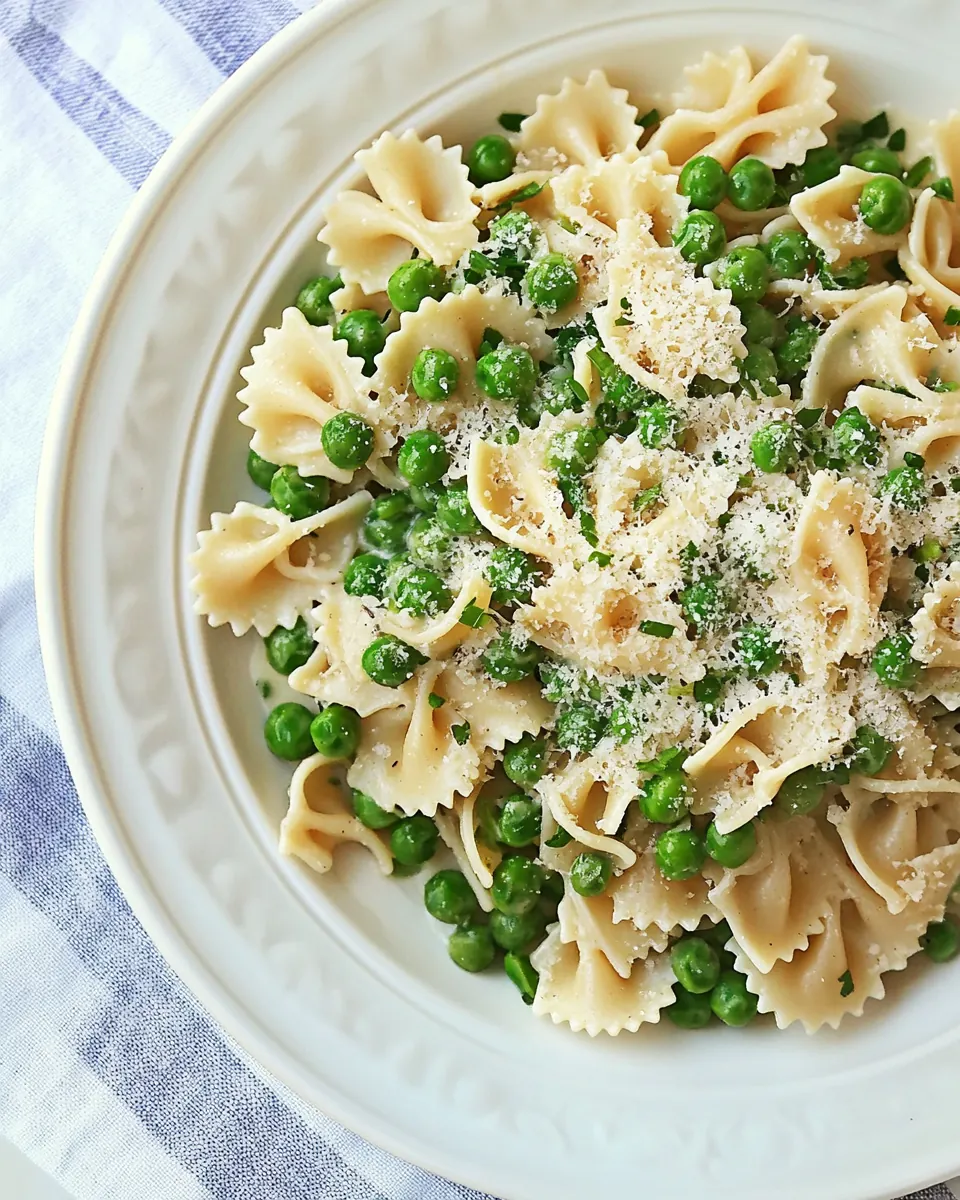
Pea Pasta with Shallot Cream Sauce
Pea Pasta with Shallot Cream Sauce became one of my quick weeknight comforts the first spring I wanted something bright but still soothing.
That evening I had a jar of leftover pasta and a small bag of frozen peas, and a single shallot sat on the counter like a tiny promise. I browned that shallot in butter, and the kitchen filled with a sweet, nutty perfume that made me slow down. Adding cream and a splash of milk turned the pan into a velvet pool, and when the grated parmesan melted in it felt like comfort and celebration at once. A little lemon zest brightened each forkful, and that balance of creamy and green has stuck with me ever since.
I often make this when friends drop by unexpectedly, because the components are forgiving and most of the work happens at the stove while we chat. I like to keep a bowl of extra parmesan nearby and encourage everyone to add as they like. The dish is simple enough for a solo dinner, and elegant enough to serve at a casual dinner party with a crisp salad on the side. Somewhere between pantry minimalism and a chef’s trick, this recipe is proof that a few good ingredients treated with care make something memorable.
Recipe Snapshot
20 mins
5 mins
15 mins
Easy
450 kcal
Italian
Gluten-Free, Low FODMAP
Dinner
Large pot, Large pan, Colander, Grater, Wooden spoon
The Beauty of This Pea Pasta with Shallot Cream Sauce
Bright spring flavor from simple ingredients
I love how Pea Pasta with Shallot Cream Sauce uses a small list of pantry staples to feel fresh and seasonal. The peas bring a verdant sweetness that cuts through the richness of the cream and parmesan, creating a lively contrast I crave in spring. When I want a meal that tastes like the season, this is one I return to again and again.
Speed and comfort combined
One of the reasons I make this so often is the speed, it comes together fast yet feels indulgent. From boiling the pasta to stirring the sauce you get that satisfying kitchen rhythm. For busy evenings when you still want home cooked, this dish delivers warmth without hours in the kitchen.
Forgiving technique that rewards attention
The method is straightforward, but small choices make a big difference. Sautéing the minced shallots until they begin to brown unlocks a deeper, sweeter layer of flavor. Likewise, adjusting the sauce with reserved pasta water lets you rescue texture in a snap, so you can focus on tasting as you go.
Textural play and finishing touches
I adore the way tender peas and al dente pasta play off the rich, silky sauce. Grated parmesan adds umami and body while a zest of lemon lifts the whole plate. Those finishing touches are small but transformative, and they make each bite more interesting.
Approachable yet impressive
This recipe is an easy kitchen win when you want to feed people without fuss. I’ve brought it to weeknight dinners and felt quietly proud, because it looks and tastes thoughtful even though it is simple. It’s the kind of dish that makes guests ask for the recipe, and that always feels good.
Main Ingredients for Pea Pasta with Shallot Cream Sauce
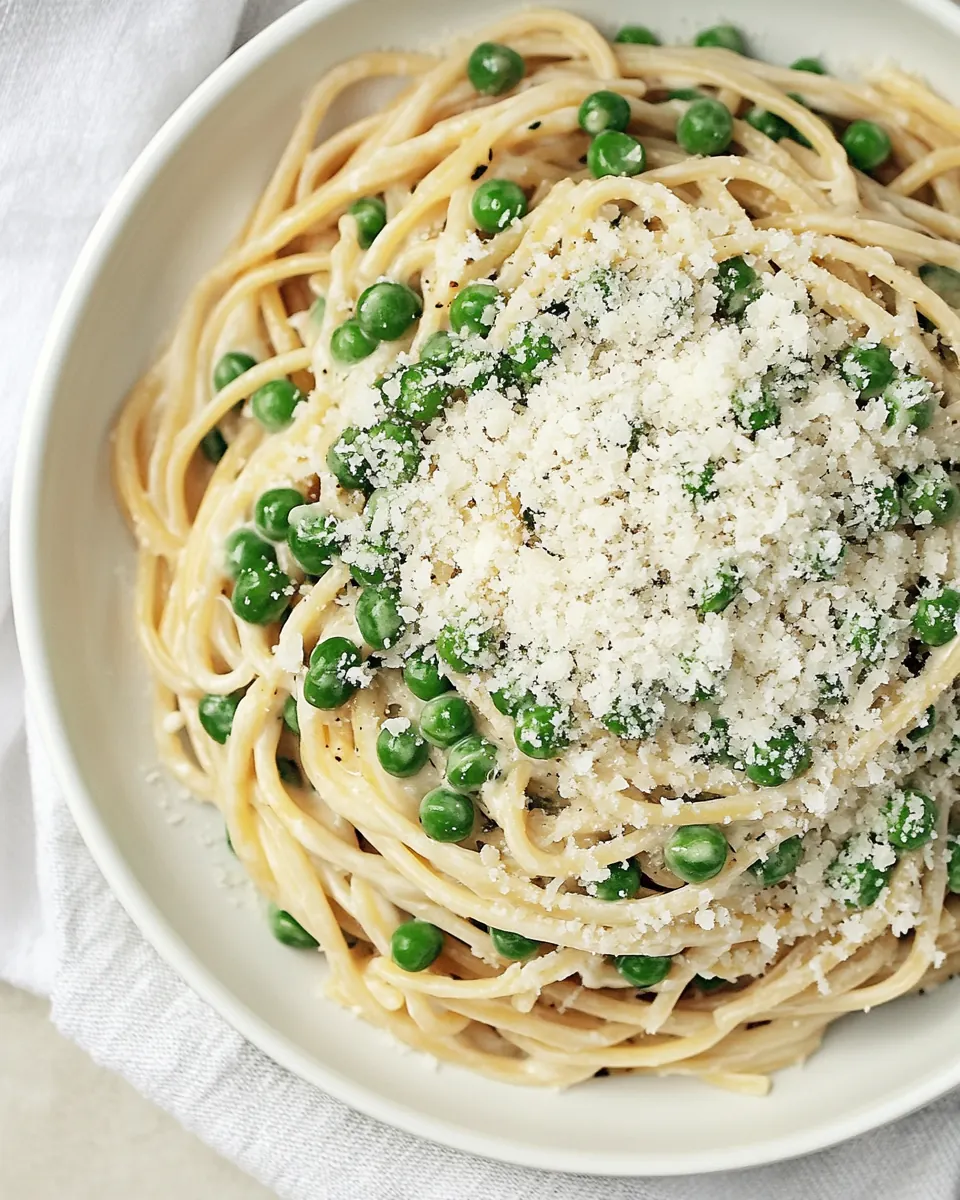
These ingredients are built around a simple philosophy, use a creamy base, a starchy carrier, and a bright green player to balance richness. The key players are the pasta which provides comforting bulk, the peas for freshness and texture, and the dairy trio of butter, heavy cream, and parmesan which create a silky sauce that clings to every strand. Small accents like shallots and lemon zest lift the flavors so the dish never feels one note.
- 8 ounces pasta: Cook to al dente to provide the primary carbohydrate base for the dish; choose a shape that traps the peas and sauce like fusilli or penne. Balance cooking time with sauce readiness so pasta and sauce finish together, and reserve some pasta water to adjust sauce consistency if needed.
- 2 tablespoons butter: Melt to sauté shallots and build a rich, silky base for the cream sauce; use clarified butter if a cleaner flavor is desired. Add early to the pan so it browns lightly without burning, which deepens the sauce's savory notes and helps emulsify the cream and cheese.
- 2 medium shallots: Slice thinly and sweat until translucent to release sweet, aromatic flavors that form the sauce's backbone; avoid browning to keep the sauce delicate. Combine with butter and a splash of reserved pasta water to create a fragrant base that complements the peas and cheese.
- 3 cups peas (fresh or frozen): Add for texture, color, and fresh sweetness; fresh peas give brightness while frozen ones are convenient and still flavorful. Lightly cook or blanch to retain a pop and vibrancy, then puree or fold into the sauce to create body and a verdant flavor profile.
- 1/4 cup heavy cream: Stir in to add richness and mouthfeel, helping to bind the sauce and carry flavors; choose heavy cream for a smooth, luscious texture. Warm gently with the shallots and peas to avoid curdling, and use sparingly to prevent the sauce from becoming overly heavy.
- 1/4 cup whole milk: Combine with cream to thin the sauce and moderate richness; whole milk lightens texture while contributing subtle creaminess. Add gradually to reach desired sauce consistency, and use its lactose to help emulsify with cheese for a cohesive finish.
- 1 1/2 to 2 cups grated parmesan: Sprinkle in gradually to thicken and flavor the sauce with savory, umami notes; freshly grated Parmesan integrates more smoothly than pre-grated varieties. Taste as you add to avoid over-salting, and remove from heat before fully melting to prevent graininess.
- 1/2 lemon (zested): Grate finely to introduce bright citrus aroma and a touch of acidity that lifts the creamy sauce; use zest sparingly to avoid bitterness. Add at the end to preserve volatile oils, scattering over the finished pasta for a fragrant, fresh finish.
- Salt (to taste): Season to taste to enhance and balance the flavors of the sauce, accentuating sweetness from peas and umami from cheese. Add incrementally and taste between additions, remembering that Parmesan already contributes saltiness so less may be needed.
Putting Together Pea Pasta with Shallot Cream Sauce
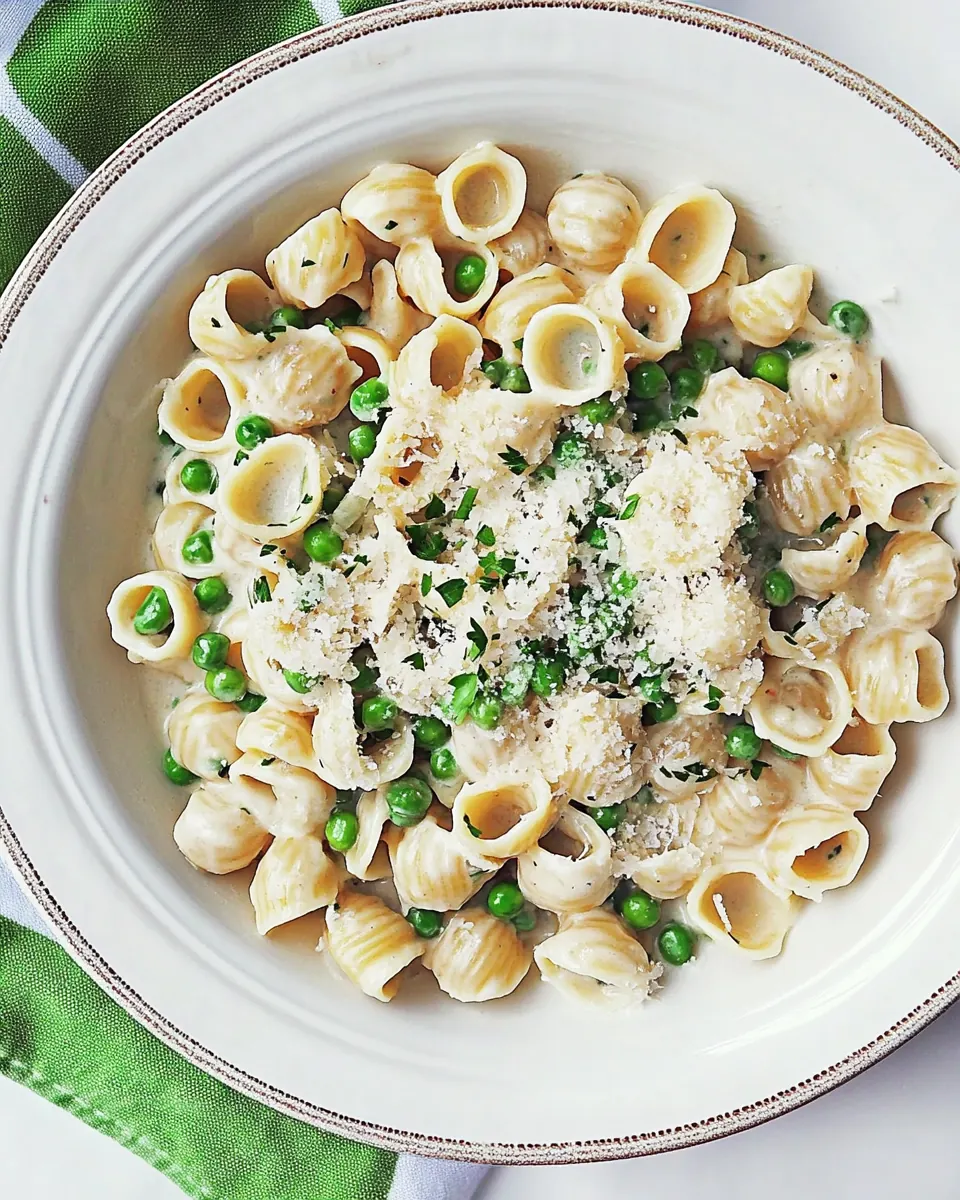
Make yourself comfortable at the stove, this recipe moves quickly once the water is boiling but there is time to take cues from aroma and texture. The steps below expand the short directions into sensory notes and troubleshooting so you know what to look for at each moment.
- Cook the pasta according to instructions. Drain, reserving about 1/2 cup of pasta water, and set aside.: The pot will smell faintly of starch as the water comes to a rolling boil, and you should cook the pasta until it is just al dente, with a slight resistance when you bite into it. Al dente pasta holds its shape and texture when tossed in the sauce, offering the ideal chew. If you overcook it, the final dish can become mushy, so set a timer and taste a minute or two before the package time to check doneness. Before draining, scoop out about half a cup of the starchy cooking water; it looks cloudy and will help loosen the sauce later. A common mistake is forgetting to stir the pot early on, which can cause some shapes to stick to the bottom, so give it a gentle stir right after adding the pasta .
- To make the sauce, melt the butter in a large pan. Mince the shallots and add them to the pan, cooking until they are soft and starting to brown. Add in the peas and cook until the peas are hot. Add the cream and milk, stirring to combine.: The reserved water should be slightly cloudy and warm, and it will become your secret tool for adjusting sauce consistency. Keep it near the stove so you can add it by the tablespoon if the sauce tightens or clumps when the cheese is added. Dumping all or none at random can throw off texture, so measure carefully. If you forget to reserve it, you can use plain hot water but it will lack the starch that helps the sauce cling, changing the final mouthfeel.
- Heat over low heat and stir in 1 1/2 cups of parmesan. Continue to cook until the sauce begins to thicken slightly. Add the pasta and stir to coat. If the pasta is too thin, add a bit more parmesan cheese. If the sauce is too thick, add a splash of pasta water. Stir in the lemon zest and salt before serving. With salting the pasta water and the amount of cheese, I find I don’t need to add a ton of salt – it’s really up to your tastes.: As the butter melts it will foam and then calm, releasing a gentle dairy aroma that signals the start of flavor building. Use medium heat so the butter browns slightly but does not burn, because burnt butter carries a bitter note that will dominate the sauce. If the butter smokes, remove the pan from heat briefly and lower the flame to avoid that off taste. Browning the butter a touch adds a toasty complexity that lifts the whole dish.
- Serve with more parmesan cheese and black pepper if desired.: When the minced shallots hit the warm butter , they should sizzle softly and begin to turn translucent, then take on little golden edges as they start to brown. This caramelization brings out natural sweetness and a deeper aroma, which is why I cook them until they are soft and starting to brown rather than rushing them. Stir frequently to avoid hot spots, and if they brown too quickly reduce the heat; charred bits will introduce bitterness. Keep an eye on color, aiming for light gold.
- Add in the peas and cook until the peas are hot: The peas will make the pan steam briefly and release a fresh, green scent; frozen peas will thaw and become tender in just a few minutes. I like to let them warm through without breaking apart, so they preserve a pleasant pop. If you cook them too long the peas can lose their bright color and become mealy, so heat just until warmed. Taste one to ensure the texture is pleasant for the final dish.
- Add the cream and milk, stirring to combine: Pouring in the heavy cream and whole milk will calm the pan and create a glossy base that visually signals richness. Stir gently so the dairy warms evenly and does not separate; you'll see the sauce begin to take on a satiny sheen. Maintain low to medium heat because boiling dairy can split and alter texture. If the mixture looks grainy, remove from heat briefly and stir to reemulsify, and always keep the temperature controlled to avoid breaking the sauce.
- Heat over low heat and stir in 1 1/2 cups of parmesan: As you add the grated parmesan , it will melt into the cream producing a thick, savory matrix that clings to the back of a spoon. Stir consistently so the cheese melts smoothly and the sauce becomes cohesive; small clumps indicate the heat is too high or the cheese was added too fast. The aroma will shift to a nutty, umami note, and the sauce should thicken slightly as proteins bind with the fats. If the sauce tightens more than you like, add reserved pasta water a tablespoon at a time to loosen it gently.
- Continue to cook until the sauce begins to thicken slightly: While heating slowly, watch for the sauce to coat the spoon in a ribbon, that is the right textural cue. The surface might form tiny, slow-moving bubbles when it is hot enough, but avoid a vigorous boil which can separate the dairy. This gentle thickening concentrates flavor and ensures the sauce will cling to the pasta . A common mistake is rushing the process with high heat, which risks graininess and oil separation, so be patient and keep the flame low.
- Add the pasta and stir to coat: When you combine the drained pasta with the sauce, you should hear a soft swoosh as strands move through the cream, and visually the pasta will take on a glossy, saucy sheen. Toss until each piece is evenly coated, using tongs or a large spoon to lift the mixture so sauce reaches every nook. If the sauce feels too thin now, let it sit on low heat briefly while stirring so it reduces a touch; if it is too thick, add a splash of the reserved pasta water until it loosens and clings like a blanket. Avoid over stirring which can break delicate pasta shapes.
- If the pasta is too thin add a bit more parmesan cheese: Adding extra grated parmesan will thicken by introducing more cheese proteins, and you will notice a firmer, silkier coating on the pasta . Add gradually and taste as you go to balance saltiness. Too much cheese can make the dish overly dense and salty, so correct gently. The right amount will leave a creamy film, not a clotted mass.
- If the sauce is too thick add a splash of pasta water: The warm, starchy reserved water will loosen and emulsify the sauce, returning a silky consistency without diluting flavor. Add by small splashes, stirring after each one, until the texture becomes glossy and smooth. Cold water will shock the sauce, so always use warm reserved water. A frequent error is adding too much at once, which forces a longer reduction time, so go slowly and aim for a saucy cling rather than puddling liquid.
- Stir in the lemon zest and salt before serving: Lemon zest added at the end releases energetic citrus oils that perfume the plate, cutting through the creamy richness with brightness. Season with salt carefully, tasting because the parmesan already contributes significant salt. The final stir should marry flavors, and you should sense a balance of rich, savory, and bright. Over-salting is the most common mistake here, so sample a forkful before finishing.
- Serve with more parmesan cheese and black pepper if desired: The plated dish looks inviting when topped with extra grated parmesan and a few turns of freshly cracked pepper, and the cheese will continue to melt into the warm sauce. Present immediately while the sauce is glossy and the peas still show that vibrant green. Let guests add extra cheese at the table rather than oversalting beforehand, and avoid leaving the pasta sitting too long as the sauce can tighten as it cools.
Making Adjustments
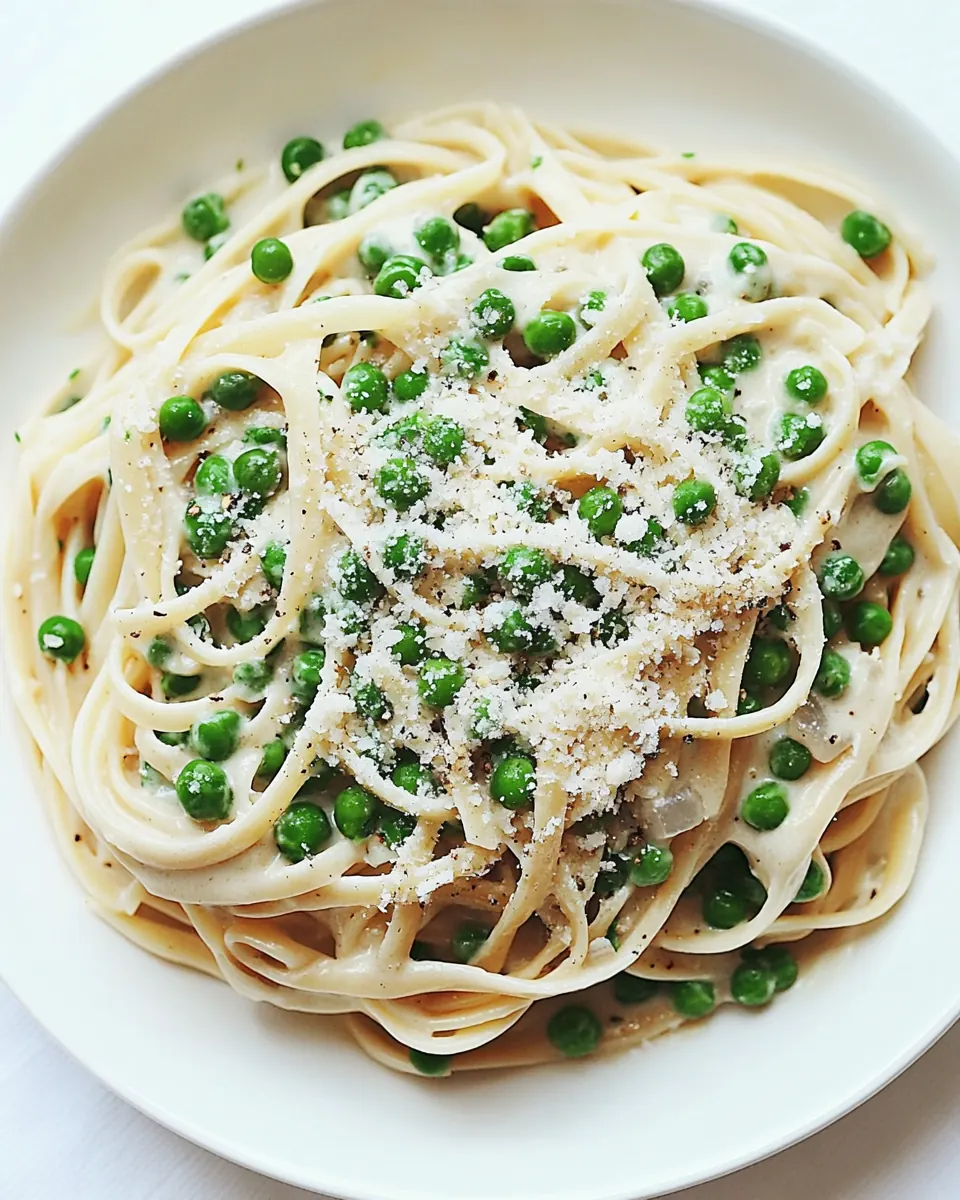
This section helps you tweak the recipe for texture, salt, and portion size without changing core ingredients. Below, each tip starts strong and then explains how to apply the adjustment while preserving the balance between creamy sauce, bright peas, and savory cheese.
- Adjust salt in stages, start with salted pasta water and taste the finished dish before adding more salt, because the parmesan already provides significant seasoning.
- Control sauce thickness by adding reserved pasta water to loosen or extra grated parmesan to thicken, adding gradually until the texture is glossy and coats the pasta.
- Swap pasta shapes carefully, choose shapes with grooves or pockets like fusilli or shells to hold the sauce, which enhances each bite without changing the recipe proportions.
- Use frozen peas for convenience, add them straight to the pan from frozen so they warm through quickly while retaining bright color and firm texture.
- Finish with lemon zest rather than juice to avoid thinning the sauce, the zest provides aromatic lift without altering consistency.
- Make it ahead with caution, if preparing earlier store sauce and pasta separately, then gently rewarm with a splash of reserved pasta water to restore silkiness before serving.
How to Enjoy Pea Pasta with Shallot Cream Sauce
This dish is versatile and comfortable, fitting casual lunches, cozy weeknight dinners, or light springtime gatherings. Serve it warm and freshly tossed so the sauce is glossy and the peas retain texture. Below are ideas for pairing, occasions, storage, and seasonal touches to make each meal feel thoughtful.
- Serve for weeknight dinners, pair the plate with a simple green salad dressed with lemon and olive oil to keep the meal light and complementary to the creamy sauce.
- Bring to a casual dinner, present the pasta family style so guests can add extra grated parmesan and freshly ground pepper to their plates.
- Springtime menus benefit from the dish’s bright pea flavor; include roasted asparagus or a citrusy slaw to echo the lemon zest finishing note.
- Storage tips, refrigerate leftovers in an airtight container for up to two days and reheat gently with a splash of warm water or milk to regain creaminess.
- Portion guidance, the ingredient amounts serve about three to four people, so scale up for larger groups and cook pasta in a roomy pot to maintain consistent doneness.
- Occasion pairing, this works well for lunch with a glass of sparkling water and lemon, or as part of a light dinner when you want comfort without heaviness.
FAQ
Conclusion
This recipe stands out because it turns a few humble ingredients into a creamy, bright plate that feels special. Try Pea Pasta with Shallot Cream Sauce the next time you want an easy but elegant meal, and you might be surprised how often it becomes your go to. The interplay of delicate shallots, sweet peas, and silky dairy creates a comforting, balanced dish that welcomes variations. Serve it fresh, enjoy those fragrant lemon notes, and savor how a simple formula can deliver so much satisfaction.
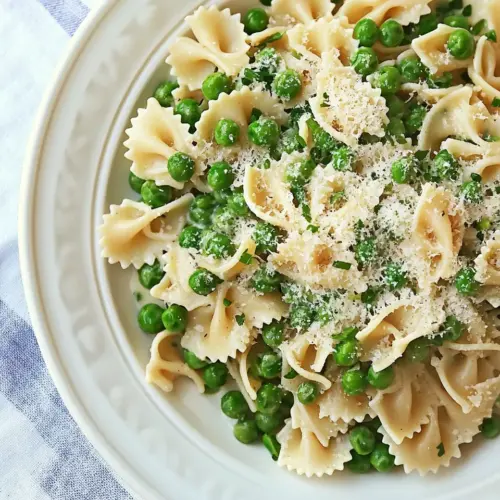
Pea Pasta with Shallot Cream Sauce
Equipment
- Large Pot
- Large Pan
- Colander
- Grater
- Wooden Spoon
Ingredients
- 8 ounces pasta Cook to al dente to provide the primary carbohydrate base for the dish; choose a shape that traps the peas and sauce like fusilli or penne. Balance cooking time with sauce readiness so pasta and sauce finish together, and reserve some pasta water to adjust sauce consistency if needed.
- 2 tablespoons butter Melt to sauté shallots and build a rich, silky base for the cream sauce; use clarified butter if a cleaner flavor is desired. Add early to the pan so it browns lightly without burning, which deepens the sauce's savory notes and helps emulsify the cream and cheese.
- 2 medium shallots Slice thinly and sweat until translucent to release sweet, aromatic flavors that form the sauce's backbone; avoid browning to keep the sauce delicate. Combine with butter and a splash of reserved pasta water to create a fragrant base that complements the peas and cheese.
- 3 cups peas (fresh or frozen) Add for texture, color, and fresh sweetness; fresh peas give brightness while frozen ones are convenient and still flavorful. Lightly cook or blanch to retain a pop and vibrancy, then puree or fold into the sauce to create body and a verdant flavor profile.
- 1/4 cup heavy cream Stir in to add richness and mouthfeel, helping to bind the sauce and carry flavors; choose heavy cream for a smooth, luscious texture. Warm gently with the shallots and peas to avoid curdling, and use sparingly to prevent the sauce from becoming overly heavy.
- 1/4 cup whole milk Combine with cream to thin the sauce and moderate richness; whole milk lightens texture while contributing subtle creaminess. Add gradually to reach desired sauce consistency, and use its lactose to help emulsify with cheese for a cohesive finish.
- 1 1/2 to 2 cups grated parmesan Sprinkle in gradually to thicken and flavor the sauce with savory, umami notes; freshly grated Parmesan integrates more smoothly than pre-grated varieties. Taste as you add to avoid over-salting, and remove from heat before fully melting to prevent graininess.
- 1/2 lemon (zested) Grate finely to introduce bright citrus aroma and a touch of acidity that lifts the creamy sauce; use zest sparingly to avoid bitterness. Add at the end to preserve volatile oils, scattering over the finished pasta for a fragrant, fresh finish.
- Salt (to taste) Season to taste to enhance and balance the flavors of the sauce, accentuating sweetness from peas and umami from cheese. Add incrementally and taste between additions, remembering that Parmesan already contributes saltiness so less may be needed.
Instructions
- Cook the pasta according to instructions. Drain, reserving about 1/2 cup of pasta water, and set aside.: The pot will smell faintly of starch as the water comes to a rolling boil, and you should cook the pasta until it is just al dente, with a slight resistance when you bite into it. Al dente pasta holds its shape and texture when tossed in the sauce, offering the ideal chew. If you overcook it, the final dish can become mushy, so set a timer and taste a minute or two before the package time to check doneness. Before draining, scoop out about half a cup of the starchy cooking water; it looks cloudy and will help loosen the sauce later. A common mistake is forgetting to stir the pot early on, which can cause some shapes to stick to the bottom, so give it a gentle stir right after adding the pasta .
- To make the sauce, melt the butter in a large pan. Mince the shallots and add them to the pan, cooking until they are soft and starting to brown. Add in the peas and cook until the peas are hot. Add the cream and milk, stirring to combine.: The reserved water should be slightly cloudy and warm, and it will become your secret tool for adjusting sauce consistency. Keep it near the stove so you can add it by the tablespoon if the sauce tightens or clumps when the cheese is added. Dumping all or none at random can throw off texture, so measure carefully. If you forget to reserve it, you can use plain hot water but it will lack the starch that helps the sauce cling, changing the final mouthfeel.
- Heat over low heat and stir in 1 1/2 cups of parmesan. Continue to cook until the sauce begins to thicken slightly. Add the pasta and stir to coat. If the pasta is too thin, add a bit more parmesan cheese. If the sauce is too thick, add a splash of pasta water. Stir in the lemon zest and salt before serving. With salting the pasta water and the amount of cheese, I find I don’t need to add a ton of salt - it’s really up to your tastes.: As the butter melts it will foam and then calm, releasing a gentle dairy aroma that signals the start of flavor building. Use medium heat so the butter browns slightly but does not burn, because burnt butter carries a bitter note that will dominate the sauce. If the butter smokes, remove the pan from heat briefly and lower the flame to avoid that off taste. Browning the butter a touch adds a toasty complexity that lifts the whole dish.
- Serve with more parmesan cheese and black pepper if desired.: When the minced shallots hit the warm butter , they should sizzle softly and begin to turn translucent, then take on little golden edges as they start to brown. This caramelization brings out natural sweetness and a deeper aroma, which is why I cook them until they are soft and starting to brown rather than rushing them. Stir frequently to avoid hot spots, and if they brown too quickly reduce the heat; charred bits will introduce bitterness. Keep an eye on color, aiming for light gold.
- Add in the peas and cook until the peas are hot: The peas will make the pan steam briefly and release a fresh, green scent; frozen peas will thaw and become tender in just a few minutes. I like to let them warm through without breaking apart, so they preserve a pleasant pop. If you cook them too long the peas can lose their bright color and become mealy, so heat just until warmed. Taste one to ensure the texture is pleasant for the final dish.
- Add the cream and milk, stirring to combine: Pouring in the heavy cream and whole milk will calm the pan and create a glossy base that visually signals richness. Stir gently so the dairy warms evenly and does not separate; you'll see the sauce begin to take on a satiny sheen. Maintain low to medium heat because boiling dairy can split and alter texture. If the mixture looks grainy, remove from heat briefly and stir to reemulsify, and always keep the temperature controlled to avoid breaking the sauce.
- Heat over low heat and stir in 1 1/2 cups of parmesan: As you add the grated parmesan , it will melt into the cream producing a thick, savory matrix that clings to the back of a spoon. Stir consistently so the cheese melts smoothly and the sauce becomes cohesive; small clumps indicate the heat is too high or the cheese was added too fast. The aroma will shift to a nutty, umami note, and the sauce should thicken slightly as proteins bind with the fats. If the sauce tightens more than you like, add reserved pasta water a tablespoon at a time to loosen it gently.
- Continue to cook until the sauce begins to thicken slightly: While heating slowly, watch for the sauce to coat the spoon in a ribbon, that is the right textural cue. The surface might form tiny, slow-moving bubbles when it is hot enough, but avoid a vigorous boil which can separate the dairy. This gentle thickening concentrates flavor and ensures the sauce will cling to the pasta . A common mistake is rushing the process with high heat, which risks graininess and oil separation, so be patient and keep the flame low.
- Add the pasta and stir to coat: When you combine the drained pasta with the sauce, you should hear a soft swoosh as strands move through the cream, and visually the pasta will take on a glossy, saucy sheen. Toss until each piece is evenly coated, using tongs or a large spoon to lift the mixture so sauce reaches every nook. If the sauce feels too thin now, let it sit on low heat briefly while stirring so it reduces a touch; if it is too thick, add a splash of the reserved pasta water until it loosens and clings like a blanket. Avoid over stirring which can break delicate pasta shapes.
- If the pasta is too thin add a bit more parmesan cheese: Adding extra grated parmesan will thicken by introducing more cheese proteins, and you will notice a firmer, silkier coating on the pasta . Add gradually and taste as you go to balance saltiness. Too much cheese can make the dish overly dense and salty, so correct gently. The right amount will leave a creamy film, not a clotted mass.
- If the sauce is too thick add a splash of pasta water: The warm, starchy reserved water will loosen and emulsify the sauce, returning a silky consistency without diluting flavor. Add by small splashes, stirring after each one, until the texture becomes glossy and smooth. Cold water will shock the sauce, so always use warm reserved water. A frequent error is adding too much at once, which forces a longer reduction time, so go slowly and aim for a saucy cling rather than puddling liquid.
- Stir in the lemon zest and salt before serving: Lemon zest added at the end releases energetic citrus oils that perfume the plate, cutting through the creamy richness with brightness. Season with salt carefully, tasting because the parmesan already contributes significant salt. The final stir should marry flavors, and you should sense a balance of rich, savory, and bright. Over-salting is the most common mistake here, so sample a forkful before finishing.
- Serve with more parmesan cheese and black pepper if desired: The plated dish looks inviting when topped with extra grated parmesan and a few turns of freshly cracked pepper, and the cheese will continue to melt into the warm sauce. Present immediately while the sauce is glossy and the peas still show that vibrant green. Let guests add extra cheese at the table rather than oversalting beforehand, and avoid leaving the pasta sitting too long as the sauce can tighten as it cools.
Notes
- Adjust salt in stages, start with salted pasta water and taste the finished dish before adding more salt, because the parmesan already provides significant seasoning.
- Control sauce thickness by adding reserved pasta water to loosen or extra grated parmesan to thicken, adding gradually until the texture is glossy and coats the pasta.
- Swap pasta shapes carefully, choose shapes with grooves or pockets like fusilli or shells to hold the sauce, which enhances each bite without changing the recipe proportions.
- Use frozen peas for convenience, add them straight to the pan from frozen so they warm through quickly while retaining bright color and firm texture.
- Finish with lemon zest rather than juice to avoid thinning the sauce, the zest provides aromatic lift without altering consistency.
- Make it ahead with caution, if preparing earlier store sauce and pasta separately, then gently rewarm with a splash of reserved pasta water to restore silkiness before serving.