
Cabbage and Noodles
Cabbage and Noodles is one of those humble dishes I return to when I want comfort without fuss. Growing up, this simple plate would appear on chilly evenings, the warm bowl sending out an earthy aroma that felt like home. I still remember the sound of the sizzling onions as they met the butter, and how the cabbage softened into tender ribbons that curled around the wide noodles. That first bite always tasted like patience and everyday magic.
Years later, I make Cabbage and Noodles when I need a meal that is honest and unfussy, yet full of character. It is the recipe I reach for after a long day, the kind of food that warms hands and calms thoughts. I like to serve it with something bright on the side so the mellow, savory notes of the dish can shine. You do not need a long list of ingredients to get deep flavor, just good technique and a little attention to the caramelization of the onion and the softening of the cabbage.
Every time I make Cabbage and Noodles, I tell a different story with timing, seasoning, and the way I toss the noodles with the vegetables. Sometimes I slow the onions down until they reach a deep gold, other times I keep things light and slightly crisp for contrast. Either way, it feels like a quiet celebration of everyday cooking, the kind that makes weeknights feel special.
Recipe Snapshot
30 mins
10 mins
20 mins
Easy
300 kcal
American
Keto, Gluten-Free
Dinner
Large pot, Large skillet, Colander, Tongs
What’s Great About This Cabbage and Noodles
I love how simple flavors sing
The first reason Cabbage and Noodles stands out is its purity. With only a few ingredients, each element has room to breathe. The butter lends richness, the onion brings sweet depth as it caramelizes, and the cabbage offers subtle vegetal notes. When done right, the dish tastes layered, not flat.
It is wonderfully budget friendly
We often need recipes that respect the wallet, and this one does exactly that. You can feed a family with pantry staples, and the result feels far more luxurious than the cost. I appreciate recipes that make smart use of humble produce, and this fits the bill.
The texture play keeps every bite interesting
I adore the contrast between tender wide egg noodles and the slightly browned, soft strips of cabbage. The noodles soak up buttery, savory notes while still giving that satisfying chew. The mouthfeel alone makes this a repeat favorite in my kitchen.
It is endlessly adaptable without losing its identity
Though the recipe is straightforward, small technique shifts change the outcome. Letting the onion caramelize deeply brings sweet complexity, while cooking the cabbage just until tender keeps things bright. I sometimes change the noodle shape for texture, but the soul of the dish remains intact.
Comfort food that travels across occasions
This recipe moves effortlessly from a midweek supper to a cozy weekend side. It is the plate I bring to potlucks because people recognize and appreciate honest comfort. For me, that reliability is everything.
Recipe Ingredients for Cabbage and Noodles
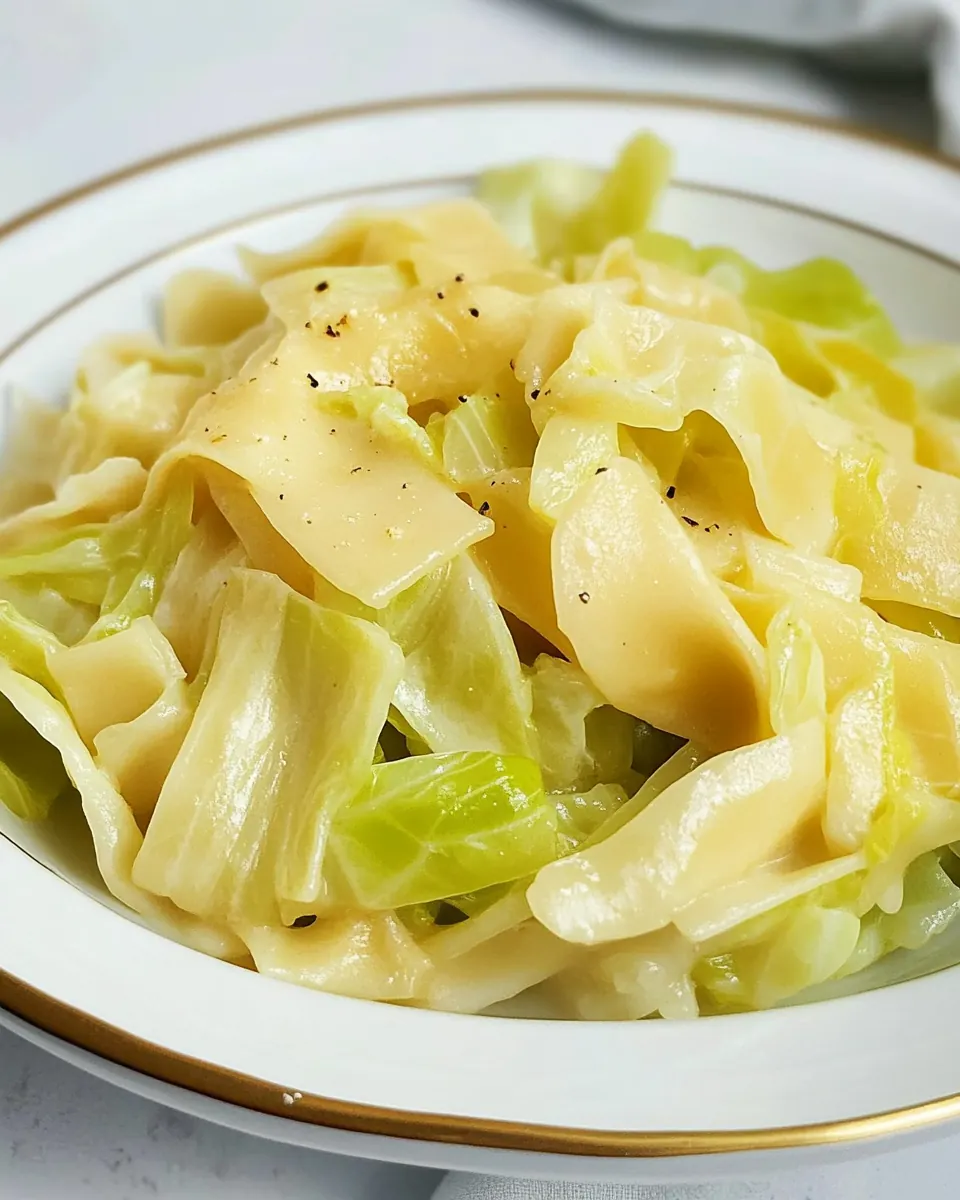
These ingredients form a small, coherent team that delivers maximum flavor with minimal fuss. The wide egg noodles soak up buttery, savory coating, while the onion and cabbage supply sweet and vegetal layers. Salt and black pepper are the final nudges that coax out each component’s best qualities.
- 8 ounces wide egg noodles: Boil to tender-perfect doneness, providing the primary starch base for the dish and absorbing flavors from butter and cabbage. Cook until al dente to maintain texture when tossed with the sautéed vegetables. Drain well to avoid sogginess and keep noodles separate for even coating.
- 2 tablespoons unsalted butter: Melt to create a flavorful cooking medium that helps soften onions and cabbage while imparting a rich, silky mouthfeel. Allow to brown slightly for nutty notes that enhance the overall savory profile. Use at medium heat to prevent burning while developing aroma.
- 1 large yellow onion thinly sliced: Slice thinly to release natural sweetness and form a soft, caramelized component that complements the cabbage. Cook gently in butter until translucent and lightly browned to build depth of flavor. Adjust slice thickness for desired bite and even cooking.
- 1/2 head of green cabbage cored and sliced into strips: Core and slice into strips to provide a tender-crisp vegetable element that adds volume, mild sweetness, and a subtle cabbage flavor. Sauté until wilted and slightly caramelized so it melds with noodles and butter. Retain some texture to contrast the soft noodles.
- Salt to taste: Season to taste to balance and enhance the natural flavors of noodles, butter, onions, and cabbage. Add gradually and taste as you cook to avoid over-salting. Use fine or kosher salt for easy distribution.
- Black pepper to taste: Season to taste to add mild heat and aromatic warmth that brightens the dish and rounds out seasoning. Grind fresh for best flavor and adjust quantity according to preference. Use sparingly at first to maintain balance.
Making Cabbage and Noodles
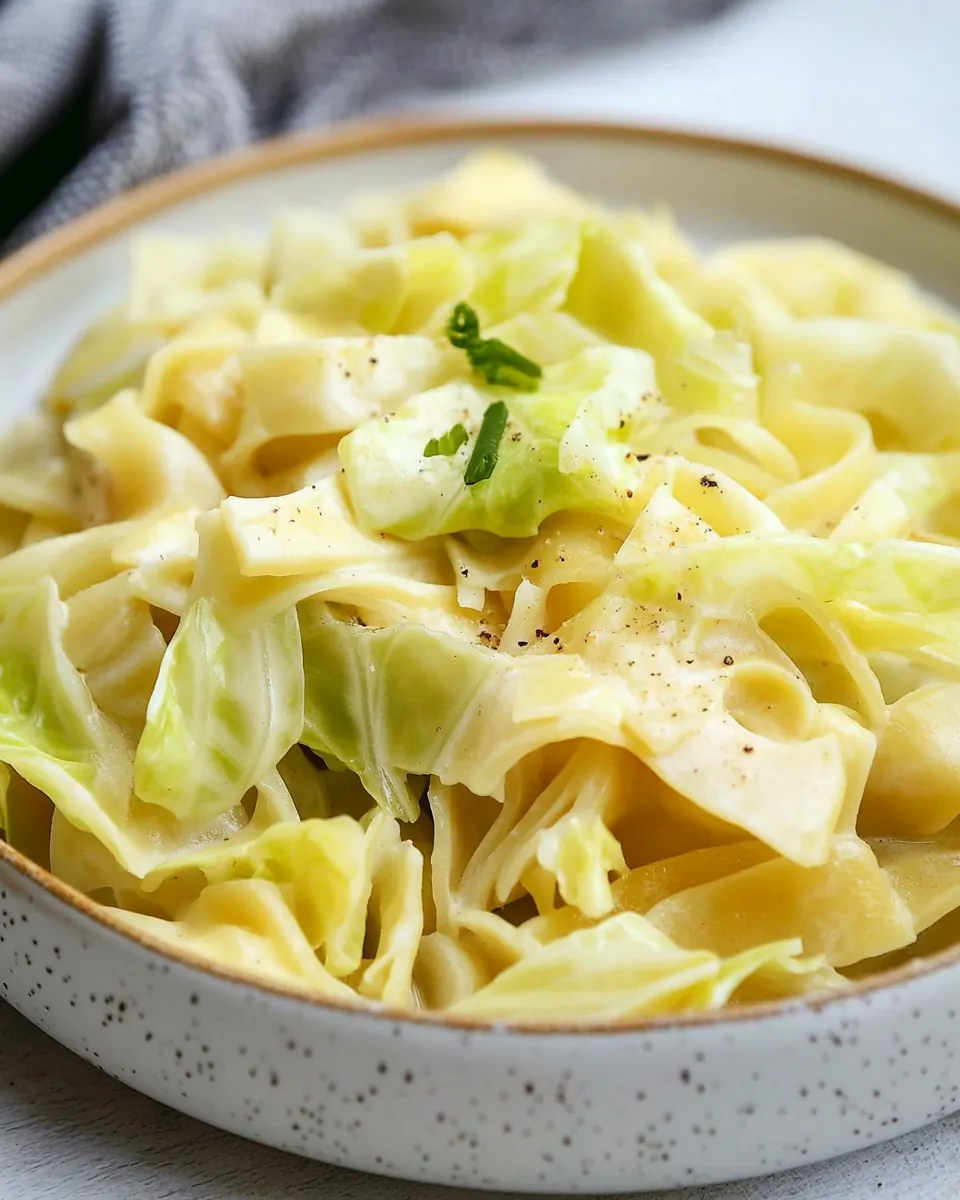
Below I expand the original directions into a detailed, sensory driven sequence. These steps are where technique meets intuition, so take your time to notice the smells and sounds as you cook. I walk you through what to look for and a common pitfall to avoid at each stage.
- Bring a large pot of salted water to a boil. Add the egg noodles and cook according to the package instructions until al dente. Drain and set aside.: You will hear the water move vigorously as it nears boiling, and small bubbles will rise steadily across the surface. Salting the water is important because it seasons the noodles from the inside out, making the finished dish taste brighter. Use a pot roomy enough so the noodles can move freely, which prevents clumping. A common mistake is under-salting, which leaves the pasta tasting flat, so aim for water that tastes like the sea.
- While the noodles are cooking, melt butter in a large skillet over medium heat. Add the sliced onions and cook, stirring occasionally, until they become translucent and start to caramelize, about 5-7 minutes.: As the noodles cook, they will soften and release a gentle starchy scent. Al dente means there should be a slight resistance when you bite into them, not a floppy texture. This helps them hold up when tossed with the warm vegetables. Overcooking is frequent, resulting in a mushy mouthfeel, so test a strand early to catch the perfect timing.
- Add the sliced cabbage to the skillet with the onions. Season with salt and pepper. Cook, stirring occasionally, until the cabbage is tender and begins to brown, about 10-12 minutes.: After draining, the noodles should be free of excess water but still warm so they absorb the buttery coating. Give them a brief shake to remove surface water; too wet, and the butter will slide off instead of coating. Avoid rinsing, because that washes away starch that helps the sauce cling.
- Toss the cooked noodles with the sautéed cabbage and onions. Adjust seasoning with additional salt and pepper if needed. Serve warm.: You will see the butter turn liquid and notice a gentle buttery aroma as it warms. Allow it to foam briefly as the water cooks away, then settle into a glossy pool. This step builds the flavor base, because slightly heated butter carries both rich and nutty notes. Be careful not to let it brown too fast, which can lead to bitterness.
- Add the sliced onions and cook stirring occasionally until they become translucent and start to caramelize about 5 to 7 minutes: The onion will first soften and become glossy, then slowly shift toward golden edges, releasing a sweet, almost jammy scent. Stir occasionally so they cook evenly and develop those browned bits that are full of flavor. Rushing by using too high heat is a common error, which leads to uneven browning or burnt edges rather than gentle caramelization.
- Add the sliced cabbage to the skillet with the onions: When the cabbage hits the warm skillet it will hiss slightly and begin to soften. The scent will turn vegetal and cozy as the leaves wilt and mingle with the onion . Stir so the pieces contact the pan and pick up light browning. If the pan is overcrowded, the cabbage will steam instead of browning, so give it room to brown for added flavor.
- Season with salt and pepper: As the vegetables cook, scatter the salt and black pepper evenly so they enhance the natural sweetness of the onion and the mild green notes of the cabbage . Seasoning at this stage helps draw out moisture and flavor. The common pitfall is under-seasoning early, which results in a bland final dish, so taste and adjust gradually.
- Cook stirring occasionally until the cabbage is tender and begins to brown about 10 to 12 minutes: Over several minutes the cabbage will go from crisp to tender, and the edges will pick up brown caramelized bits that add complexity. Listen for a softer sizzle as water evaporates, and watch the texture transform. Avoid leaving it unattended for too long because those browned bits can shift from flavorful to burnt quickly.
- Toss the cooked noodles with the sautéed cabbage and onions: When you combine the warm components, you will notice the butter coating the noodles , carrying the caramelized flavors across each bite. Use tongs or a large fork to gently fold so the texture stays intact. The contrast between the silky noodles and the tender, slightly browned cabbage is the heart of the dish. A mistake here is vigorous stirring that breaks the pasta, so be gentle.
- Adjust seasoning with additional salt and pepper if needed: Finish by tasting and making small seasoning tweaks. A final pinch of salt can brighten everything, while a crack of black pepper lifts the aroma. Take time to let the flavors settle for a moment before serving, because small adjustments at the end help the dish sing. Over-salting is the main hazard, so add sparingly and taste as you go.
Customization Ideas
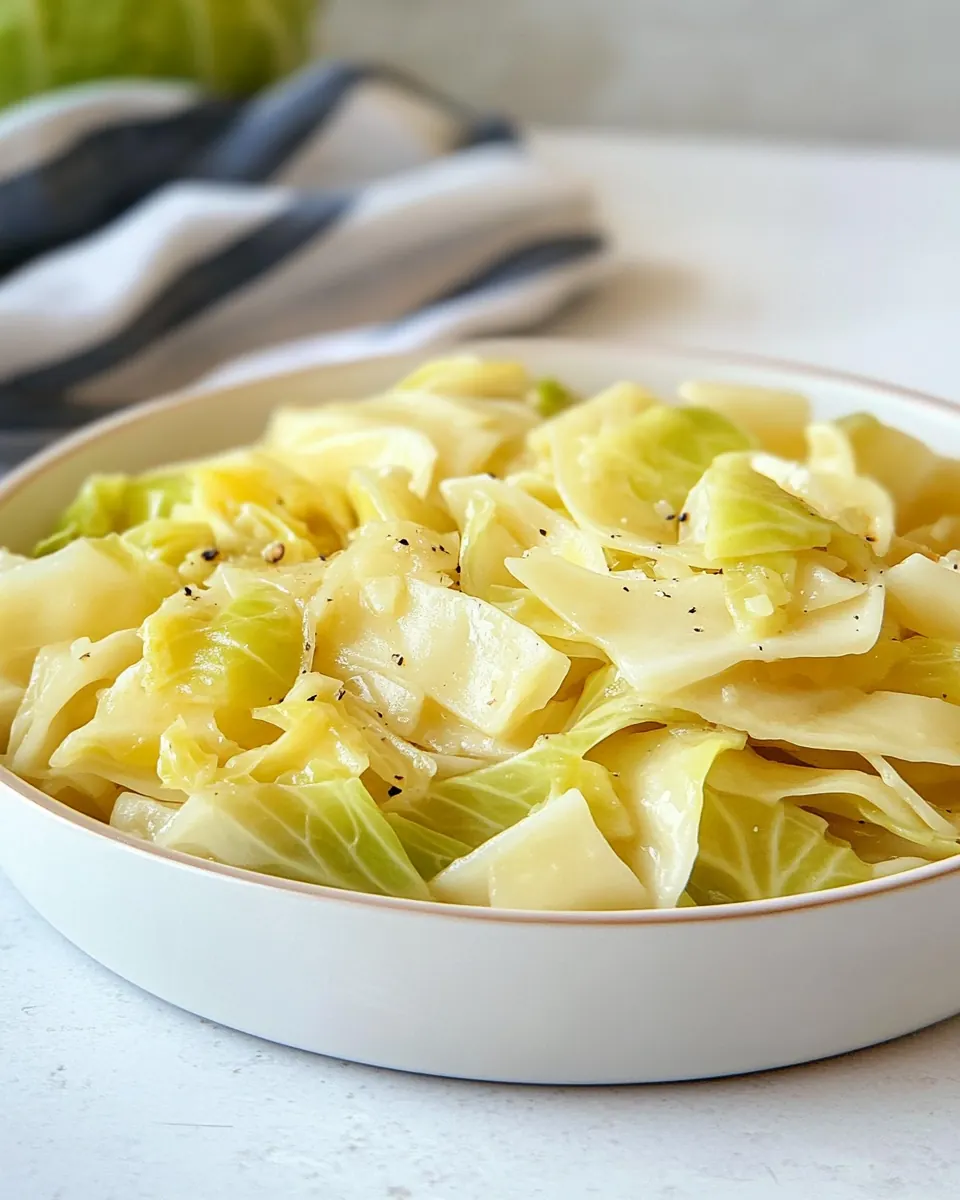
This section gives practical ways to tweak texture and presentation while keeping the soul of Cabbage and Noodles. I offer choices that preserve the dish but let you personalize it for what you have on hand or the mood you want to create.
- Swap the noodle shape Try pappardelle or other wide ribbons for more surface to hold the buttery coating, keeping the same cooking time guidance as the original noodles.
- Caramelize the onion longer Let the onion go deeper in color for sweeter, almost savory candy notes, but watch closely so it does not burn and turn bitter.
- Shred the cabbage finer Cutting the cabbage into thinner shreds yields a softer mouthfeel and faster cook time, which is handy for weeknight pacing.
- Finish with an extra pat of butter A small knob of cold butter tossed in at the end melts and gives a silkier, richer coating to the noodles and vegetables.
- Keep the seasoning simple Rely on salt and black pepper to balance flavors, tasting as you go to maintain control and clarity of the dish.
Serving This Cabbage and Noodles
When serving Cabbage and Noodles, think warm, simple, and comforting. This dish can anchor a humble supper or play a supporting role at a larger meal. Serve it warm and fresh for best texture and flavor.
- Weeknight dinner Plate generous portions of Cabbage and Noodles alongside a crisp salad for contrast, making for an effortless weeknight option.
- Comfort food side Serve it as a warm side with roasted vegetables or a light protein for a balanced plate that still feels cozy.
- Potluck friendly Keep it in a covered dish to maintain warmth; it travels well and appeals to many palates at gatherings.
- Seasonal pairing This dish suits colder months like winter, when braised and sautéed vegetables are especially welcome.
- Storage tips Refrigerate leftovers in an airtight container for up to three days, reheating gently to preserve the noodles texture rather than overcooking them.
- Serving temperature Serve warm rather than piping hot so the flavors have a chance to settle and mingle, making each bite balanced and satisfying.
FAQ
Conclusion
Cabbage and Noodles shines for its simplicity, comforting texture, and honest flavor. The combination of buttery wide noodles, sweet caramelized onion, and tender cabbage creates a satisfying dish that feels like home. Give it a try on a cool evening when you want something fuss free but memorable. Let the small list of ingredients do the heavy lifting, and enjoy how a little attention to technique transforms humble produce into a warm, nourishing meal.
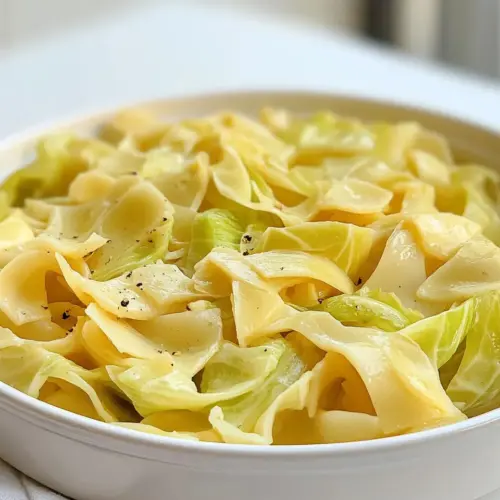
Cabbage and Noodles
Equipment
- Large Pot
- Large Skillet
- Colander
- Tongs
Ingredients
- 8 ounces wide egg noodles Boil to tender-perfect doneness, providing the primary starch base for the dish and absorbing flavors from butter and cabbage. Cook until al dente to maintain texture when tossed with the sautéed vegetables. Drain well to avoid sogginess and keep noodles separate for even coating.
- 2 tablespoons unsalted butter Melt to create a flavorful cooking medium that helps soften onions and cabbage while imparting a rich, silky mouthfeel. Allow to brown slightly for nutty notes that enhance the overall savory profile. Use at medium heat to prevent burning while developing aroma.
- 1 large yellow onion thinly sliced Slice thinly to release natural sweetness and form a soft, caramelized component that complements the cabbage. Cook gently in butter until translucent and lightly browned to build depth of flavor. Adjust slice thickness for desired bite and even cooking.
- 1/2 head of green cabbage cored and sliced into strips Core and slice into strips to provide a tender-crisp vegetable element that adds volume, mild sweetness, and a subtle cabbage flavor. Sauté until wilted and slightly caramelized so it melds with noodles and butter. Retain some texture to contrast the soft noodles.
- Salt to taste Season to taste to balance and enhance the natural flavors of noodles, butter, onions, and cabbage. Add gradually and taste as you cook to avoid over-salting. Use fine or kosher salt for easy distribution.
- Black pepper to taste Season to taste to add mild heat and aromatic warmth that brightens the dish and rounds out seasoning. Grind fresh for best flavor and adjust quantity according to preference. Use sparingly at first to maintain balance.
Instructions
- Bring a large pot of salted water to a boil. Add the egg noodles and cook according to the package instructions until al dente. Drain and set aside.: You will hear the water move vigorously as it nears boiling, and small bubbles will rise steadily across the surface. Salting the water is important because it seasons the noodles from the inside out, making the finished dish taste brighter. Use a pot roomy enough so the noodles can move freely, which prevents clumping. A common mistake is under-salting, which leaves the pasta tasting flat, so aim for water that tastes like the sea.
- While the noodles are cooking, melt butter in a large skillet over medium heat. Add the sliced onions and cook, stirring occasionally, until they become translucent and start to caramelize, about 5-7 minutes.: As the noodles cook, they will soften and release a gentle starchy scent. Al dente means there should be a slight resistance when you bite into them, not a floppy texture. This helps them hold up when tossed with the warm vegetables. Overcooking is frequent, resulting in a mushy mouthfeel, so test a strand early to catch the perfect timing.
- Add the sliced cabbage to the skillet with the onions. Season with salt and pepper. Cook, stirring occasionally, until the cabbage is tender and begins to brown, about 10-12 minutes.: After draining, the noodles should be free of excess water but still warm so they absorb the buttery coating. Give them a brief shake to remove surface water; too wet, and the butter will slide off instead of coating. Avoid rinsing, because that washes away starch that helps the sauce cling.
- Toss the cooked noodles with the sautéed cabbage and onions. Adjust seasoning with additional salt and pepper if needed. Serve warm.: You will see the butter turn liquid and notice a gentle buttery aroma as it warms. Allow it to foam briefly as the water cooks away, then settle into a glossy pool. This step builds the flavor base, because slightly heated butter carries both rich and nutty notes. Be careful not to let it brown too fast, which can lead to bitterness.
- Add the sliced onions and cook stirring occasionally until they become translucent and start to caramelize about 5 to 7 minutes: The onion will first soften and become glossy, then slowly shift toward golden edges, releasing a sweet, almost jammy scent. Stir occasionally so they cook evenly and develop those browned bits that are full of flavor. Rushing by using too high heat is a common error, which leads to uneven browning or burnt edges rather than gentle caramelization.
- Add the sliced cabbage to the skillet with the onions: When the cabbage hits the warm skillet it will hiss slightly and begin to soften. The scent will turn vegetal and cozy as the leaves wilt and mingle with the onion . Stir so the pieces contact the pan and pick up light browning. If the pan is overcrowded, the cabbage will steam instead of browning, so give it room to brown for added flavor.
- Season with salt and pepper: As the vegetables cook, scatter the salt and black pepper evenly so they enhance the natural sweetness of the onion and the mild green notes of the cabbage . Seasoning at this stage helps draw out moisture and flavor. The common pitfall is under-seasoning early, which results in a bland final dish, so taste and adjust gradually.
- Cook stirring occasionally until the cabbage is tender and begins to brown about 10 to 12 minutes: Over several minutes the cabbage will go from crisp to tender, and the edges will pick up brown caramelized bits that add complexity. Listen for a softer sizzle as water evaporates, and watch the texture transform. Avoid leaving it unattended for too long because those browned bits can shift from flavorful to burnt quickly.
- Toss the cooked noodles with the sautéed cabbage and onions: When you combine the warm components, you will notice the butter coating the noodles , carrying the caramelized flavors across each bite. Use tongs or a large fork to gently fold so the texture stays intact. The contrast between the silky noodles and the tender, slightly browned cabbage is the heart of the dish. A mistake here is vigorous stirring that breaks the pasta, so be gentle.
- Adjust seasoning with additional salt and pepper if needed: Finish by tasting and making small seasoning tweaks. A final pinch of salt can brighten everything, while a crack of black pepper lifts the aroma. Take time to let the flavors settle for a moment before serving, because small adjustments at the end help the dish sing. Over-salting is the main hazard, so add sparingly and taste as you go.
Notes
- Swap the noodle shape Try pappardelle or other wide ribbons for more surface to hold the buttery coating, keeping the same cooking time guidance as the original noodles.
- Caramelize the onion longer Let the onion go deeper in color for sweeter, almost savory candy notes, but watch closely so it does not burn and turn bitter.
- Shred the cabbage finer Cutting the cabbage into thinner shreds yields a softer mouthfeel and faster cook time, which is handy for weeknight pacing.
- Finish with an extra pat of butter A small knob of cold butter tossed in at the end melts and gives a silkier, richer coating to the noodles and vegetables.
- Keep the seasoning simple Rely on salt and black pepper to balance flavors, tasting as you go to maintain control and clarity of the dish.
