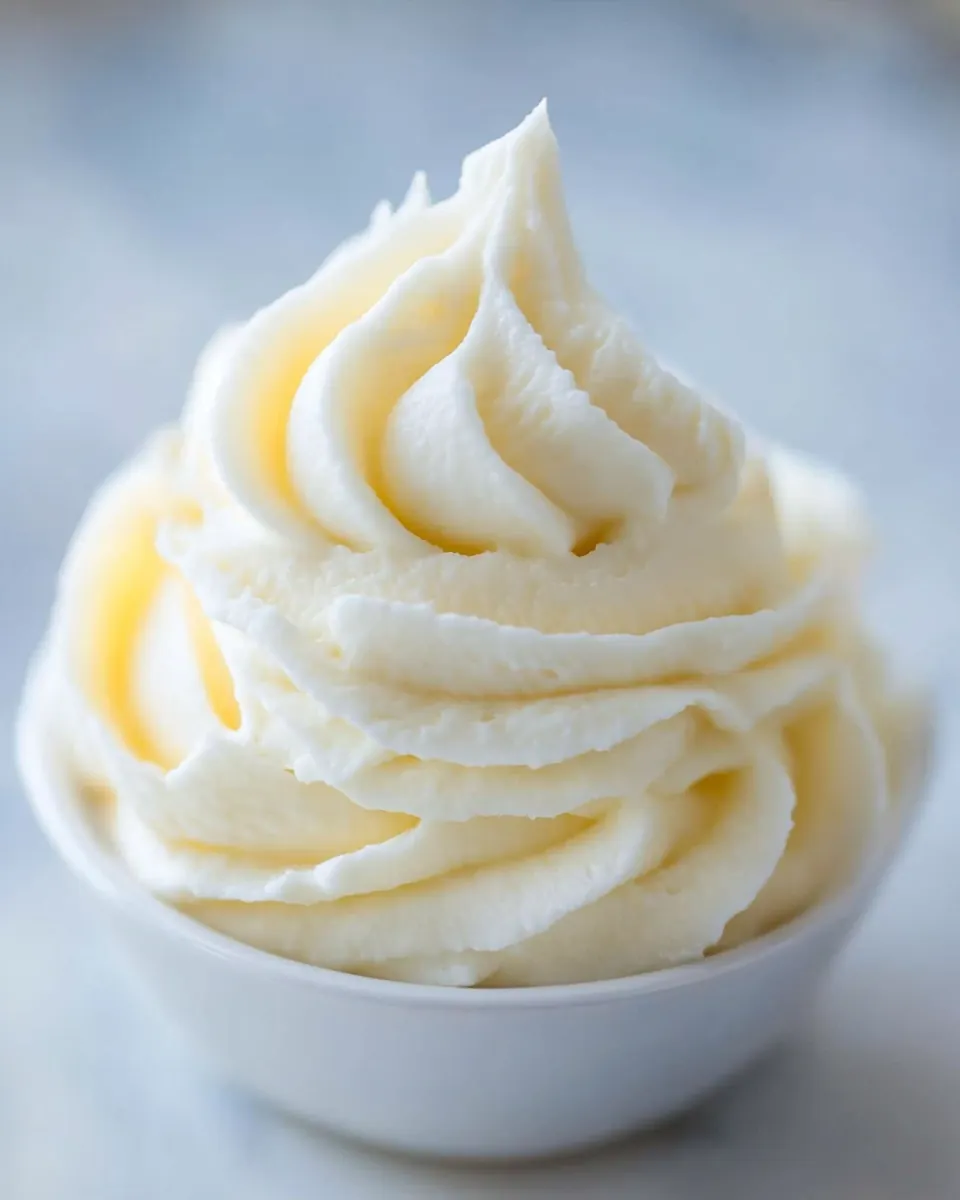
Cream Cheese Frosting
Cream Cheese Frosting has been my go to for brightening simple cupcakes and rescuing a too dry cake since I first spread it on a birthday batch years ago.
That first afternoon I remember standing at the counter, a bowl of softened butter and blocks of softened cream cheese waiting, listening to the electric mixer hum. I was nervous about making something the whole family would love, but the moment the frosting turned glossy and smelled sweet with a hint of vanilla extract, I knew I had something special. Over the years I have tweaked small details, like how long to whip and when to scrape the bowl, and those tiny habits make all the difference.
Some weekends I make a double batch and keep a jar in the fridge for quick cake fixes, other times I whip it up to finish a tray of cupcakes for a neighbor. I enjoy how forgiving the recipe is, how it smooths easily across a cake, and how it pairs with so many flavors. When I frost with Cream Cheese Frosting, I think about textures, and how the tang of the cream cheese cuts the sweetness just enough to feel balanced rather than cloying.
Recipe Snapshot
10 mins
10 mins
Easy
150 kcal
American
Gluten-Free, Low FODMAP
Desserts
Electric mixer, Large mixing bowl, Rubber spatula
The Charm of This Cream Cheese Frosting
Rich and velvety texture
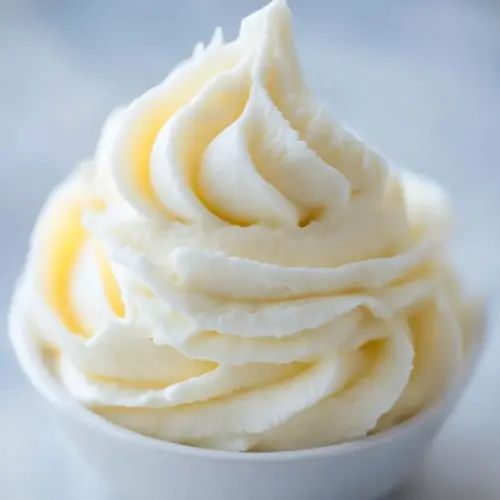
I love how Cream Cheese Frosting comes together into a silky, spreadable frosting that feels indulgent without being heavy. The combination of room temperature butter and chilled yet softened cream cheese gives that smooth mouthfeel. When whipped long enough you get air pockets that make the frosting light, and that airy quality is what keeps cupcakes from feeling dense.
Perfect balance of tang and sweet
This frosting stands out because of the gentle tang from the cream cheese that balances the sweet powdered sugar. I like that it adds a subtle complexity so cakes taste less sugary and more layered. The addition of a pinch of salt and a splash of vanilla extract brings the flavors together in a way that feels refined yet approachable.
Versatility for many desserts
I often reach for Cream Cheese Frosting whether I am finishing a carrot cake, topping a batch of cupcakes, or piping on a layered cake. Its texture holds up well at room temperature for parties, and it spreads and pipes cleanly when chilled briefly. Because it is adaptable, I can add a touch of citrus or spices without losing the signature cream cheese note.
Easy to make reliably
One of the reasons I keep this recipe in regular rotation is how predictable it is. With just a handful of ingredients and a mixer, I can produce consistent results. The technique is forgiving, and if something feels off you can usually fix it by adjusting speed or scraping the bowl. That reliability makes it a favorite for both weekday baking and special occasions.
Great for customizing
I also appreciate how this frosting invites small tweaks. I might beat it a touch longer for extra fluff, or add a little more powdered sugar for stiffer peaks. A teaspoon of vanilla extract changes the aroma, while a tiny pinch of salt enhances depth. These simple adjustments let me tailor the frosting to the dessert at hand.
Everything You Need for Cream Cheese Frosting
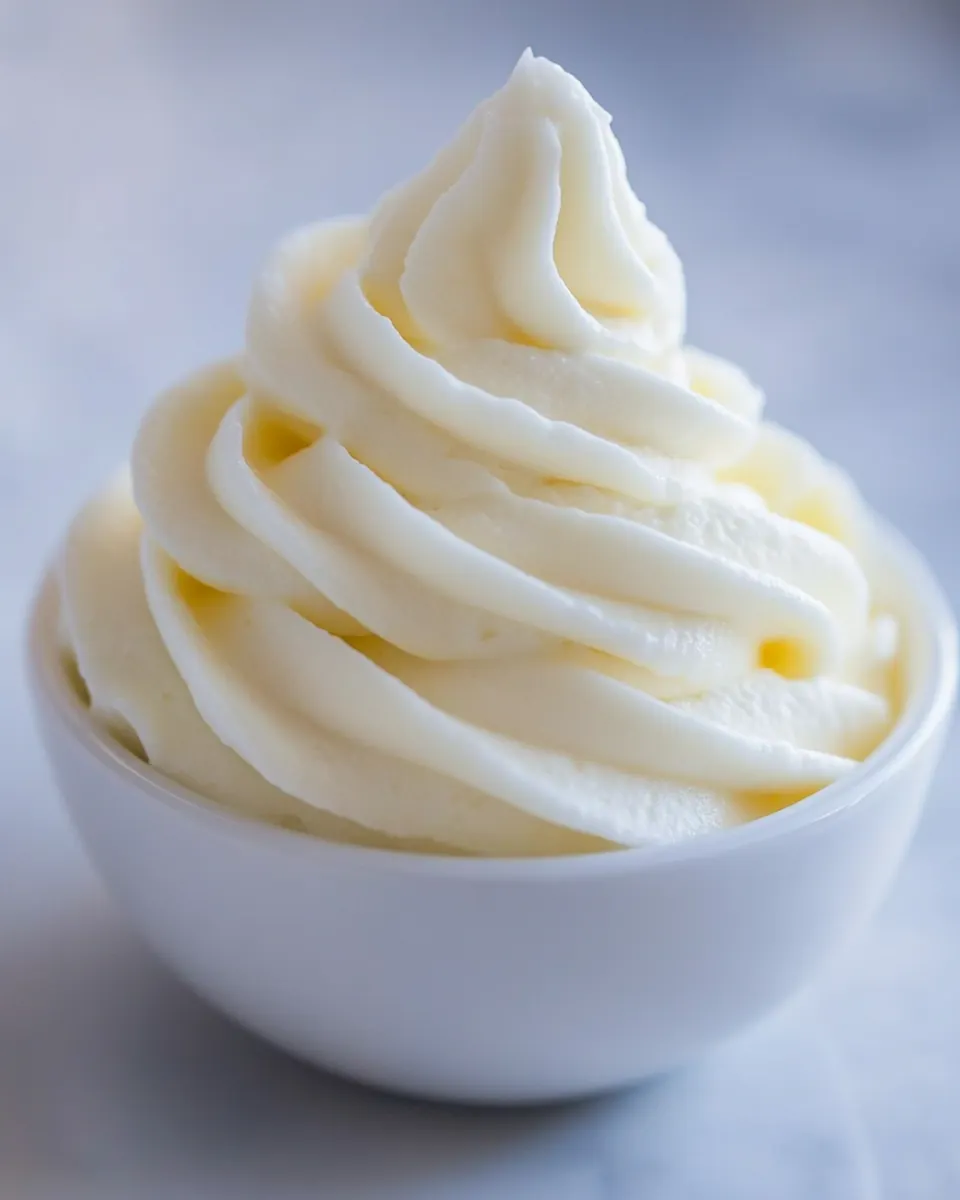
These ingredients form a short, purposeful list that comes together into a smooth, balanced frosting. Each element plays a clear role: the butter gives richness and structure, the cream cheese supplies tang and silkiness, the powdered sugar sweetens and stabilizes, and a touch of vanilla extract and salt brighten the flavor profile.
- 1 1/2 cups unsalted butter, softened and cut into pieces: Creamy and rich, provides the primary fat base that yields a smooth, spreadable frosting; softened pieces ensure easy whipping and proper aeration for light texture. Adds richness and helps stabilize structure when combined with cream cheese and sugar; room-temperature pieces blend uniformly, preventing lumps.
- 8 oz cream cheese, softened and cut into pieces: Soft and tangy, contributes moisture and a slightly acidic flavor that balances the sweetness of powdered sugar for a classic cream cheese frosting profile. Cut into pieces and softened to room temperature to ensure a silky, lump-free consistency when beaten with butter.
- 4 cups powdered sugar: Fine and sweet, supplies bulk sweetness and helps achieve the thick, pipeable consistency desired in frostings; sifting can prevent clumps and promote smooth incorporation. Dissolves into the fats and liquid components to provide stability and structure while allowing for clean piping and spreading.
- 1 tbsp vanilla extract: Fragrant and warm, enhances overall flavor with sweet vanilla notes that round out the tanginess of the cream cheese and the richness of the butter. Added in small quantity to avoid overpowering, it brightens and balances the frosting's flavor profile.
- 1/8 tsp salt: Subtle and balancing, barely perceptible in amount yet important for moderating sweetness and enhancing other flavors; a pinch of salt sharpens the overall taste. Dissolves into the mixture to counteract cloying sweetness and make the frosting taste more complex.
Cooking Method for Cream Cheese Frosting
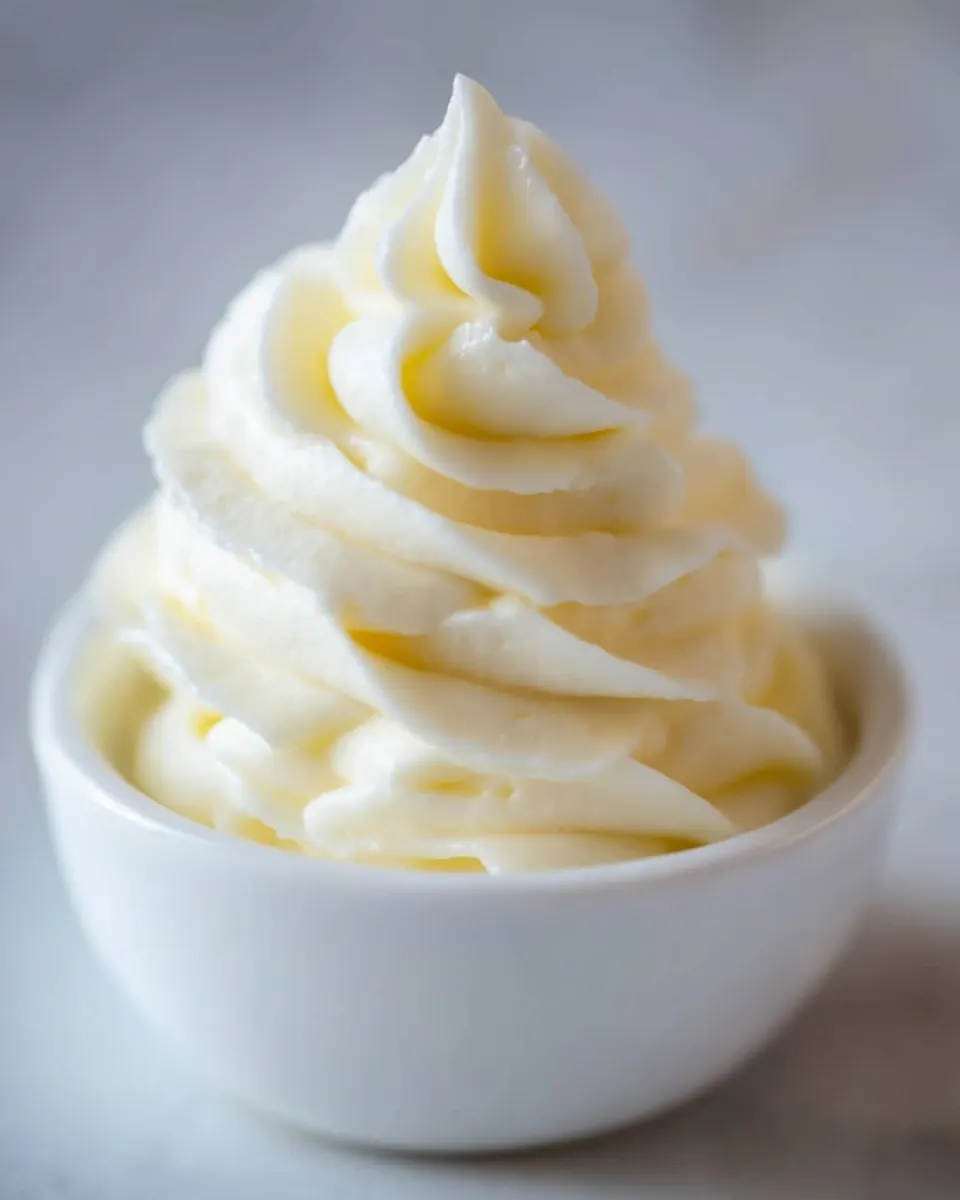
Working through the method is straightforward, and the key is paying attention to texture and timing. As you combine the ingredients you will notice the change from grainy to velvety, and those cues will guide you to the right finish. Keep the bowl scraped, and adjust mixing speed to control aeration.
- Place butter into a large mixing bowl. With an electric mixer, beat butter until smooth and creamy then beat on high speed 1 minute until lightened in color.: Warmth and silence meet first, with the soft butter giving off a faint buttery scent and a supple texture when pressed. You want the butter to be soft but still cool, so it yields easily to the beaters and does not melt. This matters because properly softened butter incorporates air when beaten, helping the frosting attain a light texture. A common mistake here is using butter straight from the fridge, which causes lumps, or butter that is too soft, which makes the frosting runny. If you notice clumps, chill the bowl briefly and then resume mixing.
- Beat in softened cream cheese, just until combined, scraping down the bowl.: As the mixer runs you will hear the motor change pitch and see the butter transform to a pale, fluffier state, a sign that air is being folded in. The texture becomes silky and spreadable, and the visual cue of lightened color indicates enough aeration. This step is crucial because it sets the structure for the frosting. Avoid under beating, which leaves a dense texture, and over beating, which can introduce too much air and lead to collapse. If the mixture becomes greasy, reduce speed and work in short bursts to steady the consistency.
- Beat in vanilla and salt until incorporated.: When you add the cream cheese you will notice a tangy aroma that brightens the butter . Mixing until just combined prevents the mixture from becoming too loose. Use a rubber spatula to scrape the bowl sides, ensuring there are no cold pockets. The why here is simple, the cream cheese integrates more smoothly if temperatures are aligned. A frequent error is over mixing at this stage, which can make the frosting runny; pause and check consistency as you go.
- Add powdered sugar 1 cup at a time and mix on low speed until incorporated. Once all the powdered sugar is in, increase to high speed and beat another 2-3 minutes until whipped, thick and spreadable, scraping down the bowl a couple of times to ensure everything is really well blended.: The addition of vanilla extract and salt will lift the fragrance and balance sweetness. As you stir these in the aroma becomes more rounded, and the tiny crystals of salt will dissolve into the mix, enhancing depth. This matters because subtle seasoning brings out the dairy notes without overpowering them. One mistake is skipping this step or not measuring the salt precisely, which can leave the frosting tasting flat or overly sweet.
- Add powdered sugar 1 cup at a time and mix on low speed until incorporated: Adding the powdered sugar gradually keeps dust down and allows for a smooth incorporation. You will hear a faint change as the mixture thickens, and the texture moves from loose to more structured. Low speed prevents the sugar from puffing out of the bowl. The reason this technique matters is that it yields a consistent texture and prevents graininess. A common misstep is adding all the sugar at once, creating clouds and uneven sweetness; take it slow and scrape the bowl between additions.
- Once all the powdered sugar is in, increase to high speed and beat another 2-3 minutes until whipped, thick and spreadable, scraping down the bowl a couple of times to ensure everything is really well blended: In this final stage the frosting becomes glossy and puffed, with a soft peak when the beaters lift. You will notice a smoother mouthfeel and a faint richer aroma. Beating at higher speed introduces more air for a lighter texture, which is why this step is essential for spreadability and piping. The key mistake to avoid is over beating beyond the suggested time, which can make the frosting foamy and unstable. If separation begins, chill the bowl briefly and then re-whip gently to restore texture.
Ways to Adapt This Recipe
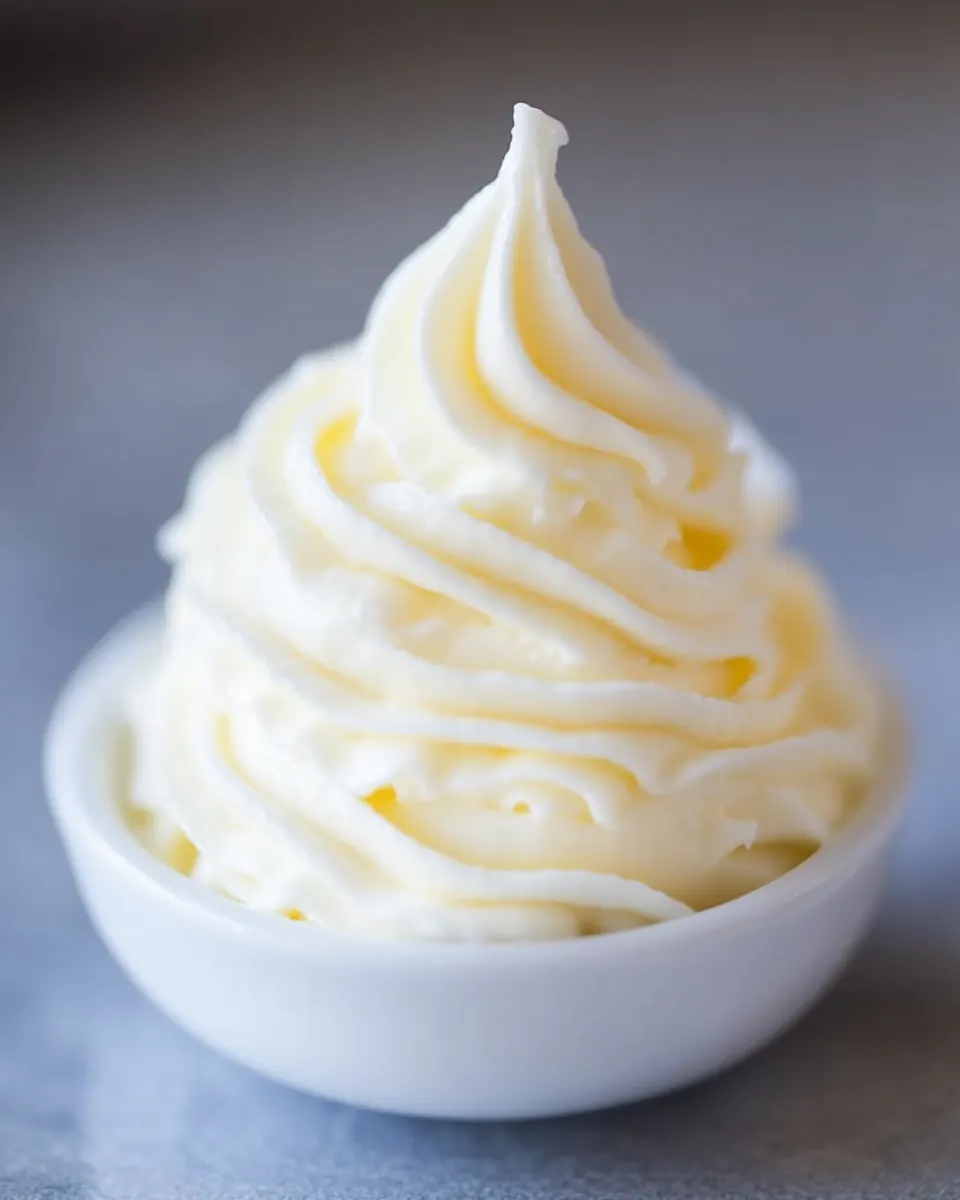
Once you have the base technique down, adapting Cream Cheese Frosting is simple. Small shifts in timing or additions can tailor texture and flavor for different desserts.
- Make it firmer for piping by adding an extra half cup of powdered sugar, then mix on low to incorporate; this gives more structure without altering flavor drastically.
- Lighten the frosting by whipping an extra minute at high speed to introduce more air, which produces a fluffier texture ideal for cupcakes.
- Chill to set if your kitchen is warm, pop the frosting into the refrigerator for 10 to 15 minutes before piping to firm it up and make decorating easier.
- Enhance the aroma with a little more vanilla extract, adding it sparingly so the delicate tang of the cream cheese still shines through.
- Control sweetness by tasting as you add powdered sugar, stopping a bit early if you prefer a less sweet finish and letting the cream cheese provide the balance.
- Rescue a loose batch by chilling the frosting briefly and then whipping on low speed; this helps firm the texture without diluting flavor.
Great Combinations for Cream Cheese Frosting
Cream Cheese Frosting pairs wonderfully with many cakes and occasions. Its tangy richness fits casual gatherings and holiday tables alike. Below are ideas for pairings, serving styles, and storage tips laid out so you can easily mix and match for the occasion.
- Classic carrot cake pairing, where the creamy tang complements warm spices and chopped nuts, making it a favorite for birthdays and fall gatherings.
- Vanilla or butter cake companion, providing a bright contrast to a sweet, tender crumb, ideal for weddings or celebratory layer cakes.
- Cupcake finishing touch, use a piping bag for neat swirls on individual cupcakes for parties or bake sales, the texture holds up well at room temperature for a few hours.
- Storage guidance, refrigerate leftover frosted cakes in an airtight container for up to five days, bringing them to room temperature before serving to restore softness.
- Occasion suggestions, perfect for birthdays, baby showers, and holiday spreads where you want a slightly tangy frosting that cuts through sweet cake flavors.
- Seasonal ideas, in spring and summer pair it with light citrus or berry cakes, while in cooler months it complements spice cakes and denser textures.
- Presentation tips, smooth with an offset spatula for a rustic finish or pipe ruffles for a more formal look depending on your event.
FAQ
Conclusion
This recipe for Cream Cheese Frosting stands out for its creamy texture, tangy balance, and reliable results. I encourage you to try it because a few simple ingredients and a bit of attention deliver a frosting that elevates everyday cakes and cupcakes alike. Whether you are finishing a birthday cake or frosting a batch of cupcakes for a gathering, this frosting is adaptable and forgiving, ready to be tailored to your tastes and the occasion.
Cream Cheese Frosting
Equipment
- Electric Mixer
- Large Mixing Bowl
- Rubber spatula
Ingredients
- 1 1/2 cups unsalted butter, softened and cut into pieces Creamy and rich, provides the primary fat base that yields a smooth, spreadable frosting; softened pieces ensure easy whipping and proper aeration for light texture. Adds richness and helps stabilize structure when combined with cream cheese and sugar; room-temperature pieces blend uniformly, preventing lumps.
- 8 oz cream cheese, softened and cut into pieces Soft and tangy, contributes moisture and a slightly acidic flavor that balances the sweetness of powdered sugar for a classic cream cheese frosting profile. Cut into pieces and softened to room temperature to ensure a silky, lump-free consistency when beaten with butter.
- 4 cups powdered sugar Fine and sweet, supplies bulk sweetness and helps achieve the thick, pipeable consistency desired in frostings; sifting can prevent clumps and promote smooth incorporation. Dissolves into the fats and liquid components to provide stability and structure while allowing for clean piping and spreading.
- 1 tbsp vanilla extract Fragrant and warm, enhances overall flavor with sweet vanilla notes that round out the tanginess of the cream cheese and the richness of the butter. Added in small quantity to avoid overpowering, it brightens and balances the frosting's flavor profile.
- 1/8 tsp salt Subtle and balancing, barely perceptible in amount yet important for moderating sweetness and enhancing other flavors; a pinch of salt sharpens the overall taste. Dissolves into the mixture to counteract cloying sweetness and make the frosting taste more complex.
Instructions
- Place butter into a large mixing bowl. With an electric mixer, beat butter until smooth and creamy then beat on high speed 1 minute until lightened in color.: Warmth and silence meet first, with the soft butter giving off a faint buttery scent and a supple texture when pressed. You want the butter to be soft but still cool, so it yields easily to the beaters and does not melt. This matters because properly softened butter incorporates air when beaten, helping the frosting attain a light texture. A common mistake here is using butter straight from the fridge, which causes lumps, or butter that is too soft, which makes the frosting runny. If you notice clumps, chill the bowl briefly and then resume mixing.
- Beat in softened cream cheese, just until combined, scraping down the bowl.: As the mixer runs you will hear the motor change pitch and see the butter transform to a pale, fluffier state, a sign that air is being folded in. The texture becomes silky and spreadable, and the visual cue of lightened color indicates enough aeration. This step is crucial because it sets the structure for the frosting. Avoid under beating, which leaves a dense texture, and over beating, which can introduce too much air and lead to collapse. If the mixture becomes greasy, reduce speed and work in short bursts to steady the consistency.
- Beat in vanilla and salt until incorporated.: When you add the cream cheese you will notice a tangy aroma that brightens the butter . Mixing until just combined prevents the mixture from becoming too loose. Use a rubber spatula to scrape the bowl sides, ensuring there are no cold pockets. The why here is simple, the cream cheese integrates more smoothly if temperatures are aligned. A frequent error is over mixing at this stage, which can make the frosting runny; pause and check consistency as you go.
- Add powdered sugar 1 cup at a time and mix on low speed until incorporated. Once all the powdered sugar is in, increase to high speed and beat another 2-3 minutes until whipped, thick and spreadable, scraping down the bowl a couple of times to ensure everything is really well blended.: The addition of vanilla extract and salt will lift the fragrance and balance sweetness. As you stir these in the aroma becomes more rounded, and the tiny crystals of salt will dissolve into the mix, enhancing depth. This matters because subtle seasoning brings out the dairy notes without overpowering them. One mistake is skipping this step or not measuring the salt precisely, which can leave the frosting tasting flat or overly sweet.
- Add powdered sugar 1 cup at a time and mix on low speed until incorporated: Adding the powdered sugar gradually keeps dust down and allows for a smooth incorporation. You will hear a faint change as the mixture thickens, and the texture moves from loose to more structured. Low speed prevents the sugar from puffing out of the bowl. The reason this technique matters is that it yields a consistent texture and prevents graininess. A common misstep is adding all the sugar at once, creating clouds and uneven sweetness; take it slow and scrape the bowl between additions.
- Once all the powdered sugar is in, increase to high speed and beat another 2-3 minutes until whipped, thick and spreadable, scraping down the bowl a couple of times to ensure everything is really well blended: In this final stage the frosting becomes glossy and puffed, with a soft peak when the beaters lift. You will notice a smoother mouthfeel and a faint richer aroma. Beating at higher speed introduces more air for a lighter texture, which is why this step is essential for spreadability and piping. The key mistake to avoid is over beating beyond the suggested time, which can make the frosting foamy and unstable. If separation begins, chill the bowl briefly and then re-whip gently to restore texture.
Notes
- Make it firmer for piping by adding an extra half cup of powdered sugar, then mix on low to incorporate; this gives more structure without altering flavor drastically.
- Lighten the frosting by whipping an extra minute at high speed to introduce more air, which produces a fluffier texture ideal for cupcakes.
- Chill to set if your kitchen is warm, pop the frosting into the refrigerator for 10 to 15 minutes before piping to firm it up and make decorating easier.
- Enhance the aroma with a little more vanilla extract, adding it sparingly so the delicate tang of the cream cheese still shines through.
- Control sweetness by tasting as you add powdered sugar, stopping a bit early if you prefer a less sweet finish and letting the cream cheese provide the balance.
- Rescue a loose batch by chilling the frosting briefly and then whipping on low speed; this helps firm the texture without diluting flavor.
