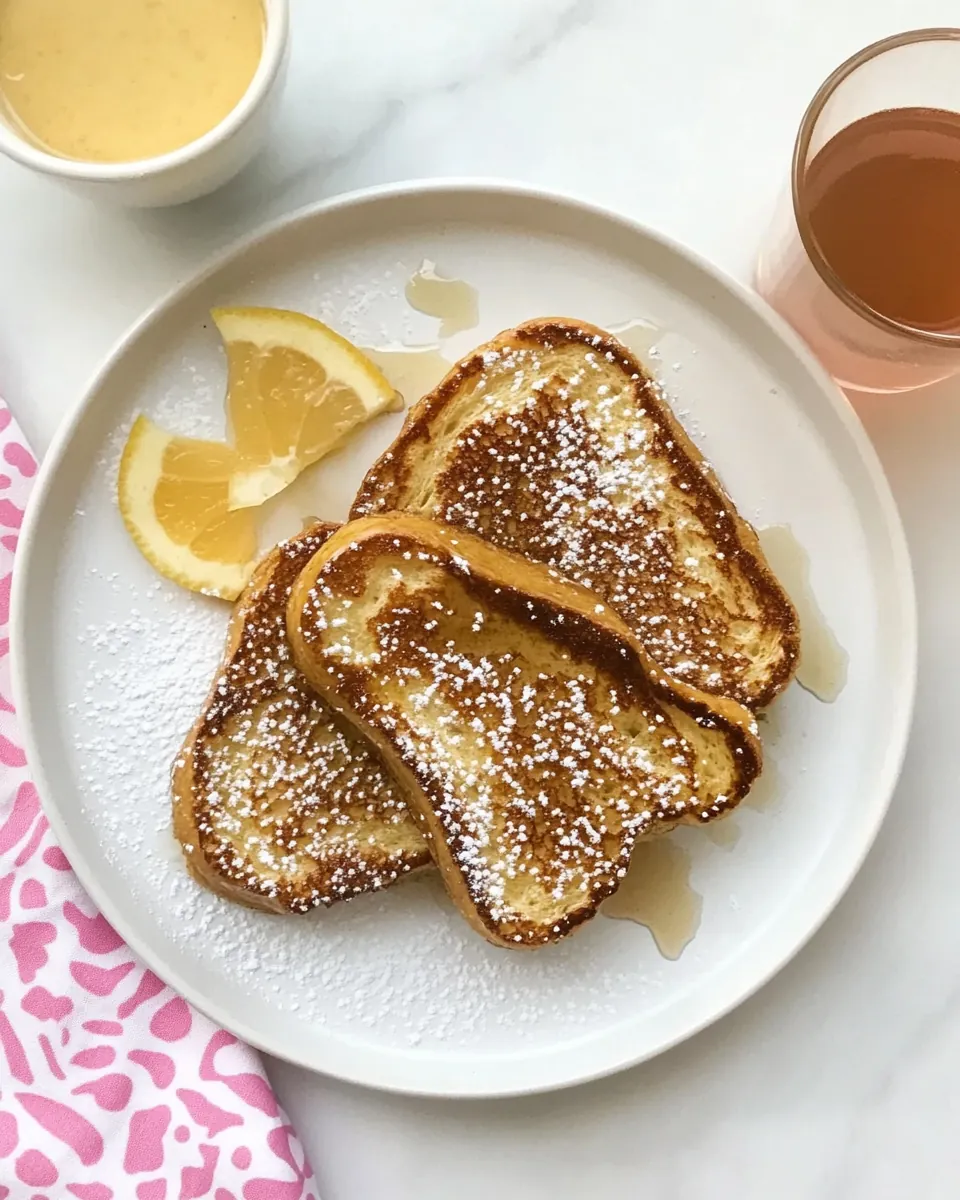
Oven Baked French Toast
Oven Baked French Toast is the kind of breakfast that turns a rushed morning into a small celebration, and the first time I made it I remember the house filling with warm spice and fresh bread aroma.
I grew up on weekday pancakes and weekend experiments, and this version is my favorite rescue when I have a loaf that needs saving. I like that Oven Baked French Toast frees you from standing at the stove, so you can sip coffee while the oven does the work. The crisp edges and tender centers remind me of holiday brunches without the fuss, and the simple batter of eggs, milk, vanilla extract, and cinnamon feels like comfort in a bowl. Over the years I learned small tricks, like giving the slices space on the baking sheet so they brown evenly, and flipping them partway so both sides get that flecked golden color.
When friends come over, I assemble a tray while they chat, then pop it in the oven and return to add finishing touches. Serving with warm maple syrup and bright diced fruit balances the slightly crisp exterior with juicy freshness. Trust me, once you try Oven Baked French Toast you will reach for it when you want something easy, homey, and reliably good.
Recipe Snapshot
17 mins
5 mins
12 mins
Easy
250 kcal
American
Gluten-Free, Low FODMAP
Breakfast
Green Pan Non-Stick Pan, Storage Containers
What We Adore About This Oven Baked French Toast
Hands free and forgiving
I love how Oven Baked French Toast takes the babysitting out of breakfast. Instead of standing over a skillet, you arrange slices on a sheet pan, which means I can chat with company, set the table, or quickly tidy up while the oven works. That hands free approach is perfect when life is busy, and it reduces the risk of overcooking that you get with pan fried versions.
Great for leftovers and stale bread
One reason I keep making this is how forgiving it is with bread. Slightly stale slices soak up the custard better, creating an interior that is tender without becoming soggy. I often reach for a sandwich loaf or leftover wheat bread, and the result tastes intentional, not like a rescue dish. The method transforms texture and extends what you bought into several satisfying breakfasts.
Simple pantry ingredients that sing together
The ingredient list is intentionally short, and that is a strength. The combination of eggs and milk provides richness, while a touch of vanilla extract and cinnamon lifts the flavor into something aromatic and warmly sweet. I find these elements balance each other so you do not need complicated syrups or glazes to make it sing.
Easy to scale for guests
I often double or triple the pan when friends drop by, and the sheet pan format scales cleanly. You can bake many slices at once without crowding, and everyone gets a hot plate quicker than I could manage with a skillet. For casual brunches, that efficiency is a real advantage.
Versatile serving ideas
Lastly, the finishing options are endless. Serve slices with warm maple syrup and diced fruit for a classic touch, or offer cinnamon apples for a heartier finish. I love how the same base recipe suits a quiet morning or a festive weekend spread.
Ingredients to Make Oven Baked French Toast
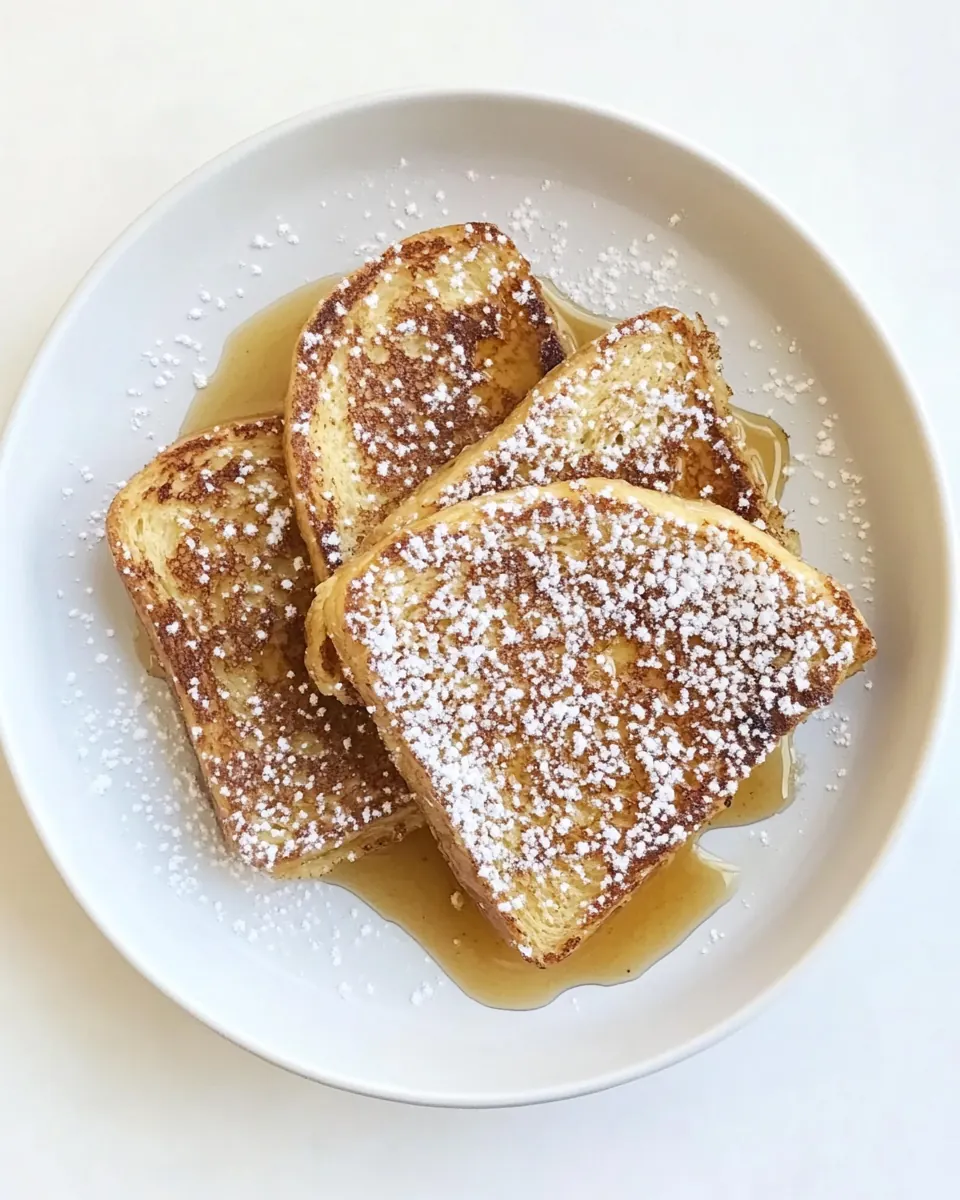
I think of these ingredients as a small team where each player supports texture and aroma. The custard base binds and flavors the bread, while the bread provides structure and chew. A little spice and vanilla bring warmth, and the optional toppings add contrast and brightness.
- 4 eggs: Whisk together to create the custard base that soaks into the bread, providing structure and richness when baked. Eggs also help bind the mixture and contribute to a golden, slightly puffed texture in the finished dish.
- 1/2 cup milk: Add to thin the egg mixture and create a creamy custard, ensuring the bread absorbs moisture for tender slices. Milk also helps distribute flavors evenly and contributes to browning during baking.
- 1 teaspoon vanilla extract: Provide aromatic depth and a sweet floral note to the custard when stirred in, enhancing overall flavor without overpowering. Vanilla extract also rounds out other spices and gives the finished toast a classic bakery taste.
- 1 teaspoon cinnamon: Impart warm, aromatic flavor and subtle sweetness when mixed into the custard, complementing the vanilla and enhancing the baked aroma. Cinnamon also adds a cozy, slightly spicy note that pairs well with syrup and fruit.
- 8 slices wheat bread (sandwich or loaf, or you can use another type you like): Absorb the custard mixture and form the base of the dish, offering structure and texture that becomes crisp on the edges and tender inside when baked. Bread type influences density and soak time, so using sandwich loaf slices promotes even absorption and uniform baking.
- for serving: maple syrup and diced fruit (optional): Serve alongside to add complementary sweetness and freshness that enhances the baked French toast without altering the main preparation. Maple syrup and diced fruit provide finishing flavor and textural contrast for individual preference.
Putting Together Oven Baked French Toast
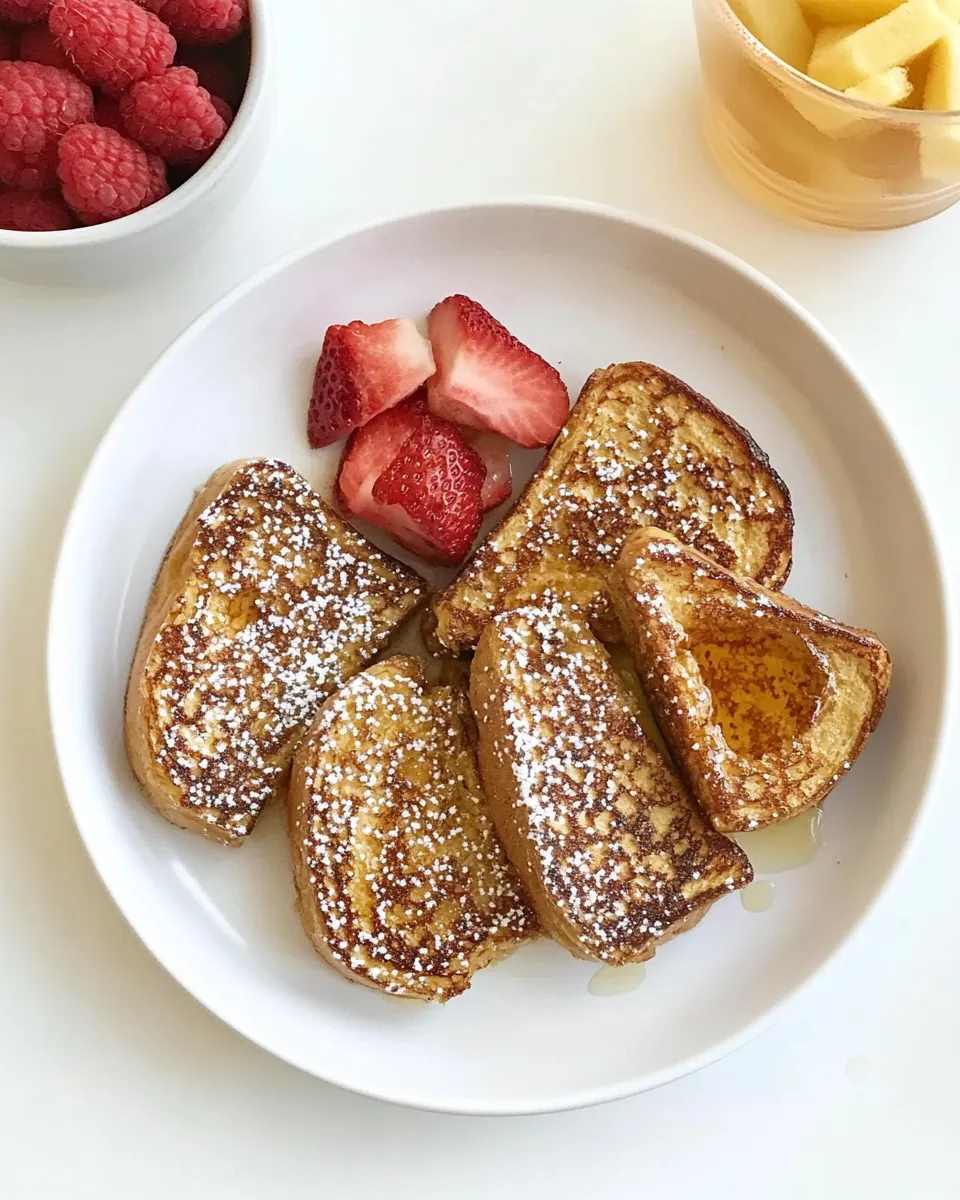
I like to walk through these directions as if I am in the kitchen with you, sharing sensory cues and what to watch for. The steps are straightforward, but small details make a big difference in texture and browning.
- Preheat the oven to 350 degrees F. Line a half sheet pan with parchment paper.: Warm air fills the oven and you will sense a faint toasty smell as it approaches temperature, which primes the pan for even browning. Heating the oven first ensures the slices start baking immediately, locking in the custard and preventing soggy bottoms. A common misstep is placing the tray into a not fully heated oven, which delays browning and can lead to a limp texture. If you notice uneven heat, rotate the pan midway through baking for consistent color.
- Add the eggs, milk, vanilla and cinnamon to a wide, shallow bowl. Mix with a fork or a small whisk.: When you beat these together you should smell warm spice and a sweet vanilla note, and the mixture should be smooth and pale. Proper mixing ensures the cinnamon is distributed and the eggs are fully incorporated, which results in uniform flavor and color. If you under-mix, pockets of egg white can cook differently; over-mixing may incorporate too much air, making the custard foam. Aim for a glossy, cohesive mixture.
- Dip each piece of bread into the egg mixture, turning over with a fork to coat all sides.: As you dip, the bread will become slightly heavier and darker, indicating it is absorbing custard. The edges should feel moist but not dripping; pressing too hard squeezes custard out, and not dipping long enough leaves the center dry. A typical mistake is stacking pieces while wet, which causes them to stick. Lay them out individually and allow a couple of seconds per side for even soak.
- Place the bread onto the prepared baking sheet. Bake for 10 minutes, then gently flip over each piece. Bake for an additional 2-4 minutes or until lightly brown around the edges.: While baking you will hear faint settling sounds and smell the bread turning toasty; visually, watch for a light golden rim forming first. The first 10 minutes sets the custard inside while the final minutes crisp the exterior. Flip gently to avoid tearing; use a thin spatula if needed. One common error is overbaking, which dries the center and dulls the aroma. Remove when edges show a warm golden hue and centers are set but still soft.
- Serve warm with optional toppings/dips.: The ideal serving moment is when the exterior is slightly crisp and the inside still tender, releasing a warm, eggy scent. Spoon maple syrup across the slices and scatter chilled diced fruit to add brightness and contrast. Serving straight from the oven preserves texture, whereas letting it sit will soften the crust. If you must hold it, keep slices loosely tented and reheat briefly before plating to revive the crisp edges.
Making Adjustments
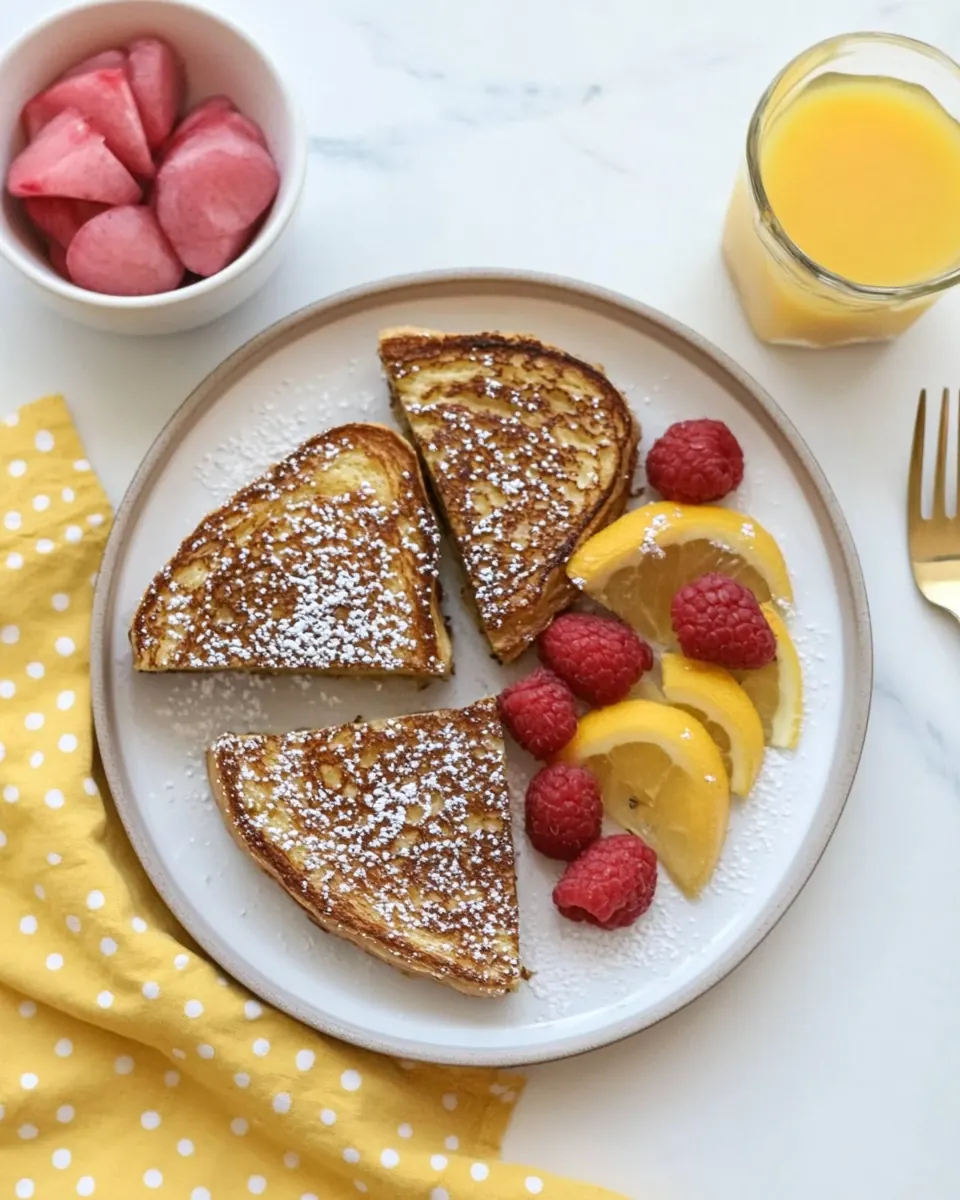
Small swaps and serving changes let you adapt Oven Baked French Toast to dietary needs and what you have on hand. Below I outline practical adjustments and storage notes I have used many times.
- Egg free alternative: Use 1/4 cup mashed ripe banana or applesauce per egg as a binder for a softer, fruitier custard base.
- Dairy free option: Swap milk for a nondairy milk of your choice to keep the custard creamy without dairy, adjusting volume if the milk is thinner than cow’s milk.
- Using different bread: Thicker sandwich or loaf slices perform best; denser breads hold the custard without collapsing, while very soft slices can become soggy.
- Freezing and reheating: Freeze cooled slices in a freezer bag with air removed for up to six months, and reheat from frozen in a toaster or briefly in the microwave until warm.
- Serving variations: Offer maple syrup warm and a bowl of chilled diced fruit so guests can choose sweetness or freshness as they like.
- Flavor boosts: Add a pinch of your favorite spice alongside cinnamon for extra warmth, but use sparingly so the profile stays balanced.
Serving Suggestions
I like to present Oven Baked French Toast with contrasts in texture and temperature. The warm, slightly crisp slices pair beautifully with cool, juicy fruit and sticky syrup. Below are detailed serving ideas, occasions, and storage tips to make the most of this dish.
- Classic breakfast plate: Serve warm slices with a drizzle of maple syrup and a small pile of diced fruit, letting guests spoon syrup as they wish.
- Weekend brunch: Arrange multiple slices on a large platter for sharing, keeping additional syrup warm in a small pitcher on the side.
- Simple weekday meal: Pair a single slice with a cup of coffee and a piece of fruit for a quick, satisfying start to the day.
- Holiday mornings: Bake multiple trays and keep them loosely tented on the counter to serve as people sit down, offering extra fruit bowls for variety.
- Storage tip: Cool leftovers fully, then refrigerate in an airtight container for up to five days or freeze for up to six months. Reheat in a toaster to restore crisp edges.
- Seasonal pairing: In fall, serve with warm spiced apples to echo the cinnamon; in warmer months, bright berries balance the richness.
- Presentation touch: Dust lightly with powdered sugar and add a sprig of fresh herb or citrus zest for a refined look when entertaining.
FAQ
Conclusion
Oven Baked French Toast shines because it combines simple pantry staples into a hands free, crowd friendly breakfast with tender insides and lightly crisp edges. Give it a try on a busy morning or for a relaxed weekend brunch, and you will appreciate how it stretches a loaf and delivers consistent results. I hope you enjoy the warm spice, easy prep, and the calm that comes from letting the oven finish the work while you take care of the rest.
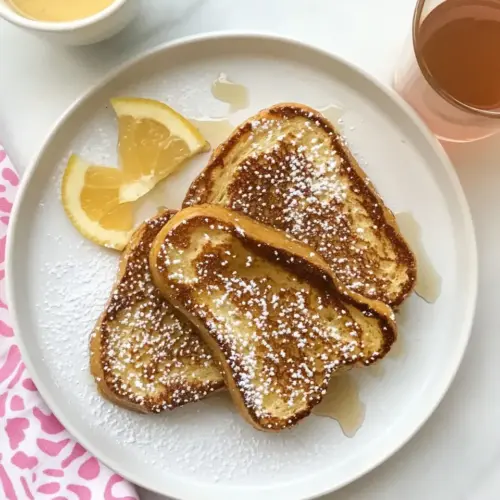
Oven Baked French Toast
Equipment
- Green Pan Non-Stick Pan
- Storage Containers
Ingredients
- 4 eggs Whisk together to create the custard base that soaks into the bread, providing structure and richness when baked. Eggs also help bind the mixture and contribute to a golden, slightly puffed texture in the finished dish.
- 1/2 cup milk Add to thin the egg mixture and create a creamy custard, ensuring the bread absorbs moisture for tender slices. Milk also helps distribute flavors evenly and contributes to browning during baking.
- 1 teaspoon vanilla extract Provide aromatic depth and a sweet floral note to the custard when stirred in, enhancing overall flavor without overpowering. Vanilla extract also rounds out other spices and gives the finished toast a classic bakery taste.
- 1 teaspoon cinnamon Impart warm, aromatic flavor and subtle sweetness when mixed into the custard, complementing the vanilla and enhancing the baked aroma. Cinnamon also adds a cozy, slightly spicy note that pairs well with syrup and fruit.
- 8 slices wheat bread (sandwich or loaf, or you can use another type you like) Absorb the custard mixture and form the base of the dish, offering structure and texture that becomes crisp on the edges and tender inside when baked. Bread type influences density and soak time, so using sandwich loaf slices promotes even absorption and uniform baking.
- Optional for serving: maple syrup and diced fruit Serve alongside to add complementary sweetness and freshness that enhances the baked French toast without altering the main preparation. Maple syrup and diced fruit provide finishing flavor and textural contrast for individual preference.
Instructions
- Preheat the oven to 350 degrees F. Line a half sheet pan with parchment paper.: Warm air fills the oven and you will sense a faint toasty smell as it approaches temperature, which primes the pan for even browning. Heating the oven first ensures the slices start baking immediately, locking in the custard and preventing soggy bottoms. A common misstep is placing the tray into a not fully heated oven, which delays browning and can lead to a limp texture. If you notice uneven heat, rotate the pan midway through baking for consistent color.
- Add the eggs, milk, vanilla and cinnamon to a wide, shallow bowl. Mix with a fork or a small whisk.: When you beat these together you should smell warm spice and a sweet vanilla note, and the mixture should be smooth and pale. Proper mixing ensures the cinnamon is distributed and the eggs are fully incorporated, which results in uniform flavor and color. If you under-mix, pockets of egg white can cook differently; over-mixing may incorporate too much air, making the custard foam. Aim for a glossy, cohesive mixture.
- Dip each piece of bread into the egg mixture, turning over with a fork to coat all sides.: As you dip, the bread will become slightly heavier and darker, indicating it is absorbing custard. The edges should feel moist but not dripping; pressing too hard squeezes custard out, and not dipping long enough leaves the center dry. A typical mistake is stacking pieces while wet, which causes them to stick. Lay them out individually and allow a couple of seconds per side for even soak.
- Place the bread onto the prepared baking sheet. Bake for 10 minutes, then gently flip over each piece. Bake for an additional 2-4 minutes or until lightly brown around the edges.: While baking you will hear faint settling sounds and smell the bread turning toasty; visually, watch for a light golden rim forming first. The first 10 minutes sets the custard inside while the final minutes crisp the exterior. Flip gently to avoid tearing; use a thin spatula if needed. One common error is overbaking, which dries the center and dulls the aroma. Remove when edges show a warm golden hue and centers are set but still soft.
- Serve warm with optional toppings/dips.: The ideal serving moment is when the exterior is slightly crisp and the inside still tender, releasing a warm, eggy scent. Spoon maple syrup across the slices and scatter chilled diced fruit to add brightness and contrast. Serving straight from the oven preserves texture, whereas letting it sit will soften the crust. If you must hold it, keep slices loosely tented and reheat briefly before plating to revive the crisp edges.
Notes
- Egg free alternative: Use 1/4 cup mashed ripe banana or applesauce per egg as a binder for a softer, fruitier custard base.
- Dairy free option: Swap milk for a nondairy milk of your choice to keep the custard creamy without dairy, adjusting volume if the milk is thinner than cow's milk.
- Using different bread: Thicker sandwich or loaf slices perform best; denser breads hold the custard without collapsing, while very soft slices can become soggy.
- Freezing and reheating: Freeze cooled slices in a freezer bag with air removed for up to six months, and reheat from frozen in a toaster or briefly in the microwave until warm.
- Serving variations: Offer maple syrup warm and a bowl of chilled diced fruit so guests can choose sweetness or freshness as they like.
- Flavor boosts: Add a pinch of your favorite spice alongside cinnamon for extra warmth, but use sparingly so the profile stays balanced.