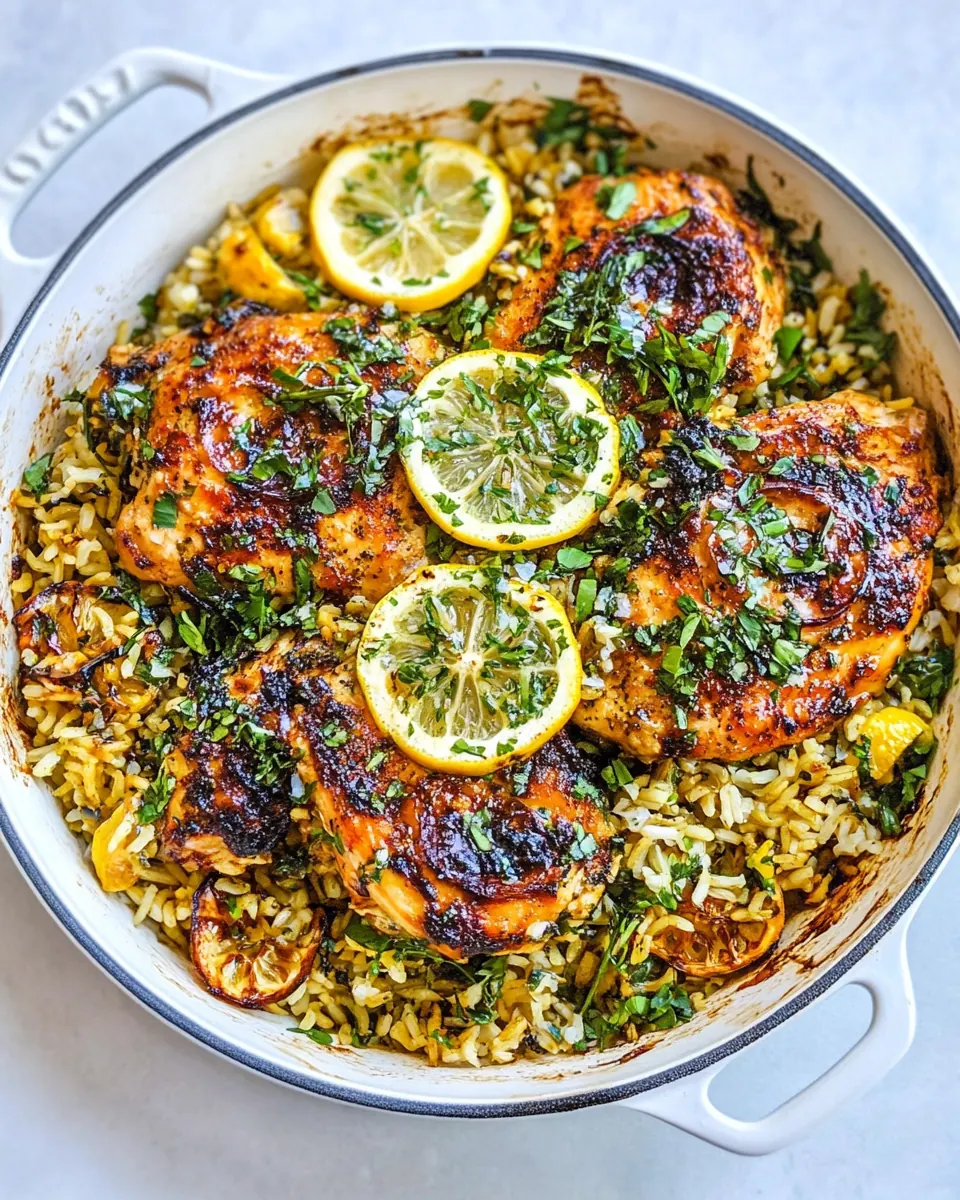
One Skillet Greek Lemon Chicken and Rice
One Skillet Greek Lemon Chicken and Rice is the kind of recipe I reach for when the week has been long and I want something that tastes like a hug on a plate. The first time I made it I was juggling grocery bags, a curious toddler underfoot, and a work call that ran late, yet the kitchen filled with bright lemon and warm oregano so quickly that I knew this dish would become a staple. The flavors are bold but honest, and the simplicity of cooking everything in one pan felt like a small miracle.
I remember sliding the skillet into the oven, catching a whiff of butter caramelizing around lemon slices, and thinking how a single pan can carry so many textures: the crisped edges of chicken, the soft, separate grains of rice, and the briny pop of olives. Over time I’ve learned tiny adjustments that make it sing, like adding fresh basil at the end for a floral lift or crushing some olives to scatter across the top. Every time guests ask for seconds, I tell them the secret is confidence and good broth.
Recipe Snapshot
60 mins
20 mins
40 mins
Medium
450 kcal
Mediterranean
Gluten-Free, Low FODMAP
Dinner
Large oven safe skillet, Oven
The Best Thing About This One Skillet Greek Lemon Chicken and Rice
Flavor that balances bright and savory
I love how the recipe layers sharp lemon with salty feta cheese and briny olives. The citrus cuts through the richness of butter and olive oil, creating a lively profile that never feels heavy. I often taste as I go, and that citrus brightness keeps the dish feeling fresh, even when served warm the next day.
One pan convenience, without compromise
We all appreciate a tidy kitchen, and cooking in a single oven safe skillet means fewer dishes and more time to sit down. I find that searing the chicken first gives the whole skillet more personality, the browned bits lending a deep, roasted flavor to the rice as it cooks. It really is dinner streamlined, especially for busy evenings.
Comfort with a Mediterranean twist
This dish hits that sweet spot where comfort food meets bright Mediterranean notes. The mix of dried oregano and fresh thyme evokes coastal cooking, while the feta cheese and crushed olives keep it distinctly Greek. I like serving it when I want something familiar yet a little adventurous for family or friends.
Textural contrasts that excite the palate
There is something endlessly satisfying about a combination of tender chicken, pillowy rice, and the occasional crunchy bite from a lemon edge or soft chew from an olive. I pay attention to timing so the rice finishes with a little bite, not mushy, and the chicken keeps its juices. Those contrasts keep every forkful interesting.
Adaptability and reliable results
I value recipes that respond well to minor swaps, and this one is forgiving. Whether I use boneless chicken breasts or thighs, or adjust the broth slightly, the structure stays solid. I can make it for a casual weeknight or dress it up for company, and it behaves consistently, which earns it a permanent spot in my rotation.
What You Need for One Skillet Greek Lemon Chicken and Rice
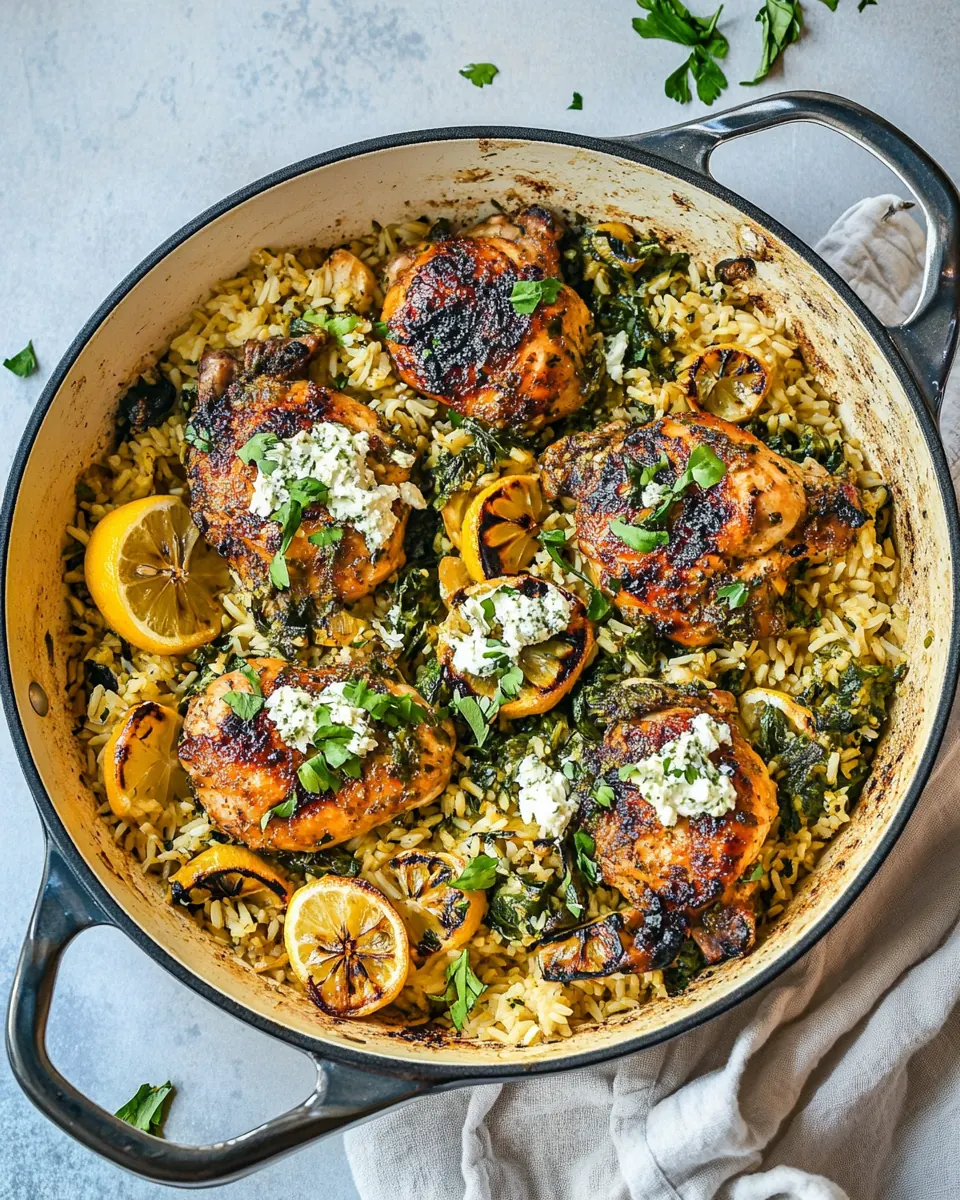
The ingredient list is intentionally Mediterranean and straightforward. The key players are the chicken for protein, the grain combination of orzo and rice for body and texture, and bright finishers like lemon juice, feta, and fresh basil. Together they create a balanced dish where savory, briny, and citrus notes play off each other.
- 2 tablespoons extra virgin olive oil: Enhance flavor and assist with browning by coating the pan and chicken, providing a fruity base and healthy fats for sautéing and deglazing.
- 1 pound boneless chicken breasts or thighs: Provide the primary protein and texture, yielding tender slices or cubes that absorb seasonings and cook quickly in a one-skillet dish.
- 2 teaspoons dried oregano: Impart warm, aromatic Mediterranean notes that season the chicken and rice, helping to evoke classic Greek flavors when sprinkled and cooked into the dish.
- 1 teaspoon paprika: Add smoky color and a hint of warmth to the seasoning blend, enhancing savory depth without overwhelming the other Mediterranean spices.
- 1/2 teaspoon cayenne pepper: Introduce a bright, spicy kick that balances richness and lifts the overall flavor profile when used sparingly in the seasoning mix.
- 2 tablespoons fresh thyme leaves: Deliver fresh herbal brightness and subtle lemony notes that complement poultry and rice while adding a rustic, aromatic finish to the dish.
- salt and black pepper: Provide essential seasoning to enhance all flavors, used to taste to bring out the savory and balance the acidity, bitterness, and sweetness of other components.
- 4 tablespoons salted butter: Contribute richness and a silky mouthfeel when melted into the skillet, enriching the rice and chicken and helping create a glossy pan sauce.
- 1 lemon, sliced: Offer zesty citrus aroma and a fresh acidic element when sliced and cooked with the chicken, adding bright, tangy slices for both flavor and garnish.
- 1/2 cup dry orzo: Supply small, pasta-like texture that cooks quickly and adds a tender, slightly chewy bite, absorbing flavors from the broth and aromatics.
- 1 cup dry rice: Provide bulk and absorbent starch that cooks into fluffy grains, forming the main carbohydrate base and soaking up the lemony, herby broth.
- 2 shallots, thinly sliced: Bring mild sweetness and delicate onion flavor, softening as it cooks to create a subtle aromatic foundation for the garlic, rice, and chicken.
- 4 cloves garlic, chopped: Contribute pungent savory depth and aromatic sharpness that flavors the oil and butter, infusing the dish with classic Mediterranean garlic notes.
- 3 4 cups low sodium chicken broth: Offer the cooking liquid that hydrates rice and orzo while infusing savory chicken flavor; quantity is adjusted to achieve the desired rice texture.
- 2 cups chopped spinach: Add vibrant color, nutrition, and a tender leafy component that wilts into the hot rice, contributing freshness and an earthy contrast to rich elements.
- 1/2 cup pitted green olives, crushed: Introduce briny, savory complexity and a salty contrast when crushed, enhancing the dish’s Mediterranean profile with bursts of olive flavor.
- 1/2 cup crumbled feta cheese: Provide creamy, tangy crumbles that add salty-sour richness and a crumbly texture contrast, finishing the dish with unmistakable Greek character.
- 1/2 cup fresh basil leaves: Bring aromatic herbaceousness and a fresh, peppery lift when torn into the finished dish, offering bright notes that complement lemon and feta.
- 2 tablespoons lemon juice: Offer concentrated bright acidity that balances richness, tying together lemon slices and herbs while enhancing the overall freshness of the skillet.
Step by Step Guide for One Skillet Greek Lemon Chicken and Rice
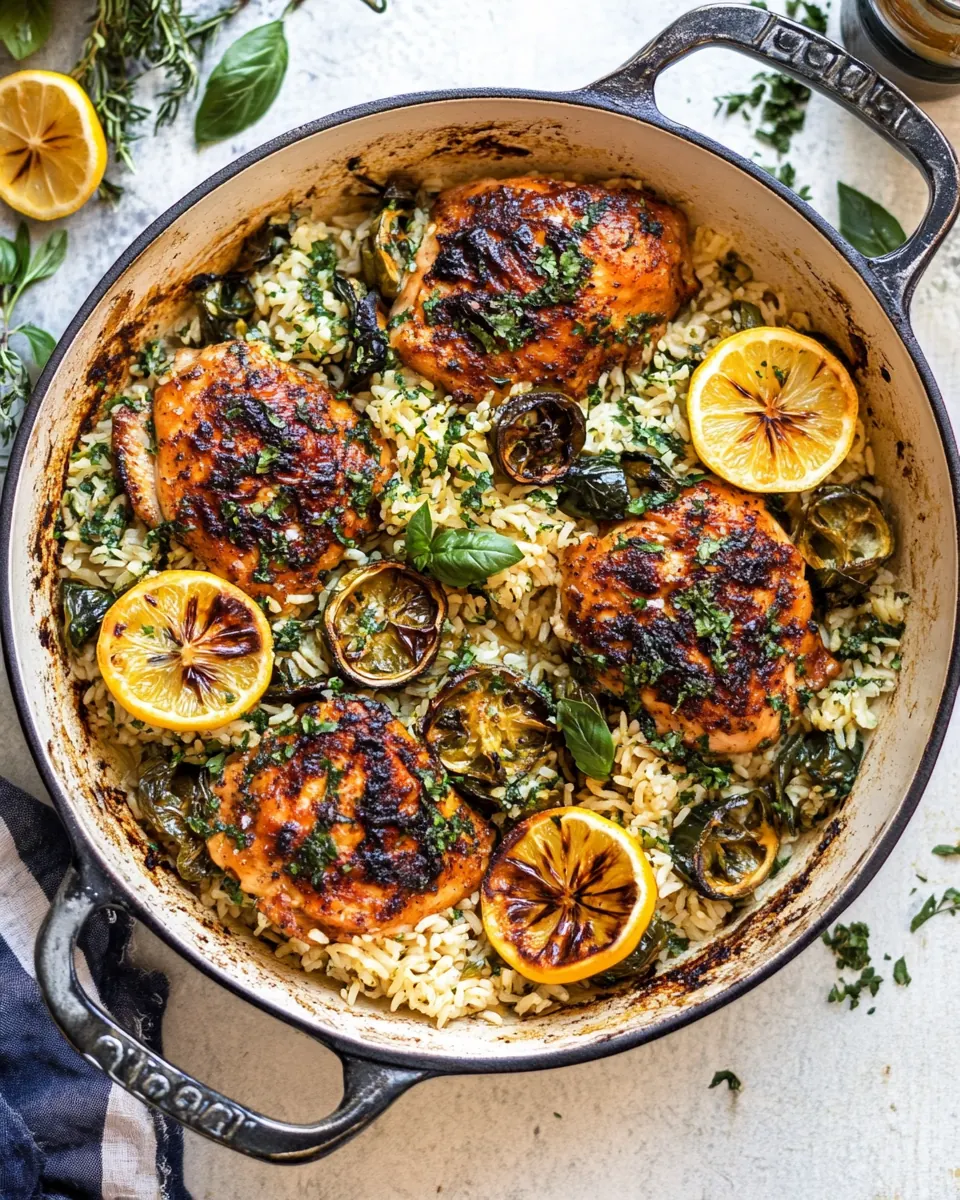
This method moves from searing to oven baking, combining stovetop aromas with the even finish of the oven. The steps below expand on each action with sensory cues, reasons for the technique, and troubleshooting tips so you feel confident every time.
- Preheat the oven to 425° F. In a large oven-safe skillet, combine 1 tablespoon olive oil, chicken, oregano, paprika, cayenne, 1 tablespoon thyme, salt, and pepper. Toss to coat. Set the skillet over high heat. Sear on both sides until golden, 3-5 minutes. Remove everything from the skillet. To the skillet, add 3 tablespoons butter, the orzo, rice, shallots, garlic, and 1 tablespoon of thyme. Cook until the rice is toasted. During the last 2 minutes of cooking, add 1 more tablespoon of butter and the lemon slices. Allow the butter to brown around the lemons. Pour in 3 cups broth. Mix in the spinach. Season with salt and pepper. Bring to a boil. Slide the chicken and any juices left on the plate back into the skillet. Bring to a boil. Cover the skillet and turn the heat down to the lowest setting possible. Allow the rice to cook for 10 minutes, until most of the liquid has cooked into the rice, but not all of it. If needed, add more broth. Bake, uncovered for 10-15 minutes or until the chicken is cooked through. Meanwhile, mix the olives, feta, basil, and lemon juice. Drizzle over olive oil and season with salt. Serve the chicken and rice topped with feta, olives, and fresh basil. Sometimes I like to add avocado too!: You should feel the anticipation of a hot oven, because a properly preheated oven ensures the skillet finishes the dish with a crisp top and evenly cooked chicken . When the temperature is right, you will hear the residual sizzle quiet into a low bubbling as the rice sets. A common mistake is sliding the skillet into an oven that is not fully hot, which can cause uneven cooking and underdone spots in the rice .
- In a large oven-safe skillet, combine 1 tablespoon olive oil, chicken, oregano, paprika, cayenne, 1 tablespoon thyme, salt, and pepper.: Right after seasoning, you will notice the aromatic lift from the oregano and paprika on the chicken . Tossing ensures each piece takes on a layer of flavor that becomes the foundation for the whole pan. The why here is simple, seasoning first builds a flavorful crust during searing. Avoid overcrowding the skillet, because crowded meat steams instead of browns.
- Toss to coat.: A well coated piece of chicken will sear more evenly, giving you golden caramelization that translates into richer pan flavors. Touch the surface; it should feel slightly tacky from oil and spices. If the chicken looks wet and pooling with liquid, pat it dry before seasoning to encourage browning.
- Set the skillet over high heat.: High heat creates an immediate sear and audible sizzle, which means the Maillard reaction is happening and the flavors are concentrating. You should smell a toasty, savory aroma almost instantly. Be careful not to let the oil smoke, as burnt oil will impart a bitter note.
- Sear on both sides until golden, 3 to 5 minutes.: When searing, watch for a deep amber crust and a satisfying sizzle. The chicken should release easily from the pan when it is ready to flip; if it sticks, wait a moment longer. A frequent error is flipping too often, which prevents a proper crust from forming.
- Remove everything from the skillet.: After searing, the skillet will hold browned bits that are flavor gold, but you remove the protein to avoid overcooking while you prepare the grains. The pan will smell nutty and rich. Don’t discard any juices; leaving them in the pan adds concentrated flavor to the next step.
- To the skillet, add 3 tablespoons butter, the orzo, rice, shallots, garlic, and 1 tablespoon of thyme.: Adding butter now allows it to foam and coat the small grains and aromatics, creating a toasty base. You should hear a gentle crackle as the shallots and garlic hit the fat, releasing a sweet, savory perfume. Toasting these ingredients deepens flavor and prevents the grains from becoming bland. If the shallots brown too quickly, lower the heat to avoid bitterness.
- Cook until the rice is toasted.: As the rice and orzo toast, you'll see edges become translucent and smell a warm, toasty scent. This step adds nuttiness and prevents the final dish from being flat. Keep the grains moving so they toast evenly. A common pitfall is rushing this step, which yields underdeveloped flavor and uneven texture in the finished rice.
- During the last 2 minutes of cooking, add 1 more tablespoon of butter and the lemon slices.: The butter will begin to brown slightly, coating the lemon slices and releasing fragrant oils that caramelize, giving the dish a sweet citrus edge. You'll see the butter bubble and take on a golden hue; that color signals the desirable nutty notes. Watch closely so the butter does not burn, which would make the lemons taste bitter.
- Allow the butter to brown around the lemons.: This creates a caramelized ring of flavor that permeates the grains. You should smell a complex mix of citrus and toasted butter. If you do not see any color change after a minute or two, raise the heat slightly, but do not let the butter smoke.
- Pour in 3 cups broth.: The liquid will hiss gently as it hits the hot pan, deglazing those fond bits into the cooking liquid. This is where the seared flavors dissolve into the base, making the rice deeply savory. Use warm broth to avoid shocking the skillet and to encourage even cooking. If you add cold broth, the cooking process can slow and become uneven.
- Mix in the spinach.: The spinach will wilt quickly into the hot broth and grains, adding a fresh green color and subtle vegetal flavor. Stir until the leaves relax into the mix and are no longer rigid. Overcooking the spinach makes it lose vibrancy, so fold it in briefly.
- Season with salt and pepper.: Taste the broth and grains, because this is your moment to correct seasoning before the dish concentrates further. Proper seasoning ensures that the final result is balanced, as cooking can either dilute or intensify flavors. Avoid over salting early, since evaporation will concentrate the saltiness.
- Bring to a boil.: A lively boil helps the grains absorb liquid evenly and wake up flavors. You will see steady bubbles breaking across the surface. Once boiling, reduce the heat promptly to control the cooking; leaving it at a roaring boil risks tearing the grains and chasing off too much liquid.
- Slide the chicken and any juices left on the plate back into the skillet.: Returning the chicken lets it finish cooking in the same flavorful liquid, integrating its juices into the rice. The surface of the chicken will steam slightly, keeping it tender. A mistake here is overcrowding, which can cause uneven cooking and prevent a proper finish on the meat.
- Bring to a boil.: Briefly reestablishing a boil will recommit heat to the skillet and start the absorption process again, so the grains and chicken sync their cooking. You should hear a steady simmer, not a violent bubble. If the liquid is evaporating too quickly, cover partially to moderate it.
- Cover the skillet and turn the heat down to the lowest setting possible.: Trapping steam finishes cooking the rice gently while keeping the chicken moist. The environment becomes quiet, with a hush of steam. If the heat is too high, you risk scorching the bottom or drying out the meat.
- Allow the rice to cook for 10 minutes, until most of the liquid has cooked into the rice, but not all of it.: At this stage the grains should feel tender with a small, firm center when tasted. This partial absorption ensures the oven finish will not overcook the grains. A common error is overcooking so the rice becomes mushy during the final bake.
- If needed, add more broth.: If the grains look dry or the pot seems thirsty, add small amounts of warm broth to maintain moisture. The goal is a slightly saucy texture before baking, which yields separate grains after the oven finish. Avoid dumping too much liquid at once, which can turn the texture soupy.
- Bake, uncovered for 10 to 15 minutes or until the chicken is cooked through.: The oven provides even, dry heat that crisps the top edges of the rice and finishes the chicken gently. You will see the top take on golden notes and the lemon edges darken. Use a thermometer to ensure chicken reaches a safe internal temperature; underbaking risks raw meat, overbaking dries it out.
- Meanwhile, mix the olives, feta, basil, and lemon juice.: This fresh topping brings salty, tangy, and herbaceous contrasts. As you combine them, note the aroma of lemon and basil brightening the briny olives . If the mixture tastes too sharp, a drizzle of olive oil smooths it out.
- Drizzle over olive oil and season with salt.: A final swirl of oil gives shine and rounds the flavors, while a light seasoning ensures cohesion. Taste before salting heavily since the feta and olives already contribute salt. Over-salting is a common pitfall here.
- Serve the chicken and rice topped with feta, olives, and fresh basil.: The finished dish should present warm grains, browned lemon edges, and a scatter of bright herbs and tangy feta . You will notice contrasts of temperature and texture that make each bite satisfying. If the dish seems dry, a spoon of warm broth or a drizzle of oil at the table restores juiciness.
Customization Ideas
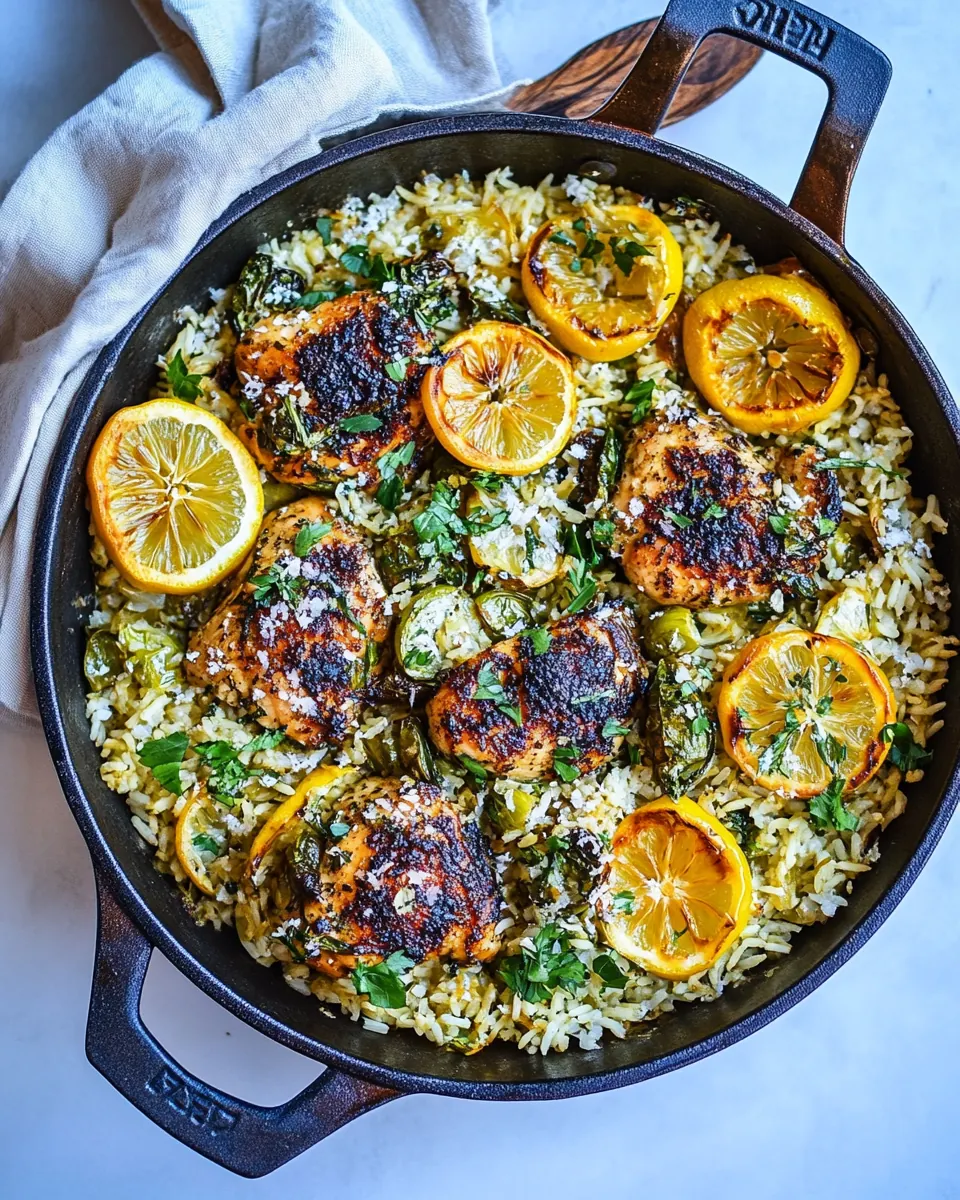
I like to offer ideas that keep the spirit of the recipe while letting you personalize it. Below are practical, flavor-forward suggestions to tweak textures, heat, and finishes, each starting with a clear bolded phrase so you can scan quickly.
- Use thighs for more succulence: Swapping to boneless chicken thighs yields richer, more forgiving meat that stands up well to longer cooking and remains juicy when baked.
- Make it milder: Reduce or omit the cayenne if you prefer gentler heat, relying on paprika and oregano to provide warmth without fire.
- Boost the herb profile: Add more fresh thyme or more basil at the end to heighten the herbal notes and make the dish feel brighter.
- Swap the grain ratio: Increase orzo slightly for more pasta like texture, or lean toward more rice for a heartier, classic pilaf mouthfeel.
- Control salt with broth: Use low sodium chicken broth so you can adjust salt at the end after tasting the combined dish with feta and olives.
- Finish with olive oil: A drizzle of good extra virgin olive oil at the table adds shine and a peppery finish that elevates the Mediterranean profile.
Serving This One Skillet Greek Lemon Chicken and Rice
This dish is versatile and can be dressed up or down depending on the occasion. Below are practical serving ideas, pairings, and storage notes to help you plan the meal and make the most of leftovers.
- Family dinner: Serve the skillet straight to the table for a communal, cozy meal where everyone can help themselves to tender chicken and flavorful rice.
- Casual entertaining: Plate with extra crumbled feta and basil leaves for guests, and offer lemon wedges so people can brighten their portions to taste.
- Weeknight lunch: Portion into airtight containers and refrigerate for up to three days; the flavors deepen and it reheats well in a skillet with a splash of broth.
- Special occasions: For holiday gatherings or Ramadan iftar, this dish works as a centerpiece alongside simple salads and warm flatbreads to soak up juices.
- Side pairings: Offer a crisp green salad dressed simply with lemon and olive oil, or roasted vegetables that echo the herb profile, such as zucchini or eggplant.
- Storage tips: Cool completely before refrigerating in a shallow container to preserve texture, and when reheating, add a bit of warm broth to revive the grains without drying them out.
FAQ
Conclusion
One Skillet Greek Lemon Chicken and Rice stands out because it combines bold Mediterranean flavors with the convenience of a single pan, creating a satisfying meal that is both flavorful and easy to execute. I encourage you to try it on a busy weeknight or when you want something that looks impressive with minimal fuss. Once you taste the bright lemon, briny olives, and creamy feta mingling with tender chicken and toasted grains, it becomes a dish worth repeating and sharing with friends and family.
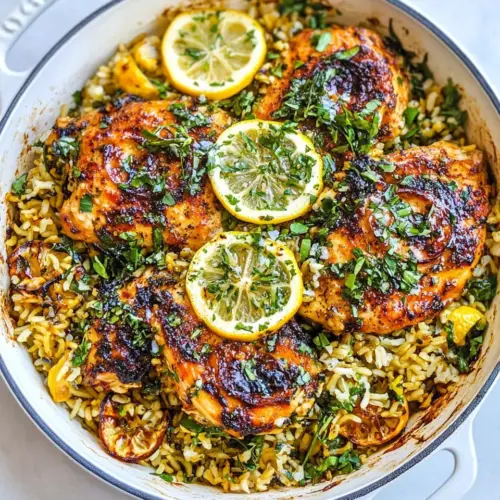
One Skillet Greek Lemon Chicken and Rice
Equipment
- Large oven safe skillet
- Oven
Ingredients
- 2 tablespoons extra virgin olive oil Enhance flavor and assist with browning by coating the pan and chicken, providing a fruity base and healthy fats for sautéing and deglazing.
- 1 pound boneless chicken breasts or thighs Provide the primary protein and texture, yielding tender slices or cubes that absorb seasonings and cook quickly in a one-skillet dish.
- 2 teaspoons dried oregano Impart warm, aromatic Mediterranean notes that season the chicken and rice, helping to evoke classic Greek flavors when sprinkled and cooked into the dish.
- 1 teaspoon paprika Add smoky color and a hint of warmth to the seasoning blend, enhancing savory depth without overwhelming the other Mediterranean spices.
- 1/2 teaspoon cayenne pepper Introduce a bright, spicy kick that balances richness and lifts the overall flavor profile when used sparingly in the seasoning mix.
- 2 tablespoons fresh thyme leaves Deliver fresh herbal brightness and subtle lemony notes that complement poultry and rice while adding a rustic, aromatic finish to the dish.
- salt and black pepper Provide essential seasoning to enhance all flavors, used to taste to bring out the savory and balance the acidity, bitterness, and sweetness of other components.
- 4 tablespoons salted butter Contribute richness and a silky mouthfeel when melted into the skillet, enriching the rice and chicken and helping create a glossy pan sauce.
- 1 lemon, sliced Offer zesty citrus aroma and a fresh acidic element when sliced and cooked with the chicken, adding bright, tangy slices for both flavor and garnish.
- 1/2 cup dry orzo Supply small, pasta-like texture that cooks quickly and adds a tender, slightly chewy bite, absorbing flavors from the broth and aromatics.
- 1 cup dry rice Provide bulk and absorbent starch that cooks into fluffy grains, forming the main carbohydrate base and soaking up the lemony, herby broth.
- 2 shallots, thinly sliced Bring mild sweetness and delicate onion flavor, softening as it cooks to create a subtle aromatic foundation for the garlic, rice, and chicken.
- 4 cloves garlic, chopped Contribute pungent savory depth and aromatic sharpness that flavors the oil and butter, infusing the dish with classic Mediterranean garlic notes.
- 3 -4 cups low sodium chicken broth Offer the cooking liquid that hydrates rice and orzo while infusing savory chicken flavor; quantity is adjusted to achieve the desired rice texture.
- 2 cups chopped spinach Add vibrant color, nutrition, and a tender leafy component that wilts into the hot rice, contributing freshness and an earthy contrast to rich elements.
- 1/2 cup pitted green olives, crushed Introduce briny, savory complexity and a salty contrast when crushed, enhancing the dish’s Mediterranean profile with bursts of olive flavor.
- 1/2 cup crumbled feta cheese Provide creamy, tangy crumbles that add salty-sour richness and a crumbly texture contrast, finishing the dish with unmistakable Greek character.
- 1/2 cup fresh basil leaves Bring aromatic herbaceousness and a fresh, peppery lift when torn into the finished dish, offering bright notes that complement lemon and feta.
- 2 tablespoons lemon juice Offer concentrated bright acidity that balances richness, tying together lemon slices and herbs while enhancing the overall freshness of the skillet.
Instructions
- Preheat the oven to 425° F. In a large oven-safe skillet, combine 1 tablespoon olive oil, chicken, oregano, paprika, cayenne, 1 tablespoon thyme, salt, and pepper. Toss to coat. Set the skillet over high heat. Sear on both sides until golden, 3-5 minutes. Remove everything from the skillet. To the skillet, add 3 tablespoons butter, the orzo, rice, shallots, garlic, and 1 tablespoon of thyme. Cook until the rice is toasted. During the last 2 minutes of cooking, add 1 more tablespoon of butter and the lemon slices. Allow the butter to brown around the lemons. Pour in 3 cups broth. Mix in the spinach. Season with salt and pepper. Bring to a boil. Slide the chicken and any juices left on the plate back into the skillet. Bring to a boil. Cover the skillet and turn the heat down to the lowest setting possible. Allow the rice to cook for 10 minutes, until most of the liquid has cooked into the rice, but not all of it. If needed, add more broth. Bake, uncovered for 10-15 minutes or until the chicken is cooked through. Meanwhile, mix the olives, feta, basil, and lemon juice. Drizzle over olive oil and season with salt. Serve the chicken and rice topped with feta, olives, and fresh basil. Sometimes I like to add avocado too!: You should feel the anticipation of a hot oven, because a properly preheated oven ensures the skillet finishes the dish with a crisp top and evenly cooked chicken . When the temperature is right, you will hear the residual sizzle quiet into a low bubbling as the rice sets. A common mistake is sliding the skillet into an oven that is not fully hot, which can cause uneven cooking and underdone spots in the rice .
- In a large oven-safe skillet, combine 1 tablespoon olive oil, chicken, oregano, paprika, cayenne, 1 tablespoon thyme, salt, and pepper.: Right after seasoning, you will notice the aromatic lift from the oregano and paprika on the chicken . Tossing ensures each piece takes on a layer of flavor that becomes the foundation for the whole pan. The why here is simple, seasoning first builds a flavorful crust during searing. Avoid overcrowding the skillet, because crowded meat steams instead of browns.
- Toss to coat.: A well coated piece of chicken will sear more evenly, giving you golden caramelization that translates into richer pan flavors. Touch the surface; it should feel slightly tacky from oil and spices. If the chicken looks wet and pooling with liquid, pat it dry before seasoning to encourage browning.
- Set the skillet over high heat.: High heat creates an immediate sear and audible sizzle, which means the Maillard reaction is happening and the flavors are concentrating. You should smell a toasty, savory aroma almost instantly. Be careful not to let the oil smoke, as burnt oil will impart a bitter note.
- Sear on both sides until golden, 3 to 5 minutes.: When searing, watch for a deep amber crust and a satisfying sizzle. The chicken should release easily from the pan when it is ready to flip; if it sticks, wait a moment longer. A frequent error is flipping too often, which prevents a proper crust from forming.
- Remove everything from the skillet.: After searing, the skillet will hold browned bits that are flavor gold, but you remove the protein to avoid overcooking while you prepare the grains. The pan will smell nutty and rich. Don’t discard any juices; leaving them in the pan adds concentrated flavor to the next step.
- To the skillet, add 3 tablespoons butter, the orzo, rice, shallots, garlic, and 1 tablespoon of thyme.: Adding butter now allows it to foam and coat the small grains and aromatics, creating a toasty base. You should hear a gentle crackle as the shallots and garlic hit the fat, releasing a sweet, savory perfume. Toasting these ingredients deepens flavor and prevents the grains from becoming bland. If the shallots brown too quickly, lower the heat to avoid bitterness.
- Cook until the rice is toasted.: As the rice and orzo toast, you'll see edges become translucent and smell a warm, toasty scent. This step adds nuttiness and prevents the final dish from being flat. Keep the grains moving so they toast evenly. A common pitfall is rushing this step, which yields underdeveloped flavor and uneven texture in the finished rice.
- During the last 2 minutes of cooking, add 1 more tablespoon of butter and the lemon slices.: The butter will begin to brown slightly, coating the lemon slices and releasing fragrant oils that caramelize, giving the dish a sweet citrus edge. You'll see the butter bubble and take on a golden hue; that color signals the desirable nutty notes. Watch closely so the butter does not burn, which would make the lemons taste bitter.
- Allow the butter to brown around the lemons.: This creates a caramelized ring of flavor that permeates the grains. You should smell a complex mix of citrus and toasted butter. If you do not see any color change after a minute or two, raise the heat slightly, but do not let the butter smoke.
- Pour in 3 cups broth.: The liquid will hiss gently as it hits the hot pan, deglazing those fond bits into the cooking liquid. This is where the seared flavors dissolve into the base, making the rice deeply savory. Use warm broth to avoid shocking the skillet and to encourage even cooking. If you add cold broth, the cooking process can slow and become uneven.
- Mix in the spinach.: The spinach will wilt quickly into the hot broth and grains, adding a fresh green color and subtle vegetal flavor. Stir until the leaves relax into the mix and are no longer rigid. Overcooking the spinach makes it lose vibrancy, so fold it in briefly.
- Season with salt and pepper.: Taste the broth and grains, because this is your moment to correct seasoning before the dish concentrates further. Proper seasoning ensures that the final result is balanced, as cooking can either dilute or intensify flavors. Avoid over salting early, since evaporation will concentrate the saltiness.
- Bring to a boil.: A lively boil helps the grains absorb liquid evenly and wake up flavors. You will see steady bubbles breaking across the surface. Once boiling, reduce the heat promptly to control the cooking; leaving it at a roaring boil risks tearing the grains and chasing off too much liquid.
- Slide the chicken and any juices left on the plate back into the skillet.: Returning the chicken lets it finish cooking in the same flavorful liquid, integrating its juices into the rice. The surface of the chicken will steam slightly, keeping it tender. A mistake here is overcrowding, which can cause uneven cooking and prevent a proper finish on the meat.
- Bring to a boil.: Briefly reestablishing a boil will recommit heat to the skillet and start the absorption process again, so the grains and chicken sync their cooking. You should hear a steady simmer, not a violent bubble. If the liquid is evaporating too quickly, cover partially to moderate it.
- Cover the skillet and turn the heat down to the lowest setting possible.: Trapping steam finishes cooking the rice gently while keeping the chicken moist. The environment becomes quiet, with a hush of steam. If the heat is too high, you risk scorching the bottom or drying out the meat.
- Allow the rice to cook for 10 minutes, until most of the liquid has cooked into the rice, but not all of it.: At this stage the grains should feel tender with a small, firm center when tasted. This partial absorption ensures the oven finish will not overcook the grains. A common error is overcooking so the rice becomes mushy during the final bake.
- If needed, add more broth.: If the grains look dry or the pot seems thirsty, add small amounts of warm broth to maintain moisture. The goal is a slightly saucy texture before baking, which yields separate grains after the oven finish. Avoid dumping too much liquid at once, which can turn the texture soupy.
- Bake, uncovered for 10 to 15 minutes or until the chicken is cooked through.: The oven provides even, dry heat that crisps the top edges of the rice and finishes the chicken gently. You will see the top take on golden notes and the lemon edges darken. Use a thermometer to ensure chicken reaches a safe internal temperature; underbaking risks raw meat, overbaking dries it out.
- Meanwhile, mix the olives, feta, basil, and lemon juice.: This fresh topping brings salty, tangy, and herbaceous contrasts. As you combine them, note the aroma of lemon and basil brightening the briny olives . If the mixture tastes too sharp, a drizzle of olive oil smooths it out.
- Drizzle over olive oil and season with salt.: A final swirl of oil gives shine and rounds the flavors, while a light seasoning ensures cohesion. Taste before salting heavily since the feta and olives already contribute salt. Over-salting is a common pitfall here.
- Serve the chicken and rice topped with feta, olives, and fresh basil.: The finished dish should present warm grains, browned lemon edges, and a scatter of bright herbs and tangy feta . You will notice contrasts of temperature and texture that make each bite satisfying. If the dish seems dry, a spoon of warm broth or a drizzle of oil at the table restores juiciness.
Notes
- Use thighs for more succulence: Swapping to boneless chicken thighs yields richer, more forgiving meat that stands up well to longer cooking and remains juicy when baked.
- Make it milder: Reduce or omit the cayenne if you prefer gentler heat, relying on paprika and oregano to provide warmth without fire.
- Boost the herb profile: Add more fresh thyme or more basil at the end to heighten the herbal notes and make the dish feel brighter.
- Swap the grain ratio: Increase orzo slightly for more pasta like texture, or lean toward more rice for a heartier, classic pilaf mouthfeel.
- Control salt with broth: Use low sodium chicken broth so you can adjust salt at the end after tasting the combined dish with feta and olives.
- Finish with olive oil: A drizzle of good extra virgin olive oil at the table adds shine and a peppery finish that elevates the Mediterranean profile.