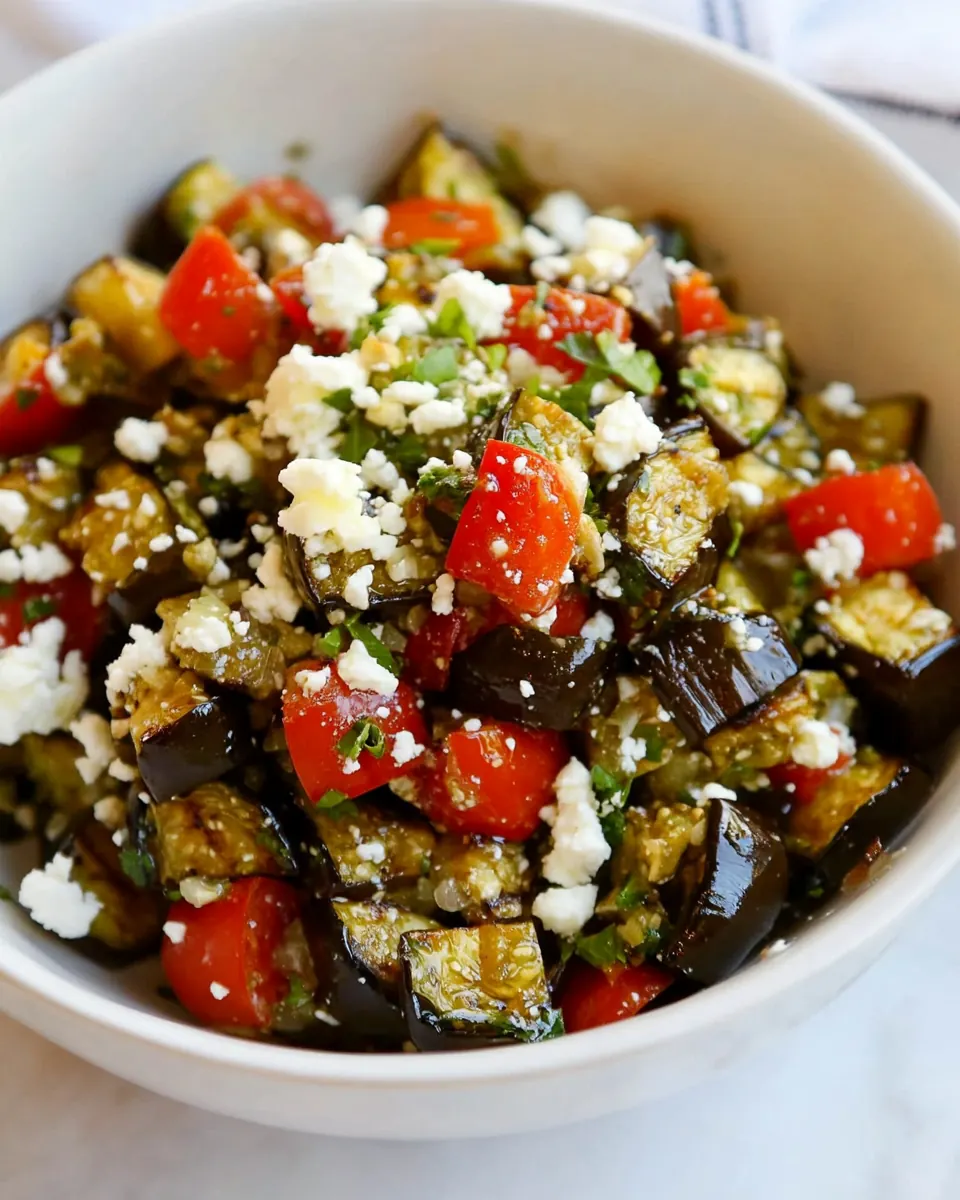
Grilled Eggplant Salad
Grilled Eggplant Salad came to feel like summer on a plate the first time I served it at a neighborhood potluck, and I still recall how the smoky eggplant and bright dressing turned a simple vegetable into something worth lingering over. I was juggling a grill, a bowl of chopped tomatoes, and a blender full of herbs while chatting with friends, and that chaotic, warm evening is baked into every bite for me. I love how the texture shifts from tender to slightly charred, creating a contrast that makes each forkful interesting.
That night, someone asked if the salad would hold up for leftovers, and I happily confirmed it does, though it shines best when served warm or at room temperature. Over the years I learned little tricks, like brushing the cut side of the eggplant with olive oil so it gets those handsome grill marks, and tossing the dressing in gently so the pieces keep their shape. Each time I make Grilled Eggplant Salad, it feels like a small celebration of summer produce and good company.
Recipe Snapshot
30 mins
15 mins
15 mins
Medium
250 kcal
Mediterranean
Keto, Gluten-Free
Salads
Grill, Cutting board, Knife, Food processor, Mixing bowl
Why Try This Grilled Eggplant Salad
Smoky, not soggy
I love that Grilled Eggplant Salad delivers unmistakable grill flavor without falling apart. The quick, high heat gives the eggplant a slightly crisp exterior while keeping the inside silky. That balance is what transforms grilled vegetables from an afterthought into the main event, and I always notice how guests comment on the texture.
Bright herb dressing that wakes everything up
The herb and garlic dressing cuts through the richness of the eggplant with a lively pop of acidity from lemon juice. I make a double batch frequently because that dressing wakes up salads, roasted vegetables, and even sandwiches. It is simple but layered, and it ties the whole dish together.
Easy to scale for gatherings
This salad is forgiving when you need to feed a crowd. You can grill many pieces at once, and the assembly is straightforward. I appreciate recipes that let me tend the grill while visiting, then quickly combine ingredients for an elegant looking dish that did not require hours of hands on time.
Flexible serving temperatures
One of the reasons I keep coming back to Grilled Eggplant Salad is its adaptability. Serve it warm right off the grill for a comforting feel, or at room temperature as part of a spread. Even leftover chilled slices are pleasant the next day, so it is a reliable make ahead option for potlucks.
Simple, honest ingredients
This recipe leans on a handful of clear players: fresh tomatoes, fragrant herbs, bright lemon, and salty Feta. Each element has a job, and together they create a salad that is more than the sum of its parts. I always enjoy how the flavors sing without needing complicated techniques.
Recipe Ingredients for Grilled Eggplant Salad
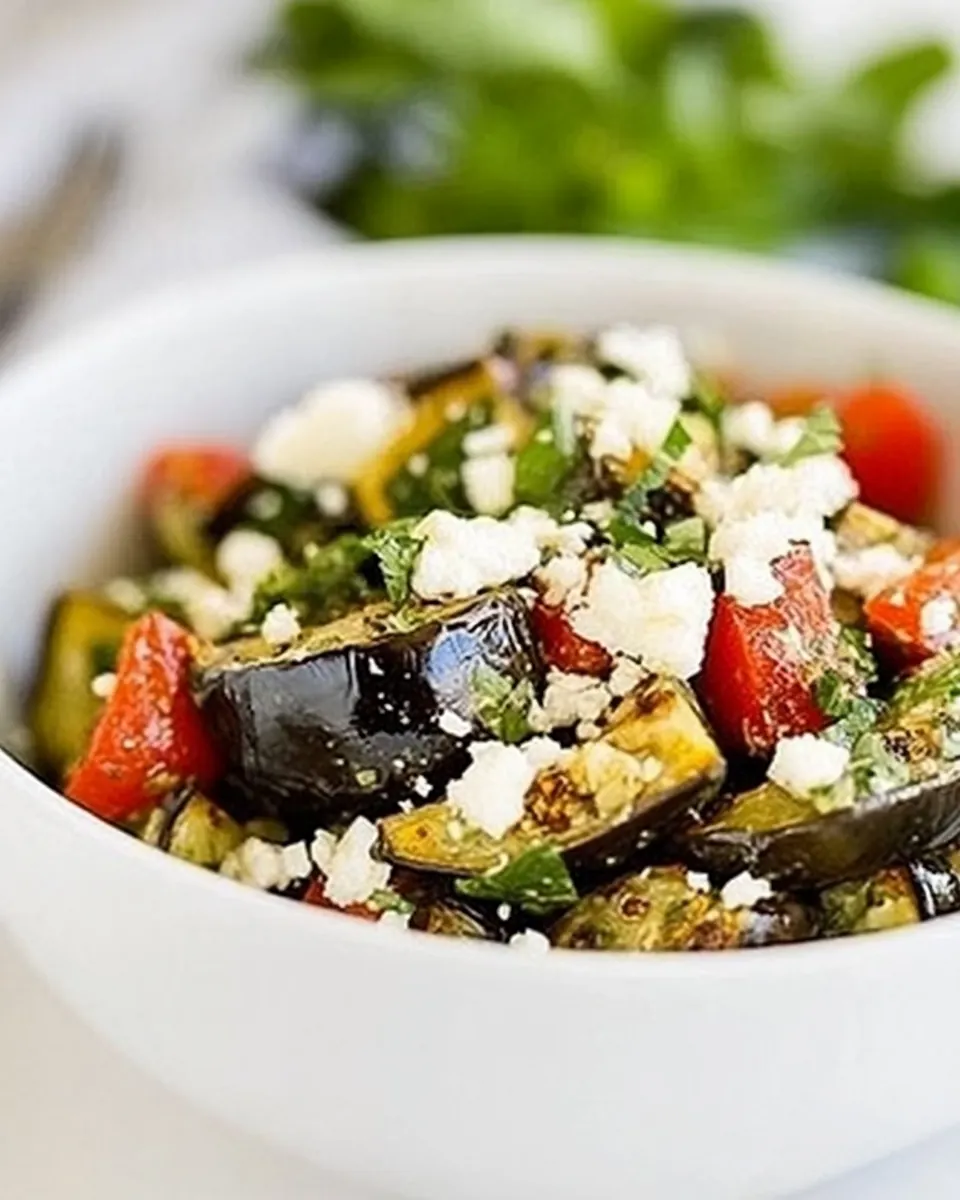
I think of these ingredients as a small ensemble where each member gets a moment to shine. The eggplant provides the meaty, smoky base, while the tomatoes add freshness and the Feta contributes salty creaminess. The dressing binds everything with herbaceous and acidic notes so each bite feels balanced.
- 8 Japanese Eggplants: Brush with olive oil and grill or roast to develop a smoky, tender flesh; helps prevent sticking and adds a subtle fruity richness that balances the eggplants savory profile. Use sparingly to keep the salad light while enhancing mouthfeel and flavor integration with other components.
- 1 T olive oil: Coat lightly to encourage even searing and a golden exterior while locking in moisture; serves as the primary fat that carries and melds flavors in the salad. Choose quality extra-virgin olive oil for a fragrant, peppery note that complements tomatoes and feta.
- salt and fresh-ground black pepper: Season generously with salt and fresh–ground black pepper to elevate and clarify the natural flavors; salt enhances sweetness and reduces bitterness, while fresh–ground black pepper adds a bright, pungent bite. Adjust to taste after grilling to account for concentration of flavors from reduced moisture.
- 1 cup diced tomatoes: Dice and fold in to provide fresh acidity, juiciness, and textural contrast against the soft, smoky eggplant; tomatoes add a bright, summery element that lightens the dish. Use ripe tomatoes for best flavor and drain slightly if very watery to avoid diluting the dressing.
- 1/2 cup crumbled Feta (or more): Crumble on top to introduce a creamy, salty tang that complements the smoky eggplant and acidic tomatoes; feta contributes a briny, rich component and pleasant crumbly texture. Add to taste to balance salt levels and finish the salad with a savory, Mediterranean character.
Instructions for Grilled Eggplant Salad
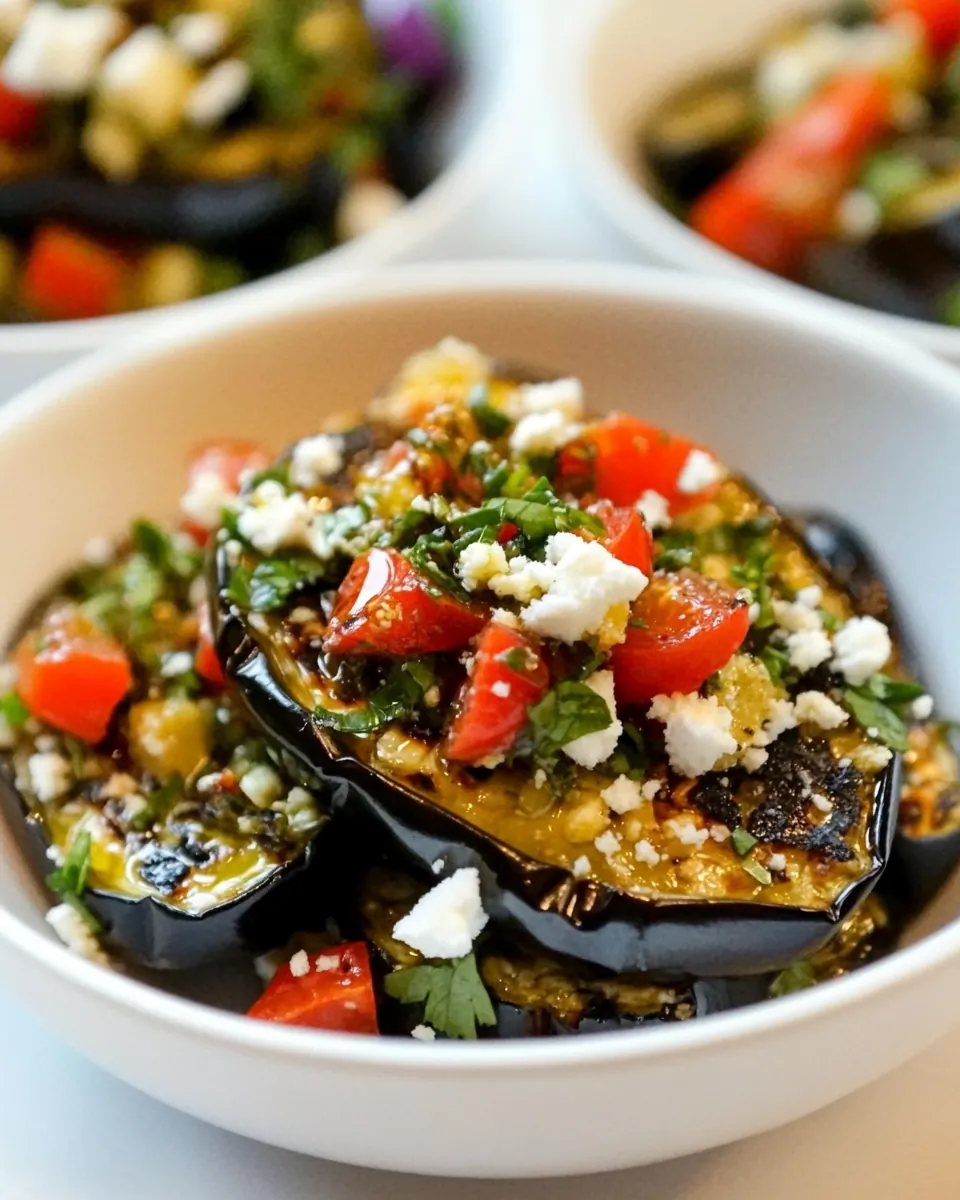
I like to approach the steps with a relaxed rhythm, tending the grill while assembling the dressing so everything comes together at the right moment. Below I expand each direction with sensory cues, reasons for the technique, and common pitfalls to avoid so you can feel confident at every stage.
- Preheat the grill to medium-high. (You can only hold your hand there for a few seconds at that heat.): You will sense the grill warming quickly as the metal radiates heat, and the smell of residual smoke if you have used it before. Proper preheating is crucial because it ensures immediate searing and attractive grill marks on the eggplant , which locks in flavor. A common mistake is placing vegetables on a cool grate, which leads to soggy, pale surfaces instead of caramelization. To check heat without a thermometer, hold your hand about five inches above the grate, you should be able to hold it there for only a few seconds at this temperature, which signals it is hot enough for searing.
- Wash the eggplants if needed and cut off both ends. Cut the eggplants lengthwise, brush both sides with olive oil, and season the cut side with salt and pepper.: The first sensory cue is the sheen of the eggplant after brushing with olive oil , and the faint aroma of black pepper and salt on the cut surface. Brushing helps create a surface barrier so the heat browns the flesh rather than drying it out, and seasoning before cooking allows the salt to begin enhancing natural flavors. Avoid oversalting which can pull too much moisture out, making the flesh rubbery. Use a gentle, even brush stroke so oil is distributed without pooling.
- Lay eggplants on the grill cut side down, and cook until you see nice grill marks (about 5-7 minutes.): As the eggplant hits the hot grate you will hear a soft sizzle, and within minutes you will see those dark, defined lines that mean caramelization is underway. Those marks add both flavor and texture contrast. A pitfall is moving the pieces too soon which prevents proper searing; allow them to sit undisturbed until the marks form. If smoke rises heavily, reduce flame slightly to prevent burning while still allowing color to develop.
- Turn eggplants and cook about 5 minutes more on the other side, or until eggplant is softened and nicely browned.: When you flip, notice the softened flesh give slightly under the tongs and the scent deepen to a warm, smoky note. Cooking the second side finishes the interior so it becomes tender but not mushy. A frequent error is overcrowding the grill which lowers the temperature and extends cook time, resulting in steamed rather than grilled texture. Leave space between pieces so air circulates and browning continues evenly.
- Remove eggplant to a cutting board and let them cool.: Moving the warm eggplant to a board gives it a chance to settle; steam dissipates and the texture firms just a touch, which makes slicing easier. As it cools slightly you will notice the aroma mellow from hot char to savory roasted notes. Cutting too soon while piping hot can cause the flesh to fall apart, so give it a few minutes to stabilize. Covering loosely with foil for a short rest is fine if you need to hold it briefly.
- Cut grape tomatoes in half and make the amazing dressing while the eggplants cool.: The tomatoes release a sweet, tangy juice when halved, and that freshness sets off the smoky eggplant . Preparing the dressing now is efficient, as the herb aromas bloom as soon as they are blended with acid. A common slip is chopping tomatoes too finely which can make the mixture watery; halving or evenly dicing keeps texture contrast intact. Leaving dressing until the end risks the herbs losing vibrancy, so make it while the grilled pieces rest.
- If needed, wash and spin dry the basil and parsley leaves.: Clean, dry herbs blend more easily and avoid diluting the dressing. The scent of basil releases when you handle the leaves, signaling freshness. A wet herb mixture will produce a thinner, less cohesive dressing, so if you do not have a salad spinner, pat the leaves dry with a towel. Overwashing can bruise delicate leaves, so rinse gently and dry promptly to preserve both aroma and color.
- Slice the garlic cloves, then use a food processor fitted with a steel blade to chop the basil, parsley, and garlic together.: The sharp, pungent scent of raw garlic combines with herbal green notes as the processor pulses, building a fragrant base. Chopping them together creates a uniform texture so each bite has balanced herbal and garlicky moments. Avoid over-pulsing into a paste unless you want a smooth emulsion; a few short pulses preserve small herb flecks that look and taste lively. Raw garlic can dominate, so keep an eye on the amount to maintain harmony.
- Add the Dijon, capers, and lemon juice and process until ingredients are well blended; then add the olive oil and process about 30 seconds more.: You will notice the mixture emulsify and the aroma brighten as the sharpness of lemon juice and tang of Dijon cut through the herbs. The capers offer briny bursts that lift the dressing, and the final stream of olive oil smooths the texture. If you add the oil too quickly the dressing may not bind properly, so process steadily to encourage a stable emulsion. Taste before finishing so you can adjust acid or salt, because those small changes transform the final balance.
- When eggplant is cool enough to handle, cut it into slices about 1 inch thick.: The cooled slices should feel tender but still hold shape, and slicing reveals a creamy interior with a slightly charred outer ring. Uniform thickness helps the salad assemble neatly, and about 1 inch creates substantial, satisfying bites. Cutting pieces too thin risks them falling apart during mixing, while very thick chunks can be overly dense. Use a sharp knife to keep edges clean, which improves presentation and mouthfeel.
- Gently combine the eggplant and tomato halves in a bowl and stir in enough dressing to coat the ingredients (about 1/4 cup). Save the rest of the dressing for another time; it's good on so many things!: As you toss, the dressing glistens on the surface, and the tomatoes release tiny pockets of juice that mingle with the herb mixture. Coating rather than drowning the vegetables ensures each element stays distinct, and reserving extra dressing allows you to adjust at the table. Overmixing can break the delicate eggplant pieces, so fold gently with a wide spoon to maintain texture. A common misstep is adding all the dressing at once which can oversaturate the salad.
- Stir in the crumbled Feta and serve salad warm or at room temperature.: The final addition of Feta gives little creamy contrasts that pop against smoky eggplant and bright tomatoes . Serve shortly after combining so the textures are at their best, warm from the grill or comfortably at room temperature. If you refrigerate too soon the flavors can tighten and the Feta will firm up, so timing matters. Garnish simply and let guests enjoy the interplay of smoke, herb, and salty creaminess.
- Even though tomatoes are best when they haven’t been refrigerated, the Grilled Eggplant Salad was not bad after it had been the fridge overnight. It didn’t last much longer than that though.: You can expect some flavor compression after refrigeration, where the bright herbal and acidic notes soften and meld, which can be pleasant for leftovers. Store in an airtight container and use within one day for the best texture and flavor. A common mistake is keeping it too long in the fridge, which leads to soggy tomatoes and lifeless herbs, so plan consumption accordingly. Reheat gently if you prefer it warm, or bring to room temperature before serving to revive aromatics.
Tips and Variations
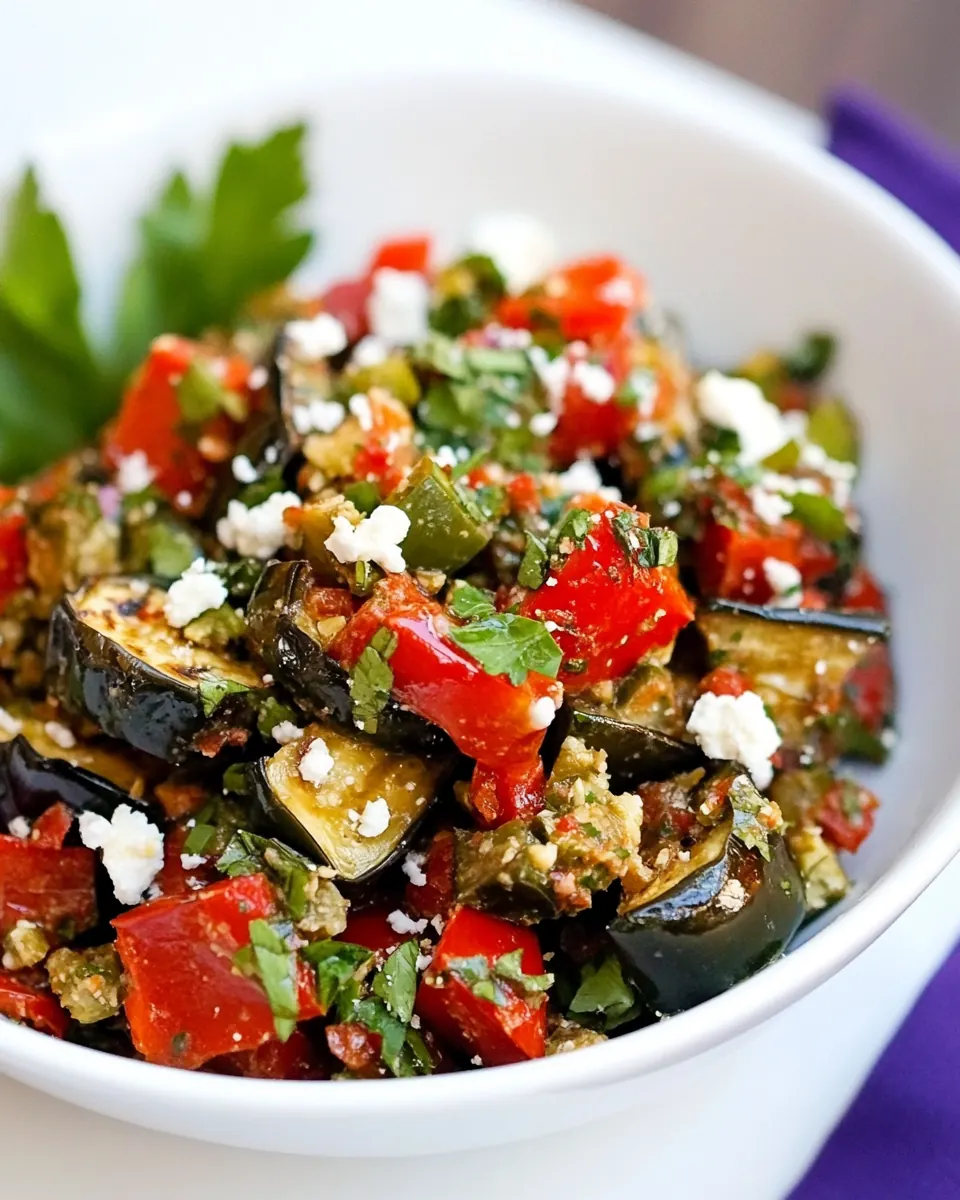
I like to think of this section as a collection of small refinements that amplify flavor and make the recipe more reliable. Below are practical tips and variations that reflect what I have learned over multiple summers of making this salad.
- Choose firm Japanese eggplant for even cooking and tender flesh that holds together on the grill.
- Grill on medium-high to get quick searing and avoid long cook times that turn the flesh mushy.
- Dry herbs well before processing so the dressing emulsifies better and does not become watery.
- Adjust Feta to taste because its saltiness varies by brand; add gradually and taste as you go.
- Save extra dressing because it keeps for several days and brightens other dishes like roasted vegetables or sandwiches.
Serving Suggestions
This salad is wonderfully versatile and can be presented in many ways depending on the occasion. Below I outline serving ideas, pairings, and storage approaches to help you plan meals around it.
- Serve warm as a main vegetarian dish with crusty bread to soak up any extra dressing, making it hearty enough for a light dinner.
- Offer as a side dish at summer barbecues alongside grilled proteins, letting the smoky notes echo across the table.
- Present at a picnic or potluck at room temperature; it travels well and stays interesting without precise reheating.
- Pair seasonally with other summer vegetables like grilled peppers or corn for a colorful spread.
- Store properly in an airtight container in the refrigerator and consume within one day for best texture and flavor.
- Occasion ideas include casual weeknight dinners, weekend lunches, Ramadan iftar spreads where light dishes are welcome, and outdoor gatherings when tomatoes are in season.
FAQ
Conclusion
Grilled Eggplant Salad stands out because it layers smoky, herbaceous, and salty flavors into a simple, satisfying summer dish. I encourage you to try it the next time tomatoes and herbs are at their peak, because the combination of charred eggplant and bright dressing is both comforting and refreshingly lively. It is an uncomplicated recipe that rewards a little attention to grilling and seasoning, making it ideal for casual dinners or sharing at gatherings. Enjoy the tactile contrast and big flavors, and feel free to make the dressing ahead so assembly is relaxed and joyful.
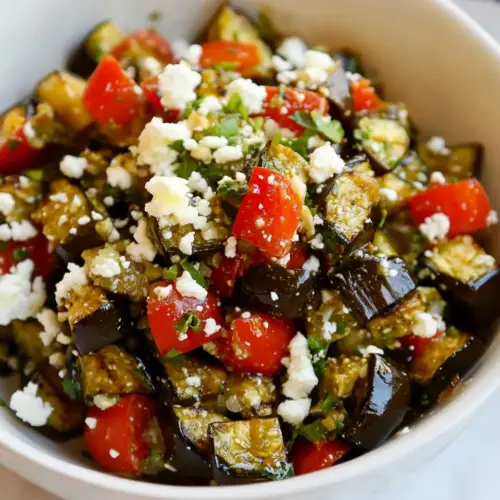
Grilled Eggplant Salad
Equipment
- Grill
- Cutting Board
- Knife
- Food Processor
- Mixing Bowl
Ingredients
- 8 Japanese Eggplants Brush with olive oil and grill or roast to develop a smoky, tender flesh; helps prevent sticking and adds a subtle fruity richness that balances the eggplants savory profile. Use sparingly to keep the salad light while enhancing mouthfeel and flavor integration with other components.
- 1 T olive oil Coat lightly to encourage even searing and a golden exterior while locking in moisture; serves as the primary fat that carries and melds flavors in the salad. Choose quality extra-virgin olive oil for a fragrant, peppery note that complements tomatoes and feta.
- salt and fresh-ground black pepper Season generously with salt and fresh-ground black pepper to elevate and clarify the natural flavors; salt enhances sweetness and reduces bitterness, while fresh-ground black pepper adds a bright, pungent bite. Adjust to taste after grilling to account for concentration of flavors from reduced moisture.
- 1 cup diced tomatoes Dice and fold in to provide fresh acidity, juiciness, and textural contrast against the soft, smoky eggplant; tomatoes add a bright, summery element that lightens the dish. Use ripe tomatoes for best flavor and drain slightly if very watery to avoid diluting the dressing.
- 1/2 cup crumbled Feta (or more) Crumble on top to introduce a creamy, salty tang that complements the smoky eggplant and acidic tomatoes; feta contributes a briny, rich component and pleasant crumbly texture. Add to taste to balance salt levels and finish the salad with a savory, Mediterranean character.
Instructions
- Preheat the grill to medium-high. (You can only hold your hand there for a few seconds at that heat.): You will sense the grill warming quickly as the metal radiates heat, and the smell of residual smoke if you have used it before. Proper preheating is crucial because it ensures immediate searing and attractive grill marks on the eggplant , which locks in flavor. A common mistake is placing vegetables on a cool grate, which leads to soggy, pale surfaces instead of caramelization. To check heat without a thermometer, hold your hand about five inches above the grate, you should be able to hold it there for only a few seconds at this temperature, which signals it is hot enough for searing.
- Wash the eggplants if needed and cut off both ends. Cut the eggplants lengthwise, brush both sides with olive oil, and season the cut side with salt and pepper.: The first sensory cue is the sheen of the eggplant after brushing with olive oil , and the faint aroma of black pepper and salt on the cut surface. Brushing helps create a surface barrier so the heat browns the flesh rather than drying it out, and seasoning before cooking allows the salt to begin enhancing natural flavors. Avoid oversalting which can pull too much moisture out, making the flesh rubbery. Use a gentle, even brush stroke so oil is distributed without pooling.
- Lay eggplants on the grill cut side down, and cook until you see nice grill marks (about 5-7 minutes.): As the eggplant hits the hot grate you will hear a soft sizzle, and within minutes you will see those dark, defined lines that mean caramelization is underway. Those marks add both flavor and texture contrast. A pitfall is moving the pieces too soon which prevents proper searing; allow them to sit undisturbed until the marks form. If smoke rises heavily, reduce flame slightly to prevent burning while still allowing color to develop.
- Turn eggplants and cook about 5 minutes more on the other side, or until eggplant is softened and nicely browned.: When you flip, notice the softened flesh give slightly under the tongs and the scent deepen to a warm, smoky note. Cooking the second side finishes the interior so it becomes tender but not mushy. A frequent error is overcrowding the grill which lowers the temperature and extends cook time, resulting in steamed rather than grilled texture. Leave space between pieces so air circulates and browning continues evenly.
- Remove eggplant to a cutting board and let them cool.: Moving the warm eggplant to a board gives it a chance to settle; steam dissipates and the texture firms just a touch, which makes slicing easier. As it cools slightly you will notice the aroma mellow from hot char to savory roasted notes. Cutting too soon while piping hot can cause the flesh to fall apart, so give it a few minutes to stabilize. Covering loosely with foil for a short rest is fine if you need to hold it briefly.
- Cut grape tomatoes in half and make the amazing dressing while the eggplants cool.: The tomatoes release a sweet, tangy juice when halved, and that freshness sets off the smoky eggplant . Preparing the dressing now is efficient, as the herb aromas bloom as soon as they are blended with acid. A common slip is chopping tomatoes too finely which can make the mixture watery; halving or evenly dicing keeps texture contrast intact. Leaving dressing until the end risks the herbs losing vibrancy, so make it while the grilled pieces rest.
- If needed, wash and spin dry the basil and parsley leaves.: Clean, dry herbs blend more easily and avoid diluting the dressing. The scent of basil releases when you handle the leaves, signaling freshness. A wet herb mixture will produce a thinner, less cohesive dressing, so if you do not have a salad spinner, pat the leaves dry with a towel. Overwashing can bruise delicate leaves, so rinse gently and dry promptly to preserve both aroma and color.
- Slice the garlic cloves, then use a food processor fitted with a steel blade to chop the basil, parsley, and garlic together.: The sharp, pungent scent of raw garlic combines with herbal green notes as the processor pulses, building a fragrant base. Chopping them together creates a uniform texture so each bite has balanced herbal and garlicky moments. Avoid over-pulsing into a paste unless you want a smooth emulsion; a few short pulses preserve small herb flecks that look and taste lively. Raw garlic can dominate, so keep an eye on the amount to maintain harmony.
- Add the Dijon, capers, and lemon juice and process until ingredients are well blended; then add the olive oil and process about 30 seconds more.: You will notice the mixture emulsify and the aroma brighten as the sharpness of lemon juice and tang of Dijon cut through the herbs. The capers offer briny bursts that lift the dressing, and the final stream of olive oil smooths the texture. If you add the oil too quickly the dressing may not bind properly, so process steadily to encourage a stable emulsion. Taste before finishing so you can adjust acid or salt, because those small changes transform the final balance.
- When eggplant is cool enough to handle, cut it into slices about 1 inch thick.: The cooled slices should feel tender but still hold shape, and slicing reveals a creamy interior with a slightly charred outer ring. Uniform thickness helps the salad assemble neatly, and about 1 inch creates substantial, satisfying bites. Cutting pieces too thin risks them falling apart during mixing, while very thick chunks can be overly dense. Use a sharp knife to keep edges clean, which improves presentation and mouthfeel.
- Gently combine the eggplant and tomato halves in a bowl and stir in enough dressing to coat the ingredients (about 1/4 cup). Save the rest of the dressing for another time; it's good on so many things!: As you toss, the dressing glistens on the surface, and the tomatoes release tiny pockets of juice that mingle with the herb mixture. Coating rather than drowning the vegetables ensures each element stays distinct, and reserving extra dressing allows you to adjust at the table. Overmixing can break the delicate eggplant pieces, so fold gently with a wide spoon to maintain texture. A common misstep is adding all the dressing at once which can oversaturate the salad.
- Stir in the crumbled Feta and serve salad warm or at room temperature.: The final addition of Feta gives little creamy contrasts that pop against smoky eggplant and bright tomatoes . Serve shortly after combining so the textures are at their best, warm from the grill or comfortably at room temperature. If you refrigerate too soon the flavors can tighten and the Feta will firm up, so timing matters. Garnish simply and let guests enjoy the interplay of smoke, herb, and salty creaminess.
- Even though tomatoes are best when they haven’t been refrigerated, the Grilled Eggplant Salad was not bad after it had been the fridge overnight. It didn’t last much longer than that though.: You can expect some flavor compression after refrigeration, where the bright herbal and acidic notes soften and meld, which can be pleasant for leftovers. Store in an airtight container and use within one day for the best texture and flavor. A common mistake is keeping it too long in the fridge, which leads to soggy tomatoes and lifeless herbs, so plan consumption accordingly. Reheat gently if you prefer it warm, or bring to room temperature before serving to revive aromatics.
Notes
- Choose firm Japanese eggplant for even cooking and tender flesh that holds together on the grill.
- Grill on medium-high to get quick searing and avoid long cook times that turn the flesh mushy.
- Dry herbs well before processing so the dressing emulsifies better and does not become watery.
- Adjust Feta to taste because its saltiness varies by brand; add gradually and taste as you go.
- Save extra dressing because it keeps for several days and brightens other dishes like roasted vegetables or sandwiches.
