Lemon Ricotta Pancakes
Lemon Ricotta Pancakes came into my weekend mornings quite accidentally, when I wanted pancakes that felt like breakfast and brunch at the same time. I remember the first batch: the batter was oddly silky because of the ricotta, and the kitchen smelled bright with lemon while I hummed along to a song on the radio. I was alone that morning, and making these felt like a small, cheerful ritual that turned one ordinary hour into something warm and memorable.
I kept tweaking the recipe over several months until the texture felt right to me, the way the edges crisp a little while the centers stay pillowy. I learned that folding the batter gently, letting it rest just a short time, and cooking over medium heat are the real secrets. I like serving them with a simple Blueberry Sauce or a dusting of powdered sugar when company drops in unexpectedly. Friends always ask for the recipe, and I tell them it is as much about the rhythm of making them as it is about the ingredients.
Recipe Snapshot
35 mins
20 mins
15 mins
Easy
250 kcal
Italian
Gluten-Free, Low FODMAP
Breakfast
Large bowl, Medium bowl, Nonstick skillet or large griddle, Whisk, Spatula
What You’ll Enjoy About This Lemon Ricotta Pancakes
Light and Luxurious Texture
I love how Lemon Ricotta Pancakes achieve an airy, almost cloud like interior while still having a slightly crisp edge. The ricotta lends moisture without weighing the batter down, and that makes every bite feel indulgent but not heavy. Because I value texture, I always rest the batter briefly so the gluten relaxes, resulting in fluffier pancakes that practically melt on the tongue.
Bright, Natural Flavor
The pairing of lemon juice and lemon zest cuts through the richness of the ricotta, giving the pancakes a fresh, vibrant note. I appreciate recipes that balance richness and acidity, and this one does that effortlessly. Each forkful tastes like a sunny morning, which is especially welcome when the weather is still cool.
Versatile Serving Options
I often switch up how I serve these, and that flexibility is one reason I keep making them. They are wonderful with a quick Blueberry Sauce, a spoonful of maple syrup, or a scattering of fresh berries. I especially like serving them for casual brunches or a cozy breakfast for two, because they feel special without being fussy.
Simple Pantry Ingredients
What stands out is how little you need to make something memorable. The bulk of the list are pantry staples like all purpose flour, granulated sugar, and baking powder, with a few fresh touches like lemon and eggs. I find that modest ingredient lists remove barriers to cooking, so I can turn these out on a weekday when plans change last minute.
Gentle Technique Over Tricks
I prefer recipes that reward gentle handling rather than precise equipment or exotic steps. With Lemon Ricotta Pancakes, the key moves are gentle folding and modest heat. I like teaching friends how small habits like wiping the pan between batches or not over mixing make a huge difference in the final plate.
What to Gather for Lemon Ricotta Pancakes
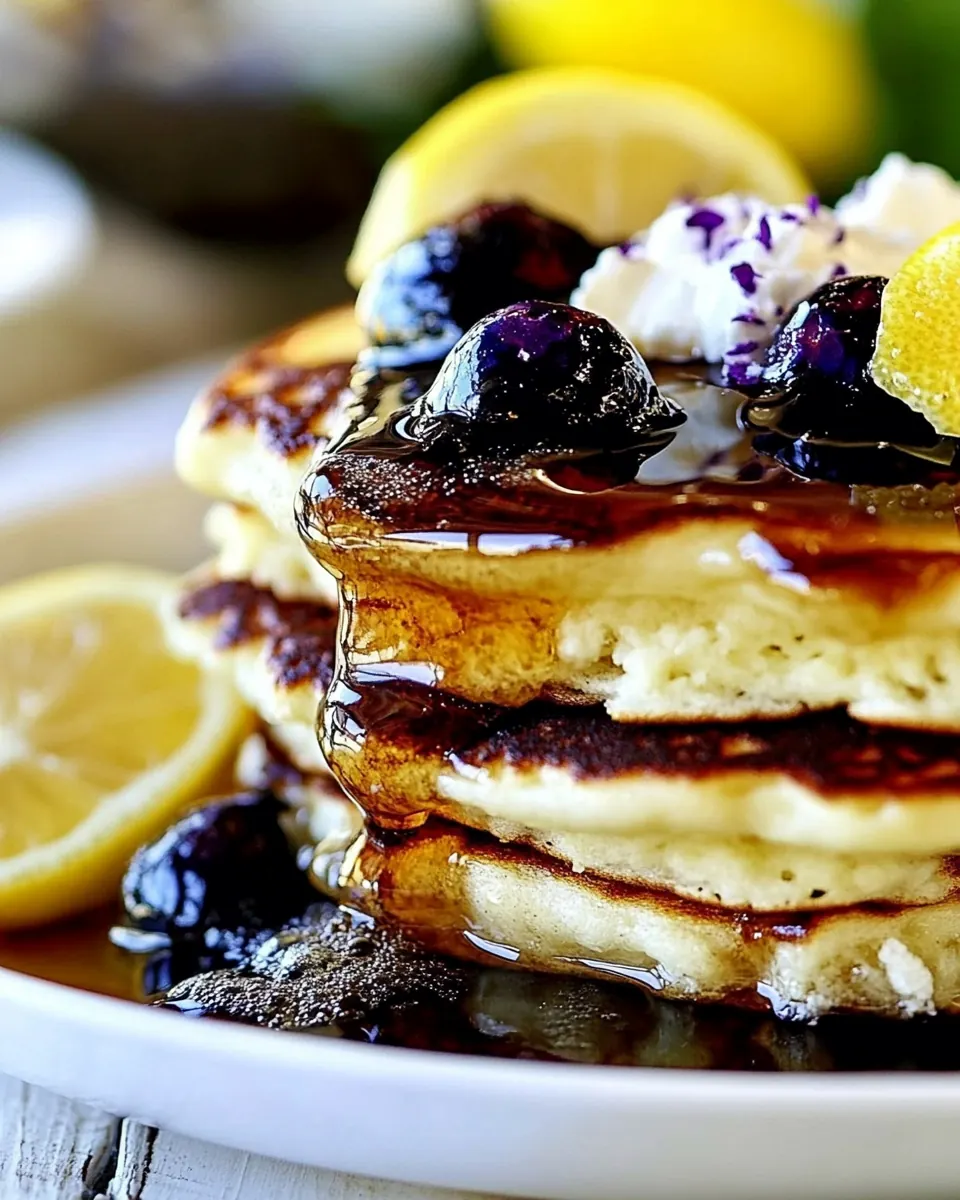
These ingredients form a simple but thoughtful team. The dry players provide structure, the wet players bring tang and moisture, and a little fat helps with browning and flavor. Together they yield pancakes that are tender, slightly tangy, and richly satisfying without feeling dense. The ricotta is the quiet MVP, giving tenderness while the lemon brightens every bite.
- 1 1/2 cups all-purpose flour: Provide structure and bulk to the batter, creating the framework for tender pancakes; combine with leavening agents to form a cohesive dough while contributing to browning and mouthfeel during cooking.
- 1/4 cup granulated sugar: Add sweetness to the batter, balancing the tartness of lemon and ricotta; help with browning and caramelization on the pancake surface for appealing color and flavor.
- 1 tablespoon baking powder: Leaven the batter to produce lift and lightness, reacting with wet ingredients to create bubbles and tender crumb; ensure even distribution to avoid uneven rising and metallic taste.
- 1/2 teaspoons salt: Season the batter to enhance flavor balance and accentuate the sweetness and acidity; regulate overall taste so the pancakes are not bland or overly sweet.
- 1 cup milk: Thin the batter to the desired consistency, enabling proper mixing and hydration of dry ingredients; contribute to tenderness and help control final pancake thickness.
- 3/4 cup whole milk ricotta cheese: Provide richness, moisture, and a creamy texture while contributing mild tanginess that brightens flavor; aid in creating soft, tender pancakes with a slightly denser crumb.
- 2 large eggs: Incorporate structure and stability through protein and aeration when beaten; add richness and help bind ingredients, contributing to rise and an appealing interior texture.
- 1/4 cup lemon juice: Add bright acidity and citrus flavor that cuts richness and complements ricotta; react with baking agents and enhance aromatic profile for refreshing pancakes.
- 1 1/2 tablespoons lemon zest: Concentrate aromatic lemon oils to intensify citrus flavor and fragrance; add bright, zesty notes that elevate the overall taste without adding liquid.
- 2 teaspoons vanilla extract: Introduce warm, sweet aromatic notes to complement lemon and ricotta; round out flavor profile and enhance perceived sweetness without extra sugar.
- 4 tablespoons unsalted butter melted and slightly cooled: Enrich the batter with fat for tenderness, flavor, and improved browning; melted and slightly cooled to prevent cooking eggs and to incorporate smoothly into the mix.
- 1 recipe Blueberry Sauce: Provide a fruity, sweet-tart topping that complements pancakes with added moisture and flavor; use as a finishing element to serve alongside or over the cooked pancakes.
The Process for Making Lemon Ricotta Pancakes
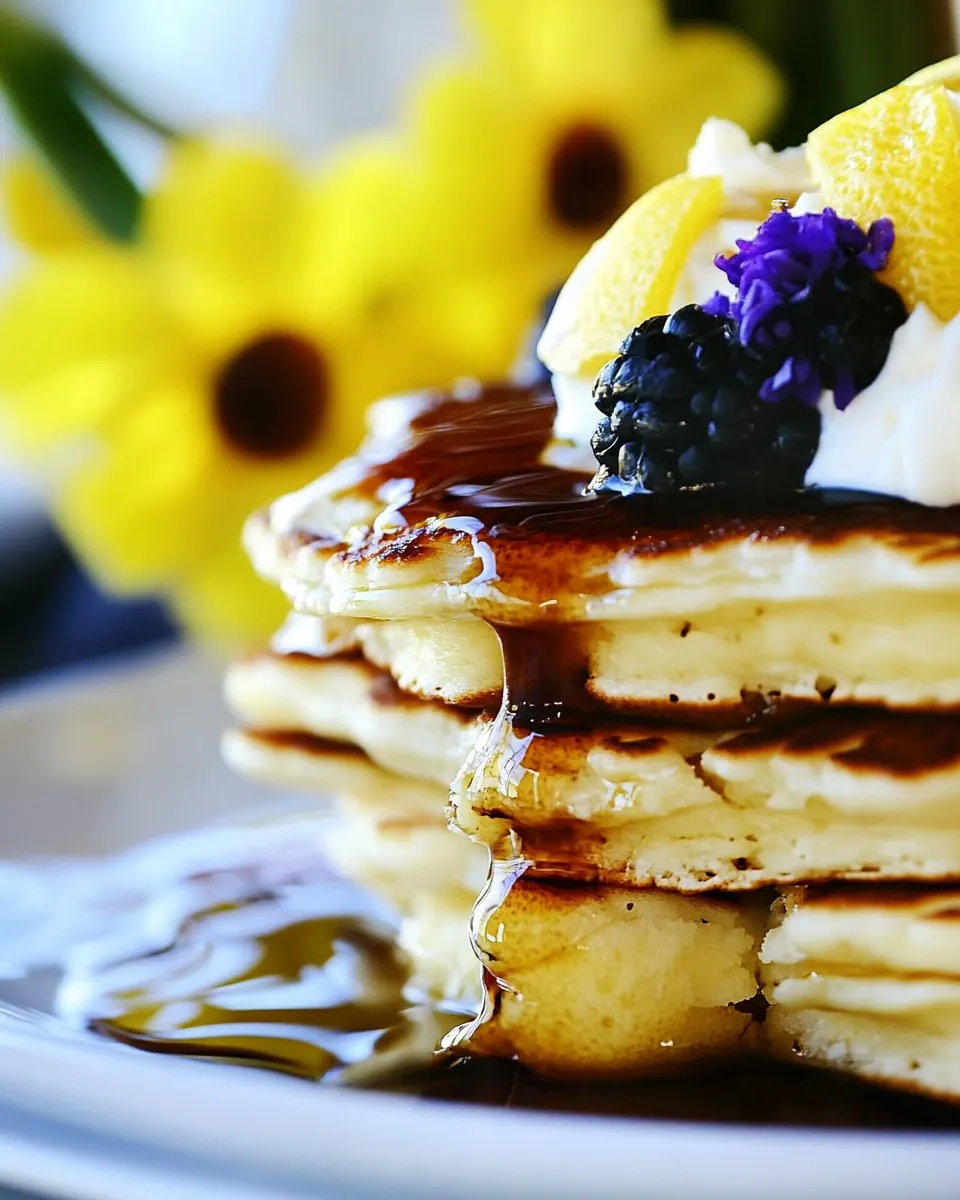
These instructions will walk you through the batter and the gentle skillet technique that creates tender centers and golden edges. I like to work in a calm rhythm, warming the pan while I let the batter rest briefly. Keep your spatula ready and pay attention to visual and auditory cues as you cook.
- In a large bowl, whisk together the dry ingredients until thoroughly combined. Make a well in the center; set aside.: Warmth from the kitchen and the smell of flour hitting the bowl are subtle welcome signs, while the act of whisking smooths lumps and blends the all purpose flour , granulated sugar , baking powder , and salt into a uniform base. You will notice a faint scent of the grain and sugar as they mingle. This step matters because evenly distributed leavening prevents pockets of uneven rise, which results in uniformly tender pancakes. A common mistake is rushing and leaving clumps of baking powder, which causes uneven bubbling during cooking; if you see clumps, press them through the sieve or whisk longer until the mixture looks homogeneous.
- In a medium bowl, whisk the milk and ricotta until blended then add the eggs, lemon juice, lemon zest, and vanilla extract and whisk to combine. Finally, whisk in the melted butter (it’s okay if it curdles a little).: The texture of this mixture should be glossy and slightly lumpy because of the ricotta . As you whisk, the aroma of lemon oils will lift, making the kitchen feel brighter. This wet blend is crucial because the ricotta moisture interacts with the baking powder later to give lift and a tender crumb. If the butter is too hot when added, it can cook the eggs and create an unattractive texture, so let the butter cool until it feels just warm to the touch. Avoid overbeating, which can break up the ricotta too much and change the batter feel.
- Add the wet ingredients to the dry ingredients and fold gently just until combined – don’t over mix! It should be lumpy. Allow the batter to sit for 5-10 minutes (no more) while you begin making the Blueberry Sauce. (You can also fold blueberries into the batter at this time if not making sauce). Remove Blueberry Sauce to the refrigerator to chill once done.: When the wet meets the dry, you should use a folding motion that preserves air and structure. The batter will look irregular and slightly thick with small pockets of flour still visible, and that is perfect. Resting lets the baking powder start its work and relaxes any developed gluten. A pitfall here is stirring vigorously until smooth, which activates gluten and leads to dense pancakes; stop as soon as the large streaks disappear. The brief rest also gives you time to prepare any sauce so the pancakes arrive warm and saucy together.
- Melt or brush butter onto a nonstick skillet or large griddle and heat to medium. Once hot, add batter, 1/4 cup at a time. When the pancakes bubble in the center and the bottom is golden brown, flip them over and cook just a minute or so longer until golden brown. Remove to a plate and repeat, wiping out pan and adding new butter in between (so butter doesn’t burn).: As the pan warms, you will hear a soft whisper of heat and then a gentle sizzle when batter hits the surface. The first sign to flip is a constellation of bubbles forming and the edge looking set; the underside will be a warm, golden brown. That contrast between a crisp rim and a tender center is what I aim for. If the pan is too hot, the outside will darken before the center cooks, so reduce heat if browning happens too quickly. Wiping the pan between batches removes residue and prevents burnt butter tainting subsequent pancakes, which is a small step that preserves flavor.
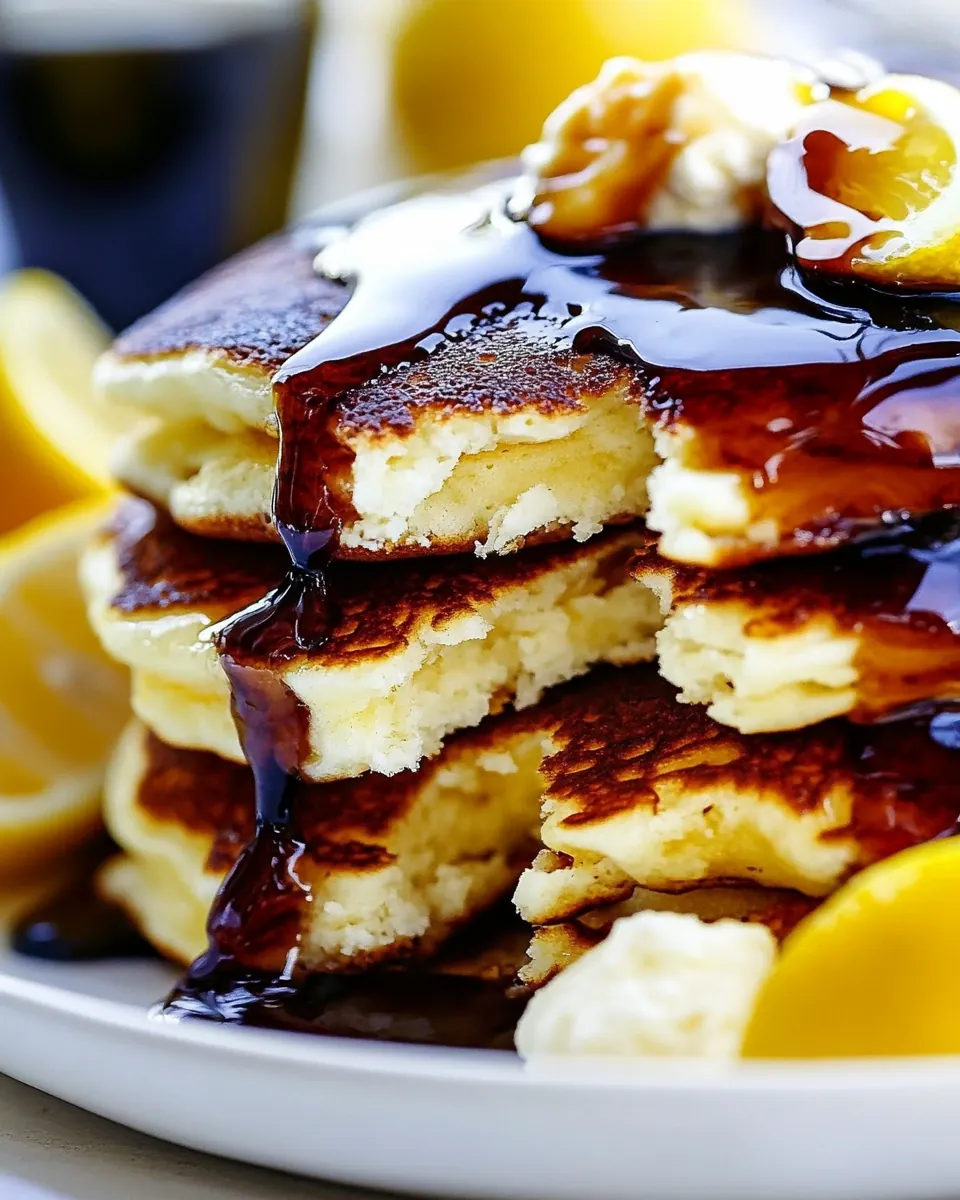
- Serve with Blueberry Sauce (highly recommended), store-bought berry syrup, maple syrup or a dusting of powdered sugar with fresh berries. *Click on “Blueberry Sauce” in the ingredient list to for the full recipe.: The final plate should feel balanced visually and texturally, with the glossy sauce glinting against soft stacks. When you drizzle sauce over the warm pancakes, the aroma of cooked fruit will mingle with the citrus notes from the batter and the buttered scent from the griddle. A common serving mistake is stacking too high and letting steam make the lower pancakes soggy; I recommend serving in small stacks and pouring sauce just before eating to keep texture crisp. If using powdered sugar, dust lightly so it does not overwhelm the delicate lemon flavor.
Make It Your Own
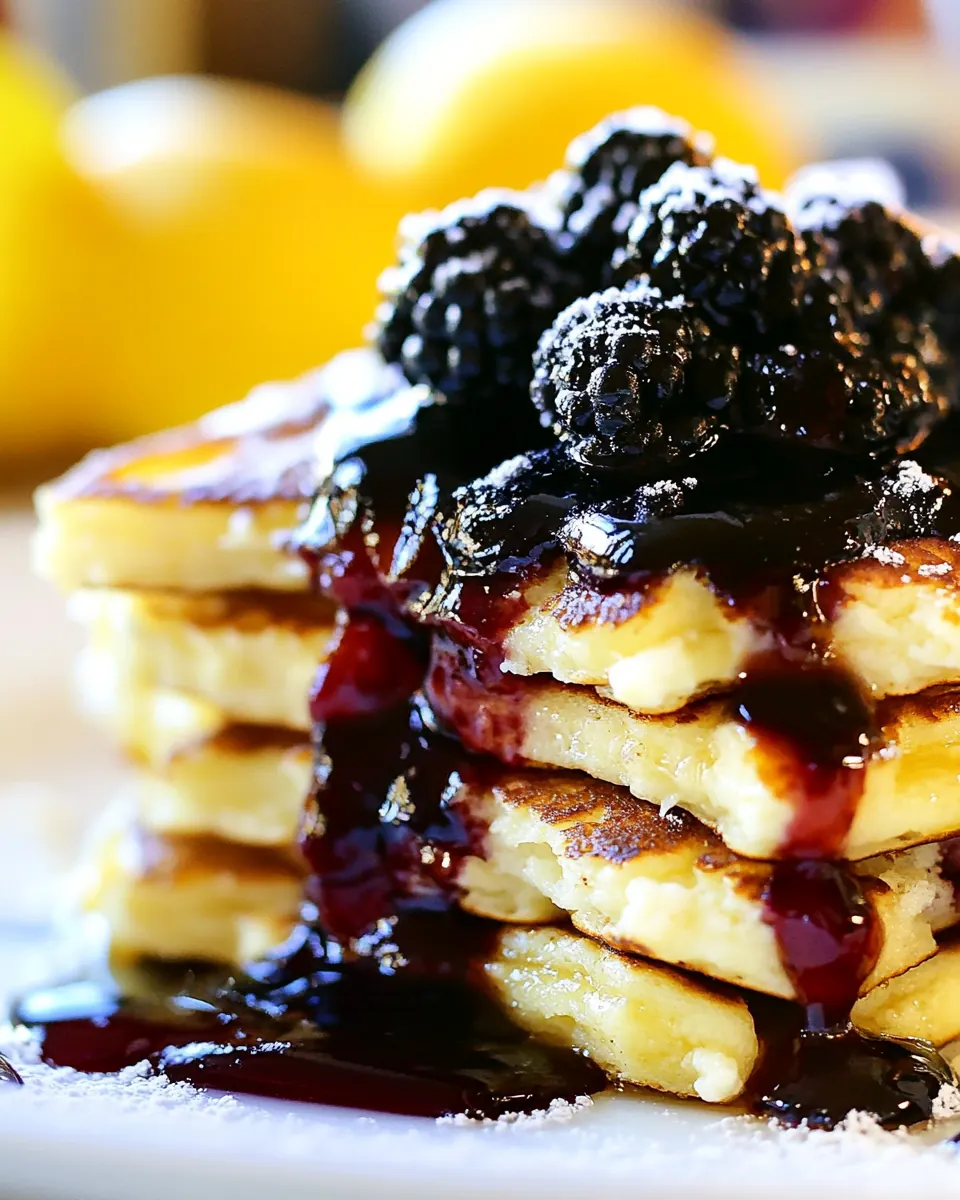
These tips help you personalize the pancakes while preserving what makes them special: the tender crumb and bright citrus notes. Use them as a menu of small changes to suit your pantry and taste.
- Check your leavener: Test baking powder periodically because stale powder yields flat pancakes; replace if necessary for reliable rise.
- Gently fold the batter: Preserve air by using a spatula to fold, stopping when the batter is lumpy but largely combined to avoid toughness.
- Control the heat: Aim for medium on your stove; if the skillet browns too fast, lower the heat and allow it to recover between batches.
- Use cooled melted butter: Let melted butter cool slightly before adding to the wet mix so it does not cook the eggs and create grainy texture.
- Rest briefly: Let the batter sit for 5 to 10 minutes, no more, to relax gluten and give the leavening a head start without losing lift.
- Wipe pan between batches: Remove burned bits and re butter to keep each pancake tasting fresh and to prevent bitter notes.
Great Combinations for Lemon Ricotta Pancakes
These serving ideas showcase how Lemon Ricotta Pancakes work for casual breakfasts, relaxed brunches, and special occasions. Think about textures and temperatures so each bite has contrast and brightness.
- Blueberry Sauce: A warm, slightly tart sauce adds juicy contrast and pairs wonderfully with the citrus in the pancakes.
- Maple syrup or store bought berry syrup: Classic sweet finishes that mingle with buttery edges, perfect for an easy family breakfast.
- Fresh berries and powdered sugar: Brighten the plate visually and add a fresh pop against the rich ricotta batter, ideal for spring brunch gatherings.
- Casual brunch: Serve stacks alongside coffee and tea for a relaxed get together where guests can assemble their own toppings.
- Make ahead freezing: Cool pancakes completely, freeze in layers with parchment, and reheat in the microwave or oven for quick breakfasts on busy mornings.
- Seasonal pairings: In spring, pair with tangy fruit compotes, while late summer berries offer a sweeter counterpoint for warm weather serving.
- Storage tips: Store cooled pancakes in an airtight container in the refrigerator for up to two days, or freeze for longer keeping energy for later quick reheats.
FAQ
Conclusion
These Lemon Ricotta Pancakes feel special because they balance a tender, ricotta enriched crumb with bright citrus notes that wake up the palate. Give them a try when you want an easy morning upgrade, whether for a quiet weekend or a small brunch with friends. The recipe rewards gentle technique and small attentions like wiping the skillet between batches, and the result is a stack of pancakes that looks and tastes like a thoughtful, comforting meal.
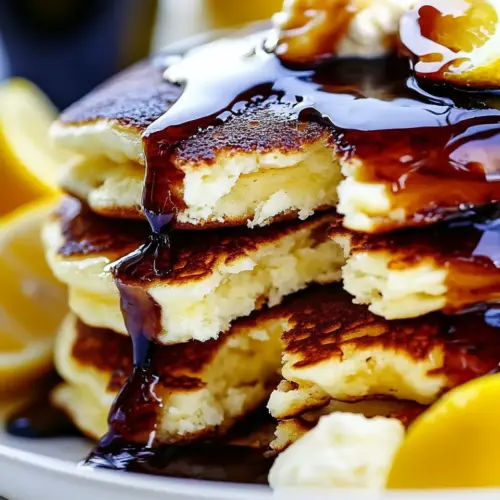
Lemon Ricotta Pancakes
Equipment
- Large Bowl
- Medium Bowl
- Nonstick skillet or large griddle
- Whisk
- Spatula
Ingredients
- 1 1/2 cups all-purpose flour Provide structure and bulk to the batter, creating the framework for tender pancakes; combine with leavening agents to form a cohesive dough while contributing to browning and mouthfeel during cooking.
- 1/4 cup granulated sugar Add sweetness to the batter, balancing the tartness of lemon and ricotta; help with browning and caramelization on the pancake surface for appealing color and flavor.
- 1 tablespoon baking powder Leaven the batter to produce lift and lightness, reacting with wet ingredients to create bubbles and tender crumb; ensure even distribution to avoid uneven rising and metallic taste.
- 1/2 teaspoons salt Season the batter to enhance flavor balance and accentuate the sweetness and acidity; regulate overall taste so the pancakes are not bland or overly sweet.
- 1 cup milk Thin the batter to the desired consistency, enabling proper mixing and hydration of dry ingredients; contribute to tenderness and help control final pancake thickness.
- 3/4 cup whole milk ricotta cheese Provide richness, moisture, and a creamy texture while contributing mild tanginess that brightens flavor; aid in creating soft, tender pancakes with a slightly denser crumb.
- 2 large eggs Incorporate structure and stability through protein and aeration when beaten; add richness and help bind ingredients, contributing to rise and an appealing interior texture.
- 1/4 cup lemon juice Add bright acidity and citrus flavor that cuts richness and complements ricotta; react with baking agents and enhance aromatic profile for refreshing pancakes.
- 1 1/2 tablespoons lemon zest Concentrate aromatic lemon oils to intensify citrus flavor and fragrance; add bright, zesty notes that elevate the overall taste without adding liquid.
- 2 teaspoons vanilla extract Introduce warm, sweet aromatic notes to complement lemon and ricotta; round out flavor profile and enhance perceived sweetness without extra sugar.
- 4 tablespoons unsalted butter melted and slightly cooled Enrich the batter with fat for tenderness, flavor, and improved browning; melted and slightly cooled to prevent cooking eggs and to incorporate smoothly into the mix.
- 1 recipe Blueberry Sauce Provide a fruity, sweet-tart topping that complements pancakes with added moisture and flavor; use as a finishing element to serve alongside or over the cooked pancakes.
Instructions
- In a large bowl, whisk together the dry ingredients until thoroughly combined. Make a well in the center; set aside.: Warmth from the kitchen and the smell of flour hitting the bowl are subtle welcome signs, while the act of whisking smooths lumps and blends the all purpose flour , granulated sugar , baking powder , and salt into a uniform base. You will notice a faint scent of the grain and sugar as they mingle. This step matters because evenly distributed leavening prevents pockets of uneven rise, which results in uniformly tender pancakes. A common mistake is rushing and leaving clumps of baking powder, which causes uneven bubbling during cooking; if you see clumps, press them through the sieve or whisk longer until the mixture looks homogeneous.
- In a medium bowl, whisk the milk and ricotta until blended then add the eggs, lemon juice, lemon zest, and vanilla extract and whisk to combine. Finally, whisk in the melted butter (it’s okay if it curdles a little).: The texture of this mixture should be glossy and slightly lumpy because of the ricotta . As you whisk, the aroma of lemon oils will lift, making the kitchen feel brighter. This wet blend is crucial because the ricotta moisture interacts with the baking powder later to give lift and a tender crumb. If the butter is too hot when added, it can cook the eggs and create an unattractive texture, so let the butter cool until it feels just warm to the touch. Avoid overbeating, which can break up the ricotta too much and change the batter feel.
- Add the wet ingredients to the dry ingredients and fold gently just until combined – don’t over mix! It should be lumpy. Allow the batter to sit for 5-10 minutes (no more) while you begin making the Blueberry Sauce. (You can also fold blueberries into the batter at this time if not making sauce). Remove Blueberry Sauce to the refrigerator to chill once done.: When the wet meets the dry, you should use a folding motion that preserves air and structure. The batter will look irregular and slightly thick with small pockets of flour still visible, and that is perfect. Resting lets the baking powder start its work and relaxes any developed gluten. A pitfall here is stirring vigorously until smooth, which activates gluten and leads to dense pancakes; stop as soon as the large streaks disappear. The brief rest also gives you time to prepare any sauce so the pancakes arrive warm and saucy together.
- Melt or brush butter onto a nonstick skillet or large griddle and heat to medium. Once hot, add batter, 1/4 cup at a time. When the pancakes bubble in the center and the bottom is golden brown, flip them over and cook just a minute or so longer until golden brown. Remove to a plate and repeat, wiping out pan and adding new butter in between (so butter doesn’t burn).: As the pan warms, you will hear a soft whisper of heat and then a gentle sizzle when batter hits the surface. The first sign to flip is a constellation of bubbles forming and the edge looking set; the underside will be a warm, golden brown. That contrast between a crisp rim and a tender center is what I aim for. If the pan is too hot, the outside will darken before the center cooks, so reduce heat if browning happens too quickly. Wiping the pan between batches removes residue and prevents burnt butter tainting subsequent pancakes, which is a small step that preserves flavor.
- Serve with Blueberry Sauce (highly recommended), store-bought berry syrup, maple syrup or a dusting of powdered sugar with fresh berries. *Click on “Blueberry Sauce” in the ingredient list to for the full recipe.: The final plate should feel balanced visually and texturally, with the glossy sauce glinting against soft stacks. When you drizzle sauce over the warm pancakes, the aroma of cooked fruit will mingle with the citrus notes from the batter and the buttered scent from the griddle. A common serving mistake is stacking too high and letting steam make the lower pancakes soggy; I recommend serving in small stacks and pouring sauce just before eating to keep texture crisp. If using powdered sugar, dust lightly so it does not overwhelm the delicate lemon flavor.
Notes
- Check your leavener: Test baking powder periodically because stale powder yields flat pancakes; replace if necessary for reliable rise.
- Gently fold the batter: Preserve air by using a spatula to fold, stopping when the batter is lumpy but largely combined to avoid toughness.
- Control the heat: Aim for medium on your stove; if the skillet browns too fast, lower the heat and allow it to recover between batches.
- Use cooled melted butter: Let melted butter cool slightly before adding to the wet mix so it does not cook the eggs and create grainy texture.
- Rest briefly: Let the batter sit for 5 to 10 minutes, no more, to relax gluten and give the leavening a head start without losing lift.
- Wipe pan between batches: Remove burned bits and re butter to keep each pancake tasting fresh and to prevent bitter notes.