Oatmeal Pancakes
Oatmeal Pancakes became my favorite lazy weekend treat the first chilly morning I decided to swap out flour for oats, and I still smile thinking about that comfy, warm stack.
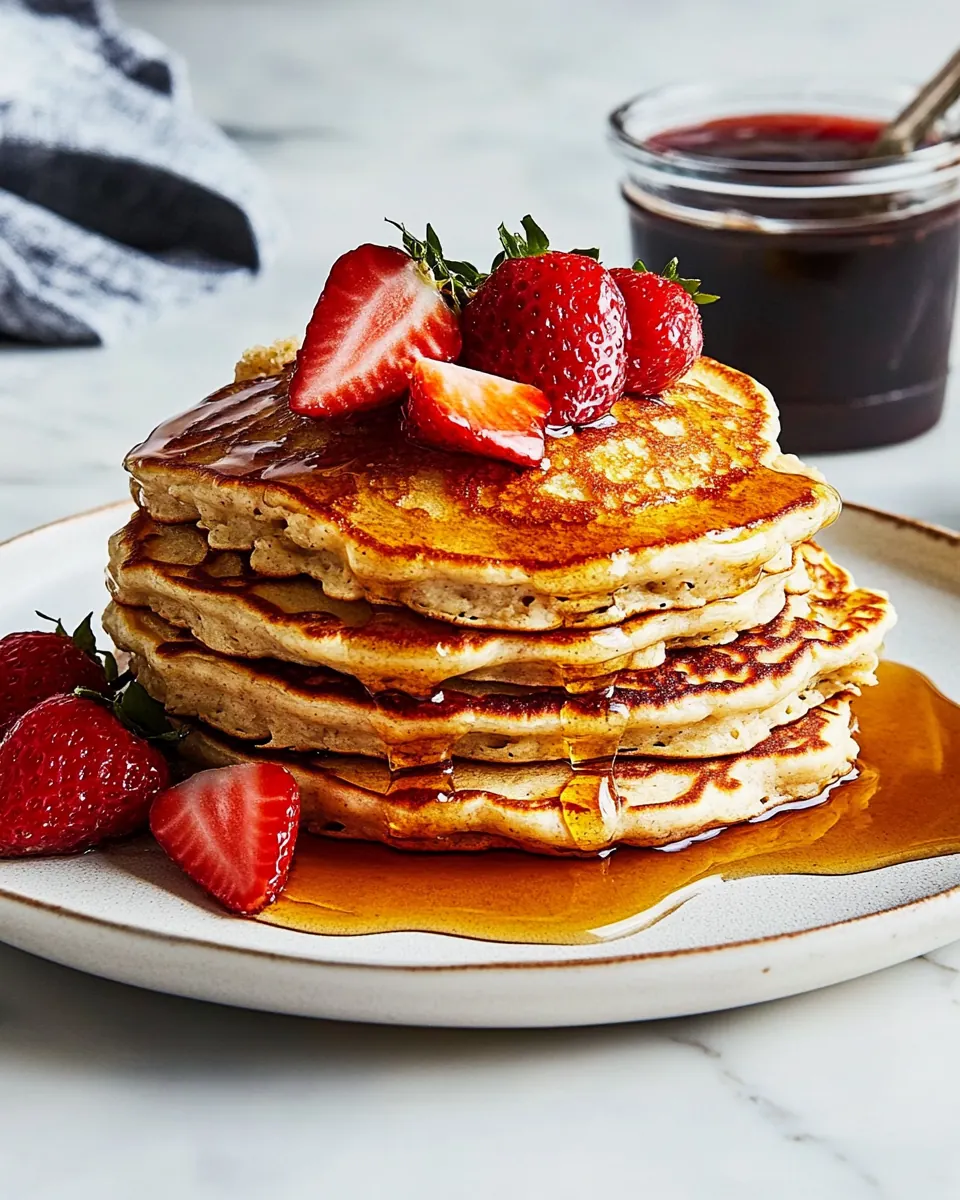
There was a week when mornings felt rushed, and I wanted something that tasted like brunch but came together fast. I loved how the batter whirred in the blender, turning whole rolled oats into a silky base, and how a hint of cinnamon filled the kitchen while the first pan sizzled. I found myself reaching for a second pancake before the kids had even touched their plates. The texture is tender, with a faint chew from the oats, and the pancakes never feel heavy. I often top them with bright fresh fruit and a little extra maple syrup, and the contrast of warm pancake and cool fruit always wins.
Over time I adjusted little things, like using a touch of avocado oil in the batter for silkiness, or thinning the batter with a splash more almond milk if it sat too long. I like that these pancakes are forgiving, which is a relief when mornings are messy. You can make them thicker for a hearty bite or thinner for delicate, crepe like rounds. I love that they’re wholesome enough for breakfast yet pretty enough for a casual brunch. After countless batches, this recipe reliably delivers comfort with minimal fuss, and it has earned a permanent spot in my rotation.
Recipe Snapshot
25 mins
10 mins
15 mins
Easy
300 kcal
American
Gluten-Free, Low FODMAP
Breakfast
Blender, Nonstick skillet, Measuring cup, Spatula
Why We Love This Oatmeal Pancakes
They are incredibly simple and fast
I adore how Oatmeal Pancakes come together in one go, especially because I can toss everything into the blender and go chat with the family while it whirls. The short ingredient list keeps mornings calm, and the hands on time is low, so I can focus on coffee and conversation.
Whole rolled oats bring real texture and nutrition
Using whole rolled oats gives the pancakes a subtle nuttiness and a satisfying chew that you just do not get from all purpose flour. I like that they feel hearty without being dense, and they hold up well to toppings like fresh fruit or a drizzle of maple syrup.
Flexible and forgiving batter
The batter tolerates a bit of waiting, and you can adjust consistency with a splash of almond milk. I often let the batter rest briefly and it still behaves beautifully in the skillet, allowing me to juggle kids, emails, or a quick tidy up without stress.
Flavor with minimal fuss
A touch of cinnamon and vanilla lifts the whole stack, and the small amount of maple syrup in the batter gives a nuanced sweetness that pairs perfectly with extra syrup at the table. I appreciate how these small details add depth without complicating the method.
Perfect for many occasions
I find myself reaching for this recipe for cozy weekend breakfasts, impromptu brunches, or when I want something nourishing after a morning run. The pancakes are adaptable, so you can keep them simple or dress them up for company, and they always feel like a thoughtful, homey choice.
Everything You Need for Oatmeal Pancakes
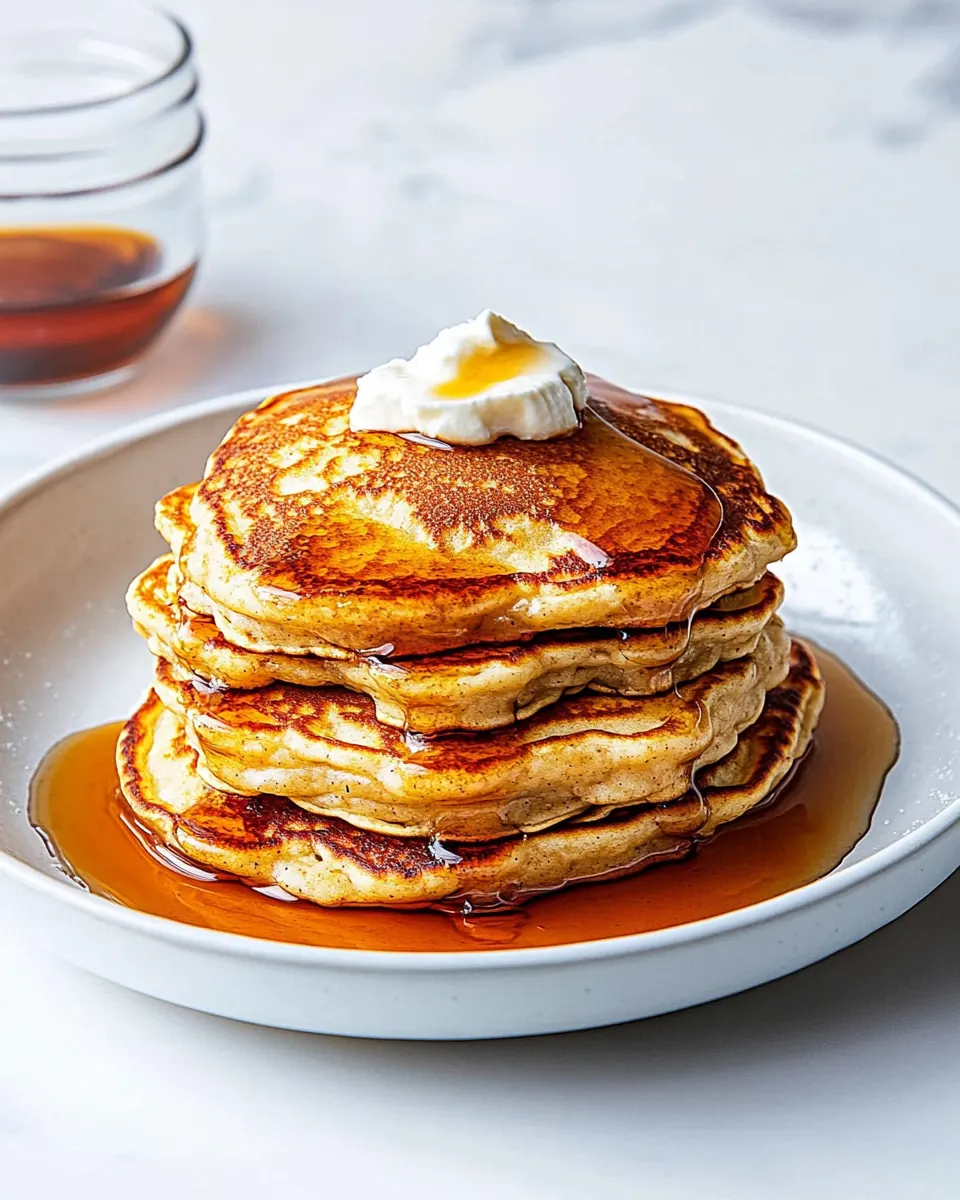
These components work together to create a batter that is both tender and slightly chewy. The whole rolled oats provide body and flavor, wet elements like almond milk and Greek yogurt bring moisture and lightness, and leavening from baking powder helps the pancakes puff just enough. Small players like cinnamon and vanilla add aroma, while maple syrup adds gentle sweetness. Together they make a balanced, satisfying breakfast.
- 1/2 cup unsweetened almond milk, plus more as needed: Adds creaminess and moisture while thinning batter as needed; use unsweetened almond milk to keep sweetness controlled and dairy-free. Adjust amount to achieve desired pancake batter consistency and add a splash during cooking if batter thickens.
- 1/2 cup whole milk Greek yogurt: Provides tangy richness and structure while contributing protein for a tender crumb; whole milk Greek yogurt also adds moisture and helps create a light, cake-like texture. Incorporate evenly to prevent lumps and balance with the liquid ingredients.
- 1 large egg: Binds ingredients together and helps leaven pancakes by trapping air when beaten; one large egg contributes to structure, moisture, and a richer flavor. Beat lightly before adding to ensure even distribution throughout the batter.
- 2 tablespoons maple syrup, plus more for serving: Sweetens naturally and enhances flavor depth while helping with browning during cooking; maple syrup also adds a subtle caramel note. Use the additional syrup for serving to complement the pancakes without over-sweetening the batter.
- 1 tablespoon avocado oil, plus more for the pan: Adds healthy fat for tenderness and a subtle neutral flavor while preventing sticking on the pan; avocado oil helps crisp edges and promotes even browning. Reserve a little extra for greasing the cooking surface between batches.
- 1 teaspoon vanilla extract: Imparts aromatic sweetness and rounds out flavors with a warm, familiar note; vanilla extract enhances the overall taste without adding moisture. Measure precisely to avoid overpowering the batter.
- 2 cups whole rolled oats: Provides bulk, texture, and hearty oat flavor while serving as the primary dry base for the pancakes; whole rolled oats contribute chewiness and fiber. Pulse briefly if a finer texture is preferred, or use whole for a rustic, wholesome bite.
- 2 teaspoons baking powder: Leavens the batter to create lift and lightness by releasing gas when heated; baking powder helps pancakes rise and become fluffy. Ensure it is fresh for reliable rise and distribute evenly among dry ingredients.
- 1/2 teaspoon cinnamon: Adds warm, aromatic spice and depth of flavor with subtle sweetness; cinnamon complements the oats and maple syrup. Use sparingly to balance flavors without dominating the pancake profile.
- 1/2 teaspoon salt: Enhances overall flavor by balancing sweetness and bringing out other ingredients; salt also strengthens gluten structure and improves browning. Dissolve into wet ingredients or mix thoroughly with dry ingredients to ensure even seasoning.
- Fresh fruit, for serving: Provides fresh, bright contrast and natural sweetness when served; fresh fruit adds color, vitamins, and textural variety. Choose seasonal berries, sliced bananas, or other fruit to complement the oat-forward pancakes.
Step by Step Instructions for Oatmeal Pancakes
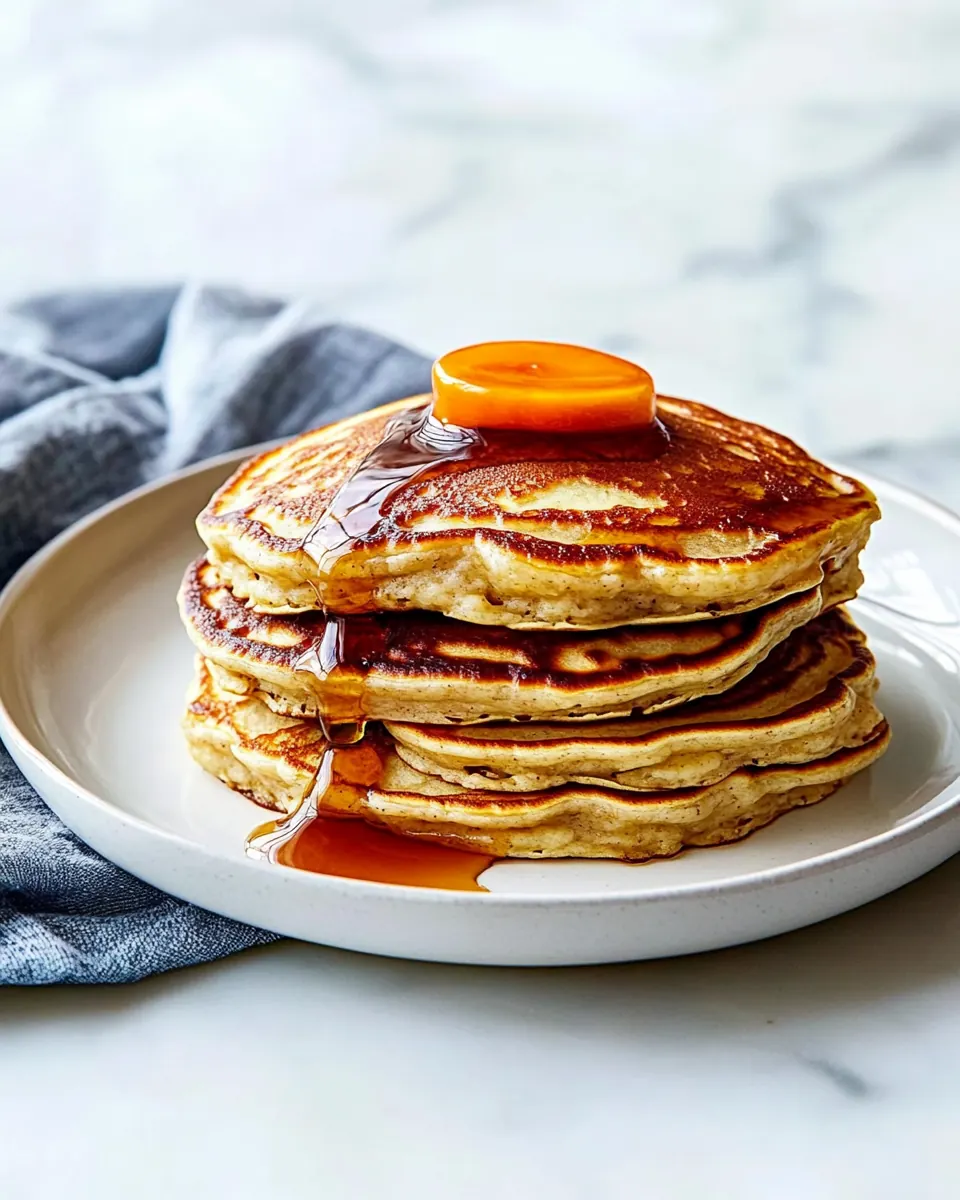
I like to think of pancake cooking as a cozy rhythm: blending, resting, and then a steady sequence at the skillet. Below I expand each direction into what you can expect to smell, see, and feel, with tips to keep everything running smoothly.
- In a blender, place the almond milk, yogurt, egg, maple syrup, avocado oil, vanilla, oats, baking powder, cinnamon, and salt and blend until smooth. Pour the mixture into a large bowl and stir to ensure that the batter is evenly combined.: The blender transforms the texture dramatically, turning rough oats into a velvety batter that smells faintly of cinnamon and vanilla. As the motor runs you will notice a steady whirl and the batter will thin out and look uniform, which is the cue that the oats are fully broken down. This smoothness is why these pancakes are tender rather than grainy. A common pitfall is under blending, which leaves noticeable bits of dry oats that can cause uneven cooking, so blend until you see no dry streaks. If your blender struggles, pause and scrape down the sides, then blend again for a few seconds to ensure even texture.
- Heat a nonstick skillet over medium-low heat and brush lightly with oil. Use a 1/3-cup measuring cup to pour the batter into the pan. Cook the pancakes for 1 to 2 minutes per side, or until puffed and golden brown, reducing the heat as needed and working in batches as necessary. The remaining batter will thicken between batches. If it becomes too thick, thin it with 1 to 2 more tablespoons almond milk as needed.: After pouring, the batter should sit glossy and cohesive, with tiny air bubbles on the surface from blending. Stirring by hand helps distribute any ingredients that may have settled, especially baking powder , so each pancake rises the same. You want a uniform batter, not pockets of thicker batter that will cook at different rates. Avoid over stirring, which can deflate some of the air; a few gentle folds are enough. If you spot lumps, use a whisk to smooth them out, but do not chase perfection at the expense of time.
- Serve with maple syrup and fresh fruit.: The right surface temperature is crucial, you should feel gentle warmth from the skillet before the batter meets the pan. Brushing with a thin layer of avocado oil creates a sheen that promotes even browning and helps the pancakes release easily. If the pan is too hot the exterior will color too quickly while the interior remains raw, and if it is too cool they will be pale and flat. A good test is to sprinkle a few drops of water; they should dance and evaporate slowly, not explode. If you see smoke, lower the heat immediately to prevent burning.
- Makes about 6 pancakes.: Portioning keeps the stack uniform, producing pancakes that cook at the same rate. As the batter hits the hot surface you should hear a gentle hiss and see edges set while the center still jiggles slightly. This contrast tells you it is forming a sturdy exterior while the inside finishes. Resist the urge to press the pancake down with a spatula, which can lead to a dense texture. If your pancakes spread too quickly, your pan may be too warm or the batter too thin, in which case reduce the heat or add a bit more oats on the next round.
- Cook the pancakes for 1 to 2 minutes per side, or until puffed and golden brown, reducing the heat as needed and working in batches as necessary: Look for bubbling across the surface and a lightly browned underside before flipping. The smell will deepen to a toasty, slightly sweet aroma that signals caramelization of the sugars. Flipping too early leads to a gummy center, while waiting too long makes them dry, so watch for those bubbles and a set edge. If you notice rapid browning, lower the temperature to allow the center to cook through. Batch cooking is helpful for maintaining pan temperature and avoiding overcrowding.
- The remaining batter will thicken between batches: As the batter rests it naturally absorbs some moisture and will look noticeably thicker. This is normal and actually improves texture, but if it becomes too stiff to pour, stir in a tablespoon or two of almond milk until it reaches a pourable consistency. Thick batter can produce pancakes that cook unevenly, with burnt outsides and raw middles, so keep an eye on viscosity. Avoid adding too much liquid at once, which can make the pancakes thin and flimsy, requiring lower heat and longer cooking.
- If it becomes too thick, thin it with 1 to 2 more tablespoons almond milk as needed: When you add those small amounts of liquid, the batter will regain a glossy, flowy texture and pour cleanly from your measuring cup. The sound in the pan will change slightly, becoming a softer sizzle when the batter is at the ideal thickness. This adjustment preserves the balance between a tender crumb and good structure. A common error is to add more than necessary, so incorporate liquid gradually and test with one small pancake to confirm the final consistency.
- Serve with maple syrup and fresh fruit: The final step is about contrast and temperature, drizzle warm maple syrup over the stack and add bright fresh fruit for freshness and acidity. The syrup will gloss the pancakes and the fruit will add texture and a cooling counterpoint, enhancing the overall experience. Arrange the plate so each bite can include syrup and fruit, and consider serving immediately because pancakes soften as they cool. If you must hold them, keep them in a single layer on a warm oven tray at a low temperature to preserve texture.
- Makes about 6 pancakes: This final note helps you plan portioning, and it means you can expect a satisfying stack for two to three people depending on appetite. If you need more servings, double the recipe and work in manageable batches at the skillet to maintain consistent results. A frequent oversight is crowding the pan, which lowers temperature and leads to uneven cooking, so allow space between pancakes and keep your pan at steady medium low heat.
How to Switch It Up
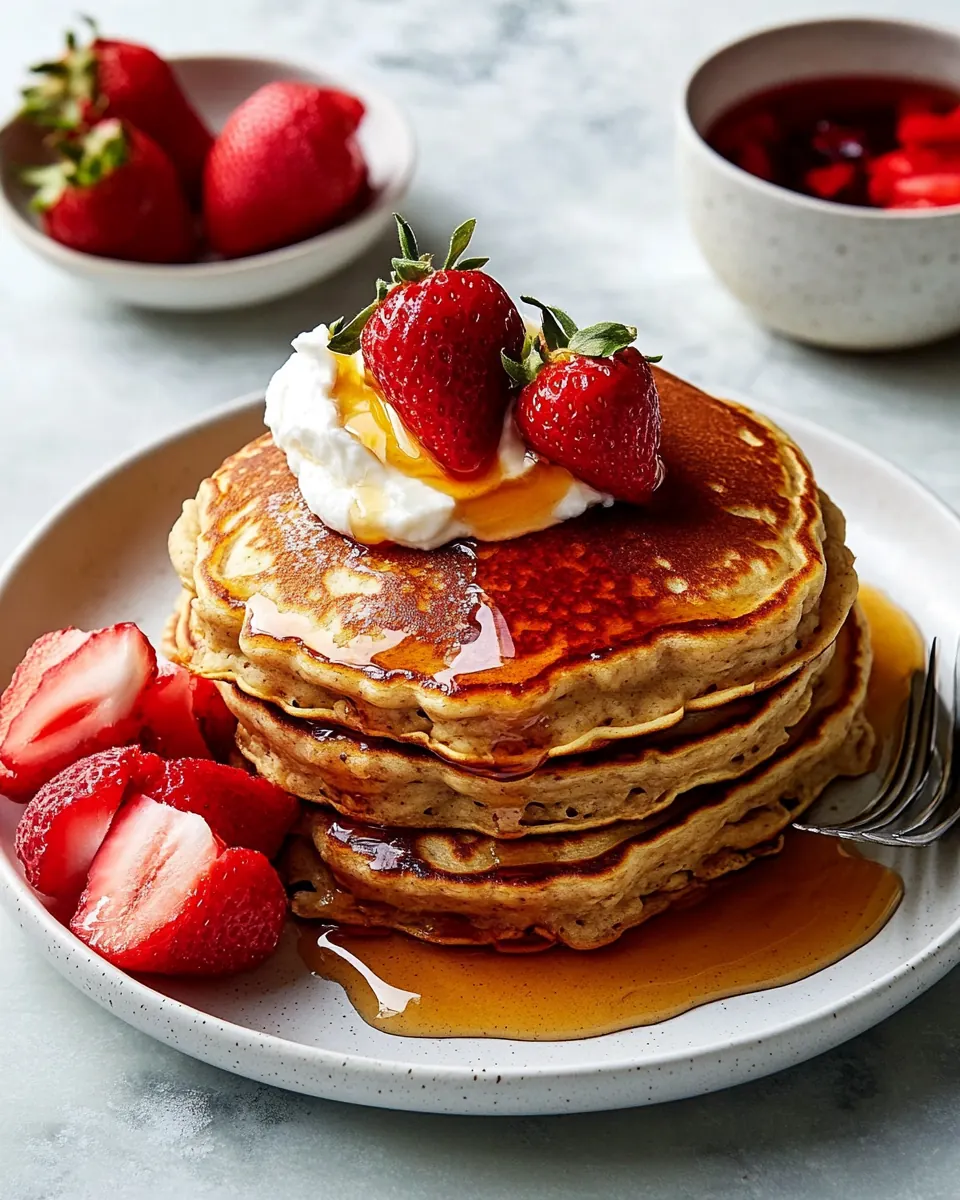
These small variations let you adapt Oatmeal Pancakes to different mornings or moods. I like experimenting with toppings and minor swaps to keep the recipe fresh while preserving the core method.
- Add a handful of berries to the batter — Fold in fresh or frozen berries after blending for bursts of bright flavor, but do so gently to avoid bleeding into the batter and turning it purple.
- Use mashed banana for extra sweetness and moisture — Replace some of the maple syrup with half a mashed banana to add natural sweetness and a softer crumb, and be mindful that a ripe banana will thin the batter slightly.
- Top with nut butter for richness — A smear of almond or peanut butter over warm pancakes adds protein and a savory contrast to the maple syrup, creating a more filling breakfast.
- Try warming spices for cooler months — Increase the cinnamon slightly or add a pinch of nutmeg for a warming profile that pairs beautifully with seasonal fruit.
- Make them gluten free with certified oats — If you need gluten free pancakes, ensure your whole rolled oats are labeled safe for gluten free diets to avoid cross contamination.
Best Served With
I like to think about pairing so the plate feels balanced, bright, and inviting. These pancakes are versatile and can be dressed for a simple family breakfast or a light brunch with friends.
- Fresh berries or sliced banana — The natural sweetness and acidity of fresh fruit cut through the richness of the pancakes and add a lively textural contrast.
- Extra maple syrup on the side — Offer warmed syrup in a small pitcher so everyone can control sweetness, and the warm syrup mingles beautifully with the tender pancake surface.
- Greek yogurt dollop — A spoonful of extra Greek yogurt brightens the plate with tang and creaminess, offering a nice counterpoint to the syrup.
- A simple fruit salad — Combine seasonal fruit for a colorful side that complements the oat flavors and keeps the meal feeling light and fresh.
- Occasions — These pancakes work well for quiet weekend breakfasts, casual brunches, or a nourishing post workout meal. They are also suitable for a Ramadan breakfast when you want something sustaining but not heavy.
- Storage tips — Store cooled pancakes in an airtight container in the refrigerator for up to three days, and reheat gently in a skillet to preserve texture. For longer storage, freeze in a single layer then stack with parchment so you can pull out only what you need.
- Seasonal pairings — In summer, top with berries and a squeeze of lemon. In fall, try warmed sliced apples with a sprinkle of cinnamon to echo the pancake flavors.
FAQ
Conclusion
These Oatmeal Pancakes stand out for their comforting texture and easy, blender friendly method. They balance wholesome oats, gentle sweetness, and bright fresh fruit for a breakfast that feels both nourishing and special. Give them a try this weekend or on a busy morning when you want something reliable and tasty. Once you taste that warm stack with syrup and fruit, I think they will become a routine you reach for again and again.
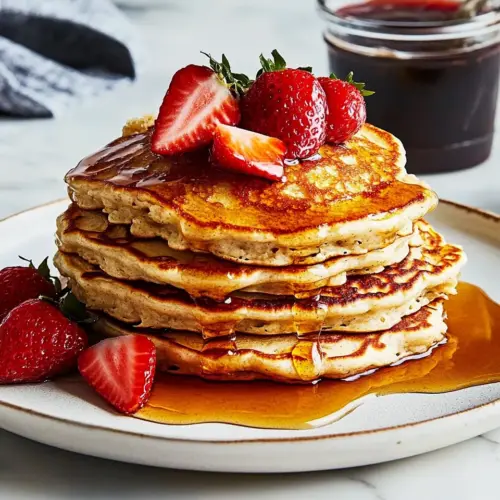
Oatmeal Pancakes
Equipment
- Blender
- nonstick skillet
- Measuring Cup
- Spatula
Ingredients
- 1/2 cup unsweetened almond milk, plus more as needed Adds creaminess and moisture while thinning batter as needed; use unsweetened almond milk to keep sweetness controlled and dairy-free. Adjust amount to achieve desired pancake batter consistency and add a splash during cooking if batter thickens.
- 1/2 cup whole milk Greek yogurt Provides tangy richness and structure while contributing protein for a tender crumb; whole milk Greek yogurt also adds moisture and helps create a light, cake-like texture. Incorporate evenly to prevent lumps and balance with the liquid ingredients.
- 1 large egg Binds ingredients together and helps leaven pancakes by trapping air when beaten; one large egg contributes to structure, moisture, and a richer flavor. Beat lightly before adding to ensure even distribution throughout the batter.
- 2 tablespoons maple syrup, plus more for serving Sweetens naturally and enhances flavor depth while helping with browning during cooking; maple syrup also adds a subtle caramel note. Use the additional syrup for serving to complement the pancakes without over-sweetening the batter.
- 1 tablespoon avocado oil, plus more for the pan Adds healthy fat for tenderness and a subtle neutral flavor while preventing sticking on the pan; avocado oil helps crisp edges and promotes even browning. Reserve a little extra for greasing the cooking surface between batches.
- 1 teaspoon vanilla extract Imparts aromatic sweetness and rounds out flavors with a warm, familiar note; vanilla extract enhances the overall taste without adding moisture. Measure precisely to avoid overpowering the batter.
- 2 cups whole rolled oats Provides bulk, texture, and hearty oat flavor while serving as the primary dry base for the pancakes; whole rolled oats contribute chewiness and fiber. Pulse briefly if a finer texture is preferred, or use whole for a rustic, wholesome bite.
- 2 teaspoons baking powder Leavens the batter to create lift and lightness by releasing gas when heated; baking powder helps pancakes rise and become fluffy. Ensure it is fresh for reliable rise and distribute evenly among dry ingredients.
- 1/2 teaspoon cinnamon Adds warm, aromatic spice and depth of flavor with subtle sweetness; cinnamon complements the oats and maple syrup. Use sparingly to balance flavors without dominating the pancake profile.
- 1/2 teaspoon salt Enhances overall flavor by balancing sweetness and bringing out other ingredients; salt also strengthens gluten structure and improves browning. Dissolve into wet ingredients or mix thoroughly with dry ingredients to ensure even seasoning.
- Fresh fruit, for serving Provides fresh, bright contrast and natural sweetness when served; fresh fruit adds color, vitamins, and textural variety. Choose seasonal berries, sliced bananas, or other fruit to complement the oat-forward pancakes.
Instructions
- In a blender, place the almond milk, yogurt, egg, maple syrup, avocado oil, vanilla, oats, baking powder, cinnamon, and salt and blend until smooth. Pour the mixture into a large bowl and stir to ensure that the batter is evenly combined.: The blender transforms the texture dramatically, turning rough oats into a velvety batter that smells faintly of cinnamon and vanilla. As the motor runs you will notice a steady whirl and the batter will thin out and look uniform, which is the cue that the oats are fully broken down. This smoothness is why these pancakes are tender rather than grainy. A common pitfall is under blending, which leaves noticeable bits of dry oats that can cause uneven cooking, so blend until you see no dry streaks. If your blender struggles, pause and scrape down the sides, then blend again for a few seconds to ensure even texture.
- Heat a nonstick skillet over medium-low heat and brush lightly with oil. Use a 1/3-cup measuring cup to pour the batter into the pan. Cook the pancakes for 1 to 2 minutes per side, or until puffed and golden brown, reducing the heat as needed and working in batches as necessary. The remaining batter will thicken between batches. If it becomes too thick, thin it with 1 to 2 more tablespoons almond milk as needed.: After pouring, the batter should sit glossy and cohesive, with tiny air bubbles on the surface from blending. Stirring by hand helps distribute any ingredients that may have settled, especially baking powder , so each pancake rises the same. You want a uniform batter, not pockets of thicker batter that will cook at different rates. Avoid over stirring, which can deflate some of the air; a few gentle folds are enough. If you spot lumps, use a whisk to smooth them out, but do not chase perfection at the expense of time.
- Serve with maple syrup and fresh fruit.: The right surface temperature is crucial, you should feel gentle warmth from the skillet before the batter meets the pan. Brushing with a thin layer of avocado oil creates a sheen that promotes even browning and helps the pancakes release easily. If the pan is too hot the exterior will color too quickly while the interior remains raw, and if it is too cool they will be pale and flat. A good test is to sprinkle a few drops of water; they should dance and evaporate slowly, not explode. If you see smoke, lower the heat immediately to prevent burning.
- Makes about 6 pancakes.: Portioning keeps the stack uniform, producing pancakes that cook at the same rate. As the batter hits the hot surface you should hear a gentle hiss and see edges set while the center still jiggles slightly. This contrast tells you it is forming a sturdy exterior while the inside finishes. Resist the urge to press the pancake down with a spatula, which can lead to a dense texture. If your pancakes spread too quickly, your pan may be too warm or the batter too thin, in which case reduce the heat or add a bit more oats on the next round.
- Cook the pancakes for 1 to 2 minutes per side, or until puffed and golden brown, reducing the heat as needed and working in batches as necessary: Look for bubbling across the surface and a lightly browned underside before flipping. The smell will deepen to a toasty, slightly sweet aroma that signals caramelization of the sugars. Flipping too early leads to a gummy center, while waiting too long makes them dry, so watch for those bubbles and a set edge. If you notice rapid browning, lower the temperature to allow the center to cook through. Batch cooking is helpful for maintaining pan temperature and avoiding overcrowding.
- The remaining batter will thicken between batches: As the batter rests it naturally absorbs some moisture and will look noticeably thicker. This is normal and actually improves texture, but if it becomes too stiff to pour, stir in a tablespoon or two of almond milk until it reaches a pourable consistency. Thick batter can produce pancakes that cook unevenly, with burnt outsides and raw middles, so keep an eye on viscosity. Avoid adding too much liquid at once, which can make the pancakes thin and flimsy, requiring lower heat and longer cooking.
- If it becomes too thick, thin it with 1 to 2 more tablespoons almond milk as needed: When you add those small amounts of liquid, the batter will regain a glossy, flowy texture and pour cleanly from your measuring cup. The sound in the pan will change slightly, becoming a softer sizzle when the batter is at the ideal thickness. This adjustment preserves the balance between a tender crumb and good structure. A common error is to add more than necessary, so incorporate liquid gradually and test with one small pancake to confirm the final consistency.
- Serve with maple syrup and fresh fruit: The final step is about contrast and temperature, drizzle warm maple syrup over the stack and add bright fresh fruit for freshness and acidity. The syrup will gloss the pancakes and the fruit will add texture and a cooling counterpoint, enhancing the overall experience. Arrange the plate so each bite can include syrup and fruit, and consider serving immediately because pancakes soften as they cool. If you must hold them, keep them in a single layer on a warm oven tray at a low temperature to preserve texture.
- Makes about 6 pancakes: This final note helps you plan portioning, and it means you can expect a satisfying stack for two to three people depending on appetite. If you need more servings, double the recipe and work in manageable batches at the skillet to maintain consistent results. A frequent oversight is crowding the pan, which lowers temperature and leads to uneven cooking, so allow space between pancakes and keep your pan at steady medium low heat.
Notes
- Add a handful of berries to the batter — Fold in fresh or frozen berries after blending for bursts of bright flavor, but do so gently to avoid bleeding into the batter and turning it purple.
- Use mashed banana for extra sweetness and moisture — Replace some of the maple syrup with half a mashed banana to add natural sweetness and a softer crumb, and be mindful that a ripe banana will thin the batter slightly.
- Top with nut butter for richness — A smear of almond or peanut butter over warm pancakes adds protein and a savory contrast to the maple syrup, creating a more filling breakfast.
- Try warming spices for cooler months — Increase the cinnamon slightly or add a pinch of nutmeg for a warming profile that pairs beautifully with seasonal fruit.
- Make them gluten free with certified oats — If you need gluten free pancakes, ensure your whole rolled oats are labeled safe for gluten free diets to avoid cross contamination.