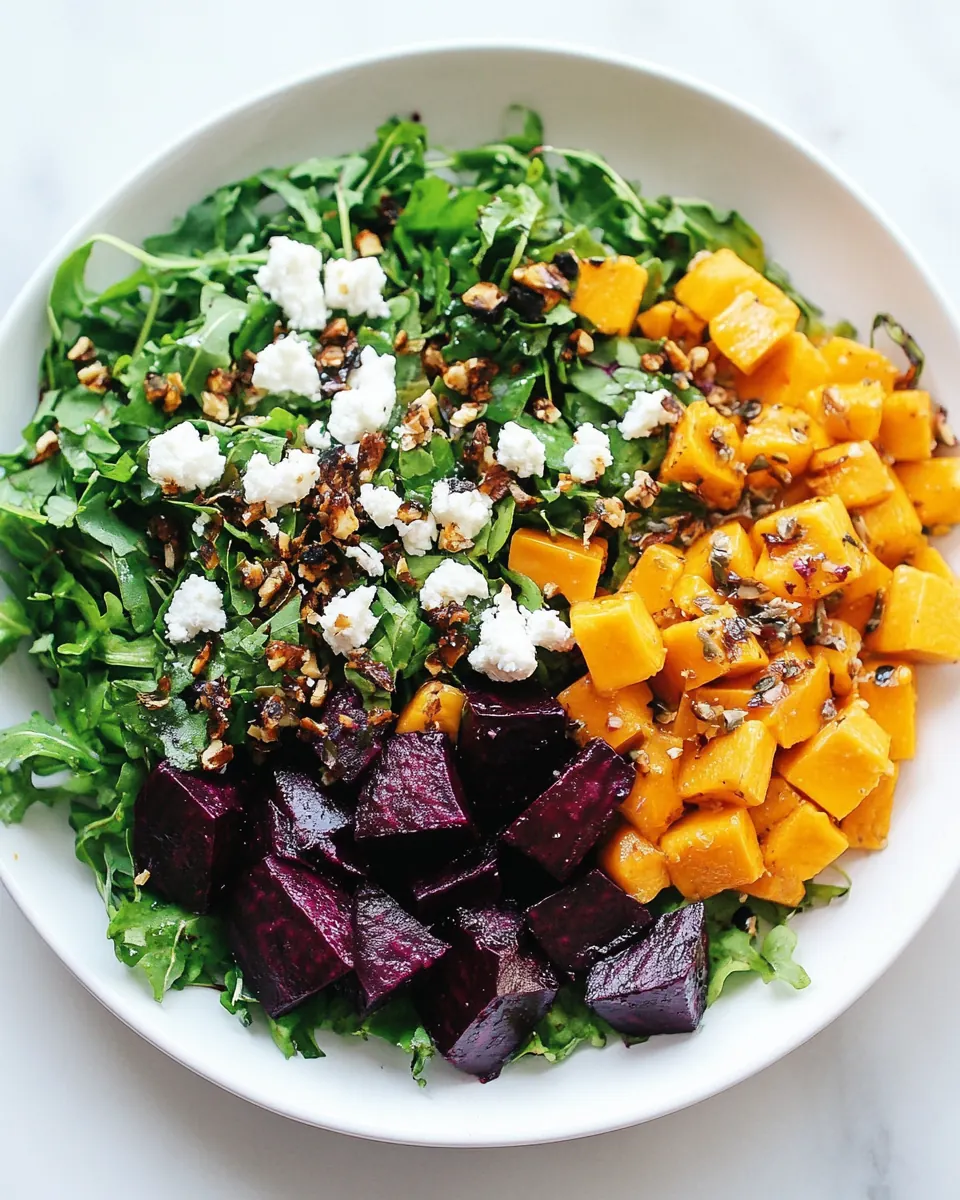
Beet and Goat Cheese Salad
Beet and Goat Cheese Salad is one of those recipes that makes me smile every time I plate it, the way bright colors and simple flavors come together to feel both special and effortless.
I first made this Beet and Goat Cheese Salad on a slow spring afternoon when I wanted something fresh after a heavy week of dinners. I remember pulling the beets from the oven as their earthy aroma filled the kitchen, and how the tang of the orange dressing cut through the sweetness in the best way. There was a small moment when I hesitated over the goat cheese, wondering if I should use more, and that little indecision turned into a ritual for me: add a modest crumble, then taste, then give in and add a touch more.
Every time I bring out this Beet and Goat Cheese Salad it sparks conversation. Guests always ask if the beets were roasted, and they are surprised by the pop of pistachio texture. I like to tell them that the secret is simple care, like zesting the orange just before making the dressing and tossing the avocado with lemon so it keeps its color. It feels like a salad, yet it stands proudly as a plated course.
Recipe Snapshot
45 mins
30 mins
15 mins
Medium
250 kcal
American
Gluten-Free, Vegan
Salads
Large sheet pan (15″ x 21″), Parchment paper, Vegetable peeler, Wide-mouth Mason Jaror other sealable container
The Beauty of This Beet and Goat Cheese Salad
Color and Contrast
I love how Beet and Goat Cheese Salad delivers a feast for the eyes and the palate. The deep, ruby beets against pale goat cheese and bright mandarin oranges creates visual contrast that makes people eager to try a forkful. This is not a tossed together bowl, it is a composed experience, and I think presentation matters.
Balanced Flavors
The dressing balances sweet orange juice, honey, and a touch of mustard with enough acidity to lift the salad. I appreciate that the dressing is bold enough to stand up to the roasted beets yet gentle enough to complement the creamy avocado and the salty crunch of chopped pistachios. Each bite moves from earthy to bright to creamy.
Texture Play
I always mention the textures when I rave about this salad. Warm roasted beets bring tenderness, the pistachios add crunch, and the crumbled goat cheese melts slightly against warm pieces, giving a rich mouthfeel. The leafy spring mix keeps everything light and fresh, and segments of mandarin oranges pop with juicy sweetness.
Make Ahead Friendly
I like that components can be prepped ahead: roast the beets, whisk the dressing, and keep the lettuce crisp in the fridge. That flexibility makes this salad a go to for entertaining. I usually assemble just before serving to preserve texture and color, and that small step makes a big difference.
Simple Yet Impressive
What I adore most is how approachable the recipe is. You do not need fancy tools, and a few thoughtful steps—peeling and roasting beets, zesting an orange, tossing an avocado with lemon—elevate the result. Guests often think I spent much longer than I did, and that little bit of kitchen theater is satisfying.
Ingredients Required for Beet and Goat Cheese Salad
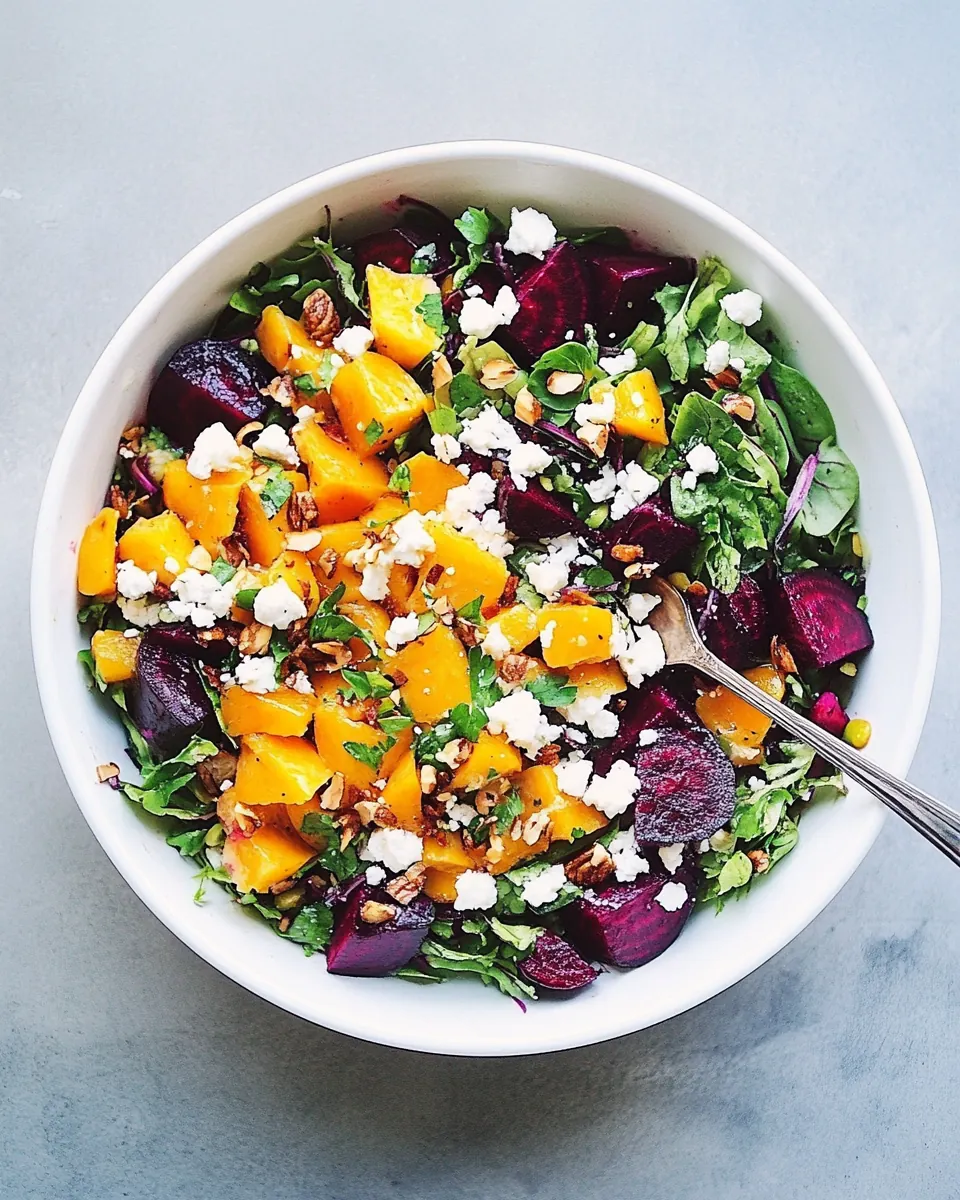
These ingredients focus on harmony between earthy, creamy, bright, and crunchy elements. The key players are the roasted beets for depth, the citrus dressing for lift, the crunchy pistachios for texture, and the goat cheese for a creamy tang. Together they form a balanced salad that feels composed and seasonal, especially in spring.
- 7 cups and 6 ounces spring mix lettuce blend I use 50/50 blend spinach and spring mix leaves: Provide a leafy base and bulk to the salad, offering a mix of tender and slightly peppery flavors ideal for pairing with sweet beets and citrus; ensures a varied texture and volume so the salad feels substantial. Add freshness and color contrast while absorbing and displaying the dressing for an attractive presentation.
- 1 large avocado: Offer creamy richness and a buttery mouthfeel that balances the acidity and sweetness from citrus and beets; bring healthy fats and a smooth texture that complements crunchy nuts and crisp greens. Slice or cube just before serving to prevent browning and preserve visual appeal.
- 1 teaspoon lemon juice: Brighten flavors and prevent avocado browning with a fresh acidic note; contribute a subtle citrus tang that lifts the overall salad profile. Use sparingly to avoid overwhelming other delicate flavors while helping dressings cling.
- 1/3 cup roasted and salted pistachios coarsely chopped: Introduce a crunchy, nutty element with a pleasant roasted flavor and slight saltiness; provide contrast to soft beets and creamy goat cheese while adding protein and healthy fats. Chop coarsely to distribute texture throughout the salad without overpowering each bite.
- 3 to 4 mandarin oranges peeled and segmented: Contribute juicy sweetness and bright citrus notes that complement earthy beets and tangy cheese; add freshness and a pop of color that enhances presentation. Segment carefully to retain juice for dressing or to gently toss into greens.
- crumbled goat cheese or feta, add to preference (I add 1/3 cup): Add tangy, creamy, and slightly salty flavor that pairs beautifully with sweet beets and citrus; provide a soft, crumbly texture that contrasts with crunchy nuts and crisp greens. Use the preferred amount to tailor the salad's creaminess and salt balance.
- 2 to 3 whole beets 1 pound and 4 ounces total: Provide earthy sweetness and firm texture when roasted, serving as the central vegetable element; offer deep flavor complexity that anchors the salad. Roast, peel, and slice or cube to evenly distribute the beet flavor and color throughout the mix.
- 1 tablespoon olive oil: Coat beets lightly to help roasting and caramelization while adding fruity flavor; contribute a subtle richness that enhances overall mouthfeel. Use to dress beets or to incorporate into the dressing as needed.
- Salt and pepper: Season to taste and enhance all other flavors while balancing sweetness and acidity; help to bring out the natural tastes of beets, citrus, and cheese. Add gradually to avoid over-salting and to maintain harmony among ingredients.
- 1 orange 2 teaspoons zest and 1/4 cup juice: Provide bright citrus zest and juice that add aromatic oils and fresh acidity, enhancing sweetness and cutting through richness; contribute a layered orange flavor throughout the salad and dressing. Use zest sparingly for fragrance and juice for balancing the dressing.
- 1 1/2 tablespoons honey: Add natural sweetness to balance acidic and savory components in the dressing while helping to mellow sharpness from mustard or vinegar; contribute a subtle floral note depending on type. Dissolve into dressings to create a cohesive sweet-savory profile.
- 1/2 teaspoon Dijon-style mustard: Emulsify and add a tangy depth to the dressing while helping oil and juice combine; provide savory sharpness that lifts other ingredients and adds complexity. Whisk in small amounts to control intensity and preserve balance.
- 1/4 teaspoons salt: Enhance seasoning in the dressing with a precise salty note that ties flavors together without overwhelming the salad; serve as a secondary salt source to the nuts or cheese. Measure carefully due to existing sodium from other ingredients.
- 1/4 teaspoon onion powder: Contribute a mild savory onion flavor in powdered form to the dressing, adding depth without the texture of fresh onion; help round out the sweetness and acidity for a smoother flavor profile. Use sparingly to avoid dominating more delicate citrus and herb notes.
- 1/3 cup olive oil: Provide body and richness to the dressing, balancing acidic and sweet elements while adding a silky mouthfeel; act as the primary fat that coats greens and other components. Pour slowly while whisking to create a stable emulsion.
- 1/2 tablespoon poppy seeds: Introduce tiny pops of texture and a subtle nutty flavor to the dressing that complement the salad's crunchy elements; add visual interest and a slight balance to sweetness. Stir in at the end to maintain seed integrity and even distribution.
Cooking Method for Beet and Goat Cheese Salad
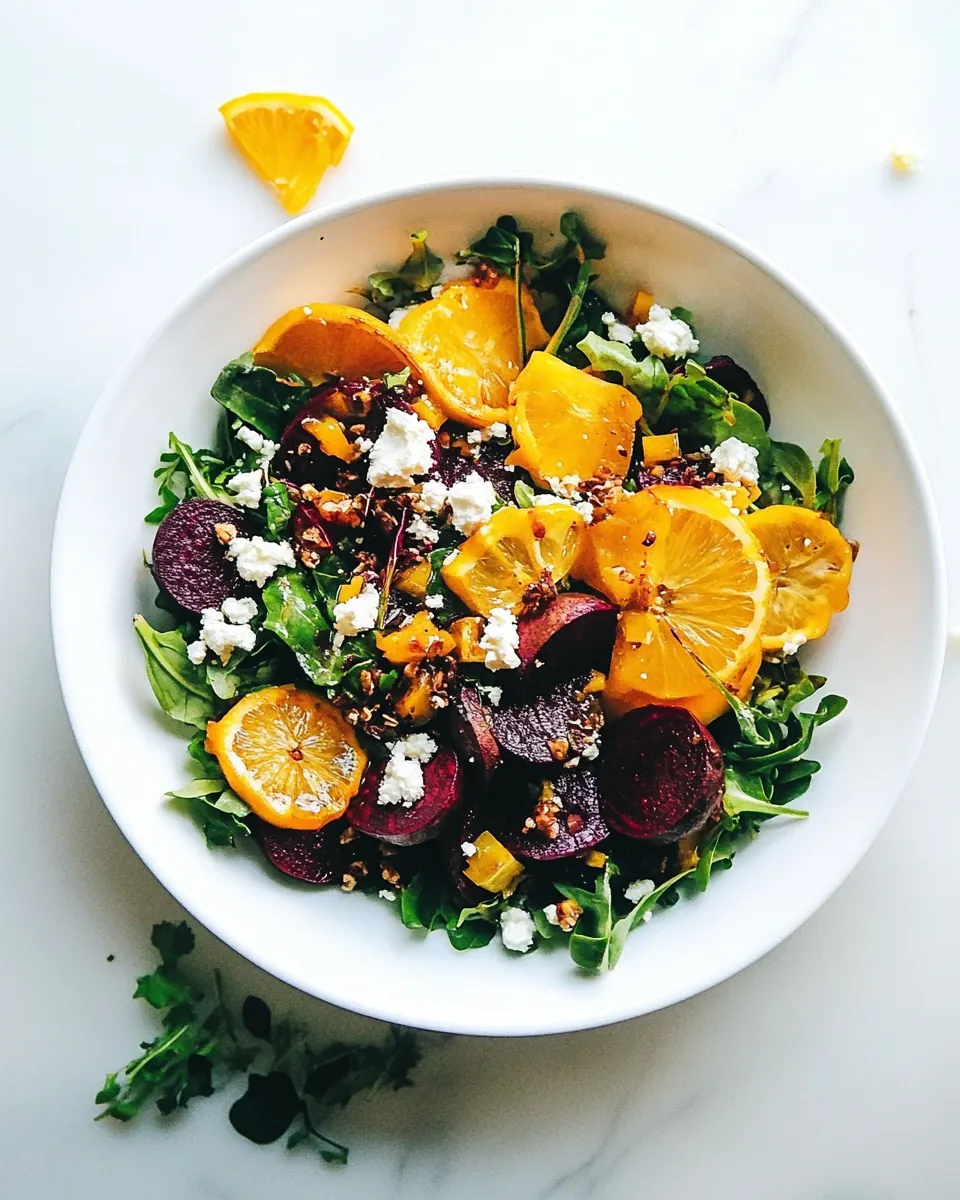
This method walks you through roasting the beets, prepping the dressing, and assembling the salad so every component sings together. Follow these steps patiently, and you will be rewarded with a well balanced, texturally interesting salad.
- Preheat oven to 400℉. Line a large 15×21-inch sheet pan with parchment paper and set aside. Remove the tops and stems of beets and peel with a vegetable peeler. Cut into 1/2- to 3/4-inch cubes. Add beet cubes to the prepared sheet pan. Drizzle 1 tablespoon oil plus salt and pepper to taste. Toss to coat the beets and spread in an even layer so beets aren’t overlapping.: The kitchen smells faintly sweet and earthy as the oven warms up, and prepping the beets this way ensures they roast rather than steam, giving you slight caramelization on the edges. You should see a glossy sheen from the olive oil and well coated cubes, not a puddle, which signals even roasting. A common mistake is overcrowding the pan which leads to steaming; avoid this by keeping a single layer so the cubes brown at the edges and develop more complexity of flavor. If your beets are very small or large, adjust the cube size slightly to maintain consistent doneness.
- Bake 15 minutes, remove and toss, and bake 15 more minutes. If needed, toss again and bake for another 5–10 minutes or until a fork easily pierces through a beet. Remove from oven and allow to cool to room temperature before adding to the salad. If desired, toss hot beets with 1 to 2 tablespoons of the dressing to help cool them down quicker and infuse them with more flavor.: As the beckoning roast begins, listen for a hint of caramelizing sugars which smells sweet and toasty. Tabbing the beets with a fork after the second bake gives you a tactile test for tenderness; they should yield easily but not be mushy. Tossing mid roast promotes even browning and releases steam so they crisp slightly on any exposed surface. A typical error is adding very hot beets directly to greens which wilts them; cooling prevents that and allows the dressing to cling properly. If you toss the warm beets with dressing, it penetrates the interior slightly adding depth, but do so sparingly to prevent sogginess.
- While beets are roasting, prepare the dressing. Zest the orange to get 2 teaspoons zest. Juice the orange to get 1/4 cup juice. Combine orange zest and juice with all dressing ingredients in a jar with a lid. Close tightly and shake well until combined. Taste and adjust any flavors to personal preference.: When you zest the orange , aromatic oils release and the kitchen lifts with citrus perfume, signaling freshness. The manual shaking of the jar creates an emulsion where the olive oil and orange juice become one silky dressing, and you will notice a glossy suspension dotted with poppy seeds . Tasting is crucial here because the balance between honey sweetness and mustard bite is subjective, so tweak it gently. A common slip is over sweetening; balance with more juice or a touch extra salt to keep the dressing lively. Keep the jar sealed and shake again before using if it sits for a bit.
- Place lettuce in a large bowl or on a platter. Peel and segment oranges and add to salad. Remove the pit and peel of a ripe avocado. Chop into small pieces (or thin slices) and toss with lemon juice. Add to lettuce.: The cool, crisp greens provide a contrast to the warm, roasted components, and arranging them on a platter helps with presentation. Segmenting the mandarin oranges yields neat, juice filled pockets that burst on the tongue; handle them gently to avoid rupturing. Tossing the cut avocado in lemon juice safeguards its color and adds a slight lift to its creamy texture. Avoid slicing the avocado too far in advance because it will soften and discolor; prepare it last to retain its vibrant look and texture. If your leaves are damp, pat them dry to prevent the dressing from becoming diluted.
- Drizzle dressing to preference. Then sprinkle with chopped pistachios and crumbled feta or goat cheese.: The sensory payoff arrives as you drizzle the glossy dressing over mixed components and catch the citrus aroma rising. The final scatter of chopped pistachios provides audible crunch while the crumbled goat cheese gives a creamy, slightly tangy counterpoint that melts onto warm beet pieces. A frequent misstep is overdressing; start light and add more if needed, tasting as you go. Distribute toppings evenly so every serving gets a balanced mix of textures and flavors.
Variations to Try
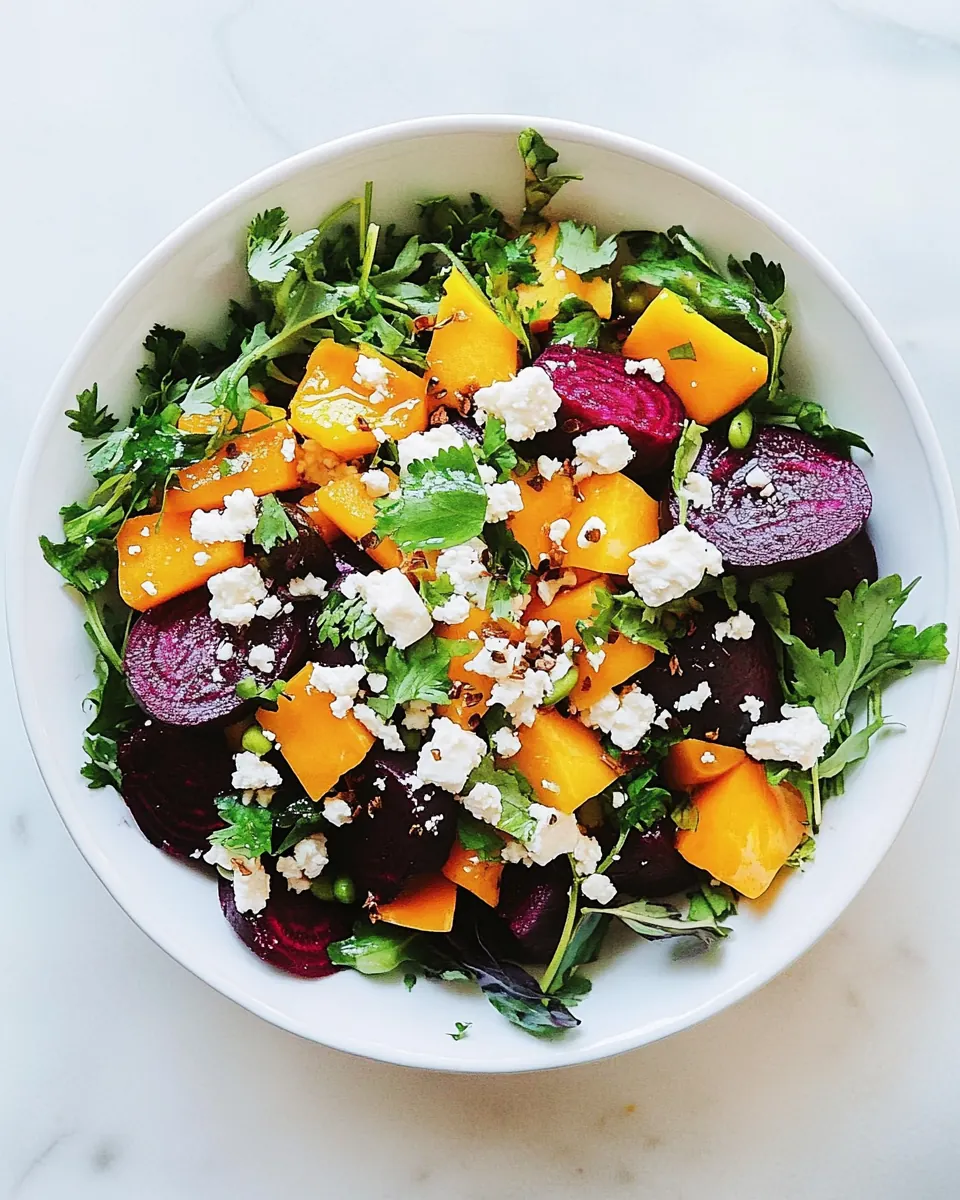
I like to experiment with small swaps to suit the season or mood, and these variations keep the core of the salad intact while offering new textures and flavors. Each tip below begins with a focused idea to try, followed by guidance so you can adapt confidently.
- Swap the cheese: Try feta for a saltier edge, crumbling it finely and tasting as you go so it does not overpower the citrus notes, making sure to distribute it evenly for balanced bites.
- Nut alternatives: Use toasted walnuts or almonds instead of pistachios if you want a different crunch profile, adjust toasting time to avoid bitterness and chop coarsely for texture contrast.
- Orange variation: Substitute blood orange when in season for deeper color and slightly floral citrus notes, ensuring you zest and juice fresh to maintain aromatic intensity.
- Make it grainy: Add a scoop of cooked farro or quinoa to bulk up the salad for a heartier side, keeping the grains cooled and fluffy before tossing to avoid wilting the greens.
- Herb boost: Fold in chopped fresh herbs like parsley or mint sparingly to add herbal brightness without competing with the citrus, using small sprigs so they do not dominate the texture.
How to Serve Beet and Goat Cheese Salad
This salad works beautifully for many occasions, and serving it with intention elevates the experience. Below are thoughtful serving suggestions, storage ideas, and occasions where it shines, presented as a list for easy use.
- As a spring luncheon centerpiece: Arrange the salad on a large platter, then scatter the pistachios and goat cheese so guests can admire the colors before serving, pairing with light sandwiches or a chilled soup for a complete menu.
- For dinner parties: Serve as a composed side alongside roasted fish or grilled vegetables, plating individual portions so each guest receives a balance of beets, avocado, and citrus segments for a polished presentation.
- Ramadan iftar option: Offer this salad as a refreshing starter to break the fast, providing hydrating citrus and clean flavors to open the meal gently, and keep the dressing separate until right before serving to preserve the greens.
- Storage tips: Keep the roasted beets in an airtight container in the fridge and store the dressing in a sealed jar. Keep the lettuce and toppings separate and assemble just before serving to maintain texture and color for best results.
- Seasonal pairings: Pair with spring vegetables like asparagus or new potatoes for a seasonal spread; in cooler months, add warm roasted root vegetables to complement the sweet earthiness of the beets.
- Make ahead strategy: Roast the beets and prepare the dressing up to two days ahead, and chop nuts and segment oranges the day of serving to retain freshness and crunch.
FAQ
Conclusion
This Beet and Goat Cheese Salad stands out because it balances earthy roasted beets, creamy goat cheese, bright citrus, and crunchy pistachios in a way that feels both effortless and special. Give it a try for your next spring lunch or simple dinner side, and see how a handful of thoughtful steps transforms humble ingredients into something memorable. I hope you enjoy making it and sharing it as much as I do, and that it becomes one of those reliably loved dishes in your rotation.
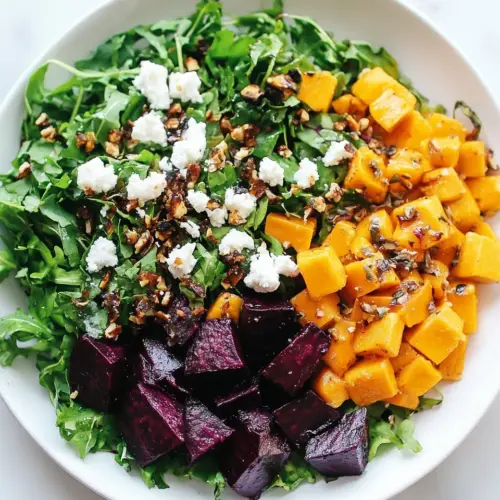
Beet and Goat Cheese Salad
Equipment
- Large sheet pan (15" x 21")
- Parchment Paper
- Vegetable Peeler
- Wide-mouth Mason Jaror other sealable container
Ingredients
- 7 cups and 6 ounces spring mix lettuce blend I use 50/50 blend spinach and spring mix leaves Provide a leafy base and bulk to the salad, offering a mix of tender and slightly peppery flavors ideal for pairing with sweet beets and citrus; ensures a varied texture and volume so the salad feels substantial. Add freshness and color contrast while absorbing and displaying the dressing for an attractive presentation.
- 1 large avocado Offer creamy richness and a buttery mouthfeel that balances the acidity and sweetness from citrus and beets; bring healthy fats and a smooth texture that complements crunchy nuts and crisp greens. Slice or cube just before serving to prevent browning and preserve visual appeal.
- 1 teaspoon lemon juice Brighten flavors and prevent avocado browning with a fresh acidic note; contribute a subtle citrus tang that lifts the overall salad profile. Use sparingly to avoid overwhelming other delicate flavors while helping dressings cling.
- 1/3 cup roasted and salted pistachios coarsely chopped Introduce a crunchy, nutty element with a pleasant roasted flavor and slight saltiness; provide contrast to soft beets and creamy goat cheese while adding protein and healthy fats. Chop coarsely to distribute texture throughout the salad without overpowering each bite.
- 3 to 4 mandarin oranges peeled and segmented Contribute juicy sweetness and bright citrus notes that complement earthy beets and tangy cheese; add freshness and a pop of color that enhances presentation. Segment carefully to retain juice for dressing or to gently toss into greens.
- crumbled goat cheese or feta, add to preference (I add 1/3 cup) Add tangy, creamy, and slightly salty flavor that pairs beautifully with sweet beets and citrus; provide a soft, crumbly texture that contrasts with crunchy nuts and crisp greens. Use the preferred amount to tailor the salad's creaminess and salt balance.
- 2 to 3 whole beets 1 pound and 4 ounces total Provide earthy sweetness and firm texture when roasted, serving as the central vegetable element; offer deep flavor complexity that anchors the salad. Roast, peel, and slice or cube to evenly distribute the beet flavor and color throughout the mix.
- 1 tablespoon olive oil Coat beets lightly to help roasting and caramelization while adding fruity flavor; contribute a subtle richness that enhances overall mouthfeel. Use to dress beets or to incorporate into the dressing as needed.
- Salt and pepper Season to taste and enhance all other flavors while balancing sweetness and acidity; help to bring out the natural tastes of beets, citrus, and cheese. Add gradually to avoid over-salting and to maintain harmony among ingredients.
- 1 orange 2 teaspoons zest and 1/4 cup juice Provide bright citrus zest and juice that add aromatic oils and fresh acidity, enhancing sweetness and cutting through richness; contribute a layered orange flavor throughout the salad and dressing. Use zest sparingly for fragrance and juice for balancing the dressing.
- 1 -1/2 tablespoons honey Add natural sweetness to balance acidic and savory components in the dressing while helping to mellow sharpness from mustard or vinegar; contribute a subtle floral note depending on type. Dissolve into dressings to create a cohesive sweet-savory profile.
- 1/2 teaspoon Dijon-style mustard Emulsify and add a tangy depth to the dressing while helping oil and juice combine; provide savory sharpness that lifts other ingredients and adds complexity. Whisk in small amounts to control intensity and preserve balance.
- 1/4 teaspoons salt Enhance seasoning in the dressing with a precise salty note that ties flavors together without overwhelming the salad; serve as a secondary salt source to the nuts or cheese. Measure carefully due to existing sodium from other ingredients.
- 1/4 teaspoon onion powder Contribute a mild savory onion flavor in powdered form to the dressing, adding depth without the texture of fresh onion; help round out the sweetness and acidity for a smoother flavor profile. Use sparingly to avoid dominating more delicate citrus and herb notes.
- 1/3 cup olive oil Provide body and richness to the dressing, balancing acidic and sweet elements while adding a silky mouthfeel; act as the primary fat that coats greens and other components. Pour slowly while whisking to create a stable emulsion.
- 1/2 tablespoon poppy seeds Introduce tiny pops of texture and a subtle nutty flavor to the dressing that complement the salad's crunchy elements; add visual interest and a slight balance to sweetness. Stir in at the end to maintain seed integrity and even distribution.
Instructions
- Preheat oven to 400℉. Line a large 15×21-inch sheet pan with parchment paper and set aside. Remove the tops and stems of beets and peel with a vegetable peeler. Cut into 1/2- to 3/4-inch cubes. Add beet cubes to the prepared sheet pan. Drizzle 1 tablespoon oil plus salt and pepper to taste. Toss to coat the beets and spread in an even layer so beets aren’t overlapping.: The kitchen smells faintly sweet and earthy as the oven warms up, and prepping the beets this way ensures they roast rather than steam, giving you slight caramelization on the edges. You should see a glossy sheen from the olive oil and well coated cubes, not a puddle, which signals even roasting. A common mistake is overcrowding the pan which leads to steaming; avoid this by keeping a single layer so the cubes brown at the edges and develop more complexity of flavor. If your beets are very small or large, adjust the cube size slightly to maintain consistent doneness.
- Bake 15 minutes, remove and toss, and bake 15 more minutes. If needed, toss again and bake for another 5–10 minutes or until a fork easily pierces through a beet. Remove from oven and allow to cool to room temperature before adding to the salad. If desired, toss hot beets with 1 to 2 tablespoons of the dressing to help cool them down quicker and infuse them with more flavor.: As the beckoning roast begins, listen for a hint of caramelizing sugars which smells sweet and toasty. Tabbing the beets with a fork after the second bake gives you a tactile test for tenderness; they should yield easily but not be mushy. Tossing mid roast promotes even browning and releases steam so they crisp slightly on any exposed surface. A typical error is adding very hot beets directly to greens which wilts them; cooling prevents that and allows the dressing to cling properly. If you toss the warm beets with dressing, it penetrates the interior slightly adding depth, but do so sparingly to prevent sogginess.
- While beets are roasting, prepare the dressing. Zest the orange to get 2 teaspoons zest. Juice the orange to get 1/4 cup juice. Combine orange zest and juice with all dressing ingredients in a jar with a lid. Close tightly and shake well until combined. Taste and adjust any flavors to personal preference.: When you zest the orange , aromatic oils release and the kitchen lifts with citrus perfume, signaling freshness. The manual shaking of the jar creates an emulsion where the olive oil and orange juice become one silky dressing, and you will notice a glossy suspension dotted with poppy seeds . Tasting is crucial here because the balance between honey sweetness and mustard bite is subjective, so tweak it gently. A common slip is over sweetening; balance with more juice or a touch extra salt to keep the dressing lively. Keep the jar sealed and shake again before using if it sits for a bit.
- Place lettuce in a large bowl or on a platter. Peel and segment oranges and add to salad. Remove the pit and peel of a ripe avocado. Chop into small pieces (or thin slices) and toss with lemon juice. Add to lettuce.: The cool, crisp greens provide a contrast to the warm, roasted components, and arranging them on a platter helps with presentation. Segmenting the mandarin oranges yields neat, juice filled pockets that burst on the tongue; handle them gently to avoid rupturing. Tossing the cut avocado in lemon juice safeguards its color and adds a slight lift to its creamy texture. Avoid slicing the avocado too far in advance because it will soften and discolor; prepare it last to retain its vibrant look and texture. If your leaves are damp, pat them dry to prevent the dressing from becoming diluted.
- Drizzle dressing to preference. Then sprinkle with chopped pistachios and crumbled feta or goat cheese.: The sensory payoff arrives as you drizzle the glossy dressing over mixed components and catch the citrus aroma rising. The final scatter of chopped pistachios provides audible crunch while the crumbled goat cheese gives a creamy, slightly tangy counterpoint that melts onto warm beet pieces. A frequent misstep is overdressing; start light and add more if needed, tasting as you go. Distribute toppings evenly so every serving gets a balanced mix of textures and flavors.
Notes
- Swap the cheese: Try feta for a saltier edge, crumbling it finely and tasting as you go so it does not overpower the citrus notes, making sure to distribute it evenly for balanced bites.
- Nut alternatives: Use toasted walnuts or almonds instead of pistachios if you want a different crunch profile, adjust toasting time to avoid bitterness and chop coarsely for texture contrast.
- Orange variation: Substitute blood orange when in season for deeper color and slightly floral citrus notes, ensuring you zest and juice fresh to maintain aromatic intensity.
- Make it grainy: Add a scoop of cooked farro or quinoa to bulk up the salad for a heartier side, keeping the grains cooled and fluffy before tossing to avoid wilting the greens.
- Herb boost: Fold in chopped fresh herbs like parsley or mint sparingly to add herbal brightness without competing with the citrus, using small sprigs so they do not dominate the texture.
