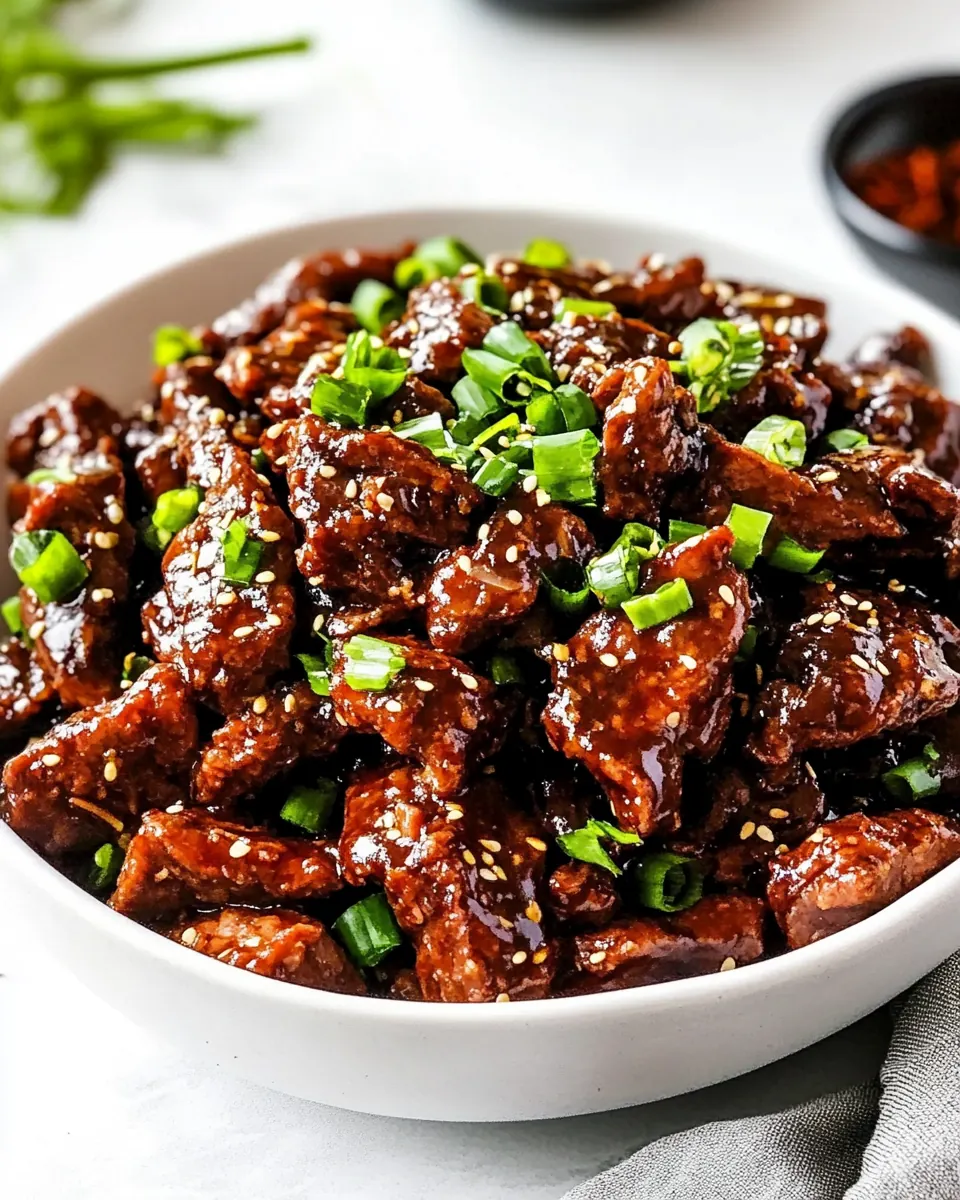
Ginger Beef
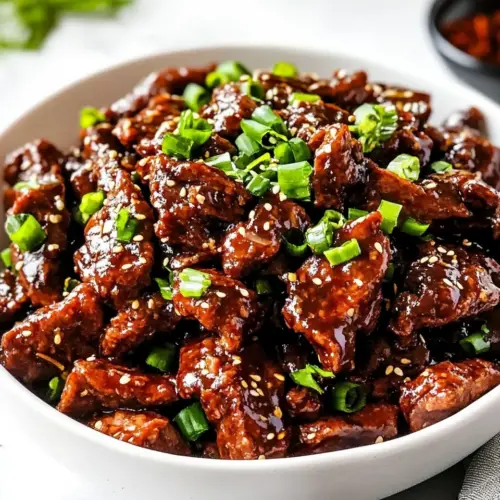
Ginger Beef is the kind of dish I reach for when I want something saucy, crunchy and deeply comforting all at once.
Years ago I first tried a version of this at a little neighborhood joint where the kitchen turned out mountains of crispy, cinnamon scented beef that disappeared in minutes. Ever since, I have chased that balance between crisp exterior and a sauce that soaks into every bite. That early meal taught me to respect timing, the role of a thin sauce, and why resting meat briefly in the freezer makes all the difference.
At home I usually make a double batch, because friends always show up the moment the aroma of garlic and fresh ginger begins to fill the air. I learned to tweak the sugar and soy to match my mood, and to toss the finished beef with toasted sesame seeds and bright green onions for a final layer of texture and brightness. When I plate it over steamed rice, it becomes a weeknight hero, and when I serve it with a crisp salad, it becomes a shared celebration.
Recipe Snapshot
40 mins
15 mins
25 mins
Medium
450 kcal
Asian
Gluten-Free, Low FODMAP
Dinner
Dutch oven, Slotted spoon, Large skillet, Instant-read thermometer
What’s Great About This Ginger Beef
1. Crispy yet saucy texture that sings
I love how Ginger Beef delivers a wonderful contrast between the crunchy battered beef and the thin, flavorful sauce. The batter crisps into little pockets that trap sauce, giving you a soft interior and a satisfying snap on the outside. That interplay is addicting, and it makes the dish memorable for dinner guests and family meals alike.
2. Bold, layered flavors
I appreciate how the recipe layers soy sauce, brown sugar, garlic and freshly grated ginger. The result is sweet, savory and lightly spicy, and every spoonful evolves as it cools just slightly. I often find myself savoring the aftertaste, where the vinegar and dark soy notes linger pleasantly on the palate.
3. Simple techniques with maximum payoff
This recipe uses basic methods you can master quickly, like battering and deep frying followed by a quick skillet toss. I like that you don’t need special training to get professional results. The timing matters, and once you understand the visual and auditory cues, you’ll hit perfect texture reliably.
4. Flexible for meal prep and company
I’ve frozen prepped beef and made sauce in advance, which makes this a fantastic option for entertaining. The components travel well, and reheating gently on the stove keeps the texture satisfying. For weeknights, it reheats beautifully and still tastes restaurant quality.
5. Crowd pleasing and customizable
I love serving this at gatherings because people go back for seconds. You can adjust the heat easily, and it pairs with many sides. It’s a dependable crowd pleaser that still feels special, and that combination is why it ranks high in my personal rotation.
What’s In This Ginger Beef
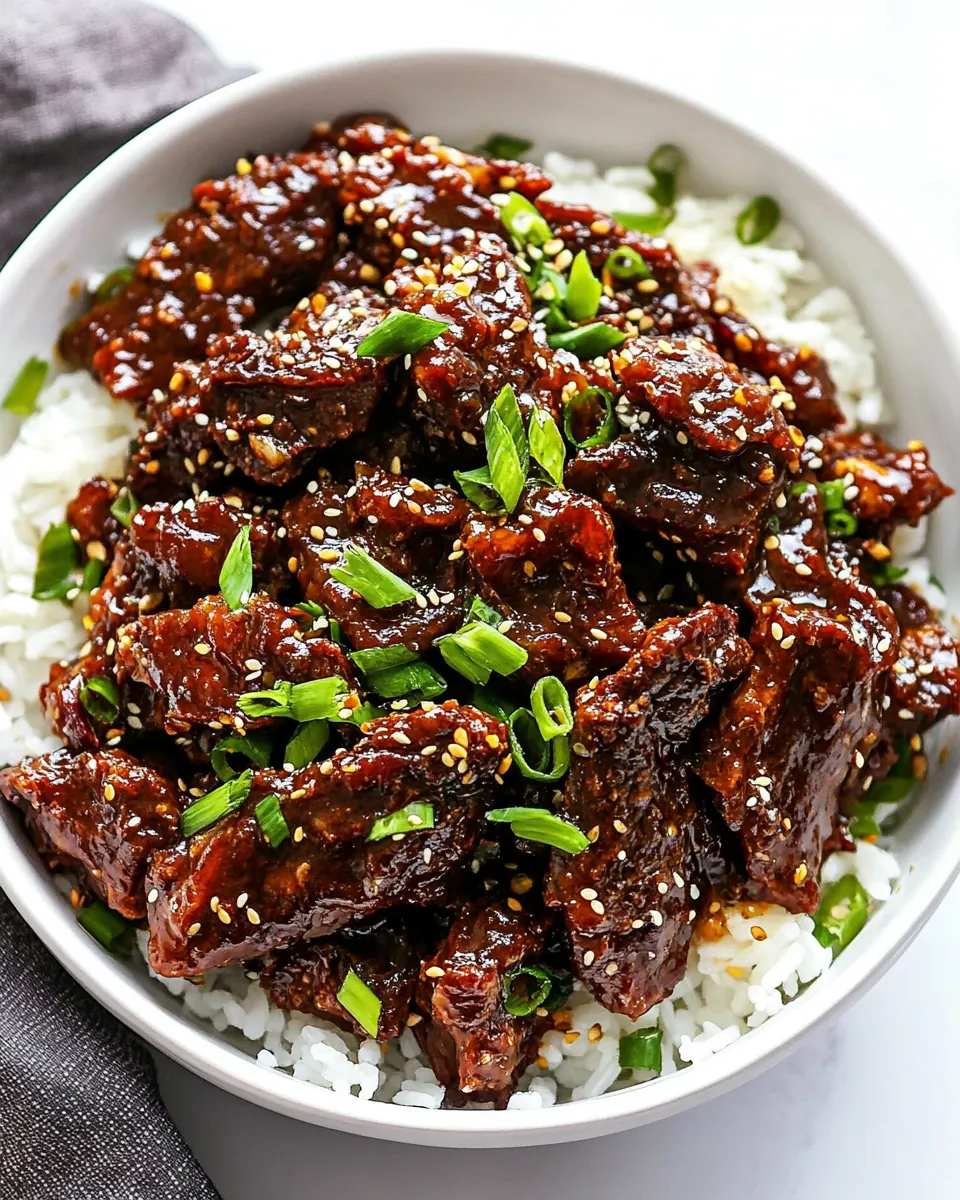
These ingredients come together to create a balanced dish that leans sweet, savory and lightly spicy. The batter, aromatics and sauce players each have distinct jobs. The dry starches create crispiness, the egg and water form a cohesive batter, the aromatics add lift and brightness, and the soy based sauce ties everything together. Each ingredient plays a clear role in texture and flavor harmony.
- 1 cup cornstarch: Coat pieces in a light, crisp layer by using as the primary dry dredge; helps achieve a crunchy exterior when fried and provides structure to the batter.
- 1/4 cup all-purpose flour: Bind with cornstarch to create a slightly elastic coating; adds body to the dredge mixture and lightens the texture for a tender bite.
- 1 teaspoon white pepper (may sub 3/4 tsp black pepper): Season the coating and meat with a warm, pungent heat; balances other flavors and enhances savory notes while allowing optional substitution for similar heat.
- 3/4 cup water: Thin the batter to the right consistency by adding gradually; creates a cohesive mixture that helps the dry ingredients adhere and fry evenly.
- 1 large egg: Enrich the batter with fat and protein for better browning and a silkier mouthfeel; helps the coating stick and contributes to a slightly richer flavor.
- 1 pound flank steak cut against the grain into 1/4 inch strips, about 3 inches long: Provide the main protein component thinly sliced to maximize tenderness; cooks quickly, absorbs sauce flavors, and offers beefy texture for the dish.
- vegetable oil, as needed: Fry and shallow-fry to crispy perfection, using enough oil to maintain a steady frying temperature; also used for stir-frying the cooked beef with sauce.
- 1/3 cup reduced sodium soy sauce: Deliver salty umami backbone to the sauce and marinade; balances sweetness and contributes depth without overpowering other aromatics.
- 1/3 cup packed brown sugar: Add caramelized sweetness and mild molasses notes to the sauce; helps create a glossy, sticky finish that complements the soy base.
- 1/4 cup water: Adjust sauce viscosity and dissolve sugar to form a cohesive glaze; used in combination with other liquids to achieve the proper consistency.
- 2 tablespoons dark soy sauce (see Notes for Substitution): Deepen the sauce color and impart a robust, slightly sweet-savory complexity; used sparingly to boost appearance and flavor intensity.
- 2 tablespoons rice vinegar: Provide bright acidity to cut through richness and balance sweetness; helps tenderize meat fibers subtly when used in the sauce.
- 1 teaspoon red pepper flakes: Introduce concentrated heat and a touch of smokiness; adds a spicy kick that complements ginger and garlic without dominating the dish.
- 1 tablespoon sesame oil: Lend a toasted, nutty aroma and finish to the sauce; used in small quantity to enhance fragrance and round out savory flavors.
- 5 cloves garlic, minced: Impart pungent, aromatic depth when sautéed; supports the ginger with savory garlic undertones and builds the foundational aroma of the dish.
- 1 tablespoon freshly grated ginger: Bring fresh, warming, zesty spice that defines the recipe’s character; pairs with garlic to create the signature ginger-forward profile.
- 1 tablespoon sesame seeds: Add a subtle crunch and light nuttiness as a final garnish; enhances visual appeal and provides a contrasting texture to the saucy beef.
- 2 green onions, thinly sliced: Contribute fresh oniony brightness and a mild sharpness as a finishing garnish; adds color, aroma, and a crisp contrast to the rich sauce.
Ginger Beef Instructions
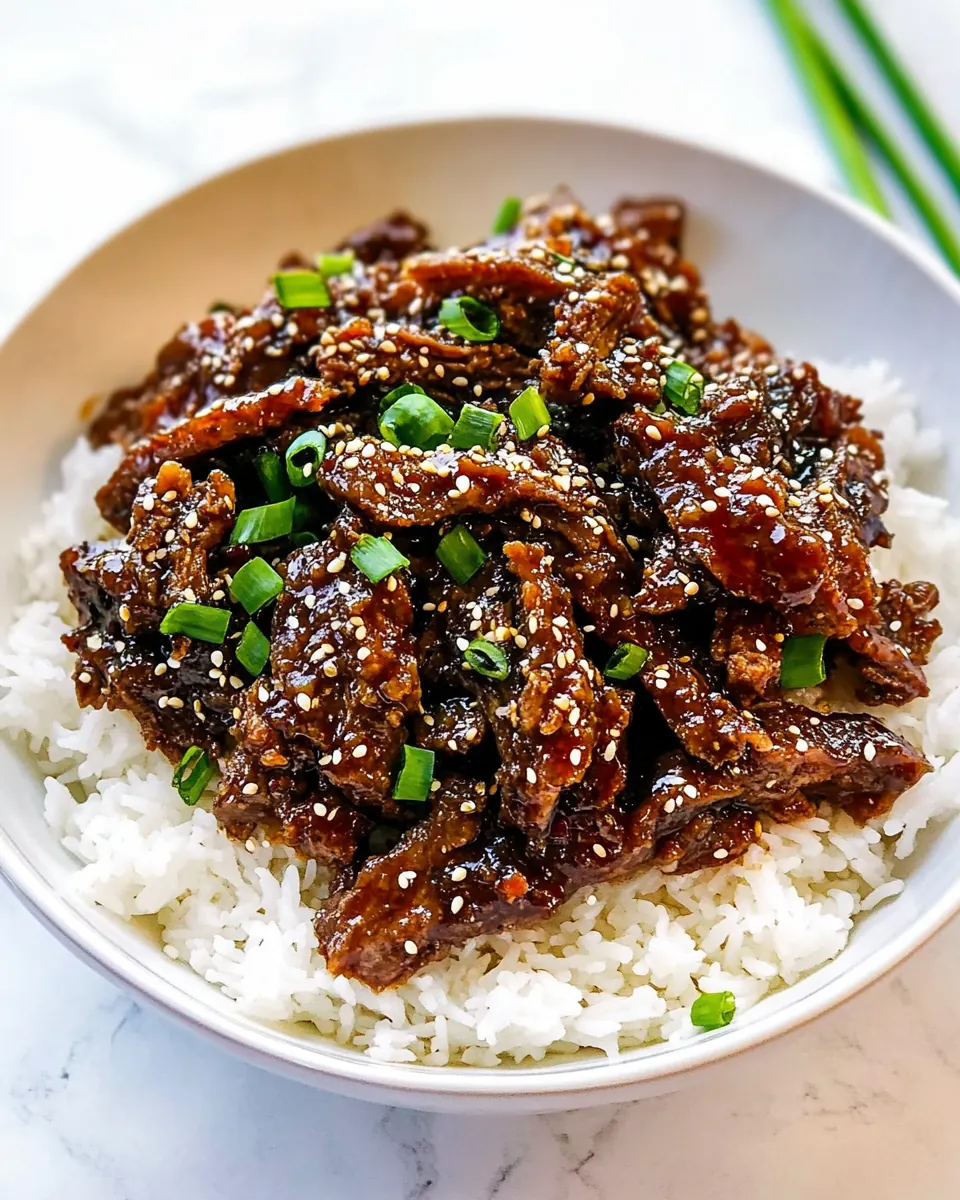
I like to think of the cooking process as a sequence of sensory checkpoints. You begin by building a light, clingy batter, then fry until the crust sings, and finish by marrying the meat with a thin, flavorful sauce. Keep your mise en place ready because the frying and final toss move quickly.
- Batter: whisk together the cornstarch, flour and white pepper in a large bowl. Add the water and egg and whisk until the batter is smooth.: whisk together the cornstarch, flour and white pepper in a large bowl. Add the water and egg and whisk until the batter is smooth : You will smell a faint starch aroma and see the mixture become glossy and cohesive, with no visible lumps, which indicates the right viscosity for clinging to the beef. The texture should be like a thick cream that drips slowly from a spoon, ensuring even coverage. Why this matters, the smooth batter forms a uniform coating that fries into a delicate, crackling shell rather than patchy clumps. A common mistake is over thinning the batter, which yields a sparse coat; keep the batter slightly thick so it adheres but not so thick that it becomes bready.
- Beef: toss the beef strips with the batter until they are fully coated.: toss the beef strips with the batter until they are fully coated : You should feel each strip become glossy and tacky as the batter adheres, and visually they will take on a pale, even sheen. This tactile change is important because it signals full coverage, which fries into even crispness. Ensuring each piece is coated prevents dry patches and promotes uniform browning. A frequent error is overcrowding the bowl, which causes uneven coating, so work in manageable batches if needed.
- Fill a large Dutch oven/pot with 2 inches of the oil. Heat the oil to 350 degrees F (177 C).: The oil should shimmer slightly and register steadily at the target temperature on a thermometer, with faint ripples on the surface. This temperature creates an immediate seal on the batter, preventing excessive oil absorption and producing a crisp crust. If the oil is too cool, the coating will be greasy and soggy; if too hot, the exterior will brown too quickly while leaving the center undercooked. Keep an instant read thermometer handy to avoid temperature swings.
- Working in batches, add the beef strips to the hot oil. Use a fork to stir and break them apart as they cook. Fry the beef strips for 3 to 4 minutes or until they are golden brown. Remove the beef strips with a slotted spoon or strainer and let them drain on a baking sheet lined with paper towels.: You will hear a steady, lively sizzle as each piece hits the oil, and the sound will change to a quieter pop as the moisture inside diminishes. Visual cues matter, watch for an even golden brown that signals Maillard development and crisp texture. Draining on paper towels prevents pooling oil and keeps the crust light. Overcrowding the pot is the most common pitfall here, causing the oil temperature to drop and producing soggy results, so maintain small batches.
- Sauce: whisk together the low sodium soy sauce, water, dark soy sauce, vinegar, brown sugar and red pepper flakes in a medium bowl. Set the sauce aside.: whisk together the low sodium soy sauce, water, dark soy sauce, vinegar, brown sugar and red pepper flakes in a medium bowl. Set the sauce aside : You will notice the brown sugar dissolving and the mixture becoming glossy, with fragrant notes of vinegar, sweet molasses and umami. Preparing the sauce in advance ensures a smooth finish when you add it to the skillet, preventing clumps and allowing flavors to marry briefly while you cook the aromatics. This step matters because a harmonized sauce distributes evenly over the beef without leaving gritty sugar granules. A mistake to avoid is adding the sauce to cold aromatics, which can mute their flavor, so have it ready to pour into a hot skillet.
- Stir fry: heat the sesame oil in a large skillet over medium-high heat. Add the garlic and ginger and cook them for 1 minute, or until fragrant. Add the sauce to the skillet and cook it, stirring constantly, for 1 to 2 minutes, until it has slightly thickened (won’t thicken much).: heat the sesame oil in a large skillet over medium-high heat. Add the garlic and ginger and cook them for 1 minute, or until fragrant. Add the sauce to the skillet and cook it, stirring constantly, for 1 to 2 minutes, until it has slightly thickened (won’t thicken much) : You will immediately smell the toasted sesame and the bright heat of fresh ginger and pungent garlic , which should become aromatic but not browned. The sauce will steam and bubble gently as the alcohol and water evaporate, becoming more cohesive and shiny. This step is crucial to wake the aromatics and let their oils infuse the sauce for depth. Overcooking the garlic is the common pitfall here, which can impart bitterness, so watch it closely and keep stirring.
- Add the fried beef strips to the skillet and toss to coat them in the sauce. Cook the beef and sauce for 1 to 2 minutes, until the sauce is thick and fully coats each beef strip. Garnish beef with the sesame seeds and green onions.: As you toss, the sizzling softens the crust slightly while the sauce glazes the pieces, producing a glossy, clingy finish that glistens under the light. You will hear a brief sizzle as the sauce meets the hot meat, and the aroma will intensify as flavors meld. This brief simmer binds sauce into the crust, producing a flavorful bite that is both saucy and crisp. Avoid letting the beef sit in the sauce for too long if you want maximum crispness, as extended simmering will soften the coating; time this toss to your preferred texture.
Ways to Customize
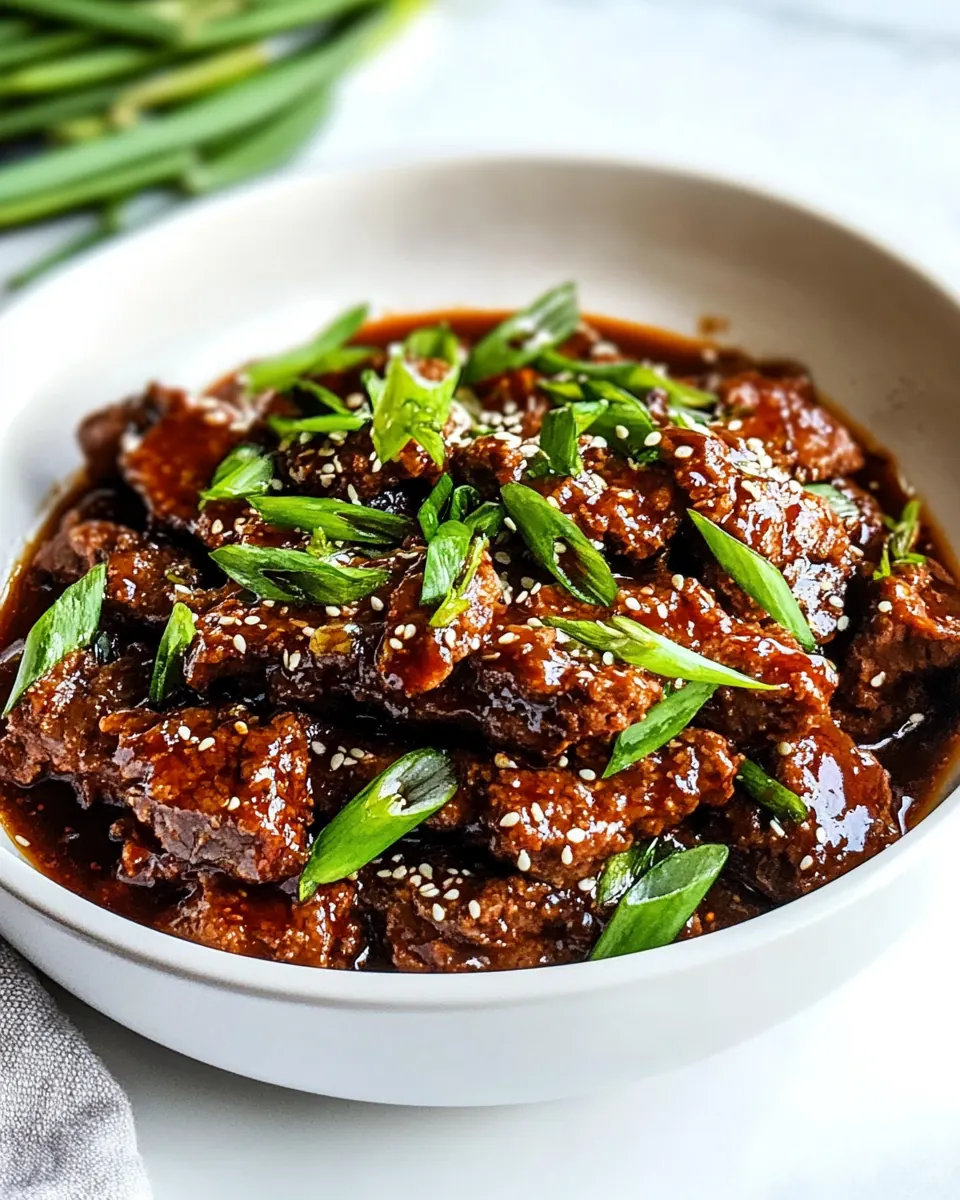
There are many ways to tailor Ginger Beef to your preferences. Below are practical adjustments and technique swaps I use depending on time, heat tolerance, and desired texture. Each tip starts with a bolded phrase for clarity.
- Adjust the heat: Reduce the red pepper flakes to 1/2 teaspoon if you prefer milder flavors, or increase gradually for more kick; always taste and adjust at the end so you don’t overshoot the spice level.
- Make it extra crispy: After frying, drain briefly then return the beef to very hot oil for 30 seconds to re-crisp before tossing in the sauce; this double-fry technique locks in crunch but watch the oil temperature closely.
- Prep ahead: Whisk the sauce up to 24 hours ahead and keep it refrigerated, bringing it to room temperature before using so the sugar redissolves easily when heated.
- Swap dark soy: If you do not have dark soy, increase the regular reduced sodium soy sauce by 1 teaspoon and add 1/2 teaspoon molasses or brown sugar for deeper color and flavor.
- Control sweetness: Reduce brown sugar by one quarter cup for a less sweet profile, then balance with a splash more rice vinegar to keep brightness.
- Oil choices: Use a neutral oil like vegetable or peanut for frying to avoid introducing competing flavors; finish with a small drizzle of sesame oil for aroma only.
- Batch cooking: Fry beef and freeze in single layer trays, then store in freezer bags for quick reheating; toss gently in a hot skillet with sauce to revive texture and flavor.
- Make it leaner: Trim visible fat from the flank steak and slice thinly across the grain to preserve tenderness while reducing excess oil in the final dish.
- Thicken the sauce: If you prefer a heavier glaze, whisk 2 teaspoons cornstarch into 2 tablespoons water and stir into the simmering sauce until glossy, but note this will reduce crust absorption.
- Garlic and ginger prep: Mince or grate fresh aromatics up to 48 hours ahead and store airtight in the fridge to save time while keeping flavor vivid.
Perfect Pairings for Ginger Beef
Ginger Beef shines when paired with simple, complementary sides that balance texture and temperature. Below are thoughtful serving ideas organized for occasions, storage suggestions, and seasonal notes to help you plan meals and presentations.
- Steamed rice: Plain steamed rice is a classic companion that soaks up the sauce and provides a neutral base to highlight the crispy beef; use jasmine or short grain for slightly stickier texture.
- Quick vegetable stir fry: Toss lightly cooked seasonal vegetables with a splash of soy for a crunchy, fresh contrast; serve immediately so the vegetables remain bright and crisp.
- Simple cucumber salad: Thinly sliced cucumbers with a light rice vinegar dressing add cooling balance to the sweet spicy beef, making it perfect for warmer weather or a lighter meal.
- Family dinner: Serve the beef family style on a platter with bowls of rice and green onions so guests can assemble their own plates; this encourages communal sharing and a casual vibe.
- Entertaining: Make smaller, bite sized portions and offer as a passed appetizer at gatherings; the crispy texture holds up well for short periods at room temperature.
- Meal prep lunches: Pack the beef and rice in separate containers to maintain texture, then reheat gently on the stove and add green onions fresh before serving for brightness.
- Storage: Store cooled leftovers in an airtight container in the refrigerator for up to 5 days; to reheat, warm gently in a skillet with a splash of water to prevent drying.
- Freezing: Freeze in single layers, then transfer to airtight containers for up to 3 months; thaw overnight in the refrigerator before gentle reheating to preserve texture.
- Seasonal pairing: In cooler months, pair with a warm, spiced side like roasted root vegetables; in summer, keep it light with crisp salads and chilled sides to contrast the warm, saucy beef.
- Occasions: Great for weeknight dinners, casual weekend gatherings, or holiday buffets where bold flavors and easy serving matter.
FAQ
Conclusion
Ginger Beef stands out because it marries a crisp, battered exterior with a thin, flavorful sauce that soaks into every bite while remaining saucy and bright. Give it a try to enjoy the satisfying contrast of textures and the lively balance of sweet, savory and slightly spicy flavors. It’s approachable enough for weeknight dinners and special enough for guests, so I encourage you to make it, share it, and tweak the heat and sweetness to your personal taste.
Ginger Beef
Equipment
- Dutch Oven
- Slotted Spoon
- Large Skillet
- Instant read thermometer
Ingredients
- 1 cup cornstarch Coat pieces in a light, crisp layer by using as the primary dry dredge; helps achieve a crunchy exterior when fried and provides structure to the batter.
- 1/4 cup all-purpose flour Bind with cornstarch to create a slightly elastic coating; adds body to the dredge mixture and lightens the texture for a tender bite.
- 1 teaspoon white pepper (may sub 3/4 tsp black pepper) Season the coating and meat with a warm, pungent heat; balances other flavors and enhances savory notes while allowing optional substitution for similar heat.
- 3/4 cup water Thin the batter to the right consistency by adding gradually; creates a cohesive mixture that helps the dry ingredients adhere and fry evenly.
- 1 large egg Enrich the batter with fat and protein for better browning and a silkier mouthfeel; helps the coating stick and contributes to a slightly richer flavor.
- 1 pound flank steak cut against the grain into 1/4 inch strips, about 3 inches long Provide the main protein component thinly sliced to maximize tenderness; cooks quickly, absorbs sauce flavors, and offers beefy texture for the dish.
- vegetable oil, as needed Fry and shallow-fry to crispy perfection, using enough oil to maintain a steady frying temperature; also used for stir-frying the cooked beef with sauce.
- 1/3 cup reduced sodium soy sauce Deliver salty umami backbone to the sauce and marinade; balances sweetness and contributes depth without overpowering other aromatics.
- 1/3 cup packed brown sugar Add caramelized sweetness and mild molasses notes to the sauce; helps create a glossy, sticky finish that complements the soy base.
- 1/4 cup water Adjust sauce viscosity and dissolve sugar to form a cohesive glaze; used in combination with other liquids to achieve the proper consistency.
- 2 tablespoons dark soy sauce (see Notes for Substitution) Deepen the sauce color and impart a robust, slightly sweet-savory complexity; used sparingly to boost appearance and flavor intensity.
- 2 tablespoons rice vinegar Provide bright acidity to cut through richness and balance sweetness; helps tenderize meat fibers subtly when used in the sauce.
- 1 teaspoon red pepper flakes Introduce concentrated heat and a touch of smokiness; adds a spicy kick that complements ginger and garlic without dominating the dish.
- 1 tablespoon sesame oil Lend a toasted, nutty aroma and finish to the sauce; used in small quantity to enhance fragrance and round out savory flavors.
- 5 cloves garlic, minced Impart pungent, aromatic depth when sautéed; supports the ginger with savory garlic undertones and builds the foundational aroma of the dish.
- 1 tablespoon freshly grated ginger Bring fresh, warming, zesty spice that defines the recipe’s character; pairs with garlic to create the signature ginger-forward profile.
- 1 tablespoon sesame seeds Add a subtle crunch and light nuttiness as a final garnish; enhances visual appeal and provides a contrasting texture to the saucy beef.
- 2 green onions, thinly sliced Contribute fresh oniony brightness and a mild sharpness as a finishing garnish; adds color, aroma, and a crisp contrast to the rich sauce.
Instructions
- Batter: whisk together the cornstarch, flour and white pepper in a large bowl. Add the water and egg and whisk until the batter is smooth.: whisk together the cornstarch, flour and white pepper in a large bowl. Add the water and egg and whisk until the batter is smooth : You will smell a faint starch aroma and see the mixture become glossy and cohesive, with no visible lumps, which indicates the right viscosity for clinging to the beef. The texture should be like a thick cream that drips slowly from a spoon, ensuring even coverage. Why this matters, the smooth batter forms a uniform coating that fries into a delicate, crackling shell rather than patchy clumps. A common mistake is over thinning the batter, which yields a sparse coat; keep the batter slightly thick so it adheres but not so thick that it becomes bready.
- Beef: toss the beef strips with the batter until they are fully coated.: toss the beef strips with the batter until they are fully coated : You should feel each strip become glossy and tacky as the batter adheres, and visually they will take on a pale, even sheen. This tactile change is important because it signals full coverage, which fries into even crispness. Ensuring each piece is coated prevents dry patches and promotes uniform browning. A frequent error is overcrowding the bowl, which causes uneven coating, so work in manageable batches if needed.
- Fill a large Dutch oven/pot with 2 inches of the oil. Heat the oil to 350 degrees F (177 C).: The oil should shimmer slightly and register steadily at the target temperature on a thermometer, with faint ripples on the surface. This temperature creates an immediate seal on the batter, preventing excessive oil absorption and producing a crisp crust. If the oil is too cool, the coating will be greasy and soggy; if too hot, the exterior will brown too quickly while leaving the center undercooked. Keep an instant read thermometer handy to avoid temperature swings.
- Working in batches, add the beef strips to the hot oil. Use a fork to stir and break them apart as they cook. Fry the beef strips for 3 to 4 minutes or until they are golden brown. Remove the beef strips with a slotted spoon or strainer and let them drain on a baking sheet lined with paper towels.: You will hear a steady, lively sizzle as each piece hits the oil, and the sound will change to a quieter pop as the moisture inside diminishes. Visual cues matter, watch for an even golden brown that signals Maillard development and crisp texture. Draining on paper towels prevents pooling oil and keeps the crust light. Overcrowding the pot is the most common pitfall here, causing the oil temperature to drop and producing soggy results, so maintain small batches.
- Sauce: whisk together the low sodium soy sauce, water, dark soy sauce, vinegar, brown sugar and red pepper flakes in a medium bowl. Set the sauce aside.: whisk together the low sodium soy sauce, water, dark soy sauce, vinegar, brown sugar and red pepper flakes in a medium bowl. Set the sauce aside : You will notice the brown sugar dissolving and the mixture becoming glossy, with fragrant notes of vinegar, sweet molasses and umami. Preparing the sauce in advance ensures a smooth finish when you add it to the skillet, preventing clumps and allowing flavors to marry briefly while you cook the aromatics. This step matters because a harmonized sauce distributes evenly over the beef without leaving gritty sugar granules. A mistake to avoid is adding the sauce to cold aromatics, which can mute their flavor, so have it ready to pour into a hot skillet.
- Stir fry: heat the sesame oil in a large skillet over medium-high heat. Add the garlic and ginger and cook them for 1 minute, or until fragrant. Add the sauce to the skillet and cook it, stirring constantly, for 1 to 2 minutes, until it has slightly thickened (won’t thicken much).: heat the sesame oil in a large skillet over medium-high heat. Add the garlic and ginger and cook them for 1 minute, or until fragrant. Add the sauce to the skillet and cook it, stirring constantly, for 1 to 2 minutes, until it has slightly thickened (won’t thicken much) : You will immediately smell the toasted sesame and the bright heat of fresh ginger and pungent garlic , which should become aromatic but not browned. The sauce will steam and bubble gently as the alcohol and water evaporate, becoming more cohesive and shiny. This step is crucial to wake the aromatics and let their oils infuse the sauce for depth. Overcooking the garlic is the common pitfall here, which can impart bitterness, so watch it closely and keep stirring.
- Add the fried beef strips to the skillet and toss to coat them in the sauce. Cook the beef and sauce for 1 to 2 minutes, until the sauce is thick and fully coats each beef strip. Garnish beef with the sesame seeds and green onions.: As you toss, the sizzling softens the crust slightly while the sauce glazes the pieces, producing a glossy, clingy finish that glistens under the light. You will hear a brief sizzle as the sauce meets the hot meat, and the aroma will intensify as flavors meld. This brief simmer binds sauce into the crust, producing a flavorful bite that is both saucy and crisp. Avoid letting the beef sit in the sauce for too long if you want maximum crispness, as extended simmering will soften the coating; time this toss to your preferred texture.
Notes
- Adjust the heat: Reduce the red pepper flakes to 1/2 teaspoon if you prefer milder flavors, or increase gradually for more kick; always taste and adjust at the end so you don’t overshoot the spice level.
- Make it extra crispy: After frying, drain briefly then return the beef to very hot oil for 30 seconds to re-crisp before tossing in the sauce; this double-fry technique locks in crunch but watch the oil temperature closely.
- Prep ahead: Whisk the sauce up to 24 hours ahead and keep it refrigerated, bringing it to room temperature before using so the sugar redissolves easily when heated.
- Swap dark soy: If you do not have dark soy, increase the regular reduced sodium soy sauce by 1 teaspoon and add 1/2 teaspoon molasses or brown sugar for deeper color and flavor.
- Control sweetness: Reduce brown sugar by one quarter cup for a less sweet profile, then balance with a splash more rice vinegar to keep brightness.
- Oil choices: Use a neutral oil like vegetable or peanut for frying to avoid introducing competing flavors; finish with a small drizzle of sesame oil for aroma only.
- Batch cooking: Fry beef and freeze in single layer trays, then store in freezer bags for quick reheating; toss gently in a hot skillet with sauce to revive texture and flavor.
- Make it leaner: Trim visible fat from the flank steak and slice thinly across the grain to preserve tenderness while reducing excess oil in the final dish.
- Thicken the sauce: If you prefer a heavier glaze, whisk 2 teaspoons cornstarch into 2 tablespoons water and stir into the simmering sauce until glossy, but note this will reduce crust absorption.
- Garlic and ginger prep: Mince or grate fresh aromatics up to 48 hours ahead and store airtight in the fridge to save time while keeping flavor vivid.
