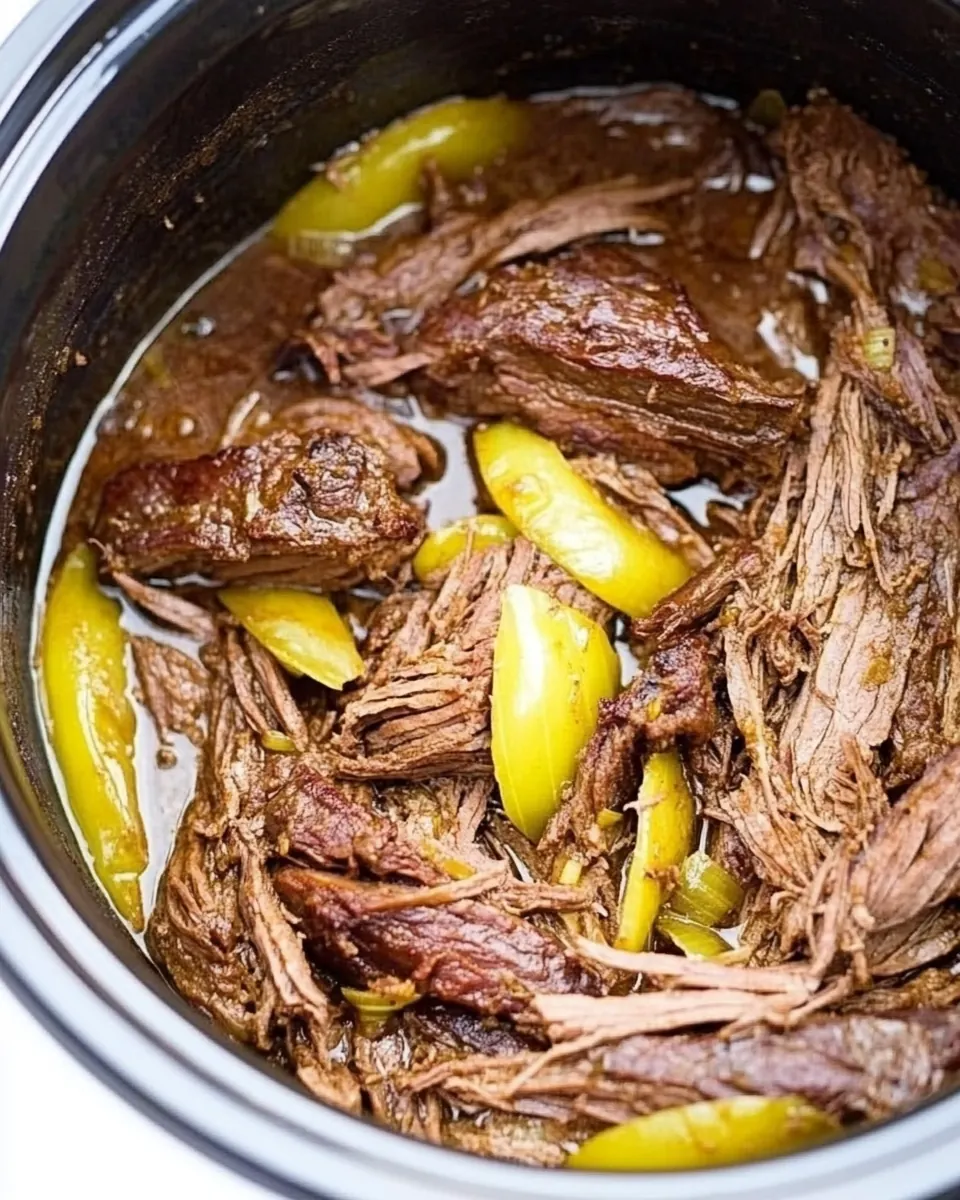
Mississippi Pot Roast
Mississippi Pot Roast is the sort of stick to your ribs, come home and relax meal I turn to when life gets busy and I want a dinner that feels like a hug.
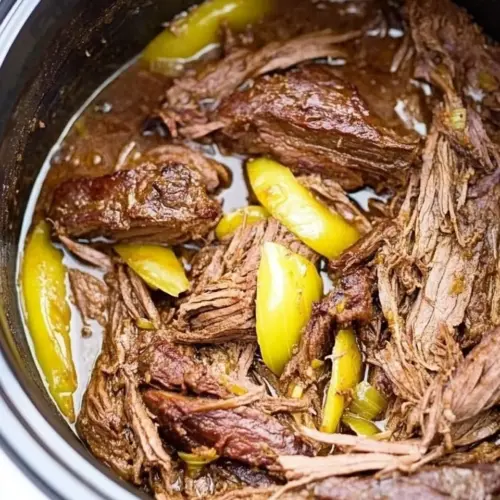
Years ago I first made this in a battered slow cooker on a rainy Sunday, and the house filled with a tangy, buttery aroma that made my neighbors ask what’s cooking. I remember lifting the lid and seeing the roast nestled in melted butter and pepperoncini, the juices glossy and fragrant. I always tell friends this recipe is forgiving, but it rewards patience, so I tend to plan the day around that slow, comforting simmer.
What I love most is how simple pantry items transform a cheap cut into something melting and rich. The combination of beef, tangy pepperoncini, and buttery pockets creates a sauce that clings to each shred of meat. Over the years I’ve adapted serving ideas and found ways to coax even more flavor out of the juices. Sharing this at casual dinners, I often pair it with mashed potatoes or soft rolls and watch people go back for seconds.
Recipe Snapshot
8 hr 10 mins
10 mins
480 mins
Hard
450 kcal
American
Keto, Gluten-Free
Dinner
Slow Cooker, Meat Thermometer, Two Forks
Why You’ll Love This Mississippi Pot Roast
Comfort made easy at home
I adore how Mississippi Pot Roast turns three main components into an effortless, soulful meal. You get deep savory notes from the beef, a buttery richness, and just enough bright tang from the pepperoncini peppers to keep the dish lively. For busy evenings, this feels like a cheat code that still tastes handcrafted.
Minimal ingredients, maximum payoff
There is something satisfying about a recipe that leans on pantry staples and still tastes luxurious. The handful of seasonings and butter create a silky braising liquid that becomes the star. I appreciate recipes that don’t require a long shopping list, and this one delivers flavor without fuss.
Versatile serving options
I love that you can serve the shredded roast several ways. Piled on mashed potatoes, spooned over egg noodles, or tucked into a soft bun, the meat soaks up the juices and changes character depending on the vehicle. That flexibility makes it perfect for weeknight dinners or casual weekend gatherings.
Forgiving technique, reliable results
Cooking low and slow is indulgent but straightforward, and this recipe tolerates scheduling shifts. If I’m running late, the roast often improves with a bit more time. My only caveat is to resist rushing the process, because that connective tissue needs time to break down for the ideal, tender texture.
Flavor built from contrast
The genius is in the contrast. The butter smooths and rounds the sauce, the gravy and ranch packets add savory depth, and the pepperoncini peppers add acidity and subtle heat. When the meat shreds, all those elements mingle into a glossy, concentrated sauce that keeps everyone reaching for more.
What to Gather for Mississippi Pot Roast
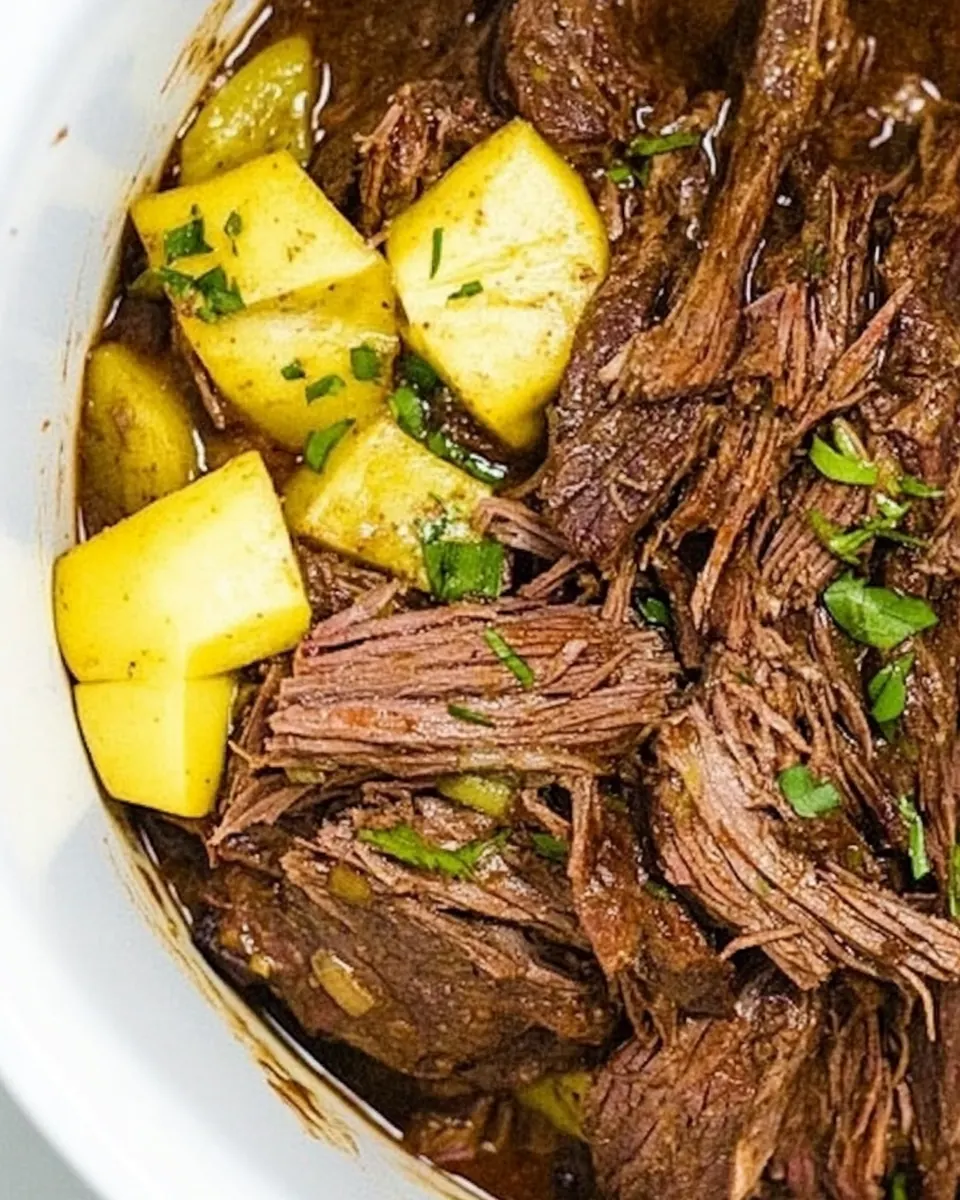
These ingredients are deliberately simple and focused. The idea is to let the braising process do the heavy lifting so a modest list of components produces deep, savory results. The key players are the beef roast for texture and flavor, the seasoning packets to build umami, and the butter plus pepperoncini peppers for fat and bright acidity. Together they create a luscious sauce that soaks into every bite.
- 3 pounds chuck beef roast you can use 2.5-3.5 pounds, see notes: Trimmed and well-marbled, provides the primary source of rich, beefy flavor and tender texture after long, slow cooking; choose a 2.5–3.5 pound chuck for optimal shredding and moist results. Allow the roast to come to room temperature before searing to promote even browning and lock in juices during braising.
- 2 tablespoons ranch seasoning: Savory seasoning blend that adds tangy, herby depth and a touch of salt to the braising liquid; sprinkle evenly over the roast to form a flavorful crust and infuse the meat as it cooks. Works well combined with other dry mixes to build complexity without additional fresh herbs.
- 2 tablespoons brown gravy dry seasoning mix can also use au jus gravy mix, these are usually found in 1 ounce packets which equals 2 tablespoons: Concentrated gravy or au jus mix that contributes umami, dark savory notes, and subtle thickness to the sauce; dissolve with the broth to create a robust cooking liquid for the roast. Can be used interchangeably with au jus packets to intensify the meaty pan juices and enhance gravy when serving.
- 1/2 cup butter sliced: Rich dairy fat that melts into the braising liquid to create a silky, decadent sauce and help baste the meat while cooking; slice into portions so it melts evenly over the roast. Adds a mellow, buttery mouthfeel that balances the tangy pepperoncini and seasoning mixes.
- 6 pieces pepperoncini peppers plus more for serving: Briny, mildly tangy pickled peppers that introduce bright acidity and a gentle heat to cut through the richness of the beef and butter; add whole pieces during cooking and extra for serving. Their pickling brine also subtly seasons the cooking liquid, contributing characteristic Mississippi-style flavor.
- 3/4 cup beef broth: Concentrated beef liquid that forms the base of the braising sauce, supplying depth, savory backbone, and additional moisture for slow cooking; combine with dry seasonings to yield a cohesive gravy. Use low-sodium broth if the seasoning mixes are particularly salty to control overall saltiness.
- 1/4 cup water: Simple liquid used to adjust the braising volume and dilute the broth or seasoning intensity, ensuring adequate moisture for even cooking; add to reach the desired liquid level without overpowering flavors. Helps produce enough sauce for spooning over the finished roast.
Step by Step Instructions for Mississippi Pot Roast
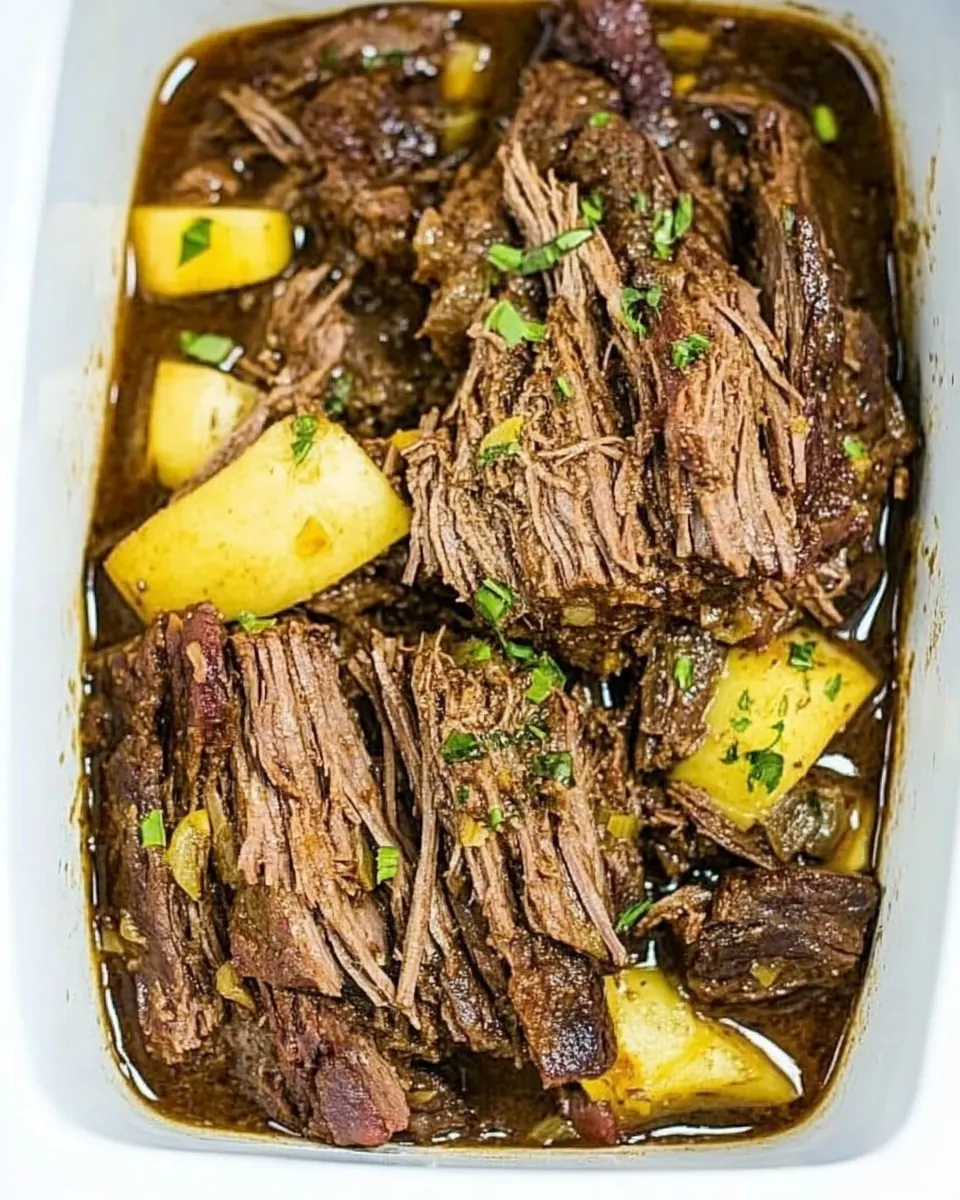
These steps guide you through a gentle, slow braise that transforms the roast into tender shreds. Take your time with the low and slow method and take note of the sensory cues described so you’ll know when the meat is properly done. Each step includes practical checks, and a common mistake to avoid so your result is consistent.
- Spray a 6 quart or 8 quart slow cooker with spray cooking oil. Place the chuck roast into the slow cooker.: The initial hiss of the spray and the cool metal meeting the raw beef sets the scene. You should notice the roast sitting snugly in the cooker, its surface slightly tacky where seasoning will adhere. This containment ensures even heat distribution. A frequent misstep is using a cooker that's too small, which crowds the meat and prevents proper circulation of heat and liquids. If the roast teeters, reposition it so the thickest part is centered.
- Sprinkle the ranch and brown gravy seasoning over the top of the roast. Slice the butter into pieces. Place the butter pieces on top of the roast. Add the pepperoncini peppers around the roast. Pour the beef broth and the water around the edges of the roast.: When the powdered seasonings meet the roast, you'll see them cling and begin to darken slightly as they absorb surface moisture. The sliced butter will sit like little yellow islands that melt steadily, releasing a rich scent. Nestling the pepperoncini peppers around the meat lets their briny liquid mingle with the broth. Pour liquids at the edges to avoid washing seasonings off the top. A common error here is dumping everything in a heap, which can prevent even seasoning. Take a moment to space the butter and peppers evenly.
- Cover the slow cooker and cook on low for 8-10 hours, or until the roast shreds easily. The roast needs to be at least 145 degrees to be safe to eat, but will taste most tender when registering over 190 degrees on a meat thermometer. See notes.: As the cooker warms, you will notice a slow perfume of beef and tang rising, and gentle bubbling at the edges. Low heat allows connective tissue to break down without drying the muscle fibers. The surface color will deepen to a caramelized brown and the liquid will reduce to a glossy sauce. Avoid the temptation to increase heat to speed things up, because that often yields a tougher texture. If you must shorten time, use high for 4 to 6 hours but watch for dryness.
- Shred the meat with two forks turned backward in the crock pot, allowing the meat to soak up the juices. Remove any large pieces of fat or chewy connective pieces as you shred.: When you pull the forks through, the beef should part easily and release clouds of savory steam. The aroma becomes more concentrated as you shred, and each strand will glisten from the sauce. Use forks with reversed tines to maximize shredding control. Watch for large pockets of fat or sinew, and trim them away as you encounter them to improve mouthfeel. A common slip is over shredding into a mush, so stop when you still see defined strands.
- Serve warm over your favorite mashed potatoes, over egg noodles or on a bun. Top with extra pepperoncini peppers if desired, then enjoy!: The final plate will show tender, glossy shreds resting on a bed that soaks up the juices, releasing savory steam and a buttery tang. The contrast between the meat and the starch is crucial for balance, and the extra pepperoncini peppers add pops of acidity with each bite. A usual mistake is serving the roast cold or without enough sauce, which makes it seem dry; always spoon some braising liquid over the meat when plating.
Recipe Notes about Mississippi Pot Roast
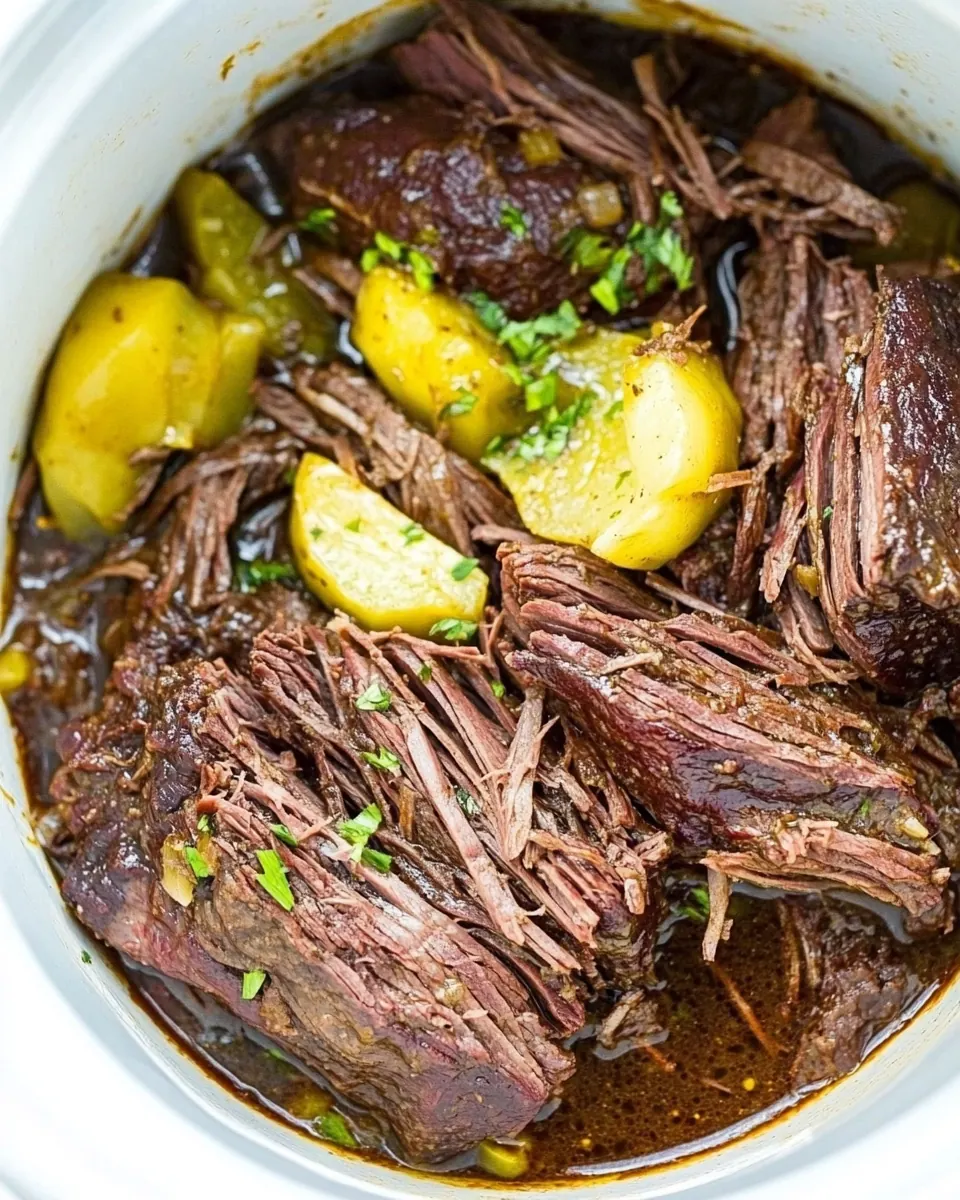
This recipe thrives on patience and small techniques that elevate simple ingredients into deep flavor. Below are expanded notes to help you troubleshoot, adapt, and serve with confidence.
- On roast selection Choose a chuck roast for the best results, because its connective tissue breaks down into a silky texture when cooked long and low; leaner cuts risk drying out and becoming stringy.
- About cooking times While the recipe calls for 8 to 10 hours on low, smaller roasts may finish earlier, so begin checking for shreddability around hour 7; using a meat thermometer helps you aim for the 190 to 195 degrees range when tenderness peaks.
- Adjusting salt Since seasoning mixes can contain salt, hold off on extra sprinkling until after shredding and tasting; you can always add, but you cannot remove excess.
- Serving sauce Spoon some of the braising liquid over the shredded meat when plating to keep each bite moist and flavorful, especially if serving on rolls or noodles that will soak juices.
- Storage and reheating Store the roast with its cooking juices in an airtight container to preserve moisture; reheat gently in a covered pan over low heat so the meat warms evenly without drying out.
Side Dish Ideas for Mississippi Pot Roast
This roast pairs beautifully with simple sides that soak up its rich juices. Think of starchy bases and crisp vegetables to balance the buttery, tangy meat. Below I outline serving styles, occasions, and storage approaches to make your meal both practical and memorable.
- Mashed potatoes The classic pairing, because fluffy mashed potatoes soak up the glossy braising liquid and create a comforting bite that contrasts with the tender meat; for a richer finish fold a little butter into the mash.
- Egg noodles Wide, soft egg noodles act like a pillow for the shredded beef, catching juices between their folds and stretching the meal for larger gatherings; toss them lightly with butter to prevent sticking before plating.
- Soft buns Pile the warm shredded roast into soft sandwich rolls for a casual, handheld option that’s perfect for game day or picnics; serve extra pepperoncini peppers on the side for those who want an extra kick.
- Roasted vegetables Hearty roasted carrots, parsnips, or potatoes add texture contrast and natural sweetness that plays well against the savory beef; roast until edges caramelize for maximum flavor.
- Green salad A crisp green salad with a simple vinegar based dressing can brighten the plate, offering a light counterpoint to the rich, buttery sauce and cutting through the heft of the meat.
- Occasions This recipe works for cozy family dinners, potlucks, and casual entertaining because it feeds a crowd and requires minimal hands on time; it’s also welcome at colder weather gatherings given its hearty nature.
- Storage tips Cool the roast slightly, then refrigerate in an airtight container with some of the braising liquid; it keeps well for up to four days and reheats gently on the stove or in a low oven to preserve texture.
- Seasonal pairing I especially enjoy this in fall and winter, when warm, slow cooked meals suit the calendar, but it’s hearty enough for weekend dinners year round when you want comfort food.
- Make ahead You can cook the roast a day ahead and refrigerate, then reheat and shred when you are ready to serve; flavors often deepen after resting overnight making the meal even more satisfying.
- Portioning For gatherings, plan about half a pound per person if serving with starchy sides; adjust up if you expect hearty appetites or fewer sides available.
FAQ
Conclusion
What makes this recipe special is the way simple pantry ingredients and patient cooking create deeply flavored, tender shredded beef. It’s one of those dishes that arrives at the table smelling like effort but tasting like comfort, with butter, savory seasonings, and pepperoncini working together in a glossy sauce. I hope you give it a try, whether for a relaxed Sunday or an easy weeknight dinner. Share it with friends or keep it all to yourself for a satisfying, homey meal.
Mississippi Pot Roast
Equipment
- Slow Cooker
- Meat Thermometer
- Two forks
Ingredients
- 3 pounds chuck beef roast you can use 2.5-3.5 pounds, see notes Trimmed and well-marbled, provides the primary source of rich, beefy flavor and tender texture after long, slow cooking; choose a 2.5–3.5 pound chuck for optimal shredding and moist results. Allow the roast to come to room temperature before searing to promote even browning and lock in juices during braising.
- 2 tablespoons ranch seasoning Savory seasoning blend that adds tangy, herby depth and a touch of salt to the braising liquid; sprinkle evenly over the roast to form a flavorful crust and infuse the meat as it cooks. Works well combined with other dry mixes to build complexity without additional fresh herbs.
- 2 tablespoons brown gravy dry seasoning mix can also use au jus gravy mix, these are usually found in 1 ounce packets which equals 2 tablespoons Concentrated gravy or au jus mix that contributes umami, dark savory notes, and subtle thickness to the sauce; dissolve with the broth to create a robust cooking liquid for the roast. Can be used interchangeably with au jus packets to intensify the meaty pan juices and enhance gravy when serving.
- 1/2 cup butter sliced Rich dairy fat that melts into the braising liquid to create a silky, decadent sauce and help baste the meat while cooking; slice into portions so it melts evenly over the roast. Adds a mellow, buttery mouthfeel that balances the tangy pepperoncini and seasoning mixes.
- 6 pieces pepperoncini peppers plus more for serving Briny, mildly tangy pickled peppers that introduce bright acidity and a gentle heat to cut through the richness of the beef and butter; add whole pieces during cooking and extra for serving. Their pickling brine also subtly seasons the cooking liquid, contributing characteristic Mississippi-style flavor.
- 3/4 cup beef broth Concentrated beef liquid that forms the base of the braising sauce, supplying depth, savory backbone, and additional moisture for slow cooking; combine with dry seasonings to yield a cohesive gravy. Use low-sodium broth if the seasoning mixes are particularly salty to control overall saltiness.
- 1/4 cup water Simple liquid used to adjust the braising volume and dilute the broth or seasoning intensity, ensuring adequate moisture for even cooking; add to reach the desired liquid level without overpowering flavors. Helps produce enough sauce for spooning over the finished roast.
Instructions
- Spray a 6 quart or 8 quart slow cooker with spray cooking oil. Place the chuck roast into the slow cooker.: The initial hiss of the spray and the cool metal meeting the raw beef sets the scene. You should notice the roast sitting snugly in the cooker, its surface slightly tacky where seasoning will adhere. This containment ensures even heat distribution. A frequent misstep is using a cooker that's too small, which crowds the meat and prevents proper circulation of heat and liquids. If the roast teeters, reposition it so the thickest part is centered.
- Sprinkle the ranch and brown gravy seasoning over the top of the roast. Slice the butter into pieces. Place the butter pieces on top of the roast. Add the pepperoncini peppers around the roast. Pour the beef broth and the water around the edges of the roast.: When the powdered seasonings meet the roast, you'll see them cling and begin to darken slightly as they absorb surface moisture. The sliced butter will sit like little yellow islands that melt steadily, releasing a rich scent. Nestling the pepperoncini peppers around the meat lets their briny liquid mingle with the broth. Pour liquids at the edges to avoid washing seasonings off the top. A common error here is dumping everything in a heap, which can prevent even seasoning. Take a moment to space the butter and peppers evenly.
- Cover the slow cooker and cook on low for 8-10 hours, or until the roast shreds easily. The roast needs to be at least 145 degrees to be safe to eat, but will taste most tender when registering over 190 degrees on a meat thermometer. See notes.: As the cooker warms, you will notice a slow perfume of beef and tang rising, and gentle bubbling at the edges. Low heat allows connective tissue to break down without drying the muscle fibers. The surface color will deepen to a caramelized brown and the liquid will reduce to a glossy sauce. Avoid the temptation to increase heat to speed things up, because that often yields a tougher texture. If you must shorten time, use high for 4 to 6 hours but watch for dryness.
- Shred the meat with two forks turned backward in the crock pot, allowing the meat to soak up the juices. Remove any large pieces of fat or chewy connective pieces as you shred.: When you pull the forks through, the beef should part easily and release clouds of savory steam. The aroma becomes more concentrated as you shred, and each strand will glisten from the sauce. Use forks with reversed tines to maximize shredding control. Watch for large pockets of fat or sinew, and trim them away as you encounter them to improve mouthfeel. A common slip is over shredding into a mush, so stop when you still see defined strands.
- Serve warm over your favorite mashed potatoes, over egg noodles or on a bun. Top with extra pepperoncini peppers if desired, then enjoy!: The final plate will show tender, glossy shreds resting on a bed that soaks up the juices, releasing savory steam and a buttery tang. The contrast between the meat and the starch is crucial for balance, and the extra pepperoncini peppers add pops of acidity with each bite. A usual mistake is serving the roast cold or without enough sauce, which makes it seem dry; always spoon some braising liquid over the meat when plating.
Notes
- On roast selection Choose a chuck roast for the best results, because its connective tissue breaks down into a silky texture when cooked long and low; leaner cuts risk drying out and becoming stringy.
- About cooking times While the recipe calls for 8 to 10 hours on low, smaller roasts may finish earlier, so begin checking for shreddability around hour 7; using a meat thermometer helps you aim for the 190 to 195 degrees range when tenderness peaks.
- Adjusting salt Since seasoning mixes can contain salt, hold off on extra sprinkling until after shredding and tasting; you can always add, but you cannot remove excess.
- Serving sauce Spoon some of the braising liquid over the shredded meat when plating to keep each bite moist and flavorful, especially if serving on rolls or noodles that will soak juices.
- Storage and reheating Store the roast with its cooking juices in an airtight container to preserve moisture; reheat gently in a covered pan over low heat so the meat warms evenly without drying out.