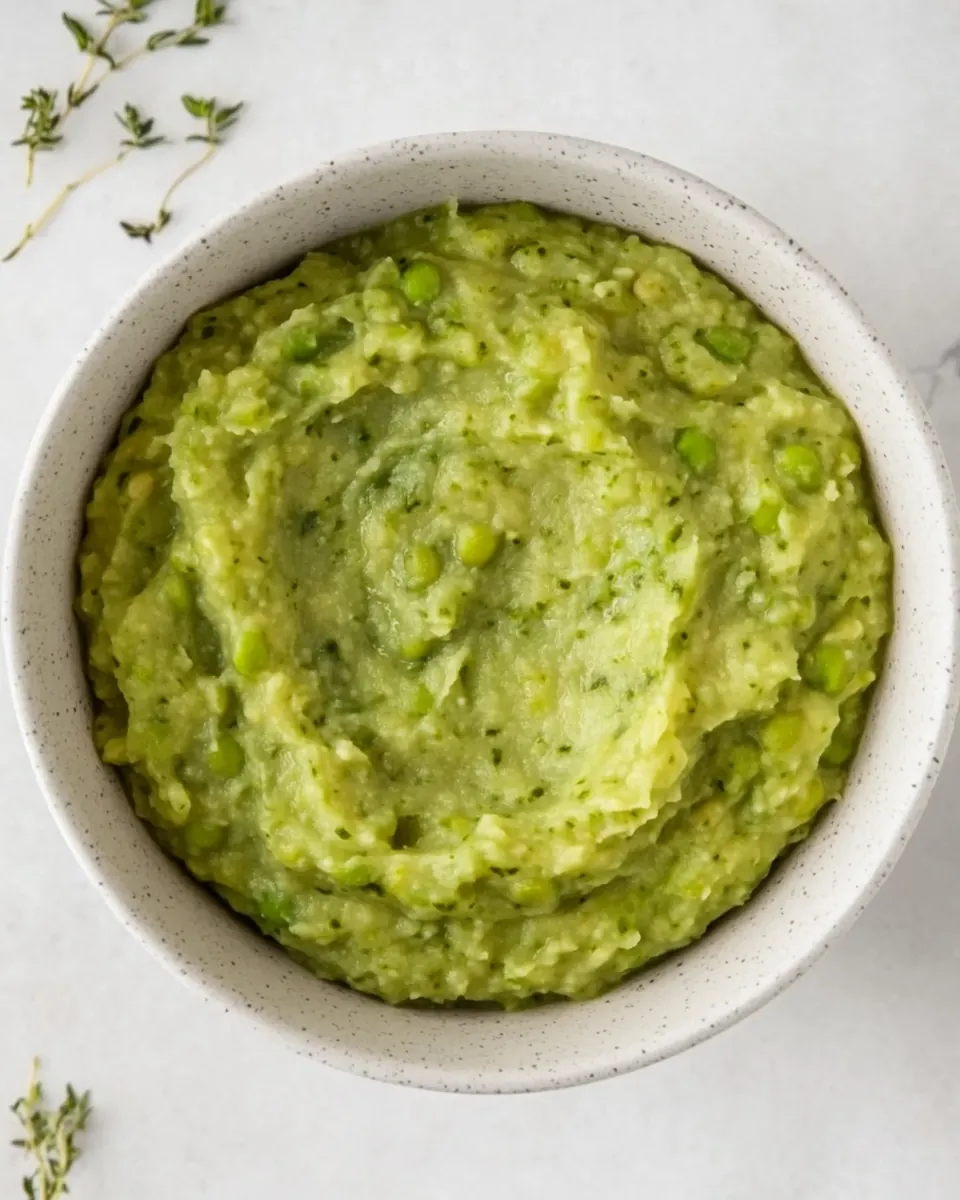
Mashed Peas
Mashed Peas is one of those recipes that slipped into my life through the small, happy routines of weekday dinners and sleepy baby feedings. The first time I made it I was tired, running low on fresh ideas, and had a single bag of frozen peas in the freezer. I remember the bright green steam rising as I drained the pot, the warm scent that felt both fresh and comforting, and the way a little bit of butter turned humble vegetables into something gently indulgent. That evening my partner reached for a second spoonful and I knew I had an instant staple.
On another night I prepped a double batch and froze portions for hurried mornings, and the convenience convinced me that this is more than a side dish, it is a small act of kitchen kindness. Over time I learned small tweaks that make the texture silky or slightly chunky depending on who I am feeding, and how a pinch of salt or a drizzle of olive oil can lift the whole bowl. This recipe has been my go to when I need something quick, nourishing, and unfussy.
Recipe Snapshot
17 mins
5 mins
12 mins
Easy
150 kcal
American
Gluten-Free, Low FODMAP
Side Dishes
Saucepan, Potato masher, Colander
The Appeal of This Mashed Peas
Bright, fresh flavor with minimal fuss
I love how Mashed Peas tastes intensely of spring, even in the middle of winter, because frozen peas lock in sun warmed sweetness. When I need a side that does not fight other dishes, this one quietly complements richer mains while still offering pleasing vegetal punch. It is a reliable pantry rescue when you want a vibrant plate in very little time.
Super adaptable texture
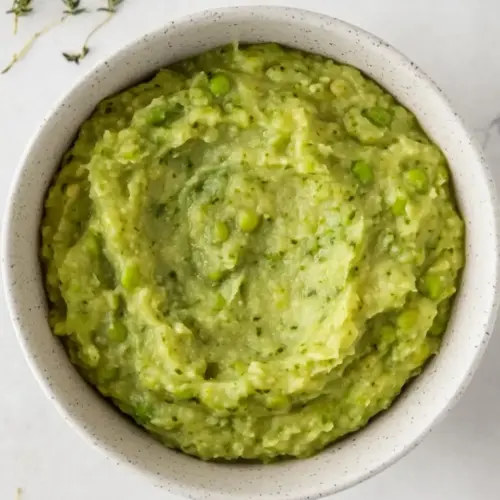
One of the reasons I reach for Mashed Peas is that I can control the mouthfeel for whoever I am feeding. I sometimes keep the mash slightly chunky for adults who appreciate a rustic bite, and other times I make it very smooth for toddlers. Swapping in a splash of cream or extra olive oil softens it to silk, while keeping a few whole peas gives it character. That flexibility makes it useful across meals and ages.
Simple ingredients that play well together
The ingredient list for Mashed Peas is deliberately short, yet every component earns its place. The combination of starchy potato and bright peas creates a creamy base without heavy dairy. Adding butter and olive oil gives richness and mouthcoating fat, and a single garlic clove adds gentle aromatic depth. I appreciate how each element enhances the final flavor without overwhelming it.
Great for batch cooking and meal prep
I often make a double batch of Mashed Peas to freeze in small portions. It defrosts beautifully and brightens hurried lunches or breakfast toasts. Because it reheats well and keeps for a couple of days in the fridge, it reduces midweek decision fatigue. For me, few small preps pay off so quickly in everyday life.
Kid friendly but grown up enough for adults
I adore that Mashed Peas appeals to both little ones and adults. When I prepare it for children, I reduce the salt and mash to a baby friendly texture. For grown up servings, I leave a few whole peas, add a finishing drizzle of olive oil, and serve it alongside roasted proteins or a crisp salad. Its universal appeal makes it a dependable choice for mixed company.
Ingredients Required for Mashed Peas
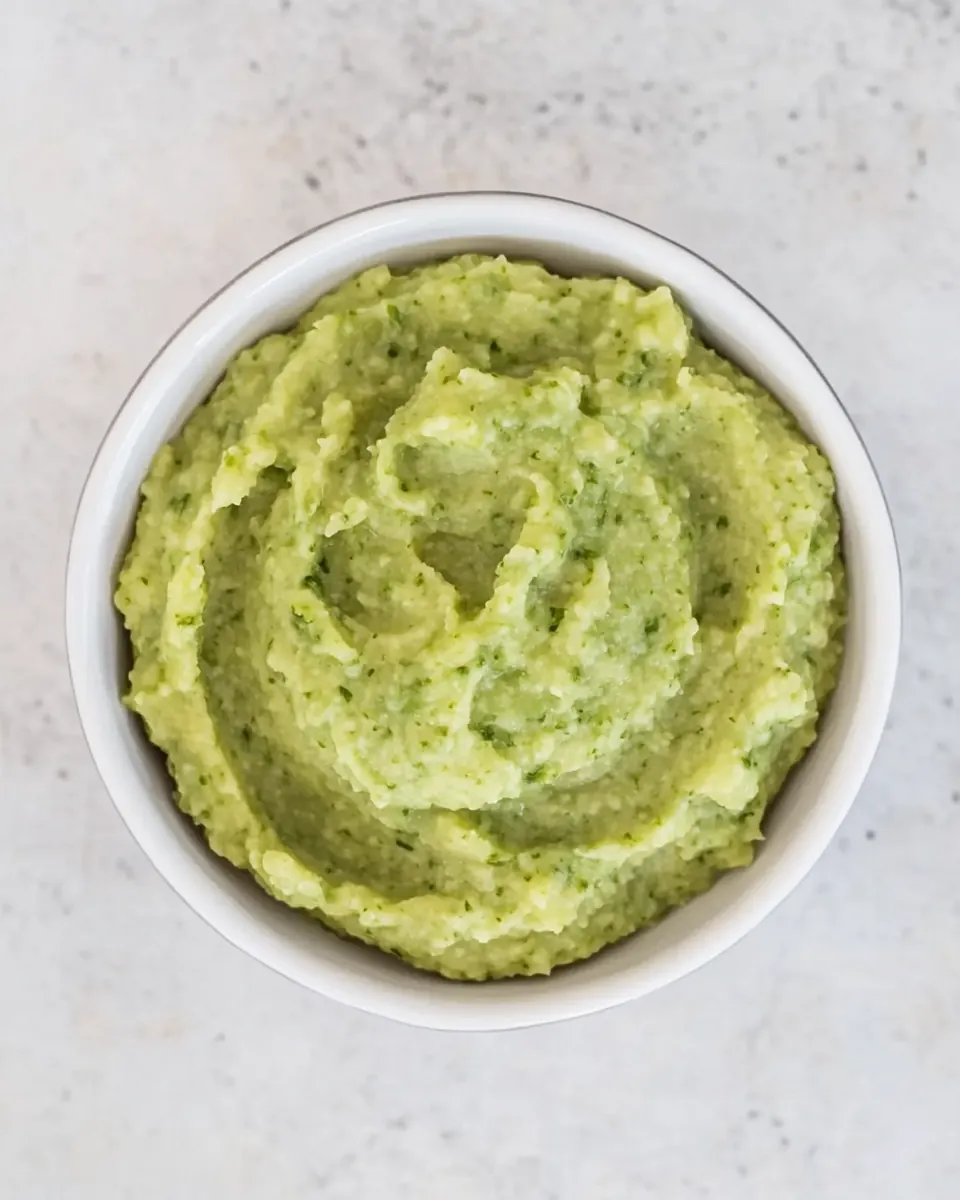
These ingredients are intentionally minimal, chosen to create balance between bright vegetal flavor and creamy comfort. The key players are the frozen peas for sweetness, the potato for body and silkiness, and the fats, butter and olive oil, which round the texture and carry flavor. Small additions like garlic and optional cream let you nudge the mash toward savory depth or luxurious smoothness.
- 2 cups frozen peas 300 grams: Frozen and tender, provide the vibrant base and natural sweetness for the mash; quickly cook from frozen to retain color and nutrients, then drain and lightly mash to achieve a smooth but slightly textured consistency. Offer bulk and nutritional value, contributing fiber, vitamins, and the classic bright green appearance of the dish. Balance starch and moisture when combined with potato and fats to prevent a watery puree.
- 1/2 potato (small, finely diced): Finely diced and starchy, add body and creaminess when cooked and mashed with peas; small dices ensure even cooking and help bind the mixture without overpowering the pea flavor. Contribute additional texture and mild earthiness, extending the volume and creating a thicker, more satisfying mash. Absorb flavors of garlic, butter, and oil for a cohesive palate.
- 1 clove garlic: Aromatic and pungent, infuse the mash with savory depth when minced and lightly sautéed or cooked briefly with peas; gentle cooking mellows sharpness and releases sweet, garlicky notes that complement the vegetables. Provide a subtle background complexity and enhance overall flavor without dominating the delicate pea profile.
- water: Neutral and essential for cooking, adjust quantity to cover peas and potato for steaming or simmering until tender; use sparingly to avoid diluting flavor while ensuring ingredients soften properly. Also employed to create the right consistency when mashing, allowing control over thickness and smoothness. Can be reserved for final adjustments to loosen the mash as needed.
- 1 tablespoon butter: Rich and creamy, add silkiness and a buttery flavor when stirred into warm mashed peas; melt gently to blend evenly without separating. Enhance mouthfeel and create a luxurious finish, helping to carry flavors and provide a cohesive, smooth texture.
- 2 tablespoons olive oil: Fruity and robust, provide a light, savory coating and prevent sticking when used early in cooking or drizzled at the end for flavor contrast; use extra-virgin olive oil for depth or a milder oil for a subtler taste. Contribute heartiness and help distribute seasonings while rounding out the dish with healthy fats.
- 1 tablespoon cream () (optional): Optional and velvety, contribute extra richness and a silky finish when added sparingly to taste; fold in at the end to avoid curdling and to mellow the pea flavors. Offer a decadent touch for a creamier mouthfeel without altering the fundamental character of the mash when used judiciously.
- salt and pepper to taste: Essential for seasoning, enhance and balance the overall flavor profile when adjusted to taste; salt brings out natural sweetness in peas and potato while pepper adds a gentle pungent warmth. Apply gradually and taste as you go to avoid over-seasoning, ensuring a well-rounded and properly seasoned mash.
Step by Step Instructions for Mashed Peas
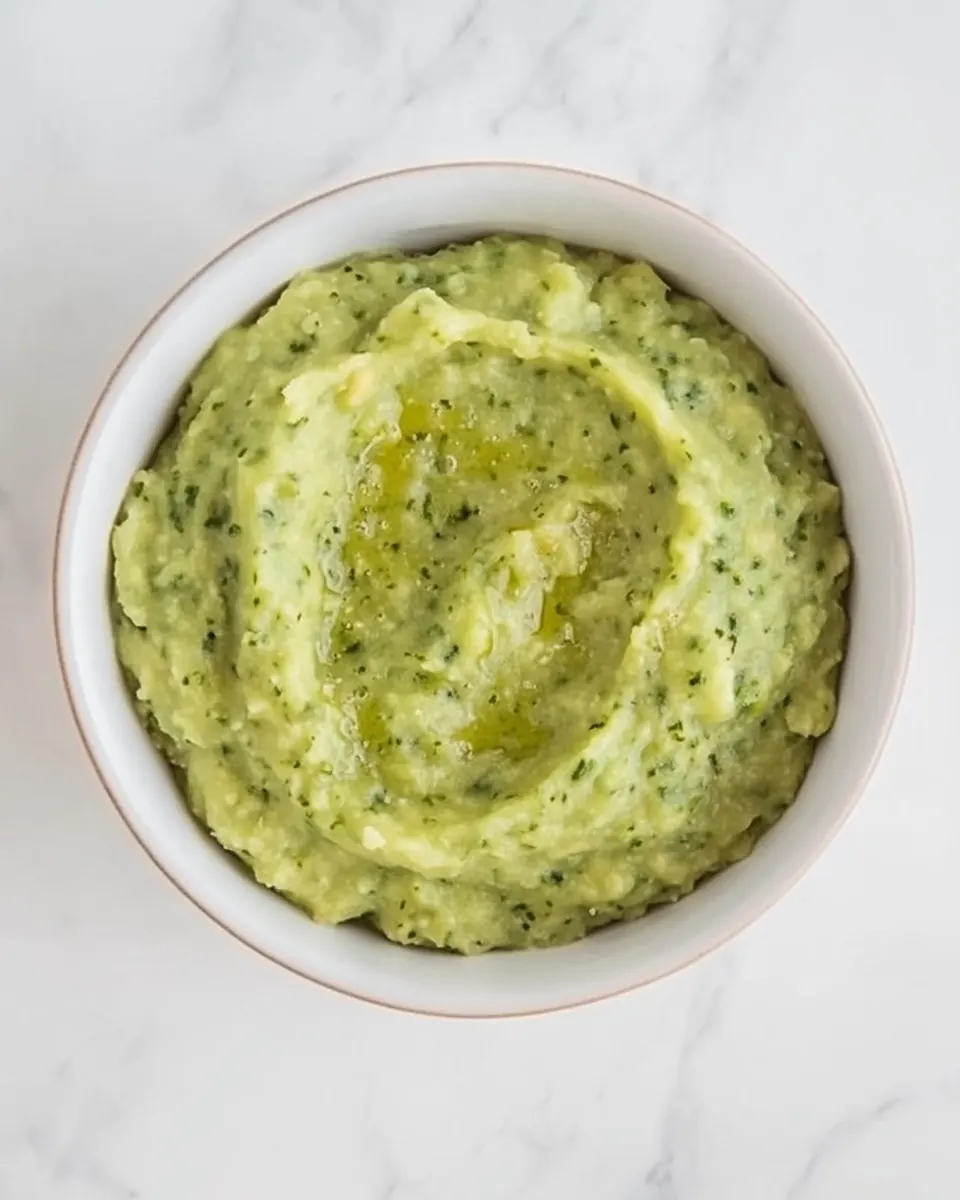
These directions are straightforward, and the method focuses on gentle cooking and mindful mashing to preserve bright flavor and pleasing texture. Below I expand each CSV line into stepwise guidance that highlights sensory cues, the reasons behind each choice, and troubleshooting tips so you can feel confident at the stove.
- In a small saucepan, add the frozen peas, diced potato, and garlic clove. Cover with just enough water to submerge the vegetables.: When you first tip the frozen peas into the saucepan you'll notice their deep green color and a cold, slightly crunchy texture. As you add the small, finely diced potato and lone garlic clove, aim to pour only enough water to just cover them so the flavors stay concentrated. This small volume allows the heat to transfer quickly, so the pot will come to temperature evenly. If you overfill the pot, the cooking liquid will dilute the vegetal sweetness and lengthen cooking time. A frequent slip is adding too much water, which results in a blander mash; the remedy is saving a little of the cooking water aside, rather than using excess at the start.
- Bring to a boil, then reduce to a simmer. Cook for 10–12 minutes, or until the potato is fork-tender. Drain the water (reserving a little if you want to thin the mash later).: You'll hear the pot move from quiet to a lively simmer, punctuated with gentle bubbling as the potato softens. The aroma will shift from raw starch to a faintly sweet, verdant note from the peas . Using a fork to test the potato is the best cue, it should slide through without resistance. Drain carefully but keep a small amount of the starchy cooking liquid in a measuring cup if you think you might loosen the mash later. A common mistake is undercooking the potato, leaving gritty texture, so always test a piece before draining.
- Add butter and olive oil to the warm veg and mash until smooth or slightly chunky, depending on your little one’s texture preference. Add a splash of water or milk to loosen if needed.: As you add the butter and olive oil to the hot vegetables, they will melt and begin to coat each piece, creating a glossy sheen. The scent will turn richer, and the mash will take on a silky mouthfeel. Use a potato masher or fork and work with patient, rhythmic pressure to achieve the texture you want. Start with gentle mashes for a chunky result or more vigorous mashing for silkier purée. If the mixture feels too stiff, add a tablespoon of the reserved cooking water or a splash of cream to loosen it. A misstep here is overworking the mash which can become gluey if the potato is too broken down, so stop when you reach the texture you like.
- Let it cool slightly before serving to babies. Store leftovers in an airtight container in the fridge for up to 2 days, or freeze in portions for later.: Cooling reveals the final texture and ensures it is safe for small mouths, the warmth settling into a comforting fragrance rather than scalding. When cooled, the mash firms slightly, so check the texture before serving to infants, and adjust with a little reserved cooking water if needed. Transfer leftovers into airtight containers to preserve color and flavor, and label frozen portions for convenience. A common oversight is placing hot food directly into the fridge which can raise temperatures; allow the mash to come closer to room temperature before refrigerating to maintain food safety and quality.
Change It Up
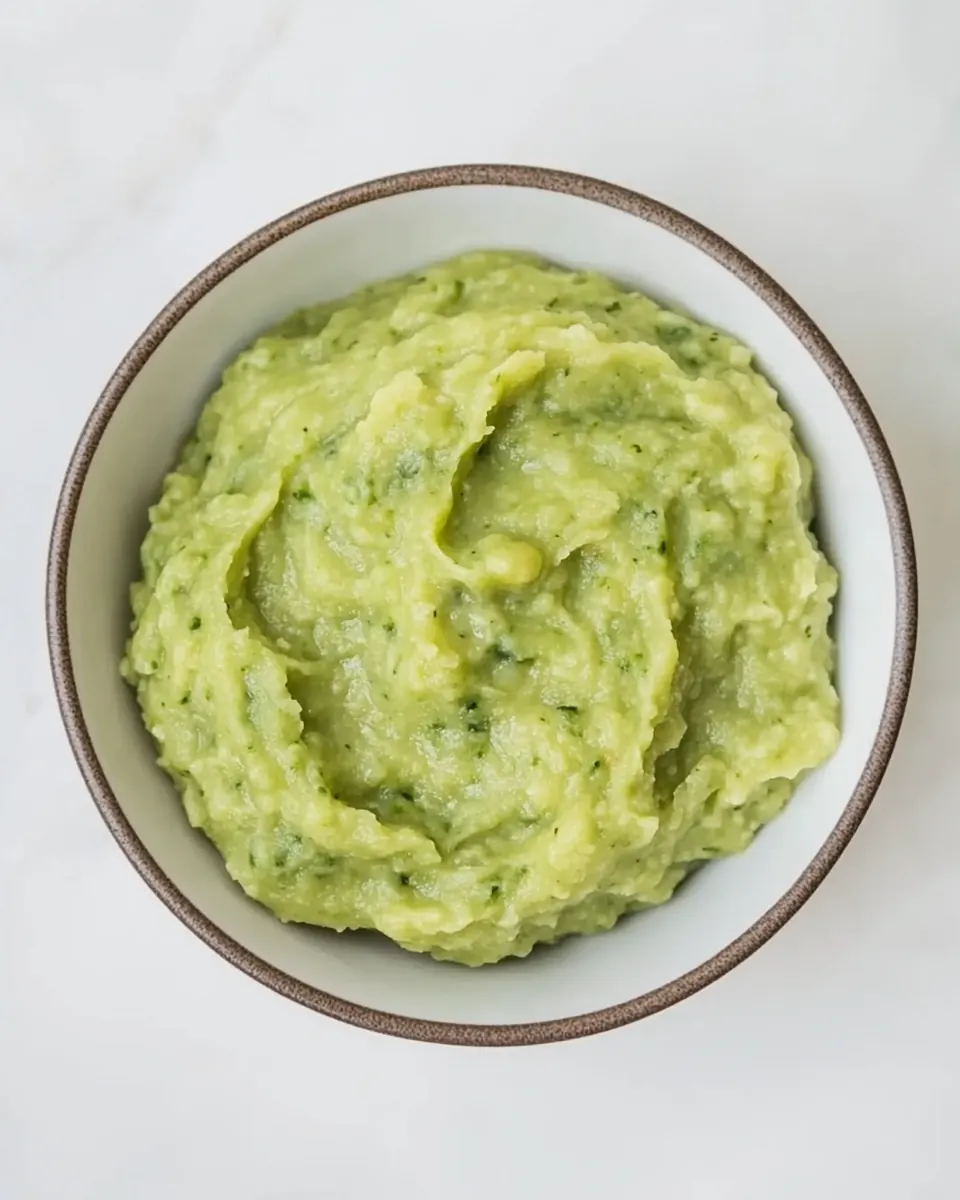
I like to tweak Mashed Peas in small ways that change the character without complicating the method. Here are practical ideas to vary texture, richness, and presentation while staying faithful to the simple ingredient list.
- Finish with extra olive oil for a silky, dairy free version that still feels lush on the palate.
- Add cream sparingly when you want an indulgent side for dinner, a tablespoon transforms the mouthfeel.
- Keep it chunky for a more rustic side dish that pairs well with roasted mains and offers pleasant mouthfeel variety.
- Puree for babies to a velvety texture and omit the salt to keep it baby friendly and gentle on little stomachs.
- Freeze in ice cube trays for single serve portions that thaw quickly and are perfect for mixing into breakfast toasts or omelets.
- Use reserved cooking water to adjust consistency instead of adding milk, it keeps the flavor pure and smooth.
What to Pair With Mashed Peas
Mashed Peas is versatile and pairs well across meals and occasions, from quick lunches to family dinners. Think about contrast in texture and flavor when choosing companions, and consider occasion and season when composing a plate.
- Serve alongside roasted vegetables such as carrots or beets to add color contrast and complementary sweetness.
- Pair with grilled fish or roasted chicken for a balanced weeknight dinner where the peas bring a fresh counterpoint to richer proteins.
- Spread on toast for a casual breakfast or snack, top with a drizzle of olive oil for a quick open faced sandwich.
- Include in lunch bowls with whole grains and a drizzle of olive oil to make a nourishing, easy packed midday meal.
- Use as a baby food base and combine with mashed vegetables or soft proteins as your child progresses through stages.
- Storage tips place cooled portions in airtight containers for up to two days in the fridge, or freeze in small sizes for up to three months.
- Seasonal pairing this recipe feels like spring but works year round because frozen peas keep the flavor consistent.
FAQ
Conclusion
Mashed Peas stands out because it turns a handful of simple pantry and freezer ingredients into something tender, flavorful, and comforting. The combination of sweet peas, a starchy potato, and a touch of fat creates a versatile dish that works for babies and adults alike. Give it a try when you want an uncomplicated side that still feels thoughtful and homemade. I hope you enjoy making it often, and that it becomes one of those small, reliable recipes you turn to when life is busy but you still want good food.
Mashed Peas
Equipment
- Saucepan
- Potato Masher
- Colander
Ingredients
- 2 cups frozen peas 300 grams Frozen and tender, provide the vibrant base and natural sweetness for the mash; quickly cook from frozen to retain color and nutrients, then drain and lightly mash to achieve a smooth but slightly textured consistency. Offer bulk and nutritional value, contributing fiber, vitamins, and the classic bright green appearance of the dish. Balance starch and moisture when combined with potato and fats to prevent a watery puree.
- 1/2 potato (small, finely diced) Finely diced and starchy, add body and creaminess when cooked and mashed with peas; small dices ensure even cooking and help bind the mixture without overpowering the pea flavor. Contribute additional texture and mild earthiness, extending the volume and creating a thicker, more satisfying mash. Absorb flavors of garlic, butter, and oil for a cohesive palate.
- 1 clove garlic Aromatic and pungent, infuse the mash with savory depth when minced and lightly sautéed or cooked briefly with peas; gentle cooking mellows sharpness and releases sweet, garlicky notes that complement the vegetables. Provide a subtle background complexity and enhance overall flavor without dominating the delicate pea profile.
- water Neutral and essential for cooking, adjust quantity to cover peas and potato for steaming or simmering until tender; use sparingly to avoid diluting flavor while ensuring ingredients soften properly. Also employed to create the right consistency when mashing, allowing control over thickness and smoothness. Can be reserved for final adjustments to loosen the mash as needed.
- 1 tablespoon butter Rich and creamy, add silkiness and a buttery flavor when stirred into warm mashed peas; melt gently to blend evenly without separating. Enhance mouthfeel and create a luxurious finish, helping to carry flavors and provide a cohesive, smooth texture.
- 2 tablespoons olive oil Fruity and robust, provide a light, savory coating and prevent sticking when used early in cooking or drizzled at the end for flavor contrast; use extra-virgin olive oil for depth or a milder oil for a subtler taste. Contribute heartiness and help distribute seasonings while rounding out the dish with healthy fats.
- 1 tablespoon cream (optional) Optional and velvety, contribute extra richness and a silky finish when added sparingly to taste; fold in at the end to avoid curdling and to mellow the pea flavors. Offer a decadent touch for a creamier mouthfeel without altering the fundamental character of the mash when used judiciously.
- salt and pepper to taste Essential for seasoning, enhance and balance the overall flavor profile when adjusted to taste; salt brings out natural sweetness in peas and potato while pepper adds a gentle pungent warmth. Apply gradually and taste as you go to avoid over-seasoning, ensuring a well-rounded and properly seasoned mash.
Instructions
- In a small saucepan, add the frozen peas, diced potato, and garlic clove. Cover with just enough water to submerge the vegetables.: When you first tip the frozen peas into the saucepan you'll notice their deep green color and a cold, slightly crunchy texture. As you add the small, finely diced potato and lone garlic clove, aim to pour only enough water to just cover them so the flavors stay concentrated. This small volume allows the heat to transfer quickly, so the pot will come to temperature evenly. If you overfill the pot, the cooking liquid will dilute the vegetal sweetness and lengthen cooking time. A frequent slip is adding too much water, which results in a blander mash; the remedy is saving a little of the cooking water aside, rather than using excess at the start.
- Bring to a boil, then reduce to a simmer. Cook for 10–12 minutes, or until the potato is fork-tender. Drain the water (reserving a little if you want to thin the mash later).: You'll hear the pot move from quiet to a lively simmer, punctuated with gentle bubbling as the potato softens. The aroma will shift from raw starch to a faintly sweet, verdant note from the peas . Using a fork to test the potato is the best cue, it should slide through without resistance. Drain carefully but keep a small amount of the starchy cooking liquid in a measuring cup if you think you might loosen the mash later. A common mistake is undercooking the potato, leaving gritty texture, so always test a piece before draining.
- Add butter and olive oil to the warm veg and mash until smooth or slightly chunky, depending on your little one’s texture preference. Add a splash of water or milk to loosen if needed.: As you add the butter and olive oil to the hot vegetables, they will melt and begin to coat each piece, creating a glossy sheen. The scent will turn richer, and the mash will take on a silky mouthfeel. Use a potato masher or fork and work with patient, rhythmic pressure to achieve the texture you want. Start with gentle mashes for a chunky result or more vigorous mashing for silkier purée. If the mixture feels too stiff, add a tablespoon of the reserved cooking water or a splash of cream to loosen it. A misstep here is overworking the mash which can become gluey if the potato is too broken down, so stop when you reach the texture you like.
- Let it cool slightly before serving to babies. Store leftovers in an airtight container in the fridge for up to 2 days, or freeze in portions for later.: Cooling reveals the final texture and ensures it is safe for small mouths, the warmth settling into a comforting fragrance rather than scalding. When cooled, the mash firms slightly, so check the texture before serving to infants, and adjust with a little reserved cooking water if needed. Transfer leftovers into airtight containers to preserve color and flavor, and label frozen portions for convenience. A common oversight is placing hot food directly into the fridge which can raise temperatures; allow the mash to come closer to room temperature before refrigerating to maintain food safety and quality.
Notes
- Finish with extra olive oil for a silky, dairy free version that still feels lush on the palate.
- Add cream sparingly when you want an indulgent side for dinner, a tablespoon transforms the mouthfeel.
- Keep it chunky for a more rustic side dish that pairs well with roasted mains and offers pleasant mouthfeel variety.
- Puree for babies to a velvety texture and omit the salt to keep it baby friendly and gentle on little stomachs.
- Freeze in ice cube trays for single serve portions that thaw quickly and are perfect for mixing into breakfast toasts or omelets.
- Use reserved cooking water to adjust consistency instead of adding milk, it keeps the flavor pure and smooth.