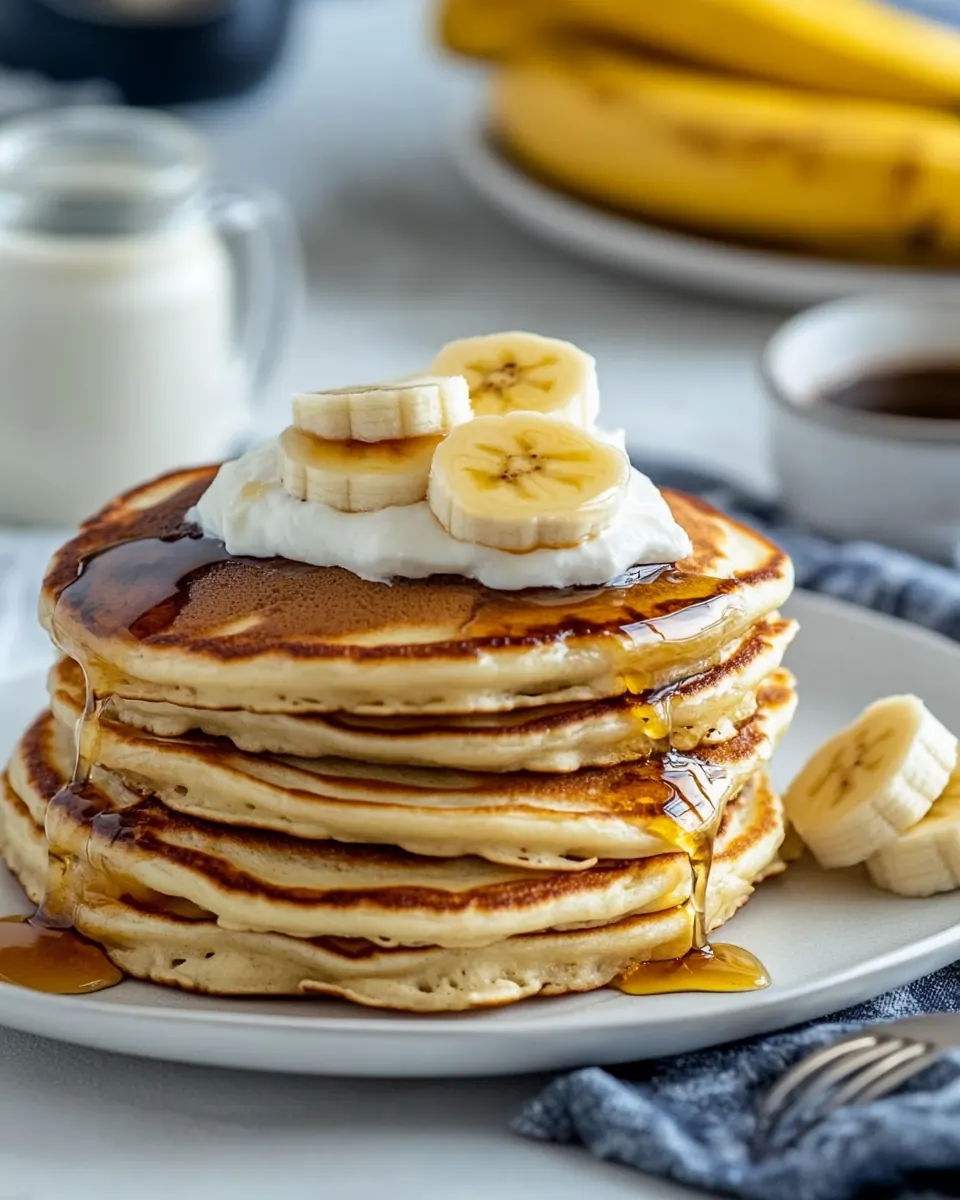
Banana Pancakes
Banana Pancakes are the kind of morning comfort that makes me slow down and savor a small, perfect ritual. I remember the first time I flipped a pancake that actually tasted like breakfast and dessert at once, when a couple of overripe bananas in my fruit bowl convinced me to improvise. That memory sticks with me because the aroma filled the kitchen and my kids came running before the first flip was done.
Some mornings I make these as a quiet solo treat, and other times I mix a big bowl while friends trickle in for coffee. I love how the texture changes as the batter rests, and how the edges crisp while the centers stay pillowy. The smell of toasted batter, warm banana, and a hint of cinnamon always signals a pause in the day, a moment to breathe and enjoy something simple and honest. Over time I learned little tricks that make every batch more consistent, and I still find joy in the small variance from one skillet to the next.
Recipe Snapshot
31 mins
30 mins
1 mins
Easy
220 kcal
American
Gluten-Free, Low FODMAP
Breakfast
Silicone Spatula Set, Mixing bowl set
Why Try This Banana Pancakes
Comforting, familiar flavor
I adore how Banana Pancakes carry childhood memories on each bite. The natural sweetness of ripe bananas softens the batter, so you often need less added sugar, and that gentle banana note is irresistible. I talk about it like an old friend because it reliably delivers that cozy, nostalgic flavor.
Quick and forgiving technique
One of the reasons I reach for this recipe is its forgiving nature. The batter can be slightly lumpy, and it still cooks up into tender, fluffy cakes. If you overmix a bit, you usually end up with denser pancakes rather than a disaster, which makes it perfect for weekday mornings when time is tight.
Versatile for different occasions
Whether I am feeding a small family or entertaining a few guests, these pancakes adapt. They work for a casual brunch spread, a cozy weekend breakfast, or even a midnight snack. The simple pantry ingredients mean you can often throw this together without a grocery run, which I really appreciate.
Minimal, pantry-based ingredients
I love recipes that rely on a few reliable staples, and Banana Pancakes fit that bill. With basic items like all purpose flour, baking powder, and milk, it is easy to keep these on rotation. That simplicity also lets the bananas shine as the star, making this feel both humble and special.
Kid friendly and customizable
Kids tend to be loyal fans of these pancakes, which is a huge advantage on busy mornings. You can customize the texture and flavor by mashing the bananas more or less, or adding a sprinkle of cinnamon for warmth. I often let little hands help with mashing and stirring, which makes breakfast a collaborative, joyful moment.
Key Ingredients for Banana Pancakes
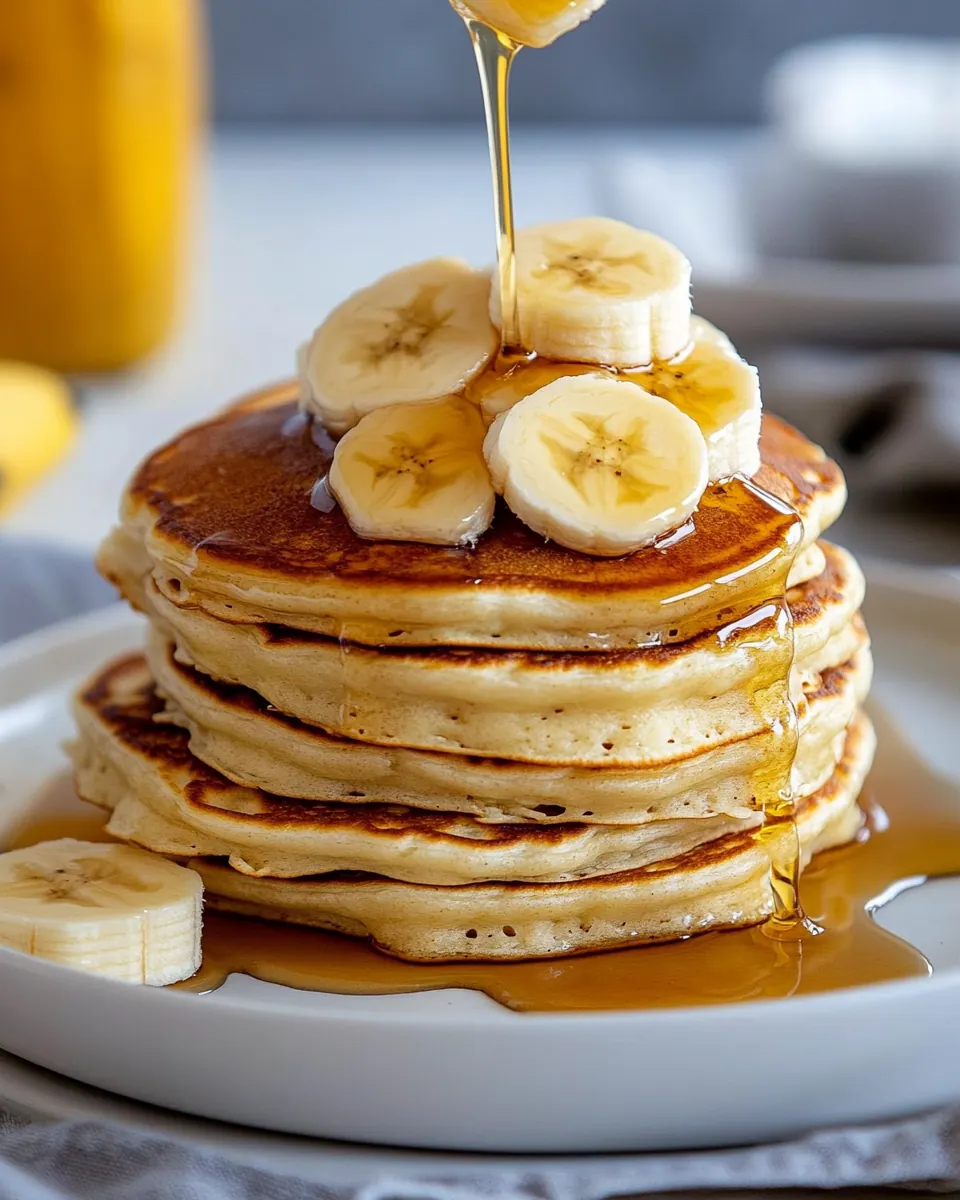
These ingredients are intentionally simple, because their chemistry is what makes the pancakes sing. The leavening from baking powder lifts the batter while the starch from all purpose flour provides structure. Ripe bananas supply sweetness and moisture, and the small amounts of vegetable oil and egg add richness and tenderness. Together they create a batter that cooks to a golden exterior and a soft, slightly tender crumb.
- 1 cup all-purpose flour: Provides structure and bulk to the batter by supplying gluten and starch, allowing pancakes to hold together when cooked. Sifts or whisk before mixing to avoid lumps and ensure even hydration for a tender crumb.
- 1 tablespoon granulated sugar: Adds subtle sweetness to balance flavors and enhance browning during cooking. Dissolves easily in wet ingredients to contribute to a pleasant golden surface and mild caramel notes.
- 2 teaspoons baking powder: Leavens the batter by releasing carbon dioxide when reacting with liquids and heat, creating light, fluffy pancakes. Ensures proper rise when evenly distributed and not expired, so pancakes are airy rather than dense.
- 1/4 teaspoons salt: Enhances overall flavor by balancing sweetness and bringing out other ingredients, while slightly strengthening gluten structure. Dissolve salt into dry mix to ensure even seasoning without concentrated salty pockets.
- 1 egg beaten: Binds the ingredients together while adding richness and moisture, contributing to a tender, cohesive texture. Whisk briefly before adding to combine yolk and white for even distribution through the batter.
- 1 cup milk: Hydrates dry ingredients and helps activate the leavening agents, producing a smooth, pourable batter. Incorporate gradually to achieve desired consistency and avoid overmixing, which can toughen pancakes.
- 2 tablespoons vegetable oil: Adds fat for tenderness and prevents sticking during cooking, contributing to a softer mouthfeel. Mix with wet ingredients to create emulsified batter and help achieve even browning on the griddle.
- 2 ripe bananas mashed: Provides natural sweetness, moisture, and banana flavor, while also contributing to the batter's texture and slight binding properties. Mash until smooth or leave small chunks for texture variation and consistent distribution.
- 2 shakes of cinnamon: Imparts warm, aromatic spice that complements banana and enhances overall flavor profile. Use sparingly to avoid overpowering the batter and to create a subtle, cozy note in each pancake.
- 1/2 teaspoon pure vanilla extract: Introduces aromatic vanilla flavor that elevates sweetness and rounds out the batter's taste profile. Add with wet ingredients to disperse flavor evenly and avoid clumping of concentrated extract.
Banana Pancakes Instructions
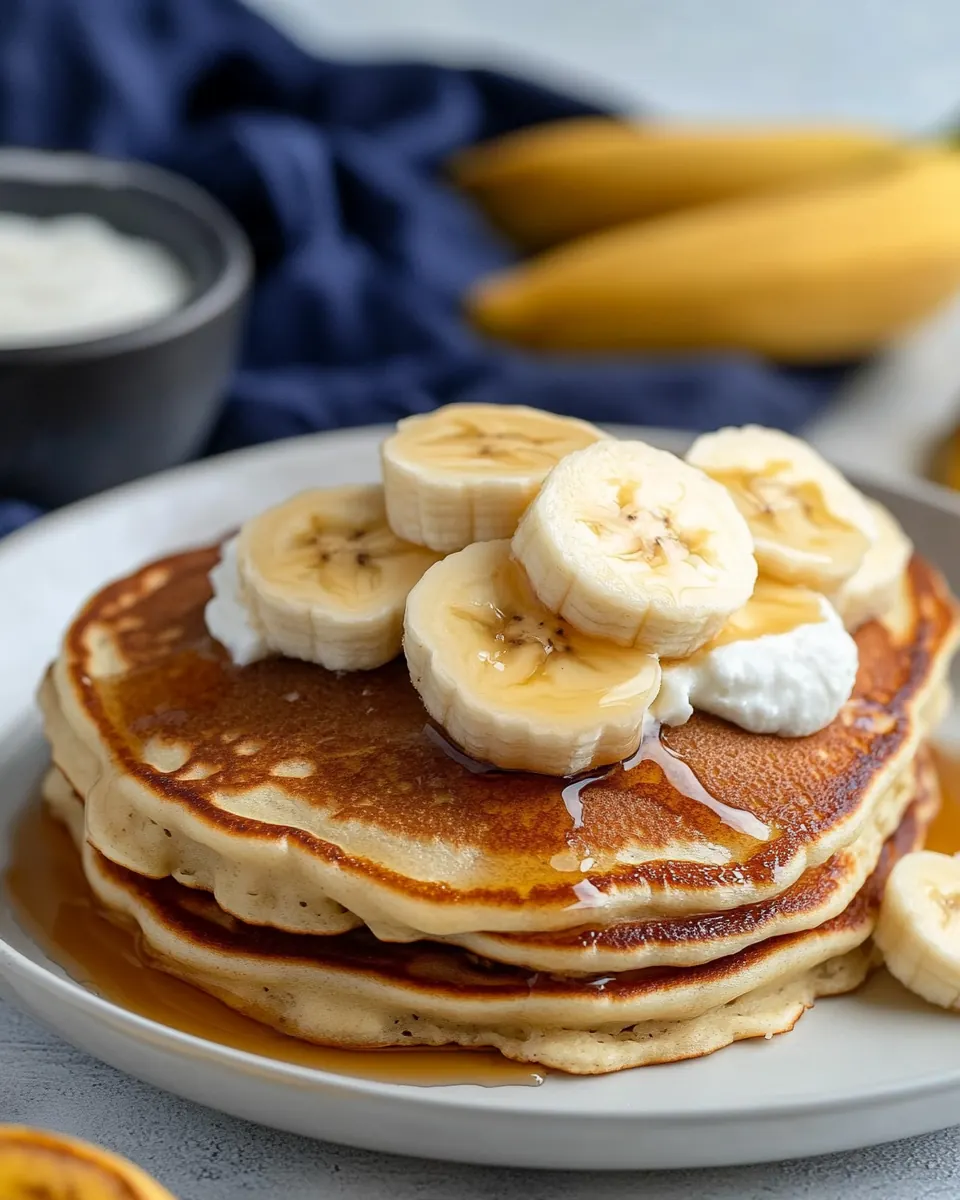
These instructions are approachable and reassuring, meant to guide you through each sensory cue so the pancakes come out consistently. I usually warm the griddle and gather my tools first, then mix the dry and wet components separately so I can combine them quickly without overmixing.
- Combine flour, white sugar, baking powder, cinnamon and salt. In a separate bowl, mix together egg, milk, vegetable oil, vanilla and bananas.: You will notice a dry, sandy texture as the all purpose flour and granulated sugar come together, with the light fragrance of cinnamon mixing into the flour. This dry blend ensures the baking powder is evenly distributed so pancakes rise uniformly. If the mixture feels lumpy from clumps in the flour , whisk them out; a common mistake is leaving large flour pockets that create dense spots in the pancake.
- Stir flour mixture into banana mixture; batter will be slightly lumpy.: The wet bowl should smell noticeably sweet from the mashed bananas and fragrant from the vanilla extract . As you whisk the egg and milk the mixture will become glossy, and the oil will create a sheen that helps the batter hold together. Mash the bananas to the texture you like; overmashing removes some pleasant bits, while undermashing leaves chunkier pockets. One pitfall here is underbeating the egg , which can lead to uneven incorporation.
- Heat a lightly oiled griddle or frying pan over medium high heat. Pour or scoop the batter onto the griddle, using approximately 1/3 cup for each pancake. Cook until pancakes are golden brown on both sides; serve hot.: As you fold the dry into the wet, you will hear a soft scraping sound and see the batter change from glossy to thicker. The lumps are fine and desirable because overmixing activates the gluten in the flour and makes pancakes tough. Stir just until combined and stop; a common error is vigorous stirring that yields dense pancakes. The batter should pour slowly but hold some shape.
- Heat a lightly oiled griddle or frying pan over medium high heat: The pan will give off a faint warmth and you may see a faint shimmer of oil when it is ready. A properly heated surface sizzles lightly when you drop a test batter dot, which creates a golden exterior. Too hot a pan browns the outside before the inside cooks, while too cool a pan yields pale, flat pancakes. Avoid both extremes by aiming for a steady medium high heat and adjusting as needed.
- Pour or scoop the batter onto the griddle, using approximately 1/3 cup for each pancake: When the batter hits the pan you will hear a soft sizzle, and the edges will slowly set, making the surface look matte instead of glossy. Using a consistent scoop size helps pancakes finish at the same time, and the surface should show small bubbles forming as it cooks. A frequent mistake is crowding the pan, which reduces heat and causes uneven browning; leave space for flipping.
- Cook until pancakes are golden brown on both sides; serve hot: The first side will take about a couple of minutes, during which you will see many small bubbles and edges firming up. When the surface has set and bubbles pop, it is time to flip, revealing a golden brown underside that is slightly crisp. After the second side cooks briefly, the interior should be tender and warm with a fragrant banana aroma. Serving immediately keeps the exterior pleasant and the interior soft; letting them sit too long will cool and lose that fresh texture.
Tips and Tricks about Banana Pancakes
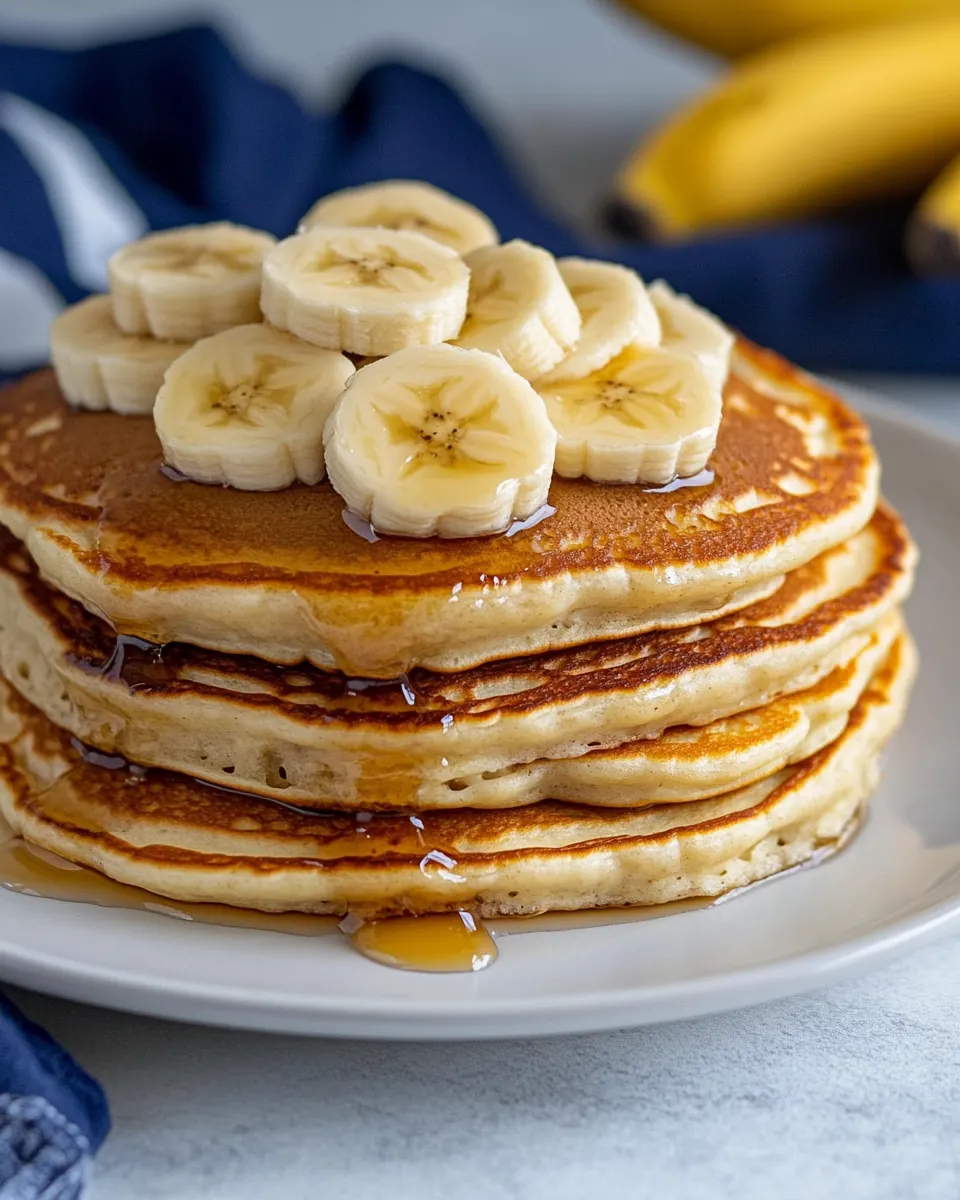
These tips will help you get reliably great pancakes every time, whether you are a beginner or someone who cooks often. I include practical notes I actually use in the kitchen, from batter handling to skillet management.
- Choose very ripe bananas, they provide natural sweetness and moisture, reducing the need for extra sugar and giving the pancakes a pronounced banana flavor.
- Mix dry and wet separately, it helps prevent overworking the batter and ensures the baking powder is evenly distributed for consistent rise.
- Use a medium high pan temperature, this balance creates a golden exterior and a tender interior without burning the outside.
- Measure batter consistently, using a 1 third cup scoop keeps pancakes uniform so they finish together and look appealing on the plate.
- Brush the pan lightly between batches, a quick swipe of oil prevents sticking while avoiding greasy pancakes.
- Serve immediately, warm pancakes have the best texture and flavor, but you can keep them briefly in a low oven if needed.
What Goes Well With This Banana Pancakes
These serving ideas will help you turn a stack of Banana Pancakes into a complete and memorable meal for many occasions. From casual breakfasts to leisurely brunches, the pairing choices below are practical and flavorful.
- Maple syrup and fresh fruit, classic companions that enhance the natural banana sweetness and add bright contrast.
- Yogurt or whipped cream, a dollop adds creaminess and a pleasant tang that balances the sweet pancakes.
- Toast or breakfast sausage on the side, for a heartier meal, include something savory to contrast the sweet stack.
- Brunch gatherings, these pancakes scale well for a relaxed weekend meal where guests can help themselves to toppings.
- Storage tips, cool completely, stack with parchment between layers, and refrigerate for up to two days or freeze for longer keeping.
- Seasonal pairings, late summer stone fruits pair nicely with the banana flavor, while warm spices suit cooler weather breakfasts.
FAQ
Conclusion
Banana Pancakes stand out because they combine pantry staples with ripe bananas to create a warm, nostalgic breakfast that feels both simple and special. Give them a try when you want an easy, comforting meal that comes together quickly and smells irresistible. I hope you enjoy the cozy ritual of mashing, mixing, and flipping, and that these pancakes become one of your go to breakfasts for slow weekends and busy mornings alike.
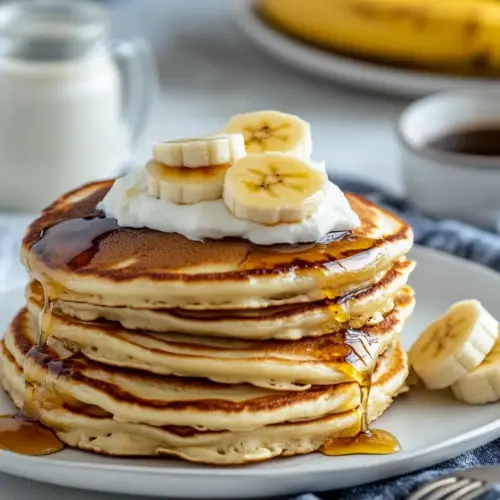
Banana Pancakes
Equipment
- Silicone Spatula Set
- Mixing bowl set
Ingredients
- 1 cup all-purpose flour Provides structure and bulk to the batter by supplying gluten and starch, allowing pancakes to hold together when cooked. Sifts or whisk before mixing to avoid lumps and ensure even hydration for a tender crumb.
- 1 tablespoon granulated sugar Adds subtle sweetness to balance flavors and enhance browning during cooking. Dissolves easily in wet ingredients to contribute to a pleasant golden surface and mild caramel notes.
- 2 teaspoons baking powder Leavens the batter by releasing carbon dioxide when reacting with liquids and heat, creating light, fluffy pancakes. Ensures proper rise when evenly distributed and not expired, so pancakes are airy rather than dense.
- 1/4 teaspoons salt Enhances overall flavor by balancing sweetness and bringing out other ingredients, while slightly strengthening gluten structure. Dissolve salt into dry mix to ensure even seasoning without concentrated salty pockets.
- 1 egg beaten Binds the ingredients together while adding richness and moisture, contributing to a tender, cohesive texture. Whisk briefly before adding to combine yolk and white for even distribution through the batter.
- 1 cup milk Hydrates dry ingredients and helps activate the leavening agents, producing a smooth, pourable batter. Incorporate gradually to achieve desired consistency and avoid overmixing, which can toughen pancakes.
- 2 tablespoons vegetable oil Adds fat for tenderness and prevents sticking during cooking, contributing to a softer mouthfeel. Mix with wet ingredients to create emulsified batter and help achieve even browning on the griddle.
- 2 ripe bananas mashed Provides natural sweetness, moisture, and banana flavor, while also contributing to the batter's texture and slight binding properties. Mash until smooth or leave small chunks for texture variation and consistent distribution.
- 2 shakes of cinnamon Imparts warm, aromatic spice that complements banana and enhances overall flavor profile. Use sparingly to avoid overpowering the batter and to create a subtle, cozy note in each pancake.
- 1/2 teaspoon pure vanilla extract Introduces aromatic vanilla flavor that elevates sweetness and rounds out the batter's taste profile. Add with wet ingredients to disperse flavor evenly and avoid clumping of concentrated extract.
Instructions
- Combine flour, white sugar, baking powder, cinnamon and salt. In a separate bowl, mix together egg, milk, vegetable oil, vanilla and bananas.: You will notice a dry, sandy texture as the all purpose flour and granulated sugar come together, with the light fragrance of cinnamon mixing into the flour. This dry blend ensures the baking powder is evenly distributed so pancakes rise uniformly. If the mixture feels lumpy from clumps in the flour , whisk them out; a common mistake is leaving large flour pockets that create dense spots in the pancake.
- Stir flour mixture into banana mixture; batter will be slightly lumpy.: The wet bowl should smell noticeably sweet from the mashed bananas and fragrant from the vanilla extract . As you whisk the egg and milk the mixture will become glossy, and the oil will create a sheen that helps the batter hold together. Mash the bananas to the texture you like; overmashing removes some pleasant bits, while undermashing leaves chunkier pockets. One pitfall here is underbeating the egg , which can lead to uneven incorporation.
- Heat a lightly oiled griddle or frying pan over medium high heat. Pour or scoop the batter onto the griddle, using approximately 1/3 cup for each pancake. Cook until pancakes are golden brown on both sides; serve hot.: As you fold the dry into the wet, you will hear a soft scraping sound and see the batter change from glossy to thicker. The lumps are fine and desirable because overmixing activates the gluten in the flour and makes pancakes tough. Stir just until combined and stop; a common error is vigorous stirring that yields dense pancakes. The batter should pour slowly but hold some shape.
- Heat a lightly oiled griddle or frying pan over medium high heat: The pan will give off a faint warmth and you may see a faint shimmer of oil when it is ready. A properly heated surface sizzles lightly when you drop a test batter dot, which creates a golden exterior. Too hot a pan browns the outside before the inside cooks, while too cool a pan yields pale, flat pancakes. Avoid both extremes by aiming for a steady medium high heat and adjusting as needed.
- Pour or scoop the batter onto the griddle, using approximately 1/3 cup for each pancake: When the batter hits the pan you will hear a soft sizzle, and the edges will slowly set, making the surface look matte instead of glossy. Using a consistent scoop size helps pancakes finish at the same time, and the surface should show small bubbles forming as it cooks. A frequent mistake is crowding the pan, which reduces heat and causes uneven browning; leave space for flipping.
- Cook until pancakes are golden brown on both sides; serve hot: The first side will take about a couple of minutes, during which you will see many small bubbles and edges firming up. When the surface has set and bubbles pop, it is time to flip, revealing a golden brown underside that is slightly crisp. After the second side cooks briefly, the interior should be tender and warm with a fragrant banana aroma. Serving immediately keeps the exterior pleasant and the interior soft; letting them sit too long will cool and lose that fresh texture.
Notes
- Choose very ripe bananas, they provide natural sweetness and moisture, reducing the need for extra sugar and giving the pancakes a pronounced banana flavor.
- Mix dry and wet separately, it helps prevent overworking the batter and ensures the baking powder is evenly distributed for consistent rise.
- Use a medium high pan temperature, this balance creates a golden exterior and a tender interior without burning the outside.
- Measure batter consistently, using a 1 third cup scoop keeps pancakes uniform so they finish together and look appealing on the plate.
- Brush the pan lightly between batches, a quick swipe of oil prevents sticking while avoiding greasy pancakes.
- Serve immediately, warm pancakes have the best texture and flavor, but you can keep them briefly in a low oven if needed.