Lemon Blueberry Cake
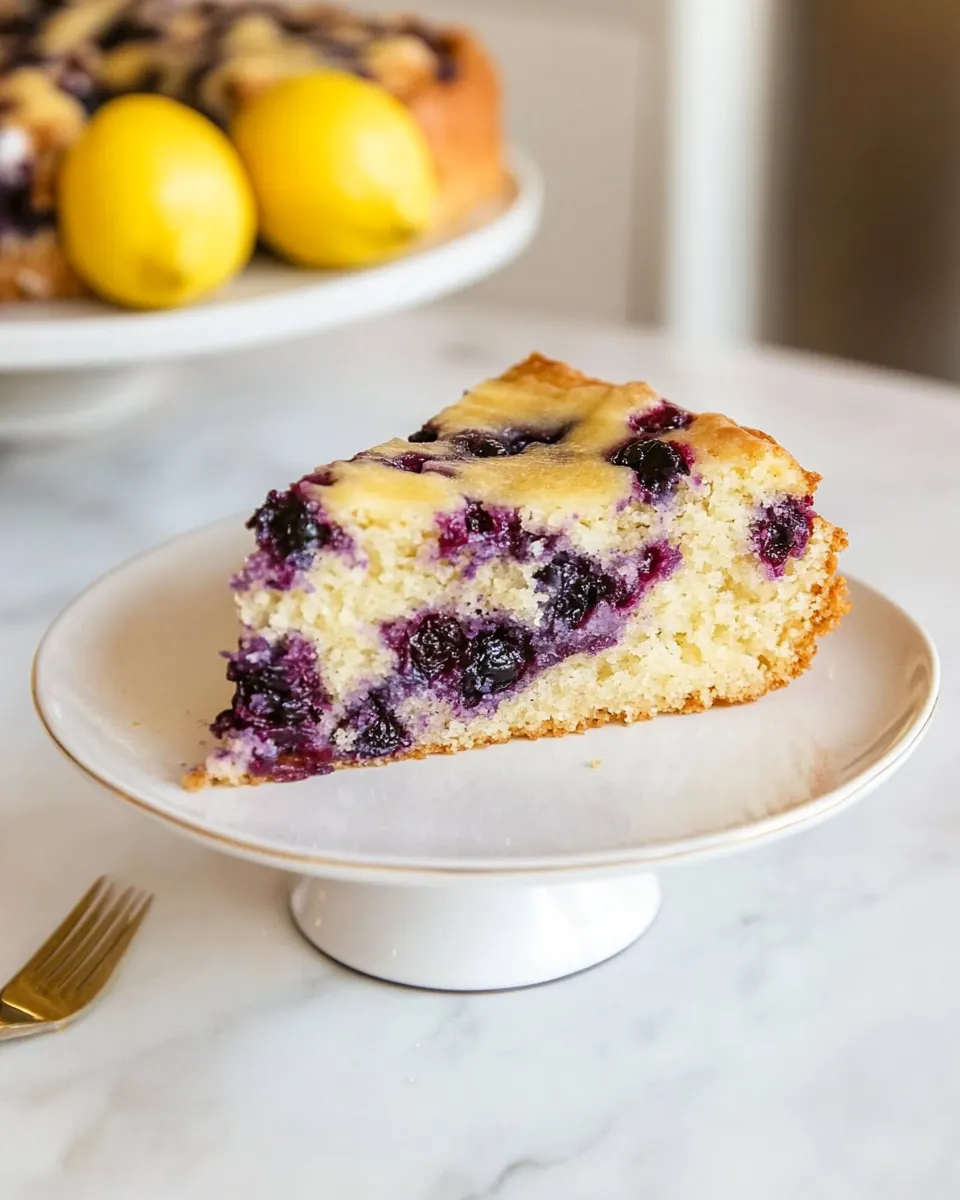
Lemon Blueberry Cake is one of those comforting bakes that I reach for whenever I want something bright and just a little bit nostalgic. The first time I made this cake I was carrying home a box of freshly picked blueberries from a roadside stand, and their perfume filled the car; I knew I wanted something that let their flavor sing, so I paired them with tart lemon juice and a cake texture that is tender yet slightly wholesome from whole wheat.
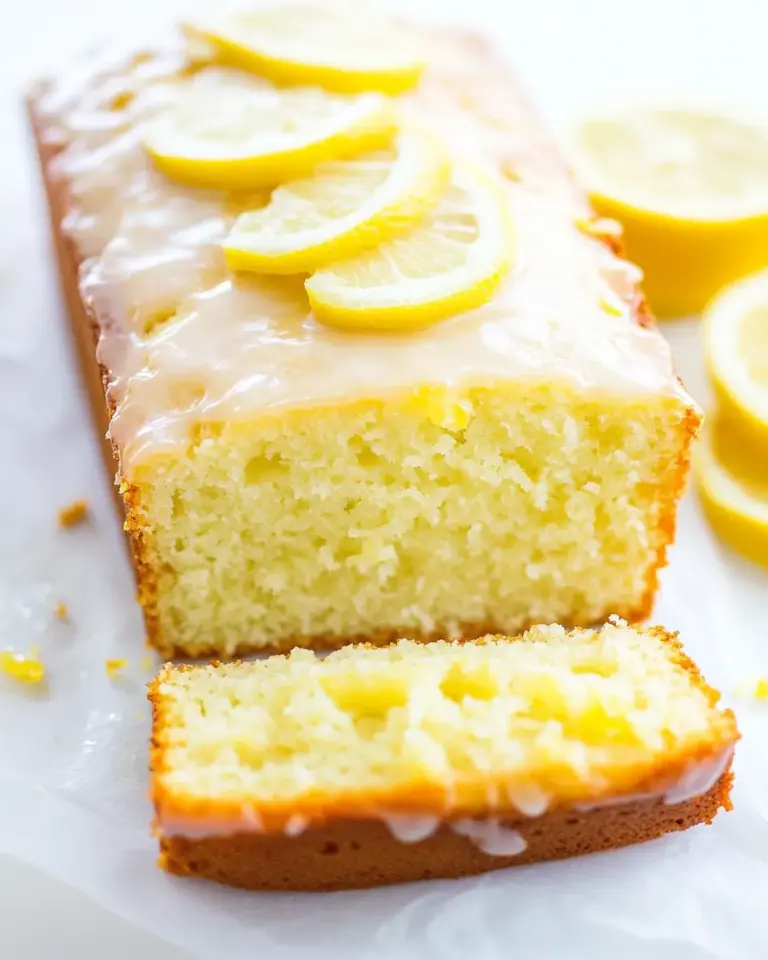
I remember mixing batters at my kitchen island, the sound of the spoon scraping the bowl, and how the batter shimmered when I stirred in the coconut milk. While it was baking, the house filled with an inviting citrus scent that made neighbors peek in. Later, while drizzling a simple glaze made with powdered sugar and lemon, I loved the way the bright glaze pooled into tiny crevices, and the blueberries peeked out like little crowns.
Recipe Snapshot
45 mins
15 mins
30 mins
Medium
250 kcal
American
Vegan, Gluten-Free
Desserts
9 inch cake pan, mixing bowls, whisk, spatula
The Best Thing About This Lemon Blueberry Cake
Bright Citrus Balance
I love how Lemon Blueberry Cake balances tang and sweetness, the lemon providing a clean, sharp note that cuts through the natural sweetness of the blueberries. That lift keeps each bite lively instead of cloying, and I find myself reaching for a second slice.
Wholesome Texture
Using whole-wheat flour gives the cake a gently nutty backbone, while the combination of coconut milk and a touch of coconut sugar keeps it moist and soft. I appreciate that it feels a bit more substantial than a chiffon, yet still tender enough to melt on the tongue.
Versatile Serving
This cake works equally well casual or dressed up. I’ve served it for afternoon tea with a pot of coffee, and also sliced it at brunch surrounded by fresh fruit. Lemon Blueberry Cake adapts to many settings, which is why I keep the method simple.
Easy Finishing Touches
The glaze in this recipe is approachable, using just powdered sugar, lemon juice, and a small amount of coconut butter to add sheen and richness. It’s quick to whisk together, and it creates that pretty, glossy finish that makes the cake feel celebratory.
Kid Friendly and Crowd Ready
Because the flavors are familiar, everyone from picky eaters to dessert lovers will find something to enjoy. The tender crumb and pop of warm or room temperature blueberries make this a crowd pleaser I often bring to gatherings.
What to Gather for Lemon Blueberry Cake
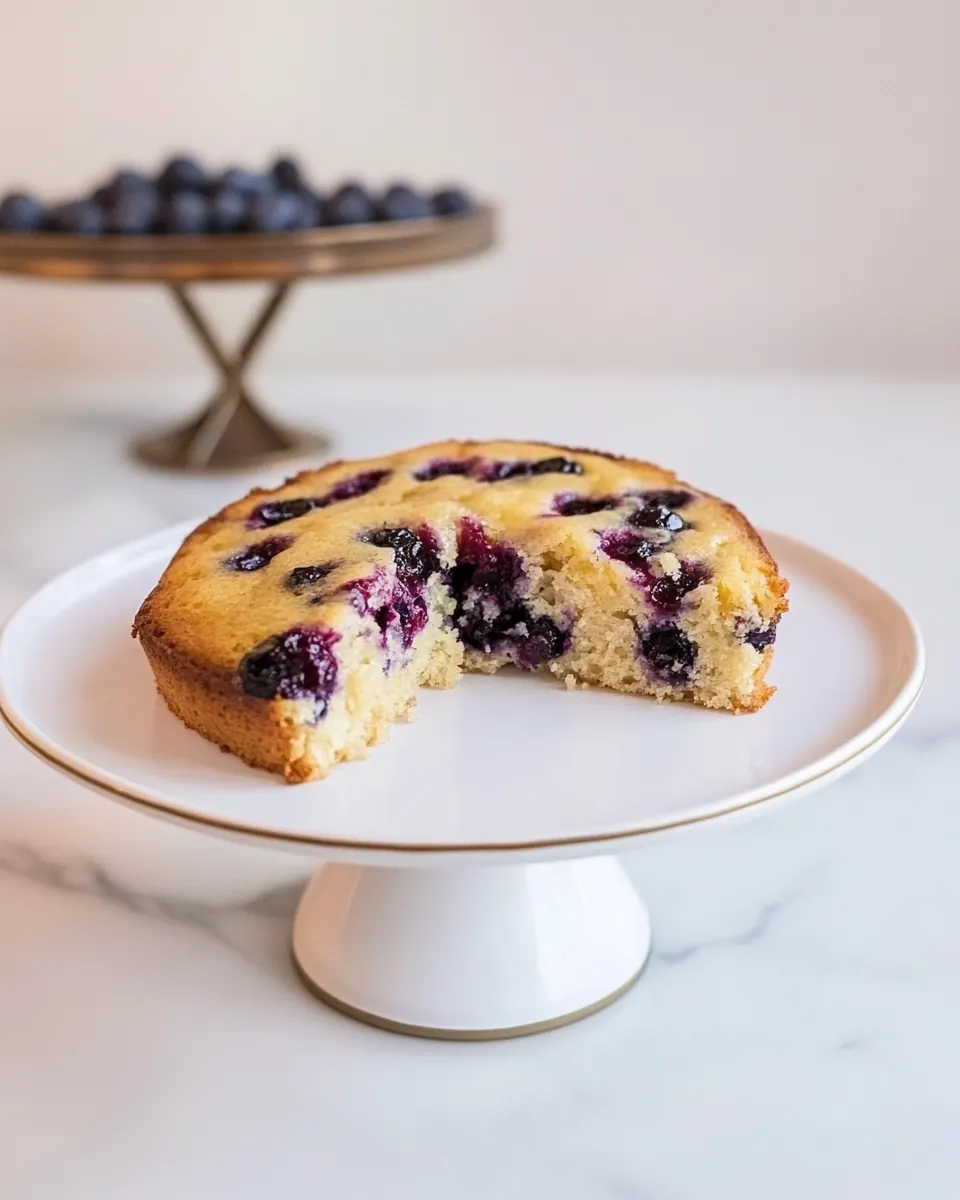
Think of these ingredients as a small team where each player has a clear job. The dry components provide structure, the liquids bring tenderness, and the citrus and berries contribute the primary flavor profile. The recipe leans on a balance of wholesome texture and bright taste, letting the blueberries and lemon juice take center stage while the rest support with moisture and crumb.
- 1 1/2 cups plus 2 tablespoons whole-wheat flour: Provide structure and whole-grain texture to the cake batter; contributes fiber and a slightly nutty flavor. Measure precisely to maintain proper crumb and moisture balance in the finished cake.
- 3/4 cup coconut sugar: Sweeten the batter naturally while adding a subtle caramel-like depth; helps balance the lemon tartness. Stir thoroughly to ensure even distribution and consistent sweetness throughout.
- 3 teaspoons baking powder: Leaven the cake by producing carbon dioxide when mixed with wet ingredients; creates lift and a light crumb. Sift or whisk into dry ingredients to prevent lumps and ensure even rising.
- 1/2 teaspoon kosher salt: Enhance and balance flavors by moderating sweetness and boosting the lemon notes; supports gluten development control. Dissolve or mix evenly to avoid pockets of salt in the batter.
- 1/3 cup lemon juice: Provide bright acidity and essential liquid for the batter; activates the baking powder for lift and intensifies lemon flavor. Use freshly squeezed juice for the best aromatic and flavor impact.
- 1 teaspoon lemon zest: Concentrate aromatic citrus oils and deliver an intense lemon scent; brighten overall flavor profile. Grate only the yellow portion to avoid bitterness from the pith.
- 1 1/4 cups coconut milk: Contribute richness, moisture, and a hint of coconut flavor while thinning the batter to the proper consistency. Use well-shaken full-fat coconut milk for best texture and tenderness.
- 1 teaspoon vanilla extract: Add warm, rounded flavor and enhance sweetness perception while rounding out the citrus notes. Combine with wet ingredients to distribute aroma evenly.
- 1 cup blueberries fresh: Provide bursts of juicy, fruity flavor and visual contrast; contribute slight acidity and texture to each bite. Gently fold in at the end to avoid crushing and color bleed.
- 1/4 cup lemon juice: Create a lemon syrup or glaze component that intensifies citrus flavor and adds moisture to the cake. Brush or fold as directed to impart tangy brightness without thinning the batter too much.
- 1/2 teaspoon lemon zest: Offer concentrated lemon aromatic oils to elevate fragrance and brightness in glazes or fillings; balance with sugar to avoid bitterness. Finely grate and mix thoroughly for uniform flavor.
- 1 cup powdered sugar: Sweeten and thicken glazes or dustings with a smooth, fine texture; helps create a silky, sweet finish for the cake. Sift before use to remove lumps and achieve a polished appearance.
- 2 tablespoons coconut butter: Add creamy fat with subtle coconut flavor to enrich glazes or fillings, lending body and a glossy finish. Melt gently and whisk into powdered sugar and lemon components for a cohesive topping.
Directions for Lemon Blueberry Cake
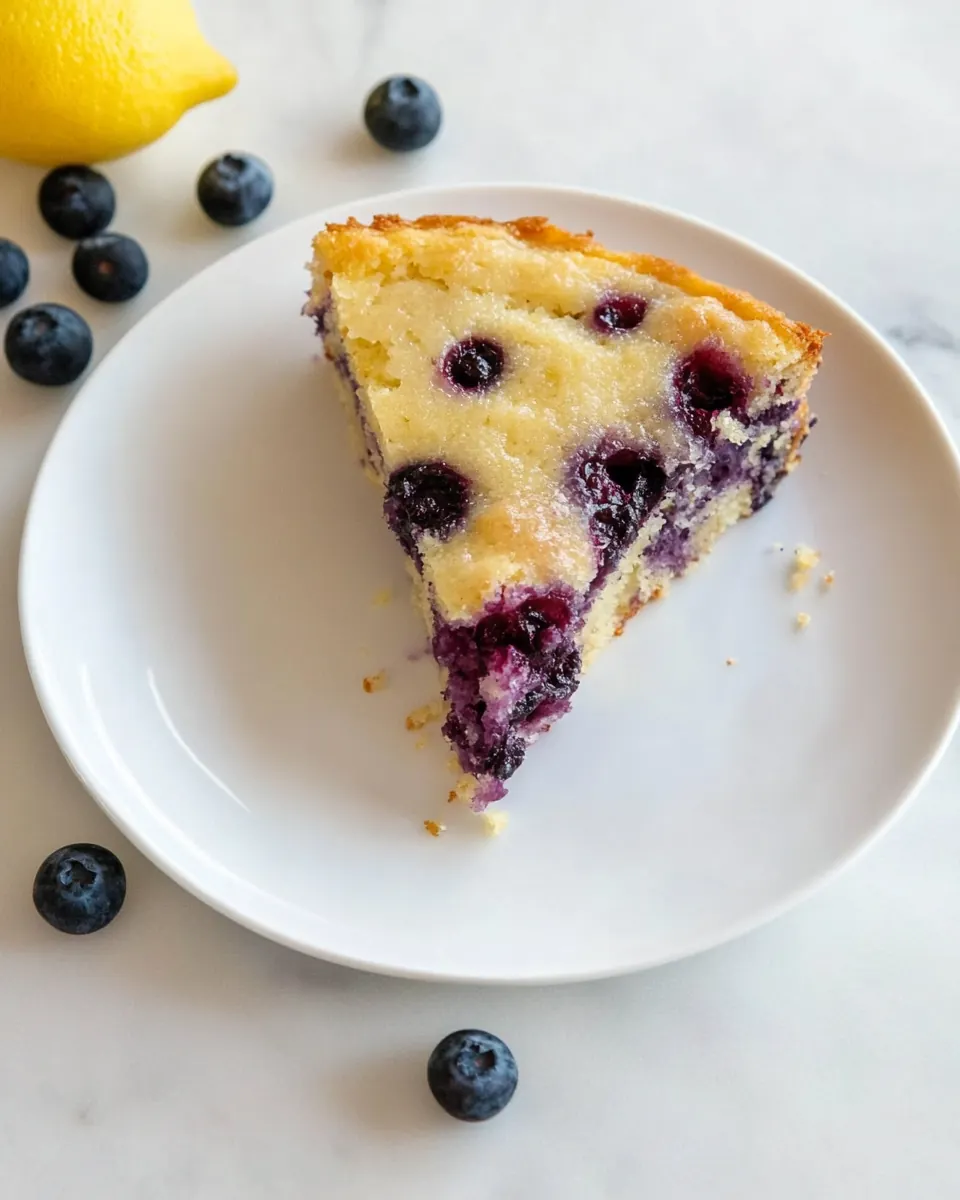
This method will walk you through the bake step by step with friendly guidance so you can sense when things are right. Take your time with mixing and folding, and pay attention to the visual and aromatic cues I describe so your cake turns out perfectly.
- Preheat the oven to 350 degrees. Spray a 9 inch cake pan with nonstick spray and set aside.: As the oven warms, you should notice a faint warmth and the steady hum of the element energizing; a properly preheated oven ensures even rise and predictable baking. I always set my rack in the center so heat circulates evenly, which prevents overly browned edges. A common mistake is skipping preheat, which can cause a dense crumb because the leavening does not activate properly. If you own an oven thermometer, use it to verify the temperature, since dials can be off by several degrees.
- In a medium mixing bowl, combine 1 1/2 cups flour, sugar, baking powder, and salt. In a second large bowl, combine the lemon juice, zest, milk, and vanilla. Gradually add the dry ingredients to the wet ingredients and mix just until incorporated.: Coating the pan protects the cake and makes removal easier, and you may also line the bottom with parchment for extra insurance. Run your fingers around the sides to ensure complete coverage, or the cake may cling in spots. Avoid over greasing which can create greasy edges; a light even spray is enough. If you notice sticking when you invert the cake, loosen the edges with a thin knife before turning.
- In a small bowl, toss the blueberries with the 2 tablespoons of flour. Toss to coat the berries well then gently fold into the cake batter. Pour the batter into the prepared pan and bake 30 to 40 minutes or until a toothpick inserted comes out clean. Let the cake cool for at least 20 minutes before trying to remove from the pan. Drizzle with optional glaze if desired, serve, and enjoy!: When you whisk these dry components together you’ll release the aroma of the coconut sugar and blend the leavening so it distributes evenly. The texture should look uniform and slightly sandy. Mixing dry ingredients thoroughly prevents pockets of baking powder or salt, which would produce uneven rise or salty bites. A frequent error is measuring flour by scooping, which packs it and leads to a heavy cake, so spoon and level for accuracy.
- In a mixing bowl, combine all ingredients and mix well. Drizzle over cooled cake.: As you whisk the wet mixture, the scent of lemon will intensify and the surface will glisten from the coconut milk . This liquid blend hydrates the dry ingredients and infuses flavor. If your liquids are cold, allow them to come closer to room temperature to promote smoother mixing and better integration. Avoid over whisking here, which can trap air that deflates when combined improperly with the dry mix.
- Gradually add the dry ingredients to the wet ingredients and mix just until incorporated: You should stop mixing when streaks of flour disappear, leaving a cohesive batter with a few tiny lumps, which keeps the crumb tender. Over mixing develops gluten in the whole–wheat flour and yields a tougher cake, so be gentle and patient. If you overwork the batter, the texture will be denser and less delicate, so mix in folds with a spatula rather than vigorous beats.
- In a small bowl, toss the blueberries with the 2 tablespoons of flour: Coating the blueberries prevents them from sinking and also helps reduce streaking of color in the batter. You will see a thin white dusting that disappears when folded, which is exactly what you want. Forgetting this step can lead to a heavy, unevenly distributed fruit content and a mottled crumb. Be gentle to avoid bursting the berries, which can turn the batter purple.
- Toss to coat the berries well then gently fold into the cake batter: Folding preserves the berries’ shape and ensures even pockets of fruit throughout the cake, rather than them congregating at the bottom. Use a light, turning motion and fold only until the batter looks streak-free around the berries. Aggressive stirring will crush the berries and produce a marbled, soggy texture. If you see large color bleeds, you likely overmixed during folding.
- Pour the batter into the prepared pan and bake 30 to 40 minutes or until a toothpick inserted comes out clean: As it bakes, the oven will fill with citrus and sweet notes, and the cake top should become lightly golden and spring back when touched. The edges may pull away slightly from the pan, which is a good sign. A common pitfall is relying solely on time; always check doneness with a toothpick near the center. If the top browns too quickly, tent with foil to prevent overbrowning while the interior finishes baking.
- Let the cake cool for at least 20 minutes before trying to remove from the pan: Cooling allows the crumb to set so the cake releases cleanly, and you will notice the scent mellow as steam escapes. Attempting to unmold too soon can cause the cake to break apart. If the cake resists, run a thin knife around the edge to help it release, then invert onto a rack. Patience here preserves the cake’s shape and presentation.
- Drizzle with optional glaze if desired, serve, and enjoy: The glaze will create a glossy finish that highlights the lemon zest and enhances the visual appeal. Drizzling while the cake is slightly warm helps the glaze sink into crevices, but if too warm the glaze may run off and be thin, so aim for warm not hot. A frequent misstep is adding too much liquid to the glaze, which makes it translucent and runny; add juice slowly until you reach a nicely pourable consistency.
- In a mixing bowl, combine all ingredients and mix well: When you whisk together the powdered sugar , the 1 4 cup lemon juice , the 1 2 teaspoon lemon zest , and the coconut butter , the mixture should thicken into a glossy, smooth glaze. Taste and adjust the balance if needed, adding a touch more sugar if too tart. Over thinning will prevent the glaze from setting properly on the cake surface, so add liquid sparingly. If the glaze is grainy, continue whisking or sift the sugar to smooth it out.
- Drizzle over cooled cake: The final visual cue is neat ribbons of glaze that set to a delicate sheen, with specks of zest adding texture and aroma. Allow the glaze to set for several minutes before slicing so it firms slightly. Serving immediately can smear the glaze during slicing, so give it time to settle. If the drizzle pools unevenly, gently tilt the cake to redistribute before it fully sets.
Ways to Customize
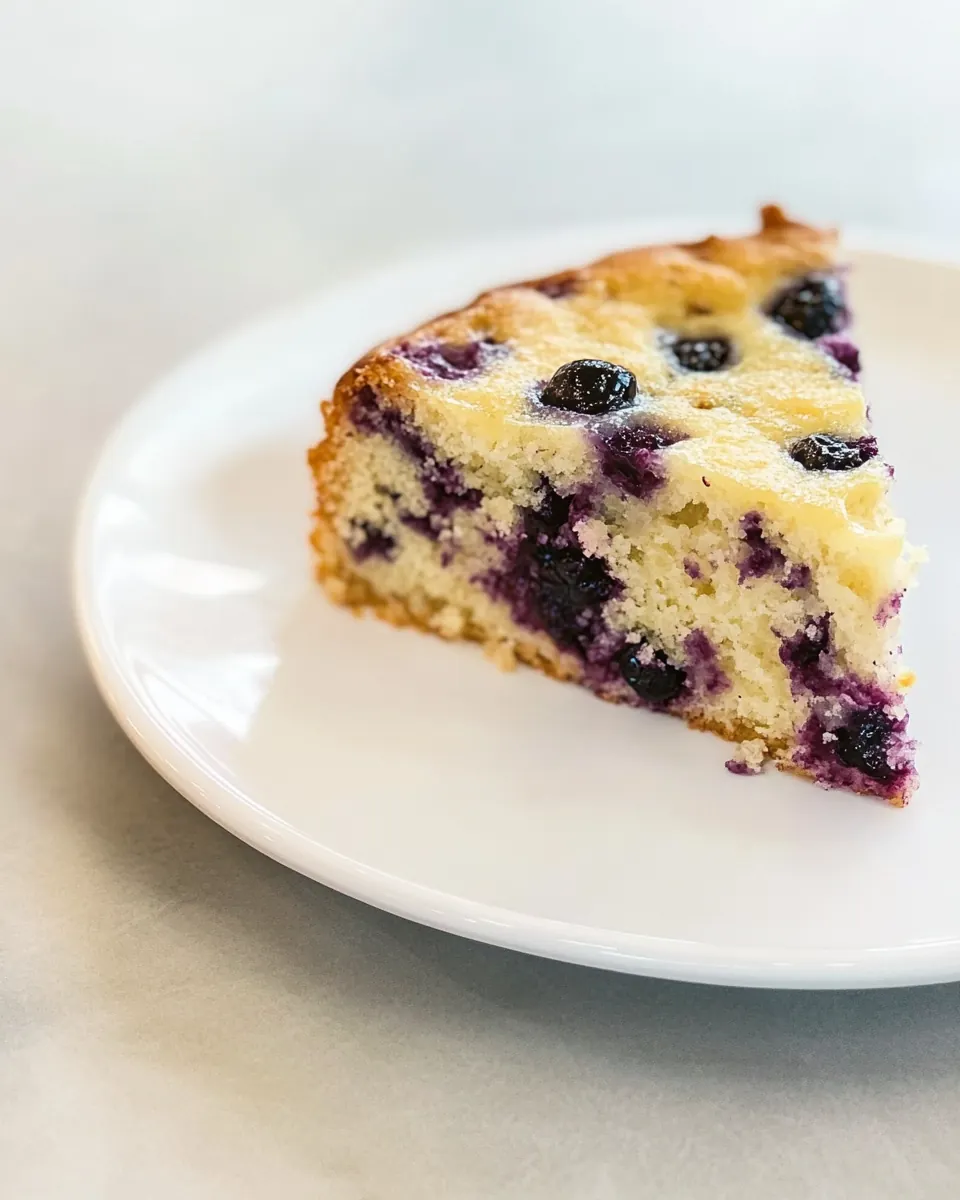
There are simple, natural ways to make this cake your own while keeping its core identity intact. Below are practical options that change texture, sweetness level, or presentation without complicating the process.
- Swap the sugar gently: You can adjust sweetness by altering the amount of coconut sugar, but reduce cautiously to maintain structure and moisture.
- Boost the citrus by adding zest: Increasing the lemon zest in the batter adds bright aromatic notes without changing the wet to dry ratio.
- Change the milk for richness: Using a slightly thicker coconut milk adds silkiness to the crumb, though very thin milks may require a touch more flour.
- Make a thinner glaze by adding juice in small increments: For a pourable consistency, add the 1 4 cup lemon juice slowly to the powdered sugar.
- Prevent berry sinking by chilling coated berries briefly: After tossing in flour, place the blueberries in the fridge for 5 minutes to firm up before folding in.
- Adjust bake time for altitude: If you live at elevation, slightly reduce baking powder and increase oven time monitoring with a toothpick for doneness.
Pairing Suggestions for Lemon Blueberry Cake
This cake is versatile and pairs well with a range of settings from casual mornings to special gatherings. Below are serving ideas, storage guidance, and occasions where the cake shines.
- Brunch table: Serve slices alongside a platter of fresh fruit and a carafe of coffee to create a light and uplifting morning spread.
- Afternoon tea: Present the cake with small tea sandwiches and a pot of herbal or black tea, letting the lemon and berry flavors cut through the tannins.
- Celebratory dessert: Dress the cake with extra glaze and a scattering of fresh blueberries for birthdays or casual gatherings where a simple, elegant dessert is desired.
- Storage tips: Keep the cake covered at room temperature for up to two days, or refrigerate for up to five days in an airtight container to preserve freshness and prevent the glaze from sweating.
- Make ahead: You can bake the cake a day ahead and store it unglazed; add the glaze just before serving to keep the topping shiny and fresh.
- Seasonal pairing: In spring and early summer, the blueberries and citrus feel especially appropriate; serve with light fruit salads or simple whipped cream for a seasonal menu.
FAQ
Conclusion
This Lemon Blueberry Cake stands out because it marries bright citrus with juicy berries in a tender, slightly wholesome crumb. I encourage you to give it a try, whether for a lazy weekend brunch or a small celebration, because the recipe is forgiving yet yields an impressive result. Enjoy the fresh flavor contrasts, and don’t be surprised if it becomes a go to for spring gatherings and sunny afternoons.
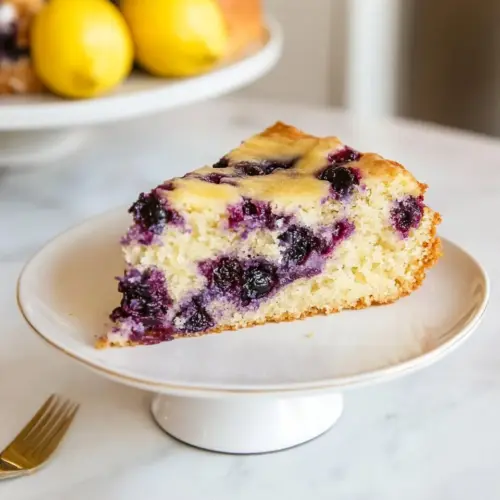
Lemon Blueberry Cake
Equipment
- 9 inch cake pan
- Mixing Bowls
- Whisk
- Spatula
Ingredients
- 1 1/2 cups plus 2 tablespoons whole-wheat flour Provide structure and whole-grain texture to the cake batter; contributes fiber and a slightly nutty flavor. Measure precisely to maintain proper crumb and moisture balance in the finished cake.
- 3/4 cup coconut sugar Sweeten the batter naturally while adding a subtle caramel-like depth; helps balance the lemon tartness. Stir thoroughly to ensure even distribution and consistent sweetness throughout.
- 3 teaspoons baking powder Leaven the cake by producing carbon dioxide when mixed with wet ingredients; creates lift and a light crumb. Sift or whisk into dry ingredients to prevent lumps and ensure even rising.
- 1/2 teaspoon kosher salt Enhance and balance flavors by moderating sweetness and boosting the lemon notes; supports gluten development control. Dissolve or mix evenly to avoid pockets of salt in the batter.
- 1/3 cup lemon juice Provide bright acidity and essential liquid for the batter; activates the baking powder for lift and intensifies lemon flavor. Use freshly squeezed juice for the best aromatic and flavor impact.
- 1 teaspoon lemon zest Concentrate aromatic citrus oils and deliver an intense lemon scent; brighten overall flavor profile. Grate only the yellow portion to avoid bitterness from the pith.
- 1 1/4 cups coconut milk Contribute richness, moisture, and a hint of coconut flavor while thinning the batter to the proper consistency. Use well-shaken full-fat coconut milk for best texture and tenderness.
- 1 teaspoon vanilla extract Add warm, rounded flavor and enhance sweetness perception while rounding out the citrus notes. Combine with wet ingredients to distribute aroma evenly.
- 1 cup blueberries fresh Provide bursts of juicy, fruity flavor and visual contrast; contribute slight acidity and texture to each bite. Gently fold in at the end to avoid crushing and color bleed.
- 1/4 cup lemon juice Create a lemon syrup or glaze component that intensifies citrus flavor and adds moisture to the cake. Brush or fold as directed to impart tangy brightness without thinning the batter too much.
- 1/2 teaspoon lemon zest Offer concentrated lemon aromatic oils to elevate fragrance and brightness in glazes or fillings; balance with sugar to avoid bitterness. Finely grate and mix thoroughly for uniform flavor.
- 1 cup powdered sugar Sweeten and thicken glazes or dustings with a smooth, fine texture; helps create a silky, sweet finish for the cake. Sift before use to remove lumps and achieve a polished appearance.
- 2 tablespoons coconut butter Add creamy fat with subtle coconut flavor to enrich glazes or fillings, lending body and a glossy finish. Melt gently and whisk into powdered sugar and lemon components for a cohesive topping.
Instructions
- Preheat the oven to 350 degrees. Spray a 9 inch cake pan with nonstick spray and set aside.: As the oven warms, you should notice a faint warmth and the steady hum of the element energizing; a properly preheated oven ensures even rise and predictable baking. I always set my rack in the center so heat circulates evenly, which prevents overly browned edges. A common mistake is skipping preheat, which can cause a dense crumb because the leavening does not activate properly. If you own an oven thermometer, use it to verify the temperature, since dials can be off by several degrees.
- In a medium mixing bowl, combine 1 1/2 cups flour, sugar, baking powder, and salt. In a second large bowl, combine the lemon juice, zest, milk, and vanilla. Gradually add the dry ingredients to the wet ingredients and mix just until incorporated.: Coating the pan protects the cake and makes removal easier, and you may also line the bottom with parchment for extra insurance. Run your fingers around the sides to ensure complete coverage, or the cake may cling in spots. Avoid over greasing which can create greasy edges; a light even spray is enough. If you notice sticking when you invert the cake, loosen the edges with a thin knife before turning.
- In a small bowl, toss the blueberries with the 2 tablespoons of flour. Toss to coat the berries well then gently fold into the cake batter. Pour the batter into the prepared pan and bake 30 to 40 minutes or until a toothpick inserted comes out clean. Let the cake cool for at least 20 minutes before trying to remove from the pan. Drizzle with optional glaze if desired, serve, and enjoy!: When you whisk these dry components together you’ll release the aroma of the coconut sugar and blend the leavening so it distributes evenly. The texture should look uniform and slightly sandy. Mixing dry ingredients thoroughly prevents pockets of baking powder or salt, which would produce uneven rise or salty bites. A frequent error is measuring flour by scooping, which packs it and leads to a heavy cake, so spoon and level for accuracy.
- In a mixing bowl, combine all ingredients and mix well. Drizzle over cooled cake.: As you whisk the wet mixture, the scent of lemon will intensify and the surface will glisten from the coconut milk . This liquid blend hydrates the dry ingredients and infuses flavor. If your liquids are cold, allow them to come closer to room temperature to promote smoother mixing and better integration. Avoid over whisking here, which can trap air that deflates when combined improperly with the dry mix.
- Gradually add the dry ingredients to the wet ingredients and mix just until incorporated: You should stop mixing when streaks of flour disappear, leaving a cohesive batter with a few tiny lumps, which keeps the crumb tender. Over mixing develops gluten in the whole-wheat flour and yields a tougher cake, so be gentle and patient. If you overwork the batter, the texture will be denser and less delicate, so mix in folds with a spatula rather than vigorous beats.
- In a small bowl, toss the blueberries with the 2 tablespoons of flour: Coating the blueberries prevents them from sinking and also helps reduce streaking of color in the batter. You will see a thin white dusting that disappears when folded, which is exactly what you want. Forgetting this step can lead to a heavy, unevenly distributed fruit content and a mottled crumb. Be gentle to avoid bursting the berries, which can turn the batter purple.
- Toss to coat the berries well then gently fold into the cake batter: Folding preserves the berries’ shape and ensures even pockets of fruit throughout the cake, rather than them congregating at the bottom. Use a light, turning motion and fold only until the batter looks streak-free around the berries. Aggressive stirring will crush the berries and produce a marbled, soggy texture. If you see large color bleeds, you likely overmixed during folding.
- Pour the batter into the prepared pan and bake 30 to 40 minutes or until a toothpick inserted comes out clean: As it bakes, the oven will fill with citrus and sweet notes, and the cake top should become lightly golden and spring back when touched. The edges may pull away slightly from the pan, which is a good sign. A common pitfall is relying solely on time; always check doneness with a toothpick near the center. If the top browns too quickly, tent with foil to prevent overbrowning while the interior finishes baking.
- Let the cake cool for at least 20 minutes before trying to remove from the pan: Cooling allows the crumb to set so the cake releases cleanly, and you will notice the scent mellow as steam escapes. Attempting to unmold too soon can cause the cake to break apart. If the cake resists, run a thin knife around the edge to help it release, then invert onto a rack. Patience here preserves the cake’s shape and presentation.
- Drizzle with optional glaze if desired, serve, and enjoy: The glaze will create a glossy finish that highlights the lemon zest and enhances the visual appeal. Drizzling while the cake is slightly warm helps the glaze sink into crevices, but if too warm the glaze may run off and be thin, so aim for warm not hot. A frequent misstep is adding too much liquid to the glaze, which makes it translucent and runny; add juice slowly until you reach a nicely pourable consistency.
- In a mixing bowl, combine all ingredients and mix well: When you whisk together the powdered sugar , the 1 4 cup lemon juice , the 1 2 teaspoon lemon zest , and the coconut butter , the mixture should thicken into a glossy, smooth glaze. Taste and adjust the balance if needed, adding a touch more sugar if too tart. Over thinning will prevent the glaze from setting properly on the cake surface, so add liquid sparingly. If the glaze is grainy, continue whisking or sift the sugar to smooth it out.
- Drizzle over cooled cake: The final visual cue is neat ribbons of glaze that set to a delicate sheen, with specks of zest adding texture and aroma. Allow the glaze to set for several minutes before slicing so it firms slightly. Serving immediately can smear the glaze during slicing, so give it time to settle. If the drizzle pools unevenly, gently tilt the cake to redistribute before it fully sets.
Notes
- Swap the sugar gently: You can adjust sweetness by altering the amount of coconut sugar, but reduce cautiously to maintain structure and moisture.
- Boost the citrus by adding zest: Increasing the lemon zest in the batter adds bright aromatic notes without changing the wet to dry ratio.
- Change the milk for richness: Using a slightly thicker coconut milk adds silkiness to the crumb, though very thin milks may require a touch more flour.
- Make a thinner glaze by adding juice in small increments: For a pourable consistency, add the 1 4 cup lemon juice slowly to the powdered sugar.
- Prevent berry sinking by chilling coated berries briefly: After tossing in flour, place the blueberries in the fridge for 5 minutes to firm up before folding in.
- Adjust bake time for altitude: If you live at elevation, slightly reduce baking powder and increase oven time monitoring with a toothpick for doneness.