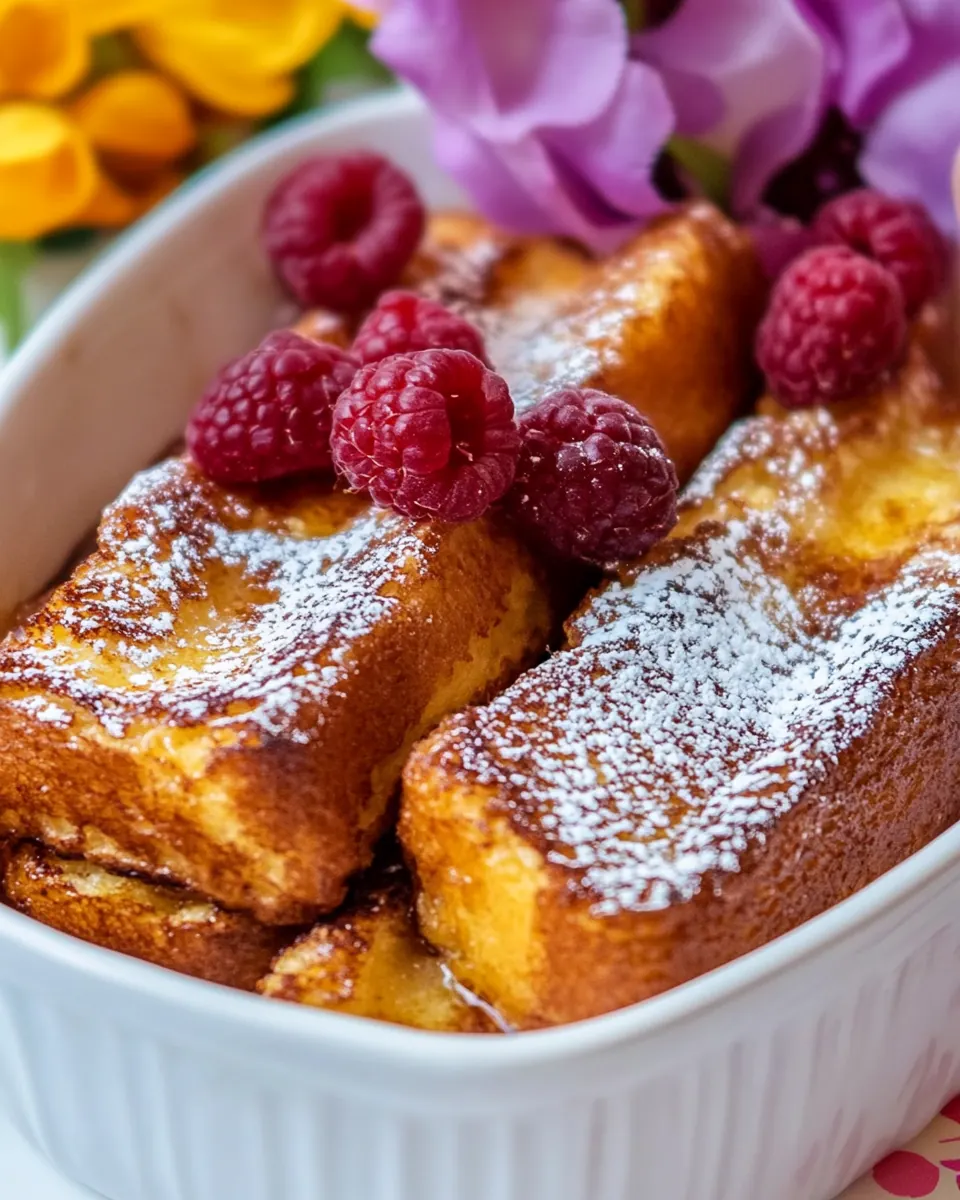
Baked French Toast Sticks
Baked French Toast Sticks have been my go to for busy weekend mornings when I want something that feels special but does not steal the whole day. The first time I made them I had a loaf of slightly stale bread and a kiddo who refused to sit still long enough for a plated breakfast, so I cut the slices into sticks and transformed leftover bread into something everyone could hold, dip, and smile over. I still remember the warm citrus aroma from the zest mixing with cinnamon, and how the kitchen filled with tiny delighted hands reaching for the tray.
On another chilly morning, I baked a tray to bring to a neighbor who had just moved in. It was an easy way to share comfort, and it reminded me that food often builds bridges faster than long conversations. Over time I tuned the recipe so the outside crisps up while the inside stays tender, and now I almost always add a bit of cornstarch to the custard for a silkier coating. That small change makes a surprisingly big difference.
Recipe Snapshot
45 mins
15 mins
30 mins
Medium
300 kcal
American
Low FODMAP, Gluten-Free
Breakfast
Rimmed baking sheet, Mixing bowls, Whisk
Why You’ll Love This Baked French Toast Sticks
Crunchy edges, tender centers
I love how Baked French Toast Sticks deliver contrasting textures with very little fuss. The ends get properly crisp in the oven, while the interior remains soft and custardy, creating a bite that keeps you going back for more. It is a simple pleasure that feels elevated yet approachable.
Family friendly and portable
These sticks are perfect for little hands and rushing adults alike. I often portion them on a tray so people can grab and dip into maple syrup or pile fruit on the side. Because they are baked, cleanup is easier and there is less splatter than pan frying, which is a relief on busy mornings.
Uses up day old bread beautifully
I always feel satisfied rescuing slightly stale bread. Its drier crumb soaks up the custard without turning to mush, giving a more structured yet tender result. This recipe turns potential waste into something delicious and stylish for guests or a cozy family brunch.
Flexible flavor profile
Between the orange zest, ground cinnamon, and a touch of nutmeg, the flavor is warm and layered. You can emphasize citrus for brightness or ramp up cinnamon for breakfast nostalgia. I like the balance as written because it is familiar but slightly grown up.
Make ahead and reheats well
I sometimes prepare the custard and assemble the sticks the night before. When baked fresh in the morning they regain that crisp edge fast. If you need to reheat leftovers, a quick stint in a warm oven restores texture better than a microwave, which can make them limp.
What Goes Into Baked French Toast Sticks
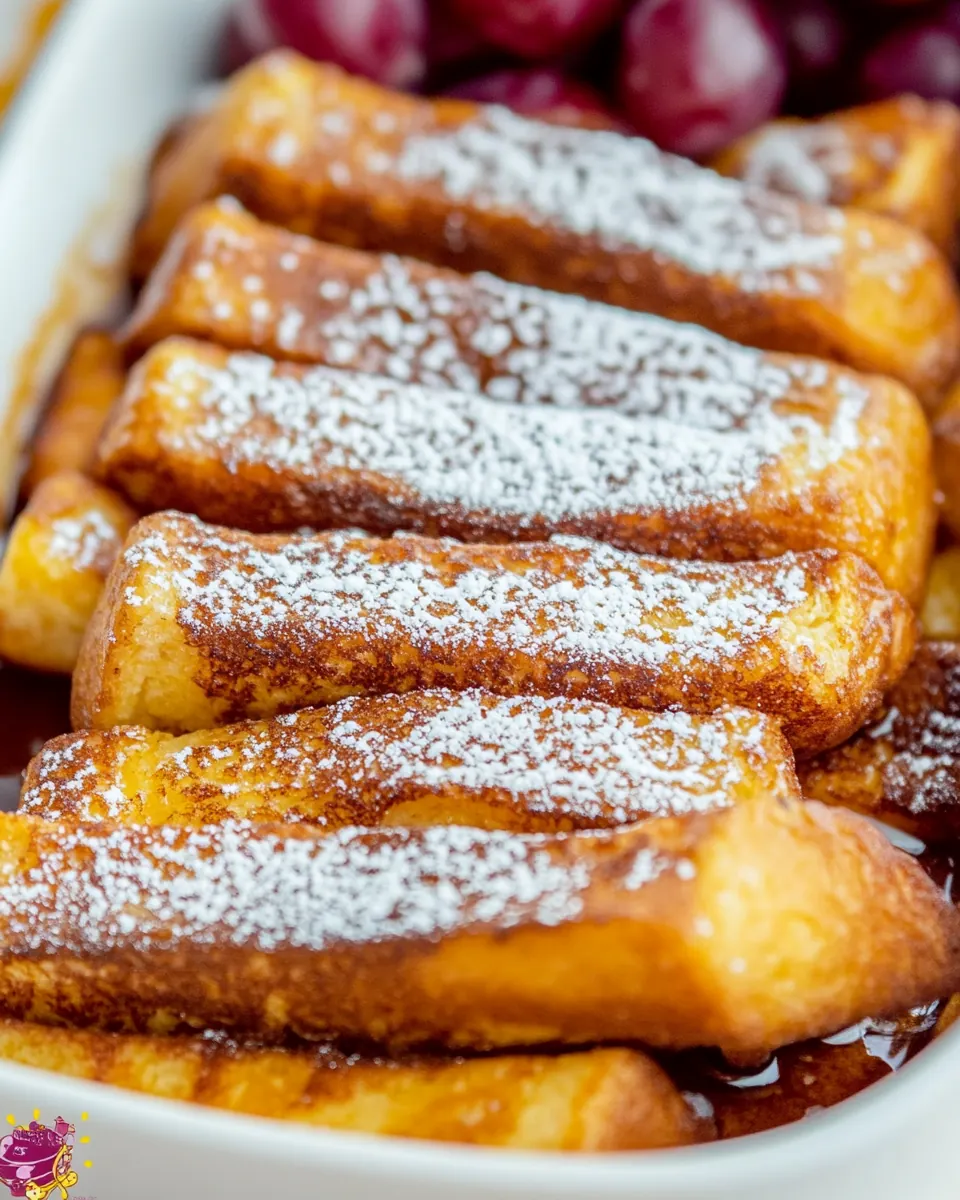
These ingredients are intentionally simple so each one can play a clear role. The custard base, made from eggs and milk, provides richness and structure, while a little cornstarch helps the coating cling and set into a silky shell. The sugars and spices create caramelized edges and cozy aromatics, and the optional fruits and maple syrup finish the plate with bright acidity or sweet balance.
- 10 slices of slightly stale bread cut in half or thirds: Cut into halves or thirds to create uniform sticks that bake evenly; slightly stale bread absorbs the custard without falling apart and yields a chewier texture. Choose a sturdy loaf like brioche or challah for richer flavor and better structure during baking.
- 1/4 cup unsalted butter melted: Melted to coat the bread and promote browning in the oven; unsalted butter provides a neutral, creamy fat that helps the exterior crisp while allowing control over overall saltiness. Brush or toss the pieces lightly to achieve golden edges without making them greasy.
- 4 large eggs: Beaten and whisked into the custard mixture to bind liquids and thicken the coating; large eggs add richness, structure, and a tender interior when baked. Ensure eggs are room temperature for smoother emulsification and even custard consistency.
- 1 cup milk: Poured into the egg mixture to create a custardy soak that softens the bread and adds moisture; milk contributes a mild dairy sweetness and helps achieve a tender crumb. Use whole milk for a richer result or lower-fat milk for a lighter texture.
- 1/4 teaspoons salt: Added in small amount to balance sweetness and enhance other flavors; salt strengthens the overall flavor profile and heightens perception of vanilla and cinnamon. Measure carefully because even a pinch can influence the final taste of the custard.
- 4 tablespoons sugar: Sprinkled into the custard to provide sweetness and a slight caramelization during baking; sugar helps create a golden top and contributes to the classic French toast flavor. Adjust quantity to taste, keeping in mind additional sweet components like syrup or brown sugar coating.
- 1 teaspoon vanilla extract: Mixed into the custard to impart aromatic sweetness and enhance overall flavor; vanilla extract deepens the profile and complements citrus and spice notes. Use pure vanilla for best flavor clarity and avoid artificial extracts when possible.
- 4 tablespoons cornstarch: Whisked into the custard to slightly thicken the mixture and help it cling to the bread for a cohesive coating; cornstarch stabilizes the custard and contributes to a silky texture when baked. Dissolve fully to prevent lumps and ensure even thickening.
- 2 tablespoons orange zest: Zested finely to add bright, citrusy aroma and a fresh contrast to the rich custard; orange zest lifts the flavor and pairs well with vanilla and cinnamon. Use a microplane for even distribution and avoid the bitter white pith.
- 1/2 cup brown sugar: Used as a coating or sprinkle to add deep, molasses-like sweetness and a caramelized crust when baked; brown sugar complements cinnamon and enhances the toasty notes. Press lightly onto the sticks or mix with spices for a crunchy topping.
- 1 teaspoon ground cinnamon: Stirred into the sugar mixture to provide warm, woody spice that defines the classic French toast flavor; ground cinnamon melds well with orange, vanilla, and brown sugar. Use ground cinnamon for convenience or freshly grated cinnamon for more intense aroma.
- 1/4 teaspoon nutmeg: Added sparingly to introduce warm, nutty undertones and complexity; nutmeg enhances the custard's spice profile and pairs naturally with cinnamon and orange zest. Grate fresh nutmeg for the best, most aromatic impact.
- Maple syrup: Served on the side for drizzling and sweetening each bite to taste; maple syrup adds a distinct caramel-vanilla flavor and pairs perfectly with buttery, spiced toast sticks. Warm slightly before serving to improve flow and penetration into the bread.
- Butter: Provided as an optional topping to add richness and extra buttery flavor after baking; butter can be spread or melted over warm sticks to enhance mouthfeel and browning. Use sparingly if already using melted butter in the recipe to avoid excess greasiness.
- Fruits: Offered as a fresh accompaniment to balance sweetness and add brightness; fruits bring acidity, freshness, and color that complement the warm, spiced toast sticks. Choose seasonal berries or sliced stone fruit for contrasting textures and flavors.
Instructions for Baked French Toast Sticks
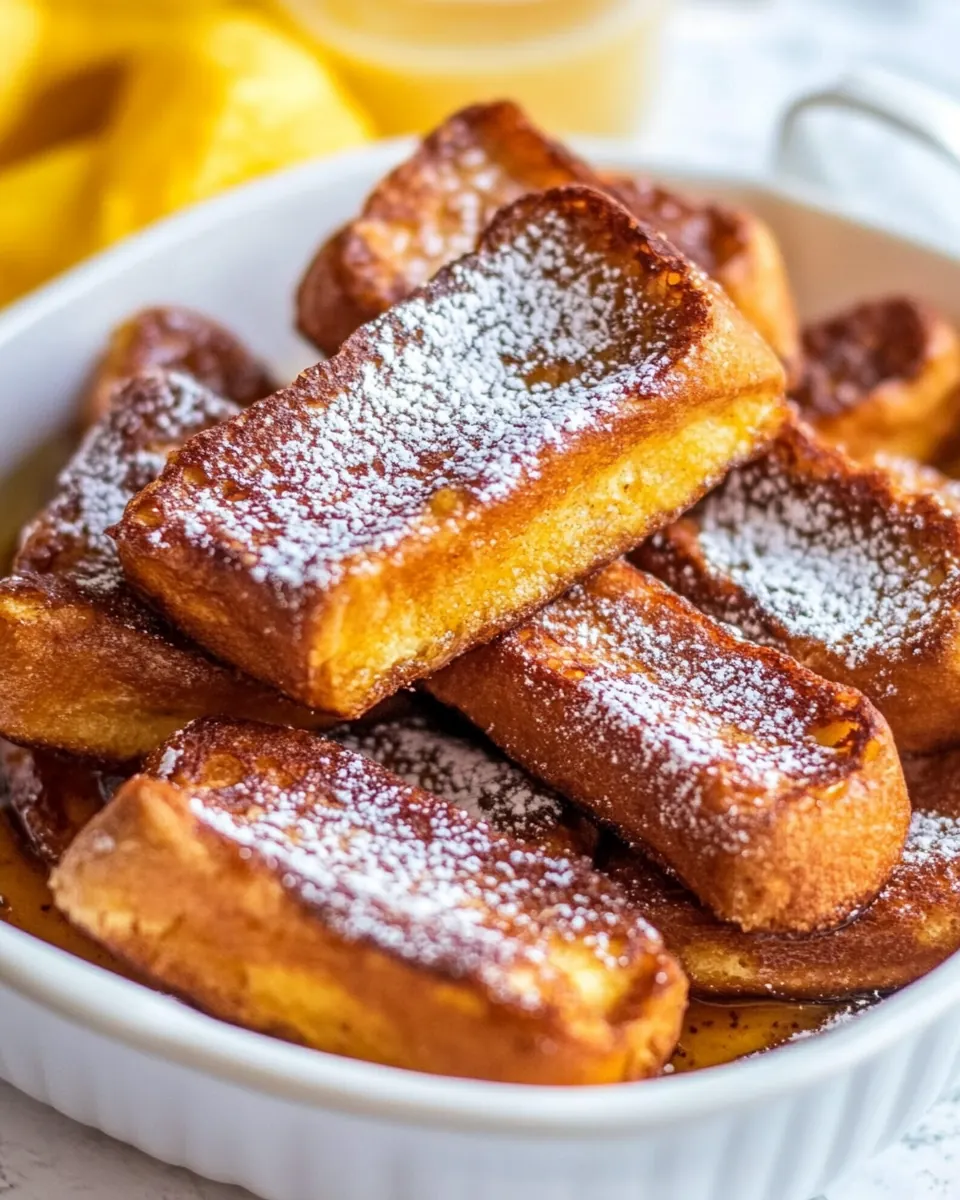
I like to walk through these steps in a relaxed, methodical way so every stick comes out with a crisp edge and a tender center. Read through once and then move confidently; much of the magic happens while the tray is in the oven.
- Preheat oven to 350 degrees F. Grease a rimmed baking sheet with a little butter or baking spray and set it aside.: Warmth in the oven creates steady, even browning and exact timing so the exterior crisps while the interior sets, producing a golden, inviting color and a faint caramel aroma that signals readiness. You will hear a light hiss as moisture escapes in the first minutes, and the smell of melting butter will spread across the kitchen. If the oven is not fully preheated you might end up with pale, underbaked edges, so always allow the temperature to stabilize before you slide the sheet in.
- Whisk together Egg Mixture in a bowl until smooth and well mixed.: A well greased rimmed baking sheet prevents sticking and encourages the bottom to brown evenly, creating those crisp edges we love. The butter will begin to sizzle under heat, producing nutty notes. If you skip greasing, the sugar can adhere to the pan and become difficult to clean and the sticks may tear when removed.
- Add all the Sugar Mix ingredients in a small bowl and stir to combine.: Whisking produces a uniform custard that soaks consistently into the bread, and the action breaks up the yolks so the mixture has an even color and texture. You will notice a glossy sheen and small bubbles on the surface as the eggs aerate. Under whisking can leave streaks of white, which cook unevenly in the final bake.
- Soak each piece of bread into the egg mixture, coating both sides well. Place in the pan.: Mixing brown sugar , ground cinnamon , and nutmeg together helps the flavors distribute evenly when sprinkled, ensuring every bite has balanced spice and sweetness. The blend will smell warm and sweet, with the cinnamon coming forward. Be sure to break up any clumps, because clumped sugar can caramelize too quickly in spots.
- Drizzle with melted butter and sprinkle with some of the Sugar Mix.: Proper soaking allows the custard to penetrate the crumb without turning it into mush, producing a moist interior. You want to feel the bread soften but still hold shape, and you may see a slight darkening as the liquid soaks in. If you leave pieces too long they risk becoming overly saturated and losing their structure, which is the most common pitfall here.
- Transfer to the oven and bake 15 minutes on each side, until crispy and golden-brown.: Arrange the soaked sticks on the prepared sheet with a bit of space so air circulates and heat reaches all sides for even browning, which yields a consistent crispness. The pan will begin to smell of butter and warm spice as it heats. Crowding the pan can trap steam and result in limp centers, so avoid stacking.
- Flip on the other side, drizzle with some butter and some of the Sugar Mix and bake for another 10 minutes, or until crispy and golden-brown.: A light drizzle of butter encourages deep golden color and the sugar mix will create caramelized spots that add crunch and flavor contrast. Watch how the sugar glistens before it melts into a shiny, slightly crusted top. Too much sugar or butter can cause excess pooling and uneven browning.
- Remove from oven and serve with butter, maple syrup, and fruits.: As the sticks bake you will notice the surface firming and a toasty aroma developing, signaling the Maillard reaction and caramelization at work. The first side will crisp noticeably and the edges will darken to a rich color. If your oven runs hot, check a few minutes early to prevent overbrowning, which can lead to bitterness.
- Flip on the other side, drizzle with some butter and some of the Sugar Mix and bake for another 10 minutes, or until crispy and golden-brown: Turning the sticks ensures both sides receive equal heat, resulting in uniform crunch. The second bake often produces the most appealing color, and you can hear a gentle crackle as sugars caramelize. Avoid flipping too roughly, which can tear the softened bread or displace the topping.
- Remove from oven and serve with butter, maple syrup, and fruits: Once out of the oven the contrast between warm, crisp exterior and tender interior is at its peak, and the aroma will be irresistible. Serve immediately with a pat of butter , a drizzle of maple syrup , and a scattering of fresh fruits for acidity and color. Letting them sit too long will cause steam to soften the crust, so serve promptly for best texture.
Helpful Notes about Baked French Toast Sticks
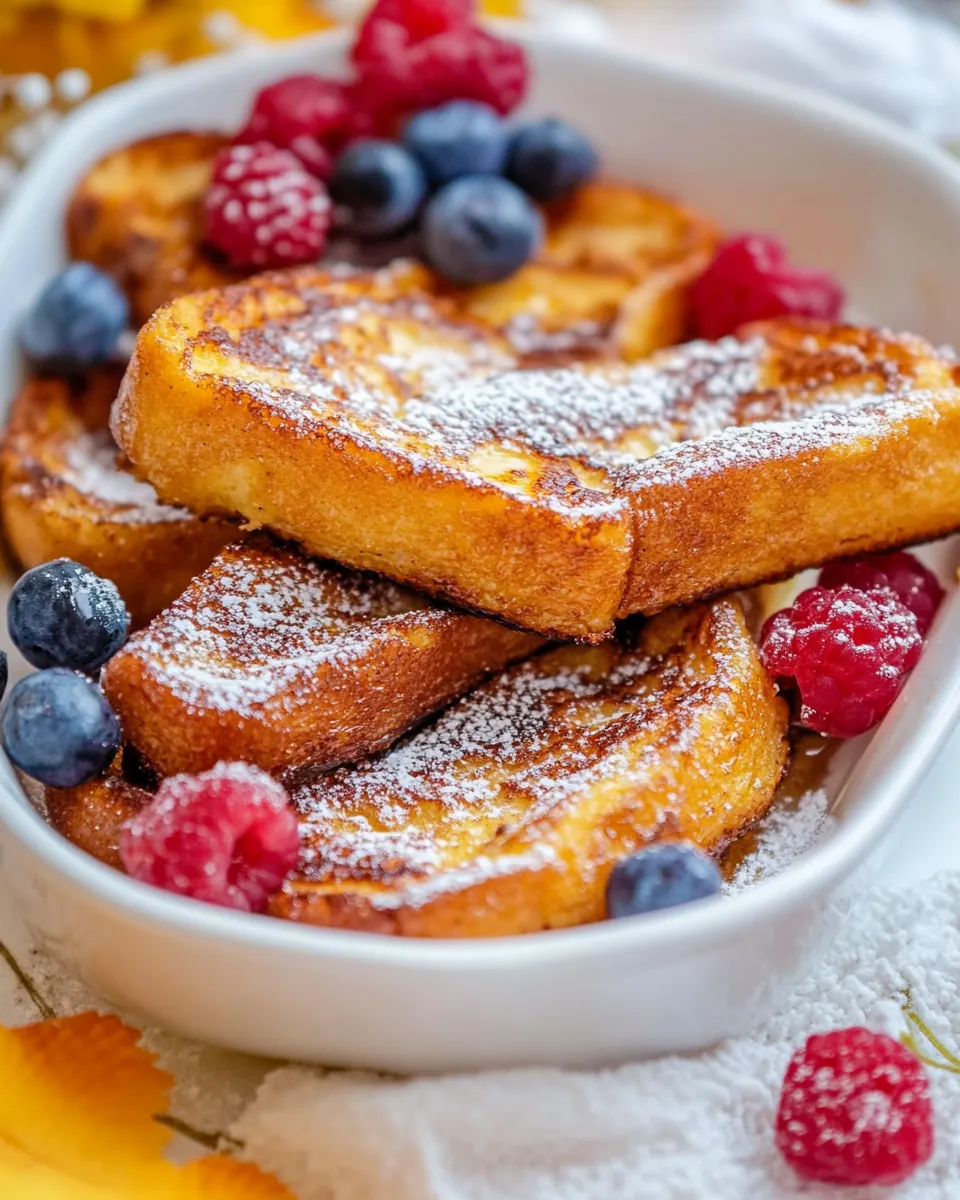
I like to keep a short list of practical reminders so the bake goes smoothly every time. These notes cover texture, timing, and small swaps that preserve the character of the dish while making it easier to prepare for a crowd.
- Prep the night before Assemble the custard and slice the bread ahead of time, then refrigerate the custard covered; this saves morning minutes and deepens flavor.
- Use whole milk for richness Whole milk gives a creamier interior, while lower fat milks yield a lighter texture but slightly less flavor.
- Brush sparingly with butter A thin brush of melted butter promotes browning without making the bottoms greasy.
- Watch oven temperature If your oven runs hot, reduce minutes slightly to avoid burnt sugar edges and check a few minutes earlier than suggested.
- Reheat in the oven For leftovers, warm at low heat to restore crispness, about ten minutes at 300 degrees F, instead of using the microwave which softens the crust.
Serving Ideas for Baked French Toast Sticks
These sticks are highly versatile and great for casual breakfasts, brunch gatherings, or as a cozy treat for cooler seasons. Below are thoughtful ways to plate and pair them for different occasions.
- Classic brunch platter Arrange Baked French Toast Sticks on a large board with bowls of maple syrup, softened butter, and a medley of fresh fruits like berries and orange slices so guests can customize each bite.
- Kid friendly breakfast Serve sticks with a small bowl of syrup and a side of sliced fruit; they are easy to hold and less messy than saucy pancakes, making them ideal for little hands at the table.
- Cozy fall morning Emphasize the warm spices by offering extra cinnamon for sprinkling and a hot mug of spiced tea, creating a comforting seasonal pairing that matches the aromatic profile.
- Make ahead for gatherings Bake ahead and warm briefly before serving; keep a tray in a low oven to maintain crispness while guests arrive, then finish with a quick brush of melted butter and fresh fruit.
- Storage tips Store cooled sticks in an airtight container in the refrigerator for up to two days, and reheat in a 300 degree F oven for about ten minutes to bring back texture.
- Serving sizes For light appetites, plan for two to three sticks per person, and for heartier crowds count on four to five sticks; pair with fruit to add freshness and balance.
FAQ
Conclusion
Baked French Toast Sticks stand out for their combination of crisp edges and tender, custardy centers, making them both comforting and fun to eat. I encourage you to try them when you have a little stale bread on hand, because they transform everyday ingredients into a memorable breakfast. They are forgiving, easy to scale, and bring a warm, inviting aroma to the kitchen that makes mornings feel a bit more special.
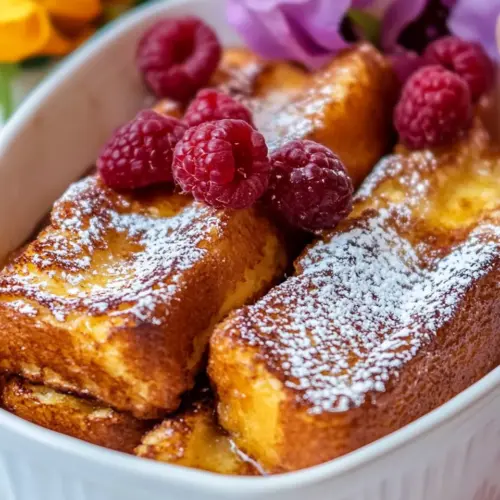
Baked French Toast Sticks
Equipment
- Rimmed Baking Sheet
- Mixing Bowls
- Whisk
Ingredients
- 10 slices of slightly stale bread cut in half or thirds Cut into halves or thirds to create uniform sticks that bake evenly; slightly stale bread absorbs the custard without falling apart and yields a chewier texture. Choose a sturdy loaf like brioche or challah for richer flavor and better structure during baking.
- 1/4 cup unsalted butter melted Melted to coat the bread and promote browning in the oven; unsalted butter provides a neutral, creamy fat that helps the exterior crisp while allowing control over overall saltiness. Brush or toss the pieces lightly to achieve golden edges without making them greasy.
- 4 large eggs Beaten and whisked into the custard mixture to bind liquids and thicken the coating; large eggs add richness, structure, and a tender interior when baked. Ensure eggs are room temperature for smoother emulsification and even custard consistency.
- 1 cup milk Poured into the egg mixture to create a custardy soak that softens the bread and adds moisture; milk contributes a mild dairy sweetness and helps achieve a tender crumb. Use whole milk for a richer result or lower-fat milk for a lighter texture.
- 1/4 teaspoons salt Added in small amount to balance sweetness and enhance other flavors; salt strengthens the overall flavor profile and heightens perception of vanilla and cinnamon. Measure carefully because even a pinch can influence the final taste of the custard.
- 4 tablespoons sugar Sprinkled into the custard to provide sweetness and a slight caramelization during baking; sugar helps create a golden top and contributes to the classic French toast flavor. Adjust quantity to taste, keeping in mind additional sweet components like syrup or brown sugar coating.
- 1 teaspoon vanilla extract Mixed into the custard to impart aromatic sweetness and enhance overall flavor; vanilla extract deepens the profile and complements citrus and spice notes. Use pure vanilla for best flavor clarity and avoid artificial extracts when possible.
- 4 tablespoons cornstarch Whisked into the custard to slightly thicken the mixture and help it cling to the bread for a cohesive coating; cornstarch stabilizes the custard and contributes to a silky texture when baked. Dissolve fully to prevent lumps and ensure even thickening.
- 2 tablespoons orange zest Zested finely to add bright, citrusy aroma and a fresh contrast to the rich custard; orange zest lifts the flavor and pairs well with vanilla and cinnamon. Use a microplane for even distribution and avoid the bitter white pith.
- 1/2 cup brown sugar Used as a coating or sprinkle to add deep, molasses-like sweetness and a caramelized crust when baked; brown sugar complements cinnamon and enhances the toasty notes. Press lightly onto the sticks or mix with spices for a crunchy topping.
- 1 teaspoon ground cinnamon Stirred into the sugar mixture to provide warm, woody spice that defines the classic French toast flavor; ground cinnamon melds well with orange, vanilla, and brown sugar. Use ground cinnamon for convenience or freshly grated cinnamon for more intense aroma.
- 1/4 teaspoon nutmeg Added sparingly to introduce warm, nutty undertones and complexity; nutmeg enhances the custard's spice profile and pairs naturally with cinnamon and orange zest. Grate fresh nutmeg for the best, most aromatic impact.
- Maple syrup Served on the side for drizzling and sweetening each bite to taste; maple syrup adds a distinct caramel-vanilla flavor and pairs perfectly with buttery, spiced toast sticks. Warm slightly before serving to improve flow and penetration into the bread.
- Butter Provided as an optional topping to add richness and extra buttery flavor after baking; butter can be spread or melted over warm sticks to enhance mouthfeel and browning. Use sparingly if already using melted butter in the recipe to avoid excess greasiness.
- Fruits Offered as a fresh accompaniment to balance sweetness and add brightness; fruits bring acidity, freshness, and color that complement the warm, spiced toast sticks. Choose seasonal berries or sliced stone fruit for contrasting textures and flavors.
Instructions
- Preheat oven to 350 degrees F. Grease a rimmed baking sheet with a little butter or baking spray and set it aside.: Warmth in the oven creates steady, even browning and exact timing so the exterior crisps while the interior sets, producing a golden, inviting color and a faint caramel aroma that signals readiness. You will hear a light hiss as moisture escapes in the first minutes, and the smell of melting butter will spread across the kitchen. If the oven is not fully preheated you might end up with pale, underbaked edges, so always allow the temperature to stabilize before you slide the sheet in.
- Whisk together Egg Mixture in a bowl until smooth and well mixed.: A well greased rimmed baking sheet prevents sticking and encourages the bottom to brown evenly, creating those crisp edges we love. The butter will begin to sizzle under heat, producing nutty notes. If you skip greasing, the sugar can adhere to the pan and become difficult to clean and the sticks may tear when removed.
- Add all the Sugar Mix ingredients in a small bowl and stir to combine.: Whisking produces a uniform custard that soaks consistently into the bread, and the action breaks up the yolks so the mixture has an even color and texture. You will notice a glossy sheen and small bubbles on the surface as the eggs aerate. Under whisking can leave streaks of white, which cook unevenly in the final bake.
- Soak each piece of bread into the egg mixture, coating both sides well. Place in the pan.: Mixing brown sugar , ground cinnamon , and nutmeg together helps the flavors distribute evenly when sprinkled, ensuring every bite has balanced spice and sweetness. The blend will smell warm and sweet, with the cinnamon coming forward. Be sure to break up any clumps, because clumped sugar can caramelize too quickly in spots.
- Drizzle with melted butter and sprinkle with some of the Sugar Mix.: Proper soaking allows the custard to penetrate the crumb without turning it into mush, producing a moist interior. You want to feel the bread soften but still hold shape, and you may see a slight darkening as the liquid soaks in. If you leave pieces too long they risk becoming overly saturated and losing their structure, which is the most common pitfall here.
- Transfer to the oven and bake 15 minutes on each side, until crispy and golden-brown.: Arrange the soaked sticks on the prepared sheet with a bit of space so air circulates and heat reaches all sides for even browning, which yields a consistent crispness. The pan will begin to smell of butter and warm spice as it heats. Crowding the pan can trap steam and result in limp centers, so avoid stacking.
- Flip on the other side, drizzle with some butter and some of the Sugar Mix and bake for another 10 minutes, or until crispy and golden-brown.: A light drizzle of butter encourages deep golden color and the sugar mix will create caramelized spots that add crunch and flavor contrast. Watch how the sugar glistens before it melts into a shiny, slightly crusted top. Too much sugar or butter can cause excess pooling and uneven browning.
- Remove from oven and serve with butter, maple syrup, and fruits.: As the sticks bake you will notice the surface firming and a toasty aroma developing, signaling the Maillard reaction and caramelization at work. The first side will crisp noticeably and the edges will darken to a rich color. If your oven runs hot, check a few minutes early to prevent overbrowning, which can lead to bitterness.
- Flip on the other side, drizzle with some butter and some of the Sugar Mix and bake for another 10 minutes, or until crispy and golden-brown: Turning the sticks ensures both sides receive equal heat, resulting in uniform crunch. The second bake often produces the most appealing color, and you can hear a gentle crackle as sugars caramelize. Avoid flipping too roughly, which can tear the softened bread or displace the topping.
- Remove from oven and serve with butter, maple syrup, and fruits: Once out of the oven the contrast between warm, crisp exterior and tender interior is at its peak, and the aroma will be irresistible. Serve immediately with a pat of butter , a drizzle of maple syrup , and a scattering of fresh fruits for acidity and color. Letting them sit too long will cause steam to soften the crust, so serve promptly for best texture.
Notes
- Prep the night before Assemble the custard and slice the bread ahead of time, then refrigerate the custard covered; this saves morning minutes and deepens flavor.
- Use whole milk for richness Whole milk gives a creamier interior, while lower fat milks yield a lighter texture but slightly less flavor.
- Brush sparingly with butter A thin brush of melted butter promotes browning without making the bottoms greasy.
- Watch oven temperature If your oven runs hot, reduce minutes slightly to avoid burnt sugar edges and check a few minutes earlier than suggested.
- Reheat in the oven For leftovers, warm at low heat to restore crispness, about ten minutes at 300 degrees F, instead of using the microwave which softens the crust.