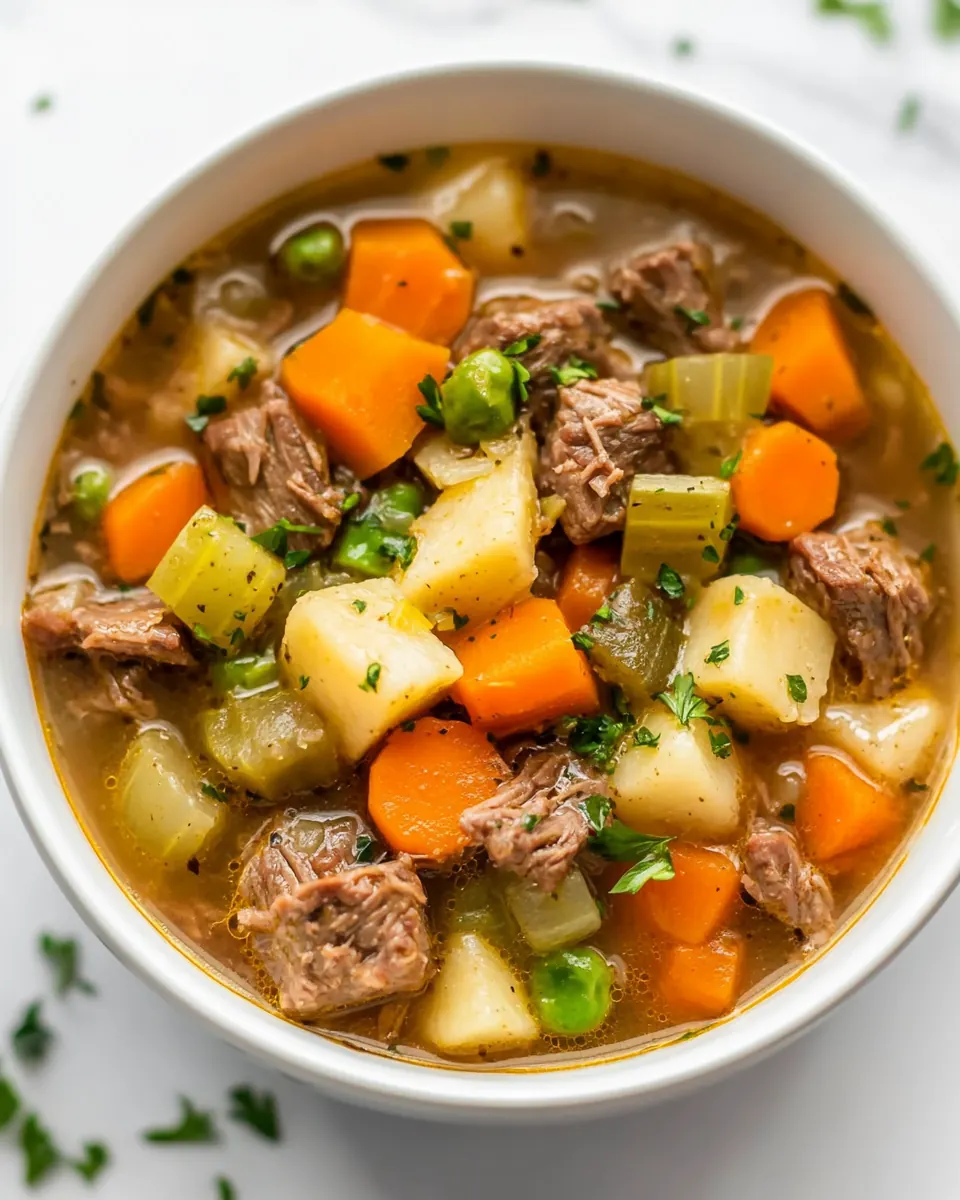
Instant Pot Beef and Vegetable Soup
Instant Pot Beef and Vegetable Soup has become my go to when the air turns crisp and I want something that feels like a warm hug in a bowl. The very first time I made this, I remember coming home from a long day with a cool wind chasing me down the street, and the kitchen smelled of beef and garlic in minutes. I sat at the counter with a mug while the pressure cooker did the heavy lifting, and that evening felt like one of those small, perfect victories where the food matches the mood.
Over the years I’ve played with the balance of vegetables and seasoning until the broth tasted full bodied but clean, and the potatoes held together without turning to mush. I love that this version stays flexible, letting you lean into chunky, comforting pieces of beef or a more brothy, slurpable bowl depending on how you cut the carrots and celery. Every forkful reminds me of slow Sunday afternoons, even though it comes together so much faster.
Recipe Snapshot
45 mins
15 mins
30 mins
Medium
320 kcal
American
Gluten-Free, Paleo
Soups
Instant Pot, Wooden spoon
Why This Instant Pot Beef and Vegetable Soup Is a Winner
Hearty, not heavy
I adore how Instant Pot Beef and Vegetable Soup manages to be deeply satisfying without feeling greasy. The pressure cooking concentrates flavor, so a relatively small amount of beef and broth turns into an intensely savory base. I often find myself appreciating how the meat gives richness while the vegetables brighten the bowl.
Speed with depth
Because I use the Instant Pot, I get tender beef in a fraction of the time it would take on the stove. The pressure environment breaks down connective tissues, producing a texture that mimics slow braising. I love that I can start this after work and still have something that tastes like it cooked all afternoon.
Textural variety
The mix of carrots, celery, and Russet potatoes delivers contrast in every spoonful. The potatoes give body and a creamy mouthfeel, while the carrot and celery maintain a gentle bite when cooked properly. I appreciate how frozen peas or corn, added at the end, offer a pop of sweetness and color.
Flexible and forgiving
I frequently tweak quantities based on what I have on hand, and this recipe forgives modest swaps. The seasoning list is modest, so it’s straightforward to scale the recipe up for a family dinner or down for a cozy evening. When I’m short on time, the one pot approach reduces cleanup, which I always celebrate.
Comfort with confidence
There is something very reassuring about a recipe that consistently delivers, and this one does. The interplay of meat, vegetables, and a seasoned broth makes it a go to for colder months, and I always feel proud serving it to friends. It’s reliable, flavorful, and quietly impressive.
Ingredients to Make Instant Pot Beef and Vegetable Soup
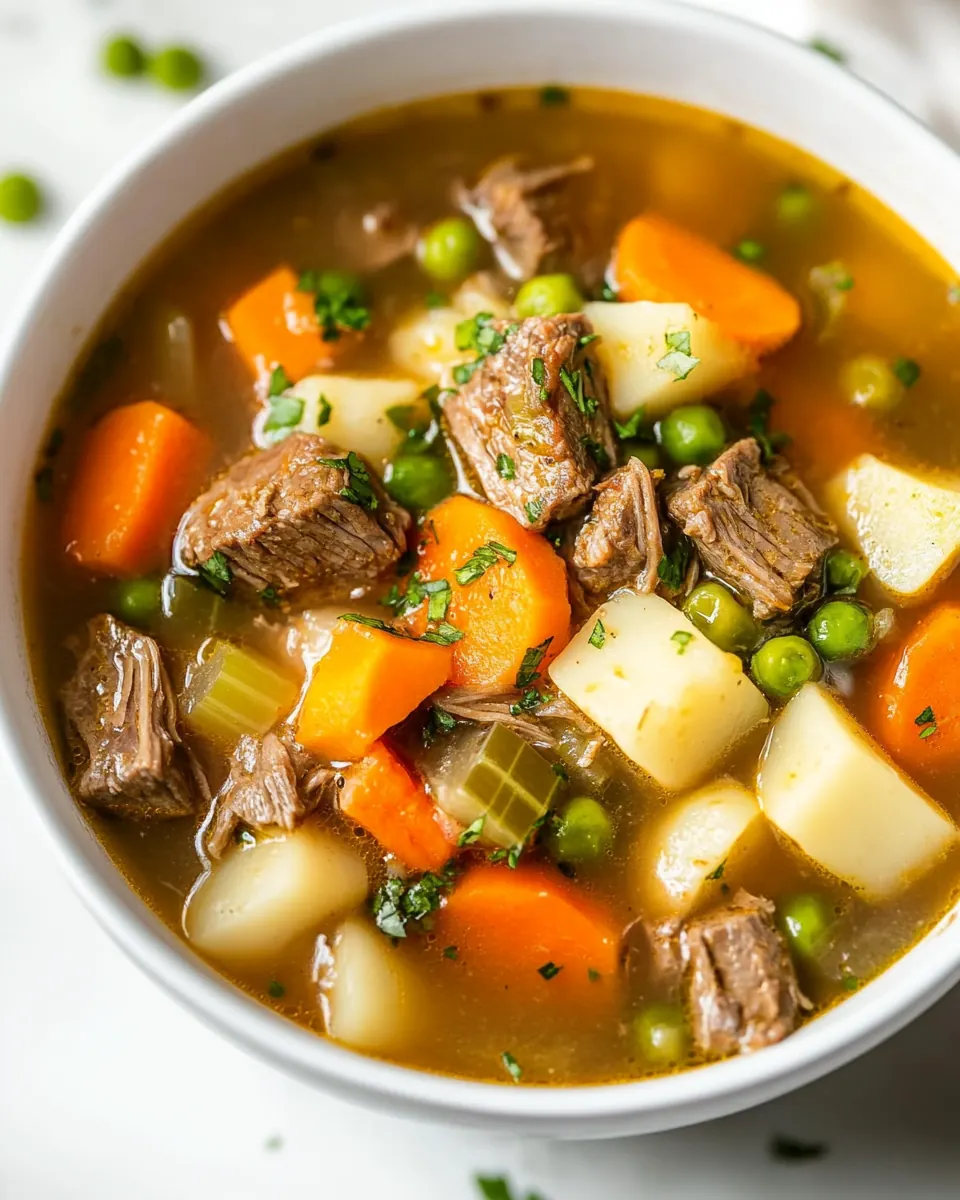
These ingredients form a classic, balanced soup profile where each item plays a clear role. The beef brings savory depth, the starchy potatoes add body, and the aromatic trio of onion, garlic, and celery creates a fragrant base. The broth and seasoning unite everything so each spoonful tastes cohesive rather than disjointed.
- 1 pounds stewing beef cut into small (3/4-1" pieces): Cut into bite-sized pieces to ensure even, tender cooking in the Instant Pot and to provide hearty texture throughout the soup; browning before pressure cooking develops deep, savory flavor and mouthfeel.
- 3 medium carrots peeled & sliced: Peeled and sliced to add natural sweetness and body to the broth; softens during cooking and melds with other vegetables to enhance overall flavor and color.
- 3 sticks celery chopped: Chopped to contribute aromatic freshness and a slight crunch if undercooked, while releasing savory notes that balance the richness of the beef and broth during pressure cooking.
- 1 medium onion chopped: Chopped to release savory, sweet aromatics that form the flavor base; softens and melds into the broth, providing depth and balance to the soup.
- 2 tablespoons olive oil: Used to sauté the beef and vegetables, promoting browning and flavor development while preventing sticking; adds a subtle fruity richness to the finished soup.
- 3 cloves garlic minced: Minced to infuse sharp, pungent umami into the cooking process; softens quickly and blends with sautéed aromatics to deepen the soup’s savory profile.
- 4 cups beef broth: Provides the savory liquid foundation and concentrated beef flavor; dissolves seasonings and deglazes the pot, ensuring a rich, cohesive soup base under pressure.
- 2 cups water: Used to adjust liquid volume for proper pressure cooking and simmering; balances concentration of flavors so vegetables and meat cook evenly without drying.
- 2 large Russet potatoes peeled & diced: Peeled and diced to add hearty starchiness and body; softens to comforting tenderness and helps thicken the broth slightly while absorbing surrounding flavors.
- 1 teaspoon Worcestershire sauce: Adds a subtle umami tang and complexity to the broth; a small amount brightens savory notes and rounds out beefiness without overpowering other ingredients.
- 1/4 teaspoon Italian seasoning: Sprinkled to introduce a blend of dried herbs and aromatic warmth; helps unify the savory elements and complements the vegetables without dominance.
- 3/4 cup frozen peas and/or corn (optional): Added optionally to introduce pops of sweetness, color, and textural contrast; frozen mix thaws into the hot soup quickly and contributes variety to each spoonful.
- Salt & pepper to taste: Season to individual taste to enhance overall flavor balance; adjust gradually to avoid over-salting and to complement the natural juices from meat and vegetables.
Making This Instant Pot Beef and Vegetable Soup
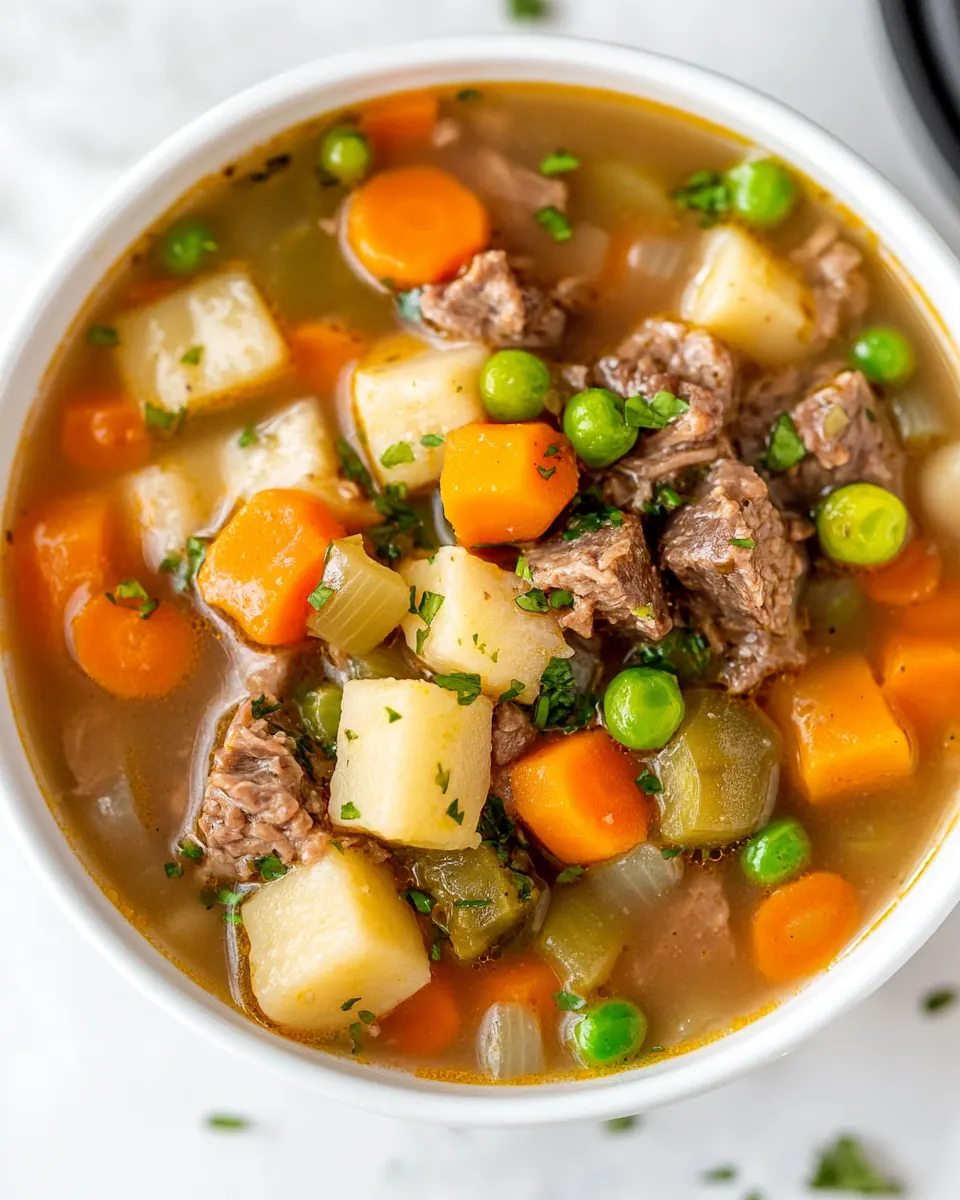
I like to approach the process as a few clear phases: browning, softening aromatics, building the broth, pressure cooking, and finishing with bright additions. With everything prepped, the Instant Pot handles the long simmering textures while you relax. Below you’ll find step by step guidance to reach consistent, comforting results.
- Cut the beef into smaller pieces (about 3/4-1" or so cubes) – they will cook faster and be more tender. Season them with salt & pepper. Prep the other ingredients.: The moment you smell the first cut pieces and the clean scent of fresh beef , you know the foundation is set and it primes the rest of the dish. Texture matters here, because uniform 3 quarter to 1 inch cubes ensure even cooking and predictable tenderness under pressure. When you season early, the salt begins to interact with the surface proteins, helping a better browning reaction once the meat hits hot oil. A common error is leaving irregular chunks which either become tough or fall apart, so take an extra minute to measure visually for consistency.
- Add the olive oil to your Instant Pot (IP) and press the sauté button. Brown the beef on all sides (about 5 minutes total). If you think the IP will be crowded, do this in two batches. Take the meat out and set it aside, and then spoon out most of the excess fat from your IP (leave about 1-2 tablespoons).: As the oil warms and the pot begins to sizzle, the first pieces will give off a toasty, caramel aroma that signals proper searing. Browning creates the fond, those browned bits that dissolve into the liquid later for depth of flavor. Remove meat once each piece has a rich brown crust, and keep the residual fat minimal so the soup finishes clean rather than greasy. Overcrowding reduces heat and causes steaming instead of browning, which is the most frequent mistake at this stage.
- Add in the onion and celery and sauté for 4-5 minutes, then stir in the garlic. Ensure any brown bits are scraped up from the bottom of the IP.: When the onion and celery hit the warm pot you should hear a gentle sizzle and soon notice softened, translucent vegetables releasing sweetness. Stirring in the minced garlic toward the end preserves its bright aromatic quality without burning it. Use a wooden spoon to deglaze the bottom and lift the fond, because those browned bits carry intense savory flavors into your broth. A common slip is letting the garlic darken too much which introduces bitterness.
- Add the meat back into the IP, along with the carrots, potatoes, broth, water, Worcestershire sauce, and Italian seasoning.: Once everything is reunited, you'll see the pot transform from separate elements into a unified stew, with the broth reflecting the concentrated color of the sautéed bits. The combination of broth and water ensures a balanced base while the small addition of Worcestershire adds umami lift. Even distribution of ingredients helps the pressure environment cook everything uniformly, so nestle the vegetables around the meat rather than piling them. Avoid overfilling the pot which can interfere with proper pressurization.
- Close the lid, ensure the valve is on "sealing", and then set the timer to cook on high pressure for 20 minutes. It'll take at least 10 minutes to get up to pressure.: With a sealed pot, aromas become concentrated and the air feels warmer in the kitchen while the Instant Pot builds pressure. The waiting period until full pressure is normal and part of the process, allowing connective tissue to soften gradually. Setting the correct time is critical because pressure cooking is precise; too little and the beef will remain tough, too long and delicate vegetables can disintegrate. Do not attempt to force open the lid mid cycle, as that interrupts the cooking and is unsafe.
- Once the countdown has finished, let the pressure naturally release for 15 minutes, then turn the valve to release the remaining pressure.: The natural release continues the gentle cooking, smoothing textures and letting the juices settle. You will hear a quiet hiss and later a more distinct release when you open the valve. This slightly extended resting time helps the beef fibers relax and makes the potatoes creamier. Forcing a quick release too early can cause splatter or result in under tenderized meat, which is the usual misstep here.
- Stir in the frozen peas and corn (I just mix the two together, but you can use one or both or neither). They will cook through really fast. Season the soup with extra salt & pepper as needed.: The frozen pieces bring a bright, sweet note and a contrasting pop of texture; stirring them in at the end preserves their color and slight snap. After integrating them, take a spoonful to taste and adjust salt and pepper, because the concentrated broth may need fine tuning. Remember that these frozen vegetables require minimal time to heat, so adding them earlier will yield a dull, overcooked texture, which you want to avoid.
Change It Up
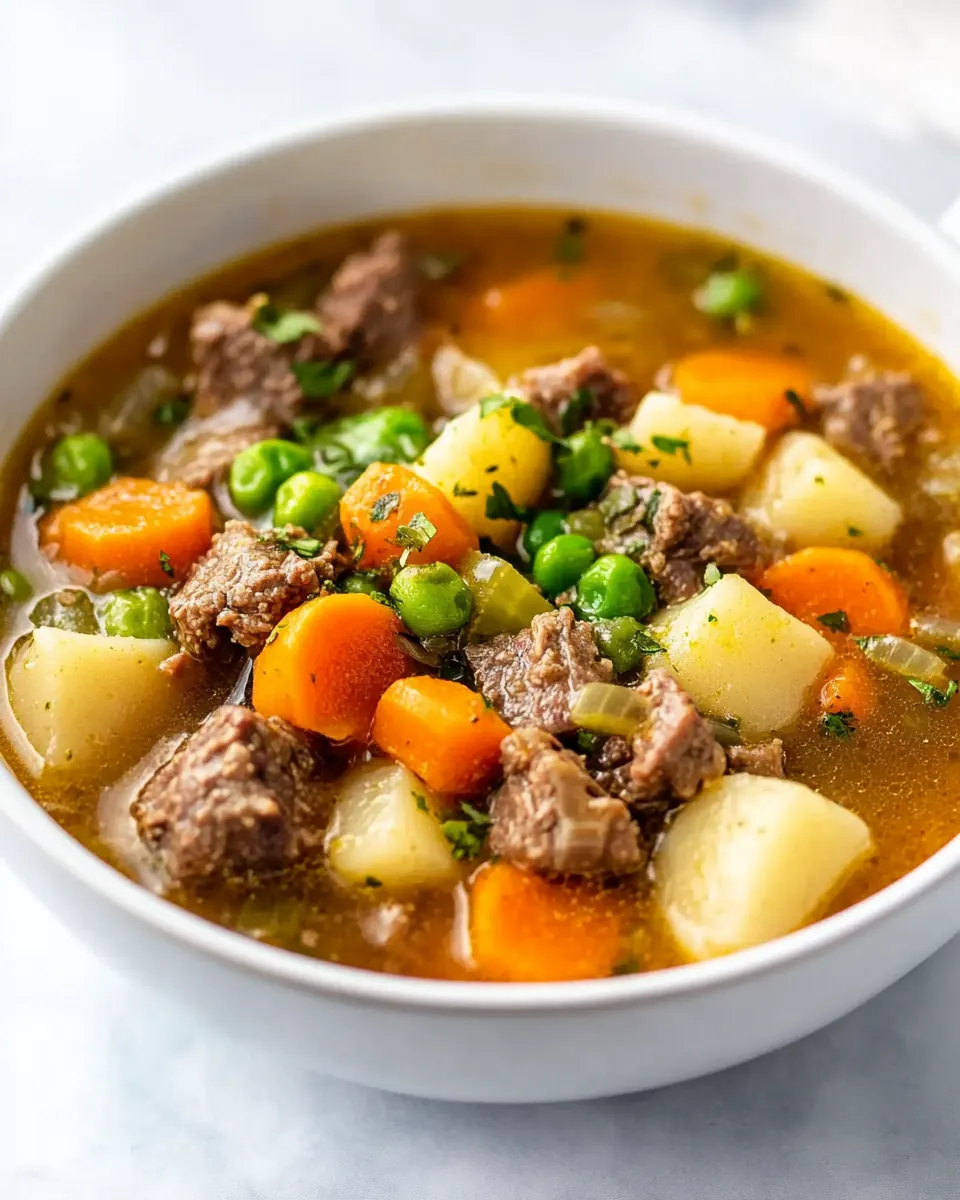
I like to offer options so you can adapt this soup to your pantry and mood. Below are practical variations and serving style ideas to keep the recipe fresh and exciting across seasons and occasions.
- Swap cut size for finish: Try slightly larger beef cubes if you want distinct chunks in the bowl, or smaller ones for a homier, casserole like feel; just remember cooking times remain the same so texture comes from size control rather than longer cooking.
- Boost umami carefully: A little extra Worcestershire sauce lifts the broth, add cautiously and taste as you go, since too much can push the profile toward a robust, tangy edge.
- Vegetable mix ins: If you prefer more texture, stir in the frozen peas and corn separately to control how each one cooks, giving you bursts of sweetness without over softening the rest of the soup.
- Potato control: Cut Russet potatoes into consistent dice so they thicken the broth pleasantly; for a lighter broth, reduce potato volume slightly and increase carrot for color.
- Leftover plan: Cool quickly and refrigerate in an airtight container, the soup often tastes better the next day as flavors meld, and you can refresh it with a splash of water or broth when reheating.
What to Serve Alongside Instant Pot Beef and Vegetable Soup
This soup pairs well with simple, comforting sides and occasions that range from casual family dinners to cozy winter lunches. Think of bread, quick salads, and easy additions that round out a meal without clashing with the soup body. Below are practical serving ideas and seasonal suggestions to help you plan a complete plate.
- Crusty bread or rolls: A warm loaf is ideal for sopping up the broth, and the contrast of a crunchy exterior and soft interior complements the soup texture.
- Light green salad: A crisp salad dressed sparingly brings a refreshing counterpoint and introduces a clean, acidic note to cut through the soup richness.
- Sandwich pairing: Serve the soup alongside a simple grilled cheese or panini for a nostalgia fueled meal that works well for lunch or a relaxed dinner.
- Family occasions: This is a great winter dinner or casual gathering dish, easy to scale for guests and forgiving when served buffet style with bowls and ladles.
- Storage tips: Refrigerate within two hours in a sealed container and consume within three to four days, or freeze in portions for up to three months; when reheating add a little water to loosen the broth if it has thickened.
- Seasonal pairings: In colder months serve with warming sides like roasted root vegetables, while in transitional seasons keep the sides lighter to let the soup shine.
FAQ
Conclusion
This Instant Pot Beef and Vegetable Soup stands out because it delivers deep, layered flavor and comforting textures with minimal hands on time. It’s the kind of recipe that feels both nourishing and unpretentious, easily scaling from a weeknight family meal to a relaxed weekend dinner. Give it a try when you want reliable comfort food that makes your kitchen smell amazing and offers satisfying leftovers. Let the pressure cooker do the work, and enjoy the warmth and simplicity of a well made bowl.
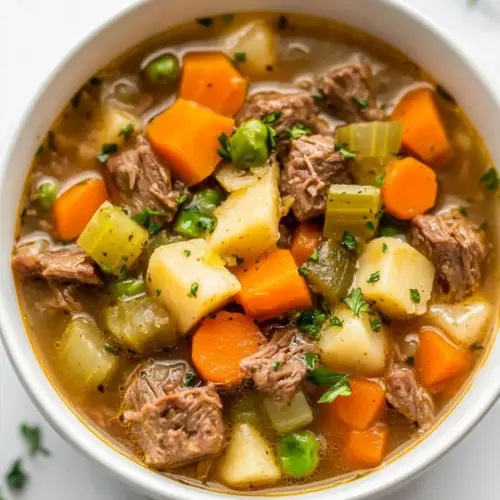
Instant Pot Beef and Vegetable Soup
Equipment
- Instant Pot
- Wooden Spoon
Ingredients
- 1 pounds stewing beef cut into small (3/4-1" pieces) Cut into bite-sized pieces to ensure even, tender cooking in the Instant Pot and to provide hearty texture throughout the soup; browning before pressure cooking develops deep, savory flavor and mouthfeel.
- 3 medium carrots peeled & sliced Peeled and sliced to add natural sweetness and body to the broth; softens during cooking and melds with other vegetables to enhance overall flavor and color.
- 3 sticks celery chopped Chopped to contribute aromatic freshness and a slight crunch if undercooked, while releasing savory notes that balance the richness of the beef and broth during pressure cooking.
- 1 medium onion chopped Chopped to release savory, sweet aromatics that form the flavor base; softens and melds into the broth, providing depth and balance to the soup.
- 2 tablespoons olive oil Used to sauté the beef and vegetables, promoting browning and flavor development while preventing sticking; adds a subtle fruity richness to the finished soup.
- 3 cloves garlic minced Minced to infuse sharp, pungent umami into the cooking process; softens quickly and blends with sautéed aromatics to deepen the soup’s savory profile.
- 4 cups beef broth Provides the savory liquid foundation and concentrated beef flavor; dissolves seasonings and deglazes the pot, ensuring a rich, cohesive soup base under pressure.
- 2 cups water Used to adjust liquid volume for proper pressure cooking and simmering; balances concentration of flavors so vegetables and meat cook evenly without drying.
- 2 large Russet potatoes peeled & diced Peeled and diced to add hearty starchiness and body; softens to comforting tenderness and helps thicken the broth slightly while absorbing surrounding flavors.
- 1 teaspoon Worcestershire sauce Adds a subtle umami tang and complexity to the broth; a small amount brightens savory notes and rounds out beefiness without overpowering other ingredients.
- 1/4 teaspoon Italian seasoning Sprinkled to introduce a blend of dried herbs and aromatic warmth; helps unify the savory elements and complements the vegetables without dominance.
- 3/4 cup frozen peas and/or corn optional Added optionally to introduce pops of sweetness, color, and textural contrast; frozen mix thaws into the hot soup quickly and contributes variety to each spoonful.
- Salt & pepper to taste Season to individual taste to enhance overall flavor balance; adjust gradually to avoid over-salting and to complement the natural juices from meat and vegetables.
Instructions
- Cut the beef into smaller pieces (about 3/4-1" or so cubes) - they will cook faster and be more tender. Season them with salt & pepper. Prep the other ingredients.: The moment you smell the first cut pieces and the clean scent of fresh beef , you know the foundation is set and it primes the rest of the dish. Texture matters here, because uniform 3 quarter to 1 inch cubes ensure even cooking and predictable tenderness under pressure. When you season early, the salt begins to interact with the surface proteins, helping a better browning reaction once the meat hits hot oil. A common error is leaving irregular chunks which either become tough or fall apart, so take an extra minute to measure visually for consistency.
- Add the olive oil to your Instant Pot (IP) and press the sauté button. Brown the beef on all sides (about 5 minutes total). If you think the IP will be crowded, do this in two batches. Take the meat out and set it aside, and then spoon out most of the excess fat from your IP (leave about 1-2 tablespoons).: As the oil warms and the pot begins to sizzle, the first pieces will give off a toasty, caramel aroma that signals proper searing. Browning creates the fond, those browned bits that dissolve into the liquid later for depth of flavor. Remove meat once each piece has a rich brown crust, and keep the residual fat minimal so the soup finishes clean rather than greasy. Overcrowding reduces heat and causes steaming instead of browning, which is the most frequent mistake at this stage.
- Add in the onion and celery and sauté for 4-5 minutes, then stir in the garlic. Ensure any brown bits are scraped up from the bottom of the IP.: When the onion and celery hit the warm pot you should hear a gentle sizzle and soon notice softened, translucent vegetables releasing sweetness. Stirring in the minced garlic toward the end preserves its bright aromatic quality without burning it. Use a wooden spoon to deglaze the bottom and lift the fond, because those browned bits carry intense savory flavors into your broth. A common slip is letting the garlic darken too much which introduces bitterness.
- Add the meat back into the IP, along with the carrots, potatoes, broth, water, Worcestershire sauce, and Italian seasoning.: Once everything is reunited, you'll see the pot transform from separate elements into a unified stew, with the broth reflecting the concentrated color of the sautéed bits. The combination of broth and water ensures a balanced base while the small addition of Worcestershire adds umami lift. Even distribution of ingredients helps the pressure environment cook everything uniformly, so nestle the vegetables around the meat rather than piling them. Avoid overfilling the pot which can interfere with proper pressurization.
- Close the lid, ensure the valve is on "sealing", and then set the timer to cook on high pressure for 20 minutes. It'll take at least 10 minutes to get up to pressure.: With a sealed pot, aromas become concentrated and the air feels warmer in the kitchen while the Instant Pot builds pressure. The waiting period until full pressure is normal and part of the process, allowing connective tissue to soften gradually. Setting the correct time is critical because pressure cooking is precise; too little and the beef will remain tough, too long and delicate vegetables can disintegrate. Do not attempt to force open the lid mid cycle, as that interrupts the cooking and is unsafe.
- Once the countdown has finished, let the pressure naturally release for 15 minutes, then turn the valve to release the remaining pressure.: The natural release continues the gentle cooking, smoothing textures and letting the juices settle. You will hear a quiet hiss and later a more distinct release when you open the valve. This slightly extended resting time helps the beef fibers relax and makes the potatoes creamier. Forcing a quick release too early can cause splatter or result in under tenderized meat, which is the usual misstep here.
- Stir in the frozen peas and corn (I just mix the two together, but you can use one or both or neither). They will cook through really fast. Season the soup with extra salt & pepper as needed.: The frozen pieces bring a bright, sweet note and a contrasting pop of texture; stirring them in at the end preserves their color and slight snap. After integrating them, take a spoonful to taste and adjust salt and pepper, because the concentrated broth may need fine tuning. Remember that these frozen vegetables require minimal time to heat, so adding them earlier will yield a dull, overcooked texture, which you want to avoid.
Notes
- Swap cut size for finish: Try slightly larger beef cubes if you want distinct chunks in the bowl, or smaller ones for a homier, casserole like feel; just remember cooking times remain the same so texture comes from size control rather than longer cooking.
- Boost umami carefully: A little extra Worcestershire sauce lifts the broth, add cautiously and taste as you go, since too much can push the profile toward a robust, tangy edge.
- Vegetable mix ins: If you prefer more texture, stir in the frozen peas and corn separately to control how each one cooks, giving you bursts of sweetness without over softening the rest of the soup.
- Potato control: Cut Russet potatoes into consistent dice so they thicken the broth pleasantly; for a lighter broth, reduce potato volume slightly and increase carrot for color.
- Leftover plan: Cool quickly and refrigerate in an airtight container, the soup often tastes better the next day as flavors meld, and you can refresh it with a splash of water or broth when reheating.