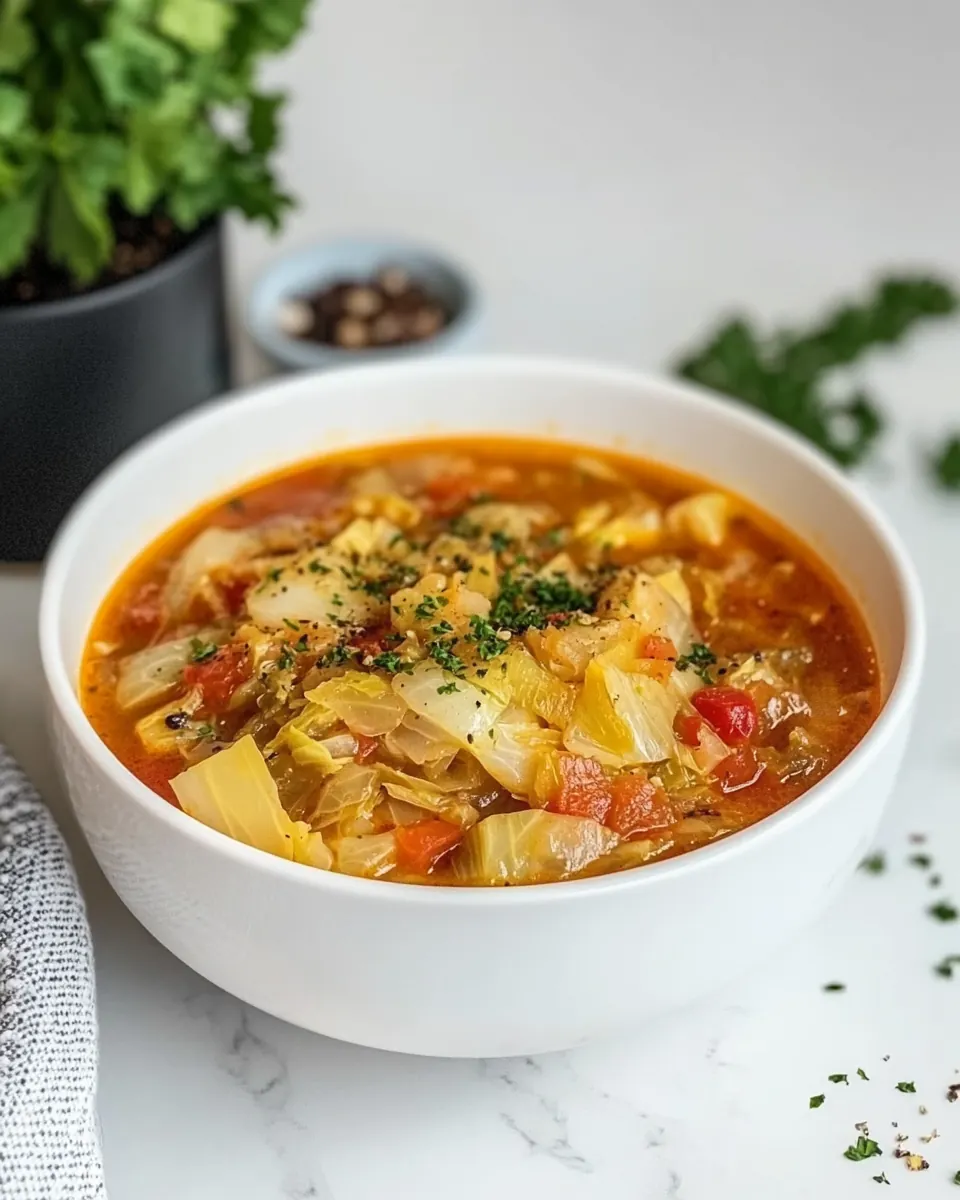
Instant Pot Cabbage Soup
Instant Pot Cabbage Soup is the kind of bowl that makes chilly evenings feel like a warm hug, and it became my go to when I needed something both honest and comforting. I remember the first time I made this soup for a friend who was recovering from a cold, and how the kitchen filled with the bright scent of lemon and the earthy aroma of simmered potatoes and cabbage. It felt less like a recipe and more like a remedy, one I came back to again and again.
As weeks turned into months, this simple pressure cooker recipe evolved into my favorite quick dinner for nights when I wanted nourishing food without fuss. I like how the Instant Pot concentrates flavors while keeping textures tender but not mushy, which is especially important for the delicate leaves of cabbage. Friends always ask for seconds, and I tell them the secret is in layering the aromatics early and finishing with fresh lemon juice to brighten everything up.
Recipe Snapshot
12 mins
10 mins
2 mins
Easy
120 kcal
American
Paleo, Whole30
Soups
Electric Pressure Cooker (6 or 8 quart)
The Best Thing About This Instant Pot Cabbage Soup
Hearty Comfort in Minimal Time
I adore how Instant Pot Cabbage Soup feels like a full meal even though it comes together quickly. The pressure cooking compresses time while coaxing out savory depth from humble ingredients like onion and carrot. For weeknights, that’s a lifesaver, because we get a bowl that tastes slow simmered in far less time.
Budget Friendly and Flexible
I’ve made this soup when my pantry was spare, and it still delivered. With options to use water or extra broth, it’s forgiving on a tight grocery budget. I often swap potatoes or skip them for a lighter bowl, and the core flavor remains satisfying. That flexibility makes it a recipe I keep coming back to.
Nutrient Dense and Cozy
This recipe highlights simple vegetables like cabbage, potatoes, and carrot, which together give a comforting mouthfeel and real staying power. I like that each spoonful has texture, from tender cabbage to soft chunks of potato, and the added tang of lemon juice at the end lifts the whole pot so it never feels heavy.
Perfect for Batch Cooking
When I double this recipe for meal prep, the flavors deepen over a day or two. It reheats beautifully, and I often portion it for lunches. The soup travels well, and you can freeze extra batches confidently, which is why it sits in my rotation during busy weeks.
Kid Friendly and Crowd Ready
I’ve served Instant Pot Cabbage Soup at casual dinners and everyone from picky eaters to adventurous friends enjoyed it. The gentle seasoning and familiar vegetables make it approachable, while the aroma signals home. It’s one of those dishes that feels both humble and special.
Recipe Ingredients for Instant Pot Cabbage Soup

These ingredients come together to create a balanced, cozy soup where each component plays a clear role. The foundation is aromatic onion, carrot, and celery, which build savory depth. The starchy potatoes and hearty cabbage provide body and texture, while broth and tomatoes create the liquid and acidity. A splash of lemon juice brightens the bowl at the end.
- 1 tablespoon olive oil: Sauté in the pot to develop a fragrant base and help soften aromatics; adds healthy fats and prevents sticking while carrying flavors throughout the soup in an Instant Pot.
- 1 large yellow onion, minced: Mince finely to release sweet, savory flavors; provides foundational aromatics that soften and meld with other vegetables during pressure cooking for depth and balance.
- 1 large carrot, diced: Dice uniformly to ensure even cooking and a tender texture; contributes natural sweetness, body, and color to the soup while complementing the cabbage and potatoes.
- 2 stalks celery, diced: Dice and sweat until softened to build aromatic layers; adds subtle vegetal sweetness and texture while creating a classic mirepoix profile that enhances overall flavor.
- 2 cloves garlic, minced: Mince and briefly sauté to release pungent, savory oils; adds a bright, garlicky note that lifts the soup and harmonizes with herbs and tomatoes.
- 1 teaspoon dried oregano: Sprinkle to introduce warm, herbal complexity; enhances Mediterranean undertones and rounds out the tomato and vegetable flavors without overpowering the soup.
- 2 cups water, or additional broth: Pour as a neutral liquid to help deglaze and control consistency; provides hydration for the vegetables and can be adjusted to reach desired soup thickness and taste.
- 4 cups low-sodium vegetable broth, or additional water: Add as the primary flavorful liquid to build a savory, umami-rich broth; supplies salt control when low-sodium and supports the vegetables’ textures during pressure cooking.
- 1 teaspoon kosher salt: Season to elevate and balance flavors; regulates overall seasoning level and brings out the natural tastes of vegetables, tomatoes, and broth.
- 1/2 teaspoon black pepper: Crack freshly to provide mild heat and aromatic sharpness; balances salt and acidity while enhancing the soup’s savory profile with subtle bite.
- 2 dried bay leaves: Tuck into the pot whole to release subtle bitter, herbal notes during simmering; imparts background complexity and can be removed before serving to avoid bitterness.
- 2 medium Yukon gold potatoes, scrubbed well and diced into 1-inch chunks: Scrub and dice into chunky pieces to add hearty texture and starchiness; helps thicken the soup slightly and complements cabbage with a satisfying bite.
- 1/2 head green cabbage, chopped: Chop into ribbons or chunks to provide bulk, mild sweetness, and tender crunch when cooked; absorbs surrounding flavors and gives the soup its classic character.
- 1 (15 oz can) diced tomatoes: Pour including juices to contribute acidity, sweetness, and tomato texture; adds bright tomato flavor and balances the broth while offering pleasant body and color.
- 1 tablespoon fresh lemon juice, ~1 medium lemon: Squeeze fresh to brighten and finish the soup with acidity; balances richness and enhances other flavors while adding a clean, citrusy lift just before serving.
Preparation Steps for Instant Pot Cabbage Soup

These steps guide you through building flavor from the bottom of the pot up, using the sauté stage to develop aromatics and the pressure stage to tenderize vegetables evenly. Follow sensory cues and small troubleshooting notes to ensure you end up with a comforting, well rounded soup.
- Turn your Instant Pot to the saute setting. Add 1 tablespoon olive oil to the instant pot and let it heat for a few seconds, then add 1 large yellow onion (minced), 1 large carrot (diced), and 2 stalks celery (diced). Stir and saute for about 2-3 minutes, or until the onion softens. Once the onion has softened, add the 2 cloves garlic (minced) and 1 teaspoon dried oregano and allow to saute for 30-60 seconds just to toast. Then hit cancel on the inner pot to turn off the saute function.: The moment you start sautéing you should notice a soft sizzle as the olive oil warms, and the kitchen will begin to smell faintly of toasted starch. I like to let the oil shimmer but not smoke, because overheating will scorch the aromatics. As the onion , carrot , and celery hit the pot you should hear a gentle hiss, and within two to three minutes the onion will start to look translucent at the edges. This early browning builds savory depth that pressure cooking alone cannot produce. If your vegetables start to brown too quickly, lower the heat or lift the lid briefly to cool the surface, otherwise they can develop bitter notes.
- Add 2 cups water to the inner pot and use a wooden spoon or spatula to scrape up any browned bits on the bottom of the inner pot.: When you pour the water in, it will loosen any browned bits stuck to the bottom, which are flavor gold. Use a wooden spoon to scrape those fond bits free, because they dissolve into the liquid and make the broth layered and interesting. You will see the pot release a gentle steam and the aroma will deepen as the browned sugars dissolve. Forgetting to deglaze can trigger the burn warning, so always scrape thoroughly before adding more liquid.
- Add the 4 cups low-sodium vegetable broth, 1 teaspoon kosher salt, 1/2 teaspoon black pepper, 2 dried bay leaves and 2 medium Yukon gold potatoes (cubed) to the instant pot and stir to combine. Gently stir in 1/2 head green cabbage (chopped). Pour 1 (15 oz can) diced tomatoes on top of the ingredients inside the inner pot, and gently stir into the soup, it is okay if the tomatoes aren't fully mixed into the soup.: As you add the vegetable broth and seasonings, the pot will fill with a savory steam that smells rounded and aromatic. Stir the broth so the seasoning distributes evenly and the potatoes settle into the liquid. The broth is the backbone of the bowl, so use low-sodium broth to control salt levels. A common misstep is over-salting early, which can be hard to correct after pressure cooking; taste and adjust after pressure release.
- Place the lid on the Instant Pot, be sure the vent knob is sealed or locked, and using the manual or pressure cook setting, set it to cook on high pressure for 2 minutes. Once the cooking time has elapsed, allow the pressure to release naturally, or for at least 15 minutes.: After the potatoes, add the chopped cabbage , which will seem bulky but wilts significantly when cooked. As you fold the leaves into the broth you will notice them soften and compress, and their vegetal scent becomes sweeter and softer. This step is about gentle incorporation so you keep the cabbage from turning into a mush. Avoid vigorous stirring that can break the potatoes, resulting in a cloudy, starchy broth.
- Carefully remove the lid from the instant pot, add in 1 tablespoon fresh lemon juice, and stir. As you stir, remove the bay leaves and discard. Serve.: When the diced tomatoes hit the pot you will smell a bright tomato tang that cuts through the richness. I often leave them slightly on top rather than fully mixing, because they break down during pressure cooking and contribute chunks and acidity in different stages. The visual contrast also helps you check even distribution once the soup is cooked. A common mistake is over stirring at this point which can mash the tomatoes and make the texture too uniform.
- Place the lid on the Instant Pot and set to cook on high pressure for 2 minutes: Once sealed and under pressure you will notice a soft rhythmic hiss as the cooker builds. The short, high pressure cycle is enough to tenderize the potatoes while keeping the cabbage intact. After sealing, allow for a natural pressure release for at least 15 minutes, which helps the vegetables finish gently and prevents sudden textural collapse. Be patient here, because quick releasing too soon can leave the potatoes underdone and the cabbage too firm.
- Allow the pressure to release naturally for at least 15 minutes: During the natural release the soup continues to finish cooking gently and flavors meld. You will see the steam slow and hear the float valve drop when it is safe to open. The gentle cooling keeps the broth clear and the vegetables tender. Rapidly forcing the release can intensify splatter or shock the vegetables, causing them to disintegrate, so always allow that resting time when possible.
- Carefully remove the lid and add in 1 tablespoon fresh lemon juice: When you lift the lid expect a fragrant cloud of steam and a rich, rounded aroma. Stir in the lemon juice to brighten the whole pot, and notice how a small amount of acid lifts the flavors and refreshes the palate. As you stir, remove the bay leaves and discard them; they will be easy to spot because they stay mostly intact. Avoid adding acidic ingredients too early in pressure cooking because they can slow the softening of vegetables.
- Stir and serve: The final stirring will bring everything into harmony, and you should see tender chunks of potato , softened leaves of cabbage , and flecks of herb. Taste and adjust seasoning with more salt or black pepper if needed. The finished bowl should smell bright and savory, with a gentle lemon lift. If it tastes flat, a tiny pinch of salt or another squeeze of lemon usually fixes it; over seasoning is harder to reverse, so adjust cautiously.
Pro Tips and Tweaks

I like to keep these tips close by when I cook Instant Pot Cabbage Soup. They help you adapt the recipe for pantry limitations, different equipment, and flavor preferences, so you get consistent results. Read through them before you start, and pick the ones that fit your rhythm.
- Broth choice matters, using low sodium vegetable broth gives you control over final salt levels, and if you only have water increase herbs and garlic slightly to boost flavor.
- Potato texture, choose Yukon golds for a creamy interior that holds shape; if you want softer, increase the cooking time slightly or cut into smaller pieces.
- Deglazing is essential, always scrape the bottom of the pot after sautéing to lift fond, which prevents burn warnings and adds deep savory notes to the broth.
- Lemon finish, add fresh lemon juice at the end to brighten flavors, don’t add it before pressure cooking because acid can slow vegetable softening.
- Batch and freeze, cool soup completely before freezing, leave room for expansion, and thaw overnight for best texture when reheating.
Perfect Pairings for Instant Pot Cabbage Soup
Instant Pot Cabbage Soup pairs nicely with simple sides and suits many occasions from casual weeknight dinners to gentle Ramadan iftar meals. The bowl is versatile, so think light, crisp accompaniments and seasonal touches to complement the warm, savory broth.
- Crusty bread, a warm slice for dipping makes a cozy companion and helps sop up the flavorful broth.
- Light salad, a crisp green salad with a tangy vinaigrette contrasts the soup’s warmth and adds a fresh crunchy element.
- Family dinners, serve this soup as a main for relaxed dinners where everyone can ladle their own bowl and add finishing touches like extra lemon juice.
- Meal prep, portion the soup into individual containers for easy lunches, it reheats evenly and stays comforting across several days.
- Seasonal pairing, in winter enjoy it with roasted root vegetables, while in spring a bright herb garnish makes it feel lighter and fresher.
FAQ
Conclusion
Instant Pot Cabbage Soup is special because it turns simple, inexpensive ingredients into a soothing, flavorful meal that feels like it simmered for hours. Give it a try on a busy weeknight or when you want something nourishing and low fuss, and enjoy how a few pantry staples become unexpectedly comforting. Once you make it, you may find yourself reaching for it again and again as a reliable bowl that warms both body and spirit.

Instant Pot Cabbage Soup
Equipment
- Electric Pressure Cooker (6 or 8 quart)
Ingredients
- 1 tablespoon olive oil Sauté in the pot to develop a fragrant base and help soften aromatics; adds healthy fats and prevents sticking while carrying flavors throughout the soup in an Instant Pot.
- 1 large yellow onion, minced Mince finely to release sweet, savory flavors; provides foundational aromatics that soften and meld with other vegetables during pressure cooking for depth and balance.
- 1 large carrot, diced Dice uniformly to ensure even cooking and a tender texture; contributes natural sweetness, body, and color to the soup while complementing the cabbage and potatoes.
- 2 stalks celery, diced Dice and sweat until softened to build aromatic layers; adds subtle vegetal sweetness and texture while creating a classic mirepoix profile that enhances overall flavor.
- 2 cloves garlic, minced Mince and briefly sauté to release pungent, savory oils; adds a bright, garlicky note that lifts the soup and harmonizes with herbs and tomatoes.
- 1 teaspoon dried oregano Sprinkle to introduce warm, herbal complexity; enhances Mediterranean undertones and rounds out the tomato and vegetable flavors without overpowering the soup.
- 2 cups water, or additional broth Pour as a neutral liquid to help deglaze and control consistency; provides hydration for the vegetables and can be adjusted to reach desired soup thickness and taste.
- 4 cups low-sodium vegetable broth, or additional water Add as the primary flavorful liquid to build a savory, umami-rich broth; supplies salt control when low-sodium and supports the vegetables’ textures during pressure cooking.
- 1 teaspoon kosher salt Season to elevate and balance flavors; regulates overall seasoning level and brings out the natural tastes of vegetables, tomatoes, and broth.
- 1/2 teaspoon black pepper Crack freshly to provide mild heat and aromatic sharpness; balances salt and acidity while enhancing the soup’s savory profile with subtle bite.
- 2 dried bay leaves Tuck into the pot whole to release subtle bitter, herbal notes during simmering; imparts background complexity and can be removed before serving to avoid bitterness.
- 2 medium Yukon gold potatoes, scrubbed well and diced into 1-inch chunks Scrub and dice into chunky pieces to add hearty texture and starchiness; helps thicken the soup slightly and complements cabbage with a satisfying bite.
- 1/2 head green cabbage, chopped Chop into ribbons or chunks to provide bulk, mild sweetness, and tender crunch when cooked; absorbs surrounding flavors and gives the soup its classic character.
- 1 (15 oz can) diced tomatoes Pour including juices to contribute acidity, sweetness, and tomato texture; adds bright tomato flavor and balances the broth while offering pleasant body and color.
- 1 tablespoon fresh lemon juice, ~1 medium lemon Squeeze fresh to brighten and finish the soup with acidity; balances richness and enhances other flavors while adding a clean, citrusy lift just before serving.
Instructions
- Turn your Instant Pot to the saute setting. Add 1 tablespoon olive oil to the instant pot and let it heat for a few seconds, then add 1 large yellow onion (minced), 1 large carrot (diced), and 2 stalks celery (diced). Stir and saute for about 2-3 minutes, or until the onion softens. Once the onion has softened, add the 2 cloves garlic (minced) and 1 teaspoon dried oregano and allow to saute for 30-60 seconds just to toast. Then hit cancel on the inner pot to turn off the saute function.: The moment you start sautéing you should notice a soft sizzle as the olive oil warms, and the kitchen will begin to smell faintly of toasted starch. I like to let the oil shimmer but not smoke, because overheating will scorch the aromatics. As the onion , carrot , and celery hit the pot you should hear a gentle hiss, and within two to three minutes the onion will start to look translucent at the edges. This early browning builds savory depth that pressure cooking alone cannot produce. If your vegetables start to brown too quickly, lower the heat or lift the lid briefly to cool the surface, otherwise they can develop bitter notes.
- Add 2 cups water to the inner pot and use a wooden spoon or spatula to scrape up any browned bits on the bottom of the inner pot.: When you pour the water in, it will loosen any browned bits stuck to the bottom, which are flavor gold. Use a wooden spoon to scrape those fond bits free, because they dissolve into the liquid and make the broth layered and interesting. You will see the pot release a gentle steam and the aroma will deepen as the browned sugars dissolve. Forgetting to deglaze can trigger the burn warning, so always scrape thoroughly before adding more liquid.
- Add the 4 cups low-sodium vegetable broth, 1 teaspoon kosher salt, 1/2 teaspoon black pepper, 2 dried bay leaves and 2 medium Yukon gold potatoes (cubed) to the instant pot and stir to combine. Gently stir in 1/2 head green cabbage (chopped). Pour 1 (15 oz can) diced tomatoes on top of the ingredients inside the inner pot, and gently stir into the soup, it is okay if the tomatoes aren't fully mixed into the soup.: As you add the vegetable broth and seasonings, the pot will fill with a savory steam that smells rounded and aromatic. Stir the broth so the seasoning distributes evenly and the potatoes settle into the liquid. The broth is the backbone of the bowl, so use low-sodium broth to control salt levels. A common misstep is over-salting early, which can be hard to correct after pressure cooking; taste and adjust after pressure release.
- Place the lid on the Instant Pot, be sure the vent knob is sealed or locked, and using the manual or pressure cook setting, set it to cook on high pressure for 2 minutes. Once the cooking time has elapsed, allow the pressure to release naturally, or for at least 15 minutes.: After the potatoes, add the chopped cabbage , which will seem bulky but wilts significantly when cooked. As you fold the leaves into the broth you will notice them soften and compress, and their vegetal scent becomes sweeter and softer. This step is about gentle incorporation so you keep the cabbage from turning into a mush. Avoid vigorous stirring that can break the potatoes, resulting in a cloudy, starchy broth.
- Carefully remove the lid from the instant pot, add in 1 tablespoon fresh lemon juice, and stir. As you stir, remove the bay leaves and discard. Serve.: When the diced tomatoes hit the pot you will smell a bright tomato tang that cuts through the richness. I often leave them slightly on top rather than fully mixing, because they break down during pressure cooking and contribute chunks and acidity in different stages. The visual contrast also helps you check even distribution once the soup is cooked. A common mistake is over stirring at this point which can mash the tomatoes and make the texture too uniform.
- Place the lid on the Instant Pot and set to cook on high pressure for 2 minutes: Once sealed and under pressure you will notice a soft rhythmic hiss as the cooker builds. The short, high pressure cycle is enough to tenderize the potatoes while keeping the cabbage intact. After sealing, allow for a natural pressure release for at least 15 minutes, which helps the vegetables finish gently and prevents sudden textural collapse. Be patient here, because quick releasing too soon can leave the potatoes underdone and the cabbage too firm.
- Allow the pressure to release naturally for at least 15 minutes: During the natural release the soup continues to finish cooking gently and flavors meld. You will see the steam slow and hear the float valve drop when it is safe to open. The gentle cooling keeps the broth clear and the vegetables tender. Rapidly forcing the release can intensify splatter or shock the vegetables, causing them to disintegrate, so always allow that resting time when possible.
- Carefully remove the lid and add in 1 tablespoon fresh lemon juice: When you lift the lid expect a fragrant cloud of steam and a rich, rounded aroma. Stir in the lemon juice to brighten the whole pot, and notice how a small amount of acid lifts the flavors and refreshes the palate. As you stir, remove the bay leaves and discard them; they will be easy to spot because they stay mostly intact. Avoid adding acidic ingredients too early in pressure cooking because they can slow the softening of vegetables.
- Stir and serve: The final stirring will bring everything into harmony, and you should see tender chunks of potato , softened leaves of cabbage , and flecks of herb. Taste and adjust seasoning with more salt or black pepper if needed. The finished bowl should smell bright and savory, with a gentle lemon lift. If it tastes flat, a tiny pinch of salt or another squeeze of lemon usually fixes it; over seasoning is harder to reverse, so adjust cautiously.
Notes
- Broth choice matters, using low sodium vegetable broth gives you control over final salt levels, and if you only have water increase herbs and garlic slightly to boost flavor.
- Potato texture, choose Yukon golds for a creamy interior that holds shape; if you want softer, increase the cooking time slightly or cut into smaller pieces.
- Deglazing is essential, always scrape the bottom of the pot after sautéing to lift fond, which prevents burn warnings and adds deep savory notes to the broth.
- Lemon finish, add fresh lemon juice at the end to brighten flavors, don’t add it before pressure cooking because acid can slow vegetable softening.
- Batch and freeze, cool soup completely before freezing, leave room for expansion, and thaw overnight for best texture when reheating.